

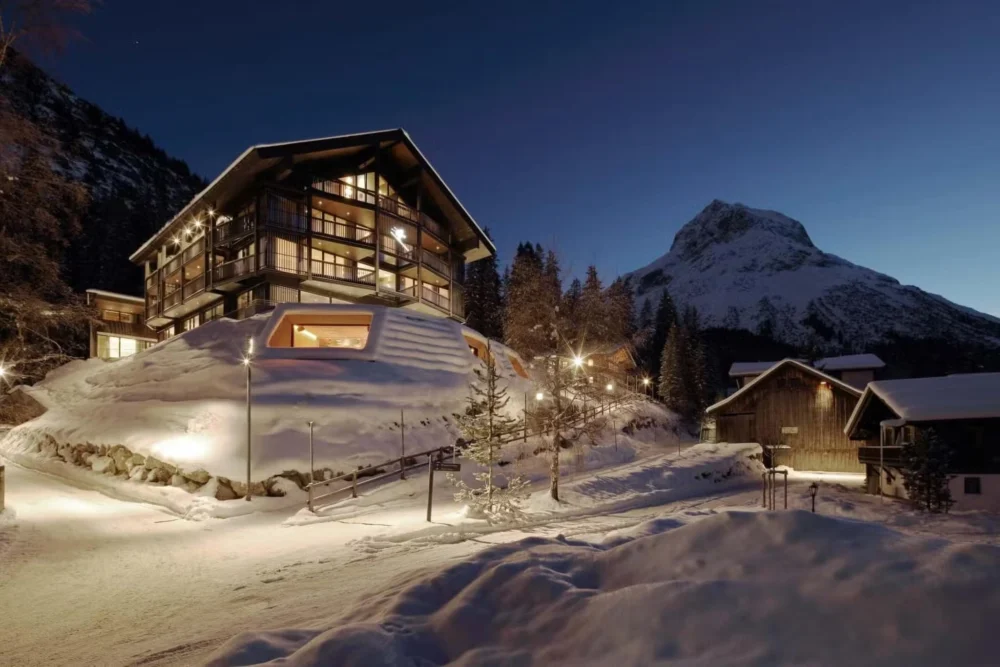
For enthusiasts whose passion for the Olympic Games extends far beyond the closing ceremony, the thrill doesn’t have to subside when the athletic spectacle concludes. A dedicated cohort of winter sports aficionados actively seeks out and visits a surprising array of lodgings worldwide, each intimately connected to legendary alpine Olympic medalists. These unique destinations not only serve as luxurious or comfortable retreats but also function as living museums, preserving the rich history and inspiring achievements of the Winter Games. More than mere accommodations, these properties offer an unparalleled opportunity to connect with the spirit of Olympic competition, often providing direct interaction with the medalists themselves.
Beyond showcasing invaluable Olympic memorabilia, these establishments frequently curate opportunities for guests to engage with the Olympian hosts, attend captivating presentations detailing their journeys, and, in some fortunate instances, even share the slopes with them. Even in cases where direct interaction is less frequent, the profound heritage, authentic photographic archives, and displays of competition gear imbue every corner of these lodges with an undeniable sense of the Winter Games’ magic, offering a deeply enriching experience for any visitor.
A Deep Dive into Alpine Legacies: Ski Lodges with Olympic Connections
The allure of standing on the same ground, seeing the same views, and perhaps even conversing with the heroes of alpine skiing draws a significant niche of travelers. These lodges are more than just places to sleep; they are conduits to history, a tangible link to moments of triumph and perseverance. From the remote Alaskan wilderness to the storied peaks of the Austrian Arlberg, each location tells a unique story of ambition, skill, and the enduring power of the Olympic dream.
Tordrillo Mountain Lodge, Judd Lake, Alaska: Tommy Moe’s Backcountry Empire
Updated on February 23, 2026, Tordrillo Mountain Lodge stands as a testament to American Olympic triumph in the wild heart of Alaska. Speed specialist Tommy Moe etched his name into Olympic history at the 1994 Lillehammer Games, securing a coveted downhill gold medal and a super-G silver. His formidable performance also saw him finish third overall in the World Cup super-G standings that season, cementing his status as a formidable force in alpine racing.
While Moe currently resides in Wyoming, his deep roots in Alaska frequently call him back to guide exclusive winter heli-skiing tours at Tordrillo Mountain Lodge. This remote, luxurious lodge, which he co-founded and remains a part-owner of, is strategically located on Judd Lake within Alaska’s vast backcountry, approximately 60 miles north of Anchorage. The lodge itself serves as a shrine to his achievements, prominently displaying the very downhill skis that carried him to his gold medal victory in the dining room. Throughout the lodge, a curated collection of photographs and other Olympic memorabilia further accentuates the rich history embedded within its walls.
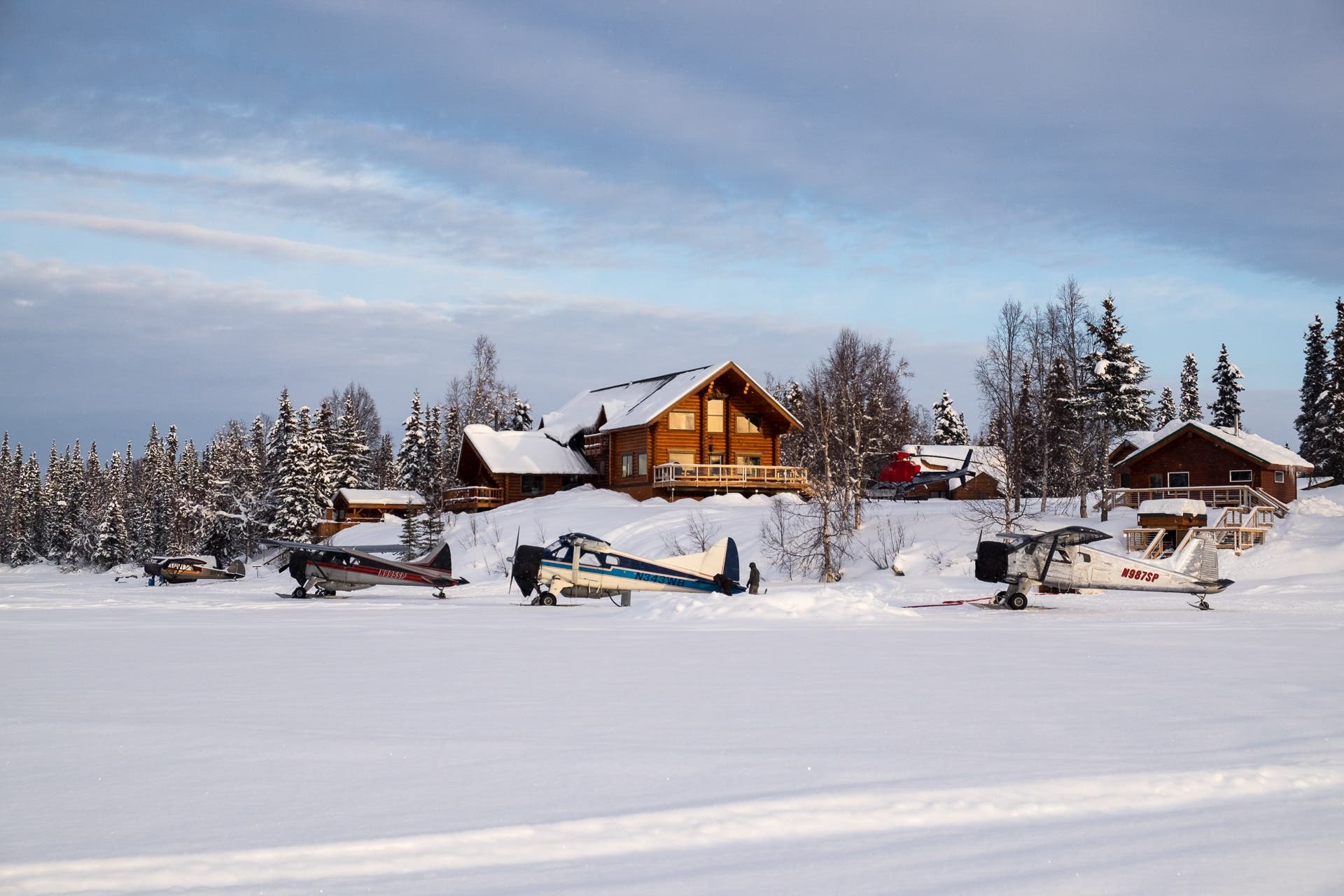
Heli-skiing expeditions are the primary draw, attracting adventurous visitors from February through April. The lodge even offers unique opportunities for salmon fishing and corn skiing in June, blending diverse Alaskan wilderness experiences. For guests specifically hoping to ski alongside Moe, it is highly recommended to request his presence when booking a trip. While not guaranteed, the lodge makes efforts to accommodate such requests without any additional fee. When on property, Moe actively engages with guests, joining them for relaxed après-ski gatherings and communal, family-style dinners. He also frequently hosts presentations, offering intimate insights into his Olympic journey and the challenges and triumphs of elite alpine racing. This direct interaction offers a rare glimpse into the mind of an Olympic champion, making a stay at Tordrillo Mountain Lodge an exceptionally personal and memorable experience.
Hotel Kristberg, Lech am Arlberg, Austria: Egon Zimmermann’s Enduring Legacy
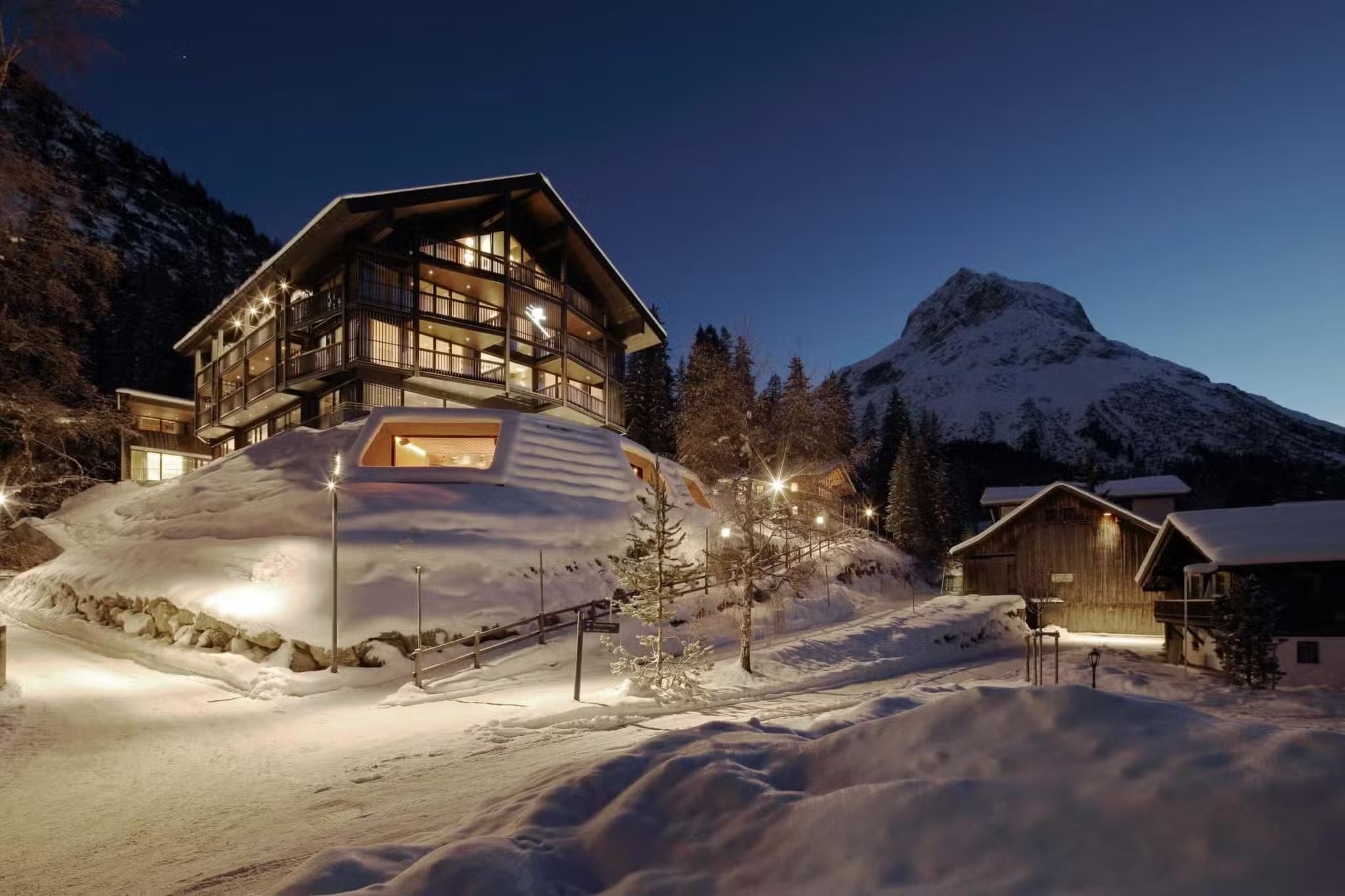
The picturesque village of Lech am Arlberg in Austria is home to Hotel Kristberg, a destination steeped in the legacy of Olympic champion Egon Zimmermann. Zimmermann first gained international recognition by winning giant slalom gold and downhill bronze at the 1962 Chamonix World Championships. Two years later, he electrified his home nation with a triumphant downhill victory at the 1964 Innsbruck Olympics, a moment of immense national pride for Austria. His audacious spirit is famously captured in Hans Truöl’s iconic 1960 photograph, "On taking a shortcut," which depicts Zimmermann in a racer’s crouch, boldly leaping over a Porsche 356 amidst towering snow walls on the Arlberg’s challenging Flexen Pass. This image perfectly encapsulates the daring and skill that defined his racing career.
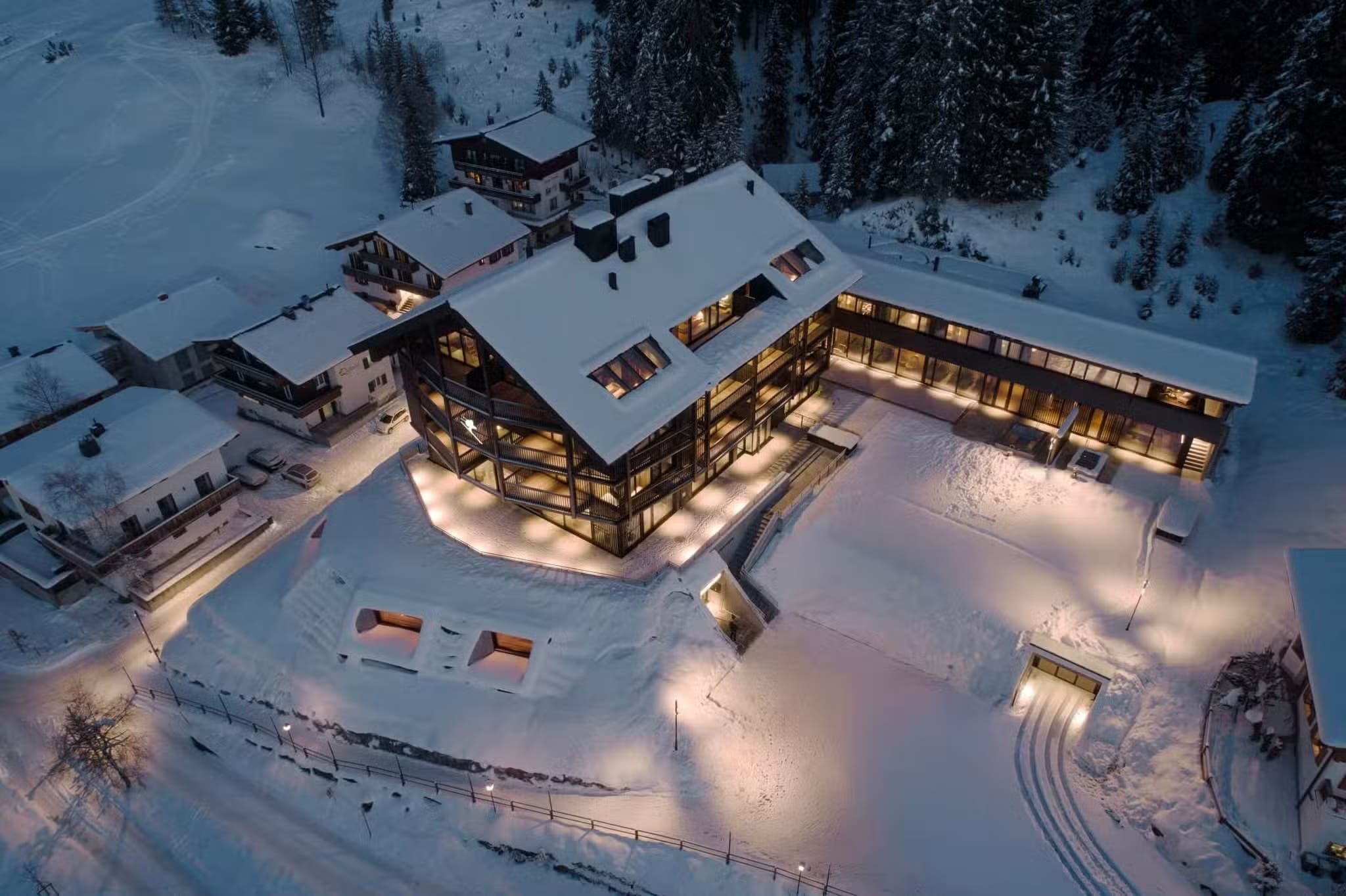
Following his retirement from competitive skiing, Zimmermann returned to his beloved hometown of Lech and, in 1966, opened Hotel Kristberg. Although he passed away in 2019, his entrepreneurial spirit and passion for hospitality live on through his nephew, Michael, who, alongside his wife and children, continues to operate the hotel. The property underwent a significant rebuilding and modernization, reopening in December 2025, blending contemporary comforts with its rich historical narrative. Egon Zimmermann’s enduring presence is particularly felt in the Scotch Club, which he founded in 1966 and remains a popular gathering spot. His illustrious career is meticulously chronicled through an extensive display of photographs and memorabilia adorning the hallways and within the elegant Salon Lech restaurant and lounge. The iconic "shortcut" photo is not only displayed but also creatively emulated in a striking sculpture above a fireplace in the salon and incorporated into the distinctive lighting design on the hotel’s largely glass façade, ensuring his legend remains visually central to the guest experience.
Hotel Annapurna, Courchevel, France: Alexis Pinturault’s Trophy Haven
Perched on the prestigious slopes of Courchevel 1850, Hotel Annapurna celebrates the remarkable career of three-time Olympian Alexis Pinturault. Pinturault has consistently demonstrated his prowess on the global stage, earning giant slalom bronze at the 2014 Sochi Games, and then securing another GS bronze and a silver in the alpine combined at the 2018 PyeongChang Games. Widely acclaimed as France’s most successful World Cup skier, his career between 2011 and 2023 saw him claim an astounding 34 World Cup race victories and achieve an impressive 77 podium finishes across various disciplines, showcasing his incredible versatility and dominance.
Hotel Annapurna itself boasts a rich family history, having been built by the Pinturault family in 1974. Today, it is skillfully operated by the third generation, continuing a tradition of excellence and deep connection to the alpine world. The hotel serves as a captivating repository for Alexis Pinturault’s extraordinary achievements. His extensive collection of trophies, sparkling crystal globes, Olympic medals, race bibs, and other significant memorabilia are meticulously displayed throughout the public areas and even in select guest rooms. Among these treasures, perhaps the most intriguing are the ribbon-wrapped skis from his 2018 Olympic silver medal win, offering a tangible connection to a pivotal moment in his career. Guests are immersed in the legacy of a living legend, surrounded by the physical manifestations of a career defined by relentless pursuit of excellence and historic success in the challenging world of alpine skiing.
Mirror Lake Inn Resort & Spa, Lake Placid, N.Y.: Andrew Weibrecht’s Home Slope Hospitality
In the heart of Lake Placid, a town synonymous with Olympic history, stands the Mirror Lake Inn Resort & Spa, proudly managed by two-time Olympic super-G medalist Andrew Weibrecht. Weibrecht earned a bronze medal at the 2010 Vancouver Games and followed it with a silver at the 2014 Sochi Games, cementing his reputation as a fierce competitor known for his aggressive, "Warhorse" style of skiing. His extensive travels throughout his racing career exposed him to diverse hospitality models. "What my favorite part was how engaged families were with their guests, and I wanted to bring that same ethos into hospitality here," says Weibrecht, who now serves as vice president and operations manager for the multi-generational, family-owned Mirror Lake Inn.
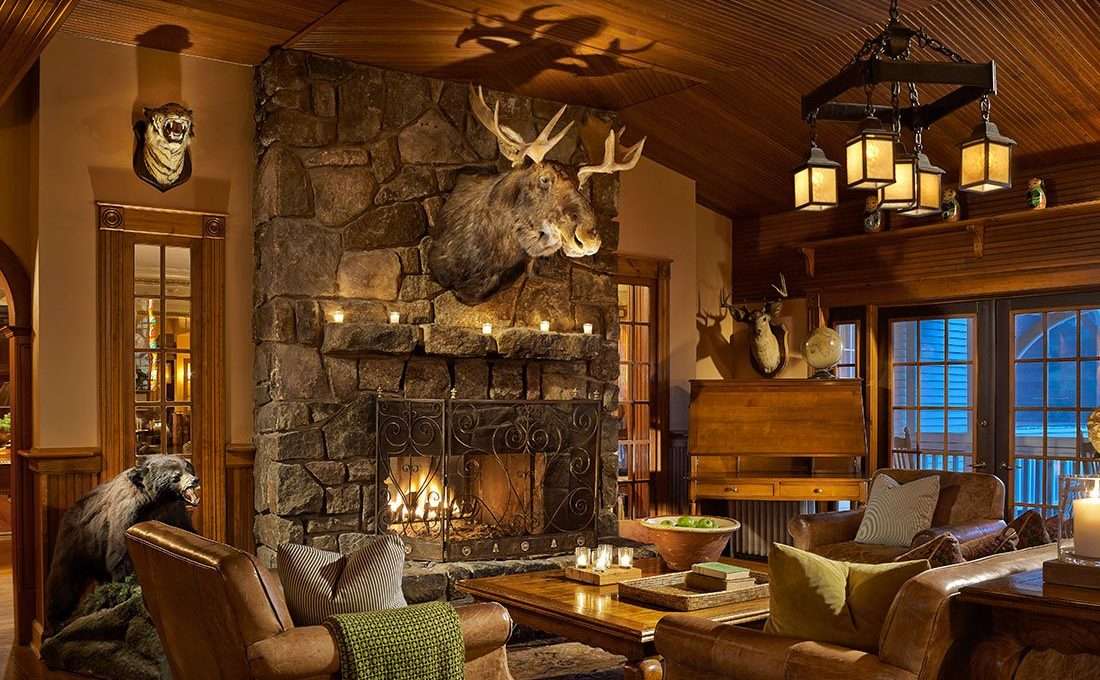
Weibrecht is deeply involved in the daily operations and genuinely enjoys interacting with guests. Whether he’s pouring coffee during breakfast service or offering insightful recommendations for activities on Whiteface Mountain or around town, his approachable demeanor enriches the guest experience. His cherished Olympic medals are prominently displayed behind the front desk, while his distinctive medal ceremony jackets are showcased in the inn’s newly designed game room. Weibrecht has expressed plans to integrate more of his personal memorabilia into the lodge’s decor, stating, "I have other memorabilia in storage, and I’m trying to find places for it."
The pinnacle of Olympic-minded guest experiences at the inn is the "Ski with 2-Time Olympic Medalist Andrew Weibrecht" program. This exclusive offering allows guests to join Weibrecht for a guided tour of Whiteface Mountain. "It’s cool to share the places special to me at Whiteface Mountain and our Olympic heritage and show where the slalom and giant slalom were held," he explains, providing a unique historical and personal perspective on the Olympic legacy of the mountain. This program, designed to accommodate skiers of all abilities, starts at $350 for a two-hour session covering up to two people, offering an intimate and memorable connection to Lake Placid’s Olympic past and present.
Hotel Karl Schranz, St. Anton, Austria: A Champion’s Controversial Path
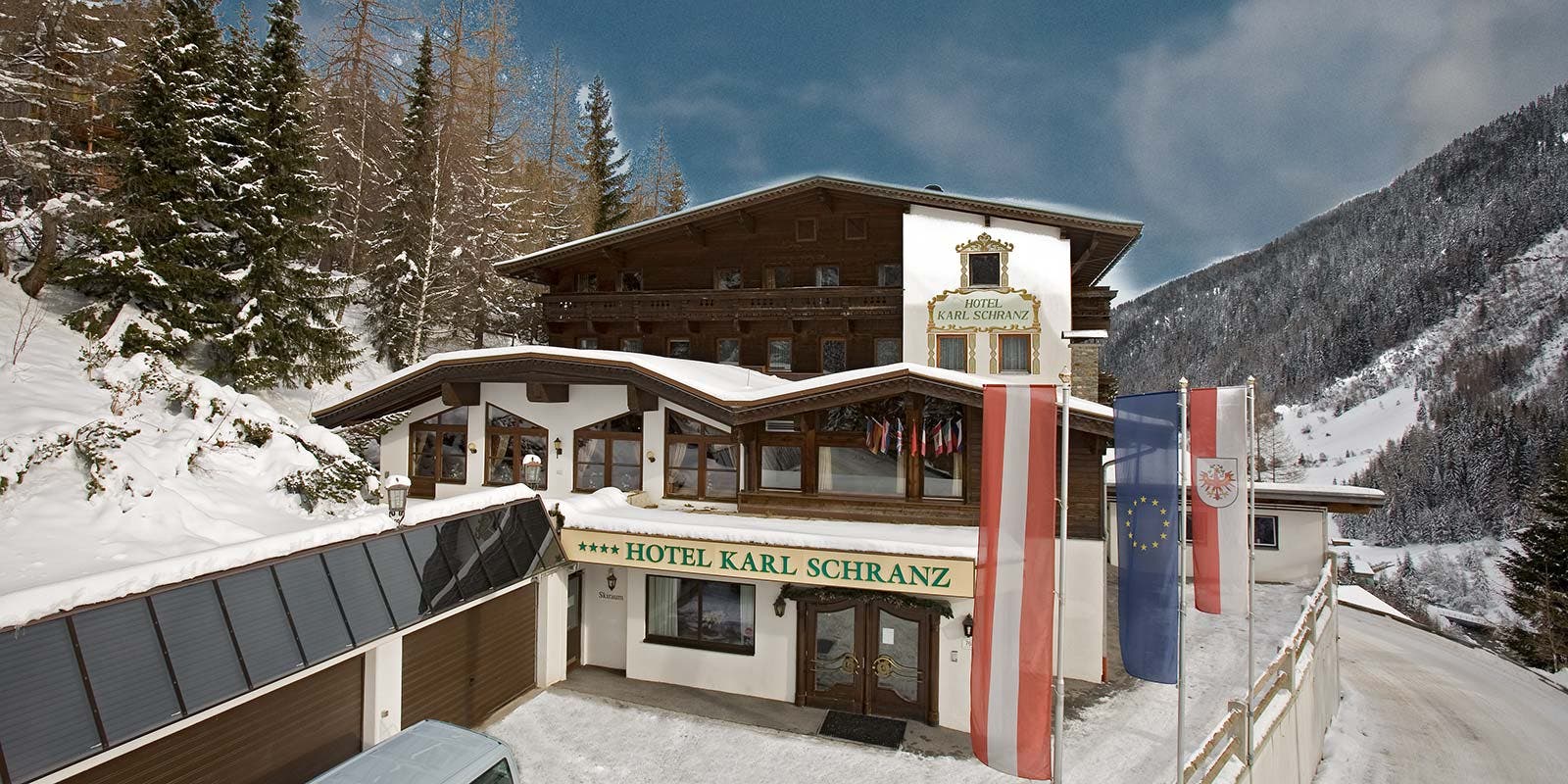
St. Anton, a renowned bastion of Austrian skiing, hosts the Hotel Karl Schranz, a property intimately linked to one of alpine skiing’s most complex and celebrated figures. Karl Schranz, an Austrian legend, captured a silver medal in slalom at the 1964 Innsbruck Olympics. His career, however, was also marked by significant controversies that ultimately shaped the sport’s professional landscape. During the 1968 giant slalom in Grenoble, dense fog obscured the course, and Schranz controversially alleged that someone had interfered with his run. He was granted a re-run, which initially propelled him to gold over the favored Jean-Claude Killy. However, the jury later rescinded his victory and disqualified him, a decision that sparked widespread debate. A second, even more impactful controversy arose during the 1972 Sapporo Games when he was famously banned for having professional contracts, a move that highlighted the rigid amateurism rules of the time.
Despite retiring without an Olympic gold medal, Schranz’s unwavering honesty and defiance regarding professional contracts proved to be a pivotal moment. His actions opened a crucial conversation that ultimately paved the way for amateur athletes to openly secure professional sponsorships and earn income, fundamentally altering the financial landscape of competitive sports. Throughout his illustrious career, Schranz amassed an impressive 23 World Cup podium finishes across downhill, slalom, and giant slalom disciplines, including 12 victories, and secured three World Championship titles. Upon his retirement from skiing in 1972, he returned to his native St. Anton to oversee the small hotel he had originally opened in 1966. While the younger generation now capably operates Hotel Karl Schranz, the tenacious spirit of the skier is ever-present. Displays of his medals, trophies, and an extensive collection of memorabilia, alongside photographs of him with notable figures, adorn the premises. Guests may even have the unique opportunity to encounter Schranz himself on property, engaging in a chat with a true icon whose impact transcended the racecourse.
Stein Eriksen Lodge, Deer Valley, Utah: The Father of Freestyle’s Haven
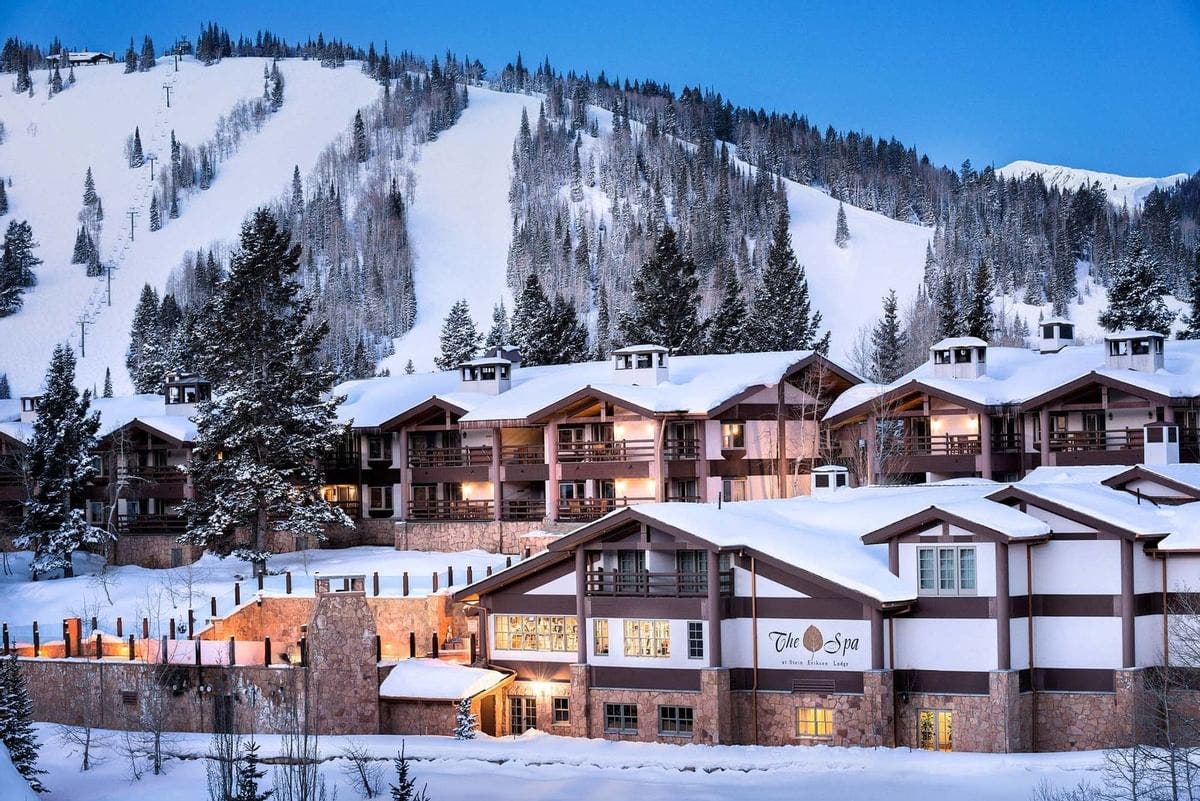
In the luxurious setting of Deer Valley, Utah, the Stein Eriksen Lodge stands as a grand tribute to one of skiing’s most charismatic and influential figures. Born in Oslo, Norway, Stein Eriksen swiftly accumulated accolades after his debut at the 1948 St. Moritz Games. His early career highlights include being crowned Norway’s slalom champion in 1949, securing a bronze medal at the 1950 World Championships, and achieving historic success at the 1952 Oslo Olympics where he won gold in giant slalom and silver in slalom, becoming the first male skier from outside the Alps to claim an Olympic gold. He continued his dominance with triple gold medals in slalom, giant slalom, and combined at the 1954 FIS World Championships in Åre, Sweden. Eriksen is also famously nicknamed the "Father of Freestyle" for his pioneering acrobatics on skis, including the revolutionary full-layout forward somersault, which captivated audiences and pushed the boundaries of the sport.
Although Stein Eriksen passed away in 2015, his indelible spirit and a wealth of his memorabilia continue to grace his namesake Deer Valley lodge. The lobby features exquisite "treasure chests" that proudly showcase Eriksen’s impressive hoard of gold and silver medals, numerous trophies, and other cherished keepsakes from his storied career. The lodge actively celebrates his legacy, observing "Stein Day" annually on December 11th, his birthday, with special events and remembrances. Furthermore, his family continues to operate "Stein Sport," an exclusive retail shop located within the lodge, offering a direct link to his enduring influence in the ski world. A stay at the Stein Eriksen Lodge is not merely a luxurious ski vacation but an immersion into the life and achievements of a true alpine pioneer.
Olympia Relax Hotel, Finkenberg, Austria: Leonhard Stock’s Gold Standard
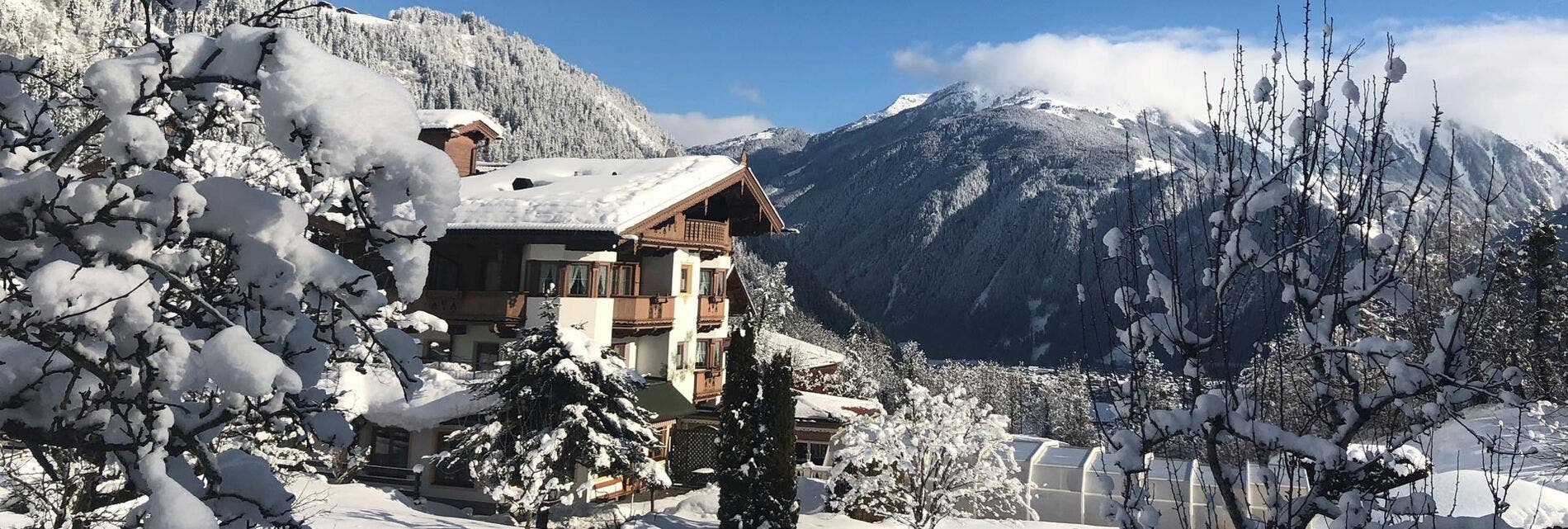
Nestled in the scenic Zillertal Valley, Austria, the Olympia Relax Hotel is a creation and passion project of Austrian racing legend Leonhard Stock. Stock experienced his career-defining year in 1980, achieving the ultimate dream of winning the Olympic downhill gold medal at the Lake Placid Games. He further augmented his impressive season with a bronze medal in the combined event at the subsequent World Championships, solidifying his place in alpine history.
In 1997, Stock embarked on a new endeavor, beginning the construction of a hotel on the very property in Zillertal where he had grown up. The Olympic theme is not merely a suggestion but a central design element throughout the hotel; the iconic Olympic rings are proudly incorporated into the hotel’s logo, subtly reminding guests of its champion owner. This theme extends to the guest experience, with elements like bathrobes and pillows subtly featuring the rings, making every guest feel like a winner. Stock’s illustrious career memorabilia, including his prized Olympic medals, are prominently displayed, allowing guests to visually trace his journey to glory.
A significant highlight for visitors is the frequent opportunity to interact with Leonhard Stock himself. Guests can often engage with him, hearing firsthand anecdotes from his remarkable career and even receiving valuable ski tips directly from the Olympic champion. He typically skis with guests on a weekly basis, providing an intimate and personalized experience. For those seeking even more dedicated time on the slopes with him, the "Winter Safari with the Olympic Champion" package offers two full days of skiing with Stock, available from February 1st through March 15th. Alternatively, enthusiasts can partake in "Leo’s Legend Ski Week" in late March, a unique event that includes skiing, grouped by ability, with Stock and other legendary figures such as Stefan Eberharter, Marc Girardelli, and David Zwilling. This seven-day package, starting at 1,302 Euros per person, offers an unparalleled chance to share the mountain with multiple icons of alpine racing.
Cahilty Lodge, Sun Peaks, B.C.: Nancy Greene Raine’s Canadian Icon Status
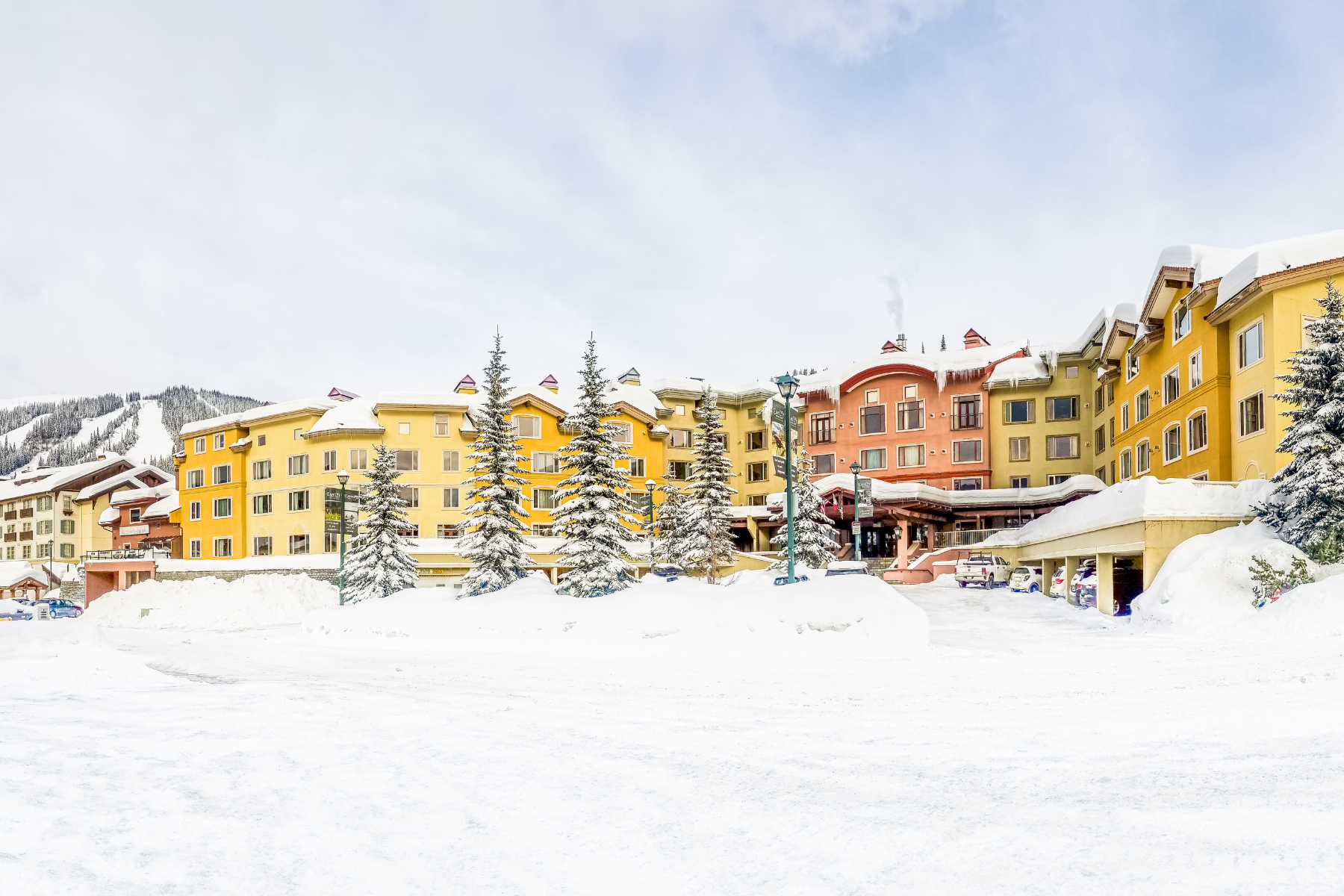
In the heart of Sun Peaks, British Columbia, Cahilty Lodge pays homage to Canada’s undisputed alpine queen, Nancy Greene Raine. Her extraordinary achievements led to her being named "Canadian Female Athlete of the Century" in 1999. Greene Raine captivated the world at the 1968 Grenoble Games, where she clinched a gold medal in giant slalom and a silver in slalom. Her dominance extended beyond the Olympics, as she secured the overall World Cup titles in both 1967 and 1968. Her remarkable tally of 13 World Cup victories remains the most by any Canadian skier, a testament to her unparalleled skill and competitive spirit.
Although Nancy Greene Raine is no longer financially involved with Cahilty Lodge, the condo-hotel that bears her name, her presence remains deeply felt. She continues to reside on the top floor of the lodge, and her impressive collection of trophies is proudly displayed in the lobby. Photographs and cherished memories adorn the hallways, creating a vivid narrative of her illustrious career. Greene Raine actively serves as the Director of Skiing and a dedicated ambassador for Sun Peaks, ensuring numerous opportunities for guests to meet and even ski with her. During peak season, she hosts complimentary "Welcome Receptions" for the public every Sunday evening at the Sun Peaks Grand Hotel, offering a chance for casual interaction. For a more personalized and extensive experience, guests can reserve a 2.5-hour morning or afternoon "Ski with Olympic Champion Nancy Greene" session. This exclusive program, priced at $1,000, accommodates up to seven skiers, with the entirety of the fee benefiting the Sun Peaks Education Society, linking her legacy to community development.
Hotel & Chalet Montana, Oberlech, Austria: Patrick Ortlieb’s Alpine Return
The car-free village of Oberlech, Austria, hosts the Hotel & Chalet Montana, a charming property with a direct lineage to Olympic downhill champion Patrick Ortlieb. A true downhill specialist, Ortlieb soared to international fame by winning the gold medal at the 1992 Olympics in Albertville. He further demonstrated his mastery of speed four years later, repeating his gold medal performance at the 1996 World Championships in Sierra Nevada, Spain. Ortlieb’s connection to the hotel runs deep, as he grew up working in the very slopeside establishment that his parents built in the 1960s.
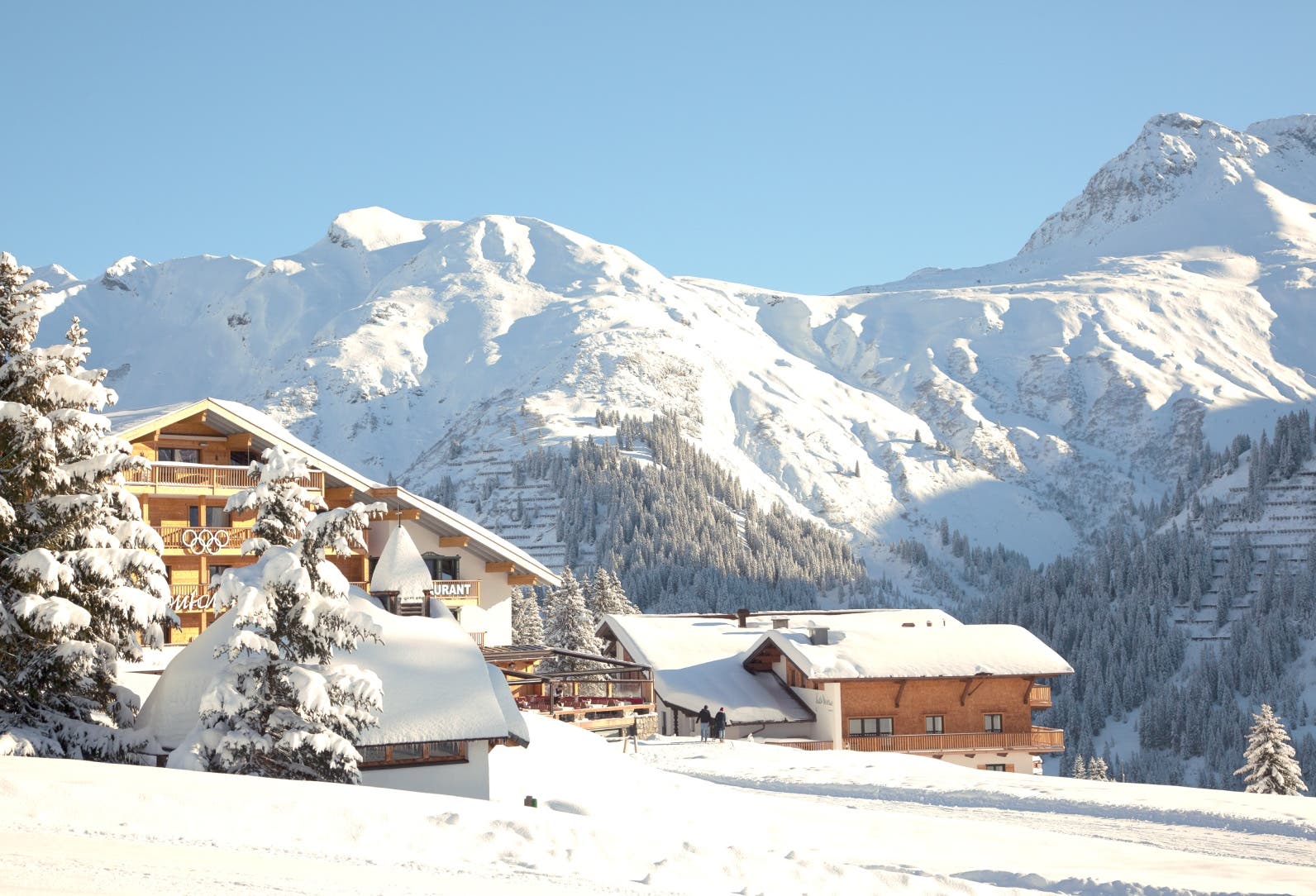
After an injury ultimately brought an end to his competitive ski career, Ortlieb returned to his family’s hotel, fully immersing himself in its operation. The hotel’s chalet-style façade proudly features the iconic Olympic rings, a clear visual cue to passing skiers of its prestigious heritage and likely a magnet for many seeking lunch or an après-ski drink on its sun-drenched deck. Ortlieb’s hard-won medals are prominently displayed within the hotel, serving as powerful reminders of his triumphs. During a weekly reception, Ortlieb generously shares captivating stories from his racing days and readily poses for photographs with guests. His active involvement in the hotel’s daily operations means guests often have informal opportunities to glean invaluable ski tips directly from an Olympic gold medalist, adding an extraordinary dimension to their stay.
Suitenhotel Zurbriggen, Zermatt, Switzerland: Pirmin Zurbriggen’s All-Around Excellence
In the iconic Swiss alpine resort of Zermatt, the Suitenhotel Zurbriggen embodies the unparalleled versatility and success of Pirmin Zurbriggen, one of alpine skiing’s most decorated athletes. Zurbriggen holds the unique distinction of being the first racer in history to win World Cup races in all five alpine disciplines: downhill, super-G, giant slalom, slalom, and combined. His Olympic pinnacle came at the 1988 Calgary Games, where he secured a gold medal in the downhill and a bronze in the giant slalom. He retired in 1990 at the peak of his career, having won his fourth overall World Cup title, cementing his legacy as a true all-around champion.
Hailing from Saas-Almagell in the Valais Alps, where his parents also managed a hotel, Zurbriggen, alongside his wife Moni Zurbriggen-Julen (who herself grew up in the restaurant business in Zermatt), built the Suitenhotel Zurbriggen in 1998. The hotel’s design thoughtfully integrates his racing heritage. "All suites are named after downhill ski runs," Zurbriggen explains, citing legendary courses like Streif, Stelvio, Saslong, and Lauberhorn as examples. Each room is adorned with photographs depicting its namesake run, creating a cohesive and immersive theme. The "Olympia Suite" stands out as a particular highlight, featuring the Olympic rings intricately engraved into the floor and a distinctive lamp designed by Heinz Julen, crafted from Zurbriggen’s very own medals and trophies.
Guest interaction is a cornerstone of the Zurbriggen experience. "Every week we offer our guests an apéritif, during which I talk about my experiences on the World Cup circuit," Zurbriggen states, providing personal insights into the demanding world of elite skiing. He occasionally screens films showcasing highlights from his illustrious career. Furthermore, when their busy schedules permit, both Pirmin and Moni extend the extraordinary invitation to ski with their guests, offering a truly once-in-a-lifetime opportunity to share the slopes with an alpine legend.
Kristiania Lech, Lech am Arlberg, Austria: Othmar Schneider’s Double Talent
Another gem in the crown of Lech am Arlberg, Austria, is Kristiania Lech, a hotel deeply intertwined with the multifaceted career of Othmar Schneider. Schneider holds the distinction of being Austria’s first alpine Olympic champion, having won a gold medal in slalom and a silver in downhill at the 1952 Games in Oslo. He also secured a slalom silver at the 1952 World Championships, marking him as a dominant force in early post-war alpine skiing. Remarkably, Schneider’s talents extended beyond the ski slopes. He was an accomplished marksman, earning a team bronze in pistol shooting at the 1974 World Championships and later coaching Austria’s Rudolf Dollinger to a bronze medal in pistol shooting at the 1976 Montreal Olympics, showcasing an extraordinary breadth of athletic prowess.
After retiring from competitive racing, Schneider embarked on an international career as a ski instructor, sharing his expertise in the United States and Chile. He eventually returned to Austria, and in 1968, he and his wife, Irmgard, built Kristiania Lech. Although Othmar Schneider passed away in 2012, the hotel, now owned and meticulously run by their daughter, Gertrud, proudly continues his legacy. The hotel serves as a vibrant display of his sporting memorabilia, including both his skiing and shooting medals, offering guests a unique insight into the life of a true dual-sport Olympian. Kristiania Lech not only provides luxurious accommodation but also acts as a curated archive, celebrating the extraordinary achievements of a pioneer who excelled in vastly different athletic disciplines, leaving an enduring mark on Austrian sports history.
The Enduring Appeal and Broader Impact of Olympic Ski Lodges
These 11 lodges represent more than just luxurious or comfortable places to stay; they are cultural touchstones that embody the spirit of the Olympic Games and the dedication of its champions. They offer a unique intersection of history, sport, and hospitality, providing guests with an unparalleled opportunity to immerse themselves in the legacy of alpine skiing. From the authentic memorabilia and historical photographs to the potential for direct interaction with Olympic medalists, these establishments transform a simple ski trip into an inspiring journey through the annals of athletic greatness.
The existence and continued success of these lodges underscore a significant trend in niche tourism: the desire for experiential travel that offers depth and personal connection. By providing direct access to the stories and even the presence of these legendary athletes, these properties play a crucial role in preserving the heritage of alpine skiing for future generations. They serve as living museums, reminding us of the human endeavor, perseverance, and triumph that define the Olympic movement. For aspiring skiers, history buffs, or simply those seeking a vacation with an extraordinary narrative, these lodges offer not just a stay, but an unforgettable Olympic immersion experience, proving that the magic of the Games truly lives on.
