

Updated March 23, 2026 08:53 AM
Daron Rahlves stands as a singular figure in the annals of snow sports, an athlete whose career arc defies conventional categorization. His journey, marked by an exceptional versatility that saw him conquer the demanding disciplines of Downhill, Super-G, and Giant Slalom on the prestigious World Cup circuit, took an unprecedented turn after his retirement from the U.S. Ski Team as an alpine racer. In a move that underscored his enduring competitive spirit and adaptability, Rahlves transitioned to the burgeoning sport of skicross, earning a spot on the U.S. Olympic Freestyle team and competing in its inaugural Olympic appearance at the 2010 Vancouver Games. This remarkable trajectory, from the precision and speed of alpine racing to the head-to-head intensity of skicross, solidified his reputation as one of skiing’s most dynamic and multifaceted competitors.
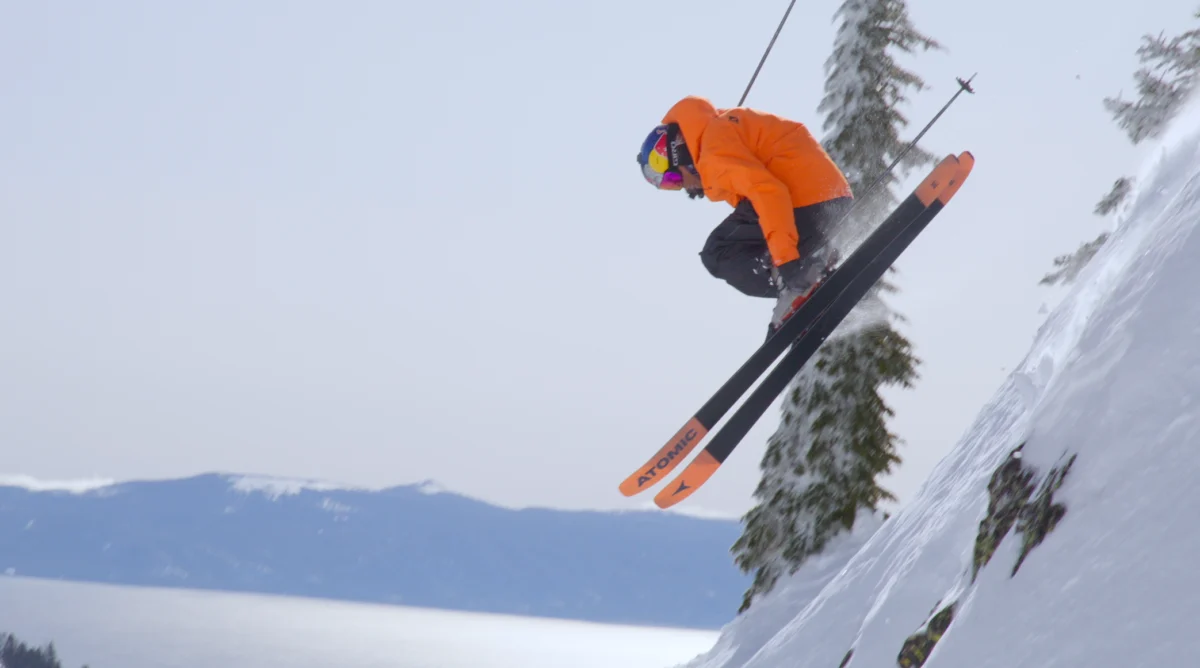
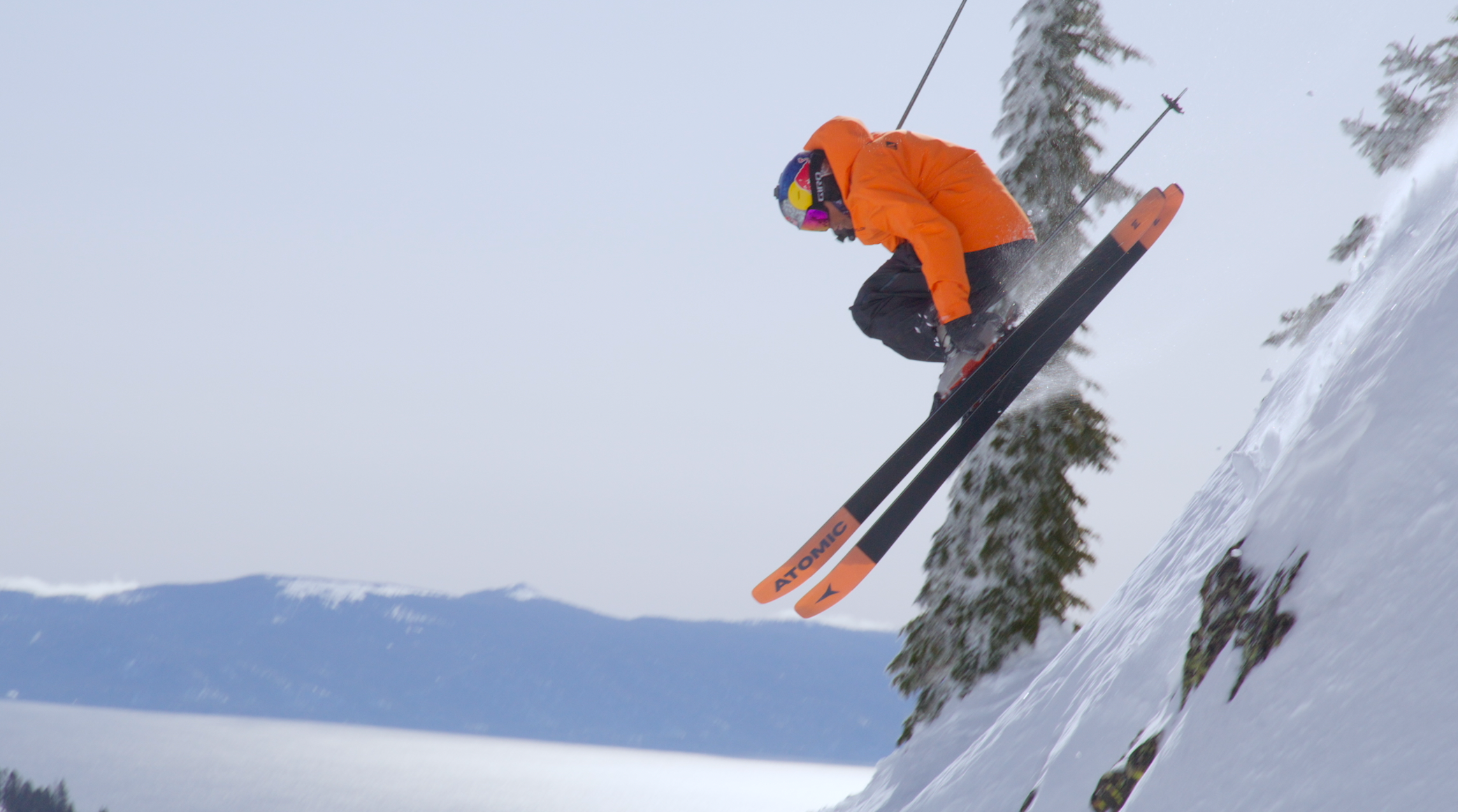
A native of Northern California, Rahlves’ foundational years were spent honing his craft at Palisades Tahoe, then known as Squaw Valley. This iconic resort served as a dual training ground where he cultivated both the raw, intuitive skills of big mountain freeskiing and the rigorous discipline required for competitive racing. His formative experiences included returning to Palisades Tahoe during spring breaks from Vermont’s Green Mountain Valley School, a renowned ski academy, and later, between demanding World Cup races after joining the U.S. Ski Team. Rahlves himself attributes a pivotal moment—a powder day spent skiing with freeskiing legends Shane McConkey and Jonny Moseley—as a key catalyst for his first World Cup victory just a week later, suggesting a powerful interplay between the freedom of big mountain skiing and the focus of racing. SKI magazine recently connected with Rahlves to delve into his distinguished career, his multiple Olympic appearances, the highly anticipated return of his innovative Rahlves Banzai Tour at Palisades Tahoe, and his observations on how the sport has transformed as his own children now approach the age he was when he first made the U.S. Ski Team.
The Mental Fortitude Behind Alpine Success: Conquering the Hahnenkamm
Among Daron Rahlves’ most celebrated achievements is his victory at the famed Hahnenkamm Downhill in Kitzbühel, Austria—a race widely regarded as the most demanding and technically challenging downhill event on the World Cup calendar. The "Streif" course, with its notorious sections like the Mausefalle, Steilhang, and Hausbergkante, pushes skiers to their absolute limits, combining extreme speed with treacherous icy turns and massive jumps. Winning here requires not only immense physical prowess but also unparalleled mental resilience.
Rahlves shared his intricate preparation strategy for such high-stakes competitions. He emphasized extensive video analysis and mental imagery, repeatedly visualizing every turn, bump, and transition of the track. This rigorous mental rehearsal, he explained, fostered a deep sense of familiarity and comfort, allowing him to thrive in demanding, high-consequence environments. To further fortify his psychological edge, Rahlves employed a unique and unconventional technique: compiling a VHS tape he dubbed "Thrills and Spills." This curated compilation featured dramatic crashes from various races where competitors, despite the spectacular wipeout, managed to get up and ski away, often demonstrating incredible recoveries. He noted, "Bode [Miller] made the reel quite a few times." By deliberately excluding incidents involving serious injury requiring helicopter evacuations or sled extractions, Rahlves created a positive reinforcement loop. Watching this reel during race week served as a powerful form of exposure therapy, conditioning his mind to understand that even significant errors could result in a survivable outcome. This proactive acceptance of risk, rather than succumbing to fear, allowed him to approach the starting gate devoid of the "demons" that plague many other racers. His philosophy centered on meticulous preparation, accepting the inherent dangers, and focusing on flawless execution to mitigate the worst-case scenarios. This approach not only underscored his mental toughness but also offered a rare glimpse into the psychological warfare inherent in elite alpine racing.
The Olympic Journey: From Alpine Glory to Skicross Debut
Daron Rahlves’ Olympic career spanned four Games, a testament to his longevity and versatility. His initial three appearances were as an alpine ski racer, a period of intense dedication and sacrifice. "Once I was on the U.S. Ski Team, that became 100 percent my life," he recalled, highlighting the singular focus required to compete at the pinnacle of alpine sport. Alpine skiing at the Olympics represents the culmination of years of training, with athletes vying for the most coveted medals in the sport. Rahlves’ participation in multiple disciplines—Downhill, Super-G, and Giant Slalom—demonstrated his comprehensive skill set across different speed and technical challenges.
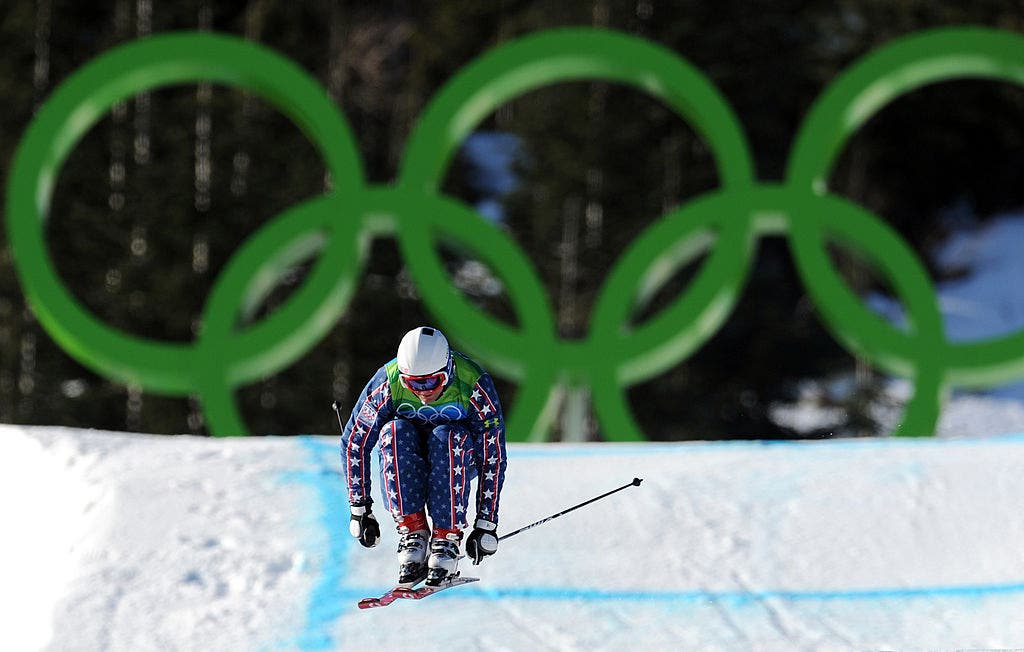
The fourth Olympic appearance, however, marked a significant departure. Following the birth of his children, Rahlves sought to balance his competitive drive with a desire to reduce his extensive travel schedule. Skicross presented an ideal outlet. This relatively new discipline, characterized by four-to-six skiers racing head-to-head down a course featuring natural and artificial obstacles like jumps, rollers, and banked turns, offered a fresh challenge. It combined elements of alpine speed with the tactical, close-contact racing reminiscent of motocross or BMX. When the opportunity arose for skicross to debut as an Olympic sport at the 2010 Vancouver Games, Rahlves committed in 2009 to a rigorous qualification process, participating in World Cup events to secure his spot. The preparation differed markedly from alpine racing, requiring a strategic mindset akin to a "football team" needing to understand opponents’ "defense and offense."
Unfortunately, his Olympic skicross aspirations faced a significant hurdle just ten days before the Games when he dislocated his hip at the X Games. Despite the severe injury, Rahlves pushed through, completing two days of practice and qualifying runs at Vancouver’s Cypress Mountain. However, he acknowledged being "behind in terms of strength, power, and endurance." During the actual Olympic competition, Rahlves found himself in second place when a competitor initiated aggressive contact from behind, driving his ski tips into Rahlves’ boots, causing both athletes to crash. Reflecting on the experience, he described it as "fun and another element of skiing," but conceded his preparation was "really quick compared to my alpine years of consecutive effort." Despite warnings from some that competing in skicross might "tarnish [his] ski reputation," Rahlves remained undeterred. His philosophy, "If you’re afraid of failure, don’t do it. I was willing to fail for the challenge of it," encapsulated his unwavering competitive spirit and willingness to embrace new frontiers, regardless of the outcome. This move not only showcased his personal drive but also brought significant attention to the burgeoning sport of skicross, leveraging his established profile to introduce a wider audience to its thrills.
The Rahlves Banzai Tour: A Return to Raw Skiing Competition
The skiing community eagerly anticipates the return of the Rahlves Banzai Tour to Palisades Tahoe, scheduled for April 10-12, on the resort’s legendary KT-22 run. This event, conceived by Rahlves himself, is a direct homage to the unfiltered, top-to-bottom battles that characterized early forms of ski racing. The term "Banzai," often associated with reckless courage, perfectly encapsulates the spirit of the competition. It’s a throwback to childhood races where the stakes were simple: "last one down is the rotten egg." The Banzai Tour elevates this concept to a professional level, challenging competitors to navigate the mountain’s natural, off-piste terrain in a head-to-head format, where the first one across the finish line wins.
The choice of KT-22 as the venue is deliberate and significant. Known for its steep pitches, challenging moguls, natural features, and often variable snow conditions, KT-22 embodies the spirit of big mountain skiing and demands an all-around skier. The competition blends elements of free skiing and racing; while the initial stages involve timed runs to qualify the top 32 racers, the core of the event lies in the subsequent head-to-head heats. Rahlves offered strategic insights for prospective winners: a strong start is paramount to gain an early advantage. Competitors must cultivate an aggressive mindset, balanced with quick, sound judgment to avoid reckless mistakes that could lead to crashes or slower lines. Physical strength is also crucial, as skiing off-piste in rough terrain expends significantly more energy than gliding down groomed slopes. As the course setter, Rahlves emphasizes utilizing the entire mountain, urging competitors to "read the mountain" and identify opportunities to make strategic moves if they aren’t leading from the start.
A notable aspect of the Rahlves Banzai Tour is its commitment to equitable recognition. Rahlves proudly announced a $20,000 prize purse, distributed evenly between men and women, and across both ski and snowboard categories, extending payouts all the way to fifth place. This commitment to equal prize money is a progressive stance within snow sports, reflecting a broader industry trend towards parity. Beyond the competitive aspect, Rahlves views the Banzai Tour as a vital community event, a gathering that fosters camaraderie and celebrates the pure joy of skiing. It provides a platform for skiers of all backgrounds to test their skills against each other and the mountain itself, embodying Rahlves’ philosophy of pushing personal limits and embracing the challenge.
The Evolving Landscape of Skiing: A Generational Divide
With his 18-year-old twins now engaging with the sport, Daron Rahlves observes a vastly different skiing landscape compared to his own formative years. His era, he notes, offered a relatively narrow path to professional skiing, primarily through competitive alpine racing or mogul skiing. Success was directly correlated with tangible results: podium finishes, World Cup points, and Olympic medals. These achievements translated into interviews, television coverage, and ultimately, a viable career.
Today’s youth, however, navigate a much broader spectrum of opportunities and influences. The rise of disciplines like big mountain, slopestyle, and freeride has diversified the competitive arena. More significantly, the digital age has created entirely new avenues for professional skiers. Rahlves highlights the emergence of "pro skiers without competitions," individuals who forge careers as influencers, content creators, or by producing "sick edits" for social media platforms. He candidly admits, "I’m glad that I didn’t have to deal with social media," acknowledging the unique pressures and constant visibility that today’s athletes face. While his generation’s fame was largely dictated by broadcast media, current athletes must cultivate a personal brand across numerous digital channels, often balancing athletic performance with content creation.
Despite these changes, Rahlves identifies several positive developments. He marvels at the accelerated progression of young skiers, attributing it to the pervasive visual culture. Kids constantly see their peers and idols executing incredible feats, which in turn inspires and accelerates their own skill development, particularly in big mountain skiing. This phenomenon, often dubbed the "social media effect," has undeniably elevated the overall level of talent and innovation in the sport. Furthermore, Rahlves commends the growing trend of equal pay between men and women in various ski competitions, a principle he proudly upholds with the Rahlves Banzai Tour. This shift towards gender equity represents a significant cultural and economic advancement within snow sports, reflecting a broader societal movement towards fairness and recognition for female athletes.
Life Beyond Competition: Inspiring, Innovating, and Alaska-Bound
Life after competitive racing has not led to a deceleration for Daron Rahlves; rather, it has presented new avenues for engagement and contribution to the skiing world. He has successfully leveraged his illustrious career to build a multifaceted professional life centered around his passion for the outdoors and challenging himself and others. Rahlves frequently participates in corporate events, where he shares his experiences and methodologies for success, aiming to inspire professionals to push beyond their comfort zones. He sees events like the Banzai Tour as extensions of this mission, enabling participants to "find another level inside themselves."
His expertise is also highly sought after in product development. Rahlves actively collaborates with leading brands such as Giro, Flylow, and Atomic, contributing his insights to improve ski equipment and apparel. This involvement allows him to directly influence the quality and performance of gear used by both professional athletes and recreational skiers. Furthermore, his long-standing partnership with Red Bull extends beyond mere sponsorship; he functions as a mentor, guiding and supporting younger athletes. This mentorship role is deeply meaningful to Rahlves, as he strives to instill in the next generation, including his own children, the profound satisfaction that comes from dedicated hard work and the rewards it yields. "It feels good to work hard for something and have it come back. It’s a big reward," he explains, encapsulating a core tenet of his philosophy.
Looking ahead, Rahlves has embarked on an ambitious new venture that underscores his enduring connection to the mountains and his desire to share extraordinary ski experiences. He and his wife, Michelle, in partnership with fellow U.S. Ski Team alumnus Reggie Crist and his wife, have acquired and are actively elevating the Chilkat Mountain Lodge. Located 18 miles from Haines, Alaska, this lodge is being transformed into a premier destination for heli-skiing and backcountry adventures. Haines is renowned globally for its unparalleled big mountain terrain, deep powder, and dramatic glacial landscapes, offering some of the most challenging and rewarding skiing experiences on the planet. The vision for Chilkat Mountain Lodge is to create an exceptional base for exploring this legendary wilderness, making it a "great place to go out in the mountains." Rahlves’ personal bucket list now includes making an annual pilgrimage to Alaska to "score some incredible skiing and share it with others," further cementing his role not just as a former competitor but as an ambassador for the pure, unadulterated joy of skiing in its grandest forms. This new chapter promises to extend Rahlves’ influence from the competitive circuits to the heart of the adventure skiing world, continuing his legacy of pushing boundaries and inspiring passion for the sport.
