


Aspen, Colorado, a name synonymous with luxury, exclusivity, and often, prohibitive pricing, presents an intriguing paradox for budget-conscious travelers: the possibility of an affordable ski experience. While the resort town’s reputation for high-end amenities and premium costs is well-earned, a distinct seasonal shift offers a window of opportunity for skiers and snowboarders to experience its world-class slopes without the customary financial strain. This "secret," as some term it, lies within the nuances of the spring skiing season, a period when the economic dynamics of the resort town undergo a significant transformation.
Historically, a ski trip to Aspen Snowmass has been amalgamated with high prices, frequently positioning it beyond the reach of many potential visitors. The resort management, Aspen Skiing Company (ASC), has implemented various strategies to mitigate these costs, including family discounts and bundled lodging packages during peak periods. However, for those seeking genuinely lower-cost options, the late winter and early spring months emerge as the prime time. This period brings a notable recalibration of prices across key visitor expenditures, including lift tickets, lodging, and essential gear, presenting a compelling value proposition.
The Economic Shift: Spring’s Impact on Aspen Pricing
The transition from the bustling peak winter season to the quieter spring shoulder season in Aspen is a predictable annual cycle driven by various factors, including school holidays, snow conditions, and broader travel trends. As the season progresses into March and April, demand typically softens, prompting resorts and local businesses to adjust their pricing strategies to attract continued visitation. This strategic adjustment is crucial for maintaining economic activity during periods of lower natural demand, balancing the high-yield peak season with more accessible off-peak offerings.
The spring shoulder season for skiing typically extends from late March through mid-April, leading into a more pronounced slowdown from late April through late May, when many businesses temporarily close their doors. This interim period between the winter and summer peaks is characterized by reduced operating costs for many establishments and a concerted effort to maximize revenue through discounted offerings.
Strategic Savings: Lift Tickets and Ski Rentals
One of the most significant cost reductions observed during the spring skiing season at Aspen Snowmass pertains to lift tickets. For non-Ikon pass holders, who typically face premium window rates during the core winter months, spring brings substantial relief. Window rates for adult day passes can drop to approximately $100, a stark contrast to regular season prices that can easily exceed $170-$200. This represents a savings of over 40 percent, making the world-renowned slopes of Aspen more accessible. Similarly, rates for kids, teens, and seniors also see commensurate reductions, falling to around $81 per day.
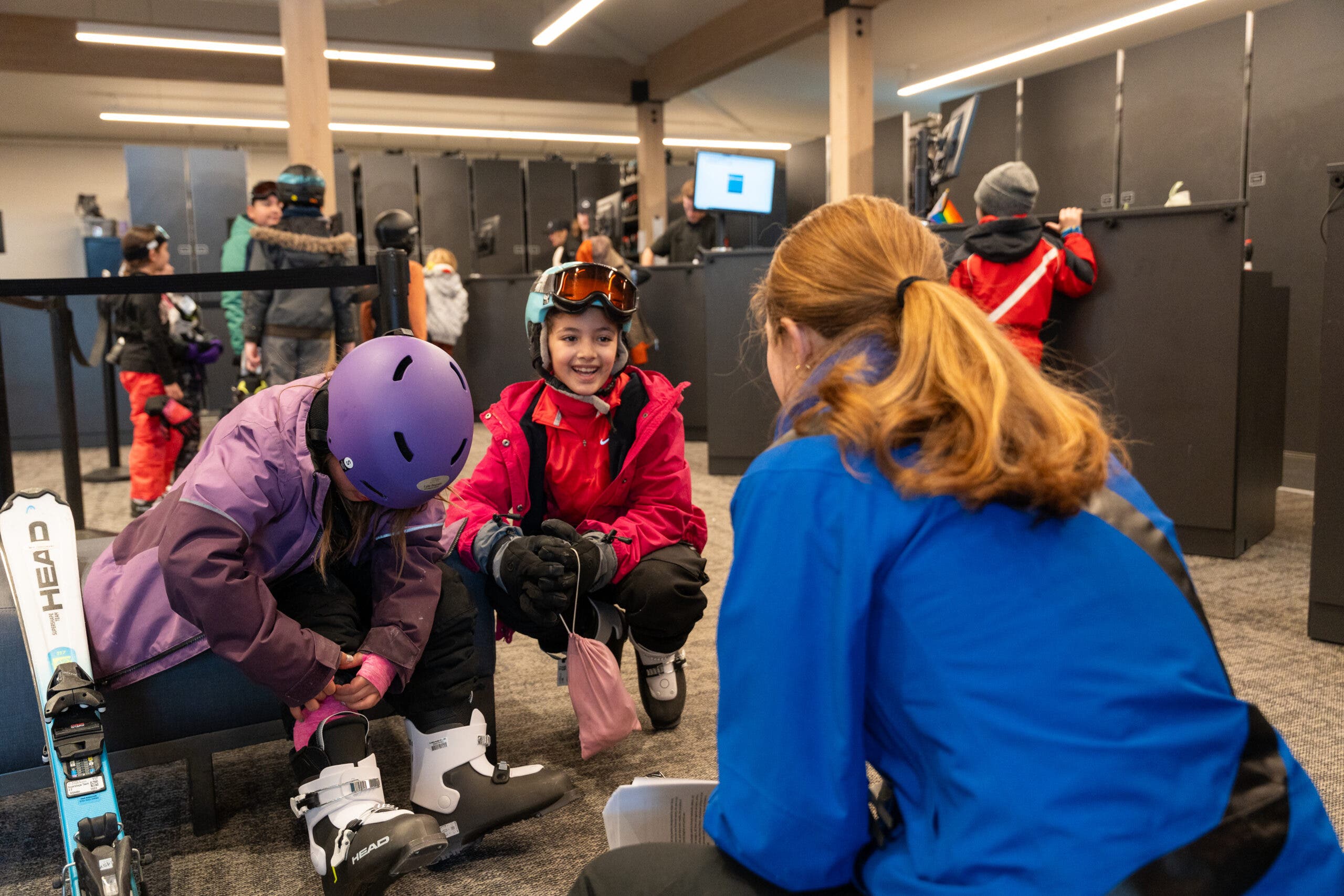
Beyond direct price cuts, Aspen Snowmass employs targeted promotions designed to attract specific demographics. A notable initiative allows families with children aged 7 to 12 to receive free lift tickets with the purchase of two days of kids’ rentals from Four Mountain Sports, the resort’s official rental partner. This "Kids Ski Free" program, directly linked through the Aspen Snowmass website, alleviates a significant financial burden for families, enabling a multi-day ski experience that would otherwise be considerably more expensive. For adult skiers without children, bundling ski or snowboard rentals through the resort at least one day in advance can still yield a 15 percent discount, highlighting the value of pre-planning and utilizing package deals.
Looking ahead to the upcoming season, Aspen Snowmass has introduced "flex" packs, an innovative offering aimed at providing more versatile and potentially more affordable access. These packs, starting at $679 for adults, offer four days of skiing at any of Aspen’s four mountains (Ajax, Snowmass, Aspen Highlands, and Buttermilk) without blackout dates. While this price point is higher than the deepest spring discounts, the flexibility to ski during peak holiday periods or other times of the season makes it a strategic option for many. The resort has indicated that prices for these flex passes will increase on June 26, with sales likely concluding in the fall, underscoring the benefit of early purchase for those planning future trips. This move reflects a broader industry trend towards incentivizing advance commitment while offering perceived value through flexibility.
Gear Acquisition: End-of-Season Sales and Community Networks

The spring season is not only opportune for lift ticket savings but also for acquiring ski and snowboard gear at significantly reduced prices. As retailers prepare for the transition to summer inventory and the arrival of next season’s models, current season’s stock is often heavily discounted. Aspen, with its multitude of high-end ski shops, becomes a hub for these end-of-season sales.
The Four Mountain Sports Outlet located in the Snowmass mall is a prime example, offering a wide array of merchandise from base layers and outerwear to accessories and even swimwear, with discounts reaching up to 60 percent. This opportunity allows skiers to upgrade their equipment or purchase new items at a fraction of their original cost, extending the affordability beyond just the slopes.
Beyond official retail channels, a robust local network contributes to gear accessibility. Seasoned skiers often utilize regional online platforms, such as Facebook groups and Reddit forums dedicated to the Colorado ski community, to offload used gear, buddy passes, and discount codes that they no longer need. Engaging with these communities can uncover unexpected deals and insider tips, reflecting a collaborative spirit among local enthusiasts. This informal economy offers a unique avenue for additional savings, particularly for those willing to invest a little time in research and networking.
Lodging and Dining: Navigating the Shoulder Season Lull
The shoulder season, particularly from late April through late May, marks a pronounced slowdown in Aspen. During this period, many hotels, restaurants, and businesses temporarily close their doors, and even the Aspen/Pitkin County Airport (ASE) may scale back operations as the town transitions between its dominant winter and summer tourism cycles. This strategic closure allows businesses to perform maintenance, give staff time off, and prepare for the next peak season.
However, in the weeks immediately preceding this full lull, lodging prices experience a significant drop. Hotels, eager to fill rooms before temporary closures, offer some of their lowest rates of the season. The Limelight Snowmass, known for its family-friendly atmosphere and prime location at the base of Snowmass, exemplifies this trend. During April, it offers highly competitive rates, and the reduced occupancy increases the likelihood of complimentary room upgrades, potentially securing a coveted slopeside view for guests.
In Aspen proper, establishments like The Mollie capitalize on the spring break period with special deals, including discounted room rates, food and beverage credits, and complimentary valet parking. These promotions are designed to attract visitors during a period that still sees some tourist activity but is less intense than the peak winter weeks.
A particularly advantageous set of promotions is available to Colorado residents. Many luxury hotels, including The Little Nell, The Mollie, and the Limelight, offer exclusive discounts of up to 30 percent, often bundled with perks such as free breakfast and parking. When combined with the already lowered spring pricing, these resident deals can lead to substantial savings, making a stay at an otherwise unattainable luxury property feasible. These localized promotions highlight the resorts’ strategy to cultivate loyalty among their regional customer base while also ensuring a baseline level of occupancy.
Dining experiences also become more accessible during the spring. Upscale restaurants, which command premium prices during peak season, often introduce prix fixe menus or special promotions to entice diners. For instance, the Hotel Jerome’s Prospect restaurant has offered a three-course prix fixe menu starting at $55, sometimes creatively paired with cultural programming at the nearby Wheeler Theatre. These initiatives not only make fine dining more affordable but also enrich the overall cultural experience for visitors.
Travel Logistics: Easier and Cheaper Access
Even the logistics of reaching Aspen become more manageable and cost-effective in the spring. Airfares to Aspen/Pitkin County Airport (ASE) or larger regional hubs like Eagle County Regional Airport (EGE) and Denver International Airport (DIA) tend to be lower outside the peak travel windows. Furthermore, the likelihood of weather-related flight delays, a common frustration during the heavy winter snows, significantly decreases.
For those driving from regional airports like Eagle-Vail or Denver, road conditions are typically more predictable and less hazardous. The treacherous winter driving conditions on mountain passes often give way to clear roads, making the journey safer and less stressful. This improved accessibility further contributes to the overall affordability and convenience of a spring trip.
Challenges and Considerations for Spring Skiers
While spring skiing in Aspen offers undeniable financial advantages, it is not without its unique challenges. The weather in late season is notoriously less predictable than in the heart of winter. Warm, sunny days can quickly give way to sudden snowstorms or rain, impacting snow quality and visibility. Resorts may also close earlier than originally planned due to rapidly deteriorating conditions or a lack of natural snowfall, as exemplified by Buttermilk’s abrupt closure with only a few hours’ notice during a recent season.
The four mountains of Aspen Snowmass have traditionally maintained different closing dates, with Ajax (Aspen Mountain) and Snowmass typically remaining open the latest. However, these dates are always subject to change based on conditions. At the time of a recent publication, Snowmass had concluded its season, with Ajax slated to close on April 19. Skiers planning a spring trip must remain flexible and monitor resort operational updates closely to avoid disappointment.
Snow conditions themselves are also highly variable. Mornings often begin with firm, sometimes icy, conditions due to overnight freezes, transitioning to soft, slushy snow ("corn snow") by midday as temperatures rise. While many skiers enjoy the forgiving nature of corn snow, others may prefer the consistent powder of mid-winter. The lower elevations can also see rapid melt, potentially reducing skiable terrain.
The temporary closures of businesses during the deeper shoulder season (late April to late May) can also affect the visitor experience. While some core services remain, the vibrant atmosphere of peak season diminishes, and dining or entertainment options may be limited. This quiet period appeals to some who prefer solitude, but others might find the lack of activity less engaging.
Broader Implications: Aspen’s Strategic Adaptation
The phenomenon of affordable spring skiing in Aspen underscores the resort town’s strategic adaptation to seasonal economic cycles. By offering significant discounts during periods of naturally lower demand, Aspen Snowmass aims to:
- Broaden Accessibility: Challenge its exclusive image by making world-class skiing accessible to a wider demographic, potentially cultivating future loyal customers.
- Optimize Asset Utilization: Maximize the use of its extensive infrastructure (lifts, lodges, rental shops) for a longer operational period, spreading fixed costs over more revenue-generating days.
- Support Local Economy: Provide extended employment opportunities for seasonal workers and generate revenue for businesses that remain open, mitigating the economic downturn of the full shoulder season.
- Promote Sustainable Tourism: Potentially distribute tourist traffic more evenly across the year, reducing overcrowding during peak periods and encouraging visitation during quieter times.
Industry analysis suggests that resorts globally are increasingly leveraging shoulder seasons to enhance their competitive edge and appeal to a broader market segment. Aspen’s approach, combining direct price reductions with bundled offerings and local incentives, aligns with these broader trends, demonstrating a sophisticated understanding of demand elasticity and market segmentation.
Conclusion
Spring skiing in Aspen offers a compelling proposition: the unparalleled experience of one of North America’s premier ski destinations at a fraction of its usual cost. From discounted lift tickets and gear sales to reduced lodging rates and more accessible dining, the late season provides a strategic window for value-conscious travelers. While challenges such as unpredictable weather and variable snow conditions exist, the economic advantages, combined with the often-pleasant spring atmosphere, make it a secret worth uncovering. For those willing to embrace flexibility and plan strategically, Aspen’s slopes in spring transform from an aspirational luxury into an attainable adventure, proving that an elite ski experience doesn’t always require an elite budget.
