

Published April 7, 2026, the current ski season has unfolded as a study in dramatic contrasts across the United States, presenting both unprecedented challenges and surprising triumphs. While spring typically ushers in a period of slush, pond skims, and T-shirt skiing nationwide, for vast swathes of the Western U.S., these conditions have not merely arrived but have, regrettably, defined the entire season. Concurrently, ski areas in the Northeast have experienced a winter of exceptional snowfall, positioning them for extended operations deep into the spring. This divergence underscores the increasing variability in weather patterns and highlights the innovative strategies resorts are employing to adapt and preserve the vital economic and recreational lifeline that is late-season skiing.
A Season of Stark Geographic Divides
The disparity in conditions is particularly pronounced when examining key indicators from the Western states. As of April 1, 2026, California’s statewide snowpack stood at a concerning 18 percent of its historical average. This figure marks the second-lowest level recorded since 1960, a stark reminder of the region’s vulnerability to warmer, drier winters. The implications extend far beyond recreation, as the Sierra Nevada snowpack serves as a crucial natural reservoir, supplying approximately 30 percent of California’s water needs for agriculture, urban consumption, and ecosystem health. A diminished snowpack directly translates to increased concerns over water scarcity, heightened wildfire risks during the upcoming dry season, and potential impacts on hydroelectric power generation.
Further inland, Colorado has also grappled with an unseasonably warm winter. Temperatures across the state have consistently hovered around 30 degrees Fahrenheit above the norm, accelerating snowmelt and preventing new accumulations from solidifying into a robust base. This persistent warmth has led to conditions more akin to late spring or early summer, forcing many resorts to contend with slushy terrain and limited operational windows far earlier than anticipated.
In stark opposition, the Northeast has enjoyed a winter characterized by abundant natural snowfall. Jay Peak Resort in Vermont, for instance, has reported nearing 400 inches of natural snow and continues to accumulate, placing this season among its top historical totals. This remarkable snowfall has allowed resorts like Jay Peak to not only maintain extensive terrain but also to anticipate extending their seasons well beyond traditional closing dates, offering a prolonged window for winter sports enthusiasts.
This stark geographic divide prompts a critical examination of how ski resorts, as stewards of both recreation and local economies, are navigating these unpredictable climatic shifts. The universal goal, irrespective of regional conditions, remains to keep skiers on the snow for as long as possible. The methods employed, however, vary significantly, ranging from sophisticated snow preservation techniques to strategic operational adjustments.
The Broader Context: Climate Variability and Its Impacts
The extreme weather patterns observed this season are increasingly consistent with scientific projections regarding climate change, which anticipate more volatile and less predictable weather. While specific events cannot be solely attributed to long-term climate trends, the increased frequency and intensity of phenomena like "weather whiplash"—rapid shifts between extreme dry and wet or warm and cold conditions—are becoming more evident. Scientists point to disruptions in atmospheric circulation patterns, such as the jet stream, as potential drivers behind these regional anomalies, where some areas experience prolonged warmth and drought while others receive excessive precipitation.
For the ski industry, these shifts present an existential challenge. A report by Protect Our Winters, an advocacy group focused on climate change and winter sports, indicates that average winter temperatures across the U.S. have risen by several degrees Fahrenheit over the past few decades, leading to shorter snow seasons and less reliable snowfall. This trend directly impacts resort viability, threatening not only the recreational experience but also the substantial economic ecosystems that depend on winter tourism. Ski resorts are often the economic anchors for remote mountain communities, supporting jobs in hospitality, retail, transportation, and various ancillary services. A shortened or poor snow season can lead to significant revenue losses for these communities, impacting local businesses and livelihoods.
Resilience in the Rockies: Arapahoe Basin, Colorado
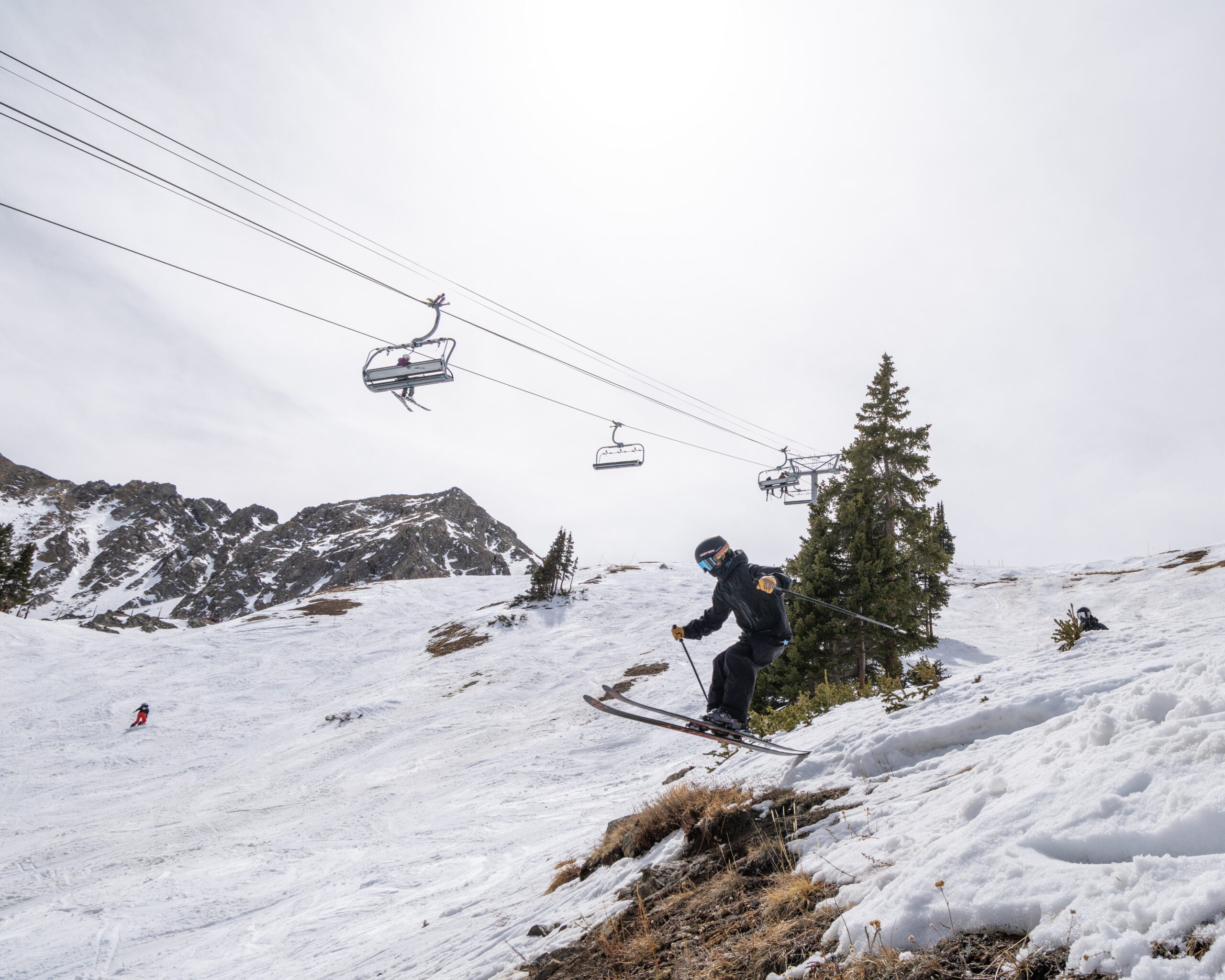
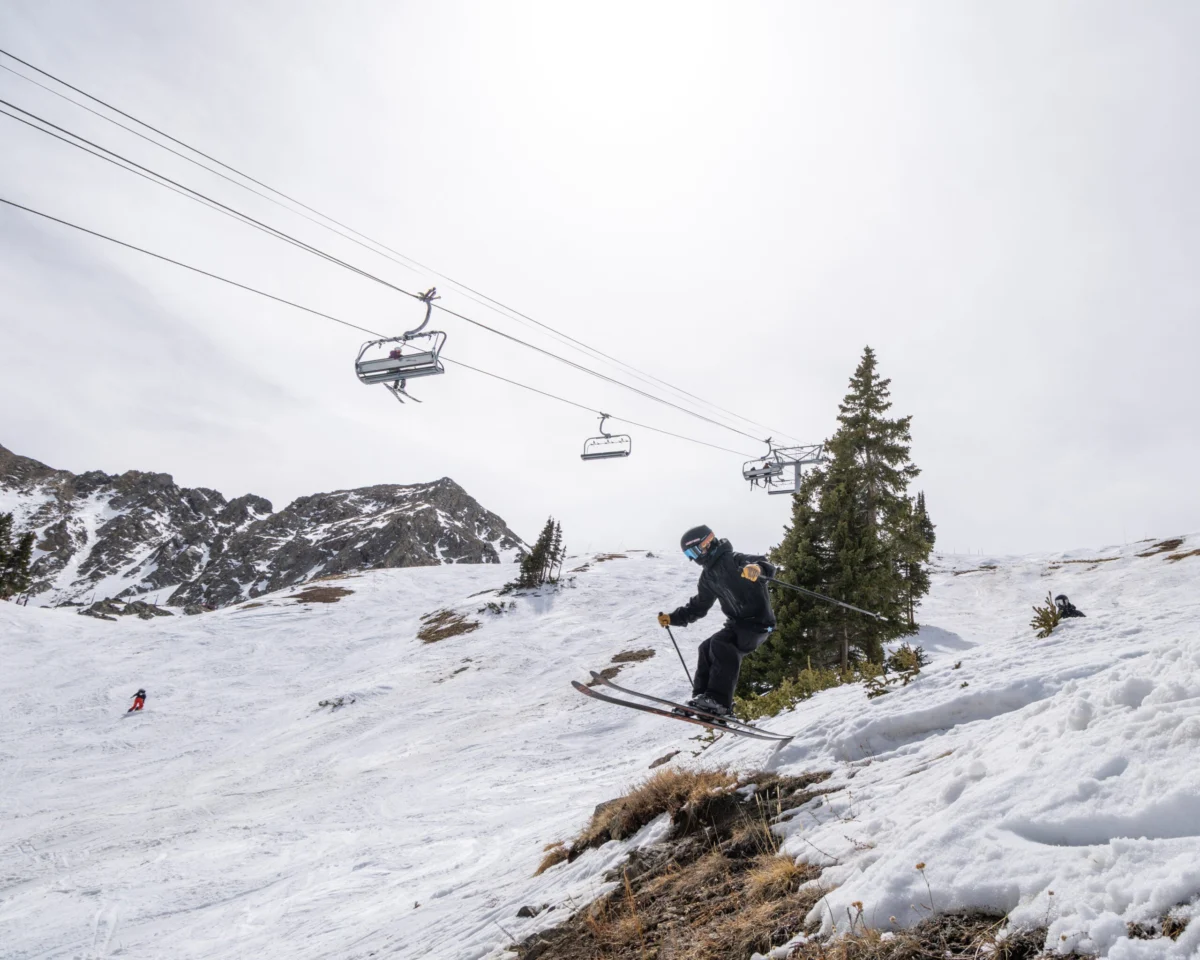
Arapahoe Basin, colloquially known as A-Basin, has long prided itself on offering the longest ski and ride season in Colorado, often extending operations into June. Last year, the resort remained open until June 15, a testament to its unique geographic advantages. However, the 2026 season has presented unprecedented hurdles. As of April 1, 2026, the mountain reported a mere 141 inches of snow, less than half of its typical average of 350 inches. Shayna Silverman, the communications manager at Arapahoe Basin Ski Area, acknowledged the severity of the situation, stating, "What really affected our operation was warm temperatures and unfavorable winds." These conditions not only hindered new snow accumulation but also rapidly deteriorated existing snowpack.
Despite the low-tide year, A-Basin’s inherent positioning and strategic snow management techniques have proven crucial in maintaining operations. "Our competitive edge is our elevation," Silverman explained. "Our base is at 10,700 feet, and we’re on a north-east facing slope high up on the continental divide. This all helps the snow stick around longer, which is why we can often ski into the summer." This high-altitude, north-east aspect minimizes direct sun exposure and helps retain colder temperatures, slowing the melt rate.
A-Basin’s snow preservation tactics are renowned within the industry. The ski area utilizes nearly two miles of permanent snow fencing strategically placed to trap blowing snow, particularly during high-wind events. This accumulated snow is then "harvested" and dispersed around the mountain by an expert grooming team. "They know where to stash the snow, and we rely on those reserves when things warm up," Silverman detailed. When specific areas become unmanageable or unsafe due to thinning snow, those zones are closed to skiers, and as much snow as possible is mechanically moved by groomers to bolster critical runs. Another innovative technique involves "folding" some runs over onto themselves, effectively doubling the depth of the snowpack while halving the width, creating durable, albeit narrower, skiable corridors. These labor-intensive, precise methods exemplify A-Basin’s commitment to maximizing its natural assets and extending its season for as long as the snow allows.
Battling the Melt: Mammoth Mountain, California
Mammoth Mountain, situated in California’s Eastern Sierra, is accustomed to receiving prodigious amounts of snow, often measured in multiple feet from single storms, with an average annual snowfall exceeding 350 inches. However, the 2026 winter has been significantly below average, reporting 248 inches by early April. This deficit, combined with a historically warm March that instigated accelerated melt, has forced Mammoth to rely heavily on its unique geographical advantages: wind and elevation.
Gabe Taylor, the marketing manager at Mammoth Mountain, elaborated on their approach: "As the snow begins to melt, we move snow from our wind-loaded storage locations to pad runs we plan on keeping open for the entire season." Mammoth’s terrain naturally creates areas where wind consistently deposits and piles snow, forming natural "snow fences" and deep drifts. These reserves become invaluable as the season progresses. The crucial aspect of this strategy is proactive maintenance. "For us, the key is to not let that run get too thin, or for dirt to start creeping in from the sides," Taylor emphasized. Exposed dirt absorbs solar radiation, heats the surrounding snow, and dramatically accelerates the melt process, creating a self-reinforcing cycle of deterioration.
Mammoth’s high elevation, with much of the resort above 9,000 feet and peaks exceeding 11,000 feet, is another critical asset. "Winter storms get squeezed into this valley and unload moisture at the highest point in its path, which, luckily for us, is Mammoth Mountain," Taylor explained. This orographic lift enhances snowfall totals. Moreover, the high altitude ensures cold overnight lows well into the spring and early summer. These nightly freezes, followed by daytime thaws, are essential for developing the highly prized "corn conditions"—soft, granular snow that offers exceptional spring skiing. Mammoth’s planned closing day of May 25 reflects its confidence in these combined strategies to prolong the season despite the challenging start.
Northeast Fortitude: Sugarloaf, Maine
In contrast to its Western counterparts, Sugarloaf in central Maine has experienced a consistent and robust winter, starting strong and maintaining its snowpack throughout the season. With average annual snow totals of 200 inches, the resort reported 140 inches by early April and plans to operate until April 26. Sugarloaf possesses a significant inherent advantage: its elevation. At 4,237 feet, it offers the only lift-serviced skiing above treeline in the Northeast, a rarity for the region. This elevation translates to consistently colder temperatures, allowing for prolonged natural snow preservation and, critically, the ability to make snow late into the season.
Jessica B. Sechler, the vice president of marketing, sales, and events at Sugarloaf, confirmed this capability: "Even this late in the season, it’s not out of the question for us to fire up the guns when conditions call for it." Modern snowmaking technology, which has become increasingly efficient in terms of water and energy consumption, allows resorts like Sugarloaf to supplement natural snowfall and patch thinning areas, especially during cold snaps.
Sugarloaf’s primary challenge in the spring is the inevitable thaw-freeze cycle, which can turn snow into a difficult, icy surface. Their solution lies in strategic grooming. "Rather than breaking up a frozen surface and exposing the snow underneath to additional moisture, we’ll sometimes hold off on grooming entirely to preserve the snowpack," Sechler revealed. This counter-intuitive approach works by allowing the frozen top layer to act as an insulating blanket, protecting the softer snow beneath from rapid melt and evaporation. This method helps maintain a deeper, more consistent snow base, keeping more terrain skiable for longer.
A Banner Year: Jay Peak, Vermont
Jay Peak, nestled in Vermont’s northern Green Mountains, is celebrating one of its best snowfall years in history. Averaging 347 inches annually, the resort had already surpassed 397 inches by early April, a remarkable achievement that places it on track for record totals. This abundance of snow means Jay Peak’s season extension strategy shifts from intensive intervention to judicious management of its existing bounty, with a planned closing day of May 10 or later.
Dehlia Wright, communications coordinator at Jay Peak Resort, articulated this philosophy: "Preservation becomes less about intensive intervention and more about managing what’s already there effectively." In a high-snow year, Jay Peak can afford to be more selective. As the season transitions to spring and thinning occurs, they typically "reduce the overall footprint of open terrain to preserve depth and quality on core trails." This consolidation allows for concentrated effort on key routes, ensuring a high-quality experience even as peripheral areas might close.
Jay Peak also benefits significantly from natural wind loading in specific zones, which helps maintain deeper coverage without the need for mechanical redistribution. The resort’s extensive tree skiing and natural snow zones are particularly resilient, holding coverage well into spring due to reduced sun exposure and the insulating effect of the forest canopy. While Jay Peak, like Sugarloaf, is subject to variable spring weather, including rain and thaw-freeze cycles, its exceptionally deep snow base provides a substantial buffer against these challenges, allowing it to absorb adverse conditions without significant operational disruption. The "Jay Cloud," a local microclimate phenomenon that frequently delivers heavy snowfall to the resort, is a natural advantage that becomes particularly pronounced in strong winter seasons like this one.
Beyond the Slopes: Ecological and Economic Footprint
The divergent experiences of U.S. ski resorts highlight not only their operational ingenuity but also the broader ecological and economic implications of changing climate patterns. In regions like California, a low snowpack translates directly into diminished water resources, exacerbating drought conditions and increasing the risk of devastating wildfires. The health of mountain ecosystems, including alpine flora and fauna that rely on consistent snow cover, is also at stake.
Economically, the impact is profound. Ski resorts are often the primary economic engine for remote mountain communities. A strong snow year, like Jay Peak’s, injects millions into local economies through lift ticket sales, lodging, dining, retail, and employment, bolstering small businesses and community morale. Conversely, a poor snow year, such as those experienced in parts of the West, can lead to significant revenue shortfalls, job losses, and economic hardship for these dependent communities. This financial vulnerability is prompting many resorts to diversify their offerings, investing in summer activities like mountain biking, hiking, and scenic lift rides to create year-round revenue streams less dependent on winter snowfall.
The Future of Skiing: Adaptation and Sustainability
The 2026 ski season serves as a vivid illustration of the challenges and adaptive capacities within the winter sports industry. Looking ahead, resorts will continue to refine their strategies, emphasizing sustainability and innovation. Advances in snowmaking technology, particularly those that are more energy-efficient and water-conscious, will be critical. Enhanced meteorological forecasting and climate modeling will enable more precise and proactive snow management decisions.
Furthermore, many resorts are actively engaging in broader sustainability initiatives, including transitioning to renewable energy sources, implementing comprehensive recycling and waste reduction programs, and protecting critical watersheds. These efforts are not only environmentally responsible but also increasingly seen as essential for the long-term viability and public perception of the ski industry. The dialogue around climate change and its impact on winter sports will undoubtedly intensify, pushing resorts, industry associations, and policy makers to collaborate on solutions that ensure the future of skiing for generations to come. This season’s tale of two coasts is a powerful narrative of resilience, adaptation, and the enduring passion for winter sports in the face of an ever-changing climate.
