


The indefinite suspension of summer skiing operations on the Horstman Glacier at Whistler Blackcomb serves as a definitive turning point for the North American winter sports industry, signaling that the environmental shifts observed by athletes for decades have reached a critical threshold of operational impossibility. For Mike Douglas, a professional skier often referred to as the "Godfather of Freeskiing," the closure is not merely a logistical change but a profound loss of a geographic landmark that served as a proving ground for generations of outdoor enthusiasts. When Douglas first arrived at Whistler Blackcomb in the 1990s to train and work, the Horstman Glacier was a perennial fixture, a place where the ski season never truly ended and where the progression of freestyle skiing found its summer home. Today, that cycle has been broken, forcing a reckoning within the industry regarding the sustainability of mountain sports in a rapidly warming world.
The Historical Significance and Decline of the Horstman Glacier
The Horstman Glacier, located on Blackcomb Mountain in British Columbia, was for decades one of the few places in North America where summer skiing was commercially viable. It provided a unique environment for national ski teams, summer camps, and recreational enthusiasts to hone their skills during the traditional off-season. However, the environmental reality of the 21st century has been unkind to alpine ice masses. Glaciologists have noted that glaciers in Western Canada are retreating at rates unprecedented in recorded history, driven by rising mean temperatures and shifting precipitation patterns that favor rain over snow at higher elevations.
In 2023, the management of Whistler Blackcomb officially announced that summer skiing on the Horstman Glacier would be suspended indefinitely. While the resort had previously utilized snowmaking and grooming technology to prolong the glacier’s life, the rate of melt eventually outpaced the ability to maintain a safe and functional ski surface. This closure is a microcosm of a broader trend affecting the global ski industry, from the thinning snowpacks of the European Alps to the shortening seasons in the American Rockies. The loss of the glacier represents more than just a missed opportunity for summer training; it is a visible indicator of the shrinking "cryosphere"—the portions of Earth’s surface where water is in solid form.
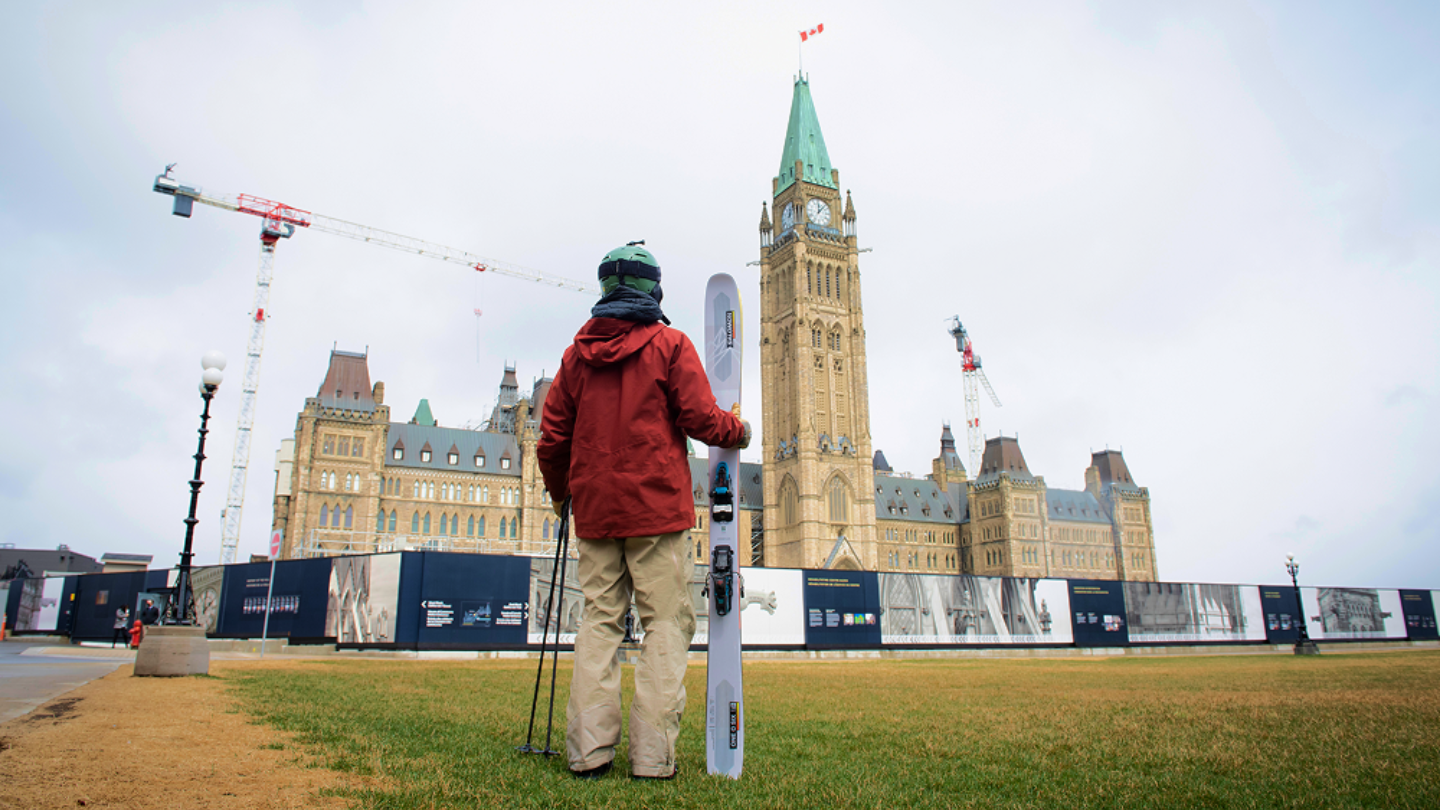
Mike Douglas: From Performance to Advocacy
Mike Douglas’s career has mirrored the trajectory of the outdoor industry’s relationship with the environment. In the 1990s, the focus was primarily on performance, gear innovation, and the expansion of the sport. As a Salomon athlete and ambassador, Douglas was at the forefront of the freeskiing movement, helping to develop the first twin-tip skis that revolutionized how athletes interacted with the mountain. However, as the decades passed, the "practical realities" of his profession began to change.
Douglas joined the Protect Our Winters (POW) Canada Alliance in 2018, recognizing that his platform as an athlete provided a unique vantage point from which to speak on climate issues. Athletes are often the first to witness the effects of climate change, seeing firsthand the receding treelines, the thinning glaciers, and the increasingly volatile weather patterns that make backcountry skiing more dangerous. Douglas’s role has since evolved into a bridge between the corporate headquarters of major brands like Salomon and the ground-level reality of the mountains. He advocates for a "net zero" approach that balances the high-performance needs of professional sports with the urgent requirement for industrial decarbonization.
Corporate Responsibility and the Salomon Sustainability Roadmap
The response from the corporate sector, led by brands like Salomon, suggests a shift away from symbolic environmentalism toward integrated business strategies. The outdoor industry is in a precarious position; its business model depends entirely on the health of the natural environment, yet the production and transportation of outdoor gear contribute to the global carbon footprint.
Salomon has responded by implementing a comprehensive sustainability roadmap that focuses on several key pillars:
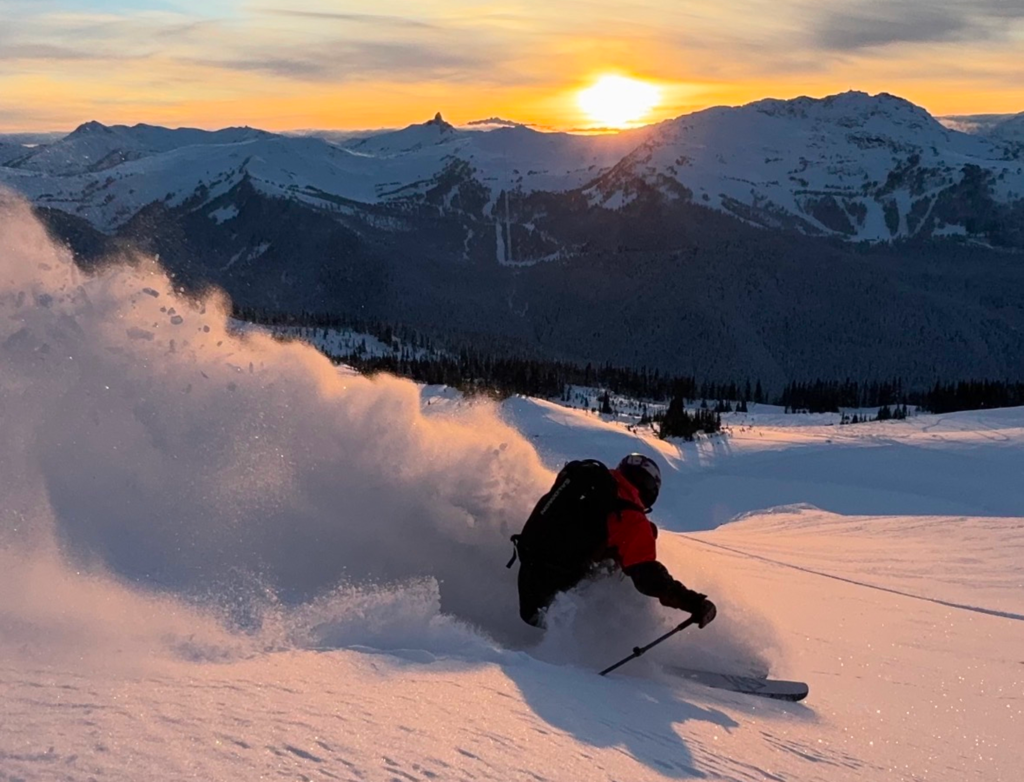
- Responsible Manufacturing: The brand has moved toward a circular economy model. A notable example is the development of products designed to be fully recyclable, reducing the volume of waste that ends up in landfills. This involves a radical rethink of how materials are sourced, utilizing recycled plastics and bio-based resins in the construction of ski boots and apparel.
- Supply Chain Transparency: Recognizing that the majority of a brand’s carbon footprint exists within its Tier 2 and Tier 3 suppliers, Salomon has increased its oversight of the energy sources used in its factories. This includes a commitment to reducing absolute carbon emissions by 30% by 2030, a goal aligned with the Science Based Targets initiative (SBTi).
- Logistical Efficiency: The "moving of athletes around the world," as Douglas noted, is a significant source of emissions. Brands are now looking at ways to consolidate travel, support local events, and utilize lower-emission transport methods for both products and personnel.
- Athletic Training for Advocacy: Through partnerships with POW, Salomon is helping to train its roster of athletes to be effective climate communicators. This moves the needle from athletes simply being "faces" of a brand to being informed advocates who can speak to policymakers and the public with authority.
Data and Environmental Context: The Industry at Risk
The economic stakes for the winter sports industry are immense. In the United States alone, the outdoor recreation economy accounts for billions of dollars in annual GDP and supports millions of jobs. In Canada, mountain resorts like Whistler Blackcomb are the lifeblood of regional economies. However, data from the Intergovernmental Panel on Climate Change (IPCC) suggests that mountain regions are warming at roughly twice the global average.
According to a study published in Nature Communications, if global temperatures rise by 2°C, many low-elevation ski resorts in North America and Europe could see their seasons shortened by more than 50%. The retreat of glaciers like the Horstman also has downstream effects on biodiversity and water security, as glacial meltwater provides a critical buffer for alpine streams during dry summer months. For the ski industry, this is not just an environmental crisis but a terminal threat to its business model. The "indefinite" closure of summer skiing is a harbinger of a future where winter seasons may become too short or too unpredictable to sustain commercial operations without massive intervention.
The Role of Protect Our Winters (POW) in Policy Advocacy
While individual corporate actions are necessary, organizations like Protect Our Winters argue that systemic change is the only way to ensure the long-term survival of the outdoor industry. Founded by professional snowboarder Jeremy Jones, POW has focused its efforts on non-partisan political advocacy, aiming to mobilize the "outdoor state"—the millions of people who identify as outdoor enthusiasts—to vote and lobby for climate-friendly policies.
The partnership between Salomon and POW is designed to turn awareness into tangible political and social pressure. This involves backing film projects that highlight the human and environmental costs of climate change, such as those produced by Douglas’s own production company. It also includes the Quality Ski Time (QST) tour, which blends the celebration of ski culture with calls for environmental action. By positioning athletes in courthouses and boardrooms rather than just on the slopes, POW and its partners are attempting to influence legislation regarding clean energy, carbon pricing, and land conservation.

Broader Implications for the Outdoor Industry
The transition of the outdoor industry into a leader for climate action provides a template for other sectors. The "all-hands-on-deck" approach mentioned by Douglas emphasizes that climate action is no longer a niche concern for environmentalists; it is a practical necessity for economic survival. Efficiency in manufacturing saves money, smarter supply chains reduce risk, and a clear stance on advocacy builds brand loyalty among a younger generation of consumers who are increasingly making purchasing decisions based on a company’s environmental record.
Furthermore, the industry is seeing a shift in how "integrity" is defined. In the past, a brand’s character was judged by the quality of its gear. In the current era, character is also judged by a brand’s willingness to use its influence to protect the landscapes that its customers enjoy. As Douglas stated, "Advocacy is the biggest move brands can play." This sentiment reflects a growing understanding that the outdoor industry cannot simply "consume" nature; it must actively participate in its restoration and protection.
Conclusion: A Closing Window for Action
The story of Mike Douglas and the Horstman Glacier is a reminder that the window for meaningful climate action is narrowing. The disappearance of summer skiing at Whistler Blackcomb is a tangible loss that cannot be ignored by those who have spent their lives on the mountain. However, the collaboration between athletes, brands like Salomon, and advocacy groups like Protect Our Winters offers a path forward.
By integrating sustainability into the core of manufacturing, leveraging the influence of professional athletes for policy change, and acknowledging the hard data of climate science, the industry is attempting to rewrite its future. The challenge is immense, and the stakes are the very existence of the winters that define this culture. As the glaciers recede, the urgency for collective responsibility grows, leaving the industry with a clear choice: adapt and advocate, or witness the slow disappearance of the world it was built to explore.
