

The global movement to mitigate climate change is facing a systemic challenge that transcends technological limitations and financial constraints. Recent developments in federal policy and electoral administration suggest that the primary obstacle to environmental progress is no longer a lack of public consensus or scientific innovation, but rather a shift in the exercise of political power and the accessibility of the democratic process. Advocacy groups, led by organizations such as Protect Our Winters (POW), are increasingly sounding the alarm that the preservation of "winters"—a metaphor for stable global climates—is now inextricably linked to the integrity of the ballot box. This shift in focus comes as a series of legislative and executive actions have begun to dismantle long-standing environmental protections and clean energy incentives, while simultaneously introducing new hurdles for voters across the United States.
The Legislative Reversal: The One Big Beautiful Bill Act
The economic landscape for renewable energy underwent a seismic shift following the passage of the federal tax and budget law known as the One Big Beautiful Bill Act. While initial climate strategies were built on a decade-long horizon of federal support, this new legislation effectively retracted critical clean energy tax credits. Most significantly, the Act established a restrictive July 2026 deadline for project commencement, reducing the previous nine-year development runway to a mere twelve months.
The fallout from this legislative pivot has been immediate and quantifiable. Economic analysts report that an estimated $83 billion in capital investment for solar, wind, and battery storage projects has been either canceled or indefinitely delayed. This stagnation has profound implications for the labor market; industry data suggests that these stalled projects would have supported approximately 470,000 high-paying jobs in the green energy sector. Critics of the Act argue that the merits of clean energy—its falling costs and increasing efficiency—are being overshadowed by political decisions that prioritize traditional energy sectors over the burgeoning renewable market.
Land Management and Tribal Sovereignty: The Bears Ears Case Study
Parallel to the legislative changes in energy policy, executive actions have targeted federal land conservation. On July 13, the administration moved to reduce the Bears Ears National Monument by 90 percent. Originally spanning 1.36 million acres, the monument has been truncated to approximately 121,000 acres. This reduction represents one of the largest contractions of protected federal land in American history.
The implications of this decision extend beyond environmental conservation. The administration’s order opened the removed acreage to mining and mineral extraction within a 60-day window, a move that environmentalists claim prioritizes short-term industrial gain over long-term ecological health. Furthermore, the dissolution of the tribal commission that co-managed the monument has drawn sharp criticism from Indigenous leaders. The commission, representing a coalition of Five Tribes, was a landmark model for collaborative land management. Its removal is seen by many as a setback for tribal sovereignty and a rejection of traditional ecological knowledge in federal land-use policy.
The Federal Assault on Electoral Infrastructure
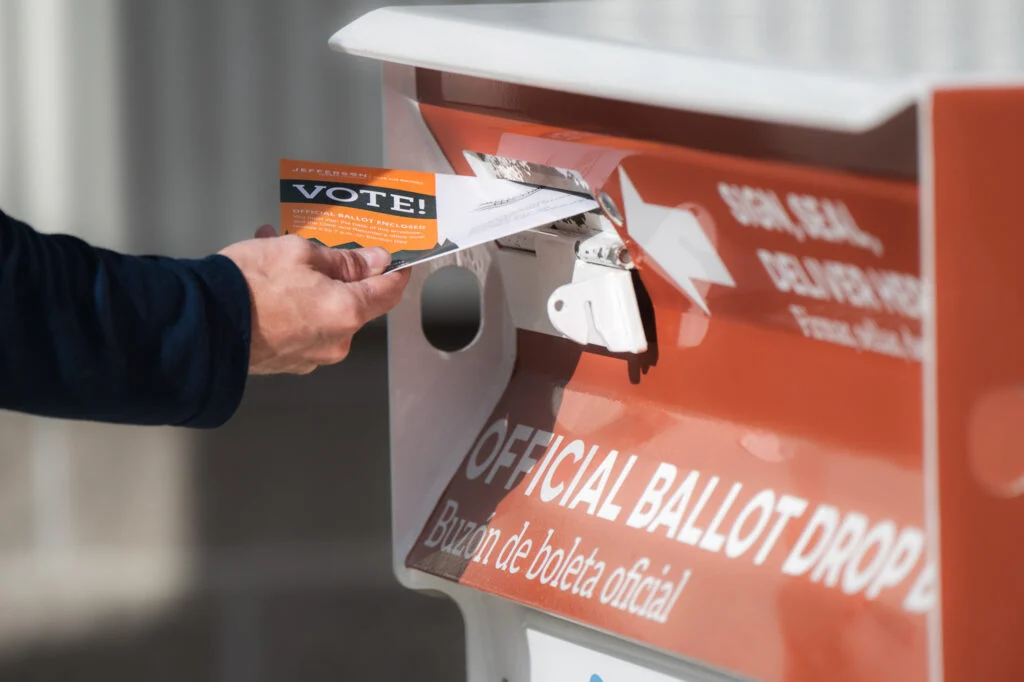
As climate advocates recognize that policy is dictated by those in office, the focus has naturally shifted to the mechanisms by which officials are elected. However, the infrastructure of the American electoral system is currently facing unprecedented pressure from the same administration responsible for rolling back climate protections.
In March, the administration issued a controversial order to the Department of Homeland Security (DHS) to compile comprehensive citizen lists, while simultaneously directing the United States Postal Service (USPS) to implement new restrictions on the delivery of mail-in ballots. Although federal courts have since struck down several components of these orders as unconstitutional, legal experts suggest the intent was to create friction in the voting process.
Compounding these issues is the current state of the Election Assistance Commission (EAC). In July, the administration terminated the remaining members of the commission. The EAC is the federal body responsible for certifying voting systems and providing best practices for election administration. Without a quorum, the agency is effectively paralyzed, unable to fulfill its mandate of ensuring the security and reliability of voting hardware and software ahead of major election cycles.
State-Level Voting Restrictions and Purge Strategies
While federal actions have created systemic uncertainty, individual states have implemented specific laws that climate activists view as direct threats to political participation. Currently, a dozen states require documentary proof of citizenship for voter registration, a requirement that civil rights groups argue disproportionately affects marginalized communities and young voters—demographics that statistically prioritize climate action.
In the current election cycle, new restrictive laws in South Dakota and Utah have officially taken effect, adding layers of bureaucracy to the registration process. In Texas, state officials have begun purging voter rolls using federal data that critics describe as flawed and outdated, potentially disenfranchising thousands of eligible citizens. Similarly, Ohio is embroiled in litigation over its own aggressive voter roll maintenance, which advocates claim targets infrequent voters in urban areas.
These maneuvers are not viewed by observers as isolated administrative "glitches." Instead, they are characterized as a coordinated strategy to reshape the electorate by making it more difficult for certain populations to cast their ballots. For organizations like POW, the conclusion is clear: if the public cannot vote, they cannot influence the climate policies that affect their future.
Chronology of Key Events (2025–2026)
To understand the current crisis, it is essential to trace the timeline of these intersecting environmental and electoral developments:
- August 2025: Passage of the One Big Beautiful Bill Act, initiating the "clawback" of renewable energy credits.
- March 2026: Administration orders DHS to compile citizen lists and restricts USPS mail-in ballot procedures.
- May 2026: Federal courts intervene to stay portions of the DHS/USPS orders, citing constitutional concerns.
- July 1, 2026: South Dakota and Utah’s new restrictive voting laws go into effect.
- July 13, 2026: Executive order reduces Bears Ears National Monument by 90% and dissolves the tribal co-management commission.
- July 20, 2026: Dismissal of the final EAC members, leaving the commission without a quorum.
- August 2026: The deadline for the $83 billion in renewable projects passes, leading to mass cancellations in the solar and wind sectors.
Industry Response: The "Defend the Vote" Campaign
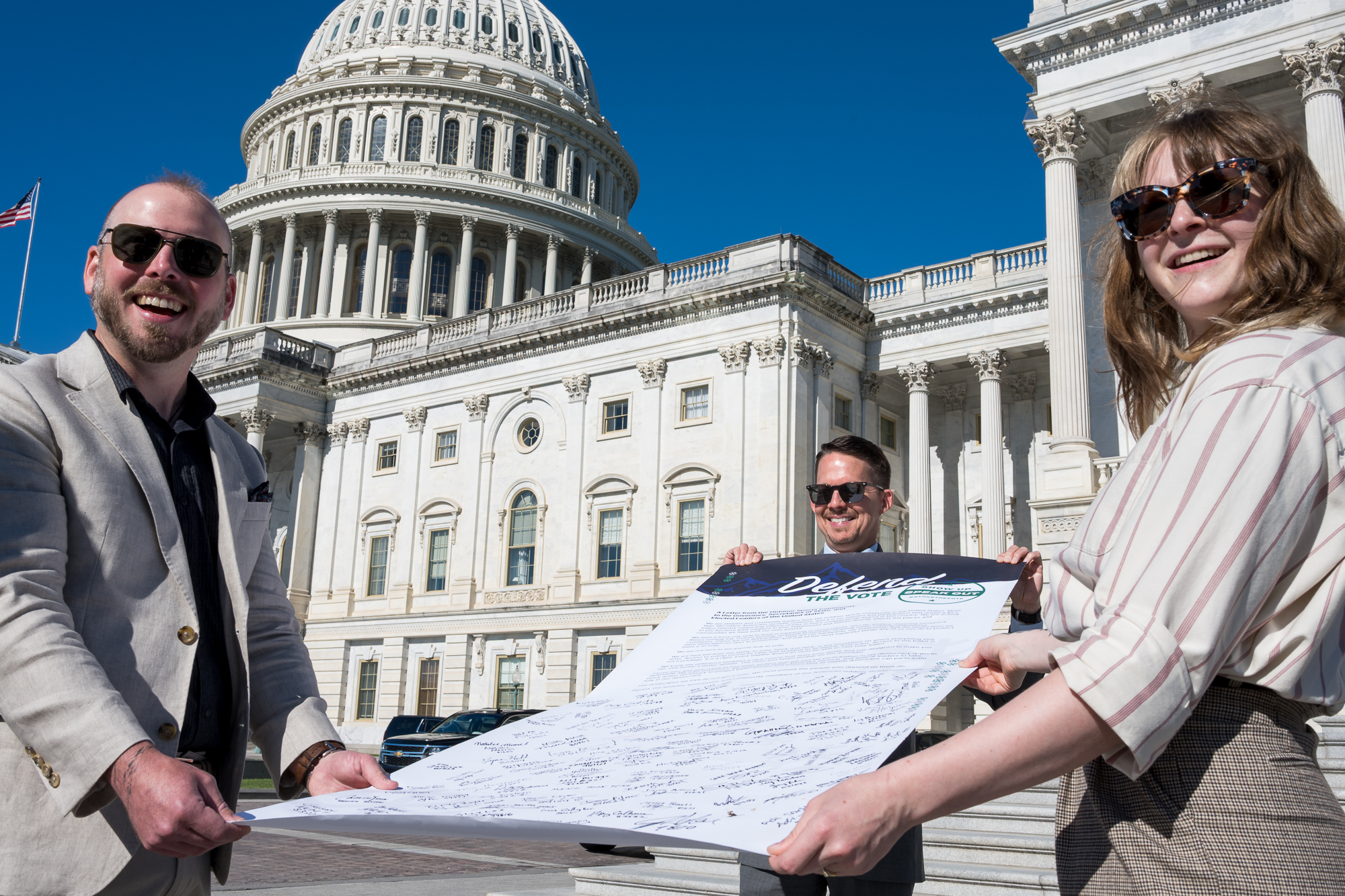
The intersection of voting rights and environmentalism has galvanized a diverse coalition of stakeholders. Protect Our Winters has launched the "Defend the Vote" campaign, a strategic initiative aimed at protecting ballot access in regions where election interference is most prevalent. This campaign serves as the foundation for a broader "Stoke the Vote" push, intended to maximize voter turnout in the upcoming midterm elections.
The campaign has sharpened its focus on specific geographies, including Montana and New Hampshire, where activists are engaging directly with Secretaries of State to ensure transparent and accessible elections. The response from the private sector has been notably robust. A sign-on letter supporting the campaign has garnered more signatures from corporate partners than any previous POW initiative. Major brands in the outdoor industry—companies whose bottom lines are directly tied to the health of the environment and the availability of seasonal snowpack—have publicly aligned themselves with the cause of voting rights.
This corporate involvement signals a maturation of the climate movement. Businesses that once focused solely on carbon footprints are now recognizing that their sustainability goals are unattainable if the democratic structures required to pass climate legislation are compromised.
Expert Analysis: The Democratic Deficit in Climate Action
Political scientists and environmental analysts suggest that the current tension highlights a "democratic deficit" in climate policy. When policy decisions—such as the reduction of Bears Ears or the cancellation of energy credits—occur in opposition to general public sentiment, the only recourse for the citizenry is the electoral process.
"The ballot is the ultimate climate tool," says one senior policy analyst. "If you remove the ability of the people to hold their leaders accountable at the polls, you effectively remove the primary mechanism for environmental progress. We are seeing a transition where ‘taking climate action’ now includes volunteering as a poll watcher or fighting against voter suppression laws."

The broader implications of this trend are significant. If the strategy of restricting the vote proves successful in stalling climate policy, it may provide a blueprint for other interest groups to bypass public opinion in favor of executive and legislative fiat. Conversely, if the mobilization of the outdoor community and its partners succeeds in protecting ballot access, it could create a more resilient and politically active environmental movement.
Conclusion: A New Paradigm for Environmentalism
The current landscape suggests that protecting the vote is no longer an "adjacent" issue for environmentalists; it is the core of the work. The data regarding canceled energy projects and reduced public lands serves as a reminder of what is at stake when political power is exercised without broad democratic oversight.
As the midterm elections approach, the focus of the climate movement has shifted from the laboratory and the boardroom to the polling station. The success of initiatives like "Defend the Vote" will likely determine not only the outcome of the next election but the trajectory of the global climate fight for decades to come. For those who care about the future of the planet, the most critical action may no longer be what they do in their homes or businesses, but what they do in the voting booth—and what they do to ensure their neighbors can get there as well.
