

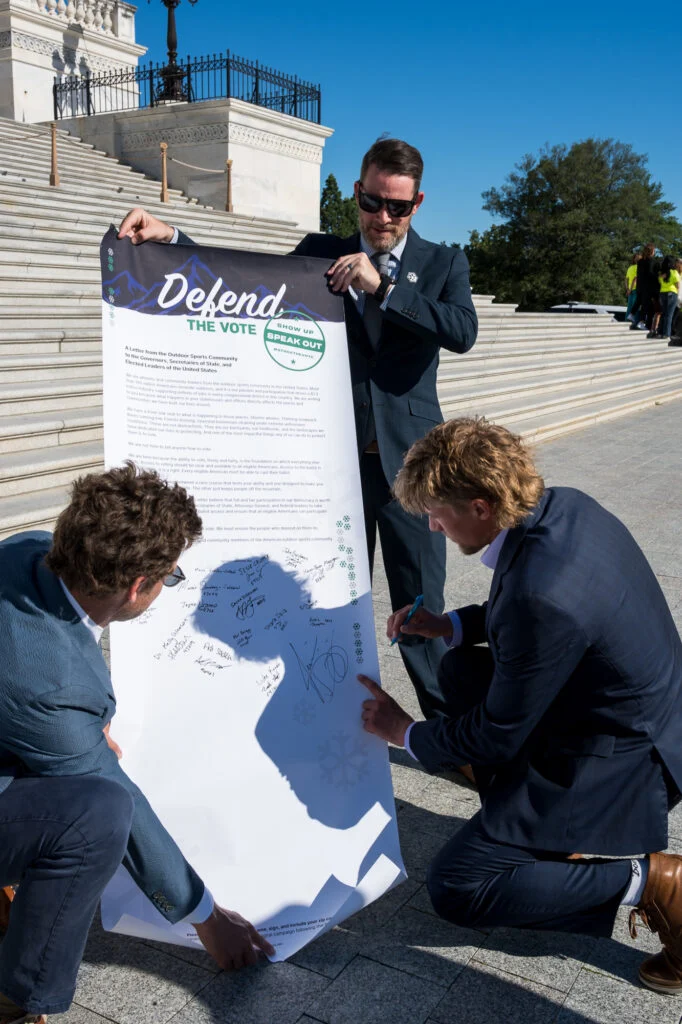
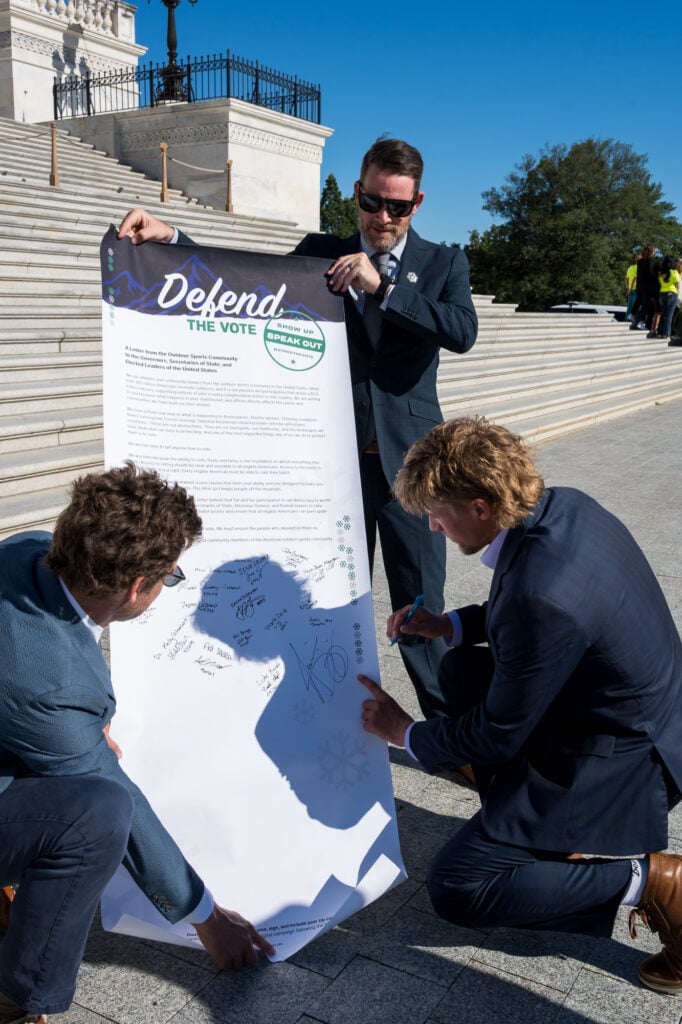
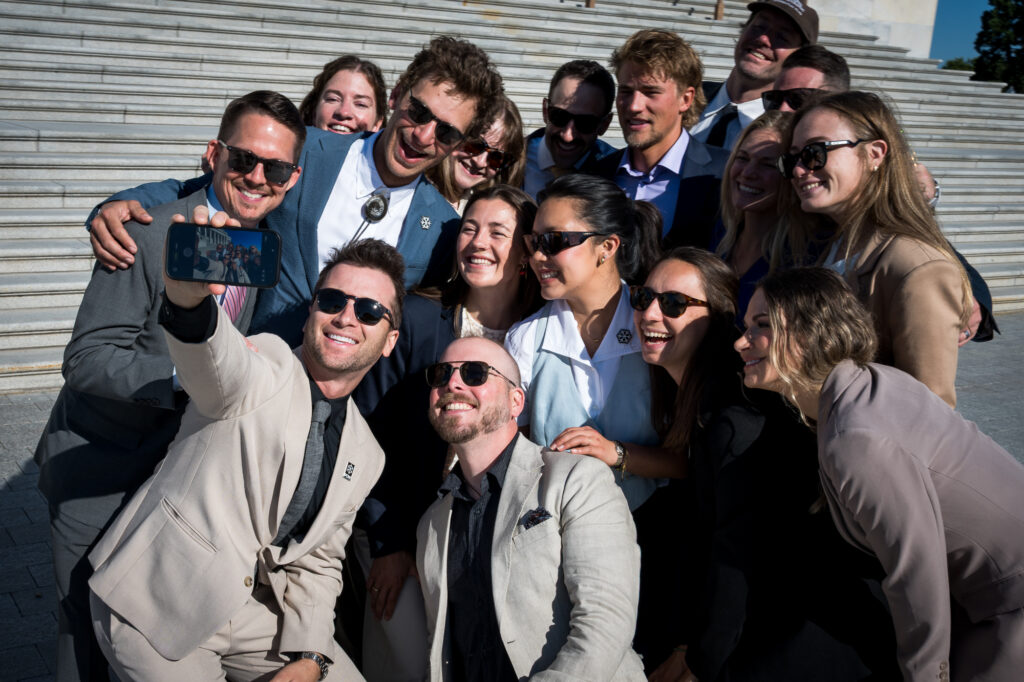
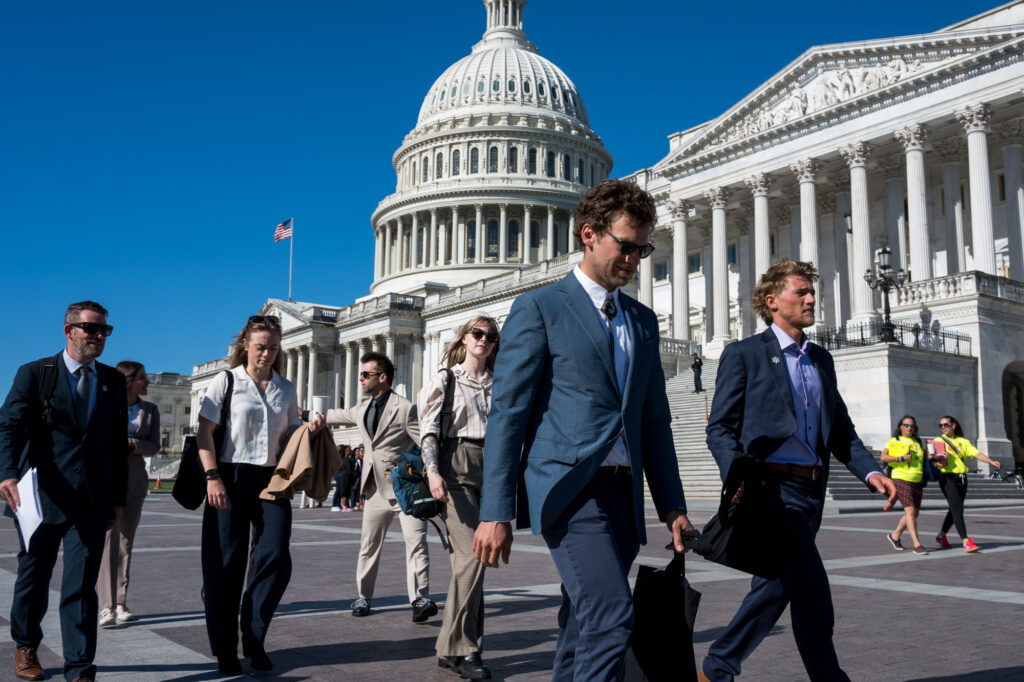
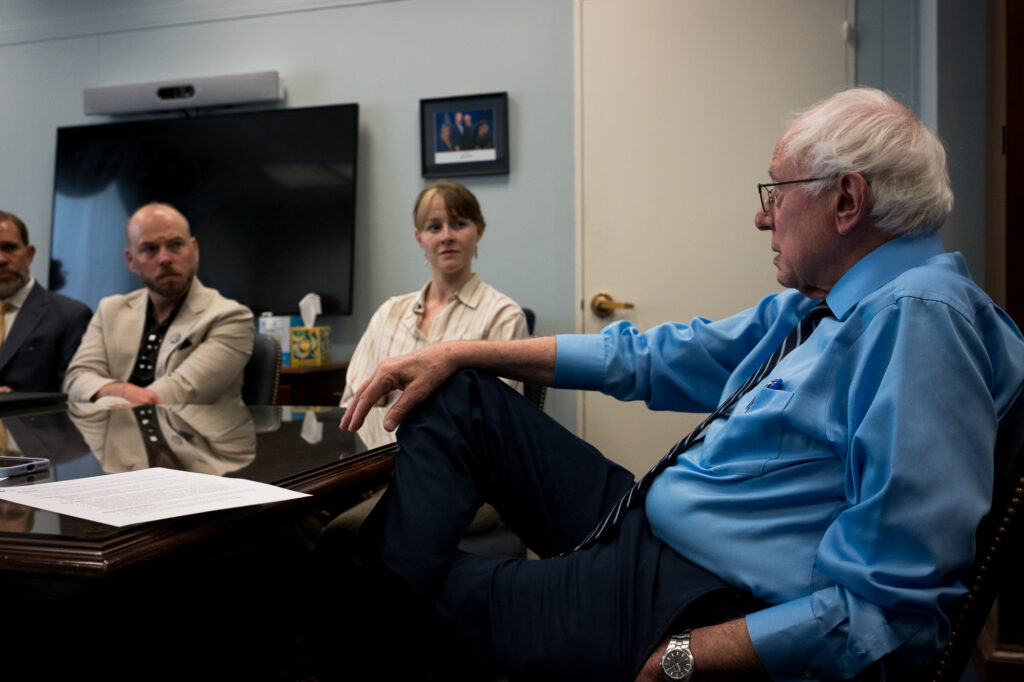
A high-profile delegation led by the non-profit organization Protect Our Winters (POW) arrived in Washington, D.C., last week to conduct a series of intensive briefings with federal lawmakers. Comprising 13 Olympic athletes, climate scientists, filmmakers, and outdoor industry executives, the group engaged in two days of advocacy focused on the preservation of public lands, the restoration of environmental regulations, and the mitigation of climate change’s impact on the $1.1 trillion outdoor recreation economy. The mission, titled the "POW Fly-In," sought to bridge partisan divides by framing environmental stewardship as a fundamental necessity for public health, economic stability, and the future of American winter sports.
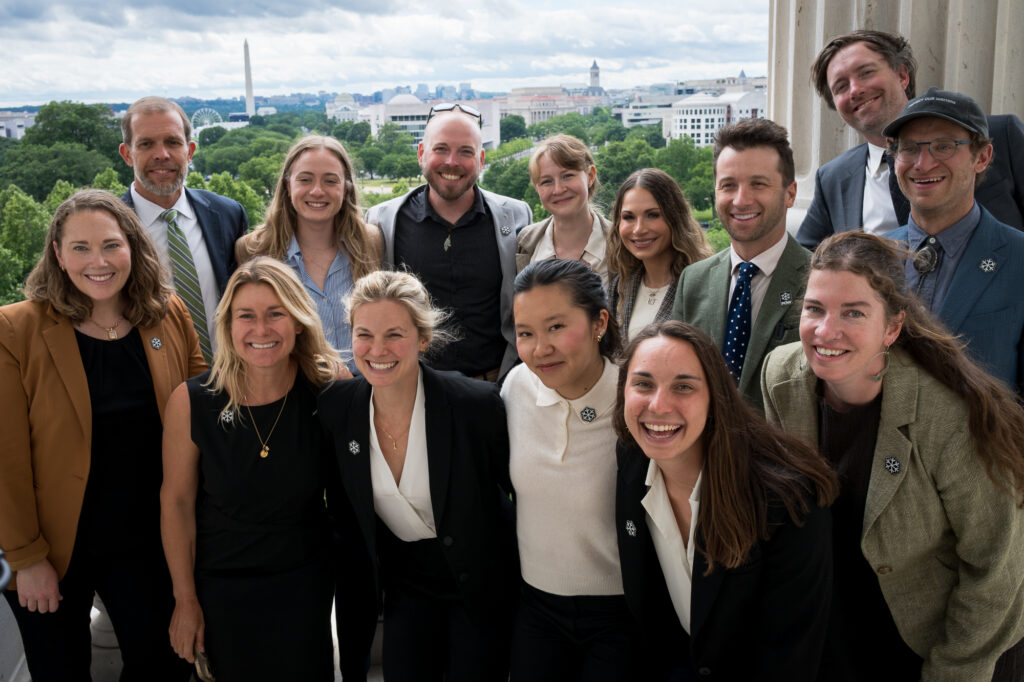
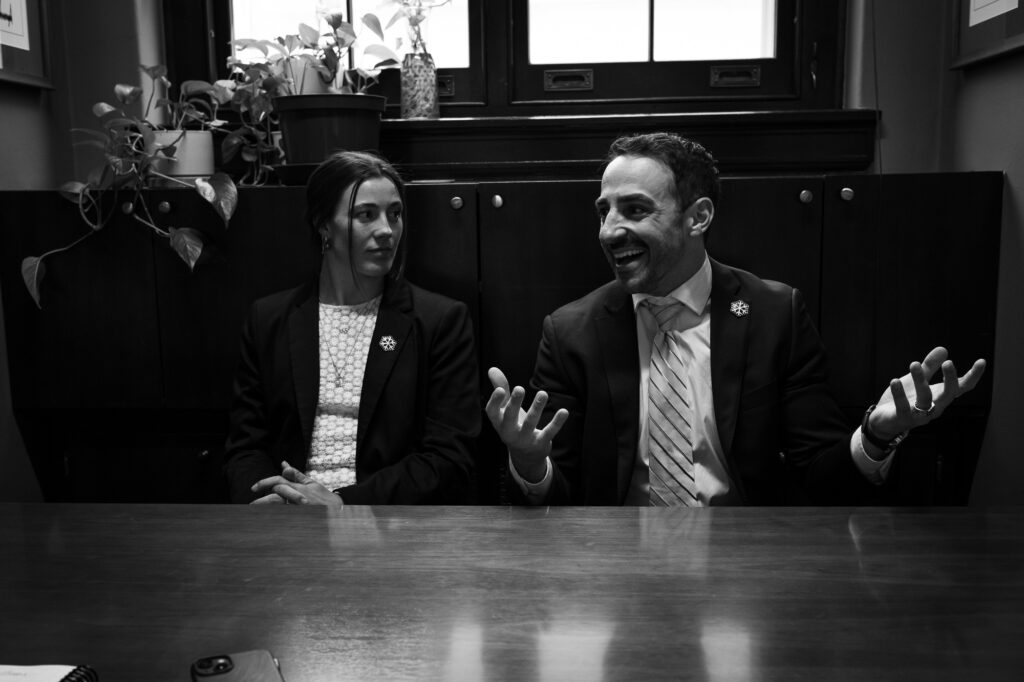
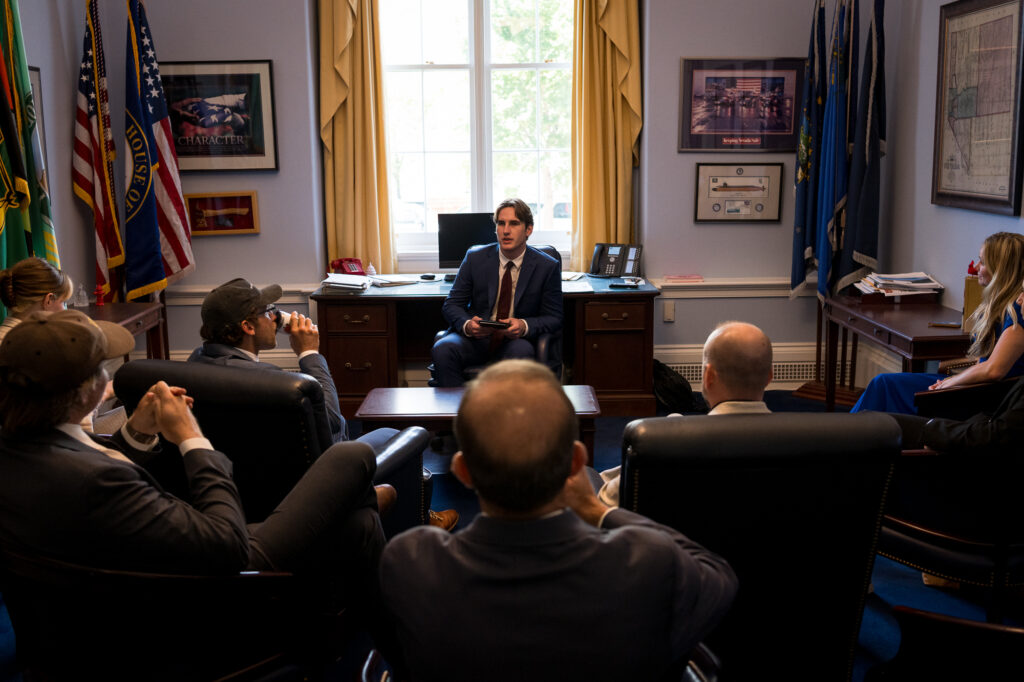
Over a 48-hour period, the delegation conducted 38 separate meetings with congressional offices and staff. This outreach included discussions with 15 Republican and 23 Democratic offices, as well as high-level consultations with members of the House Natural Resources Committee. The bipartisan nature of the engagement reflects a strategic shift in environmental advocacy, focusing on shared interests such as wildfire prevention, drought mitigation, and the economic vitality of "gateway towns"—communities that serve as entry points to national parks and forests.
The Composition of the Delegation
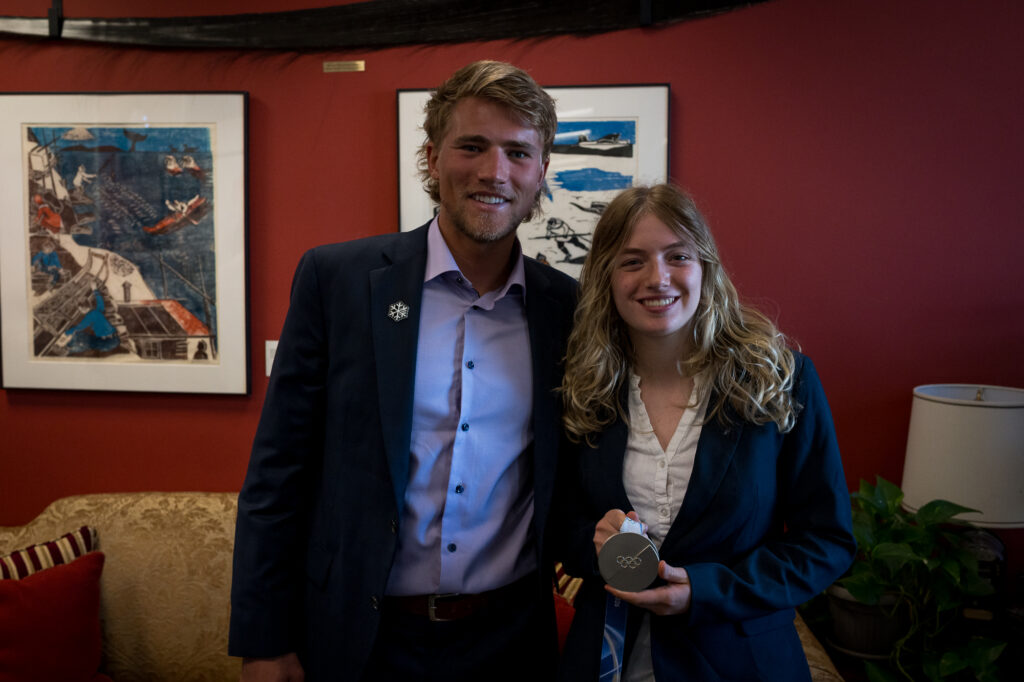
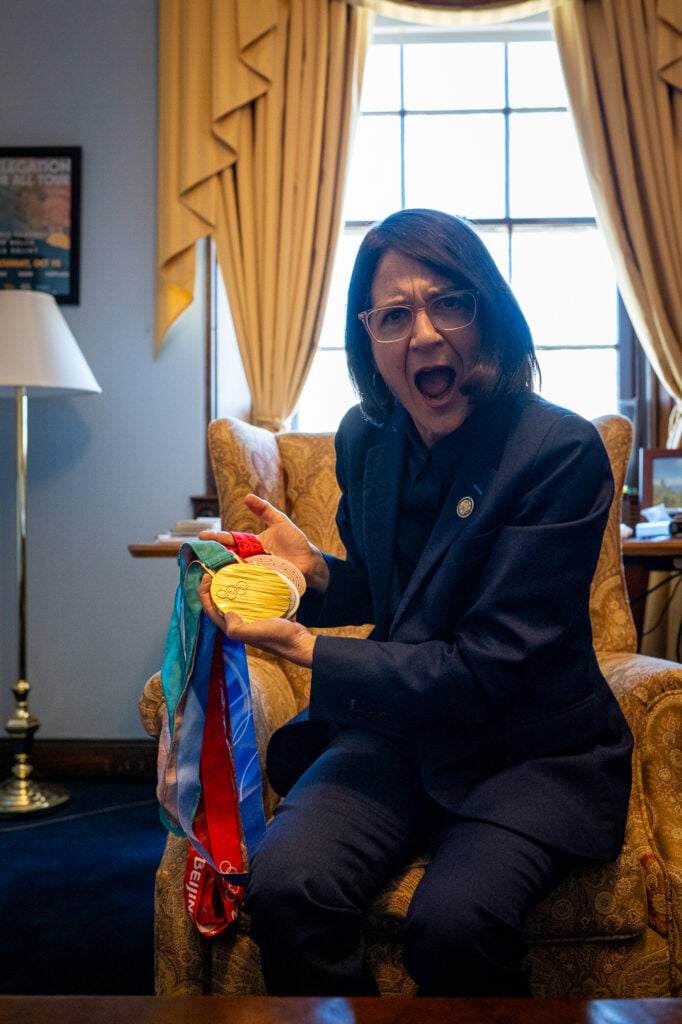
The delegation was specifically curated to combine the cultural influence of professional athletes with the technical expertise of the scientific community. Key participants included Olympic cross-country skier and gold medalist Jessie Diggins, alongside fellow Olympians Julia Kern, Jaelin Kauf, Gus Schumacher, Bea Kim, and Olivia Giaccio. These athletes provided firsthand accounts of how shifting weather patterns and diminishing snowpacks are directly threatening the viability of their sports and the industries that support them.
Complementing the athletes were members of the POW Science Alliance, including Dr. Tracy Fanara and Stu Nissenbaum, a former scientist with the Environmental Protection Agency (EPA). The presence of scientific experts allowed the delegation to provide substantive, data-driven responses to policy questions. Filmmakers Max Lowe and Mike Thurk, along with professional skier Brody Leven and POW Action Fund Board member Jamey Delaplane, rounded out the group, representing the creative and strategic sectors of the outdoor industry.
Advocacy Focus: Reversing EPA Deregulation
A primary objective of the D.C. visit was to address the systematic dismantling of environmental protections that the delegation reported has accelerated since early 2025. According to briefing materials provided during the meetings, more than 50 core environmental rules have been weakened or eliminated through executive action and administrative shifts. These rollbacks have affected regulations governing clean air, water quality, and methane emissions.
The delegation met with lawmakers to advocate for a restoration of the EPA’s original mandate: protecting human health and the environment through science-based regulation. Stu Nissenbaum, drawing on his experience within the agency, provided testimony regarding the long-term consequences of sidelining scientific staff and weakening enforcement mechanisms. The group argued that deregulation creates an uneven playing field and allows polluters to externalize costs onto the public in the form of increased healthcare expenses and degraded natural resources.
The message delivered to the Hill emphasized that clean air and water are not partisan commodities but the essential infrastructure of the outdoor experience. By framing environmental health as a prerequisite for the outdoor economy, the delegation sought to move the conversation beyond traditional "jobs versus environment" tropes.
Defending Public Lands from Fossil Fuel Extraction
The second pillar of the advocacy mission focused on the protection of iconic American landscapes from expanded oil and gas development. The delegation raised specific concerns regarding the Department of the Interior’s recent activities in Alaska. Earlier this year, a major lease sale in the National Petroleum Reserve-Alaska (NPRA) resulted in 187 new leases covering approximately 1.3 million acres. Furthermore, bids were opened in early June for the Coastal Plain of the Arctic National Wildlife Refuge (ANWR), a move that conservationists argue threatens one of the most sensitive ecosystems in North America.
The POW delegation urged lawmakers to support the Arctic Refuge Protection Act, a piece of legislation designed to provide permanent protection for the Coastal Plain, effectively shielding it from future industrialization. The group argued that public lands should be managed for their long-term ecological and recreational value rather than short-term resource extraction.
Gus Schumacher, a POW Ski Alliance member, noted during the meetings that while different political factions may have varying approaches to land management, the protection of habitats remains a broadly popular concept among the American public. The delegation presented data suggesting that the majority of Americans, regardless of party affiliation, support the preservation of national monuments and wilderness areas.
The Economic Impact of the "Outdoor State"
Central to the delegation’s argument is the concept of the "Outdoor State"—a demographic of over 50 million Americans who participate in outdoor recreation. According to data from the Bureau of Economic Analysis (BEA), the outdoor recreation economy accounts for approximately 2.2% of the U.S. Gross Domestic Product (GDP) and supports nearly 5 million jobs. In many Western states, this sector is a primary driver of economic growth, often outpacing traditional industries like mining or agriculture.
The delegation highlighted that climate change is no longer a theoretical threat to this economy but a present reality. Shorter winters, unpredictable snowfall, and the increasing frequency of catastrophic wildfires are shortening operating seasons for ski resorts and outdoor outfitters. By presenting the economic stakes, the delegation aimed to convince fiscally conservative lawmakers that climate action is a form of economic risk management.
Chronology of the Two-Day Action
The "Fly-In" was structured to maximize impact through a series of coordinated events and meetings:
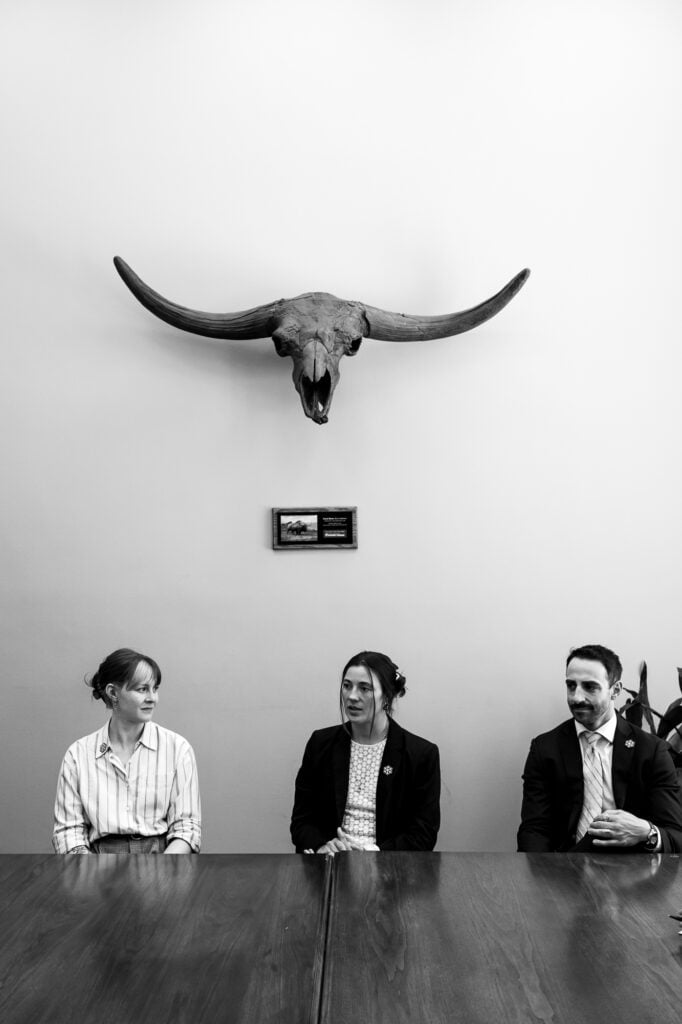
- Day One: Orientation and Initial Briefings. The delegation began with a strategy session to align messaging across the different alliances (Athlete, Science, and Creative). This was followed by an initial round of meetings with the House Natural Resources Committee, focusing on the legislative path for the Arctic Refuge Protection Act.
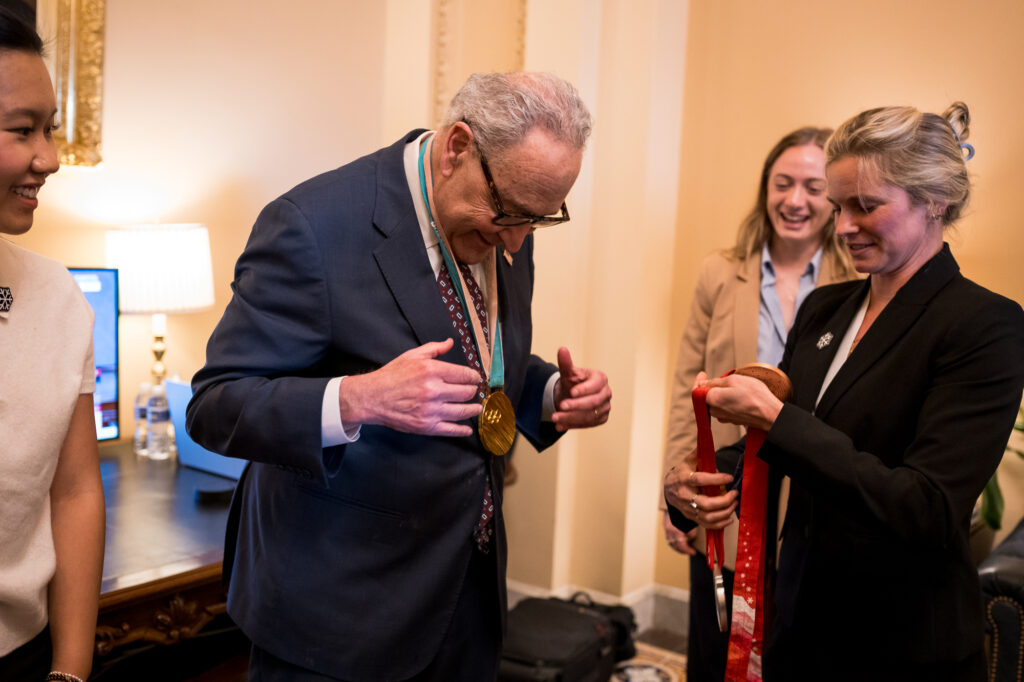
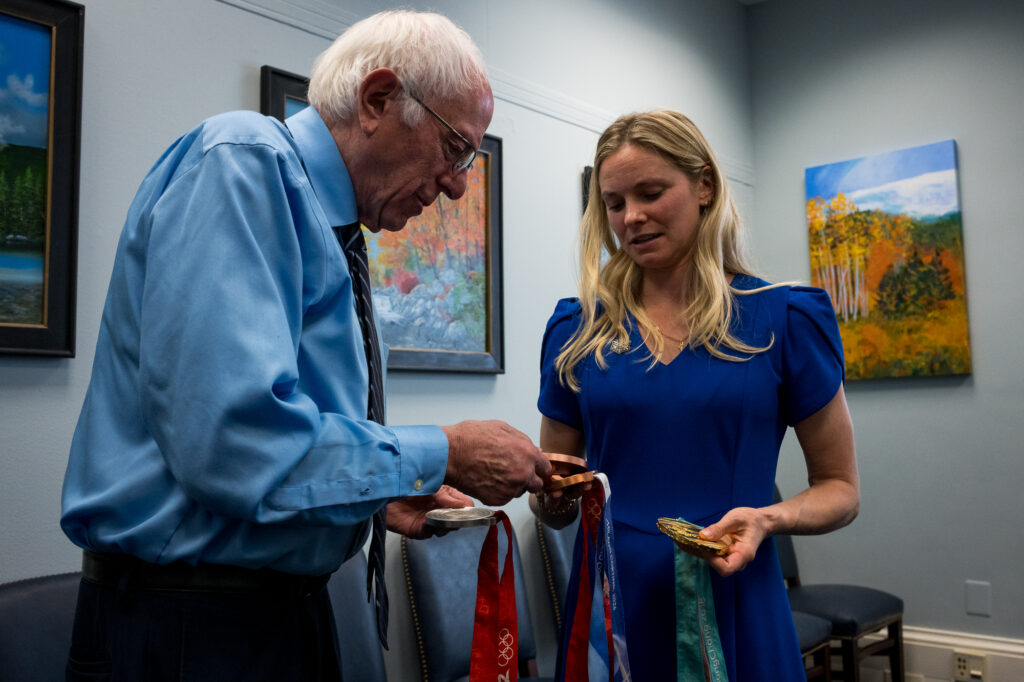
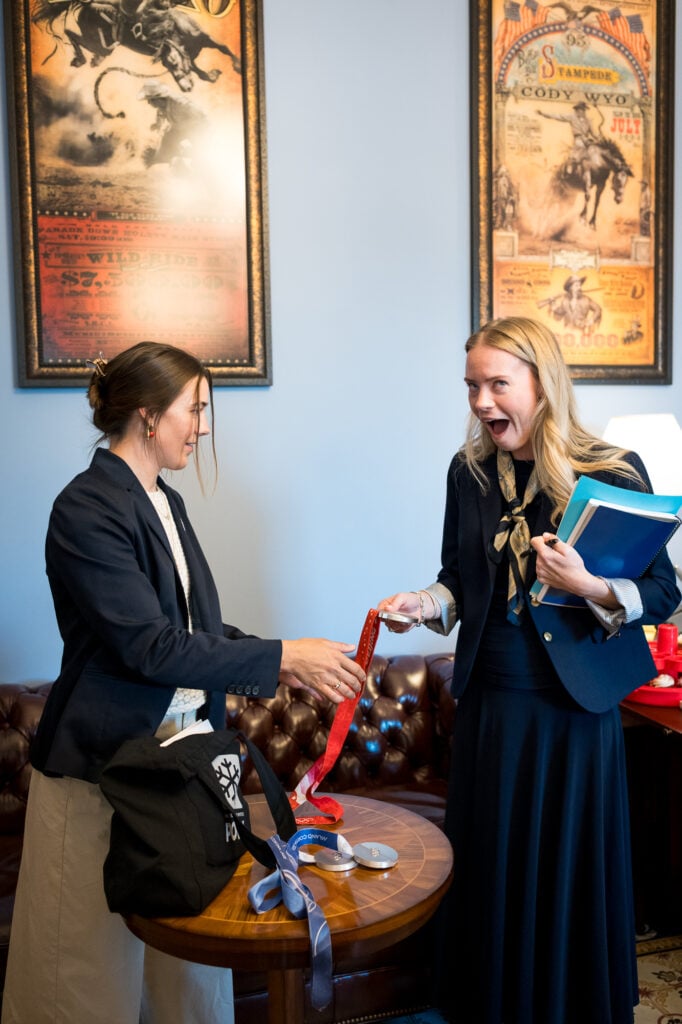
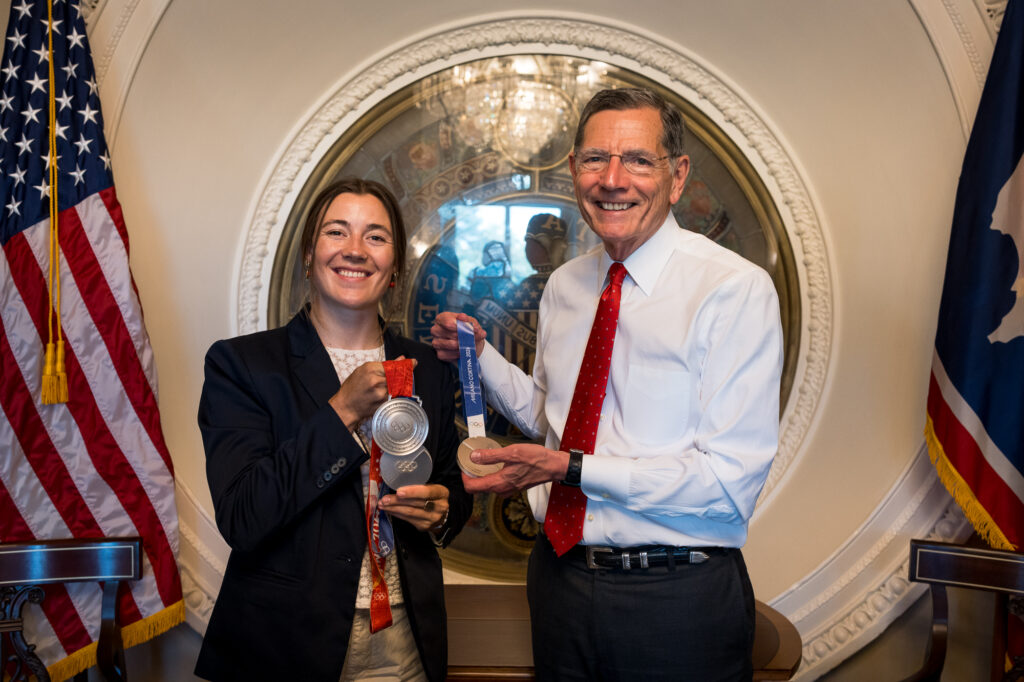
- Day Two: Intensive Congressional Outreach. The group split into smaller teams to cover 38 offices. These meetings were strategically divided between long-term allies and offices that have historically been skeptical of climate legislation. The day concluded with a formal reception where athletes shared their experiences with members of Congress, using their Olympic medals as a catalyst for conversation about the future of winter sports.
Bipartisan Engagement and Key Takeaways
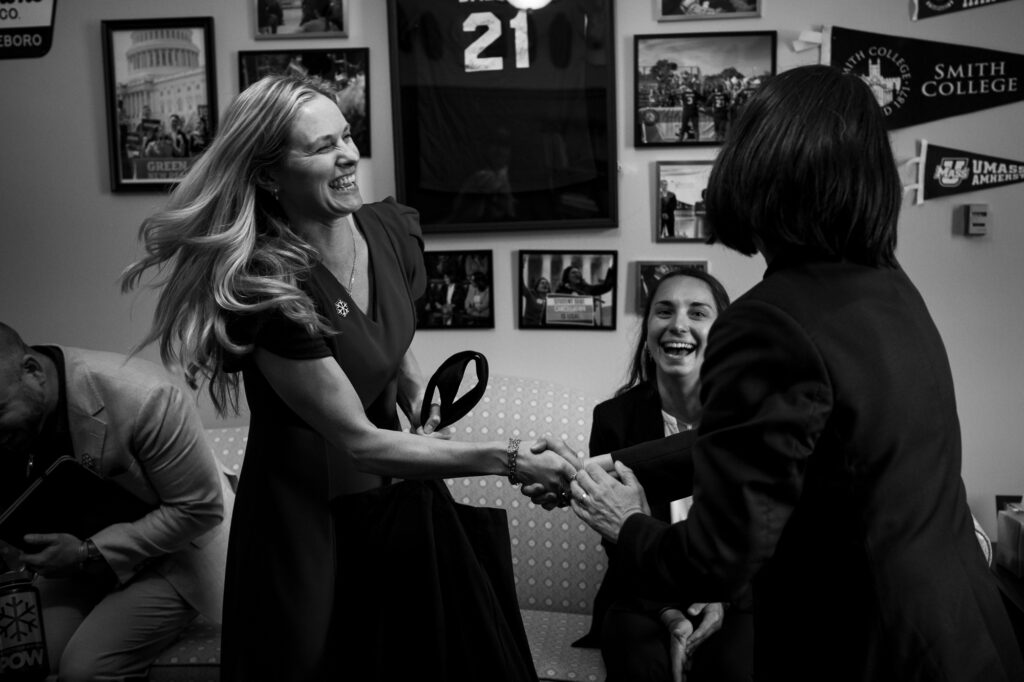
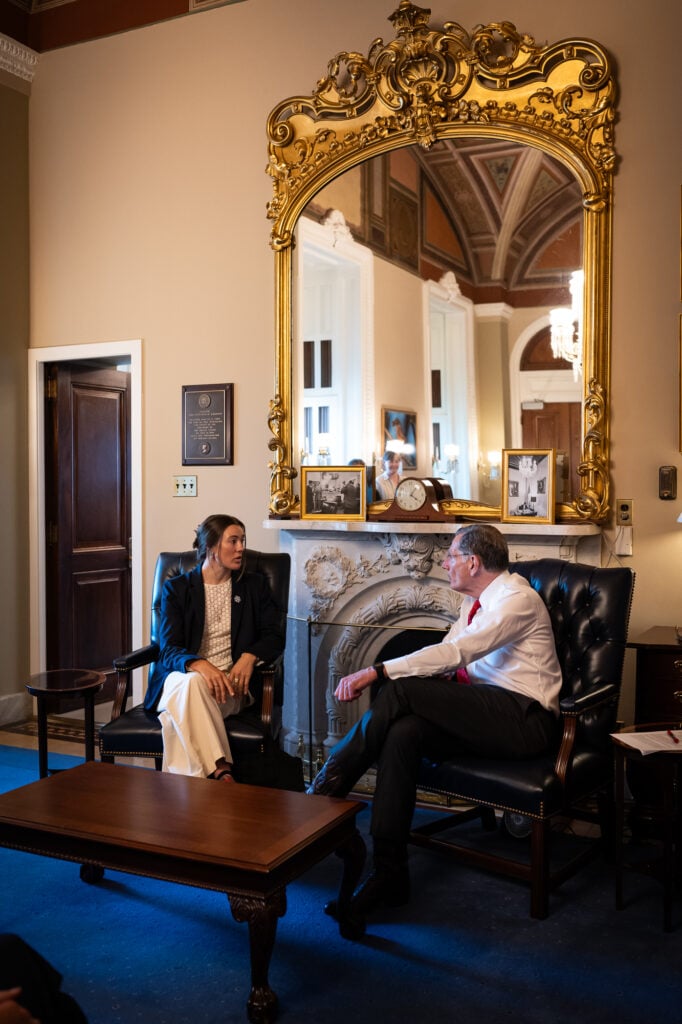
One of the most notable outcomes of the trip was the reception the delegation received in Republican offices. Members of the delegation reported that public lands served as a "bridge" issue. While disagreements remain on the methods of carbon regulation, there was a shared interest in protecting local economies that depend on tourism and recreation.
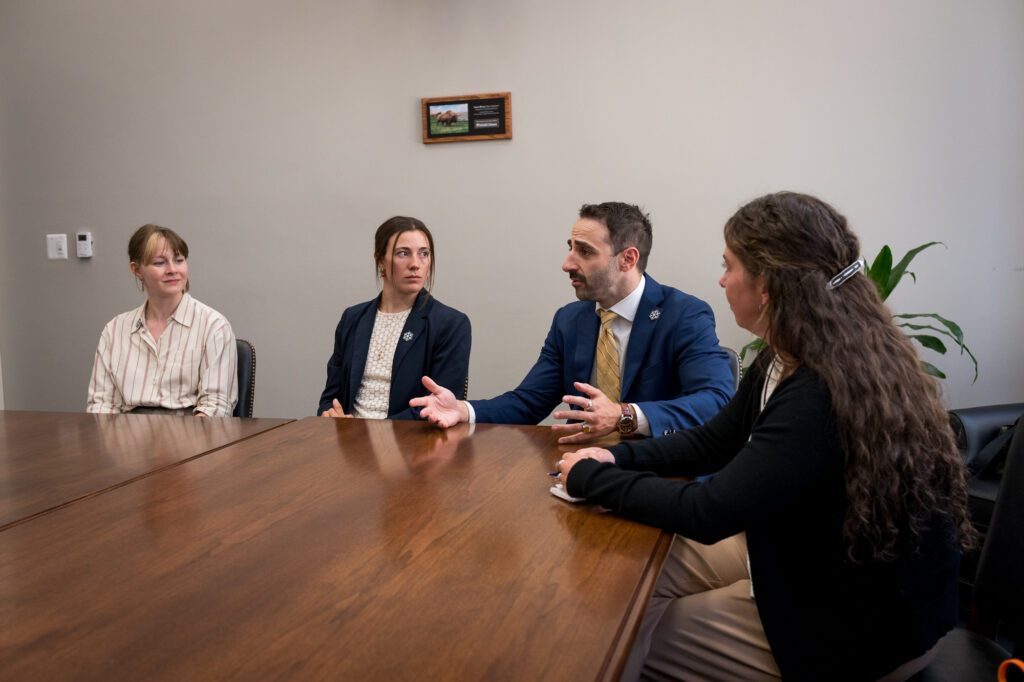
Max Lowe, a filmmaker and member of the POW Creative Alliance, observed that the slow pace of government can be frustrating, but emphasized the importance of consistent presence in the halls of power. He noted that the goal of the mission was to plant the seeds for long-term policy shifts by building genuine relationships with lawmakers and their staff.
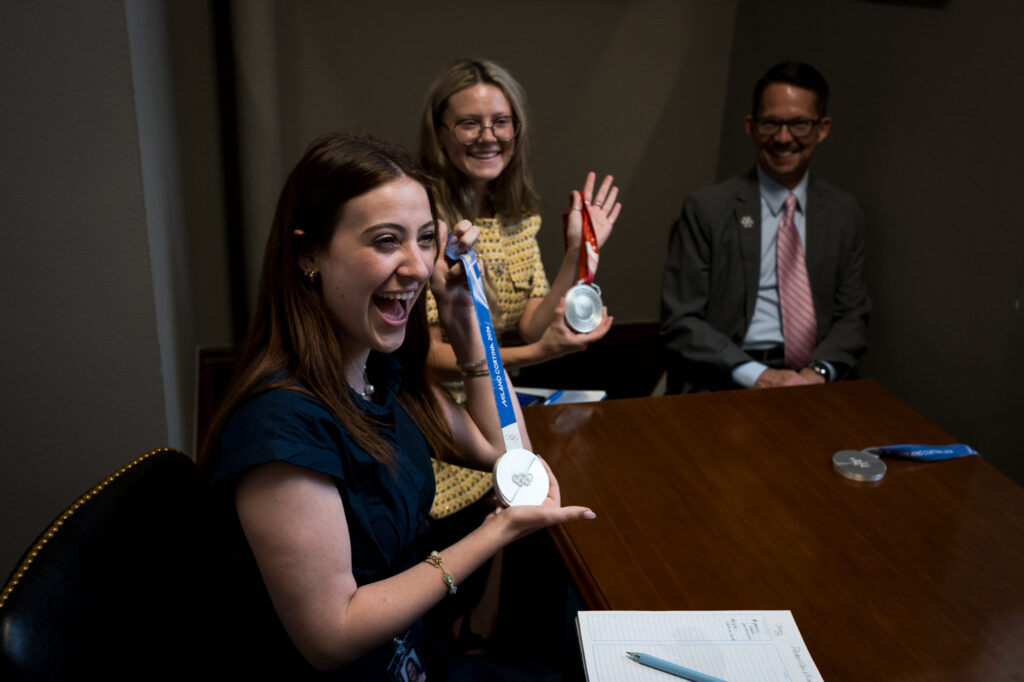
The presence of high-profile athletes like Jessie Diggins proved to be a significant asset. Lawmakers were reportedly more receptive to complex scientific data when it was paired with the personal narrative of an athlete whose livelihood and passion are directly tied to the environment. This "trusted messenger" approach is a cornerstone of POW’s strategy, aiming to humanize the data provided by the Science Alliance.
Broader Impact and Future Implications
The POW Fly-In occurs at a critical juncture for American environmental policy. As the 2026 legislative calendar progresses, the debate over land use and energy independence continues to intensify. The delegation’s efforts represent a growing movement of non-traditional lobbyists—skiers, climbers, and hunters—who are increasingly organized and vocal about federal policy.
The long-term implications of these meetings will likely be seen in the co-sponsorship of conservation bills and the potential for increased oversight of agency-level deregulation. By demonstrating that the "Outdoor State" is paying close attention to congressional voting records, POW aims to increase the political cost of anti-environmental legislation.
As the delegation departed Washington, the organization reaffirmed its commitment to maintaining a year-round presence on the Hill. The mission served as a reminder that while the rules governing public lands and clean air may sometimes be altered behind closed doors, the constituency for the outdoors is increasingly willing to show up in the light of day to defend them. The data, the economic arguments, and the personal stories brought to the capital last week provide a blueprint for a new era of environmental advocacy—one that is as much about protecting a way of life as it is about protecting the planet.
