

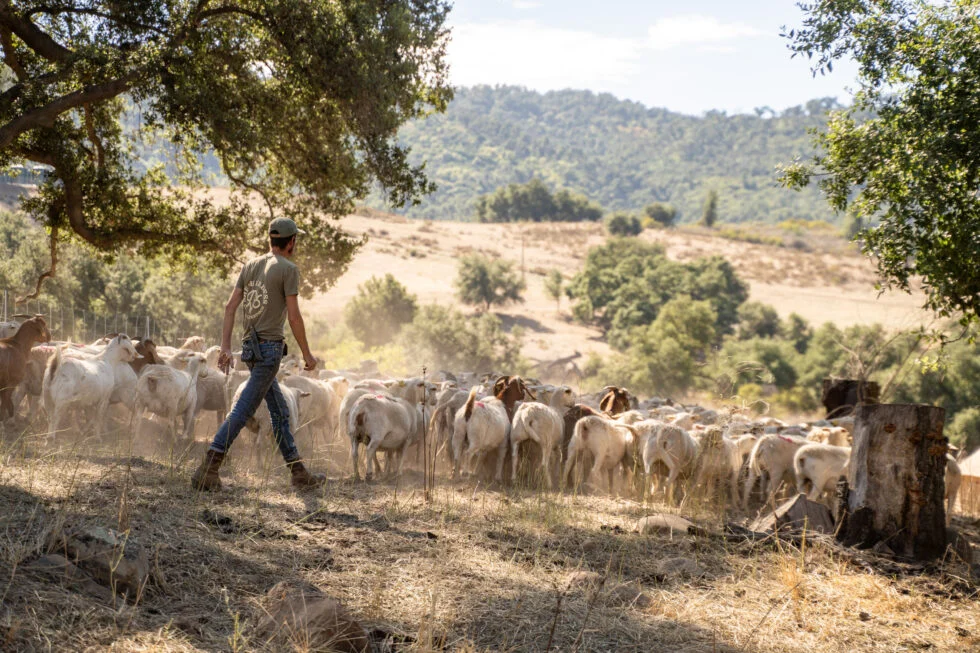
For millennia, the landscapes of Southern California were defined by a rhythmic, migratory movement. Across the vast expanses of what is now the Golden State, animal populations fluctuated in response to the availability of water, the quality of forage, and the pressures of predation. Native grasses were not static; they were grazed, trampled, and redistributed by massive herds long before the advent of modern fire suppression, urban sprawl, or complex fuel management strategies. In this ancestral ecology, vegetation did not merely accumulate into a monolithic fuel load. Instead, the landscape was a shifting mosaic, constantly reshaped by cycles of consumption, regrowth, and migration.
Today, that historical equilibrium has been replaced by a more volatile reality. A combination of hotter average temperatures, prolonged periods of drought, the proliferation of invasive annual grasses, and decades of aggressive fire suppression has transformed the regional ecology. Wildfire is no longer a periodic ecological disturbance; it has become a structural condition of daily life. For residents of Southern California, the public relationship with the landscape is now frequently defined by the trauma of evacuation, the instability of the insurance market, and the long-term closure of recreational trails. However, across the same hillsides, a traditional form of movement is reemerging as a cornerstone of climate adaptation: the use of prescribed grazing.
The Shift from Suppression to Active Stewardship
The modern wildfire crisis in the Western United States is driven by a feedback loop of climate change and historical land-management choices. According to the National Oceanic and Atmospheric Administration (NOAA), the increasing severity of wildfires is directly linked to drier atmospheric conditions and a "thirsty" atmosphere that draws moisture out of plants and soil. This creates a landscape primed for ignition. In Southern California, the problem is exacerbated by the "Wildland-Urban Interface" (WUI), where residential development pushes deep into fire-prone chaparral and oak savanna ecosystems.
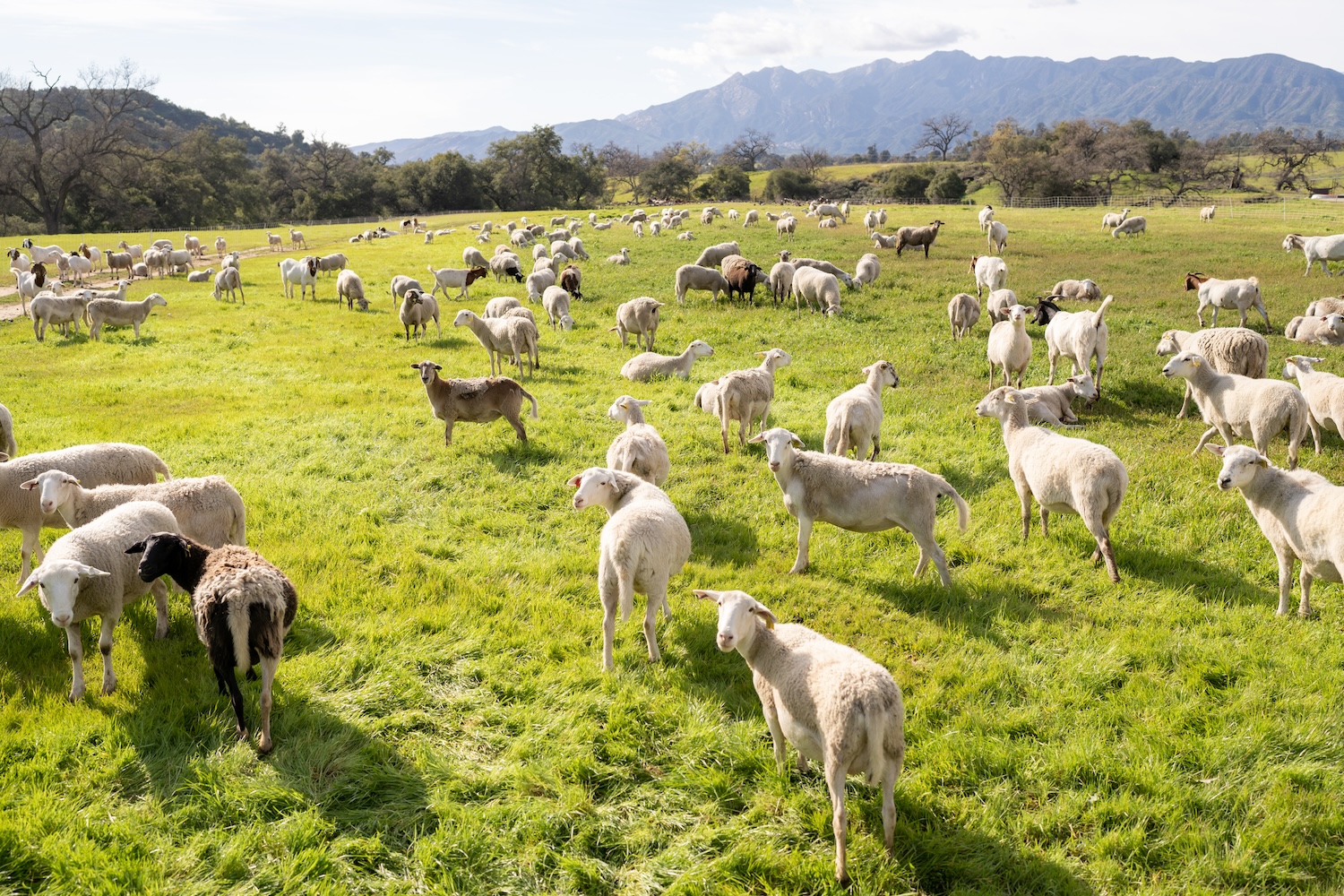
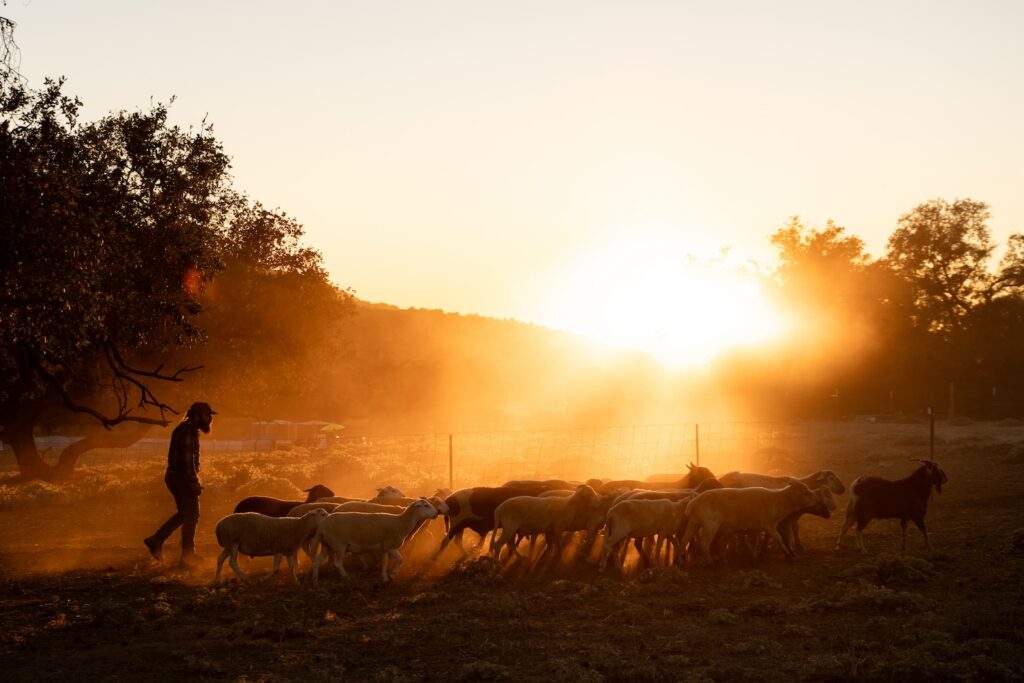
In response to these escalating risks, land managers are turning toward prescribed grazing—a targeted, ecologically informed use of livestock to reduce fuel loads. Unlike mechanical clearing or chemical herbicides, grazing offers a nuanced approach to vegetation management. In regions like the Ojai Valley and the Santa Monica Mountains, bands of sheep and goats are being deployed to consume invasive grasses and woody shrubs before the peak of the fire season. This strategy does more than just clear land; it attempts to mimic the historical disturbance patterns that once kept these ecosystems in balance.
Ecological Mechanics: The "Combo Punch" of Sheep and Goats
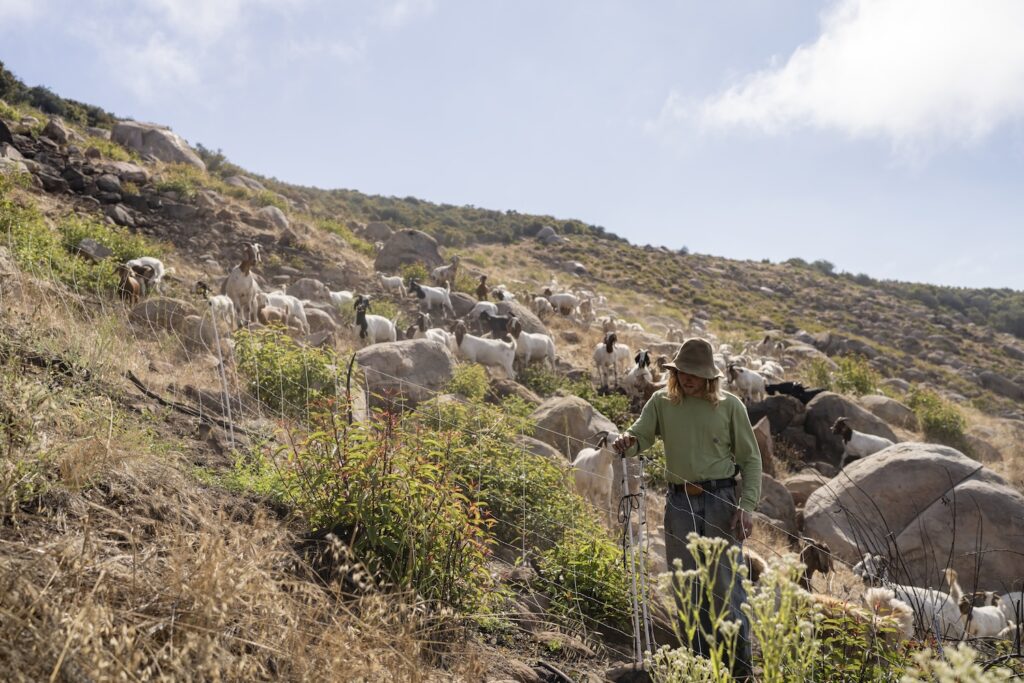
Prescribed grazing is a sophisticated discipline that requires a deep understanding of animal behavior and plant biology. Cole Bush, a leading practitioner and founder of Shepherdess Land and Livestock Co. and the Grazing School of the West, describes the work as a "prescriptive approach" tailored to the specific needs of the terrain. The effectiveness of the strategy lies in the differing dietary preferences of the animals involved.
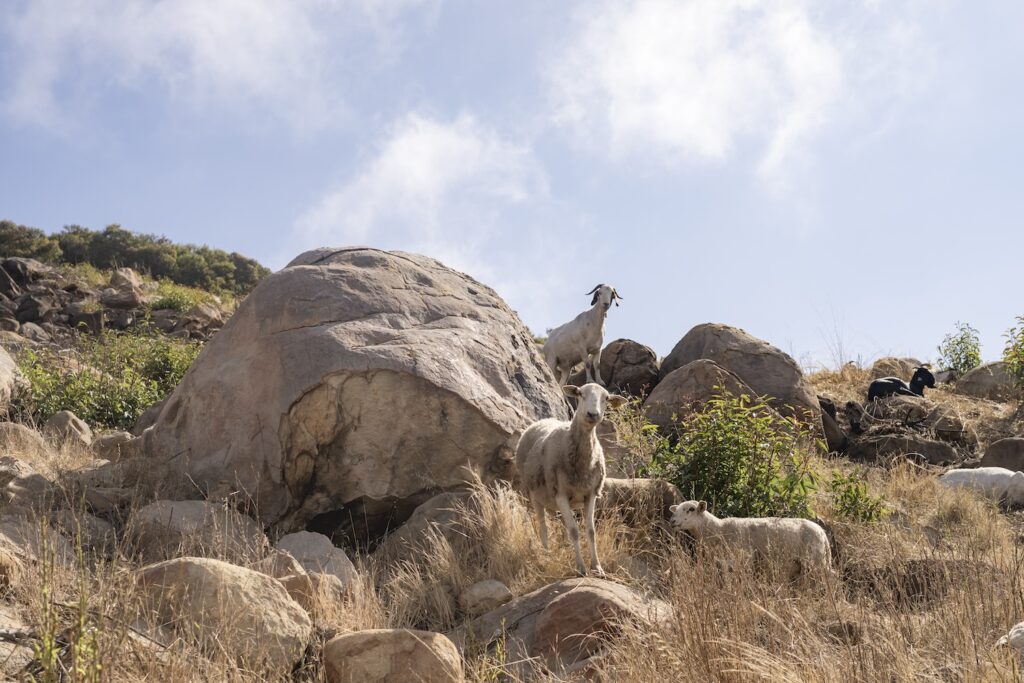
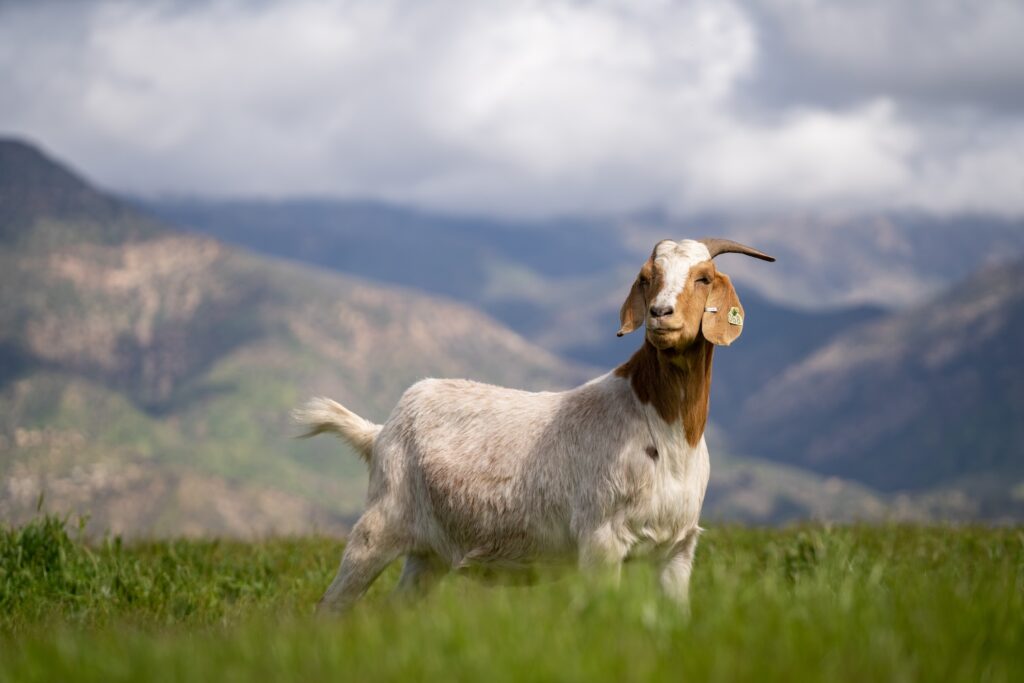
Goats are primarily "browsers." They prefer woody vegetation, shrubs, and low-hanging tree branches, making them ideal for thinning dense brush and creating vertical fuel breaks. Sheep, conversely, are "grazers" that focus on grasses and lower-growing forage. When used together, they provide what Bush calls a "combo punch," capable of addressing multiple layers of fuel simultaneously. This dual-species approach is particularly effective in the "brittle" Mediterranean climate of Southern California, where a short, intense rainy season is followed by months of extreme aridity.
Before animals are introduced to a site, a comprehensive ecological assessment is conducted. This evaluation includes:
- Vegetation Density: Determining the total biomass and identifying invasive versus native species.
- Topography and Erosion: Assessing slope steepness and the risk of soil displacement.
- Hydrology: Monitoring how water moves across the landscape and the state of soil compaction.
- Wildlife Corridors: Ensuring that grazing activities do not disrupt the migratory paths of local fauna.
A Chronology of Crisis: From the Thomas Fire to the Present
The urgency of these grazing programs has been accelerated by a series of catastrophic events that have reshaped the regional consciousness. The 2017 Thomas Fire, which burned over 280,000 acres in Ventura and Santa Barbara counties, served as a pivotal moment for many local communities. It demonstrated that traditional suppression methods were increasingly insufficient against "megafires" driven by extreme wind and fuel loads.
The timeline of recent activity underscores the rising volatility:
- December 2017: The Thomas Fire devastates the region, destroying over 1,000 structures and highlighting the vulnerability of the Ojai Valley.
- 2020-2024: Prolonged drought cycles lead to record-low fuel moisture levels across the Los Padres National Forest.
- January 2025: A series of fires, including the Kenneth Fire near Agoura and the Madre Fire—California’s largest wildfire of 2025—erupt during unseasonable heatwaves.
- Spring 2026: In the wake of the Sandy Fire in Ventura County, community-led organizations like the Ojai Valley Fire Safe Council and the Ojai Herd and Horse Network expand their operations, integrating grazing as a primary defense mechanism.
During the 2025 Los Angeles fires, the practical application of shepherding skills shifted from prevention to emergency response. As the Kenneth Fire threatened properties in Agoura, Cole Bush and other experienced shepherds were called upon to evacuate semi-feral sheep from steep, smoke-choked hillsides. This required a level of animal communication and "nervous system regulation" that mechanical teams could not provide. By applying subtle directional pressure and maintaining a calm rhythm, the shepherds were able to move the animals to safety without inciting a panic that would have led to casualties.
The Intersection of Recreation and Resilience
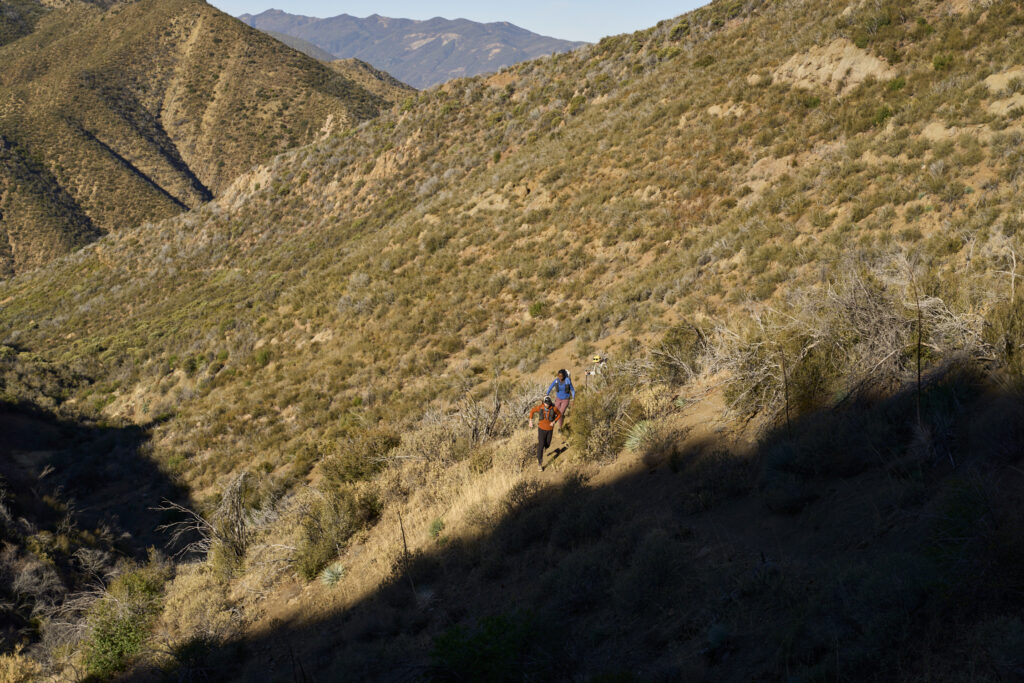
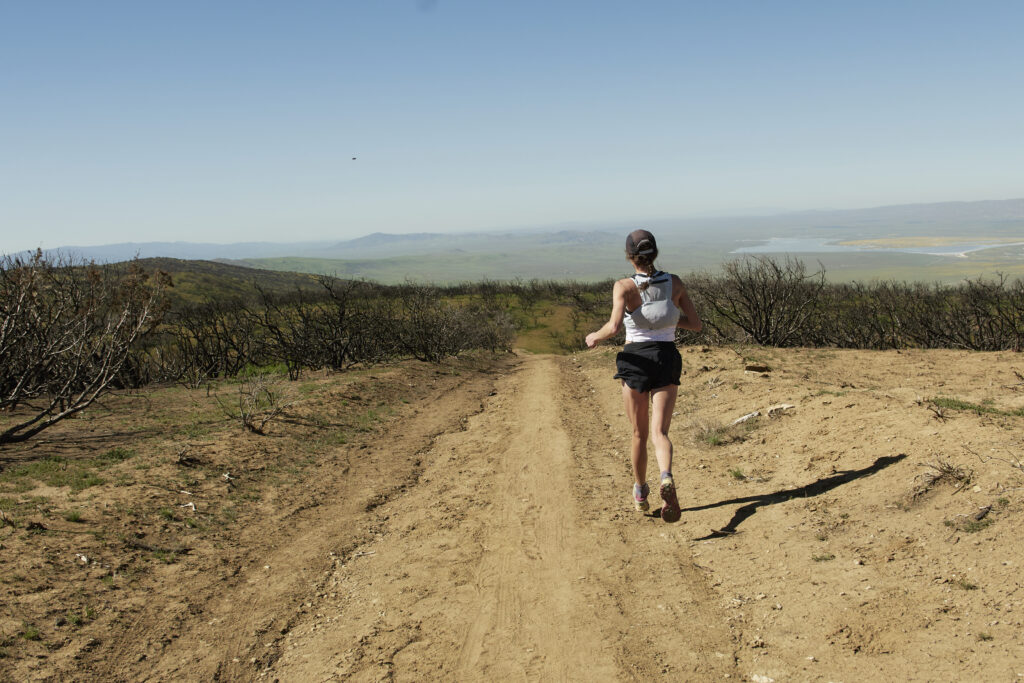
The changing ecology of Southern California is perhaps most visible to the region’s robust outdoor recreation community. Trail runners, hikers, and cyclists often possess an intimate, granular knowledge of the landscape, noticing subtle shifts in vegetation and soil health that escape the casual observer. Liam Pickhardt, a photographer and trail runner who has documented these landscapes for years, notes that the separation between "outdoor culture" and "land stewardship" is rapidly dissolving.
"The trails people run on and the open spaces people recreate in require active management now," Pickhardt explains. "They don’t just stay intact on their own anymore."
For trail runners, the experience of moving through the Santa Monica Mountains or the Los Padres National Forest has become an exercise in ecological observation. A trail that was once a lush corridor of native oaks may, after a fire, become a field of invasive mustard—a highly flammable plant that outcompetes native species and increases the likelihood of future ignitions. By utilizing targeted grazing, land managers can suppress these invasives, allowing native, fire-resilient plants to re-establish their root systems. This not only protects the landscape from fire but also stabilizes the soil against the mudslides that frequently follow major burns in California.
Economic and Policy Implications
The shift toward proactive stewardship is also a response to the mounting economic pressures facing the state. As wildfire risk increases, the insurance industry has begun a significant retreat from fire-prone regions. Major insurers, including State Farm and Allstate, have restricted new policies in California, citing the unsustainable costs of catastrophic fire events. This "insurance instability" has turned wildfire adaptation into a central political and economic issue for the state government.
Updated fire hazard maps and new "defensible space" regulations are now shaping local housing policy and public infrastructure projects. Prescribed grazing is increasingly viewed as a cost-effective alternative to traditional fuel reduction. Unlike heavy machinery, which can be ecologically disruptive and requires significant fossil fuel input, livestock can navigate steep, technical terrain and utility corridors with minimal impact. Furthermore, the use of animals in the WUI reduces the risk of accidental ignitions caused by mechanical mowers or chainsaws during high-heat days.
Analysis of Broader Impacts: The Modern Shepherd as Activist
The reintroduction of grazing to Southern California represents a broader cultural shift in how humans relate to the environment. Cole Bush suggests that the "modern shepherd" is a form of activism—a way of "leading from the back" to facilitate a healthier relationship between the community and the land. This philosophy rejects the idea of "dominating" nature in favor of a model based on observation, response, and rhythm.
The implications of this work extend beyond fire prevention:
- Carbon Sequestration: While smoke from wildfires releases enormous amounts of carbon into the atmosphere, healthy grasslands and savannas maintained by grazing act as effective carbon sinks.
- Biodiversity Restoration: Targeted grazing can reduce the "thatch" of dead invasive grasses, allowing light to reach the soil surface and encouraging the germination of dormant native seeds.
- Community Cohesion: Programs like the Ojai Valley Fire Safe Council demonstrate that wildfire resilience is a collective effort. By involving local ranchers, recreationists, and public agencies, these initiatives build social capital that is essential during times of crisis.
As climate change continues to intensify, the "brittle" environments of the Mediterranean West will remain under pressure. The reality is that Southern California will continue to face the threat of fire. However, the emergence of prescribed grazing offers a path forward that integrates ancient wisdom with modern ecological science. By restoring movement to the landscape, shepherds are not just reducing fuel; they are helping to rebuild an ecosystem that is capable of living with fire.
In the Ojai Valley, as sheep and goats move through the dry brush ahead of the next fire season, they serve as a visible reminder that adaptation is an active process. The landscape is not a static backdrop for human activity, but a living system shaped by what moves through it. In this new era of ecological instability, the humble movement of a herd may be one of the most effective tools for ensuring the region’s future.
