

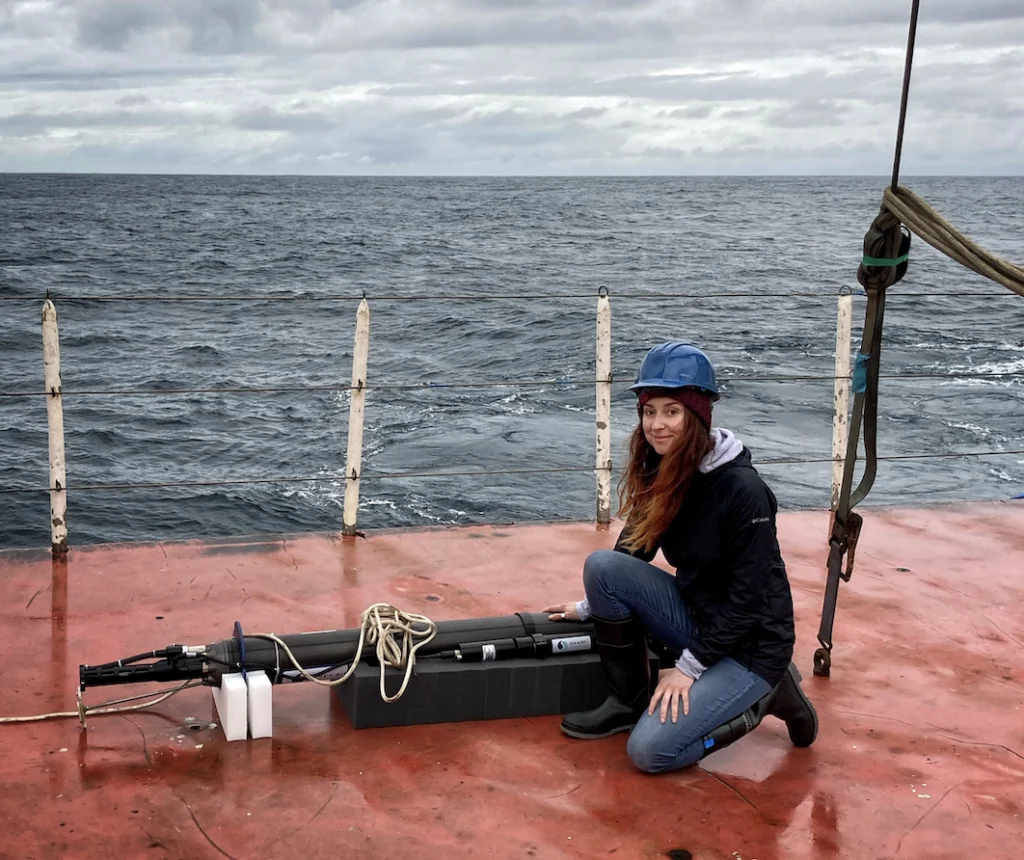
In the remote reaches of the central Pacific, near the Palmyra Atoll—a sliver of land situated thousands of miles from any major civilization—the sea surface temperature is currently registering approximately one degree Celsius higher than historical averages. While a single degree might seem negligible to a casual observer on a boat deck, in the complex theater of global meteorology, it is a catalyst capable of rerouting the jet stream and determining the fate of winter snowpacks across the North American Rockies. This localized warming heats the atmosphere, lowers surface pressure, and disrupts the delicate balance of trade winds that traditionally pin warm water near Indonesia. When these winds falter, a feedback loop is triggered, shifting storm tracks and altering weather patterns across the globe.
The ability to detect these minute but momentous shifts does not rely on manned expeditions or stationary thermometers. Instead, it is the result of the Argo program, a sophisticated global network of approximately 4,000 autonomous robotic floats. Since the early 2000s, these devices have provided real-time profiling of the world’s oceans, descending to depths of over a mile before surfacing every ten days to transmit data via satellite. However, this critical pillar of modern Earth science now faces an existential threat. A convergence of expiring grants, administrative silence, and shifting federal priorities has left the Argo program’s future in jeopardy, raising alarms throughout the scientific community and among those whose livelihoods depend on accurate weather forecasting.
The Evolution of Oceanography: From Ships to Autonomous Fleets
For over a century, oceanographic data collection was a grueling, expensive, and spatially limited endeavor. Scientists relied on research vessels to lower instruments into the water, a process that provided only "snapshots" of specific locations at specific times. The cost of operating these vessels often exceeded tens of thousands of dollars per day, making global, year-round monitoring an impossibility.
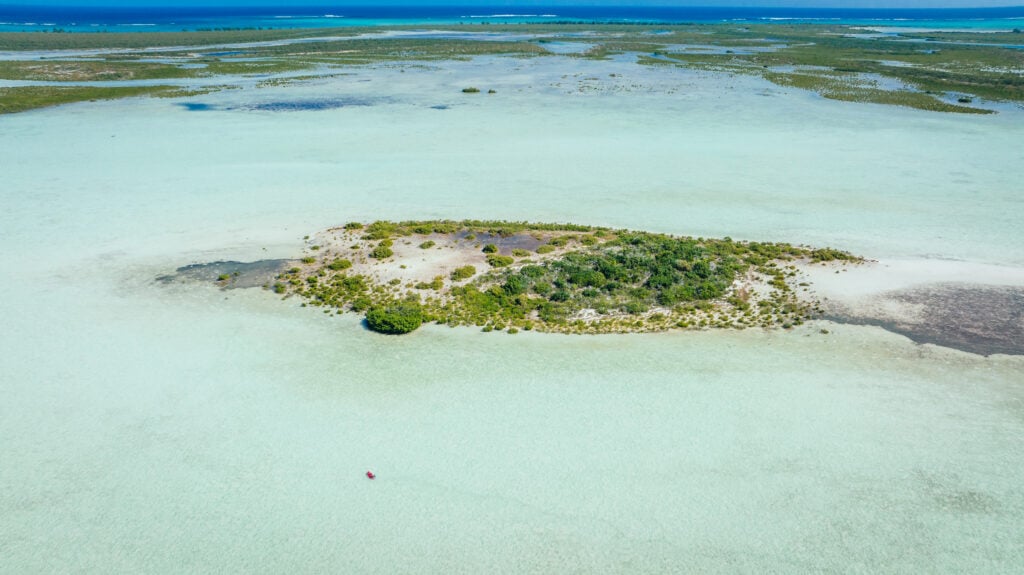
The Argo program, named after the mythical Greek ship Argo used by Jason and the Argonauts, was conceptualized in 1999 to solve this problem. The goal was to create a "global array of profiling floats" that could provide continuous monitoring of the upper 2,000 meters of the ocean. By the mid-2000s, the program reached its initial target of 3,000 floats, creating a revolutionary data stream that was made freely available to the public and researchers worldwide within 24 hours of collection.
Each Argo float is a marvel of engineering. They operate on a buoyancy engine, essentially a bladder that inflates and deflates to change the robot’s density. This allows them to "drift" at a depth of 1,000 meters for roughly nine days before descending to 2,000 meters and then rising to the surface, recording temperature, salinity, and pressure throughout the ascent. Once at the surface, the float connects to a satellite to transmit its GPS location and the collected data before beginning the cycle anew. The cost efficiency is staggering: a single profile from an Argo float costs approximately $200, a fraction of the cost of ship-based data collection.
The Role of Argo in Modern Meteorology and Climate Science
The data provided by Argo is the foundational "first step" for virtually every modern weather forecast. According to Dr. Shawnee Traylor, a chemical oceanographer and carbon cycle scientist with the POW Science Alliance, the ocean is the primary reservoir for the heat and moisture that drive atmospheric behavior. While satellites are excellent at capturing surface-level data, they cannot penetrate the depths to see the "subsurface brew" that dictates long-term weather trends.
The ocean absorbs approximately 90 percent of the excess heat trapped in the atmosphere by greenhouse gas emissions. Dr. Traylor notes that this absorption is equivalent to "exploding 12 atomic bombs in the ocean every second." Without the Argo fleet, scientists would be unable to quantify this heat uptake or predict the rate of thermal expansion—the process by which warming water expands, contributing to roughly one-third of global sea-level rise.
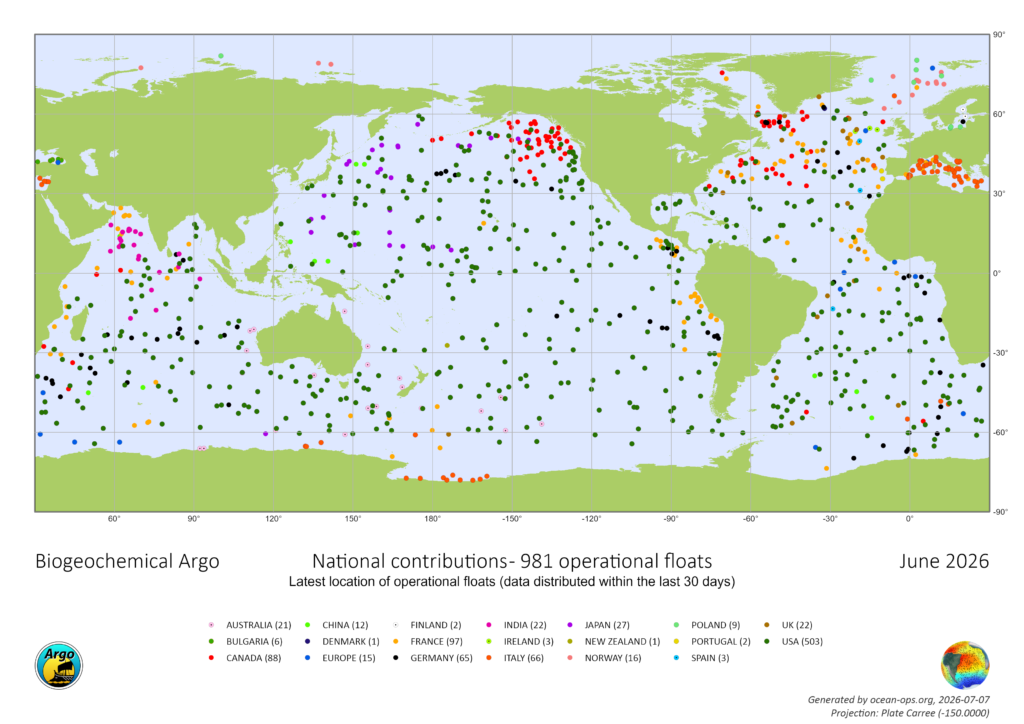
Furthermore, the program has expanded in recent years to include Biogeochemical (BGC) Argo floats and Deep Argo floats. BGC floats are equipped with sensors to measure oxygen levels, pH, nitrate, and chlorophyll, providing insights into ocean acidification and the health of marine ecosystems. Deep Argo floats are designed to withstand the crushing pressures of the abyss, traveling nearly four miles deep to monitor the previously "blind" regions of the deep ocean. This data is vital for understanding the global carbon cycle and the long-term impacts of climate change on biodiversity.
A Timeline of the Funding Crisis
The current crisis facing the Argo program is rooted in the decentralized nature of its funding and a shift in federal science priorities. While Argo is an international collaboration involving more than 30 countries, the United States has historically maintained over half of the global fleet through the National Oceanic and Atmospheric Administration (NOAA) and the National Science Foundation (NSF).
The timeline of the current shortfall began with the expiration of a major five-year NSF grant that had funded the deployment of 500 new BGC-Argo floats. Program leaders submitted a proposal for a new grant to maintain and replenish the fleet, but that proposal has remained in a state of administrative "limbo" for over 20 months. Historically, the NSF provides a response to such applications within six months.
This delay coincides with broader trends in federal spending. Under the current administration, scientific funding for climate research has seen significant volatility. Reports indicate that grants for oceanography have been reduced by nearly 50 percent over the last year. For the BGC Argo initiative specifically, there is currently no allocated funding to build new U.S. floats for the upcoming year.
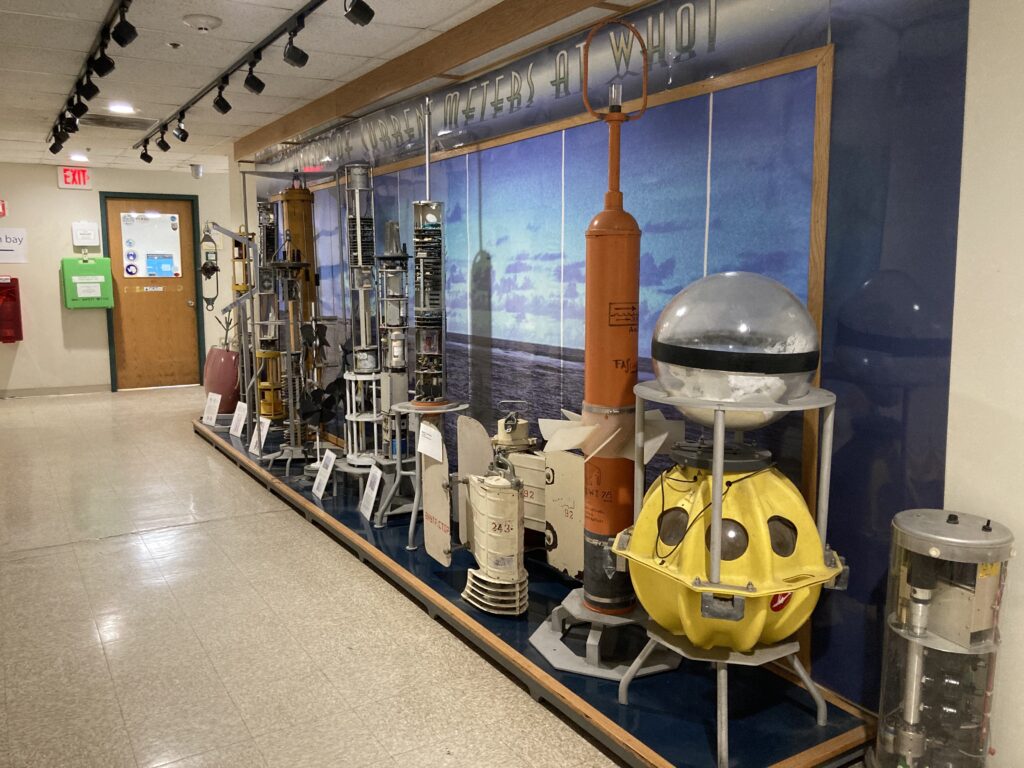
"We haven’t been told ‘no’ yet, but we’re running out of time," Dr. Traylor warns. "At a certain point, we start losing jobs and decades of critical technical expertise. If the data quality starts degrading, it will show up downstream as less reliable forecasts for extreme weather events."
Broader Implications: Economic and National Security
The potential loss of the Argo fleet extends far beyond the academic realm; it poses significant risks to the economy and national security. Accurate ocean data is a prerequisite for the "Blue Economy," which includes commercial fishing, maritime transport, and coastal tourism.
- Fisheries: Ocean temperature and salinity data allow fisheries to predict the movement of fish stocks and the onset of "dead zones" (hypoxic areas). Without this data, the management of sustainable fisheries becomes a guessing game, threatening a multi-billion dollar industry.
- Maritime Safety: Mariners rely on accurate current and storm-track predictions to navigate safely and efficiently. Sparser data leads to less warning time for intense maritime storms, increasing the risk of cargo loss and vessel damage.
- National Defense: The U.S. Navy and other military branches utilize Argo data for acoustic modeling. Underwater sound travel is highly dependent on temperature and salinity gradients; therefore, Argo data is essential for sonar accuracy and submarine operations.
- Disaster Preparedness: Coastal communities rely on models fueled by Argo data to prepare for hurricane intensification. Warm subsurface water can cause a storm to rapidly intensify before landfall. Without subsurface profiling, emergency managers lose a critical lead-time advantage.
Political Precedent and the Path Forward
The scientific community is looking toward a precedent set in June 2026, when another vital network, the Ocean Observatories Initiative (OOI), faced a similar threat of dismantling. In that instance, a bipartisan effort led by U.S. Senators Jeff Merkley (D-OR) and Lisa Murkowski (R-AK) successfully intervened. They argued that dismantling the network would jeopardize decades of research and compromise public safety.
In a letter to the NSF, 11 senators stated, "The effort to dismantle this vital network, jeopardizing decades of prior research, must be reversed in order to prioritize public safety." The OOI was eventually saved, proving that congressional support can override administrative budget cuts when the stakes for public safety and the economy are made clear.
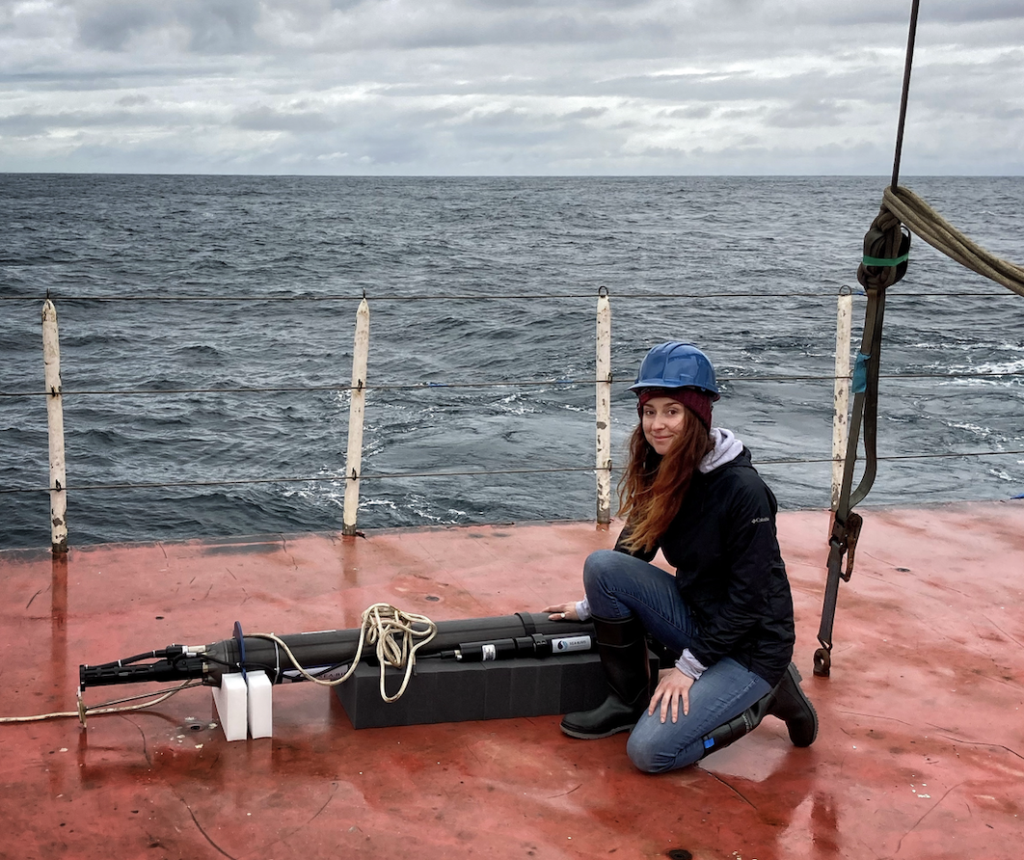
The Argo program now requires a similar intervention. Supporters of the program are calling for increased public awareness and congressional advocacy. The "invisible" nature of the robots—floating thousands of miles offshore and deep beneath the waves—often makes them an easy target for budget cuts, as their impact is not immediately visible to the average taxpayer until a weather forecast fails or a coastal community is blindsided by a storm.
Conclusion: The Risk of "Flying Blind"
The Argo program represents one of the most successful international scientific collaborations in history. It has transformed the ocean from a "black box" into a transparent, measurable environment, allowing humanity to track the pulse of a changing planet. However, the current funding gap threatens to blindfold meteorologists and climate scientists at a time when extreme weather events are becoming more frequent and severe.
As the current fleet of floats reaches the end of its operational lifespan—typically three to five years—the lack of replacement units will lead to "holes" in the global data grid. These gaps will inevitably degrade the accuracy of snowpack models for the Rockies, hurricane intensity forecasts for the Gulf Coast, and sea-level rise projections for the Eastern Seaboard.
"Even if they’ve never seen it, everyone is deeply tied to the ocean," says Dr. Traylor. The fate of the Argo floats is not merely a matter of scientific curiosity; it is a matter of national infrastructure. Just as a nation would not allow its satellite GPS network or its terrestrial weather stations to go dark, the scientific community argues that the robotic sentinels of the deep must be maintained to ensure a predictable and safe future for all.
