

The 2025-2026 winter season across the Western United States has concluded as one of the most volatile and meteorologically inconsistent periods in recent history, characterized by a phenomenon researchers are describing as a "temperature-driven snow drought." While precipitation levels across several key states remained near or even slightly above historical averages, an unprecedented surge in winter temperatures effectively neutralized the benefits of that moisture. The result was a fragmented ski season, record-early melt-out dates, and a significant disruption to the natural "distributed reservoir" that provides the majority of the region’s summer water supply.
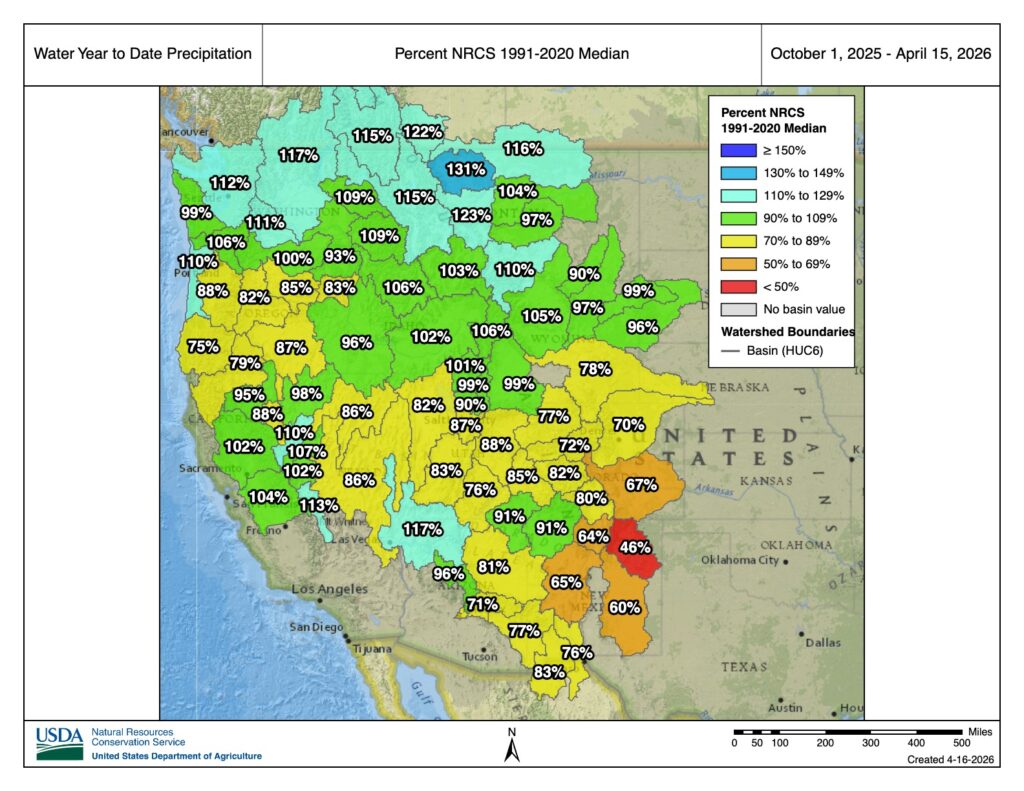
According to data compiled by Dr. David Hill, a professor at Oregon State University and National Geographic Explorer, the season’s failure was not due to a lack of "the wet," but rather a catastrophic absence of "the cold." While regions such as northwest Wyoming, Montana, Idaho, and Washington experienced precipitation levels that trended toward the wetter end of the spectrum, states like Oregon, Utah, and Colorado faced a drier-than-average year. However, the overarching factor across the entire West was the sustained warmth that prevented snow accumulation and accelerated the depletion of existing packs.
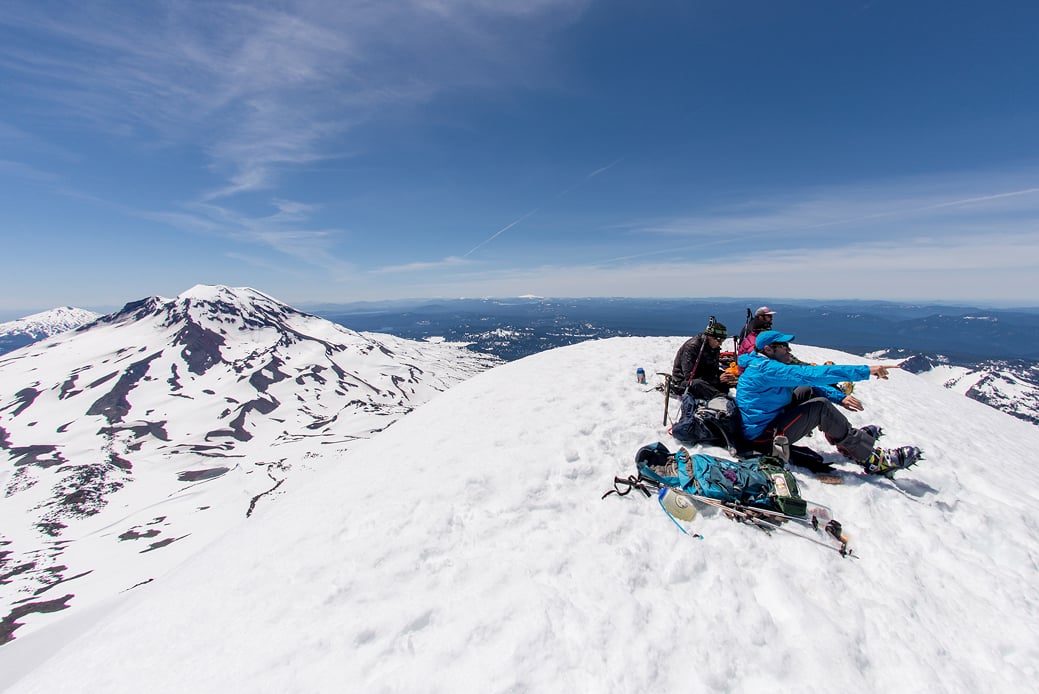
A Chronology of the "Hot Mess" Winter
The 2025-2026 water year began with a degree of cautious optimism as autumn storms brought early moisture to the Pacific Northwest and the Northern Rockies. However, this optimism was short-lived as the region entered December 2025, a month that many meteorologists and outdoor enthusiasts are now describing as a "nightmare."
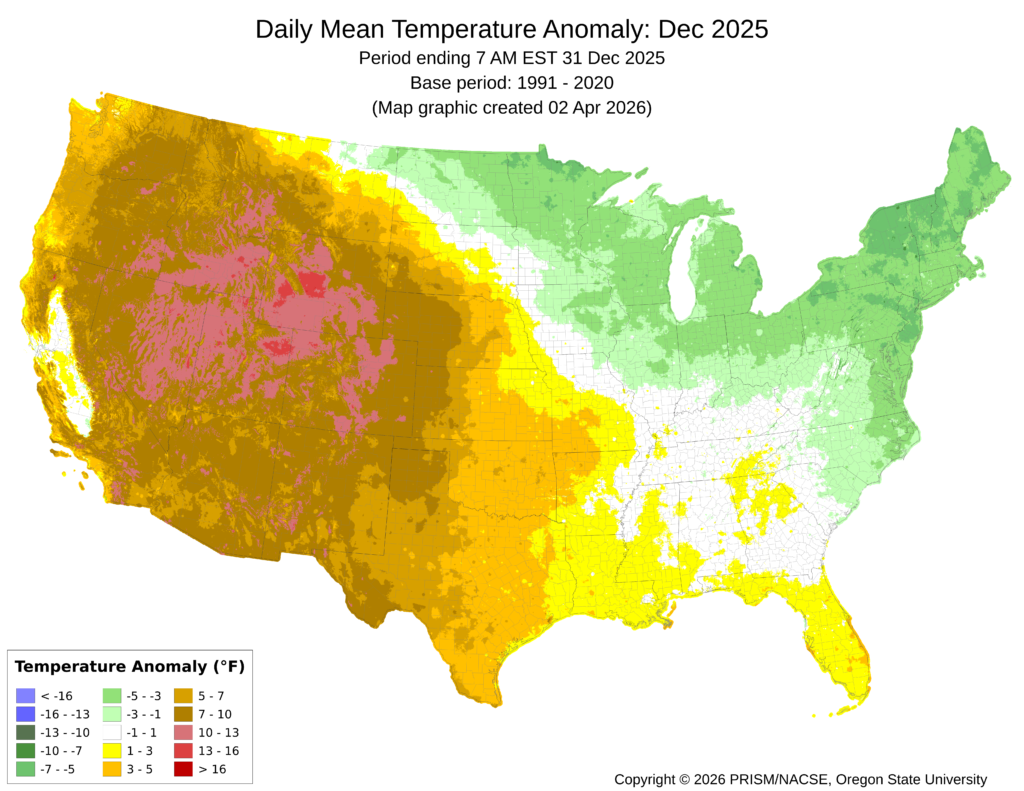
Throughout December, temperature anomalies across the Western United States reached staggering heights. Data from the PRISM Climate Group indicated that much of the West remained between 5 and 15 degrees Fahrenheit above long-term averages. This thermal spike had a two-fold impact: first, it ensured that a significant portion of early-season precipitation fell as rain rather than snow, even at higher elevations; second, it triggered "rain-on-snow" events that stripped away what little base had managed to form in late November.
As the calendar turned to 2026, the traditional benchmarks for the winter sports industry were repeatedly missed. Ski resort operators, who typically rely on the lucrative New Year’s holiday window to stabilize their annual revenue, were forced to move their "opening" goalposts to Martin Luther King Jr. Weekend. When that window also proved insufficient, hopes were pinned on President’s Day weekend and, eventually, Spring Break. For many resorts, the season was defined by a cycle of opening, pausing operations due to lack of cover, and reopening only after brief, isolated cold snaps.
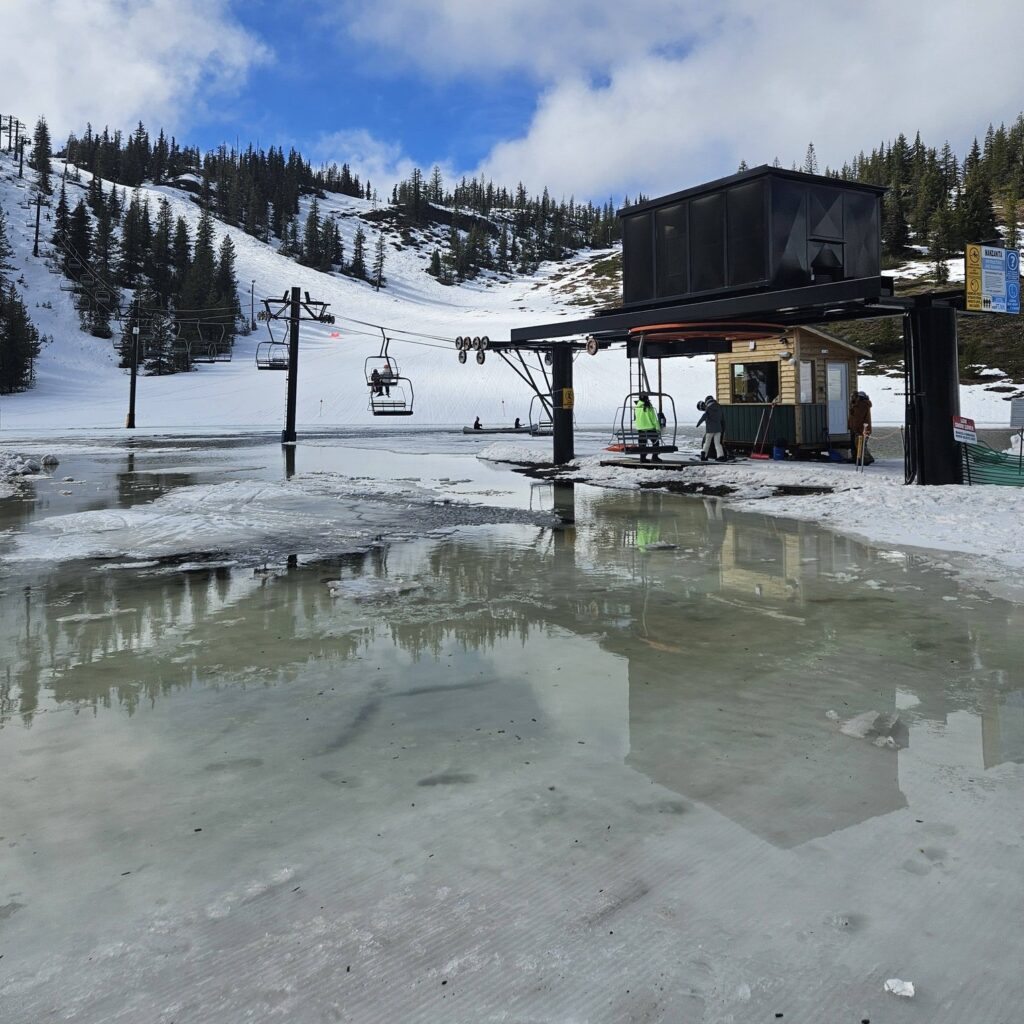
By mid-March, the situation had reached a critical point. At Hoodoo Ski Area on Oregon’s Santiam Pass, unscheduled "pond skims"—an activity usually reserved for the final days of the season in late April or May—were occurring naturally due to rapid melting and standing water on the runs. This premature transition to spring conditions signaled the beginning of an exceptionally early melt-out period.
Analyzing the Data: The April 1 Benchmark and Early Melt-Out
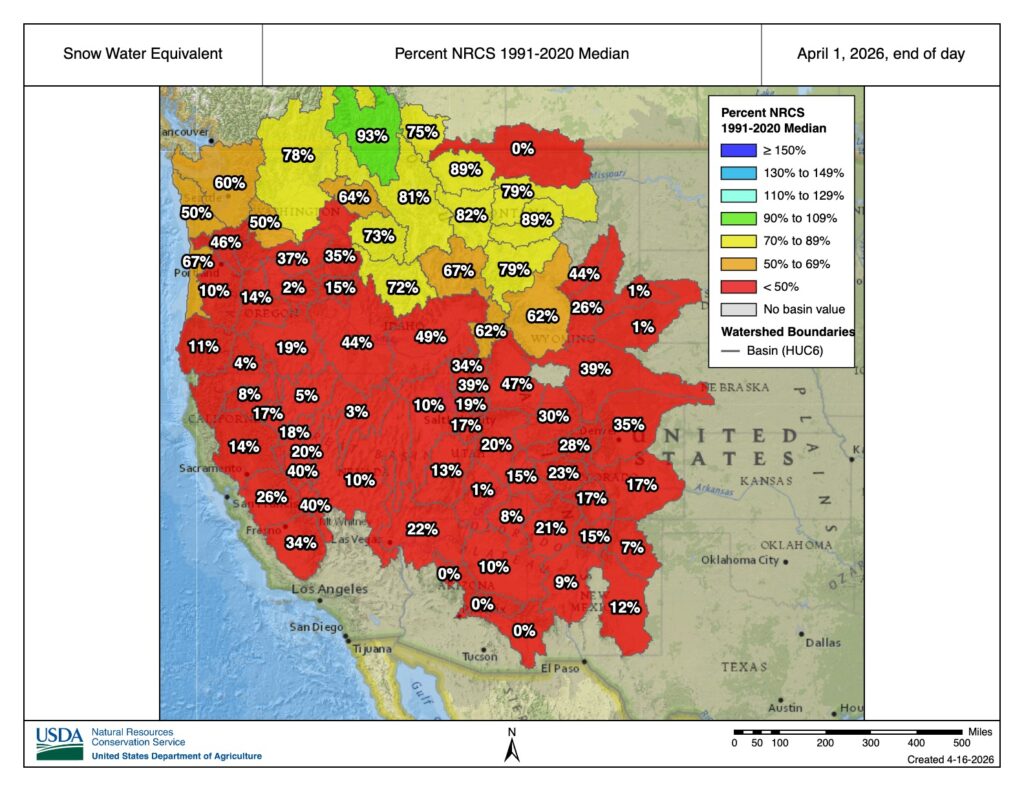
In Western water management, April 1 serves as the gold standard for measuring Snow Water Equivalent (SWE)—the amount of liquid water contained within the snowpack. Historically, this date represents the peak of the winter accumulation before the spring thaw begins. The 2026 data, provided by the National Resources Conservation Service (NRCS), painted a bleak picture.
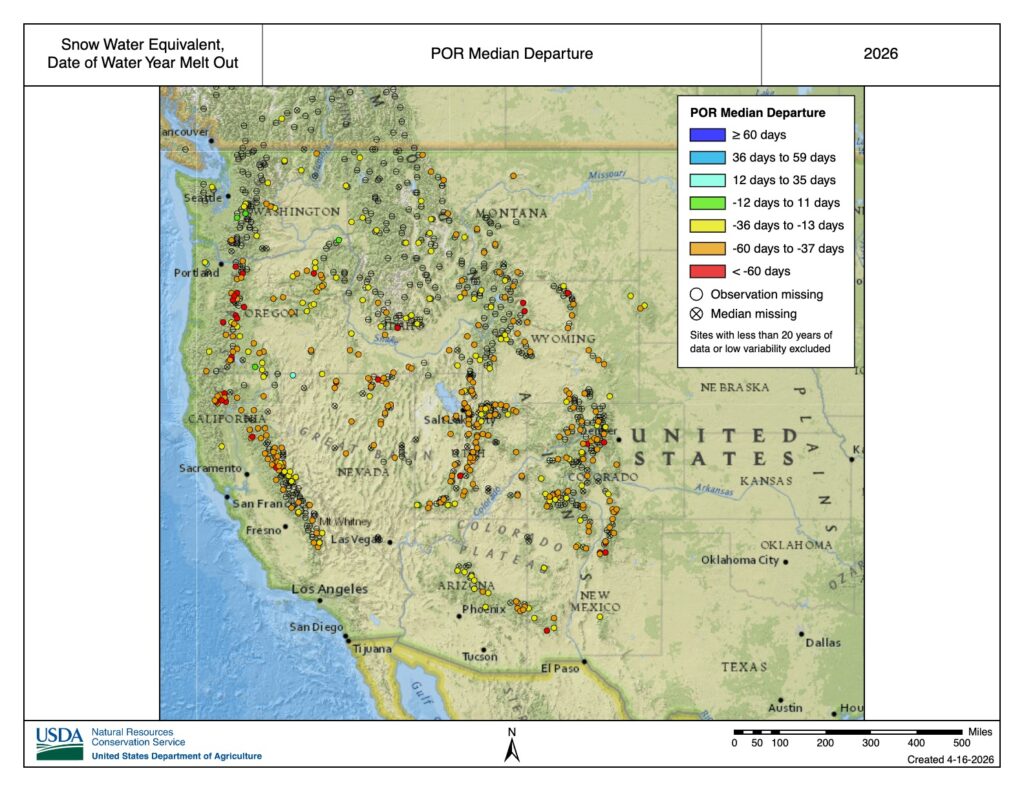
In many observation stations across the Cascades and the Sierra Nevada, April 1 SWE values were only a small fraction of the long-term average. Some stations reported their lowest peak values in 45 years. The "snow off" dates—the calendar day when the ground becomes bare—were not just days or weeks early; in several high-altitude locations, the snow had completely vanished months ahead of schedule.
This early melt-out is particularly concerning for regional hydrologists. When snow melts in February or March instead of May or June, the water enters the river systems far too early to be utilized for peak agricultural demand in the summer. Furthermore, the lack of a cooling snowpack leads to higher soil temperatures and increased evaporation, further reducing the total volume of water that eventually reaches downstream reservoirs.
The Global and Regional Context of Water Scarcity
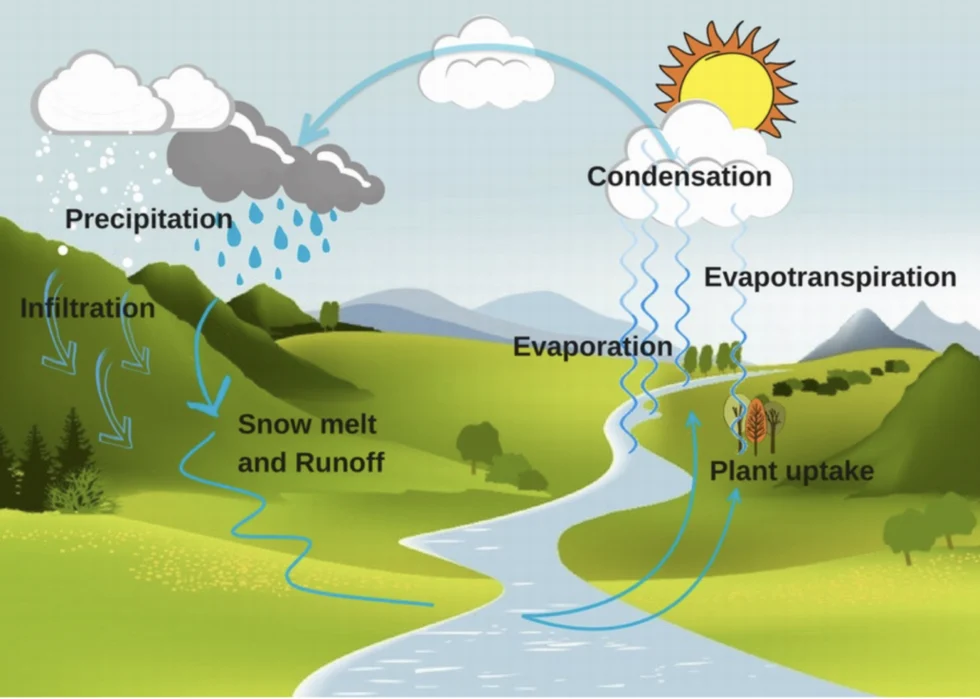
To understand the gravity of a failing snow season, it is necessary to look at the broader context of Earth’s hydrologic cycle. While the planet is often called the "Blue Marble," the amount of accessible fresh water is surprisingly minute. If all the water on Earth were gathered into a single sphere, its diameter would be only about 10% of the Earth’s diameter, or 40% of the moon’s diameter.
The vast majority of this water is saline or trapped in deep underground aquifers and polar ice caps. Less than one-hundredth of one percent of Earth’s total water is available to meet the daily needs of the global population. On a land-average basis, roughly one meter of precipitation falls annually, which equates to approximately 13,000 gallons per person per day. While this sounds like a surplus, the challenge lies in the geographical and temporal mismatch between supply and demand.
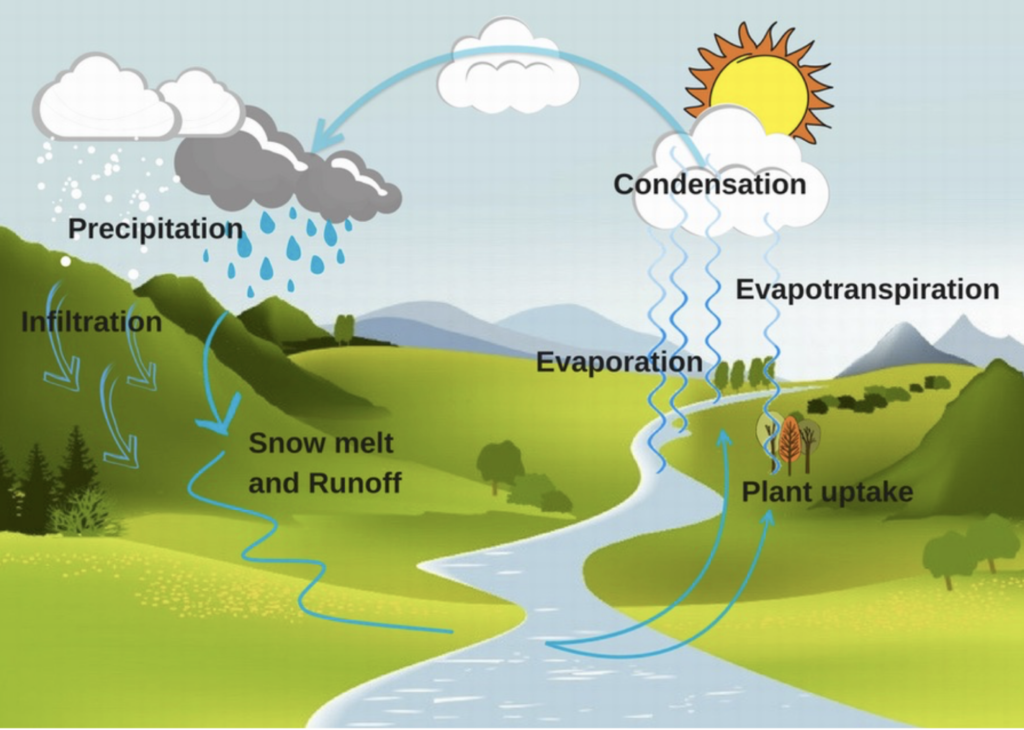
In the Western United States, this mismatch is traditionally managed by snow. The snowpack acts as a massive, natural insurance policy. It stores water in the mountains during the wet winter months and releases it gradually during the dry summer months. This lag between precipitation and runoff is the foundation of the region’s civil engineering and agricultural planning.
Snow vs. Infrastructure: The Reservoir Comparison
Human-made infrastructure, such as the network of canals, aqueducts, and reservoirs like Lake Mead and Lake Powell, is essential for stabilizing water supplies. However, these systems have physical and environmental limits. The Colorado River Basin provides a stark example of these limitations. Years of sustained drought and over-allocation have led to historic lows in Lake Mead, the reservoir behind the Hoover Dam.
The 2025-2026 snow season has highlighted a critical statistic: at its peak, the snowpack in the contiguous United States holds approximately five times the volume of water stored in Lake Mead. When the "snow reservoir" fails, the pressure on human-made reservoirs increases exponentially. Without the gradual release of snowmelt, these reservoirs must capture intense, early-season rain runoff, which increases the risk of flooding and reduces the efficiency of long-term storage.
Furthermore, the environmental benefits of a slow-melting snowpack cannot be replicated by concrete dams. A steady supply of meltwater keeps stream temperatures low through the early summer, which is vital for the survival of cold-water fish species such as salmon and trout. The early melt-out observed in 2026 threatens to create "thermal barriers" in river systems, where water temperatures become lethal for aquatic life long before the autumn rains arrive.
Economic and Social Implications
The "hot mess" of 2025-2026 has sent ripples through the regional economy. The ski industry, a multi-billion-dollar sector that supports thousands of rural jobs, faced significant losses. Beyond the direct loss of lift ticket sales, mountain communities saw reduced spending at hotels, restaurants, and retail outlets.
Agricultural planners are also bracing for a difficult summer. Farmers in the Central Valley of California and the Yakima Valley in Washington rely on predictable "junior" and "senior" water rights allocations based on snowpack forecasts. With the snow gone by mid-April, many irrigators may face "shut-off" orders much earlier in the growing season than anticipated, potentially impacting crop yields and food prices.
Public reaction to the season has been a mix of frustration and "climate grief." For many residents of the West, the loss of a reliable winter is more than an economic or logistical issue; it is a loss of cultural identity. The ability to count on cold, snowy winters is a defining characteristic of life in the Mountain West and Pacific Northwest.
Long-Term Trends and the "Boom or Bust" Cycle
While the 2025-2026 season was exceptionally poor, it fits into a documented long-term trend of dwindling snowpacks. Scientific observations over the past several decades show that maximum SWE is declining and melt-out dates are trending earlier. However, these long-term climate signals are often masked by high interannual variability.
The "feast or famine" nature of Western weather means that a record-low year can be followed by a record-high year. This volatility often complicates public perception of climate change. A single "Big Winter" can lead to a false sense of security, even as the decadal averages continue to slide downward.
Dr. Hill emphasizes that understanding this variability is key to future resilience. "The glass is not half empty; it is half full," he notes, referring to the fact that the region still receives significant precipitation. The challenge for the future lies in adapting to a world where that precipitation increasingly arrives as water rather than snow.
Conclusion: The Path Forward
The 2025-2026 snow season serves as a loud wake-up call for water managers, policymakers, and the general public. As the "natural reservoir" of snow becomes less reliable, the region must look toward diversified water management strategies. These may include enhanced groundwater recharge—where excess winter rain is diverted into underground aquifers—and increased investment in water conservation technologies for both urban and agricultural sectors.
The "smoking gun" of the 2025-2026 season was the heat. As global temperatures continue to rise, the threshold for "snowy" winters will move higher in elevation, leaving lower-lying mountain ranges like the Oregon Cascades increasingly vulnerable. Protecting the winters of the future will require not only local adaptation but a global commitment to addressing the thermal anomalies that turned the most recent winter into a "hot mess."
