

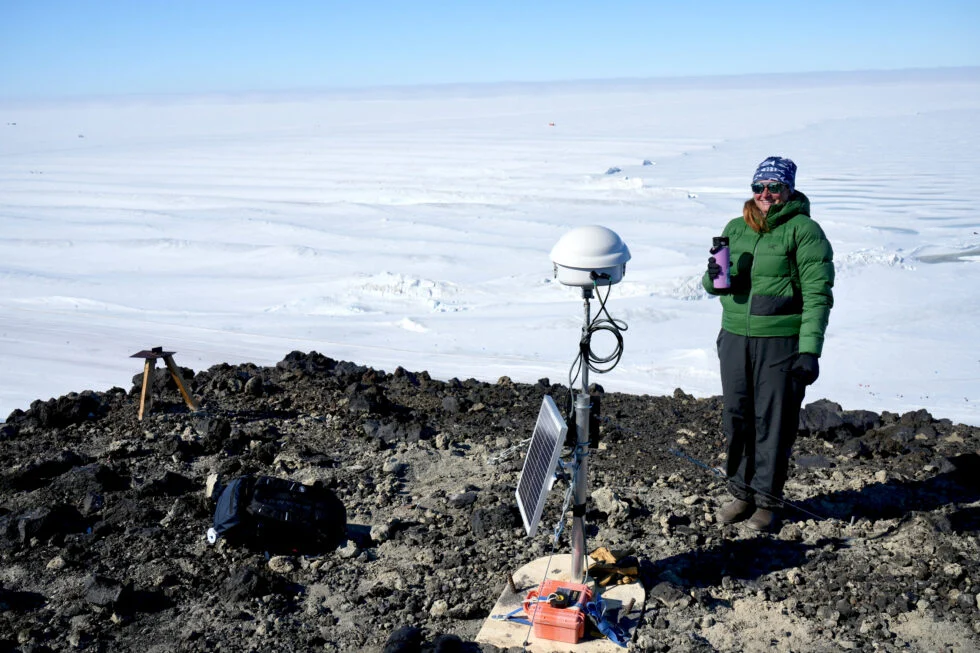
At the southernmost reaches of the planet, where the distinction between the horizon and the ice often dissolves into a blinding white expanse, a team of glaciologists is grappling with one of the most urgent questions of the 21st century: How much longer can the Antarctic ice shelves remain stable? Dr. Ali Banwell, a Research Scientist at the University of Colorado Boulder and a Professor of Glaciology at Northumbria University, recently concluded a high-stakes field season on the McMurdo Ice Shelf. As a prominent member of the Protect Our Winters (POW) Science Alliance, Dr. Banwell’s work transcends academic curiosity; it is a vital effort to quantify the vulnerability of the global coastline.
The Antarctic Ice Sheet is the largest single mass of ice on Earth, a frozen reservoir that holds the power to reshape the geography of the modern world. According to data provided by the National Snow and Ice Data Center (NSIDC), the ice sheet covers nearly 5.4 million square miles. "If the entire Antarctic Ice Sheet were to melt, it would raise global sea levels by around 190 feet," Dr. Banwell explains. While such a catastrophic collapse is not predicted to occur in the immediate future, the mechanisms that govern the stability of this ice are showing signs of unprecedented stress. The focus of Dr. Banwell’s research, funded by the National Science Foundation (NSF), centers on the "buttressing effect" provided by ice shelves—the floating extensions of the continental ice sheet that act as structural barriers against the flow of land-based ice into the sea.
The Mechanics of Glacial Stability and the Buttressing Effect
To understand the urgency of Dr. Banwell’s mission, one must understand the physics of the Antarctic coastline. Approximately 75% of the Antarctic continent is ringed by ice shelves. These massive floating platforms do not contribute to sea-level rise when they melt, as they are already displacing water. However, their role as a "plug" is indispensable. By providing resistance against the glaciers that flow from the interior of the continent, ice shelves prevent the rapid discharge of land-based ice into the Southern Ocean.
"Ice shelves buttress the glaciers flowing into the ocean," Dr. Banwell says. "Without these ice shelves, ice on land would flow more rapidly into the ocean, accelerating sea-level rise." When an ice shelf thins or collapses—as seen with the dramatic disintegration of the Larsen B Ice Shelf in 2002—the tributary glaciers behind it can accelerate their flow by three to eight times their original speed. This acceleration is the primary driver of global sea-level rise originating from the Antarctic continent.
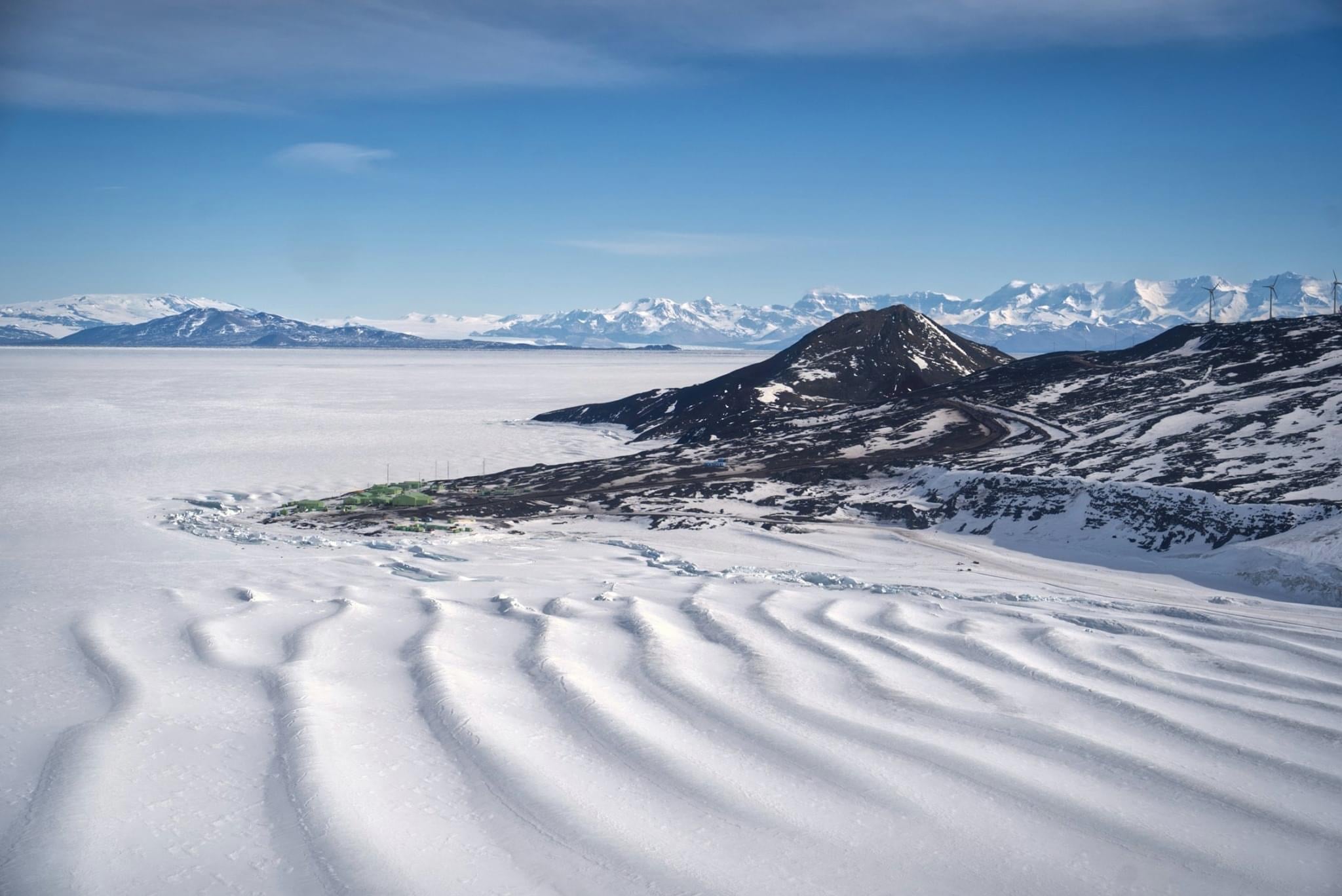
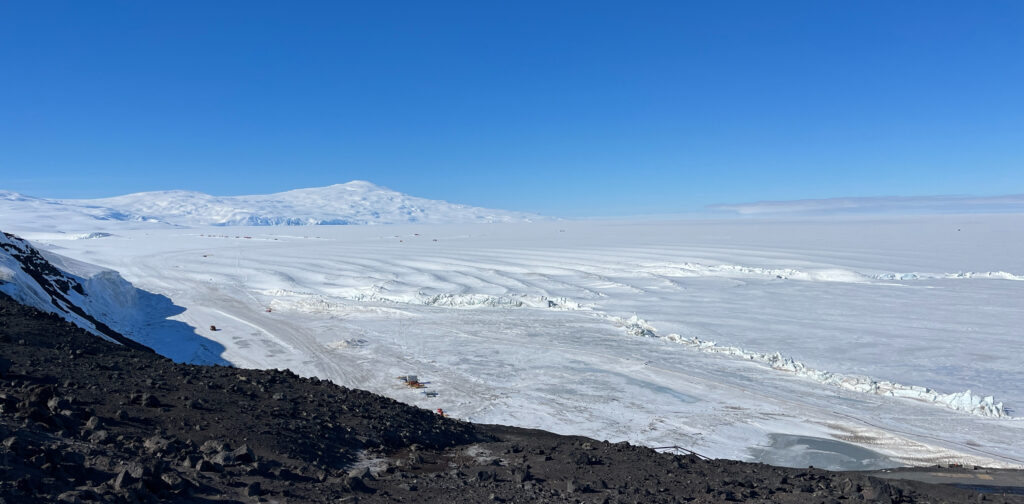
The research conducted during the most recent field season focused on a specific and poorly understood phenomenon: ice shelf "rumples." While most ice shelves flow unimpeded toward the open sea, the McMurdo Ice Shelf presents a more complex dynamic. In certain areas, the ice is forced against submerged landmasses or "pinning points." This compression causes the ice to buckle and fold, creating wave-like ridges known as rumples. The central question of Dr. Banwell’s study is whether these rumples act as structural reinforcements that help hold the shelf together or as points of weakness where the ice is more likely to fracture and fail.
Six Weeks in the Field: A Chronology of Discovery
The expedition involved a team of four researchers, including Dr. Banwell (Principal Investigator), Ryan Cassotto (Co-PI from the University of Colorado Boulder and the University of Maine), and PhD students Allie Berry and Michela Savignano. For six weeks, the team operated out of McMurdo Station, the United States’ primary Antarctic research hub. Each day, the team traveled by snowmobile across the treacherous surface of the ice shelf to reach their study sites.
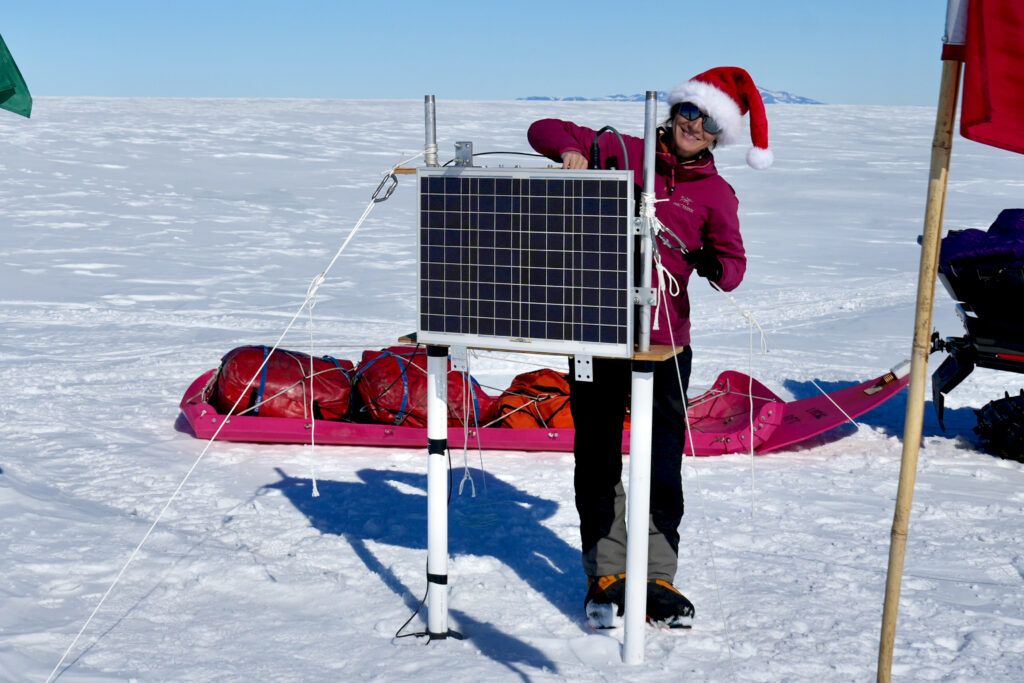
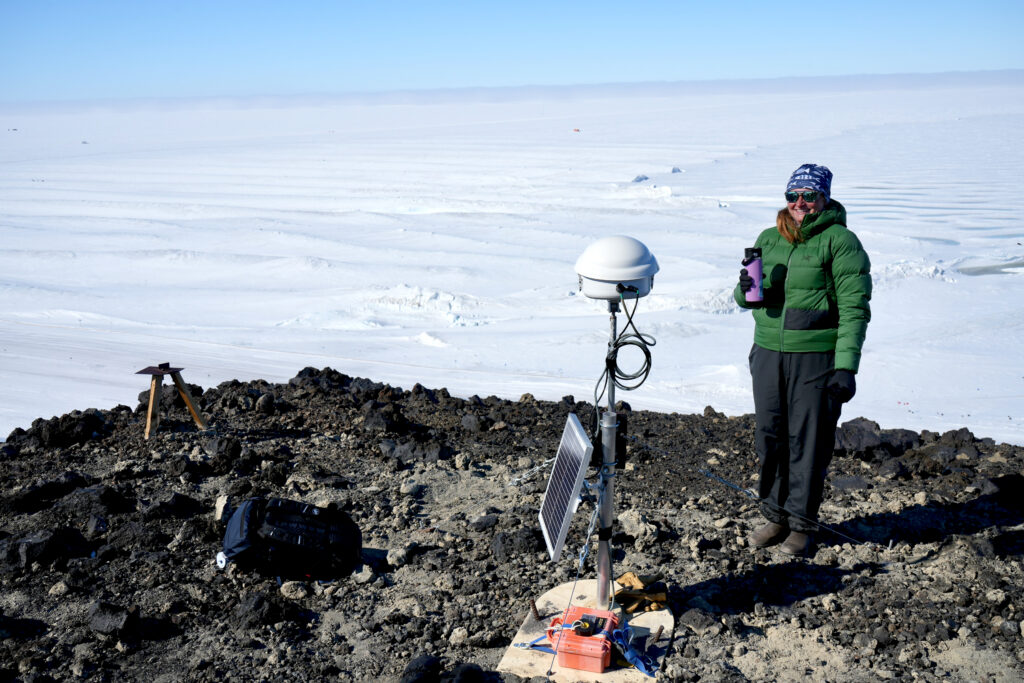
The field season was defined by a rigorous schedule of instrument deployment and data collection. The team established a sophisticated network of sensors designed to monitor the ice’s behavior in real-time, even after the researchers departed. The instrumentation suite included:
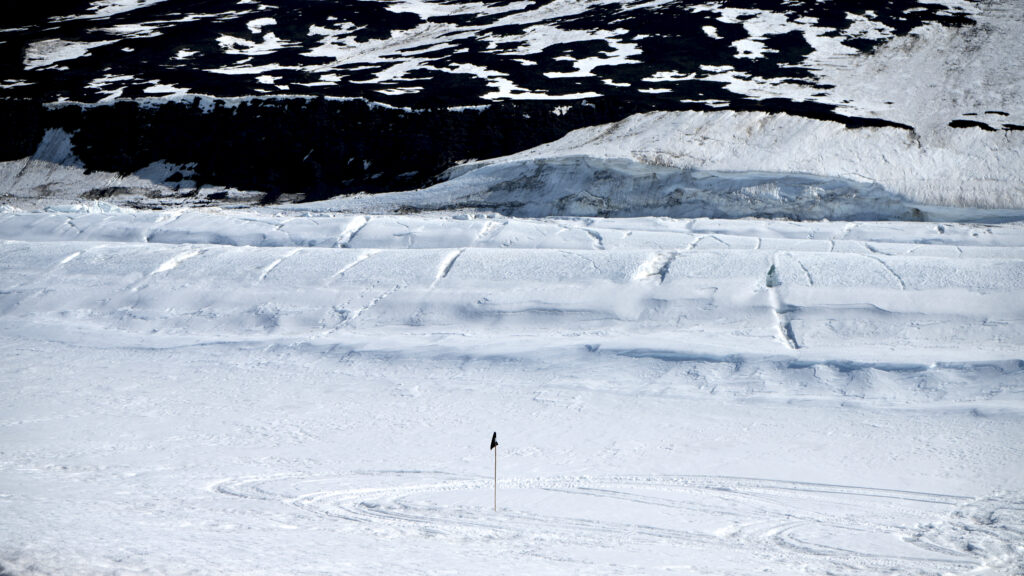
- Seismometers: These devices were buried in the ice to detect "icequakes"—the tiny vibrations caused by internal cracking and fracturing.
- High-Precision GPS Units: Capable of measuring movement to the centimeter, these units allow the team to track the exact velocity of the ice shelf’s flow.
- Ground-Penetrating Radar (GPR): This technology was used to map the internal layers of the ice and measure its thickness, providing a 3D view of the rumple structures.
- Automated Weather Stations: These stations recorded temperature, wind speed, and solar radiation, providing the atmospheric context for the physical changes observed in the ice.
- Time-Lapse Cameras: Positioned to capture images every 30 minutes, these cameras provide a visual record of the surface conditions throughout the harsh Antarctic winter.
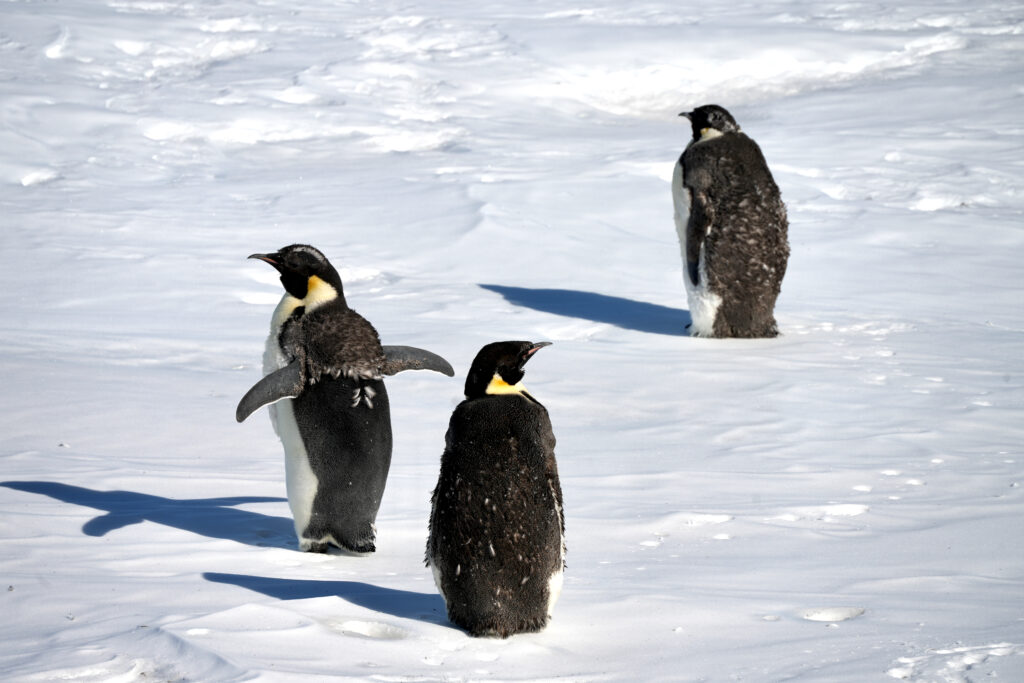
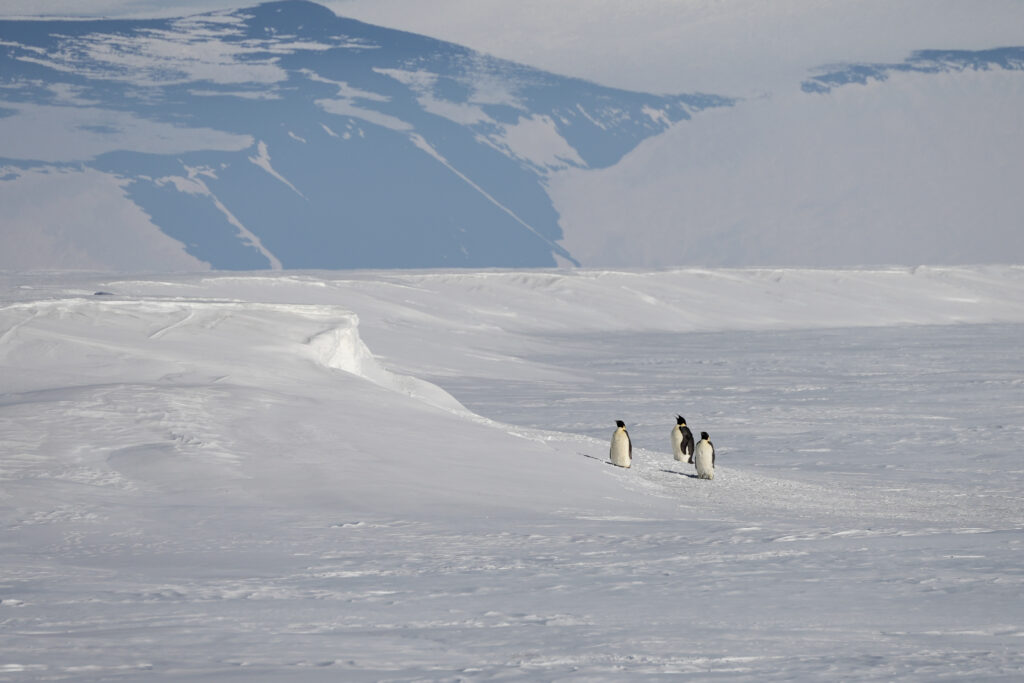
Throughout the expedition, the team shared their environment with local wildlife, most notably three emperor penguins that were in the process of molting. These birds, unable to enter the water until their new feathers grew in, became a constant presence at the field site, a reminder of the delicate ecosystem that depends on the stability of the ice.
Emerging Data and Early Observations
While the full analysis of the collected data will take months, early observations from the field have already provided startling insights. Dr. Banwell noted that the ice was moving faster than anticipated, with flow rates averaging between one and two feet per day. While this may seem slow by human standards, in the context of glaciology, it represents a highly dynamic and rapidly changing system.
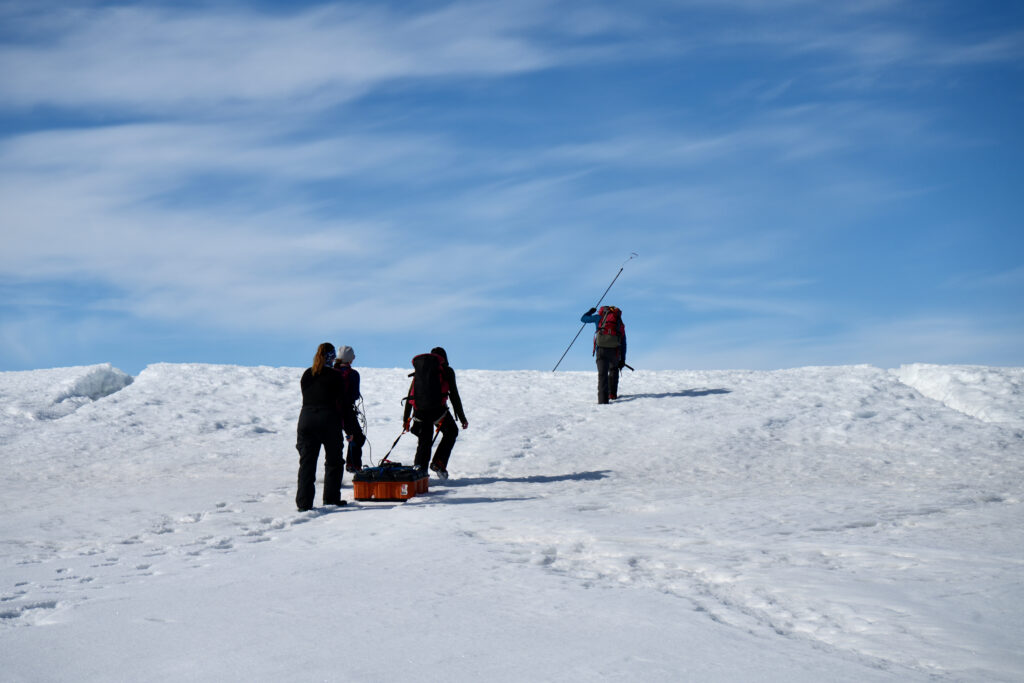
Perhaps more concerning was the ambient temperature. "This was the warmest of the seven summers I’ve worked in Antarctica," Dr. Banwell reported. The record warmth led to an early melt of the seasonal snowpack, which in turn revealed a highly fractured ice surface. The team encountered significantly more crevasses than they had expected based on previous satellite imagery. This increased fracturing is a hallmark of "hydrofracturing," a process where meltwater fills surface cracks and forces them open under pressure, potentially leading to the rapid disintegration of the ice shelf.
The presence of these fractures required the team to employ advanced mountaineering techniques and constant vigilance. The changing landscape of the McMurdo Ice Shelf serves as a microcosm for the broader changes occurring across the continent. As surface temperatures rise, the structural integrity of these "buttresses" is being compromised from both above (through surface melting) and below (through the intrusion of warming ocean currents).
Broader Implications and Fact-Based Analysis
The data retrieved from the McMurdo Ice Shelf will be cross-referenced with satellite observations from NASA’s ICESat-2 and the European Space Agency’s CryoSat-2. This multi-scale approach is essential for creating accurate predictive models. Current projections from the Intergovernmental Panel on Climate Change (IPCC) suggest that global sea levels could rise by one to three feet by the end of this century. However, these estimates are subject to high levels of uncertainty, largely due to the "wild card" of Antarctic ice shelf stability.
The implications of a one-to-three-foot rise in sea level are profound. According to a 2021 report by Climate Central, a rise of just two feet would threaten to submerge land currently home to over 100 million people worldwide. Major metropolitan areas, including New York, Miami, Shanghai, and London, would face frequent "sunny day" flooding and increased vulnerability to storm surges. The economic cost of coastal defense and relocation is estimated to reach trillions of dollars.
Dr. Banwell’s research into ice rumples is critical because it addresses a major gap in current climate models. If rumples are found to be a primary source of stability, their thinning could lead to a sudden "unpinning" of the ice shelf, causing a rapid acceleration of the glaciers behind them. Conversely, if they are points of weakness, they may be the first areas to fail as temperatures rise. Understanding this nuance is the difference between a sea-level rise projection that is manageable and one that is catastrophic.
The Future of Antarctic Research
As the Antarctic winter sets in, the instruments left behind by Dr. Banwell’s team continue to "listen" to the ice. The team plans to return during the next field season to retrieve the data and service the equipment. The results of this study will likely influence how glaciologists view the stability of other major ice shelves, such as the Ross and Ronne-Filchner shelves, which are significantly larger and hold back enough ice to raise sea levels by dozens of feet.
The work of the POW Science Alliance and researchers like Dr. Banwell highlights the intersection of field science, policy, and public awareness. By translating complex glaciological processes into tangible data regarding sea-level rise, these scientists provide the evidence needed for global leaders to make informed decisions regarding carbon emissions and climate mitigation.
In the final analysis, the fate of the McMurdo Ice Shelf is inextricably linked to the fate of coastal communities thousands of miles away. The "rumples" in the ice, though remote and otherworldly, are the silent sentinels of a changing climate. As Dr. Banwell and her team continue to piece together the puzzle of Antarctic stability, the world watches, recognizing that even the smallest movements in the ice carry enormous weight for the future of the planet.
