

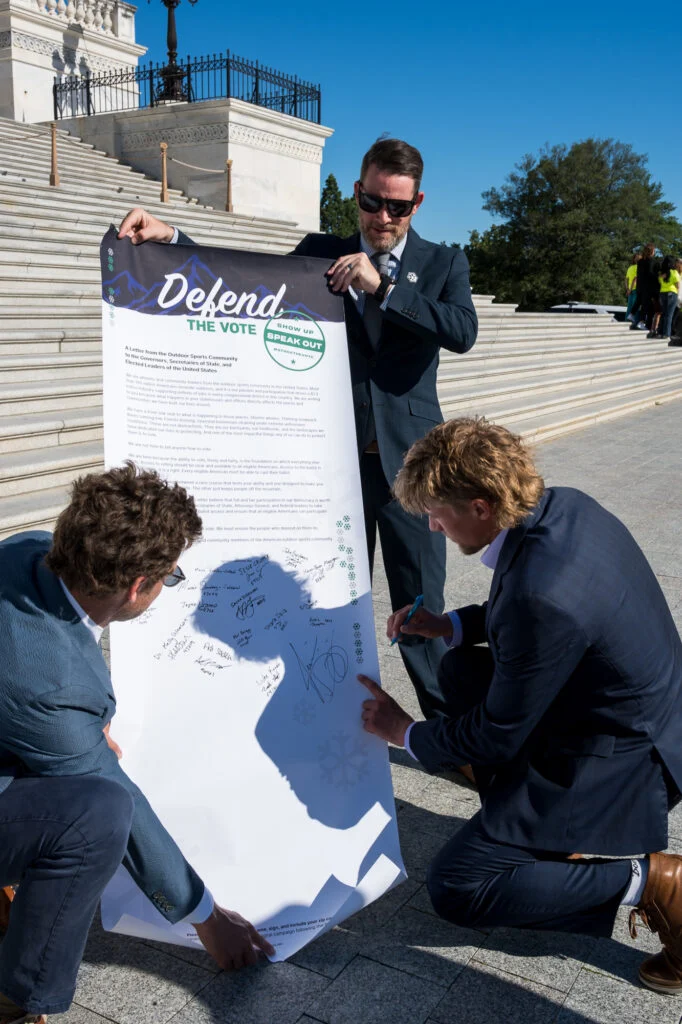
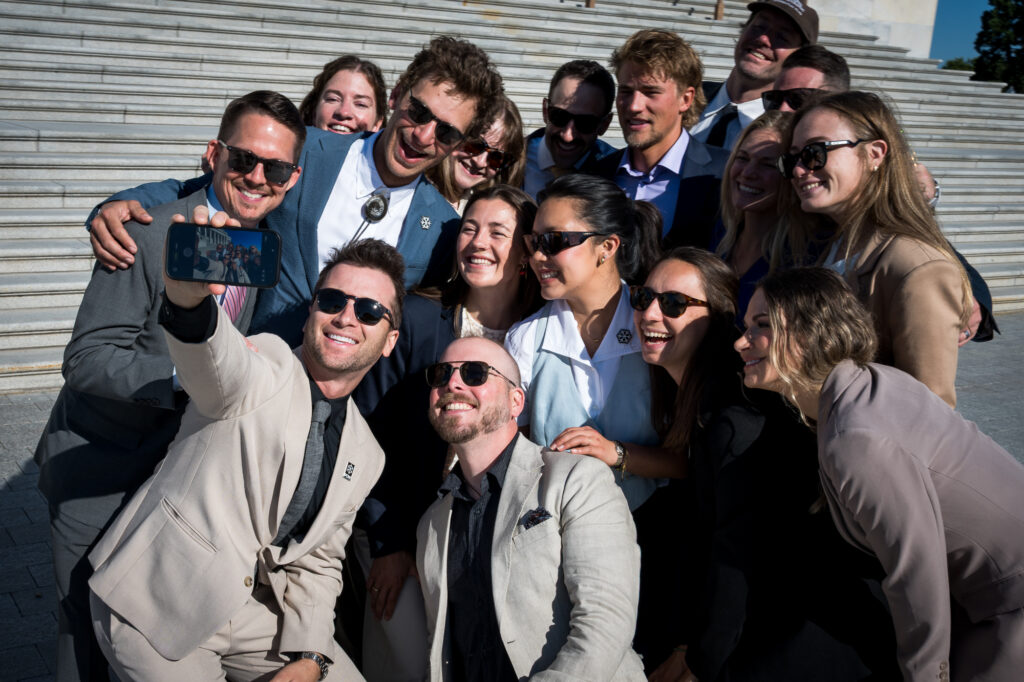
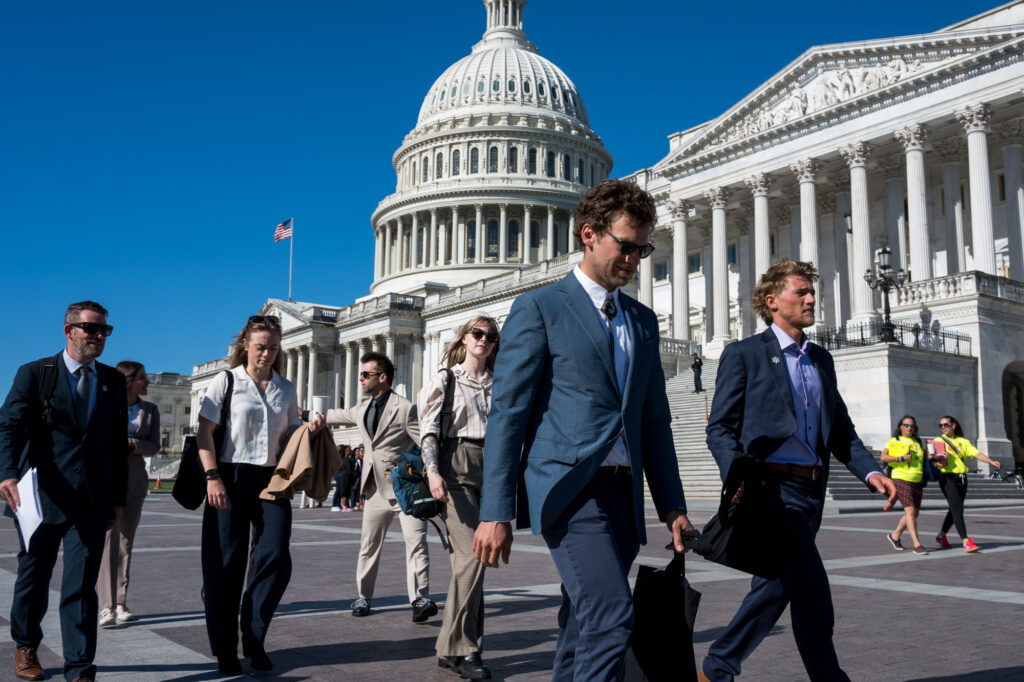
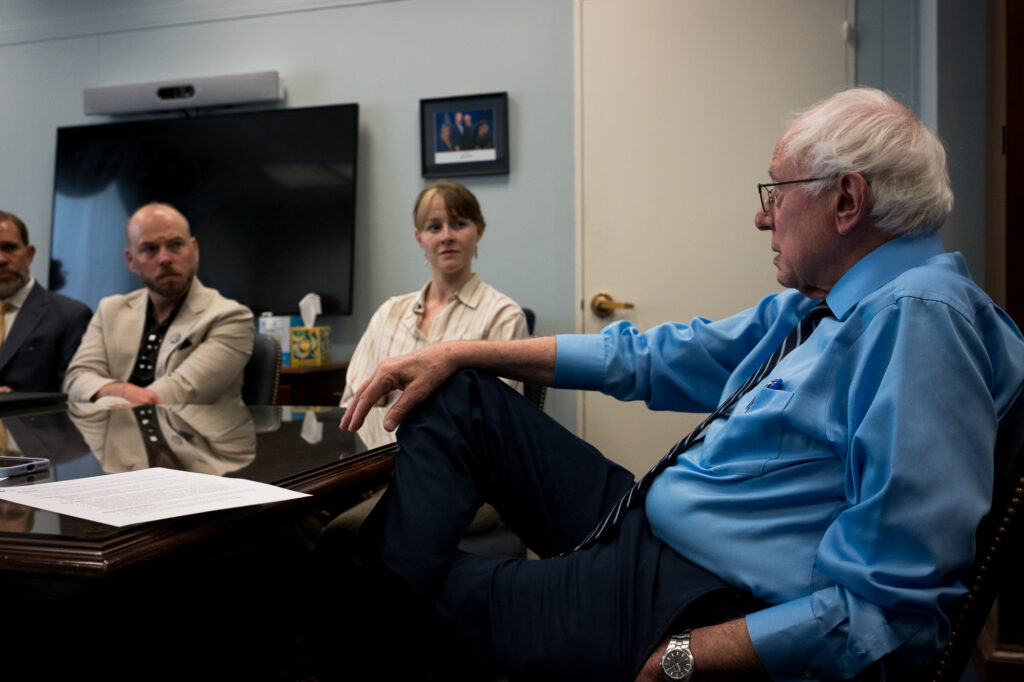
A high-profile delegation of 13 Olympic athletes, climate scientists, award-winning filmmakers, and outdoor industry executives recently concluded a comprehensive two-day legislative mission in Washington, D.C. Organized by the non-profit advocacy group Protect Our Winters (POW), the group targeted key congressional offices to protest the rapid rollback of environmental regulations and the expansion of fossil fuel extraction on federal lands. The visit, which took place against a backdrop of significant shifts in federal environmental policy since early 2025, aimed to humanize the impact of climate change through the lens of the multi-billion-dollar outdoor recreation economy.
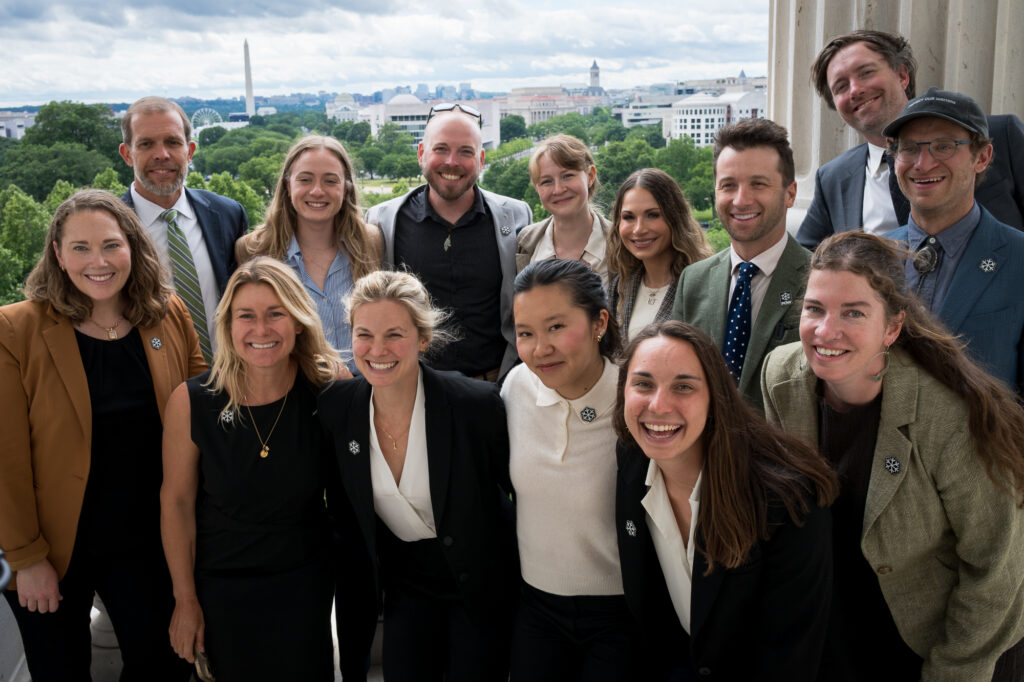
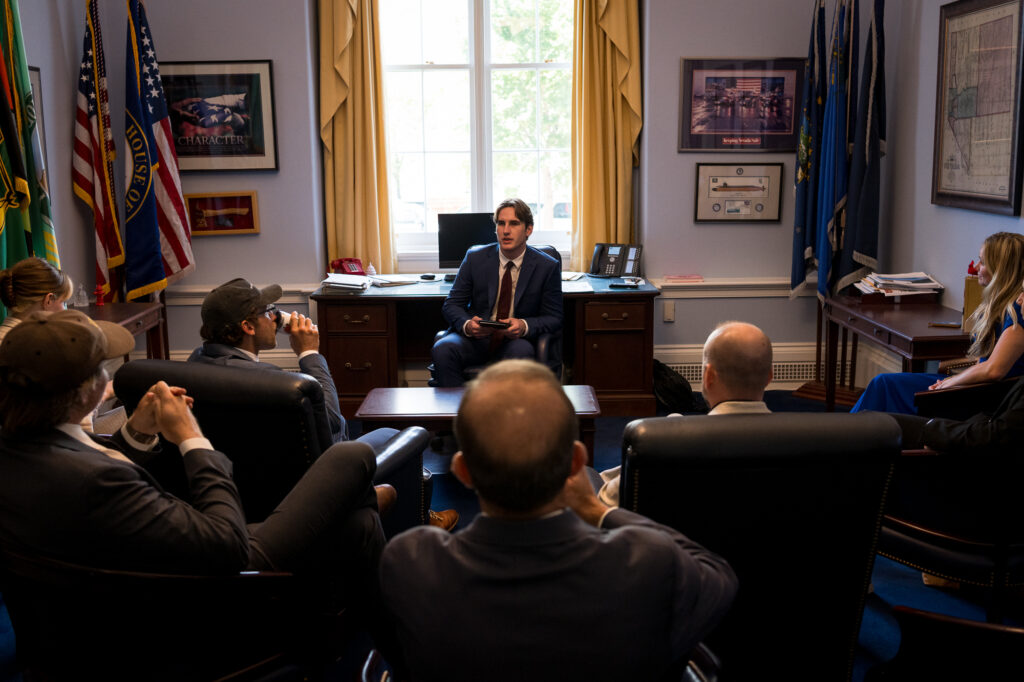
Over the course of 48 hours, the delegation participated in 38 high-level meetings with congressional staff and elected officials. The outreach was notably bipartisan, including 15 meetings with Republican offices and 23 with Democratic representatives, as well as focused sessions with members of the House Natural Resources Committee. The primary objective was to present a unified front from what the organization calls the "Outdoor State"—a constituency of 128 million Americans who participate in outdoor recreation—to demand the restoration of scientific integrity in federal agencies and the permanent protection of iconic landscapes from industrialization.
The Delegation: A Multi-Disciplinary Approach to Advocacy
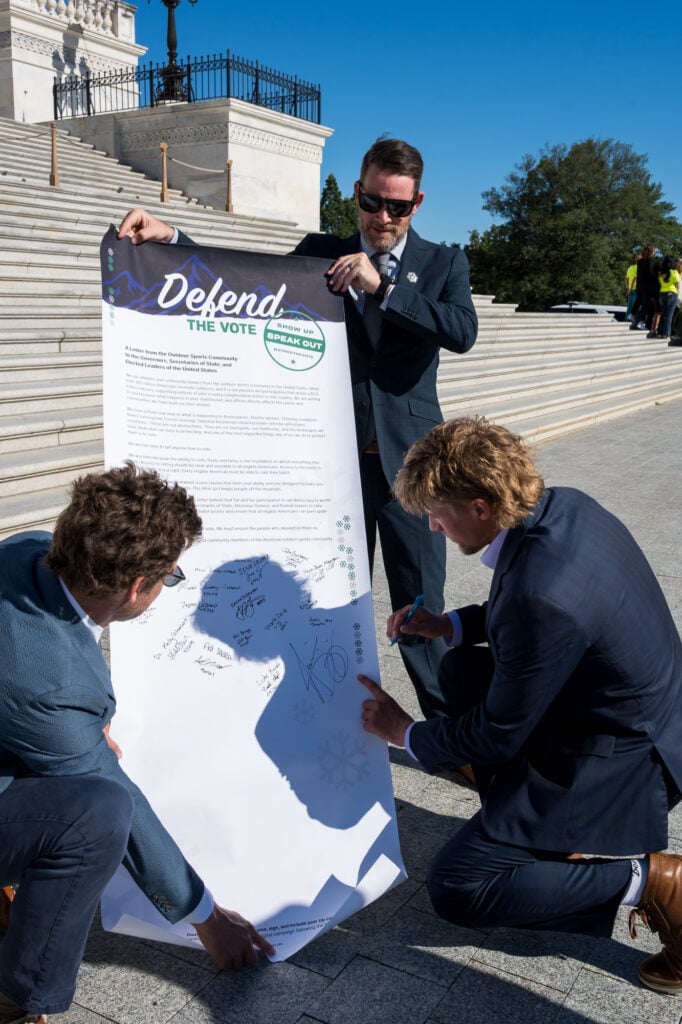
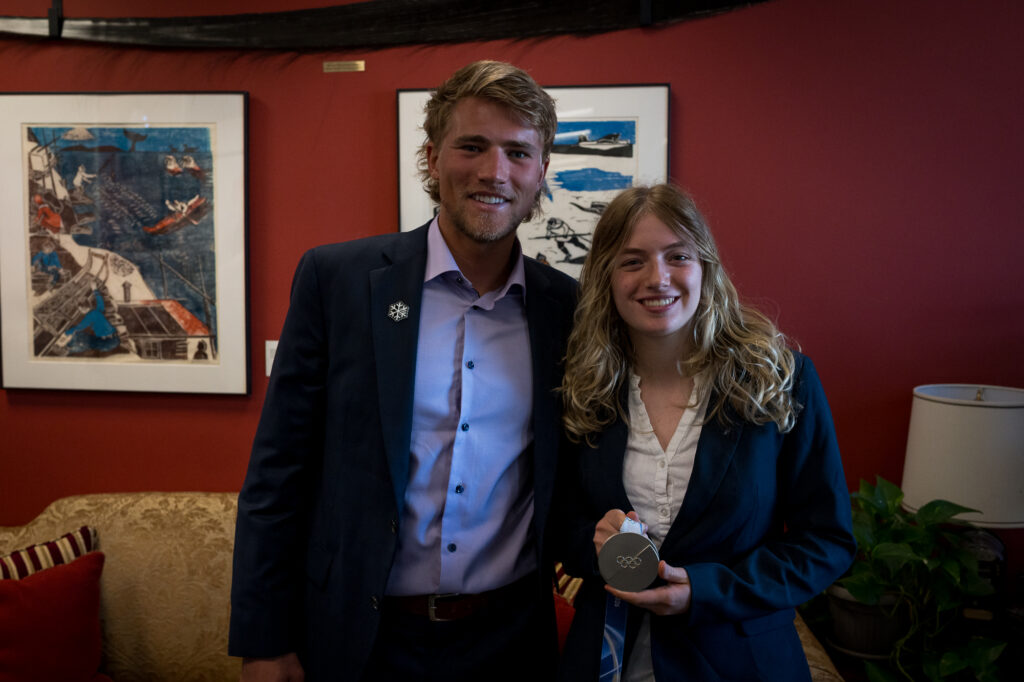
The composition of the delegation was designed to provide a blend of emotional resonance and technical expertise. Leading the group were several of the world’s most prominent winter sports athletes, including Olympic gold medalist Jessie Diggins, whose historic success in cross-country skiing has made her a prominent voice for winter preservation. She was joined by fellow Olympians Julia Kern, Jaelin Kauf, Gus Schumacher, Bea Kim, and Olivia Giaccio. These athletes provided firsthand accounts of how warming winters and erratic snowfall patterns are shortening competitive seasons and threatening the viability of the sports that define their careers.
Complementing the athletes were members of the POW Science Alliance, including former Environmental Protection Agency (EPA) scientist Stu Nissenbaum and Dr. Tracy Fanara. Their presence was intended to counter the ongoing trend of sidelining scientific data in federal decision-making. The delegation also featured creative influencers and industry leaders, including filmmakers Max Lowe and Mike Thurk, and POW Action Fund board member Jamey Delaplane. By combining the visibility of world-class athletes with the credibility of veteran scientists, the group sought to move climate change from an abstract policy debate to a tangible economic and public health issue.
Challenging the Dismantling of Environmental Protections
A central pillar of the delegation’s platform was a direct challenge to the deregulation of the Environmental Protection Agency. Since the beginning of 2025, the federal government has moved to weaken or eliminate more than 50 core environmental protections. These rollbacks have targeted air and water quality standards, weakened enforcement mechanisms for industrial polluters, and reduced the weight of peer-reviewed science in the agency’s rulemaking process.
During the 38 meetings, the delegation argued that the EPA’s original mandate—to protect human health and the environment—is being fundamentally compromised. Stu Nissenbaum, leveraging his experience as a former agency scientist, provided lawmakers with specific examples of how the loss of these protections translates to increased healthcare costs for communities and long-term damage to local ecosystems. The group emphasized that clean air and water are not merely environmentalist goals but are the essential infrastructure for the outdoor recreation industry, which thrives on the health of the natural world.
The advocacy focused on three specific demands regarding the EPA:
- The restoration of scientific advisory boards to ensure policy is guided by empirical data.
- The reinstatement of stringent methane and carbon emission standards for the energy sector.
- Increased accountability and financial penalties for entities that violate the Clean Air Act and Clean Water Act.
Defending Public Lands and the Arctic Frontier
The second major focus of the legislative blitz was the rapid expansion of oil and gas leasing on public lands. The delegation raised particular alarm over recent actions by the Department of the Interior, which in early 2026 facilitated a major lease sale in the National Petroleum Reserve-Alaska (NPR-A). This sale resulted in 187 new leases covering approximately 1.3 million acres of sensitive wilderness.
Furthermore, the delegation addressed the opening of bids for the Coastal Plain of the Arctic National Wildlife Refuge (ANWR) in early June 2026. This area, often referred to as the "biological heart" of the refuge, has been the subject of decades of political conflict. POW’s representatives urged lawmakers to support the Arctic Refuge Protection Act, a piece of legislation designed to provide permanent protection for the refuge and prevent future industrialization.
Gus Schumacher, a POW Ski Alliance member and Olympic cross-country skier, noted that while political strategies may differ, the underlying value of these habitats is universal. He advocated for a shift toward renewable energy solutions that do not require the sacrifice of America’s most iconic landscapes. The delegation argued that public lands should be managed as tools for climate resilience—serving as carbon sinks and buffers against drought and wildfire—rather than being prioritized for short-term extraction.
The Economic Impact of the "Outdoor State"
To bolster their arguments, the delegation presented data highlighting the economic significance of the outdoor recreation sector. According to the U.S. Bureau of Economic Analysis (BEA), the outdoor recreation economy recently accounted for over $1 trillion in annual economic output, representing approximately 2.2% of the national Gross Domestic Product (GDP). This sector supports nearly 5 million jobs, many of which are located in rural "gateway" communities that depend on the seasonal influx of skiers, hikers, and anglers.
The delegation argued that climate change represents an existential threat to this economy. In the American West, shorter winters and reduced snowpack are already leading to multi-million-dollar losses for ski resorts and associated hospitality businesses. By framing climate action as an economic imperative, the group sought to find common ground with lawmakers who might otherwise be skeptical of environmental regulation. This "nonpartisan messaging" focused on how protecting public lands is a direct investment in the stability of the American workforce and the health of the national economy.
Bipartisan Engagement and Strategic Dialogue
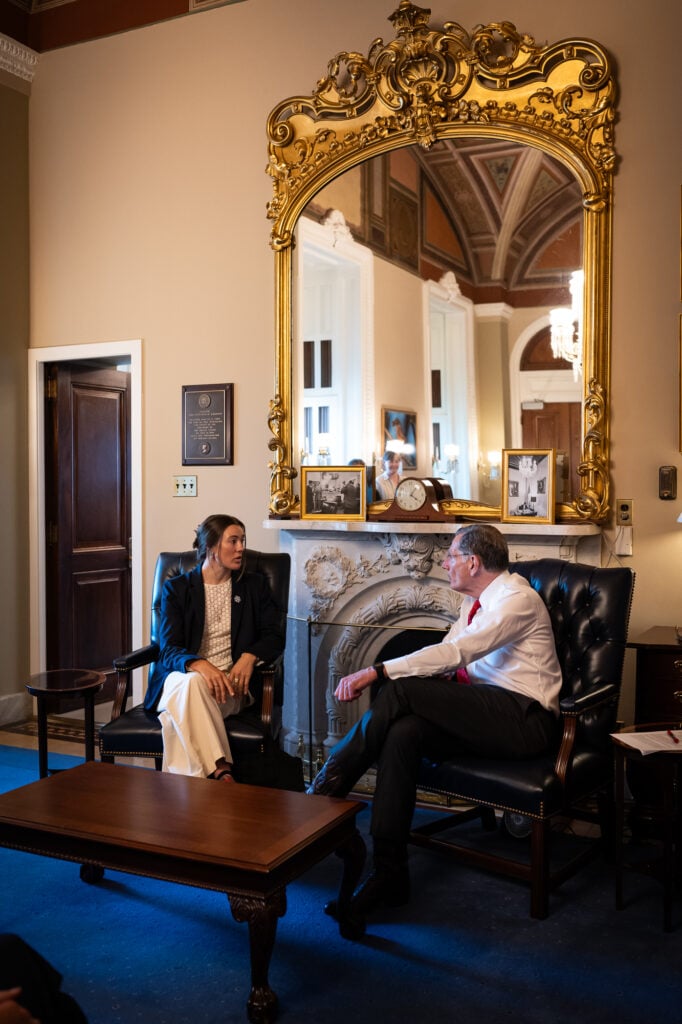
Despite the polarized political climate in Washington, the delegation reported several productive exchanges with Republican offices. These conversations often centered on the practical impacts of climate change that transcend party lines, such as the increasing frequency of catastrophic wildfires and the depletion of water resources in the Southwest.
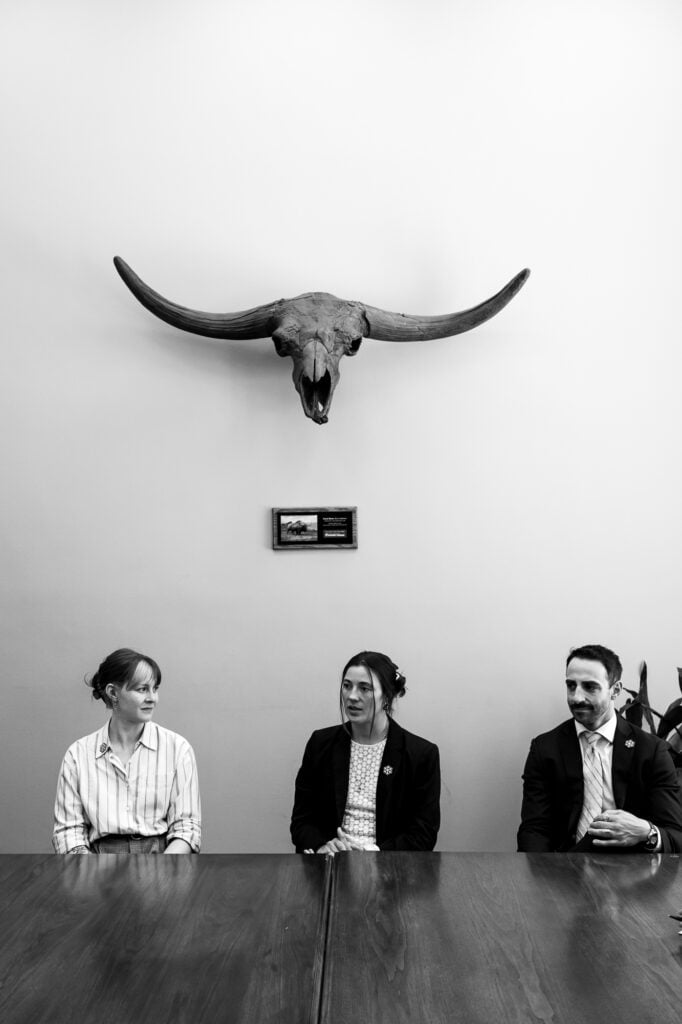
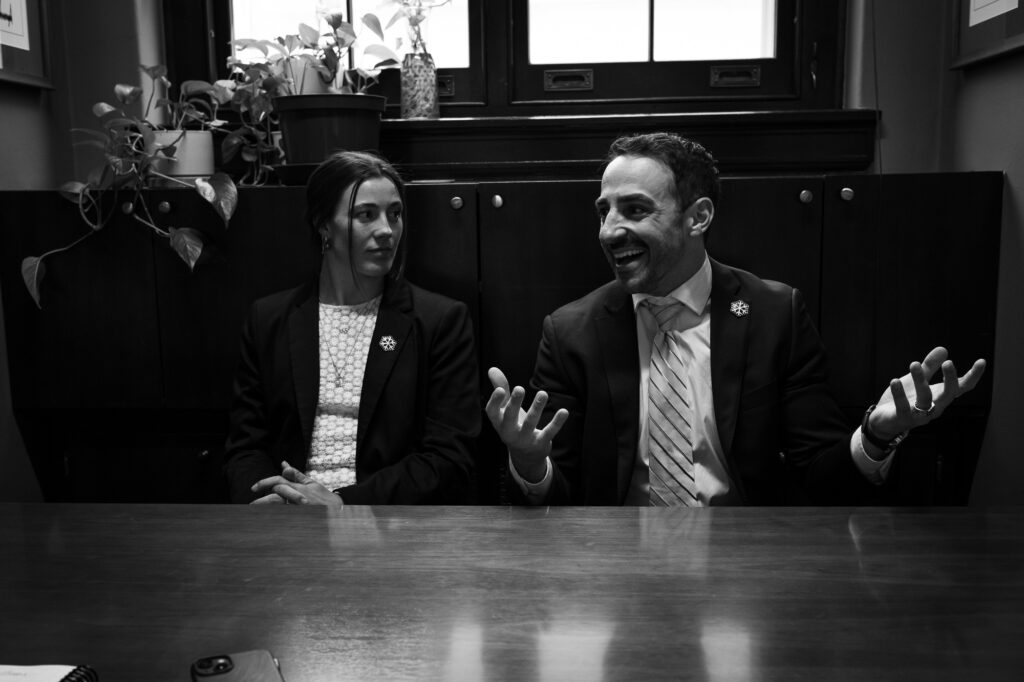
Max Lowe, a filmmaker and member of the POW Creative Alliance, reflected on the complexities of the legislative process following the meetings. He observed that while the pace of change in Washington is often frustratingly slow, the act of showing up in person to represent a constituency is a vital component of democratic governance. The delegation’s strategy was not based on confrontation, but on building long-term relationships and providing lawmakers with the "credible messengers" they need to justify pro-climate votes to their respective bases.
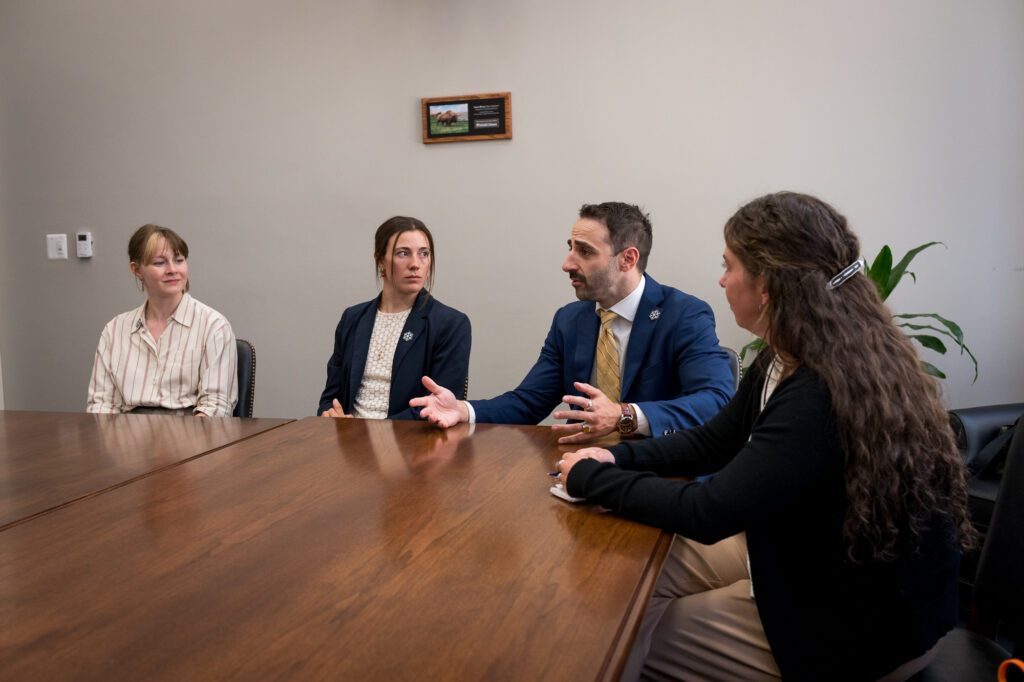
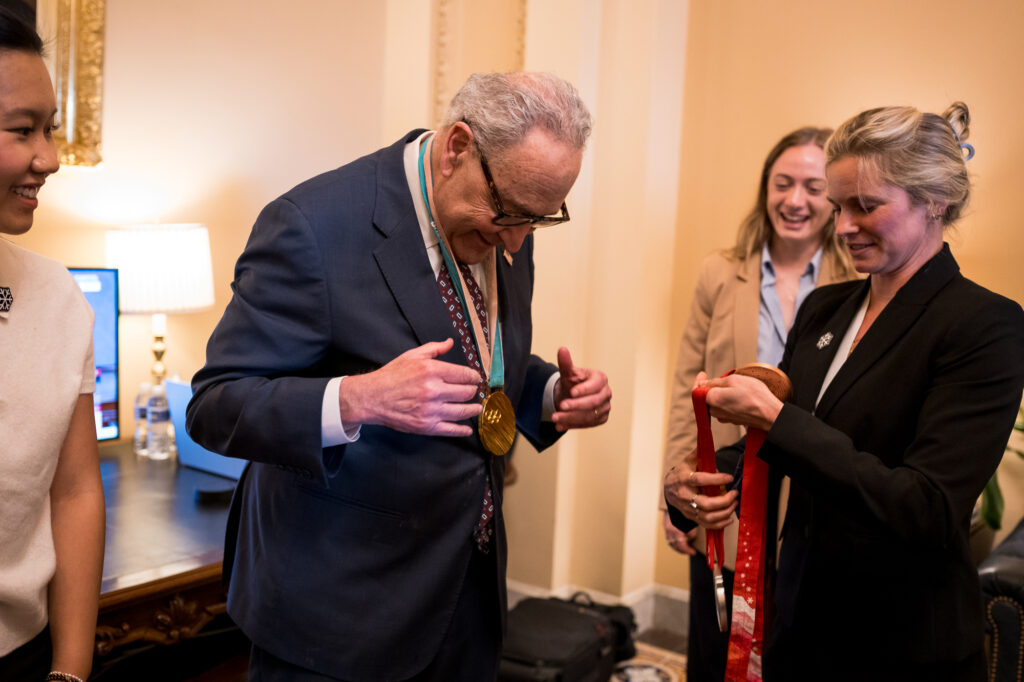
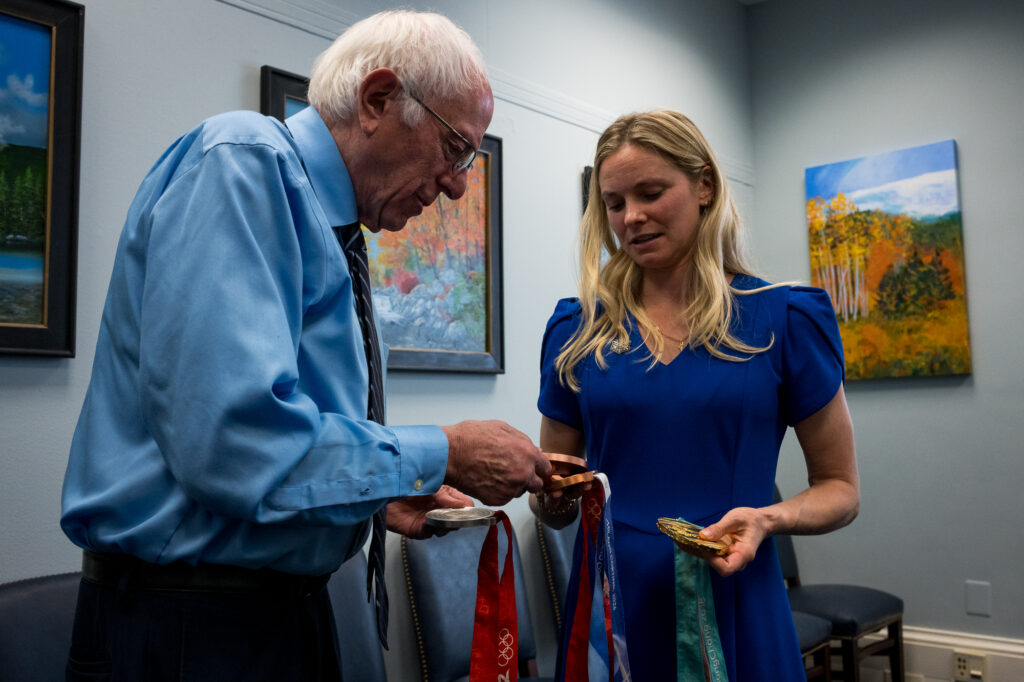
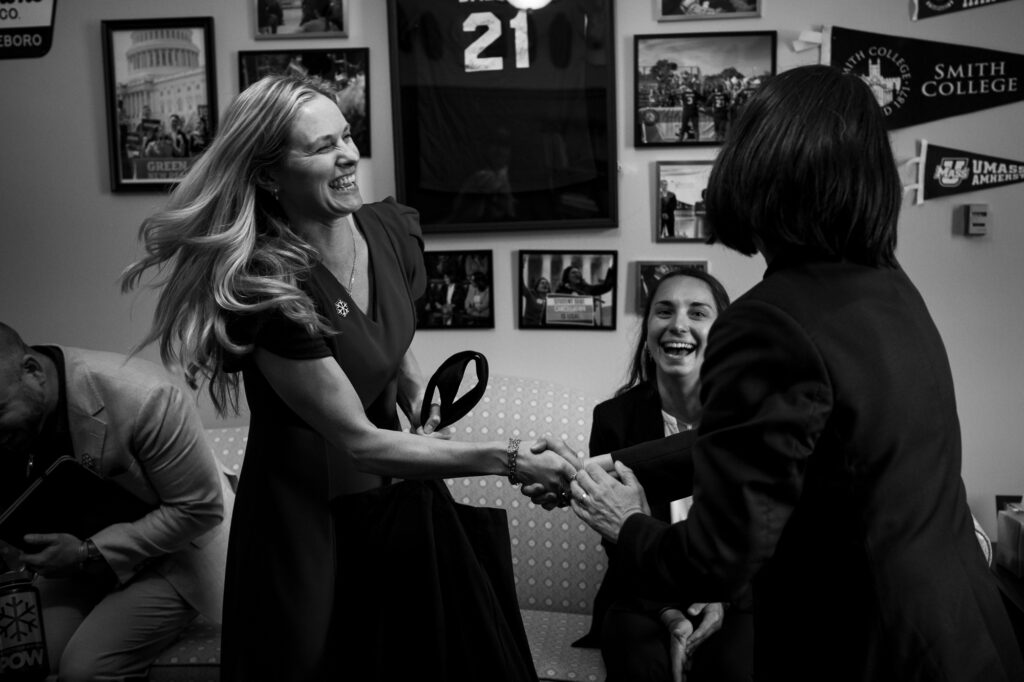
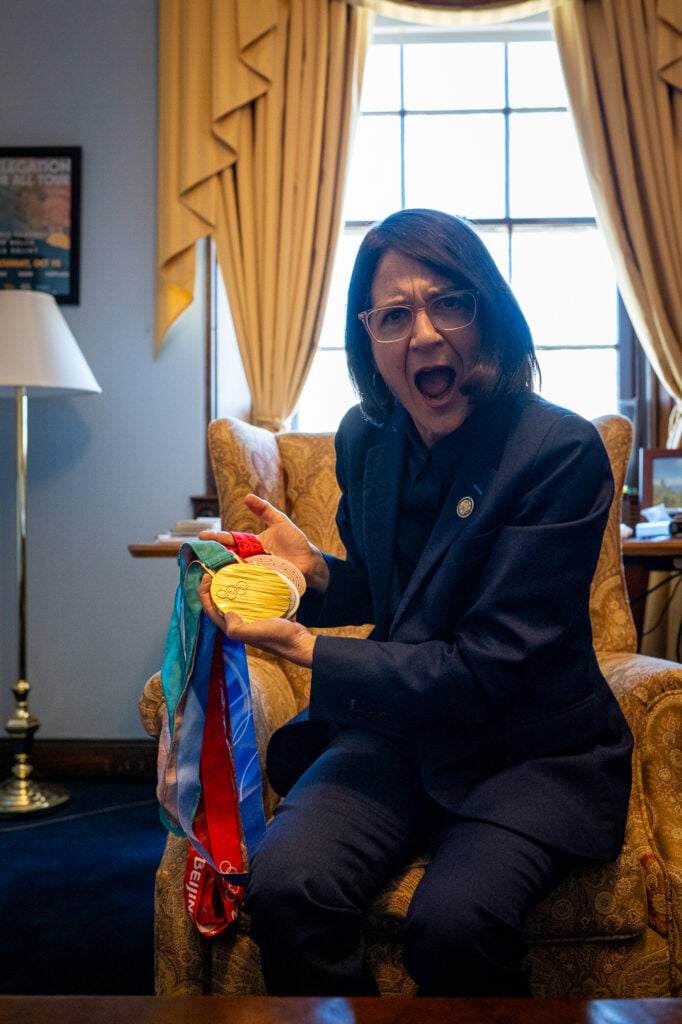
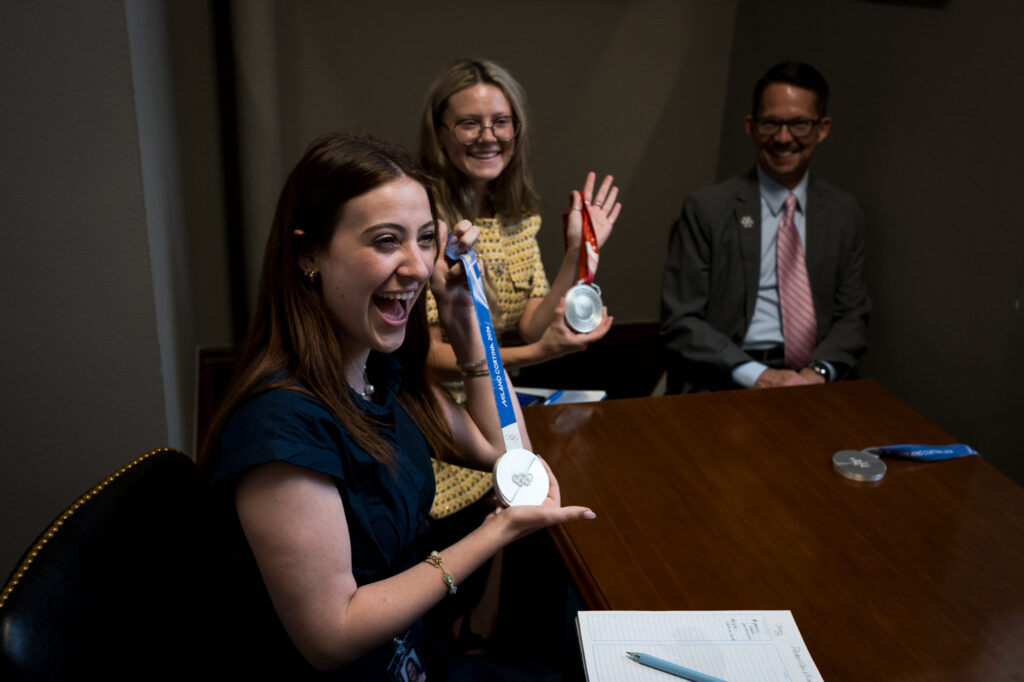
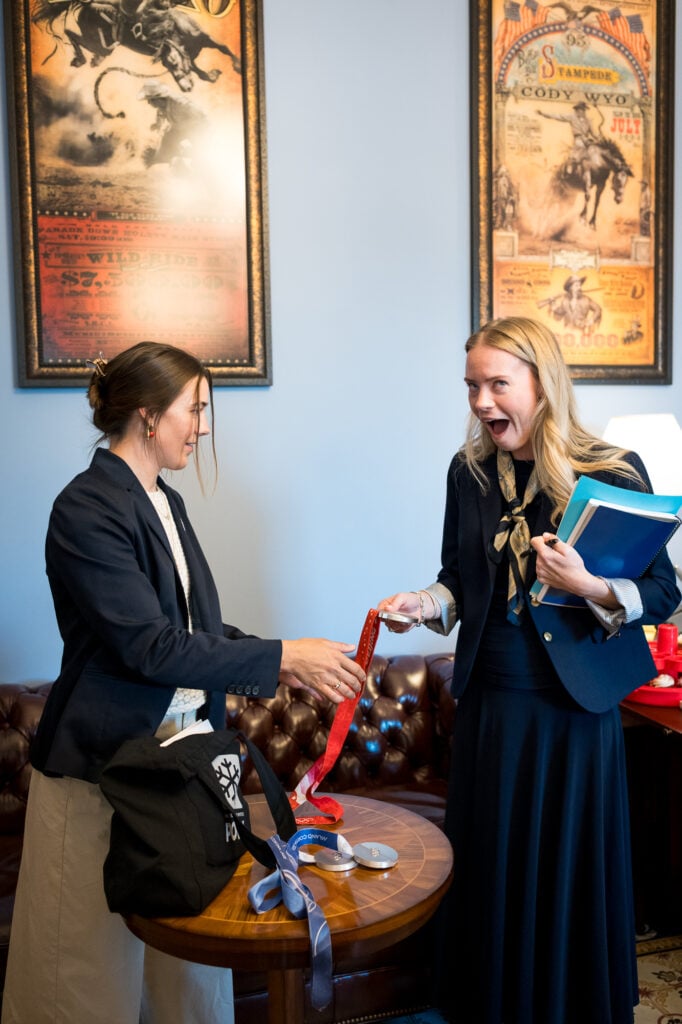
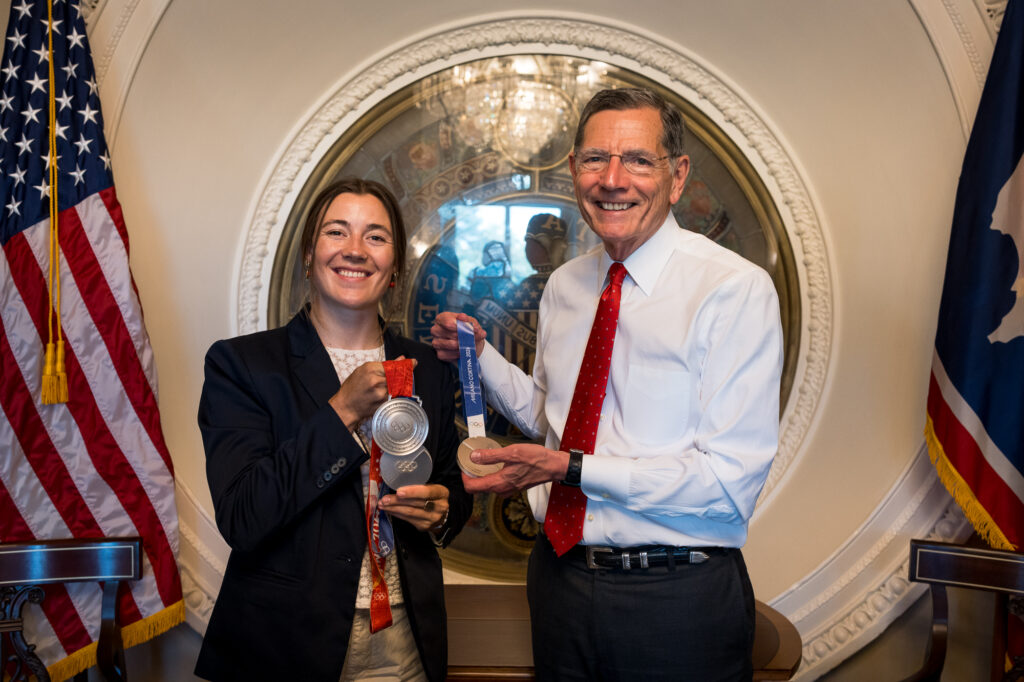
The sight of Olympic medals in congressional hallways served as a unique door-opener. Lawmakers from both parties engaged with the athletes, often expressing surprise at the specific data points regarding how quickly glaciers are receding or how much later the winter freeze is occurring in their home states. This personal connection allowed the Science Alliance members to follow up with substantive policy recommendations that were more likely to be heard after the initial ice-breaking by the athletes.
Chronology of the Legislative Mission
The two-day event followed a rigorous schedule:
- Day 1, Morning: The delegation convened for a briefing on current legislative hurdles, including specific language in the latest energy bills that seeks to further limit EPA oversight.
- Day 1, Afternoon: The group split into four smaller teams to conduct concurrent meetings. Focus areas included the House Natural Resources Committee and offices representing states with significant outdoor economies, such as Colorado, Utah, and Montana.
- Day 2, Morning: Meetings shifted to the Senate side, with high-profile discussions involving leadership from both parties, including a meeting with Senate Majority Leader Chuck Schumer.
- Day 2, Afternoon: A final debriefing and a public-facing event where the delegation summarized their findings and called on the outdoor community to remain engaged in the legislative process.
Analysis of Broader Implications
The visit by Protect Our Winters comes at a critical juncture for U.S. environmental policy. The trend toward deregulation seen throughout 2025 and 2026 has created a sense of urgency among advocacy groups. By mobilizing a diverse delegation, POW is attempting to bridge the gap between grassroots activism and high-level policy making.
The focus on the Arctic Refuge and the NPR-A is particularly significant. These regions are seen by environmentalists as the "last line of defense" against the expansion of fossil fuel infrastructure. If the Arctic Refuge Protection Act fails to gain traction, it could signal a permanent shift toward an extraction-first management model for all federal lands. Conversely, if the "Outdoor State" can successfully demonstrate its political and economic might, it may provide the necessary cover for moderate lawmakers to break ranks and support conservation measures.
Ultimately, the delegation’s mission was a testament to the evolving nature of climate advocacy. It is no longer just about "saving the planet" in an abstract sense; it is about protecting a way of life, a massive segment of the economy, and the scientific foundation upon which public health depends. As the delegation departed the capital, the message left behind was clear: the outdoor community is no longer sitting on the sidelines, and they will be holding their elected officials accountable for the future of the natural world.
