

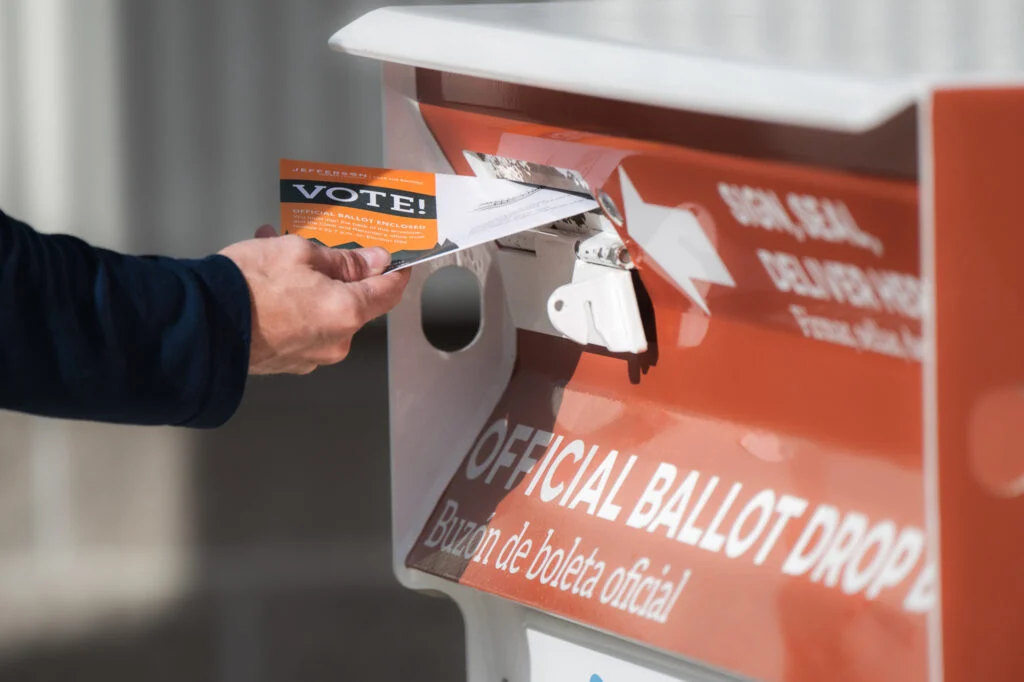
The global movement to mitigate the impacts of climate change has historically focused on technological innovation, carbon pricing, and international treaties. However, a shifting landscape in domestic governance suggests that the primary obstacle to environmental progress may no longer be the viability of clean energy, but rather the structural integrity of the democratic process. Advocacy groups, led by Protect Our Winters (POW), are increasingly sounding the alarm that the future of climate policy is inextricably linked to ballot access. As legislative priorities shift and administrative actions roll back environmental protections, the ability of the electorate to participate in the democratic process has emerged as a central pillar of climate activism.
The Legislative Shift: Impact of the One Big Beautiful Bill Act
The trajectory of the renewable energy sector in the United States has been significantly altered by recent federal legislative changes. The "One Big Beautiful Bill Act," a comprehensive tax and budget law enacted last year, has introduced substantial volatility into the clean energy market. While the legislation was initially framed as a budgetary measure, its long-term effects on the climate sector have been profound. Specifically, the act facilitated the "clawing back" of various clean energy tax credits that were previously intended to provide a decade-long runway for developers.
By imposing a rigid deadline of July 2026, the legislation effectively reduced the planning and implementation window for major infrastructure projects from nine years to just one. The industrial response to this shortened timeframe has been immediate and quantifiable. Market analysis indicates that an estimated $83 billion in solar, wind, and battery storage projects have been either canceled or indefinitely delayed. This capital flight represents more than just a loss in potential carbon reduction; it is an economic contraction that has impacted an estimated 470,000 jobs across the manufacturing, construction, and engineering sectors.
Industry analysts suggest that the sudden removal of these incentives has created a "policy-induced bottleneck." Developers who had banked on long-term federal support found themselves unable to secure financing or meet accelerated construction schedules. Consequently, the transition to a low-carbon economy has transitioned from a steady climb to a period of stagnation, driven not by market demand or technological failure, but by the stroke of a legislative pen.
The Reduction of Public Lands: The Case of Bears Ears
The administrative shift in environmental priorities was further evidenced on July 13, when the federal government announced a drastic reduction of the Bears Ears National Monument. The monument, which originally spanned approximately 1.36 million acres of culturally and ecologically significant land in Utah, was reduced by 90 percent. The new boundaries encompass only about 121,000 acres.
This decision has significant implications for both land conservation and indigenous sovereignty. The reduction opened the removed acreage to mining and mineral extraction within a 60-day window, signaling a prioritized return to extractive industries. Furthermore, the administration dissolved the tribal commission that previously co-managed the monument, a move that has drawn sharp criticism from tribal leaders and conservationists alike.
The reduction of Bears Ears serves as a case study in the power of executive and legislative control over environmental assets. The shift did not follow a change in public opinion regarding land conservation; rather, it was the direct result of a change in leadership. This has led organizations like POW to argue that "voting is a climate action," asserting that the ballot is the primary tool for determining who holds the authority to manage the nation’s natural resources.
Structural Challenges to Voting Rights and Ballot Access
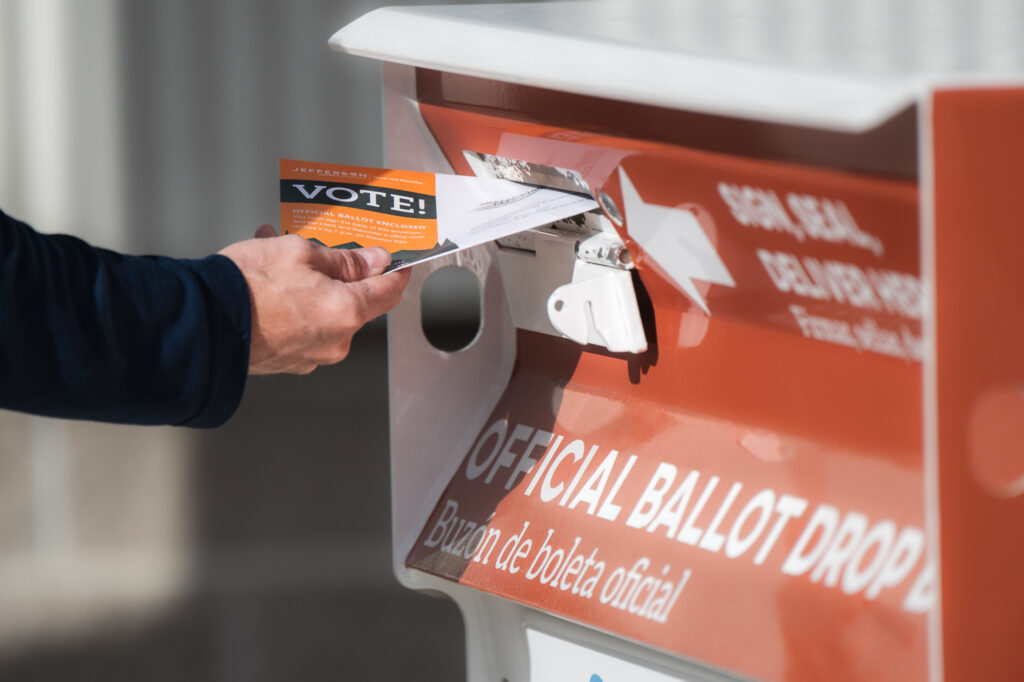
Parallel to the rollbacks in climate policy is a series of administrative and legislative actions aimed at the electoral process itself. Advocacy groups argue that these actions represent a strategic effort to limit the influence of voters who prioritize environmental issues.
In March, the federal administration issued directives to the Department of Homeland Security (DHS) to compile citizen lists and instructed the United States Postal Service (USPS) to implement restrictions on the delivery of certain mail-in ballots. Although federal courts have since struck down several of these measures as unconstitutional, the intent behind the directives has caused widespread concern regarding the stability of future elections.
The erosion of federal election infrastructure continued in July with the dismissal of the remaining members of the Election Assistance Commission (EAC). The EAC is the primary agency responsible for certifying voting systems and ensuring the security of the electoral process. Without a functioning quorum, the agency is unable to perform its core duties, leaving a vacuum in federal election oversight as the country moves toward the midterm cycle.
State-Level Legislative Trends and Voter Roll Purges
The challenge to ballot access is not limited to federal actions; it is also manifesting through new state laws. Currently, a dozen states have implemented requirements for documentary proof of citizenship to register to vote. In South Dakota and Utah, these laws have officially gone into effect for the current election cycle, creating new hurdles for prospective voters.
In Texas, state officials have begun purging voter rolls using federal data that critics argue is flawed and outdated. Similarly, Ohio is currently embroiled in litigation over its own voter roll maintenance practices. These purges often disproportionately affect younger voters, transient populations, and minority communities—demographics that data suggests are more likely to support aggressive climate action.
Protect Our Winters and other advocacy organizations view these developments not as isolated administrative glitches, but as a coordinated strategy. The logic follows that if the electorate’s ability to change leadership is diminished, the ability to enact climate-conscious policy is similarly compromised.
Chronology of Key Events (2024-2026)
The current state of climate and voting policy is the result of a series of rapid developments over the past 24 months:

- Late 2024: Passage of the One Big Beautiful Bill Act, initiating the clawback of clean energy tax credits.
- March 2025: Administration issues DHS and USPS directives aimed at mail-in ballot restrictions.
- Early 2026: Cancellation of $83 billion in renewable energy projects becomes public as the July deadline approaches.
- June 2026: South Dakota and Utah implement new documentary proof of citizenship laws for voter registration.
- July 13, 2026: Bears Ears National Monument is reduced by 90%; tribal co-management commission is dissolved.
- July 20, 2026: The Election Assistance Commission loses its quorum following the dismissal of board members.
- Present: Launch of the "Defend the Vote" campaign by POW and a coalition of outdoor industry brands.
The Outdoor Industry Response: The Defend the Vote Campaign
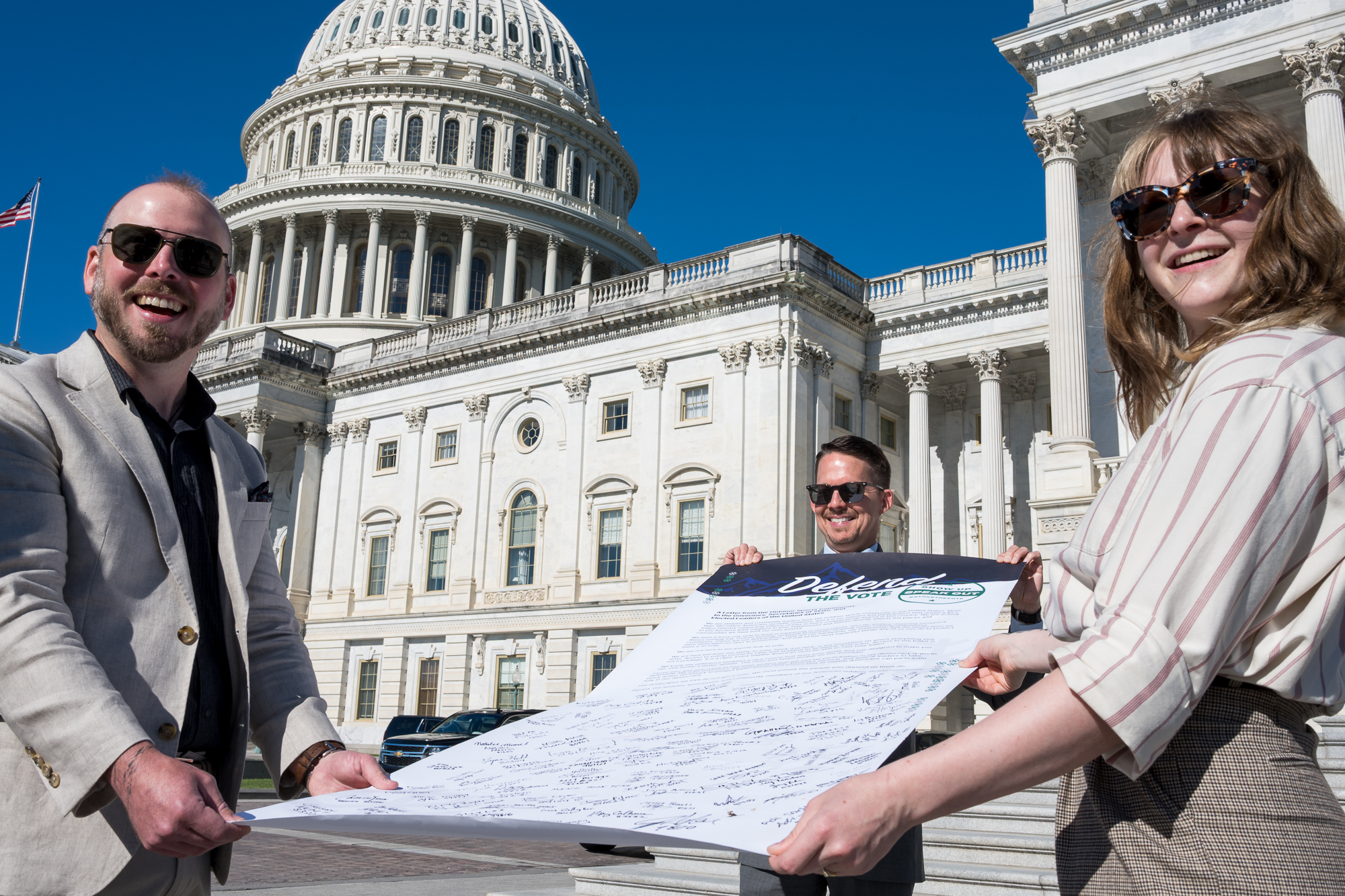
In response to these intersecting crises, POW has launched the "Defend the Vote" initiative. This campaign represents a strategic shift for the organization, moving beyond traditional environmental advocacy to focus on the mechanics of democracy. The campaign identifies specific geographies—most notably Montana and New Hampshire—where ballot access is deemed most at risk.
POW’s strategy involves direct engagement with Secretaries of State to advocate for fair election practices and to ensure that voters in the "outdoor state"—a demographic of enthusiasts and professionals who rely on stable winters and protected lands—can participate in the upcoming midterms.
The initiative has gained significant traction within the private sector. A sign-on letter supporting the campaign has garnered endorsements from a wide array of outdoor industry brands. This level of participation suggests that the business community increasingly views democratic stability as a prerequisite for environmental and economic health. The "Stoke the Vote" push, which follows the "Defend the Vote" campaign, is designed to maximize voter turnout, operating on the principle that high participation is the most effective countermeasure to policy rollbacks.
Fact-Based Analysis of Implications
The convergence of environmental deregulation and voting restrictions carries several long-term implications:
- Economic Uncertainty in the Green Sector: The loss of $83 billion in investment signals a period of high risk for renewable energy developers. Without stable, long-term federal incentives, the U.S. may struggle to compete with international markets in the transition to clean energy.
- Legal Precedents for Land Management: The reduction of Bears Ears and the dissolution of tribal oversight may set a precedent for the rapid de-designation of other national monuments, potentially opening millions of acres of protected land to industrial use.
- Electoral Volatility: The lack of a quorum at the EAC and the implementation of restrictive state laws may lead to increased litigation and delays in election results, further polarizing the political environment.
- Re-framing Climate Activism: The shift in POW’s focus indicates that climate advocacy is becoming broader. By framing voting rights as "climate work," these organizations are building a coalition that links civil rights with environmental sustainability.
Conclusion: The Path Forward
The evidence suggests that the current obstacles to climate progress are deeply rooted in the mechanisms of power and the accessibility of the ballot. As the 2026 midterms approach, the focus of the environmental movement is shifting from the laboratory and the boardroom to the polling station. The data regarding project cancellations and land reductions underscores the immediate consequences of legislative and executive decisions. For organizations like Protect Our Winters, the message to the public is clear: the protection of the environment is no longer a task that can be separated from the protection of the vote. The two are now viewed as a single, unified effort to ensure that the voices of those who prioritize the planet remain a decisive force in the halls of government.
