


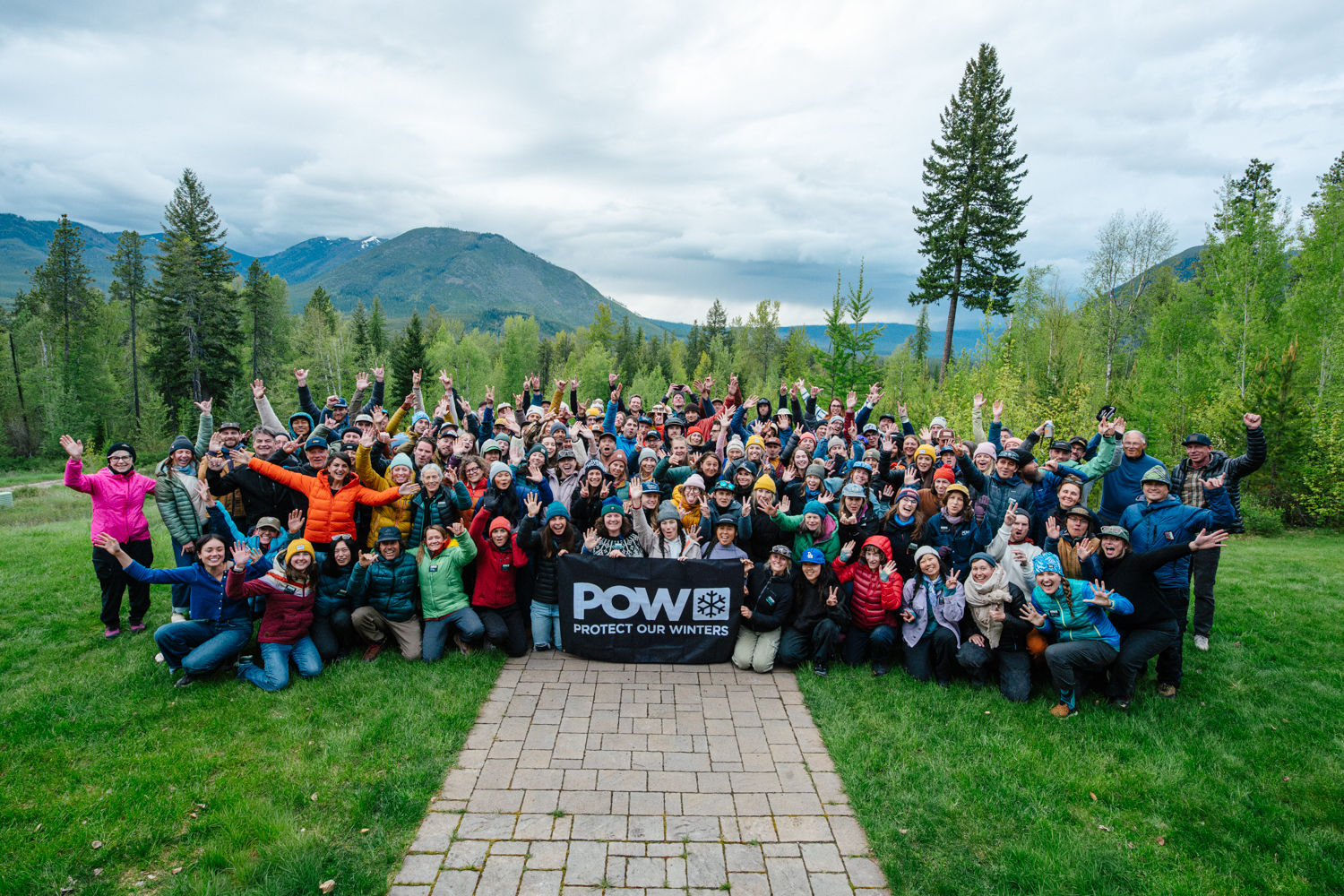
The intersection of outdoor recreation and climate policy has found a new focal point in the Protect Our Winters (POW) Chapter Program, a grassroots initiative designed to mobilize the "Outdoor State"—a demographic of approximately 50 million Americans who identify as outdoor enthusiasts. By transitioning from high-level national lobbying to localized, community-driven advocacy, the program aims to bridge the gap between adrenaline-fueled sports and the technical world of town council meetings, energy planning, and legislative reform. Led by a cadre of dedicated field organizers across the United States, the program seeks to prove that effective climate action does not require a background in policy science, but rather a commitment to the landscapes that sustain both the environment and the economy.
The Evolution of the POW Chapter Program
Founded in 2007 by professional snowboarder Jeremy Jones, Protect Our Winters has historically focused on high-profile athlete ambassadors and federal lobbying efforts in Washington, D.C. However, the organization’s recent strategic shift toward a chapter-based model reflects a growing recognition that many of the most consequential climate decisions occur at the municipal and state levels. The Chapter Program serves as a year-round network connecting mountain and coastal communities to direct advocacy opportunities. This expansion is particularly relevant given the economic stakes involved; according to the U.S. Bureau of Economic Analysis (BEA), the outdoor recreation economy accounts for $1.1 trillion in gross economic output and supports nearly five million jobs. As climate change increasingly threatens snowpack, water levels, and forest health, the POW Chapter Program represents a defensive economic strategy as much as an environmental one.
Profiles in Advocacy: The Field Organizers
The success of the Chapter Program relies on field organizers who possess deep ties to their respective regions. These individuals serve as the primary link between the national organization’s resources and local community action.
Emily Johnson (White Mountains, New Hampshire): A native of Farmington, Maine, Johnson’s background in skiing and mountain biking informs her approach to organizing in the Northeast. Her work focuses on building collective power to challenge established energy interests. Johnson emphasizes that "clean air, clean water, and a healthy planet" are fundamental rights, and her efforts are directed toward mobilizing the New Hampshire community to influence state-level energy compliance and community relations.
Savanna (Montana): Operating in the Gallatin Valley, Savanna focuses on the intersection of wide-open spaces and tight-knit Western communities. Her advocacy is rooted in "movement building as the antidote to apathy." In Montana, where energy policy is often dominated by large utility providers, her role involves demystifying technical planning documents for the public, ensuring that residents have a voice in the state’s transition to clean energy.
Leda (Southwest Colorado and Yampa Valley): Raised on the Western Slope of Colorado, Leda’s background includes undergraduate studies in the Midwest and conservation work in Utah. Her organizing philosophy centers on building resilient communities through climate action. She manages chapters in Durango and Steamboat Springs, focusing on the specific challenges of rural energy cooperatives and the protection of biodiversity in high-altitude ecosystems.
Adi (Truckee-Tahoe/Reno): With a degree in Geography from the University of Colorado Boulder, Adi combines ecological knowledge with civic organizing experience. Based in Truckee, California, her work targets the California-Nevada border region, focusing on decarbonization goals, battery storage infrastructure, and voter engagement in critical congressional districts.

Strategic Wins and Regional Milestones
The efficacy of the Chapter Program is evidenced by several recent policy wins and project advancements. These milestones demonstrate how local advocacy can yield tangible results in the transition to renewable energy and sustainable land management.
New Hampshire: Electoral Success in Energy Cooperatives
In early 2026, the POW Action Fund—a sister organization to the Chapter Program—supported the successful election of Laurel Boivin to the New Hampshire Electric Coop’s (NHEC) Board of Directors. Boivin, an expert in environmental policy and community relations, represents a shift toward more progressive energy management within the state’s utility infrastructure. This victory highlights the importance of "down-ballot" elections, where a small number of votes can determine the direction of regional energy policy.
Nevada: Advancing Grid Resilience
In the Reno-Tahoe region, the POW Reno chapter played a pivotal role in the approval of the TregoGrid project. This initiative will integrate 200 megawatts (MW) of battery storage into the electrical grid. Battery energy storage systems (BESS) are critical for managing the intermittency of renewable energy sources like wind and solar. By advocating for this project at the local level, POW Reno has contributed to the region’s broader decarbonization targets.
Colorado: Lifting Moratoriums on Clean Energy
In La Plata County, Colorado, the local POW chapter successfully advocated for the removal of a moratorium on battery energy storage systems. By mobilizing residents to submit public comments and attend county commissioner meetings, the chapter helped clear the path for future clean energy infrastructure. Additionally, the organization is currently monitoring projects in Montezuma and Routt counties that could bring an additional 500 MW of clean energy online.
Montana: Challenging Long-Term Energy Planning
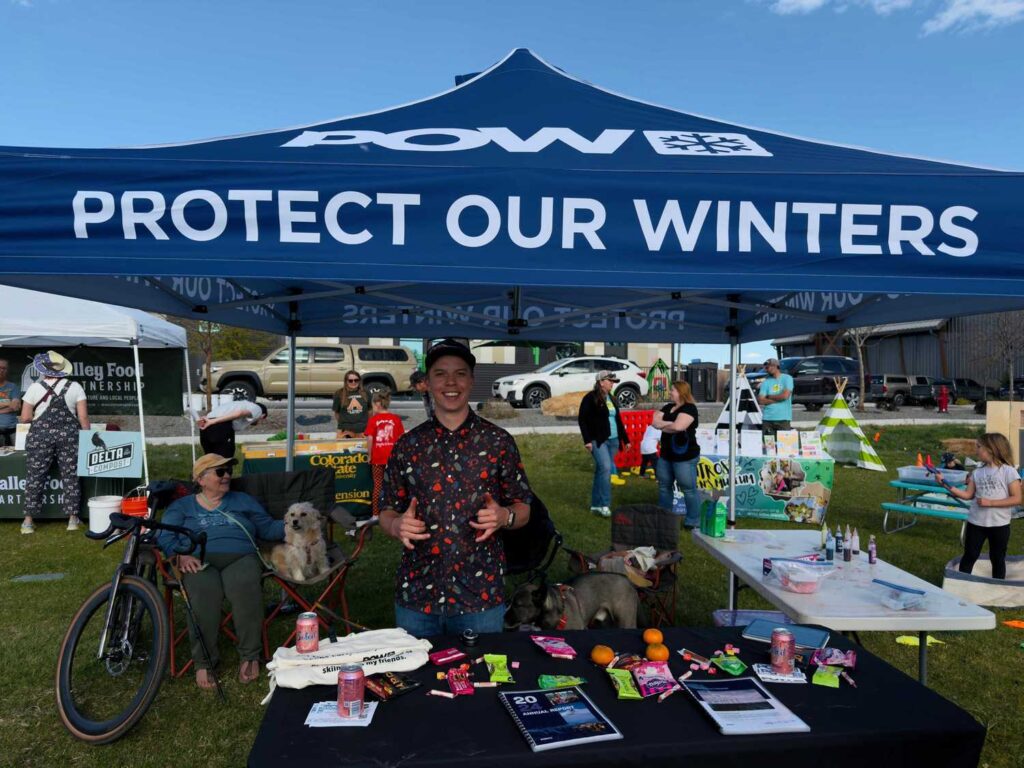
A major focus for the Montana chapter has been the Integrated Resource Plan (IRP) submitted by NorthWestern Energy. The IRP is a 20-year roadmap for how the utility intends to meet electricity demand. Critics, including POW organizers, argue the plan relies too heavily on gas, coal, and nuclear energy while ignoring the cost-efficiency of wind, solar, and storage. The Bozeman chapter hosted community events to educate residents on this technical document, resulting in a surge of public comments submitted to the Public Service Commission.
Data-Driven Analysis of Local Advocacy Impact
The shift toward local advocacy is supported by data regarding civic engagement and legislative outcomes. National elections frequently see high voter turnout but offer individual voters less direct influence on policy specifics. Conversely, local elections and municipal hearings often suffer from low participation, meaning that organized groups like POW chapters can exert a disproportionate influence.
For example, rural electric cooperative elections are sometimes decided by fewer than a dozen votes. By mobilizing even a small percentage of the outdoor community to participate in these elections, the POW Chapter Program can effectively "flip" boards toward pro-renewable stances. Furthermore, public comment periods for state-level energy plans are often under-utilized by the general public; a concentrated effort to submit letters to the editor and verbal testimony can significantly alter the narrative used by regulators to make final decisions.
Timeline of 2026 Initiatives and Future Outlook
The Chapter Program has established a rigorous schedule for the remainder of 2026, focusing on both policy and electoral engagement:
- September 8, 2026: The inaugural meeting of the POW White Mountains Chapter in New Hampshire is scheduled to take place. This meeting will focus on organizing voter outreach for New Hampshire’s 1st Congressional District (CD1).
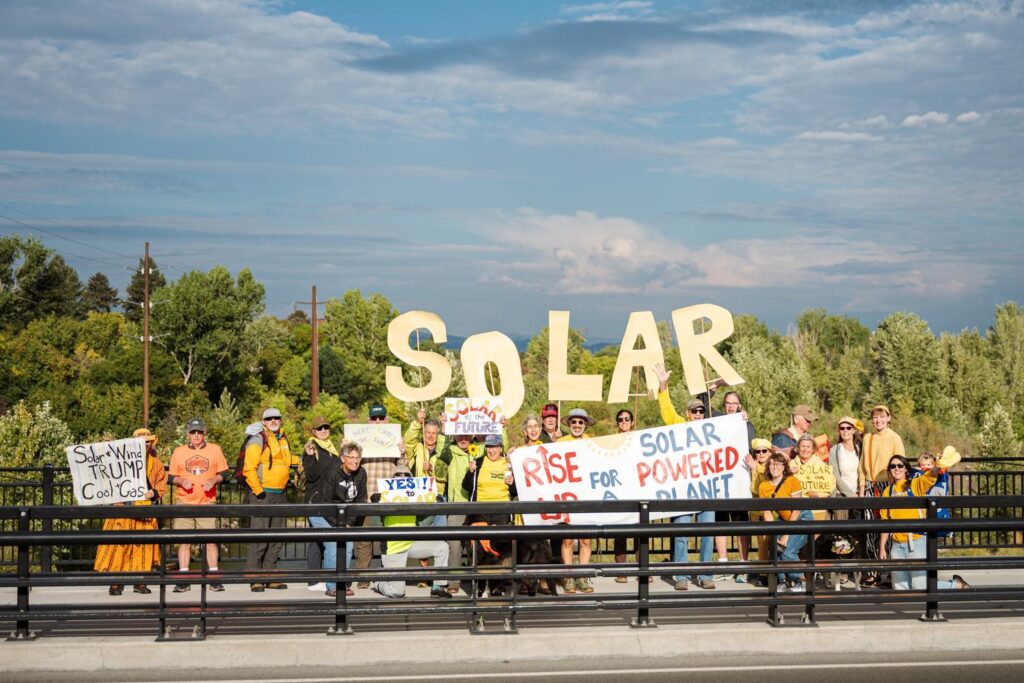
- Fall 2026: Chapters in Montana and Nevada will pivot toward midterm election mobilization. The focus will be on increasing voter turnout among outdoor enthusiasts and educating the electorate on the climate records of local and state candidates.
- Q4 2026: Continued monitoring and public testimony for the 500 MW clean energy projects in Colorado’s Montezuma and Routt counties.
Broader Implications for the Outdoor Industry
The activities of the POW Chapter Program carry significant implications for the broader outdoor industry. As climate change leads to shorter winters and more volatile weather patterns, the economic viability of ski resorts, guide services, and outdoor gear retailers is at risk. By professionalizing the advocacy efforts of the "Outdoor State," POW is attempting to create a political lobby that rivals traditional industrial interests.
The focus on "sharing your story" rather than relying solely on technical expertise is a strategic move to lower the barrier to entry for civic participation. As organizers Emily, Savanna, Leda, and Adi have noted, the most effective tool in local advocacy is often the personal account of how a changing climate affects a resident’s livelihood or quality of life.
Conclusion: The Future of Grassroots Climate Action
The POW Chapter Program represents a sophisticated evolution in environmental activism. By decentralizing power and focusing on the "backyard" issues that directly impact communities, the organization is building a scalable model for climate resilience. The successes in New Hampshire, Nevada, and Colorado suggest that when outdoor enthusiasts move from the trails to the town halls, they possess the capacity to drive meaningful policy change. As the program continues to expand into 2026 and beyond, its ability to influence local energy grids and legislative priorities will be a critical factor in the national effort to mitigate the effects of the climate crisis.
