

The Historical Context of Landscape Movement
For millennia, the ecology of Southern California was defined by constant movement. Native wildlife migrated across the terrain in response to water availability, forage quality, and seasonal shifts. This natural cycle ensured that vegetation did not simply accumulate uninterrupted year after year; instead, landscapes were shaped by consistent grazing and trampling, which redistributed nutrients and maintained a mosaic of plant life. Fire, too, was a frequent participant in this system, though historically it lacked the catastrophic scale and intensity of modern megafires. Instead, fire functioned as an ecological "interruption" that prevented the landscape from becoming a singular, dense block of fuel.
The modern era, however, has replaced this variability with stillness. Decades of aggressive fire suppression, coupled with urban sprawl and the introduction of non-native plant species, have fundamentally altered the terrain. Today, Southern California is characterized by a "brittle" Mediterranean environment—a term used by ecological practitioners to describe a system that experiences extreme fluctuations between short, intense wet periods and long, desiccating droughts. Under these conditions, the vast stretches of dry grass and chaparral that define the region’s beauty have become a massive reservoir of potential energy, waiting for an ignition source.
The Mechanics of Prescribed Grazing
To combat this accumulation of "fuel," land managers and private enterprises are increasingly turning to targeted grazing. Unlike traditional livestock operations, prescribed grazing is an intentionally designed form of land stewardship. It operates on the same principles as prescribed fire: applying a specific biological pressure to a landscape to achieve a desired ecological outcome.
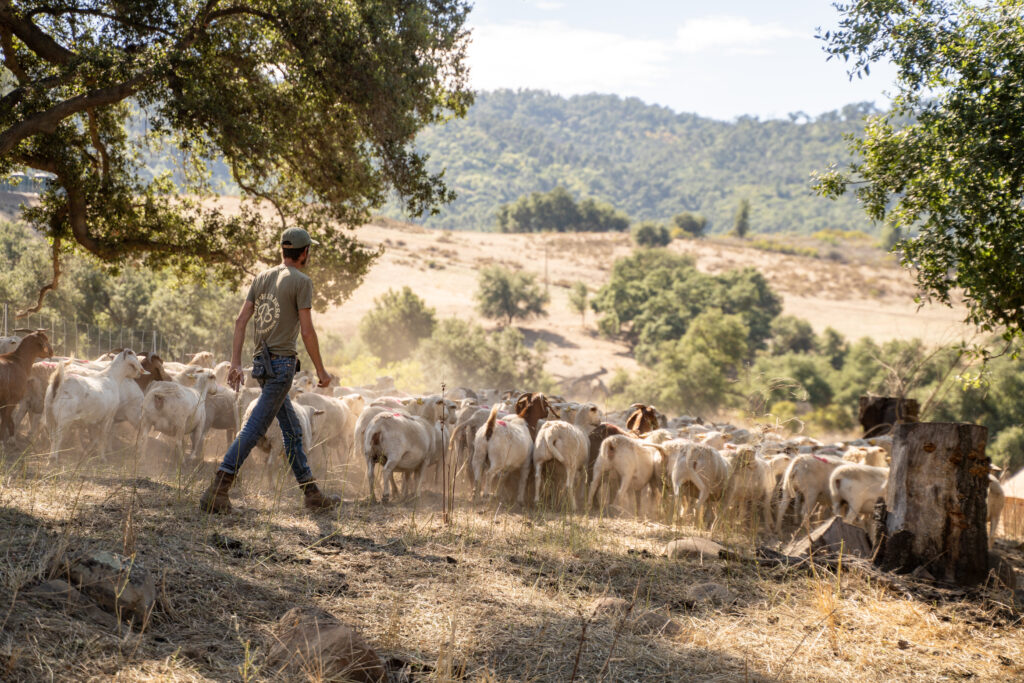
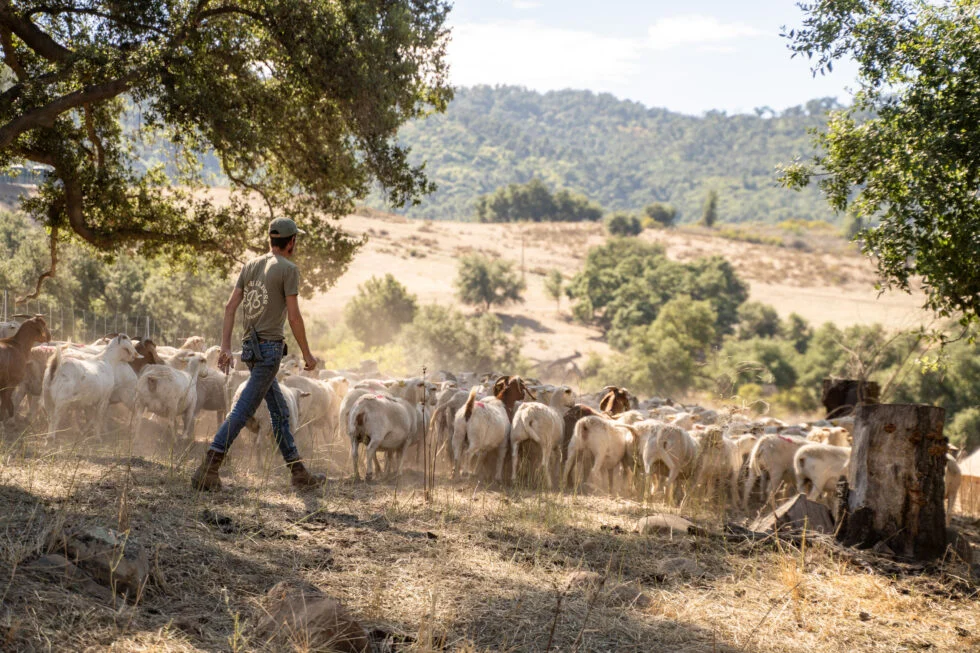
According to Cole Bush, founder of Shepherdess Land and Livestock and the Grazing School of the West, the process begins with a comprehensive evaluation of the land’s systemic health. Before animals are introduced, practitioners assess vegetation density, soil compaction, erosion patterns, and the presence of invasive species. The goal is not merely the removal of plant matter but the restoration of ecological balance.
The strategy often employs a "combo punch" of different species:
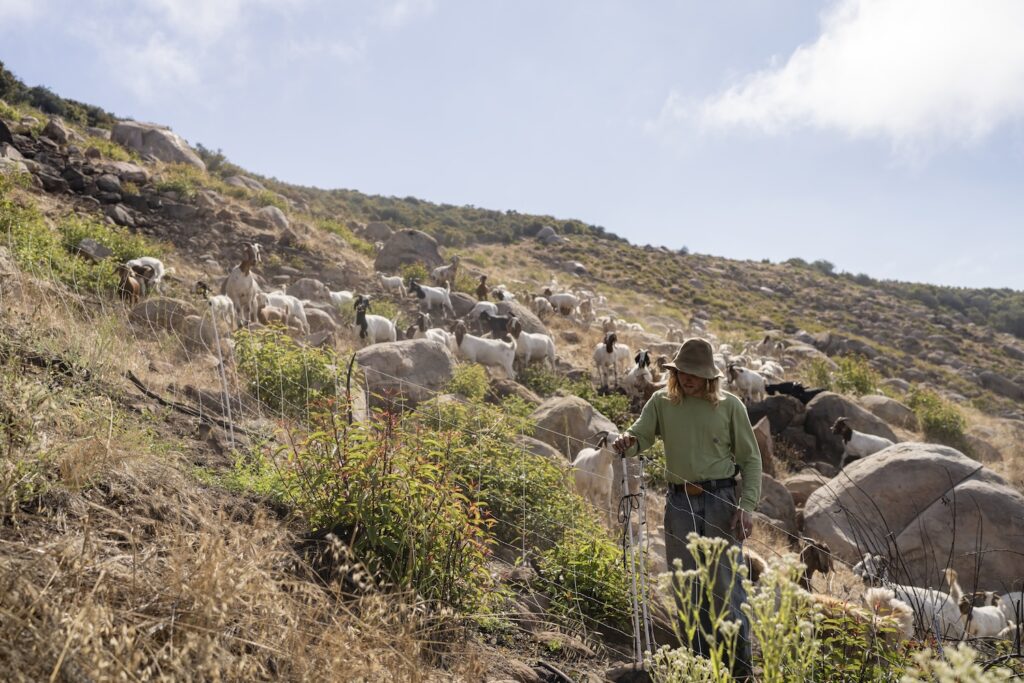
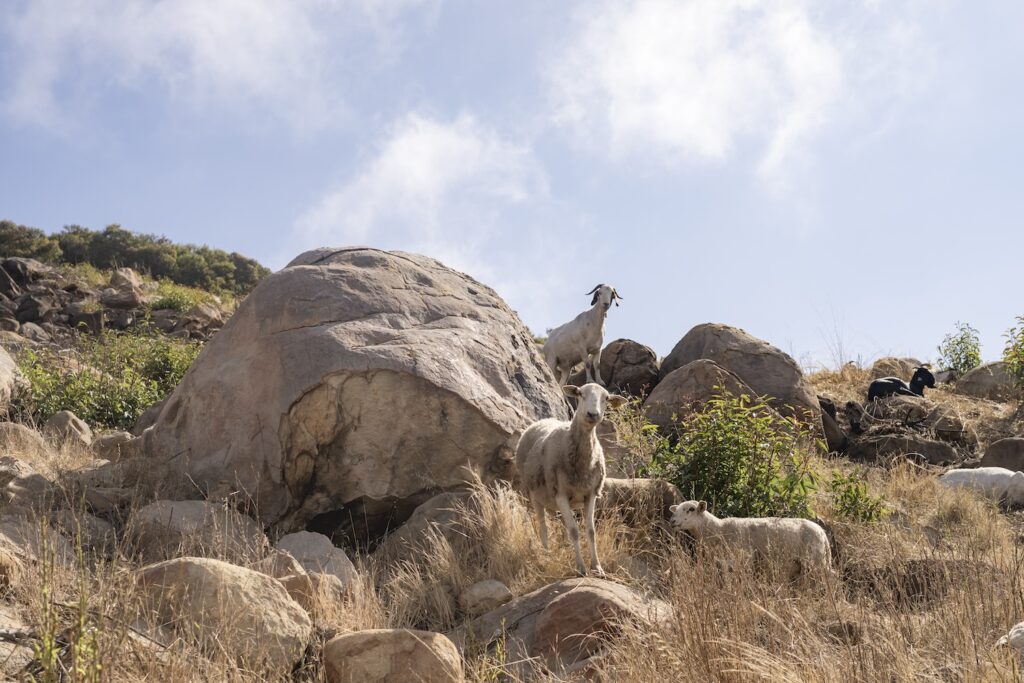
- Goats (Browsers): Goats naturally prefer woody vegetation, shrubs, and low-hanging tree branches. They are highly effective at thinning out thickets of brush and invasive species like yellow star-thistle or mustard.
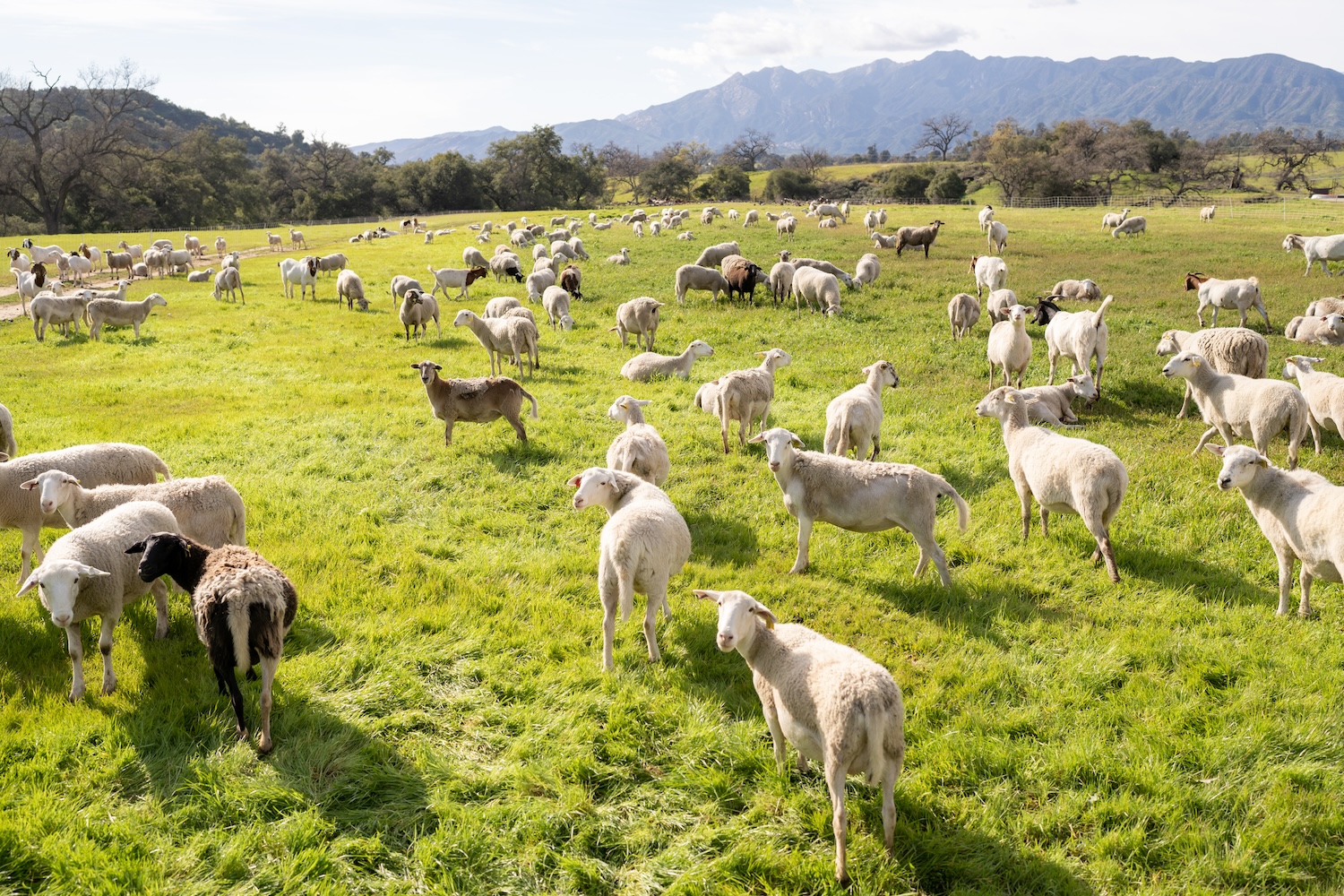
- Sheep (Grazers): Sheep focus on grasses and lower-growing forage. By keeping their heads down, they effectively "mow" the understory, reducing the height of flashy fuels that allow fires to spread rapidly across open ground.
The mobility of these animals makes them uniquely suited for the "urban-wildland interface"—the high-risk zones where residential neighborhoods border wild spaces. While heavy machinery is often ecologically disruptive and limited by steep topography, sheep and goats can navigate rugged canyons and utility corridors with minimal impact on the soil.
Chronology of Recent Wildfire Events and Response
The urgency of this work is underscored by a series of catastrophic fire events that have reshaped California’s policy and public consciousness:
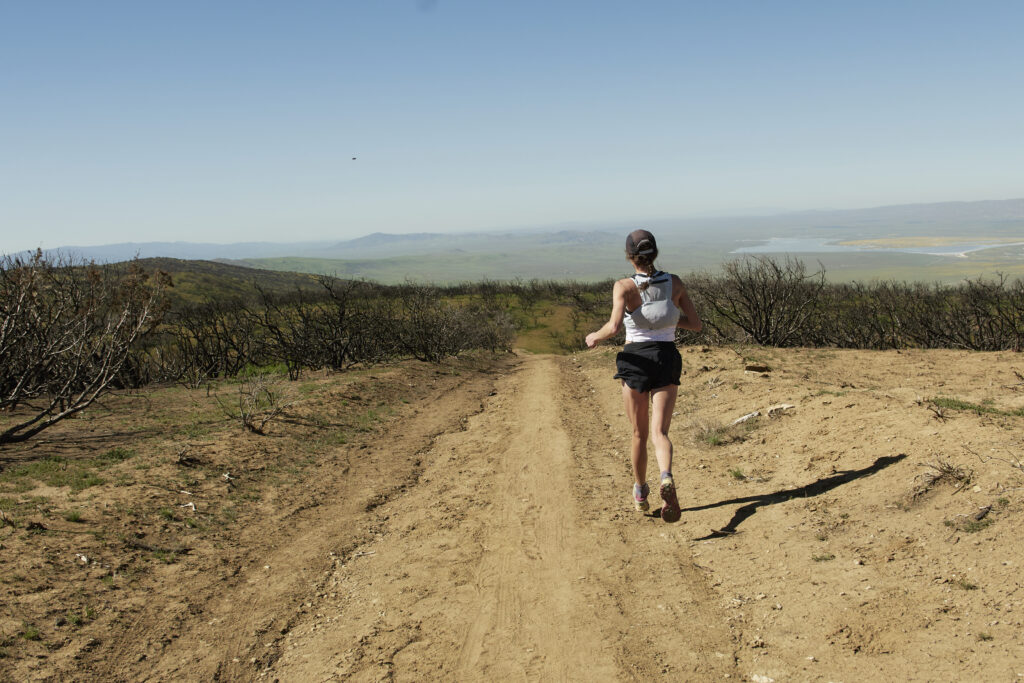
- 2017 Thomas Fire: Burning over 280,000 acres in Ventura and Santa Barbara counties, this fire was a turning point for many local communities, demonstrating that traditional fuel breaks were insufficient against wind-driven events.
- 2025 Madre Fire: Identified as the largest wildfire in California in 2025, the Madre Fire scorched vast portions of the Carrizo Plain National Monument, highlighting the vulnerability of even protected national lands.
- January 2025 LA Fires (Kenneth Fire): A series of blazes in the hills near Agoura and the Santa Monica Mountains forced massive evacuations. During this crisis, the "Ojai Herd and Horse Network" emerged—a volunteer-led system designed to evacuate livestock and large animals from smoke-filled canyons.
- 2026 Sandy Fire: This event in Ventura County further emphasized the need for active management of fire roads and the maintenance of defensible space through targeted grazing.
During the 2025 Kenneth Fire, the efficacy of professional shepherding was put to the test. Cole Bush and other experienced practitioners were called to evacuate semi-feral sheep from steep, smoke-obscured hillsides. The operation required a level of restraint and "biological communication" that differs from traditional emergency response. By moving calmly and applying subtle directional pressure, shepherds were able to move animals off the mountain without triggering a panic-driven stampede, which could have proved fatal in the high-stress environment of a fire zone.
Supporting Data and Ecological Implications
The connection between climate change and wildfire severity is well-documented by agencies such as the National Oceanic and Atmospheric Administration (NOAA). Hotter temperatures and drier atmospheric conditions increase the "vapor pressure deficit," essentially sucking moisture out of plants and making them more combustible.
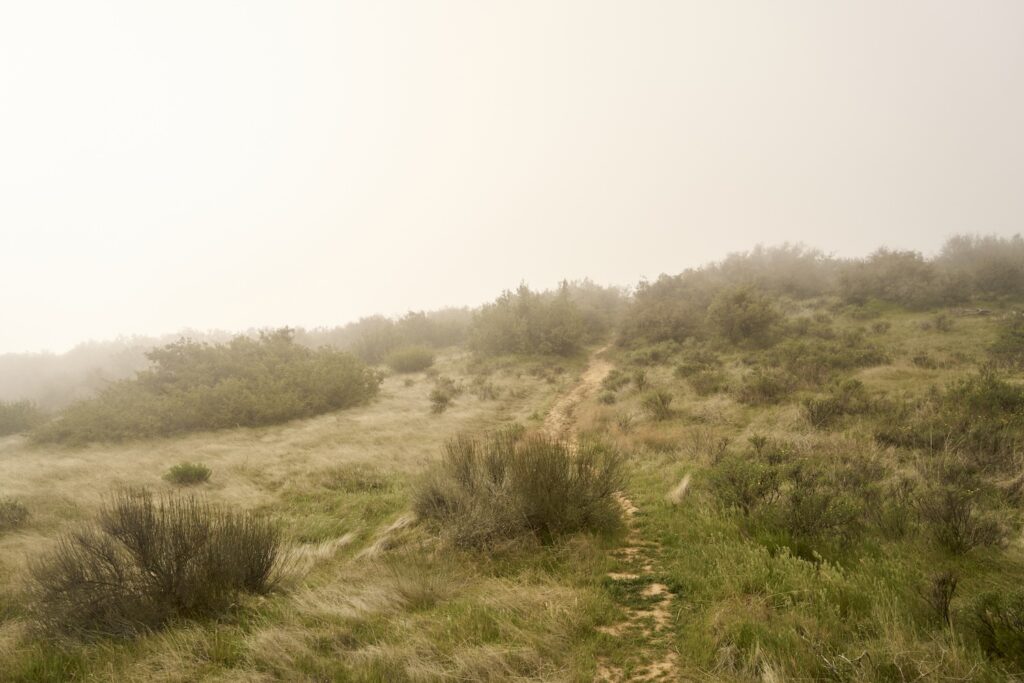
However, wildfire also acts as a feedback loop for climate instability. Data indicates that:
- Carbon Emissions: Mega-fires release enormous quantities of stored carbon into the atmosphere, often offsetting the gains made by state-level emissions reductions.
- Soil Instability: Hillsides stripped of vegetation by high-intensity fire are prone to severe erosion and debris flows during the subsequent rainy season.
- Invasive Dominance: Frequent fires can "type-convert" landscapes, replacing resilient native chaparral with invasive annual grasses that burn more easily and more often.
By utilizing targeted grazing, land managers can break this cycle. Properly managed herds promote the growth of native perennial grasses, which have deeper root systems that help retain soil moisture and build fire resilience. Furthermore, grazing reduces the "fuel ladder"—the layers of vegetation that allow a ground fire to climb into the forest canopy.
The Intersection of Recreation and Stewardship
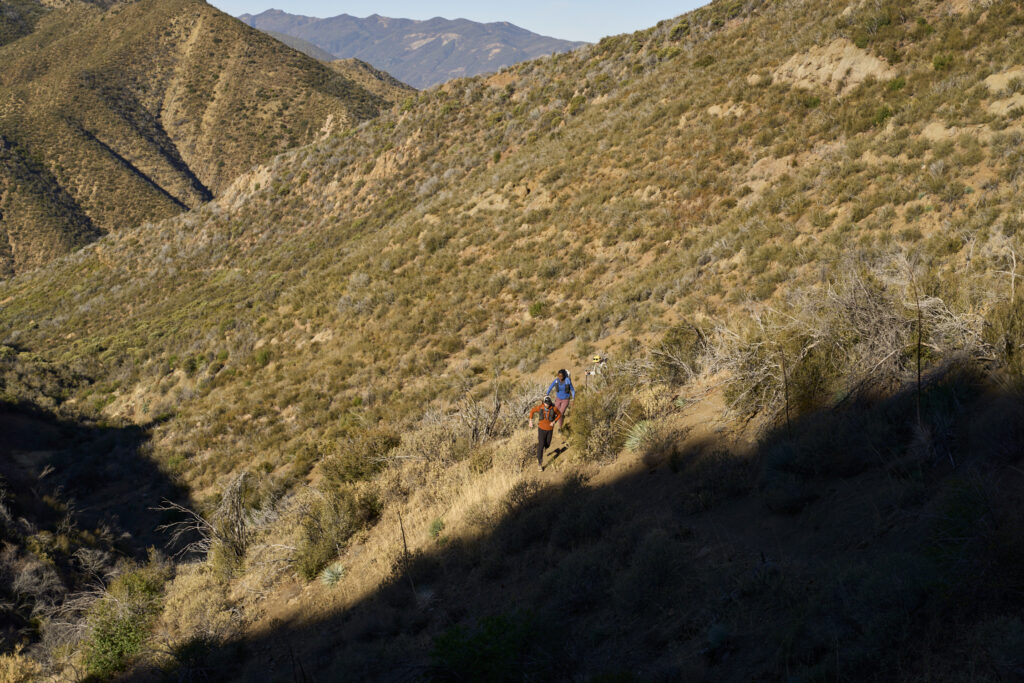
The changing ecology of Southern California has also transformed the region’s outdoor culture. For decades, hikers, trail runners, and cyclists viewed the landscape primarily as a venue for recreation and escape. However, the increasing frequency of trail closures due to burn scars and post-fire flooding has forced a realization: the "wild" spaces people love require active human intervention to survive.
Liam Pickhardt, an Ojai-based photographer and trail runner, has documented this shifting relationship. He notes that trail runners, who move through the terrain at a scale that reveals subtle shifts in vegetation and erosion, are often the first to notice the signs of ecological stress. This intimacy has fostered a new sense of responsibility within the recreation community. "The trails people run on and the open spaces people recreate in require active management now," Pickhardt observes. "They don’t just stay intact on their own anymore."
This sentiment is echoed by the Ojai Valley Fire Safe Council. Kalli O’Connor, the council’s Assistant Director, argues that wildfire resilience is becoming a core part of community identity. Public awareness is shifting from a reactive "emergency" mindset to a proactive "stewardship" mindset. This involves a layered approach to safety, including the creation of defensible space, the implementation of prescribed burns, and the support of local grazing initiatives.
Policy and Economic Impact
The volatility of the landscape is also driving significant changes in California’s economic and political infrastructure. The state has seen a dramatic shift in insurance stability, with major providers withdrawing from high-risk fire zones or significantly raising premiums. This has led to the redrawing of fire hazard maps and the implementation of stricter defensible space regulations.
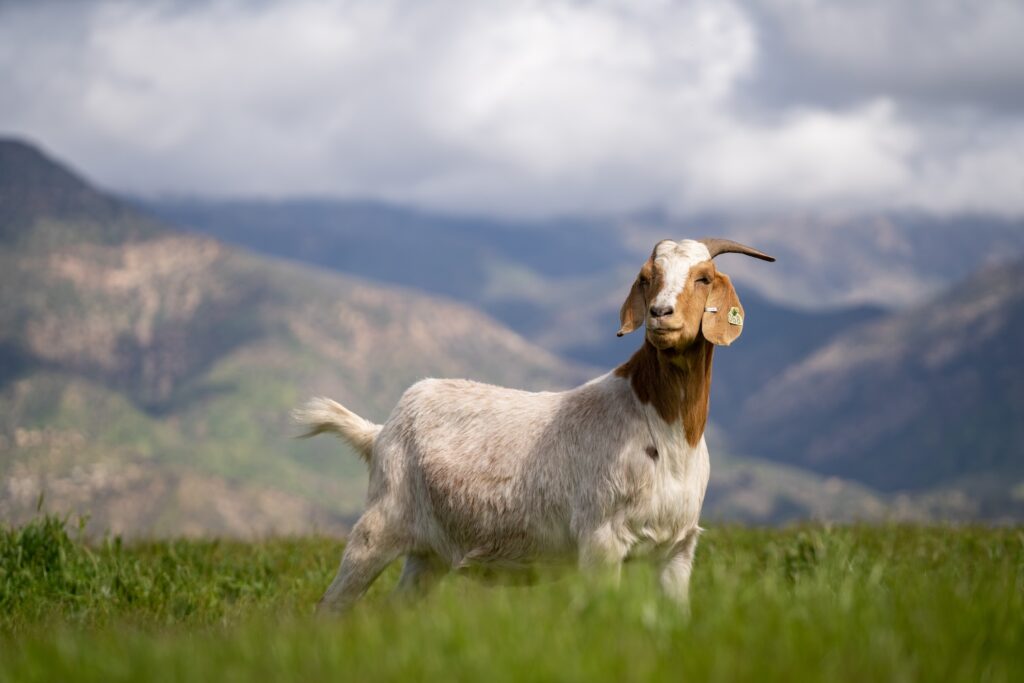
In response, the California government and local municipalities are increasingly funding "nature-based solutions." Prescribed grazing is now viewed as a cost-effective alternative to manual brush clearing, especially in areas where chemical herbicides are prohibited or where the terrain is too dangerous for hand crews. The work of practitioners like Cole Bush is no longer seen as a niche agricultural activity but as a form of "ecological activism" essential to the state’s survival.
Conclusion: A Movement Toward Resilience
As Southern California continues to navigate an era of ecological instability, the role of the shepherd has evolved. It is no longer just about animal husbandry; it is about managing the movement of energy across a landscape. The re-introduction of grazing animals represents a sophisticated understanding of how to live within a fire-prone environment.
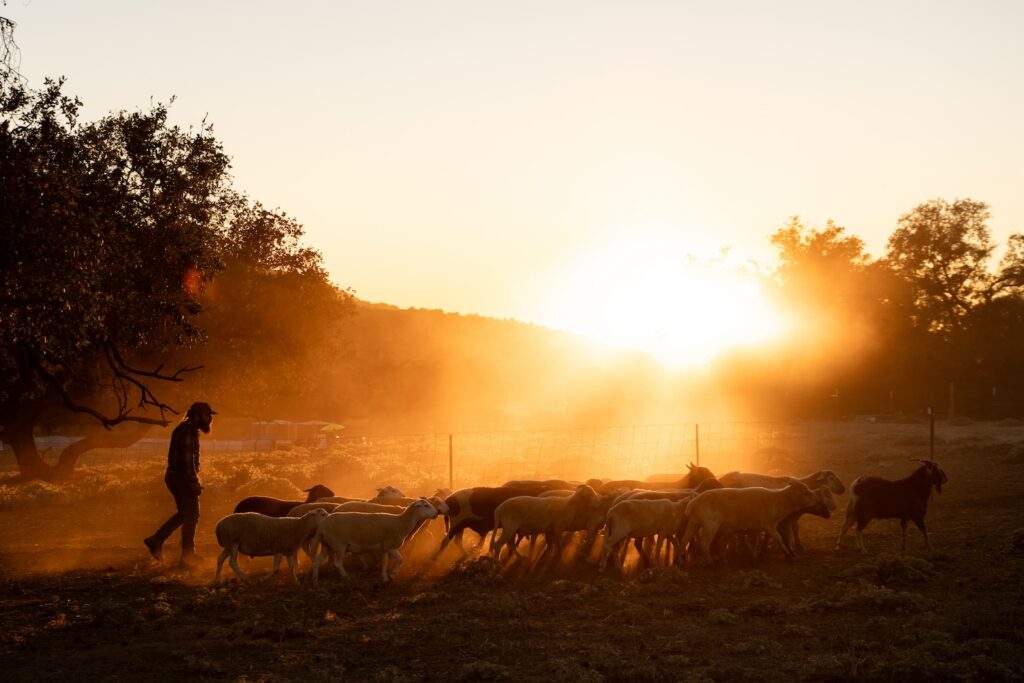
While wildfire will remain a permanent feature of the California landscape, the goal of modern stewardship is to ensure that fire returns to its role as a manageable ecological force rather than a catastrophic destroyer. Through the combined efforts of shepherds, community councils, and informed recreationists, the region is attempting to rebuild a symbiotic relationship with the land. In the hills above Ojai and Ventura, the steady movement of sheep and goats serves as a visible reminder that adaptation is not just about building walls or suppressing flames—it is about restoring the ancient rhythms of consumption and regrowth that once kept the landscape in balance.
