

The modern outdoor experience is increasingly defined by a phenomenon that meteorologists and atmospheric scientists describe as a "sufferfest." Across the Northern Hemisphere, summer months are no longer characterized merely by warmth but by persistent, high-intensity heat waves that are breaking records in regions previously considered temperate. To understand the mechanics behind this shift, atmospheric scientists, including Will Stikeleather of the Boston-based meteorology community and a consultant for the Protect Our Winters (POW) Science Alliance, are analyzing the convergence of jet stream volatility, atmospheric pressure systems, and the overarching influence of anthropogenic climate change.
Defining the Modern Heat Wave
The technical definition of a heat wave remains somewhat fluid, largely because the hazard manifests differently depending on local geography and climatology. The National Oceanic and Atmospheric Administration (NOAA) generally classifies a heat wave as a period of two or more days of abnormally high temperatures relative to a region’s historical averages. However, Stikeleather and other experts argue that this definition is often too narrow to capture the true scope of the public health and environmental risk.
Humidity, for instance, serves as a critical multiplier of heat stress. When high temperatures are paired with high moisture content in the air, the human body’s primary cooling mechanism—the evaporation of sweat—becomes less efficient. This leads to an increase in the "Wet Bulb Global Temperature" (WBGT), a metric that combines temperature, humidity, wind speed, and solar radiation to provide a more accurate assessment of heat stress on the human body. As the atmosphere warms, its capacity to hold moisture increases by approximately 7% for every 1°C of warming, leading to more frequent instances where heat and humidity reach dangerous thresholds simultaneously.
The Mechanics of Atmospheric Blocking and Heat Domes
Most extreme heat events are driven by high-pressure systems in the upper atmosphere. These systems cause air to sink and compress, which warms the air at the surface—a phenomenon widely known as a "heat dome." Within these domes, the high pressure acts as a lid, trapping heat over a broad geographical area. Furthermore, the clockwise rotation (in the Northern Hemisphere) around the center of high pressure can draw in additional warm or humid air from the south, further intensifying the conditions.

The duration of these events is often dictated by the behavior of the jet stream. In a stable climate, these pressure systems move across the continent with relative consistency. However, meteorologists are observing an increase in "atmospheric traffic jams" or blocking patterns. In these scenarios, the jet stream becomes "wavy" and sluggish, causing heat domes to stall over a region for days or even weeks.
A primary example of this occurred in the summer of 2021, when a prolific heat wave baked the Pacific Northwest and British Columbia. During this event, temperatures in regions typically known for mild summers spiked above 115°F. This specific event was characterized by a "blocking high" that refused to budge, leading to a catastrophic spike in heat-related fatalities and ecological damage.
The Statistical Reality of a Warming Baseline
The link between climate change and heat waves is no longer a matter of theoretical projection but of observed statistical reality. Since 1895, the contiguous United States has seen a baseline warming of approximately 2°F. While this may seem marginal, it has fundamentally shifted the bell curve of temperature distribution, making extreme events significantly more likely.
According to data compiled by NOAA, the frequency of heat waves in the United States has nearly tripled since the 1960s. Perhaps more concerning is the expansion of the "heat wave season." The window between the first and last heat wave of the year has doubled, growing from approximately 25 days to 70 days. This expansion means that extreme heat events are now occurring well outside the traditional peak of mid-summer, catching communities and ecosystems off-guard in late spring or early autumn.
The Intergovernmental Panel on Climate Change (IPCC) in its sixth assessment report (AR6) stated that it is "virtually certain" that climate change has increased the frequency and severity of warm temperature extremes globally. The 2021 Western Canada heat wave provides a stark case study; researchers estimated it was a "once-in-1,000-year" event, yet it was made roughly 2°C hotter than it would have been in a pre-industrial climate.

Global Trends and Arctic Amplification
The escalation of heat is not limited to North America. In Europe, the rate of increase in daily extreme temperatures is roughly twice the global average. Locally, in Western Europe, these extremes are increasing at three times the global average rate. A study by World Weather Attribution found that the hottest temperatures recorded in recent European summers are significantly higher than they would have been under similar atmospheric conditions in the mid-20th century. For example, a heat wave in 2026 was estimated to be 3.5°C hotter than a comparable event in 1976.
A driving force behind these "stubborn" weather patterns is a process known as Arctic Amplification. As the polar regions warm faster than the rest of the planet, the temperature gradient between the poles and the equator diminishes. This gradient is what drives the strength and speed of the jet stream. As it weakens, the jet stream becomes more prone to large, slow-moving undulations. These "wavier" patterns create the ideal conditions for persistent heat domes to settle over the mid-latitudes.
Regional Variations and the Urban Heat Island Effect
Geography plays a significant role in how a heat wave is experienced. On the East Coast of the United States, rising sea surface temperatures are fueling increased evaporation, leading to oppressive humidity levels. In contrast, the Desert Southwest and the Intermountain West are seeing more "dry" heat waves that exacerbate drought conditions and wildfire risks.
Urban centers face a unique set of challenges due to the "urban heat island effect." Infrastructure composed of concrete, asphalt, and steel has a low albedo, meaning it absorbs and retains a vast amount of solar radiation. In contrast, rural areas with significant vegetation can cool the surrounding environment through evapotranspiration.
The most dangerous aspect of the urban heat island effect is the lack of nighttime cooling. In a healthy environment, temperatures drop significantly at night, allowing the human body to recover from daytime heat stress. In cities, the built environment continues to radiate heat long after the sun has set, depriving vulnerable populations of this critical recovery window. This lack of nocturnal relief is a primary driver of heat-related mortality in metropolitan areas.
Compounding Hazards: The Wildfire Nexus
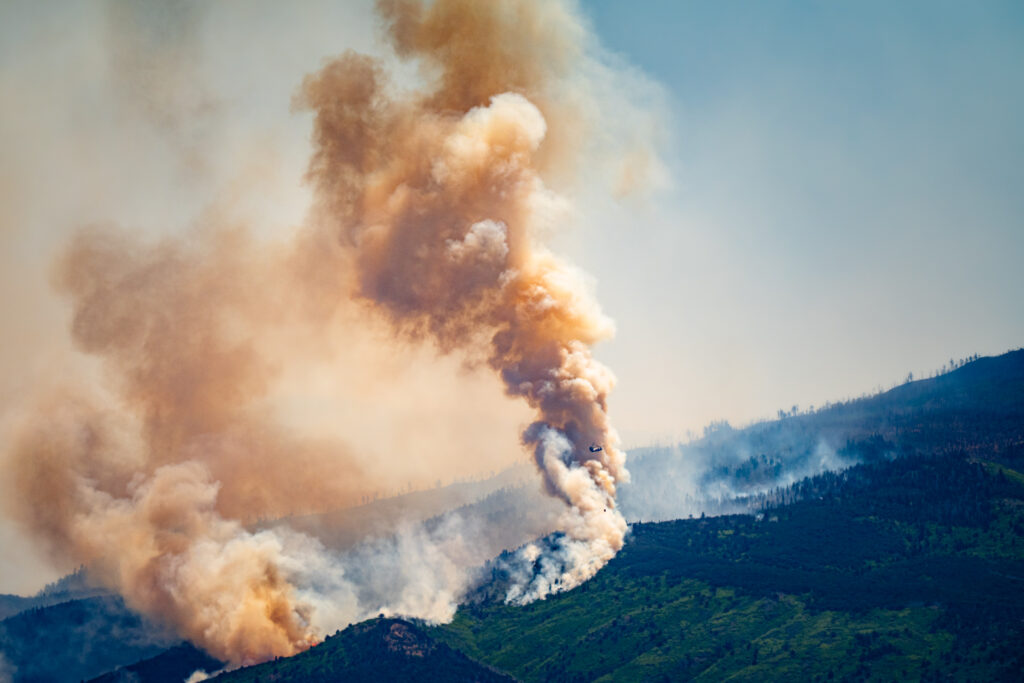
Heat waves do not exist in isolation; they act as force multipliers for other natural disasters. In the Western United States and Canada, the combination of record-low snowpack and early-season heat waves has created a dangerous feedback loop for wildfires.
By late July in recent years, vegetation in large portions of the Pacific Northwest has "cured" or dried out sufficiently to burn weeks ahead of its typical schedule. Historically, these fuel types did not become highly flammable until September. The expansion of the heat wave season effectively widens the window for extreme fire behavior. In population centers like Spokane, Washington, this has led to a significant increase in days where air quality is compromised by smoke, further straining public health systems already burdened by the heat itself.
Infrastructure Strain and the Energy Feedback Loop
The societal response to extreme heat has traditionally relied on increased air conditioning. However, this creates a precarious feedback loop. As temperatures spike, the demand for cooling strains the electrical grid to its limits. In many regions, the energy required to meet this demand is still generated by fossil fuels, which emit the very greenhouse gases driving the warming trend.
Furthermore, the infrastructure of the grid itself is vulnerable to heat. Transformers can overheat, and power lines can sag, leading to brownouts or total blackouts at the exact moment when cooling is most necessary. This has prompted a growing movement toward "grid resilience," which emphasizes decentralized energy production.
Paths Toward Resilience and Clean Energy Transition
Addressing the root cause of escalating heat waves requires a systemic shift in energy production and urban planning. Experts point to local, community-led solutions as the most viable path forward. These include:
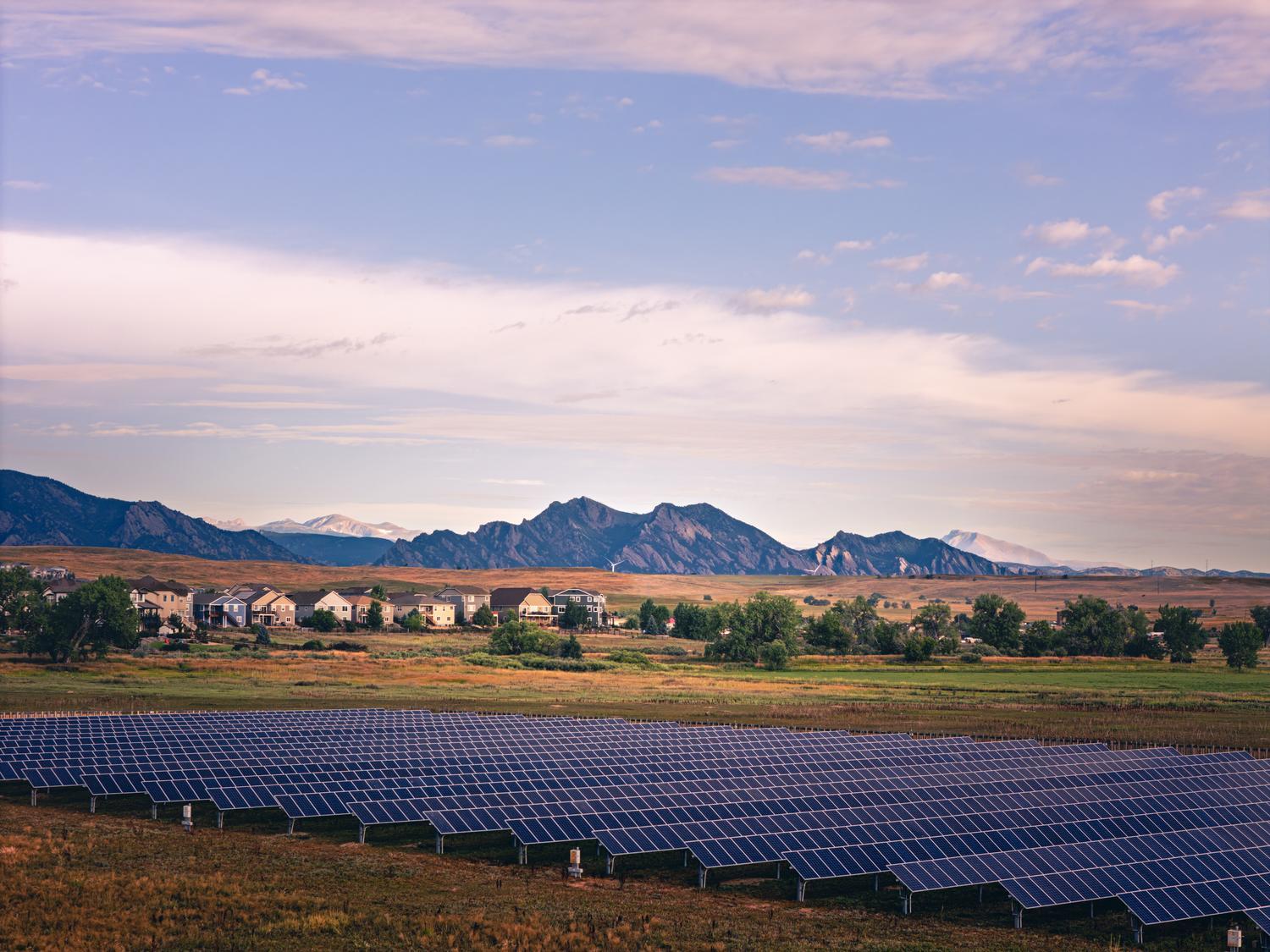
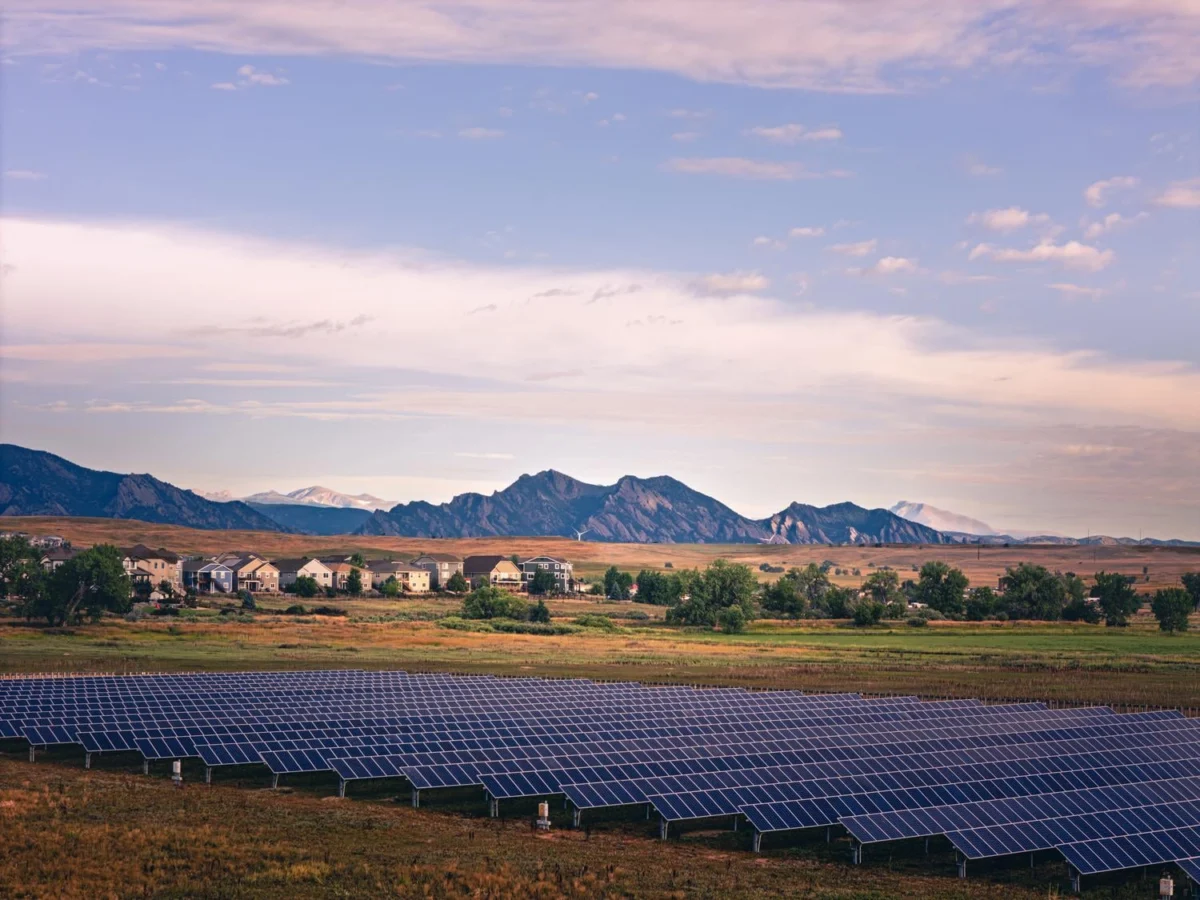
- Distributed Energy Resources (DERs): Rooftop solar and community solar gardens reduce the strain on the central grid and provide reliable power during peak demand periods.
- Grid Modernization: Upgrading rural electric co-ops and urban grids to handle bi-directional energy flow from renewable sources.
- Urban Greening: Increasing the "canopy cover" in cities to combat the heat island effect through natural shade and evapotranspiration.
- Albedo Modification: Using "cool roofs" and reflective paving materials to reduce the amount of heat absorbed by urban infrastructure.
While individual actions like staying hydrated and seeking shade are necessary for immediate survival, the long-term solution lies in policy and infrastructure. Organizations like the POW Science Alliance advocate for the use of "Clean Energy Toolkits" to help communities transition to renewables. By reducing emissions and building a more resilient grid, society can begin to decouple the need for cooling from the carbon emissions that fuel the heat.
As the "Outdoor State"—the millions of people who rely on the natural world for recreation and livelihood—confronts this new reality, the focus is shifting from mere adaptation to active mitigation. The science indicates that while the trend of rising temperatures is established, the severity of future summers will depend largely on the speed of the global transition to a low-carbon economy. For now, the "sufferfest" of the modern summer serves as a recurring reminder of the urgent need for atmospheric and societal recalibration.
