

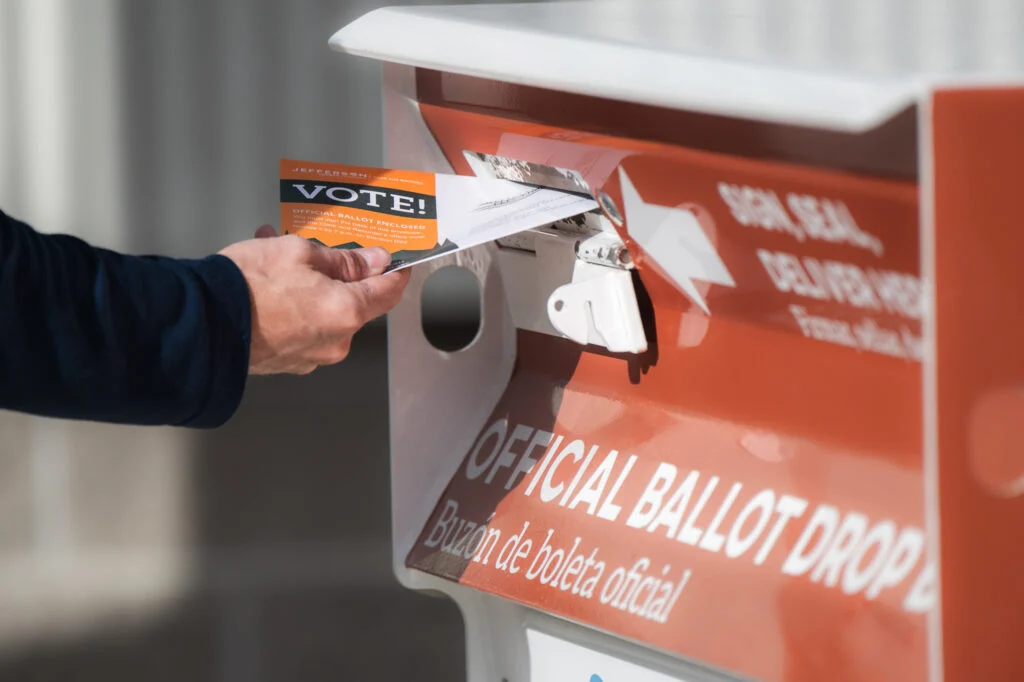
The efficacy of global climate mitigation efforts is increasingly being determined not by technological breakthroughs or the declining costs of renewable energy, but by the structural integrity of democratic institutions. Recent legislative shifts and executive actions have signaled a pivot in environmental progress, suggesting that the primary obstacle to achieving a net-zero future is no longer a lack of innovation, but a shift in the political landscape. As federal and state policies fluctuate, advocacy groups like Protect Our Winters (POW) are arguing that the protection of voting rights has become a prerequisite for environmental stability. This perspective posits that the ability of the public to influence climate policy through the ballot box is the most critical tool in the ecological arsenal, and that current threats to electoral access represent a direct threat to the planet’s climate health.
The Legislative Pivot: From Incentives to Retraction
The landscape of American energy policy underwent a significant transformation following the passage of the federal tax and budget legislation known as the One Big Beautiful Bill Act. While initially framed as a mechanism for economic stabilization, the act included provisions that fundamentally altered the financial trajectory of the clean energy sector. Most notably, the law clawed back significant clean energy tax credits that had been established to provide long-term certainty for developers. By setting a hard deadline of July 2026, the legislation effectively reduced the developmental "runway" for major infrastructure projects from a projected nine years to just twelve months.
The economic repercussions of this policy shift have been immediate and measurable. Industry analysts estimate that approximately $83 billion in capital investment for solar, wind, and battery storage projects has been either canceled or indefinitely delayed since the law’s enactment. These projects were not merely environmental milestones; they were significant economic drivers. Data suggests that the stalled initiatives would have supported roughly 470,000 jobs across the manufacturing, construction, and engineering sectors. The abrupt change in the regulatory environment has created a chilling effect on private investment, as the lack of predictable federal support renders large-scale renewable transitions financially precarious.
The Reshaping of Public Lands: The Case of Bears Ears
Simultaneous with the contraction of clean energy incentives, the administration has moved to significantly alter the status of protected public lands. On July 13, an executive order reduced the Bears Ears National Monument by approximately 90 percent. The monument, which previously encompassed 1.36 million acres of culturally and ecologically significant land, was reduced to roughly 121,000 acres. This action opened the excised land to mineral and resource extraction within a 60-day window, a move that has drawn sharp criticism from environmentalists and tribal leaders alike.
The reduction also involved the dissolution of the tribal commission that had been tasked with the co-management of the monument. This commission represented a landmark agreement between the federal government and several Indigenous nations, aimed at preserving ancestral lands and traditional ecological knowledge. The removal of these protections is seen by many as a reversal of decades of conservation progress. It highlights a broader trend where environmental protections are subject to the immediate priorities of the executive branch, rather than long-term scientific or cultural consensus. This volatility underscores the argument that the individuals holding administrative power—those "holding the pen"—are the ultimate arbiters of climate outcomes.
Systematic Challenges to Electoral Integrity
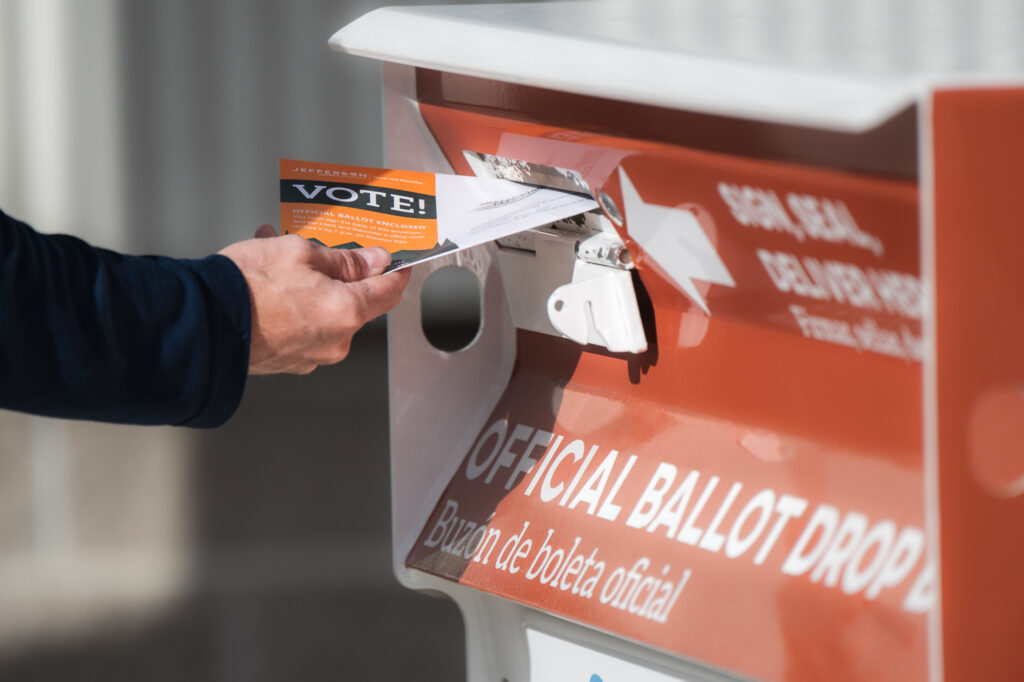
As the link between political leadership and environmental policy becomes more pronounced, the mechanics of the voting process itself have come under scrutiny. Advocates argue that if voting is a "climate action," then any barrier to the vote is a barrier to climate progress. Several recent developments at both the federal and state levels have raised concerns regarding the accessibility and security of the electoral process.
At the federal level, the administration recently directed the Department of Homeland Security (DHS) to compile detailed lists of citizens, while simultaneously instructing the United States Postal Service (USPS) to implement restrictions on the delivery of certain mail-in ballots. Although federal courts have intervened to strike down components of these directives as unconstitutional, observers note that the attempt itself signals an intent to narrow the pathways for voter participation. Furthermore, the dismissal of the remaining members of the Election Assistance Commission (EAC) in July left the agency without a quorum. The EAC is the primary federal body responsible for certifying voting systems and establishing best practices for election administration. Without a quorum, the agency is unable to adopt new voluntary voting system guidelines, leaving the nation’s electoral infrastructure potentially vulnerable.
At the state level, the landscape of voter registration is also shifting. Twelve states now require documentary proof of citizenship to register to vote, a requirement that critics argue disproportionately affects marginalized communities and young voters who may lack immediate access to specific legal documents. New laws in South Dakota and Utah have recently gone into effect, further complicating the registration process for the current election cycle. In Texas, state officials have begun purging voter rolls using federal data that civil rights groups claim is flawed and outdated. Similarly, Ohio is currently embroiled in litigation over its own aggressive voter roll maintenance practices.
Chronology of Recent Events and Policy Shifts
To understand the current state of the climate-voting nexus, it is necessary to examine the timeline of events that led to this intersection:
- August 2024: Passage of the One Big Beautiful Bill Act, initiating the rollback of clean energy tax credits and establishing the 2026 project deadline.
- January 2025: Initial reports of $83 billion in renewable energy project cancellations surface as developers cite the loss of federal incentives.
- March 2025: Executive directives issued to DHS and USPS regarding citizen data collection and mail-in ballot restrictions.
- June 2025: Federal court rulings begin to block parts of the administration’s voting directives on constitutional grounds.
- July 1, 2025: Dismissal of the Election Assistance Commission members, resulting in a loss of quorum.
- July 13, 2025: Executive order reduces Bears Ears National Monument by 90 percent, opening the area to mining.
- August 2025: New voter registration laws, including proof-of-citizenship requirements, take full effect in Utah and South Dakota.
- September 2025: Launch of the "Defend the Vote" campaign by Protect Our Winters and a coalition of outdoor industry partners.
Economic and Environmental Implications: A Fact-Based Analysis
The convergence of restricted ballot access and retracted environmental policy suggests several long-term implications for both the economy and the climate.
1. Loss of Market Leadership in Renewables:
The cancellation of nearly $100 billion in projects risks ceding the United States’ position in the global clean energy race. As other nations continue to subsidize and stabilize their renewable sectors, the U.S. may become increasingly dependent on imported technology for its energy transition, potentially impacting national security and trade balances.
2. Impact on the Outdoor Recreation Economy:
The outdoor industry, which contributes significantly to the U.S. GDP (approximately $1.1 trillion according to recent Bureau of Economic Analysis data), relies heavily on the preservation of public lands and the stability of winter seasons. The reduction of national monuments and the lack of aggressive climate action threaten the very "product" this industry sells: predictable weather patterns and accessible wilderness.
3. Tribal Sovereignty and Conservation:
The dissolution of the Bears Ears tribal commission marks a setback for "30×30" goals—the global initiative to protect 30 percent of the planet’s lands and waters by 2030. Tribal co-management is widely recognized by conservationists as one of the most effective ways to maintain biodiversity.
4. Demographic Shifts in Voting:
The targeting of voter rolls and registration requirements often affects younger demographics and those living in rural areas—groups that are statistically more likely to prioritize environmental issues. If these populations are unable to participate in the electoral process, the resulting policy decisions may not reflect the broader public’s concerns regarding the climate crisis.

The "Defend the Vote" Initiative
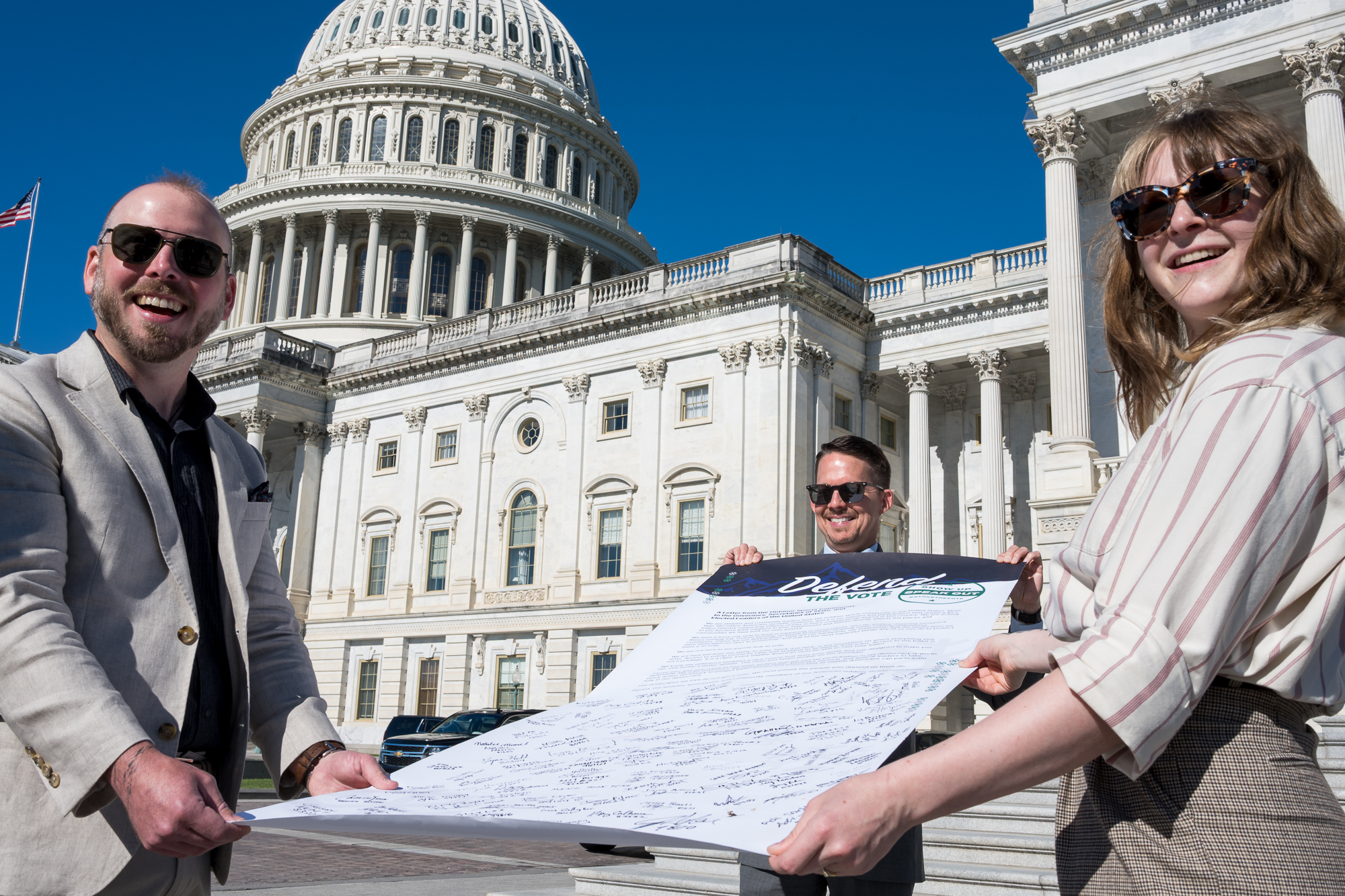
In response to these challenges, Protect Our Winters has launched the "Defend the Vote" campaign. This initiative represents a strategic shift for the organization, moving from traditional environmental advocacy toward the protection of democratic processes. The campaign focuses on geographies where ballot access is most at risk and where the organization has a significant presence, such as Montana and New Hampshire.
By engaging directly with Secretaries of State and other election officials, the campaign seeks to ensure that the "Stoke the Vote" mobilization efforts are not negated by procedural barriers. The initiative has seen an unprecedented level of support from the outdoor industry, with numerous major brands signing on to letters of support. This collective action suggests that the business community is beginning to view the protection of the vote as a core component of corporate social responsibility and environmental stewardship.
Conclusion: The Path Forward
The current political and legislative environment has redefined the boundaries of climate activism. It is no longer sufficient to advocate for carbon taxes or electric vehicle mandates in a vacuum. The evidence from the past year suggests that the most robust climate policy is only as permanent as the next election cycle, and the integrity of those elections is now inextricably linked to the health of the planet.
As the nation approaches the midterms and subsequent general elections, the focus for many environmental organizations has shifted toward turnout and ballot protection. The argument is clear: defending the vote is defending the climate. Without a transparent and accessible electoral system, the voices of those who prioritize the protection of the environment may be silenced, leading to further rollbacks of essential climate protections and the continued destabilization of the global ecosystem. In this context, the ballot is indeed the most powerful climate tool available to the public.
