

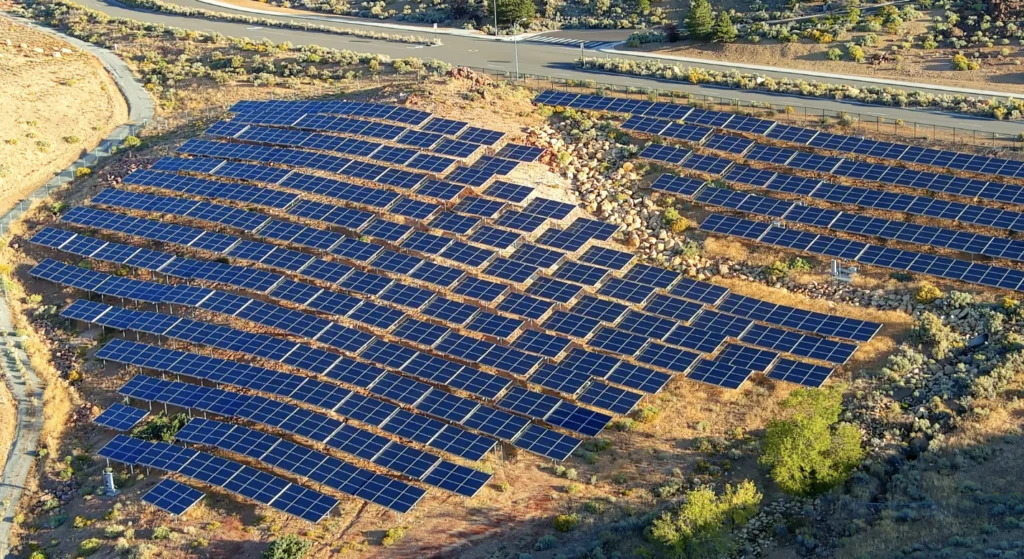
The city of Reno, Nevada, has emerged as a focal point for the regional transition toward renewable energy following the successful community-led advocacy for the Trego Battery Energy Storage System (BESS). This 200-megawatt utility-scale project is designed to capture and store clean energy, primarily from solar sources, to stabilize the local electrical grid during periods of peak demand. By providing a buffer between energy generation and consumption, the Trego facility is capable of powering approximately 68,000 households, effectively offering a sustainable energy solution for a significant portion of the Reno metropolitan area. The project’s advancement marks a pivotal shift in how local communities engage with large-scale infrastructure, moving from traditional skepticism toward proactive support for climate-forward initiatives.
Technical Specifications and the Role of BESS in Grid Stability
The Trego Battery Energy Storage System is not merely a localized utility project but a critical component of the Western Interconnection, the wide-area synchronous grid that serves much of the Western United States. At its core, the 200-megawatt system utilizes Lithium Iron Phosphate (LFP) technology. Unlike traditional lithium-ion batteries that often utilize nickel and cobalt, LFP chemistry is increasingly favored for stationary storage due to its superior thermal and chemical stability. This technology significantly reduces the risk of thermal runaway, a primary concern for residents living near industrial-scale battery installations.
The primary function of the Trego BESS is to mitigate the "duck curve" phenomenon, a common challenge in states like Nevada with high solar penetration. During the day, solar arrays often produce more electricity than the grid requires. Without storage, this excess energy is lost. The Trego system captures this surplus and discharges it during the evening hours when solar production ceases but residential and commercial demand spikes. This capability is essential for reducing Nevada’s reliance on gas-fired "peaker" plants, which are both more expensive to operate and more carbon-intensive.
Chronology of Advocacy and Community Engagement
The path to approval for the Trego project was defined by a structured effort to bridge the gap between technical development and public sentiment. While many renewable energy projects across the United States face significant delays due to "Not In My Backyard" (NIMBY) sentiments, the Reno initiative saw a counter-movement of "Yes In My Backyard" (YIMBY) advocacy led by local residents and organizations.
The timeline of the project’s public phase began with the announcement of the Trego BESS proposal, which initially met with standard inquiries regarding safety and land use. In response, members of the Protect Our Winters (POW) "crew" and the broader Reno community organized a series of educational and advocacy-driven efforts. A key figure in this movement was Dr. Anne Nolin, a Snow Hydrologist and Professor in the Geography Department at the University of Nevada, Reno. As a Science Alliance Member at Protect Our Winters, Dr. Nolin utilized her academic background to vet the project’s environmental impact and safety protocols.
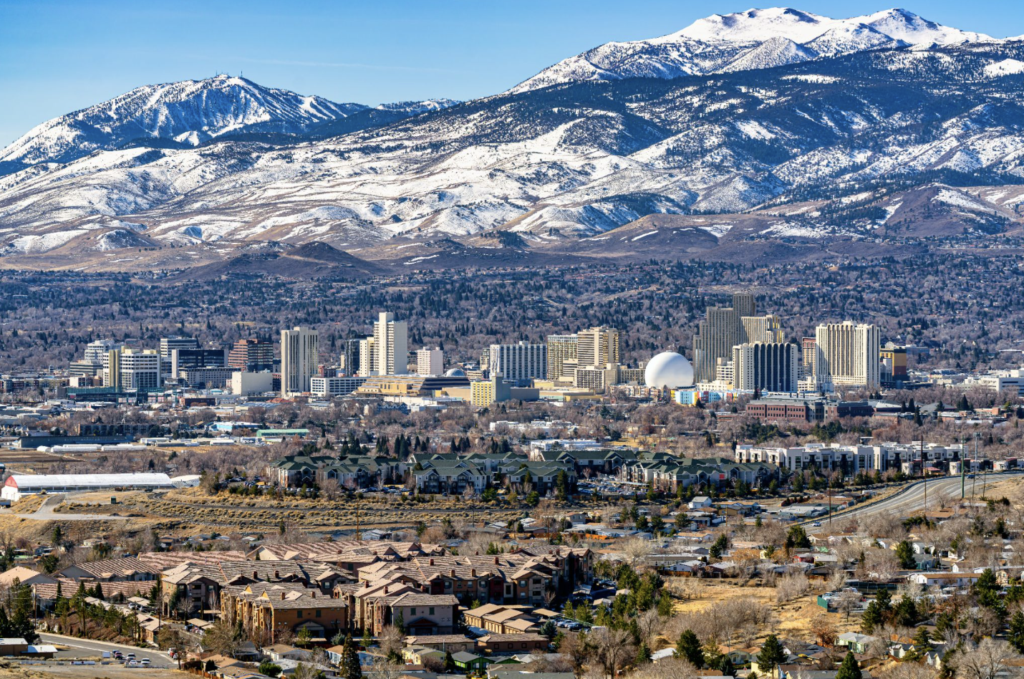
During the public hearing phase, which took place in late 2023 and early 2024, the local government received a surge of informed testimony. Observers noted that the statements provided by community members were uncharacteristically technical and supportive. Rather than focusing solely on abstract climate goals, advocates highlighted the specific safety benefits of LFP technology and the necessity of grid resilience in the face of increasingly frequent heatwaves in the Great Basin. This organized presence at public hearings provided local decision-makers with the political cover necessary to approve a large-scale industrial project in a timely manner.
Economic Impact and Regional Development
The economic implications of the Trego BESS project extend beyond the immediate energy sector. Financial modeling for the project suggests a substantial injection of capital into the Washoe County economy. Industry benchmarks for projects of this scale indicate that battery energy storage systems can generate approximately $14 million in economic activity for every 5 megawatts of capacity over their lifecycle. For a 200-megawatt installation like Trego, this translates to a potential economic contribution of several hundred million dollars, including direct construction jobs, long-term maintenance roles, and tax revenue for local infrastructure and schools.
Furthermore, the project aids in lowering long-term energy costs for Nevada consumers. By storing cheap solar energy and deploying it when market prices are highest, the Trego system helps to flatten price volatility on the wholesale market. This is particularly relevant given Nevada’s Renewable Portfolio Standard (RPS), which mandates that 50% of the state’s electricity come from renewable sources by 2030. Infrastructure like the Trego BESS is a prerequisite for meeting these legal requirements without compromising grid reliability.
Addressing the "Permitting Gap" and Local Opposition
One of the most significant hurdles to the global clean energy transition is the "permitting gap"—the delay between the financing of a project and its eventual construction due to local regulatory hurdles and community opposition. In many jurisdictions, the fear of the unknown regarding newer technologies like battery storage leads to moratoriums or restrictive zoning laws.
In Reno, the advocacy of Dr. Nolin and her peers served to demystify the technology. Dr. Nolin acknowledged that she initially held questions regarding the safety and necessity of the Trego site. However, through rigorous analysis of the project’s use of Lithium Iron Phosphate, she concluded that the risks were manageable and the benefits to the regional ecosystem—specifically the preservation of the Sierra Nevada snowpack through reduced carbon emissions—outweighed the local footprint.
The success in Reno suggests a blueprint for other mountain and outdoor-centric communities. By framing clean energy infrastructure as a means to protect the local environment and recreational economy, advocates were able to shift the narrative from "industrial intrusion" to "climate solution." This shift is vital for the survival of the outdoor industry, which is directly threatened by the shortening winters and rising temperatures associated with climate change.
Broader Implications for Nevada’s Energy Strategy
Nevada is currently positioned as a leader in the American energy transition, thanks in part to its vast solar resources and its strategic location as a transmission hub for the West. The approval of the Trego BESS is part of a larger trend in the state to move away from fossil fuel dependence. Nevada’s Governor and state legislature have historically supported policies that encourage the development of the "Lithium Loop," a domestic supply chain ranging from lithium extraction to battery manufacturing and, eventually, storage and recycling.
The Trego project reinforces Nevada’s role in this ecosystem. As more battery systems come online, the state becomes less dependent on energy imports from neighboring California and Arizona. This energy independence is a matter of both economic security and public safety, as the region faces increasing pressure on the grid during extreme weather events. The Trego BESS provides a reliable "black start" capability and frequency regulation, which are technical necessities for keeping the lights on during localized grid failures.
Analysis: The Power of Local Organizing
The Reno win serves as a case study in the efficacy of local government participation. While federal policy and international climate agreements set the targets, the actual implementation of the energy transition occurs at the municipal and county levels. The Trego BESS project demonstrates that when scientists, outdoor enthusiasts, and local residents collaborate, they can accelerate the deployment of critical infrastructure.
According to Dr. Nolin, the experience of testifying in favor of the project was "empowering and energizing." This sentiment highlights a psychological shift necessary for large-scale social change: moving from climate anxiety to climate agency. By participating in the administrative process—attending hearings, writing letters to planning commissions, and engaging with technical data—citizens can influence the trajectory of their local energy landscape.
Conclusion and Future Outlook
As the Trego Battery Energy Storage System moves toward its construction and operational phases, it stands as a testament to the power of community-led climate action. The project will provide a tangible benefit to 68,000 households, ensuring that the clean energy generated by Nevada’s sun is not wasted but utilized to power daily lives safely and affordably.
For the rest of the United States, the Reno experience provides a clear lesson: the clean energy transition requires more than just technological innovation; it requires a new form of civic engagement. Organizations like Protect Our Winters are now looking to replicate the Reno model in other regions, providing "Clean Energy Toolkits" to help citizens navigate the complexities of local advocacy. As the nation continues to grapple with the dual challenges of energy security and climate change, the success of the Trego BESS in Nevada offers a scalable and hopeful path forward. The project confirms that when communities show up to support the infrastructure of the future, the transition to a clean energy economy becomes not just a possibility, but a reality.
