

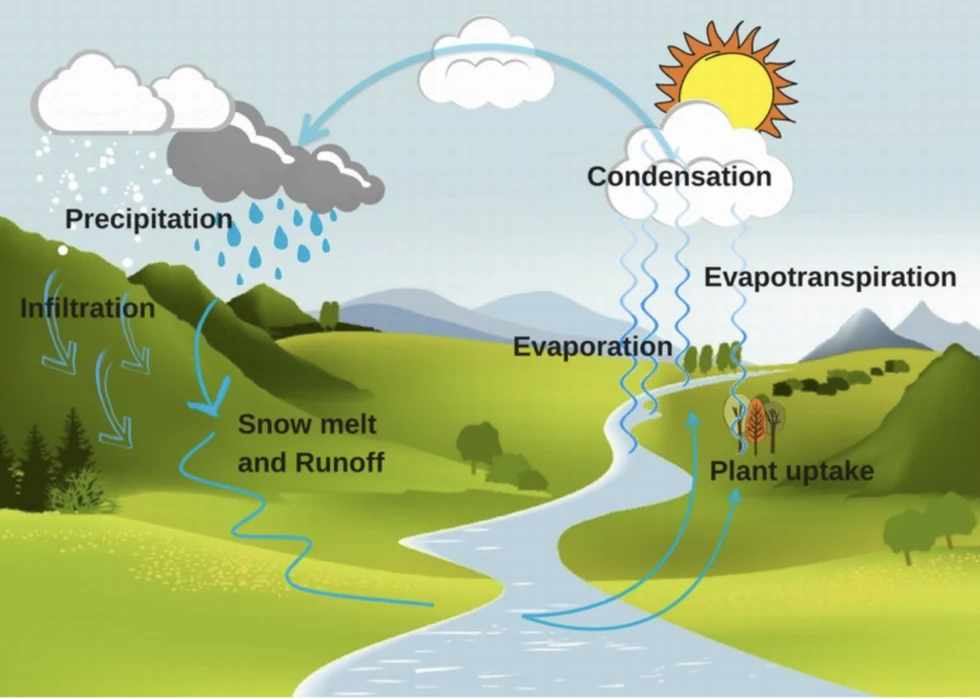
The 2025-2026 winter season across the Western United States has emerged as a definitive case study in the volatility of modern mountain climates, characterized by a "hot mess" of record-breaking thermal anomalies and a catastrophic failure of the seasonal snowpack. While winter is traditionally defined by the accumulation of frozen precipitation that serves as a natural reservoir for the arid West, this past year saw a breakdown of the fundamental meteorological recipe required for a healthy snow year. As the region transitions into a precarious spring and summer, environmental scientists and water resource managers are analyzing the data to understand the long-term consequences of a winter that essentially vanished before it truly began.
The Disruption of the Snow Recipe
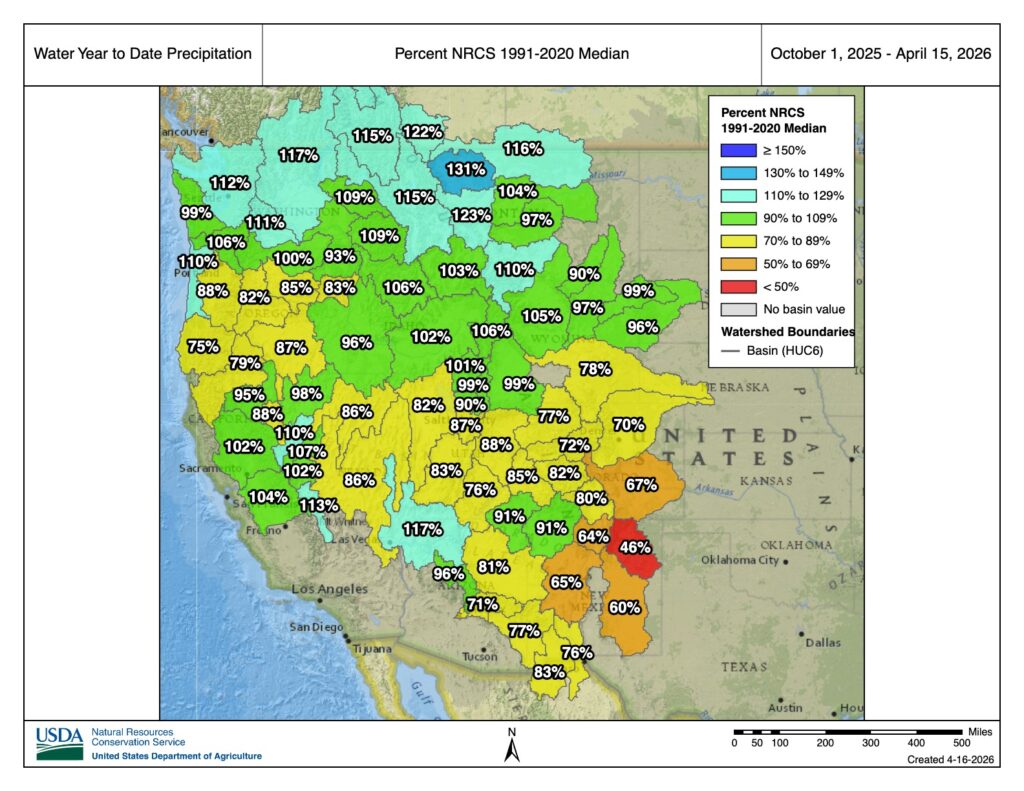
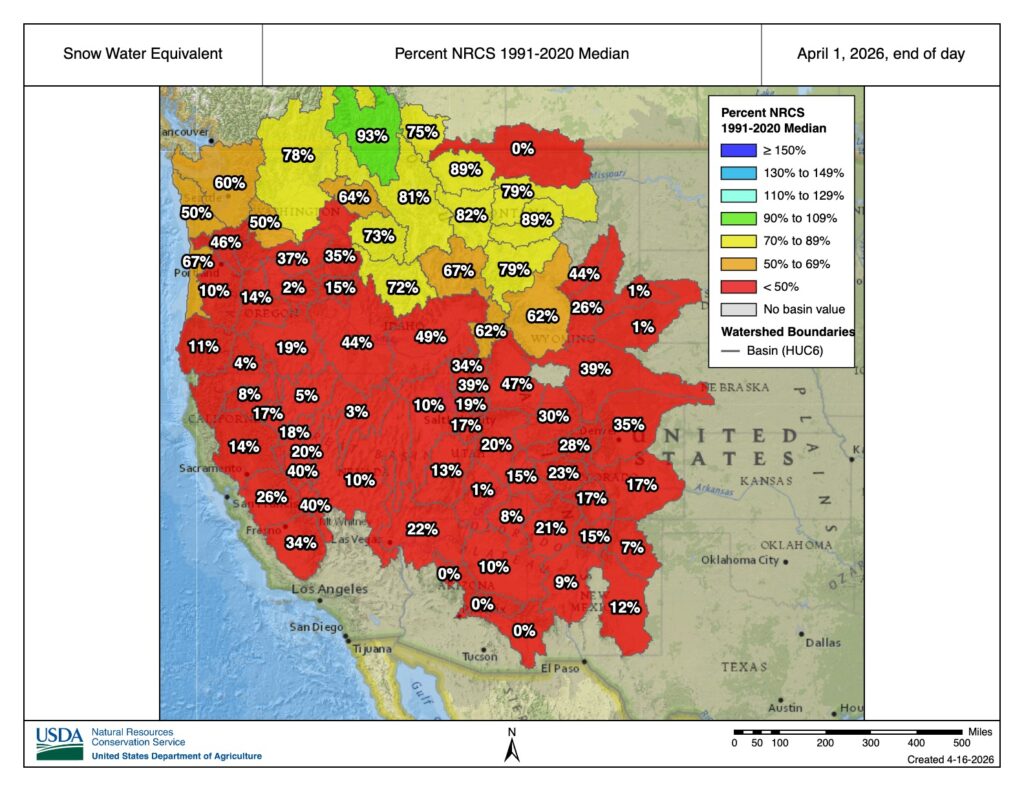
The formation of a robust snowpack requires a precise balance of two primary ingredients: consistent moisture and sustained cold temperatures. According to data provided by the Natural Resources Conservation Service (NRCS), the 2025-2026 water year was not necessarily a failure of precipitation in its liquid form. Across the Pacific Northwest and the Northern Rockies—including Washington, Idaho, Montana, and northwest Wyoming—precipitation levels actually tracked slightly above historical averages. Conversely, Oregon, Utah, and Colorado experienced a drier-than-average season, though not to a degree that would typically signal a total hydrological collapse.
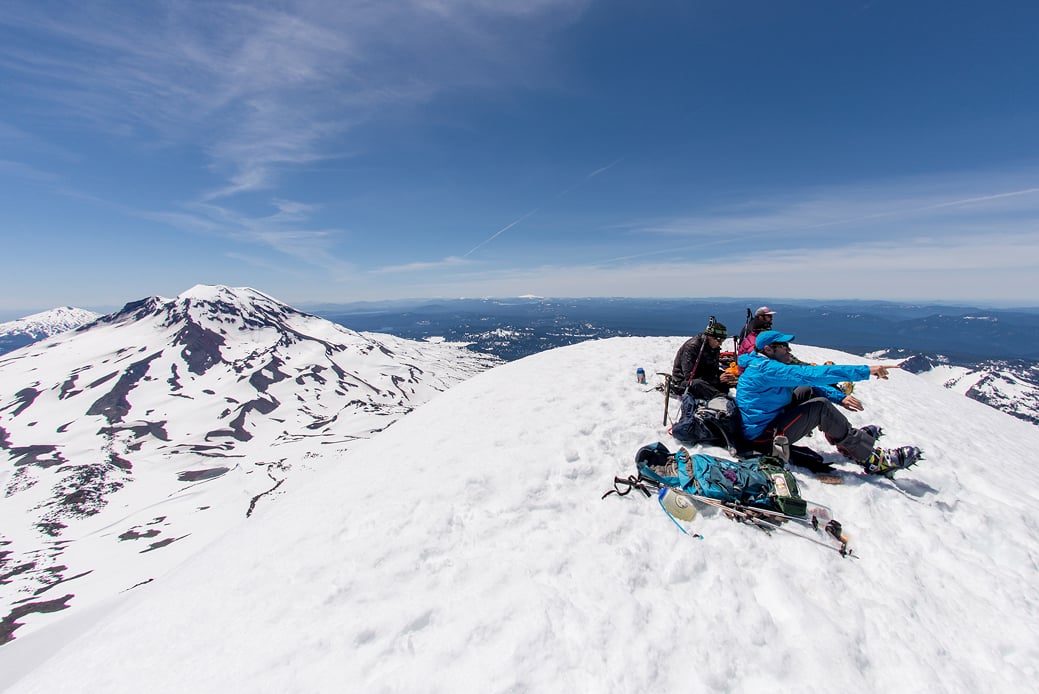
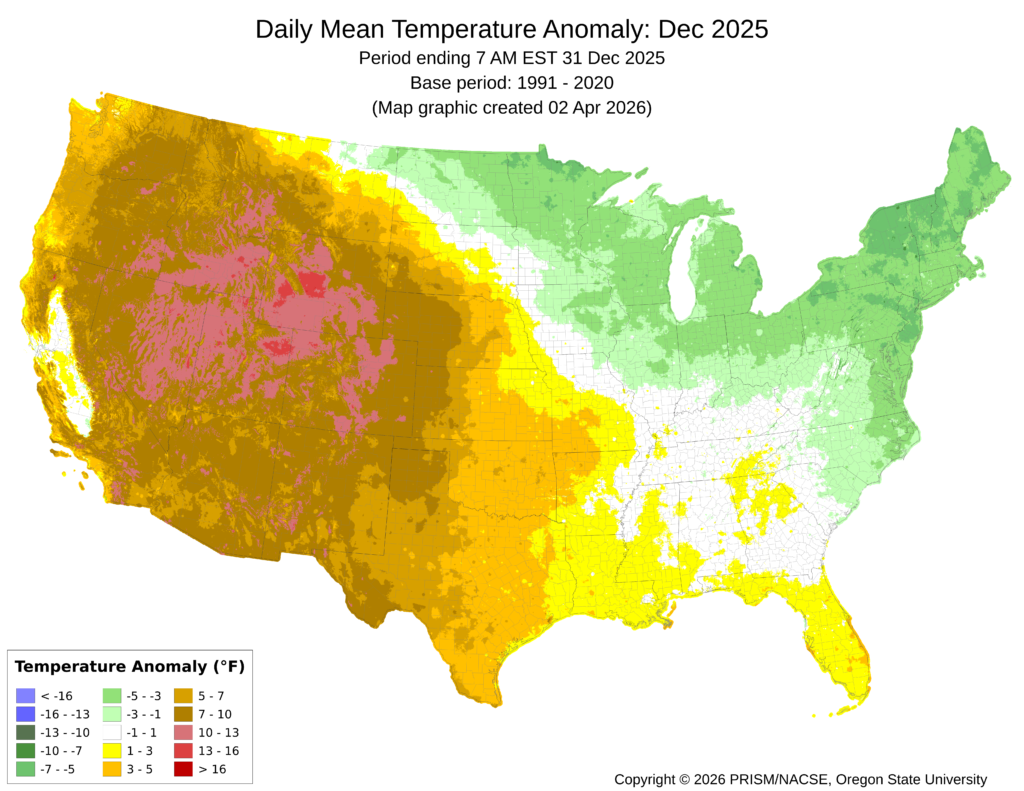
The "smoking gun" for the season’s failure was the unprecedented absence of cold. The entire winter season in the Western United States trended warm, but December 2025 proved to be the most devastating period for snow accumulation. Thermal mapping from the PRISM Climate Group revealed that much of the West experienced temperatures between 5 and 15 degrees Fahrenheit above the long-term average. This thermal anomaly meant that storms which would historically have delivered several feet of snow instead arrived as rain, or resulted in "wet" snow that melted almost immediately upon contact with the saturated ground.
Chronology of a Fading Winter
The 2025-2026 season was defined by a series of "shifted goalposts" for outdoor enthusiasts and industry stakeholders alike. In a typical year, the Thanksgiving holiday serves as the soft opening for the ski industry, with the New Year’s holiday marking the establishment of a solid base. However, as December’s record warmth persisted, resort operators were forced to delay openings.
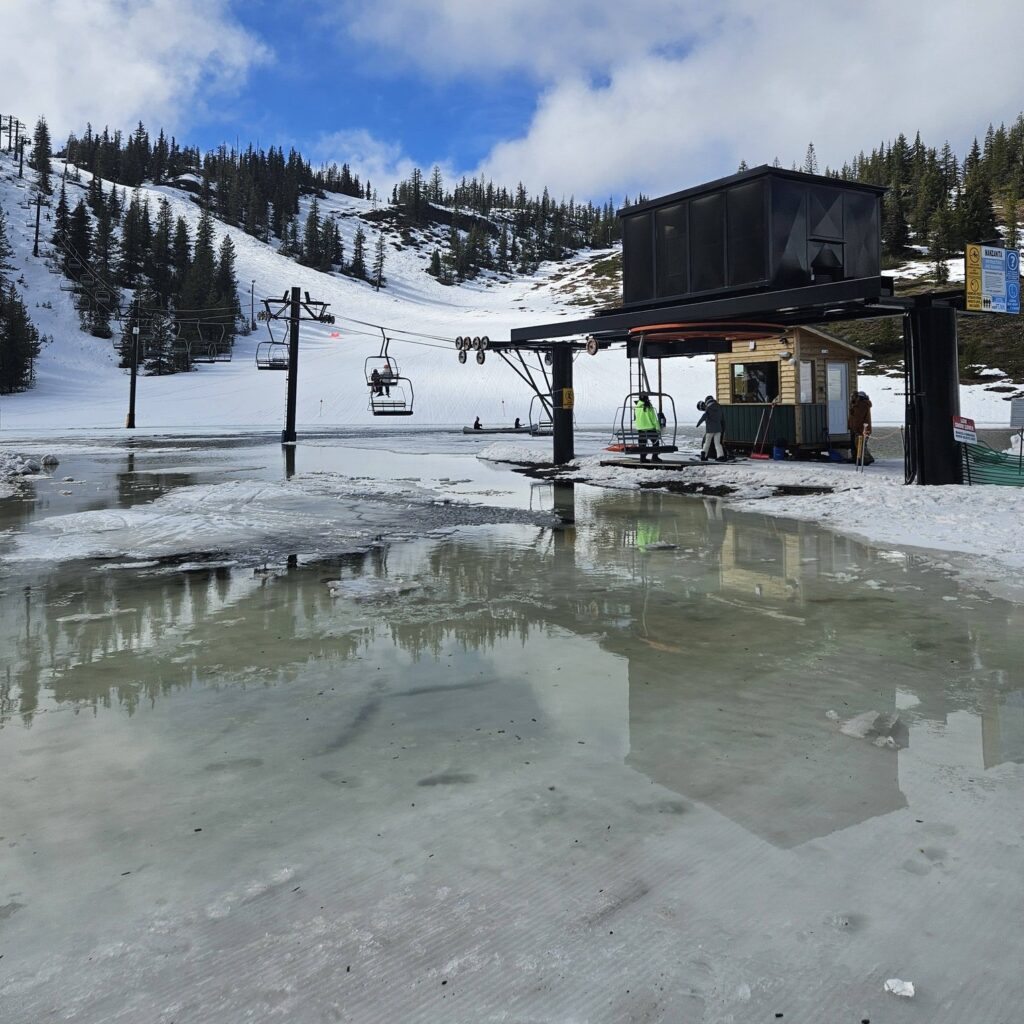
By early January, the industry hoped for a mid-winter recovery. The target for a "season takeoff" was moved to Martin Luther King Jr. Day weekend, then to President’s Day weekend in February. In many regions, the significant snowfall required to open high-elevation terrain did not arrive until Spring Break, by which time the solar angle was already high enough to accelerate melting. This delay created a "low tide" environment where ski resorts were forced into a cycle of opening, pausing operations, and reopening, only to face early closures as the snowpack failed to stabilize. At locations like the Hoodoo Ski Area at Santiam Pass in Oregon, the lack of snow was so pronounced that mid-March saw "unscheduled pond skims," where skiers were forced to navigate standing water on what should have been active runs.
The April 1 Benchmark and the Vanishing Snowpack
In the field of hydrology, April 1 is the critical benchmark used to measure "peak snow" in the mountains. This date represents the point at which the snowpack is typically at its maximum volume before the spring melt begins in earnest. The 2025-2026 data for Snow Water Equivalent (SWE)—the amount of liquid water contained within the snow—was staggering. In many observation stations across the West, April 1 SWE values were a tiny fraction of the long-term average.
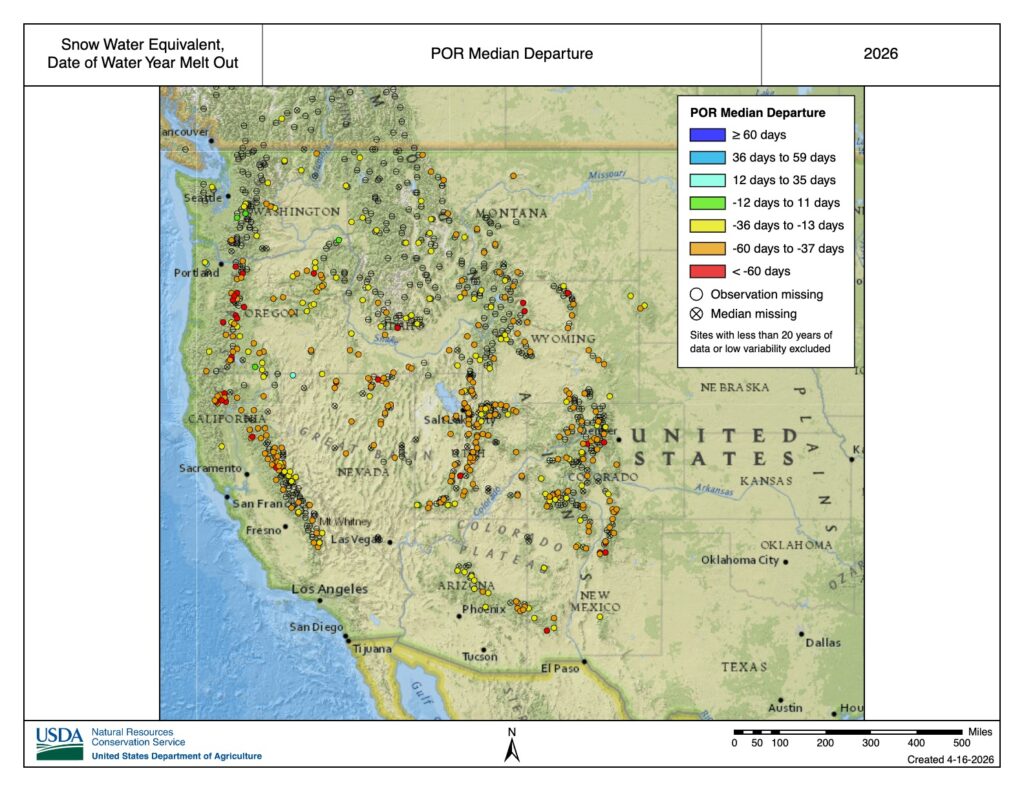
The severity of the decline was highlighted by the "snow-off" dates, which mark the point when a monitoring station records zero snow on the ground. In a normal cycle, snow remains at high elevations well into June or July. However, in 2026, many stations posted the worst peak values in 45 years. The melt-out occurred not just days or weeks early, but months ahead of schedule. Large swaths of the Cascades and the Sierra Nevada saw their snow disappear by mid-April, leaving the landscape vulnerable to early-season drying and increased fire risk.
The Global Context of Water Scarcity
To understand why a poor snow year in the Western United States is a matter of national security and economic stability, one must look at the broader distribution of water on Earth. While the planet is often called the "Blue Marble," the amount of accessible freshwater is remarkably small. If all the water on Earth were gathered into a single sphere, its diameter would be only 10% of the Earth’s diameter, or 40% of the Moon’s.
The vast majority of this water is salt water in the oceans or locked in deep underground aquifers and polar ice caps. Less than one-hundredth of one percent of the Earth’s total water is readily available to support human life, agriculture, and industry. On average, the land surfaces of Earth receive about one meter of rain per year, which equates to roughly 13,000 gallons per person, per day. However, this water is rarely where it is needed, when it is needed.
The primary challenge for Western states is the mismatch between winter supply and summer demand. The region relies on a sophisticated network of infrastructure—canals, aqueducts, and reservoirs—to store winter precipitation for use during the dry summer months. While these man-made structures are vital for keeping taps flowing and crops growing, they are ultimately secondary to the most important reservoir in the West: the seasonal snowpack.
The Natural Reservoir: Snow vs. Infrastructure
The "superpower" of snow lies in its ability to act as a distributed, slow-release reservoir. As snow accumulates in the high country throughout the winter, it effectively stores billions of gallons of water at high elevations without the need for dams or artificial containers. This water is then released gradually during the late spring and early summer as temperatures rise.
This "lagged" runoff provides several critical ecosystem services:
- Flood Mitigation: By holding water in frozen form, the snowpack prevents massive pulses of runoff from reaching valleys all at once during winter rain events.
- Ecosystem Health: The gradual melt ensures that mountain streams remain cool and well-oxygenated through the summer, which is essential for the survival of salmon, trout, and other aquatic species.
- Agricultural Stability: Farmers rely on the "predictable" melt of the snowpack to fill irrigation canals during the peak growing season.
The scale of this natural storage is immense. Estimates suggest that the amount of water stored as snow in the contiguous United States at its peak is approximately five times the capacity of Lake Mead, the largest man-made reservoir in the country. When the snowpack fails, as it did in the 2025-2026 season, the "insurance policy" for the region’s water supply is effectively cancelled.
Regional Crisis: The Colorado River Basin
The implications of a failed snow year are perhaps most visible in the Colorado River Basin. For years, the basin has struggled with a "structural deficit," where the demand for water by municipalities and agricultural interests in states like California, Arizona, and Nevada exceeds the river’s annual flow. This has led to a steady and alarming decline in the water levels of Lake Mead and Lake Powell.
In the wake of the 2025-2026 season, the conversation among water managers has shifted from long-term planning to immediate crisis management. Without the "buffer" provided by a healthy snowpack, the strain on the reservoir system becomes unsustainable. The lack of runoff necessitates increasingly urgent negotiations regarding water allocations, with the potential for mandatory cuts to agricultural usage and urban water restrictions.
Scientific Analysis and Future Outlook
Dr. David Hill, a professor at Oregon State University and a National Geographic Explorer, notes that while the 2025-2026 season was an extreme outlier, it fits into a broader, more concerning trend. Snow is inherently unpredictable, characterized by "boom or bust" cycles. However, these massive year-to-year variations are now occurring against a backdrop of long-term climatic warming.
The "long game" reveals that snow is dwindling in both volume and duration across many parts of the West. While a record-breaking "feast" year may follow a "famine" year, the baseline is shifting. The thermal thresholds that determine whether a storm brings life-sustaining snow or erosive rain are being crossed with increasing frequency.
The psychological impact of such a season is also significant. For communities that built their economies and identities around winter—ski towns, backcountry guides, and winter tourism hubs—the 2025-2026 season felt like a period of mourning. The "disappointment, grief, and anger" expressed by those in the industry are reflections of a changing relationship with the environment.
Conclusion: Preparing for a Lean Summer
As the Western United States moves into the summer of 2026, the focus shifts toward conservation and adaptation. The early melt-out means that soil moisture levels are already dropping, and the "cooling" effect of mountain runoff will dissipate much earlier than usual. This creates a feedback loop that can lead to higher temperatures and increased evaporation from existing reservoirs.
The 2025-2026 season serves as a stark reminder that winter is not merely a season for recreation; it is the foundation of the West’s hydrological and economic health. While there remains hope that the 2026-2027 season will return to historical norms, the data from this "hot mess" of a year underscores the necessity of rethinking water management in an era of thermal instability. For now, the region must navigate a "glass half full" reality—hoping that next year, that glass is filled with snow rather than the premature rain of a vanishing winter.
