

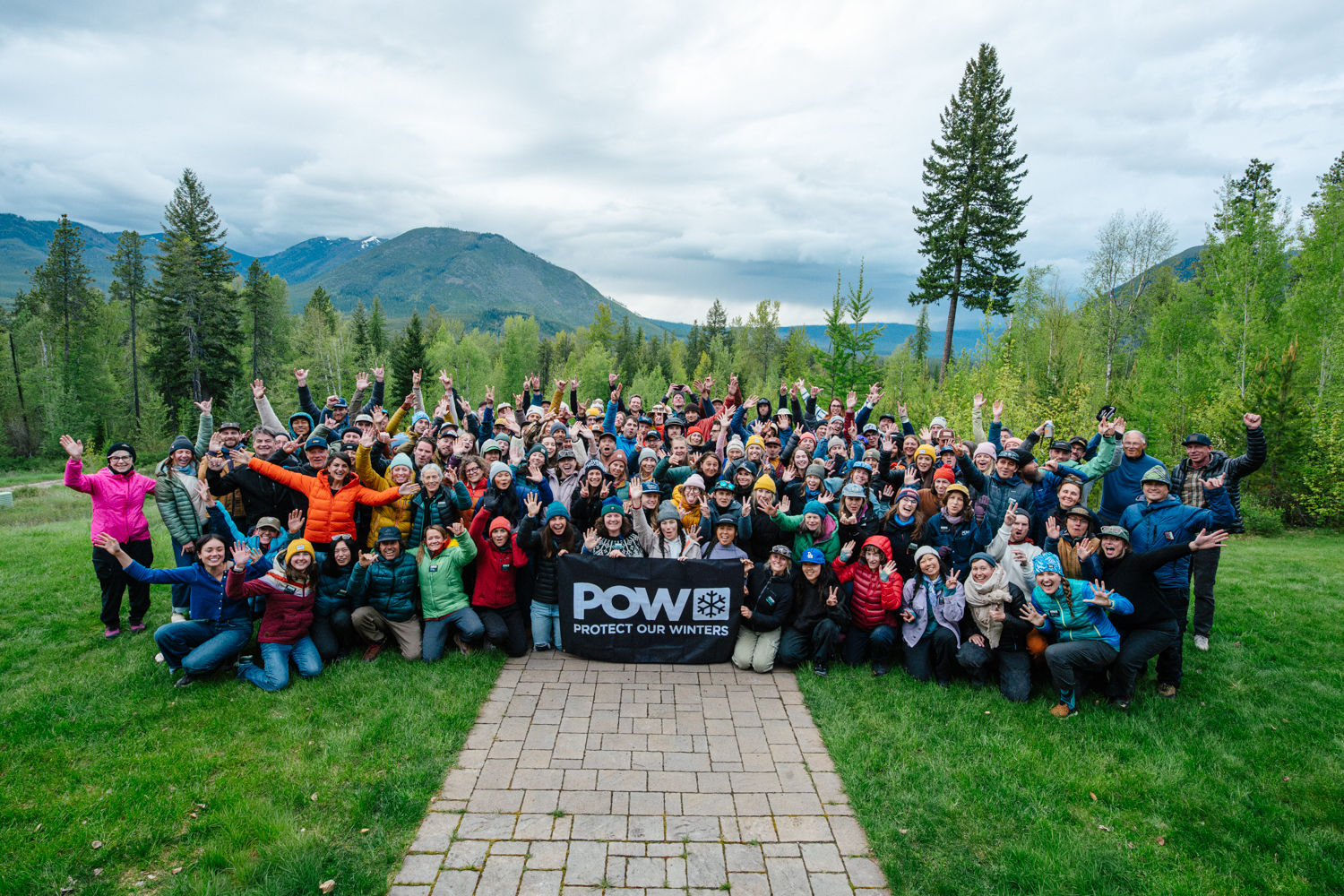
Protect Our Winters, a non-profit social advocacy organization founded in 2007 by professional snowboarder Jeremy Jones, has significantly shifted its operational strategy to focus on localized grassroots engagement through its newly formalized Chapter Program. By deploying dedicated field organizers across key mountain and coastal regions, the organization aims to mobilize the "Outdoor State"—a demographic of approximately 50 million outdoor enthusiasts—to influence climate policy at the municipal and state levels. This transition from high-level federal lobbying to community-based activism reflects a growing recognition within the environmental movement that local energy boards, city councils, and regional planning commissions hold the keys to immediate decarbonization and land conservation.
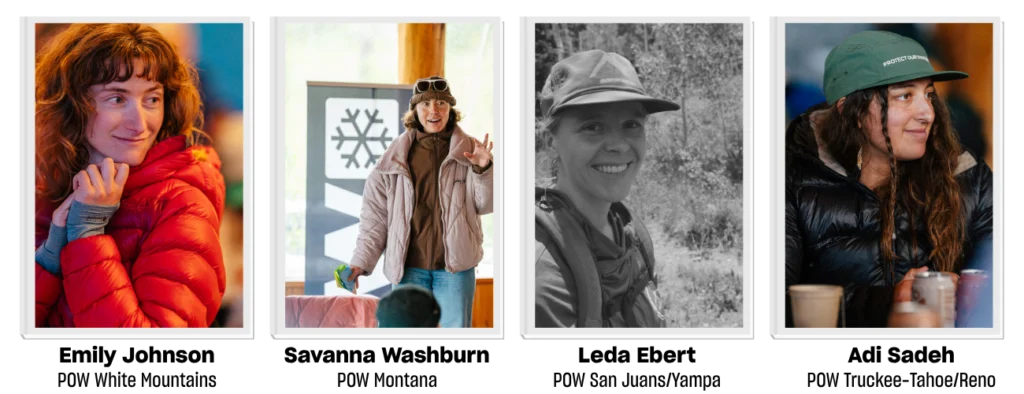
The current roster of field organizers includes Emily Johnson in the White Mountains of New Hampshire, Savanna in Montana, Leda on Colorado’s Western Slope, and Adi in the Truckee-Tahoe/Reno corridor. These individuals serve as the bridge between the adrenaline-fueled world of outdoor recreation and the technical, often bureaucratic, world of local governance. Their roles involve everything from organizing community bike rides to drafting public comments for highly technical energy planning documents. This strategy leverages the deep personal connection outdoor athletes have with their environments to overcome the "apathy gap" often found in civic engagement.
The Economic and Environmental Context of the Outdoor State
The impetus for this localized expansion is rooted in the significant economic weight of the outdoor recreation industry. According to data from the U.S. Bureau of Economic Analysis (BEA), the outdoor recreation economy accounted for $1.1 trillion in economic output in 2022, representing 2.2% of the U.S. Gross Domestic Product (GDP). This sector supports nearly five million jobs and is growing faster than the overall U.S. economy. Despite this economic power, the "Outdoor State" has historically been underrepresented in local political decision-making, a vacuum that Protect Our Winters (POW) seeks to fill.
The environmental stakes are equally high. Climate data indicates that snowpacks in the Western United States have declined by approximately 20% since the mid-20th century, a trend that threatens the viability of the multi-billion dollar winter sports industry. In New England, the ski season is projected to shorten significantly by 2050 without aggressive climate intervention. By organizing in these specific "at-risk" geographies, POW is positioning its advocacy where the impacts of climate change are most visible and where the economic incentives for protection are strongest.
Profiles in Localized Advocacy
The effectiveness of the Chapter Program relies on organizers who are native to or deeply embedded in their respective regions. Emily Johnson, based in the White Mountains, emphasizes the "collective power of the many" to challenge industrial interests. Her work in New Hampshire focuses on rural electric cooperatives, which often operate with little public oversight but control the energy mix for thousands of residents.
In Montana, Savanna addresses the complexities of long-term energy planning. Her recent work centered on NorthWestern Energy’s Integrated Resource Plan (IRP), a 20-year roadmap for energy generation. The plan has faced criticism for its continued reliance on fossil fuels despite corporate pledges to reach net-zero emissions. By hosting community events that combine recreation with public comment workshops, Savanna has successfully translated technical energy policy into an actionable item for local residents.
In Colorado, Leda manages the San Juan and Yampa Valley chapters. Her focus is on building "resilient communities" by engaging in rural electric cooperative elections. These elections are frequently decided by margins as thin as eight votes, highlighting the disproportionate impact that a small, organized group of advocates can have on regional energy policy.
Adi, representing the Truckee-Tahoe and Reno regions, focuses on the intersection of clean energy and voter turnout. Her work in Nevada has already yielded tangible results, including the advancement of the TregoGrid project, which integrated 200 megawatts (MW) of battery storage into the regional grid.
A Chronology of Recent Grassroots Wins
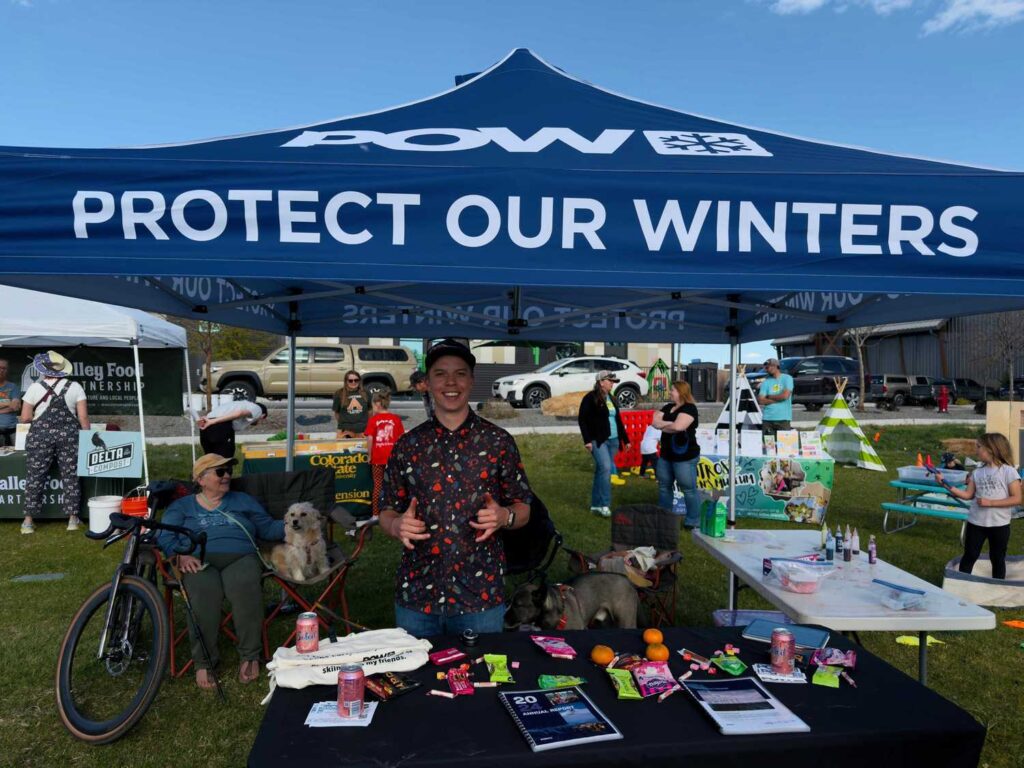
The Chapter Program has recorded a series of tactical victories over the last 18 months that demonstrate the efficacy of the localized model. These wins range from board of directors’ elections to the reversal of moratoria on renewable energy infrastructure.
- New Hampshire Electric Coop (NHEC) Election: In early 2024, the POW Action Fund supported Laurel Boivin’s successful bid for a seat on the NHEC Board of Directors. Boivin, an expert in environmental policy and community relations, represents a shift toward more transparent and sustainable governance in one of the state’s largest utilities.
- La Plata County Battery Storage: In Southwestern Colorado, the POW San Juan Chapter played a pivotal role in lifting a moratorium on Battery Energy Storage Systems (BESS). Local volunteers submitted a wave of public comments emphasizing the necessity of storage for grid reliability and clean energy integration.
- The TregoGrid Advancement: In Nevada, the Reno chapter successfully advocated for the approval of the TregoGrid project. This 200 MW battery storage initiative is considered a cornerstone for Northern Nevada’s decarbonization goals, providing the infrastructure needed to balance intermittent solar and wind power.
- Montezuma and Routt County Initiatives: Currently, POW chapters in Colorado are mobilizing to support clean energy projects totaling nearly 500 MW. These projects are in the critical phase of public comment and environmental review, where local support is often the deciding factor for county commissioners.
Analysis of the Local vs. National Advocacy Gap
The strategic pivot to local advocacy addresses a fundamental flaw in traditional environmental lobbying: the dilution of influence at the national level. National climate fights are often characterized by extreme polarization and high-spending corporate lobbying, making it difficult for individual voices to effect change. Conversely, local advocacy occurs at a scale where personal stories and community presence are highly influential.
As noted by Savanna in Montana, local decisions regarding affordable housing, snow removal, and library funding are often more immediate than federal legislation, yet local elections suffer from chronically low voter turnout. This "turnout gap" presents an opportunity for organized groups like POW. By increasing participation in municipal elections and utility board votes, the Chapter Program can install pro-climate leadership in positions that directly control local carbon footprints.
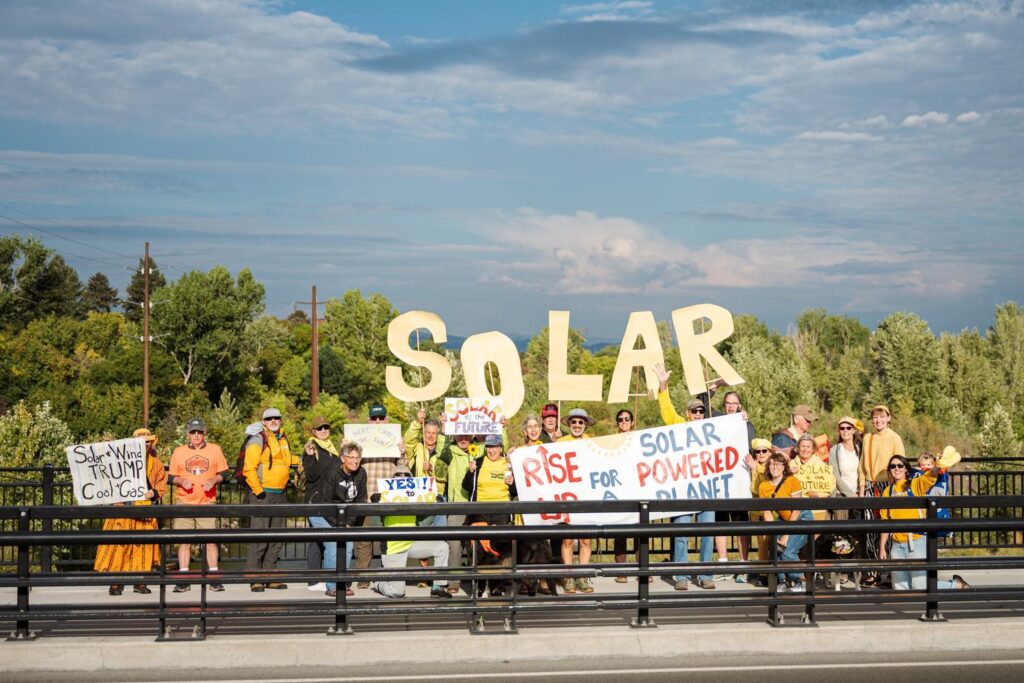
Furthermore, local wins create a "ripple effect." When a town in Nevada successfully integrates large-scale battery storage, it provides a blueprint for neighboring municipalities. This bottom-up approach creates a foundation of "climate-ready" infrastructure and policy that makes federal climate goals more achievable and less susceptible to shifting political winds in Washington, D.C.
Future Projections and Midterm Mobilization
Looking toward the upcoming midterm elections, Protect Our Winters is scaling its "Run to the Polls" initiatives. The organization is focusing heavily on Congressional District 1 in New Hampshire and Congressional District 3 in Nevada, areas where the "Outdoor State" vote is large enough to influence federal representation.
The organizers emphasize that the "first step" for new advocates is often the most difficult. To combat the intimidation factor of town hall meetings, the Chapter Program provides training, resources, and a community framework. The goal is to move the outdoor community from a state of "climate anxiety" to a state of "civic agency."
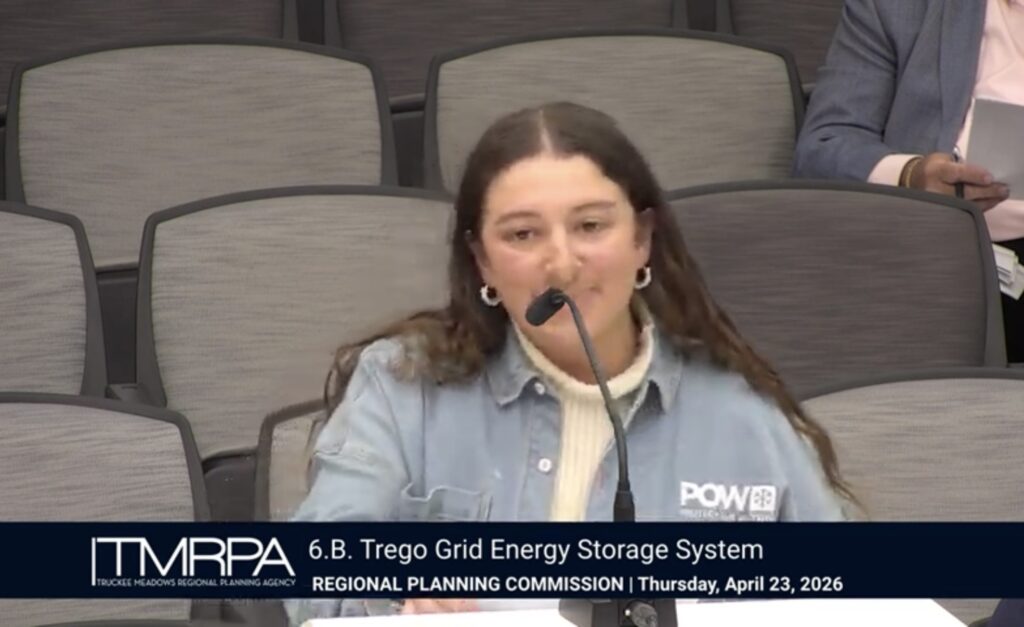
The long-term vision for the Chapter Program is to establish a permanent, year-round presence in every major outdoor hub in the United States. By doing so, POW aims to ensure that the people who most value the natural world are the ones most involved in the technical decisions that will determine its future. As Adi from the Truckee-Tahoe chapter summarized, "Real change starts locally… those efforts create a ripple effect that grows into meaningful change at the state and federal levels."
In an era of global climate uncertainty, the POW Chapter Program offers a pragmatic, data-driven model for environmental protection. By focusing on the "small" fights—utility boards, county commissions, and city councils—they are building a large-scale movement that is both economically grounded and community-focused. The success of these field organizers suggests that the future of climate advocacy may not lie in the halls of Congress, but in the town halls of mountain and coastal communities across the country.
