

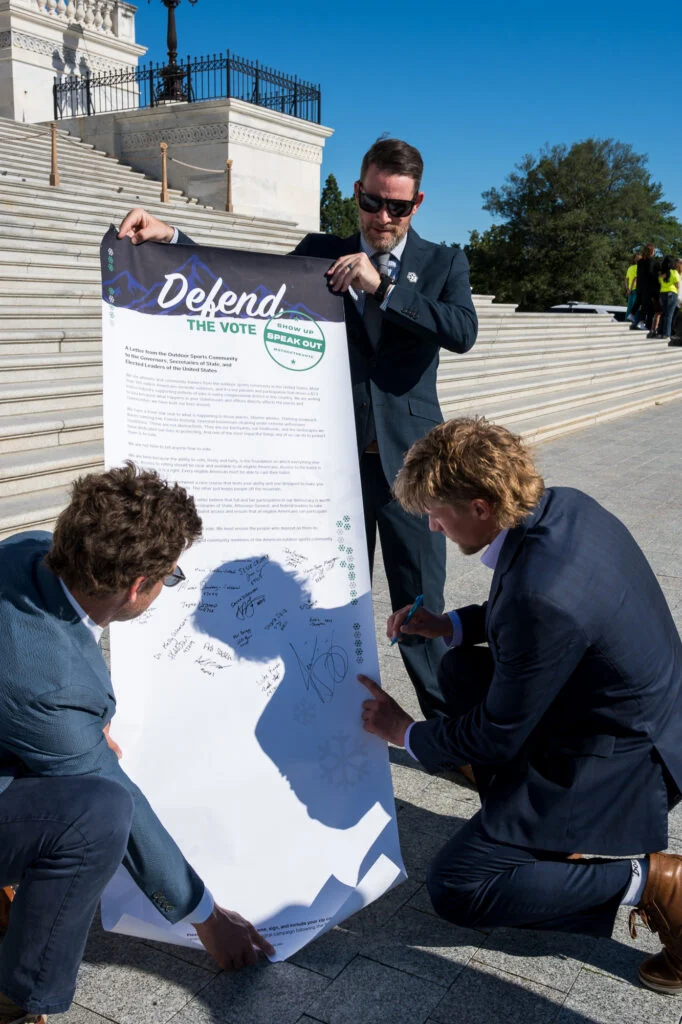
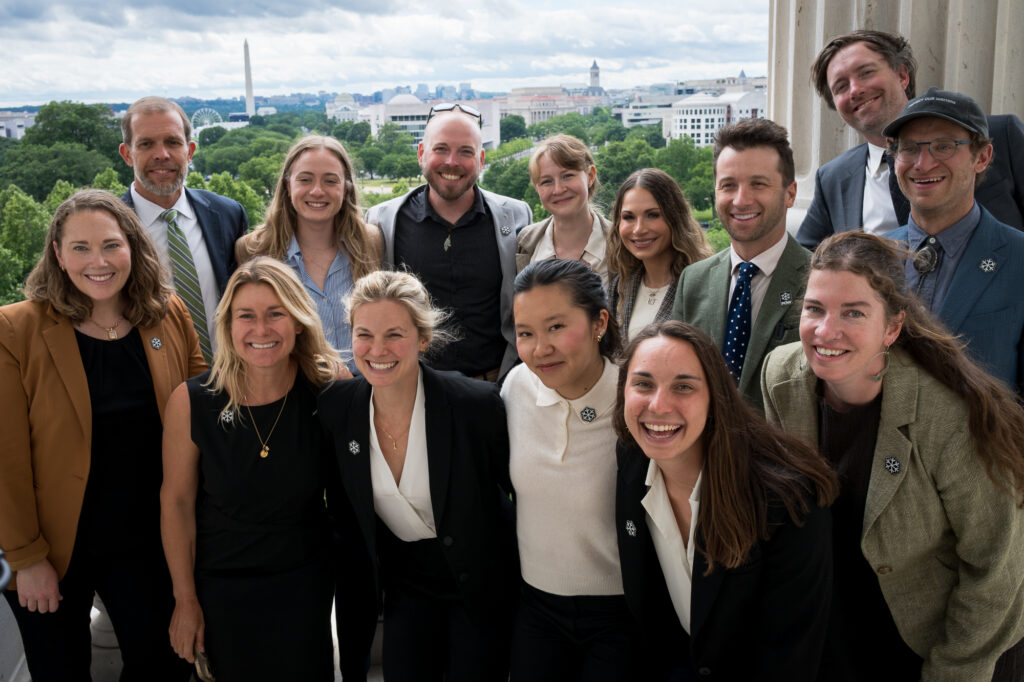
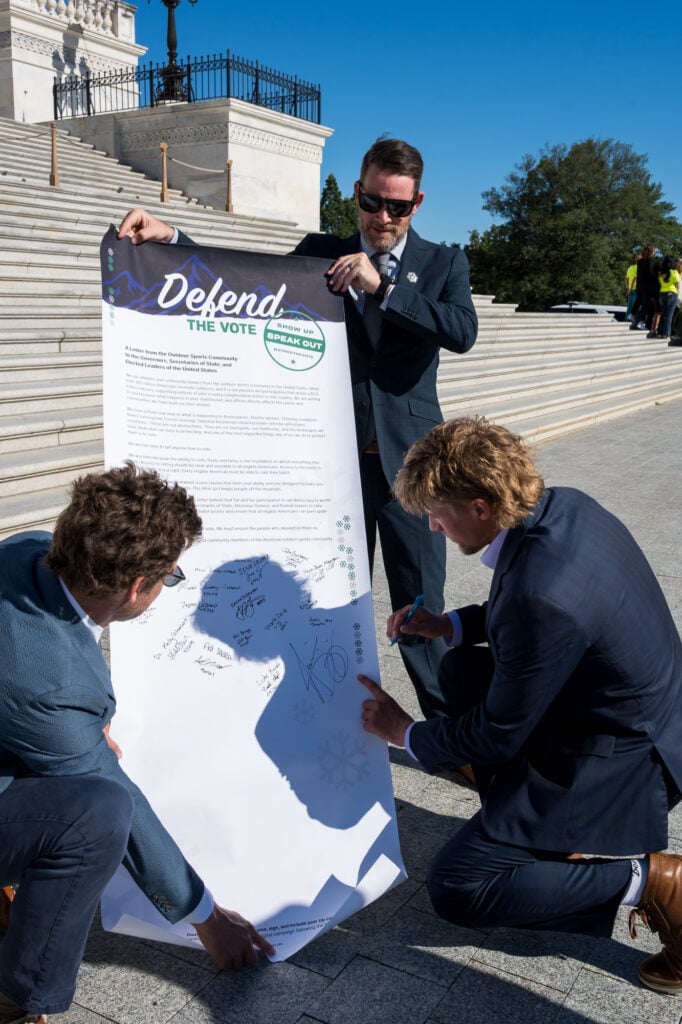
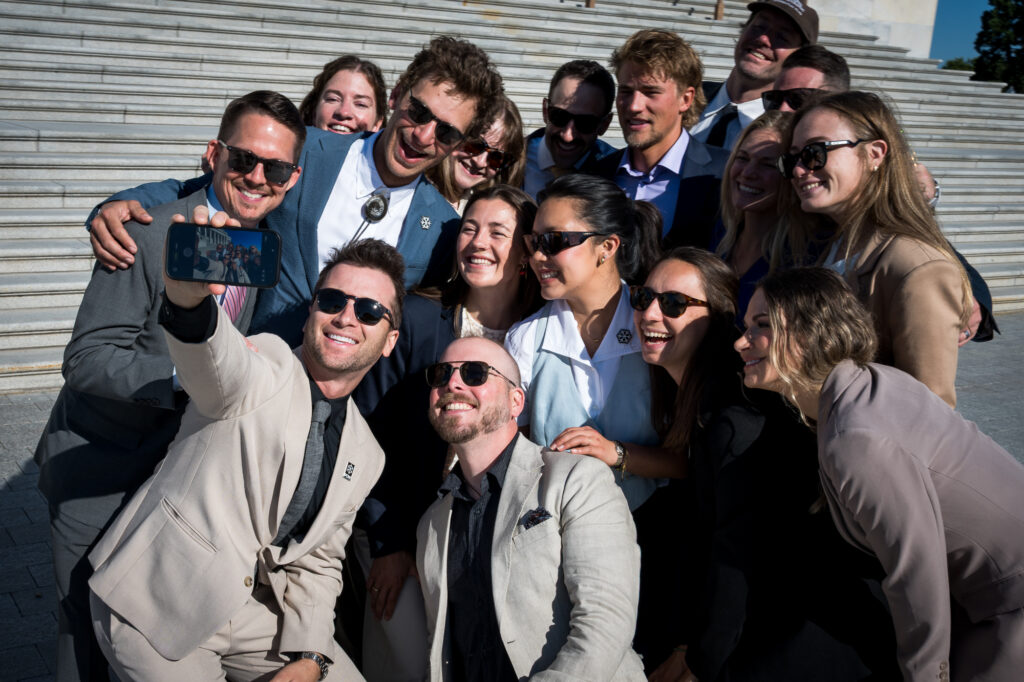
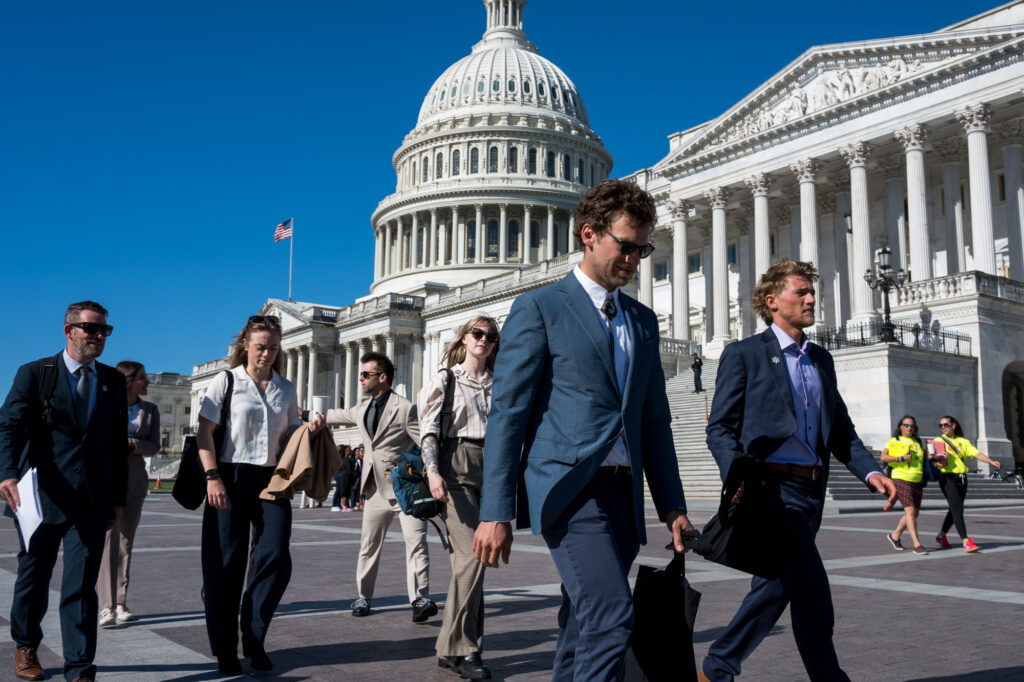
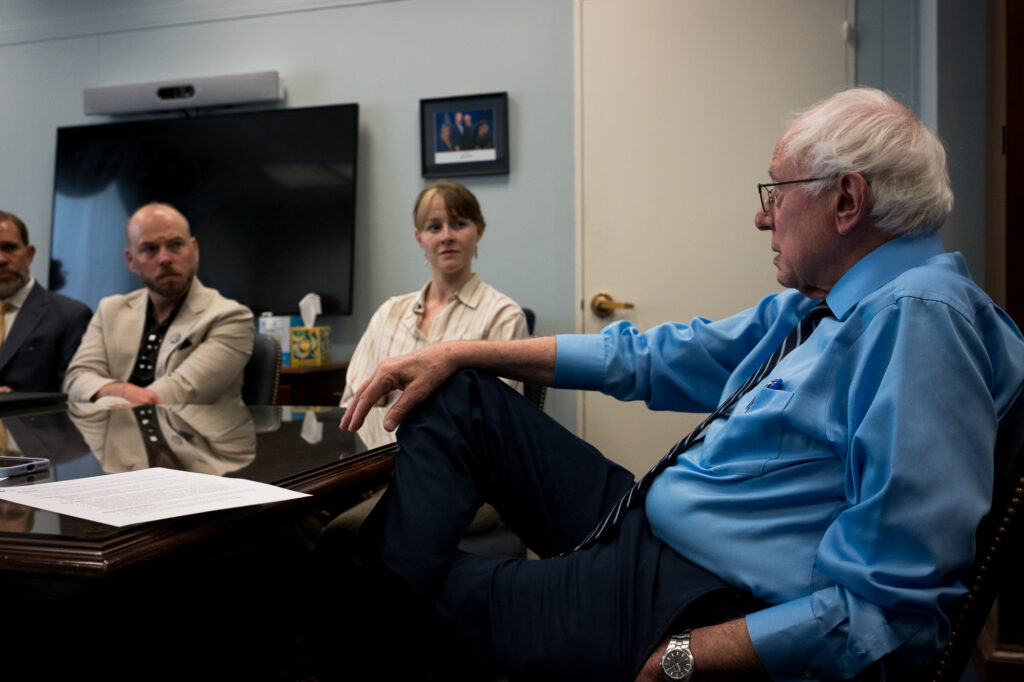
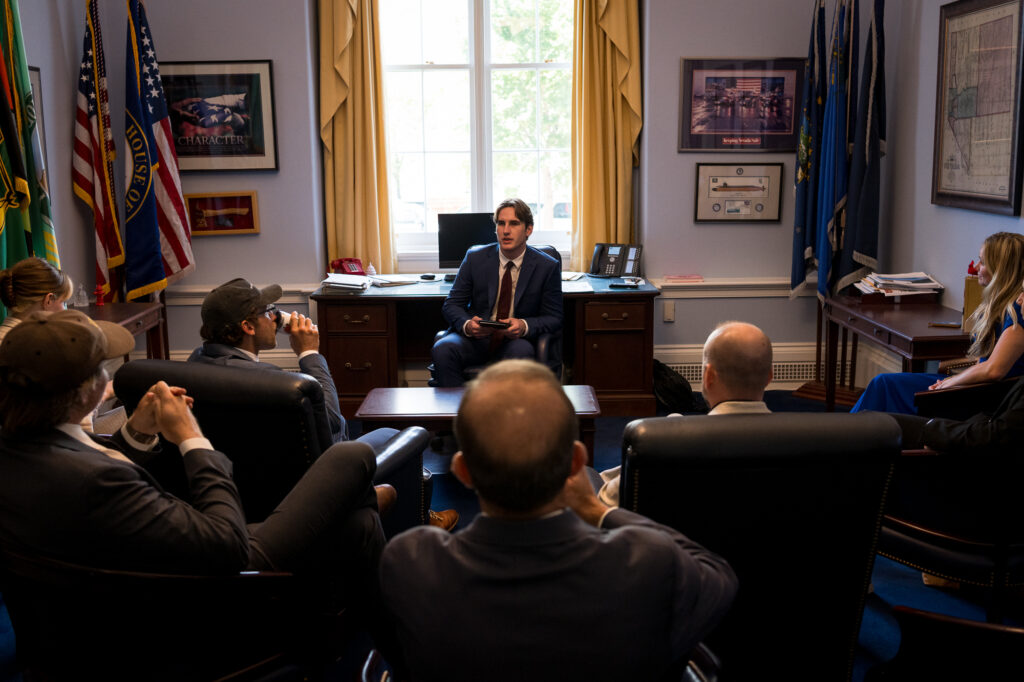
A high-level coalition of 13 Olympic athletes, climate scientists, filmmakers, and outdoor industry leaders, organized by the non-profit advocacy group Protect Our Winters (POW), concluded a two-day legislative mission on Capitol Hill last week. The delegation’s primary objective was to lobby federal lawmakers to halt the systemic deregulation of environmental standards and to protect iconic public landscapes from expanded fossil fuel extraction. Representing what the organization calls the Outdoor State—a massive constituency of outdoor enthusiasts, athletes, and business owners—the group held 38 separate meetings with congressional offices and staff, including 15 Republican and 23 Democratic representatives, as well as key members of the House Natural Resources Committee.
The advocacy push comes at a critical juncture for federal environmental policy. Since early 2025, the executive branch has moved to dismantle or significantly weaken more than 50 core environmental protections. These changes have targeted a wide range of regulations, from emissions standards for heavy industry to the enforcement mechanisms used by the Environmental Protection Agency (EPA). The POW delegation sought to frame these issues not as partisan talking points, but as fundamental threats to public health, the national economy, and the future of the multi-billion-dollar outdoor recreation industry.
Chronology of the Legislative Mission
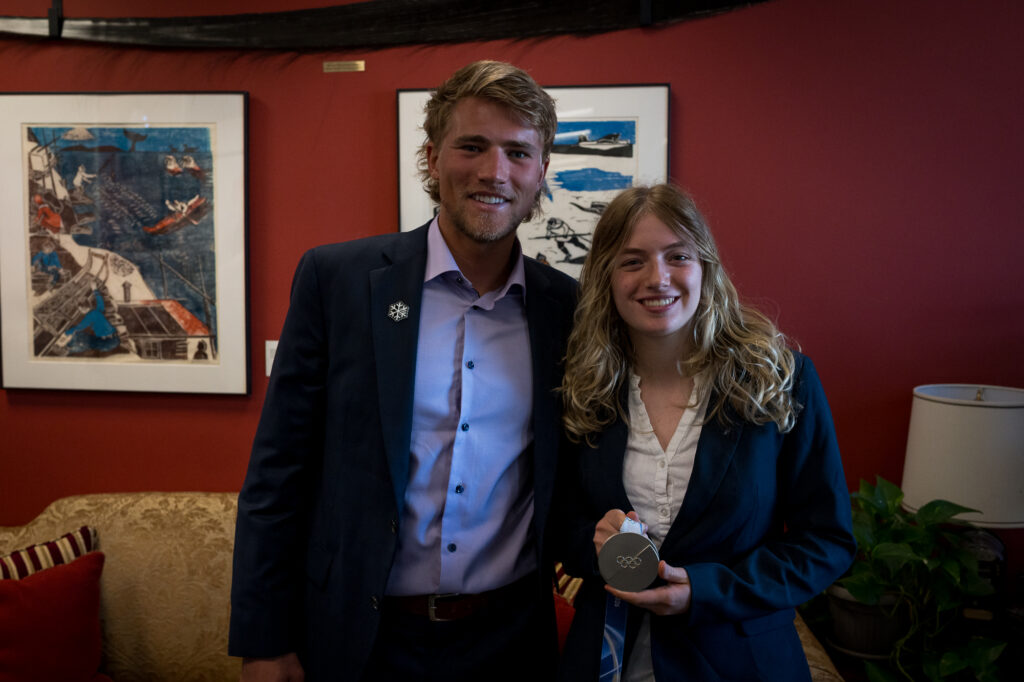
The delegation’s arrival in Washington, D.C., followed months of preparation aimed at identifying key legislative targets and refining a message that would resonate across the political spectrum. The group included decorated Olympians such as cross-country skier Jessie Diggins, freestyle skier Jaelin Kauf, and snowboarder Bea Kim, alongside scientists like Dr. Tracy Fanara and former EPA official Stu Nissenbaum.
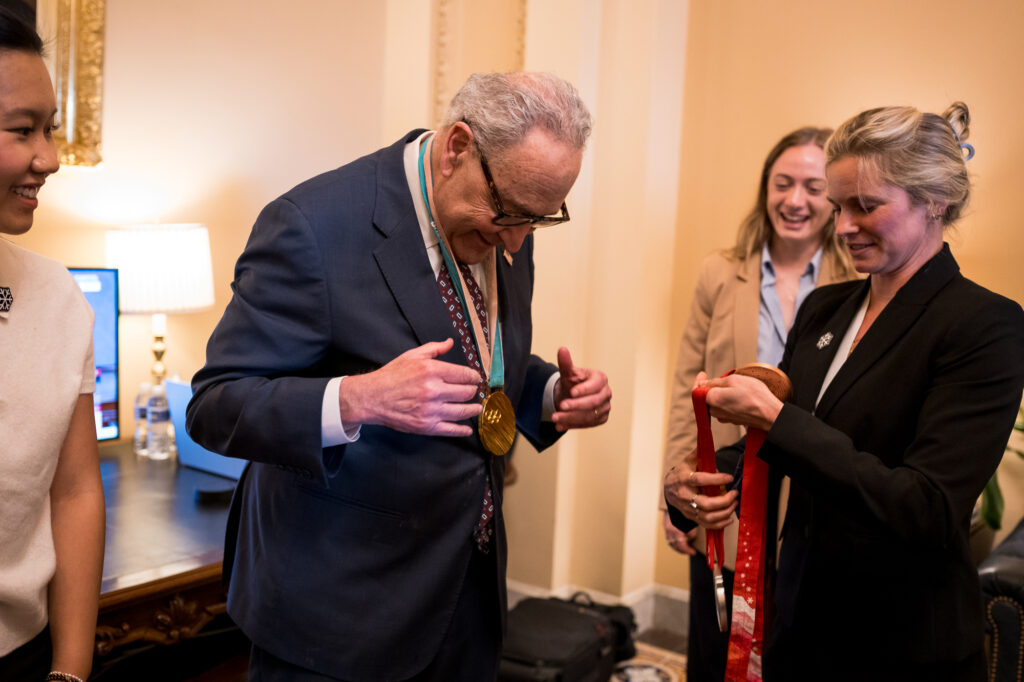
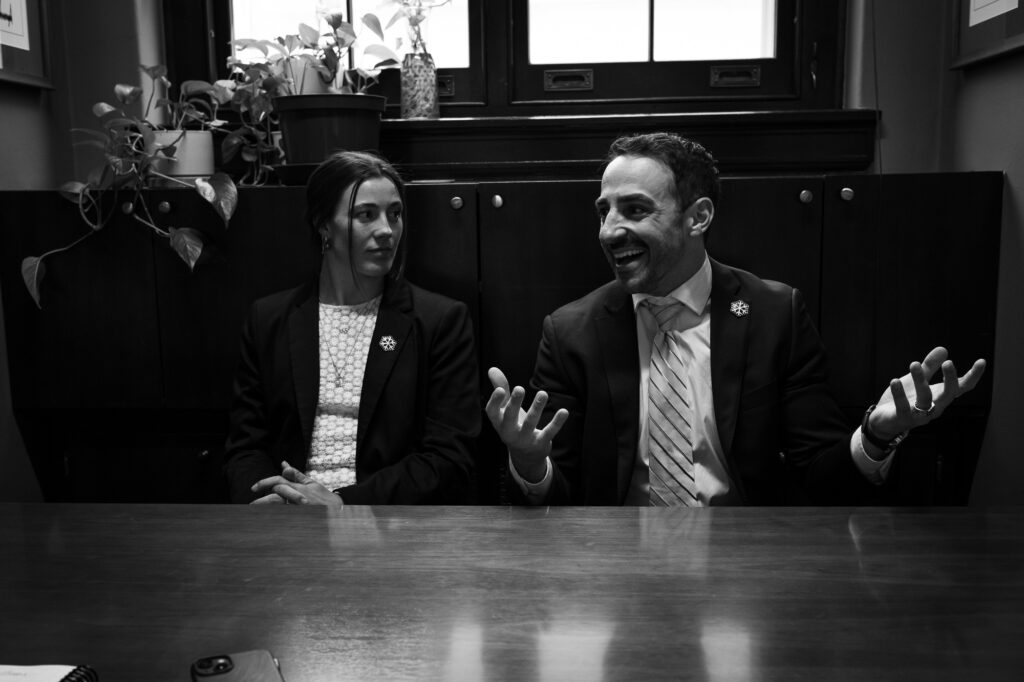
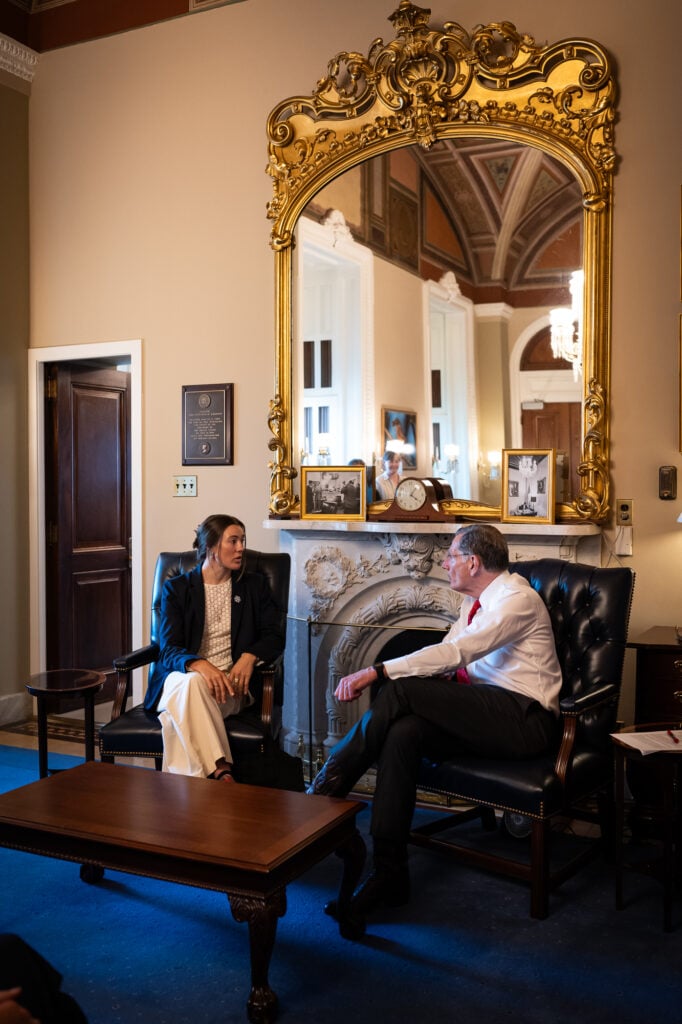
On the first day of the mission, the delegation focused on the House of Representatives, emphasizing the economic importance of the outdoor recreation sector to rural and gateway communities. These meetings were designed to demonstrate that the "Outdoor State" is a politically diverse and economically powerful voting bloc. On the second day, the group moved to the Senate, where they engaged with high-ranking leadership, including Senate Majority Leader Chuck Schumer. Throughout the two-day period, the delegation presented data-driven arguments regarding the impact of climate change on winter sports and mountain economies, often using the athletes’ personal experiences with receding glaciers and shortened snow seasons as primary evidence.
The Push to Restore EPA Authority and Scientific Integrity
A central pillar of the delegation’s platform was the restoration of the EPA’s regulatory mission. Since the beginning of the current administration’s term, critics argue that the agency has been systematically sidelined, with scientific staff being reassigned and enforcement actions hitting historic lows. The POW delegation met with lawmakers to ask for concrete legislative steps to re-establish science-based decision-making within federal agencies.
The presence of Stu Nissenbaum, a former EPA scientist, provided the delegation with technical credibility. During meetings with both Democratic and Republican offices, Nissenbaum detailed the long-term public health risks associated with weakening clean air and water standards. The delegation argued that the EPA’s original mandate—to protect human health and the environment—is a non-partisan necessity. They highlighted that the agency was established under a Republican administration in 1970, underscoring the historical precedent for bipartisan support for environmental oversight.
By focusing on "harmful pollution" and "polluter accountability," the group sought to shift the conversation away from abstract climate theory and toward the tangible realities of community health. They presented evidence that deregulatory actions often lead to increased healthcare costs and lost productivity, particularly in regions where industrial activity overlaps with residential areas.
Defending Public Lands from Fossil Fuel Expansion
The second major focus of the advocacy mission was the protection of public lands, specifically in the face of aggressive new oil and gas leasing initiatives. The Trump administration has moved to open vast tracts of the American West and the Arctic to energy development, a move that POW argues sacrifices long-term ecological stability for short-term industrial gain.
Earlier this year, the Department of the Interior conducted a significant lease sale in the National Petroleum Reserve-Alaska (NPR-A), which resulted in 187 leases covering approximately 1.3 million acres. Following this, the administration moved toward a Coastal Plain lease sale in the Arctic National Wildlife Refuge (ANWR), with bids opening in early June. The POW delegation urged lawmakers to support the Arctic Refuge Protection Act, a piece of legislation designed to provide permanent wilderness designation to the refuge’s Coastal Plain, thereby preventing future industrialization.
The delegation argued that public lands are the backbone of the outdoor economy. According to data from the Bureau of Economic Analysis (BEA), the outdoor recreation economy accounts for $1.1 trillion in gross economic output and supports nearly 5 million jobs. The group emphasized that converting these lands into extraction zones not only threatens biodiversity but also undermines the economic viability of the guides, outfitters, and small business owners who depend on pristine natural environments.
Bipartisan Engagement and the "Bridge" of Public Lands
One of the more notable outcomes of the trip was the degree of engagement from Republican offices. While environmental advocacy is often perceived as a progressive cause, the POW delegation found that public lands served as a rare bridge across party lines. Conversations with conservative lawmakers often focused on the mitigation of climate-driven crises that affect all constituents, regardless of political affiliation, such as increasing wildfire frequency and prolonged drought.
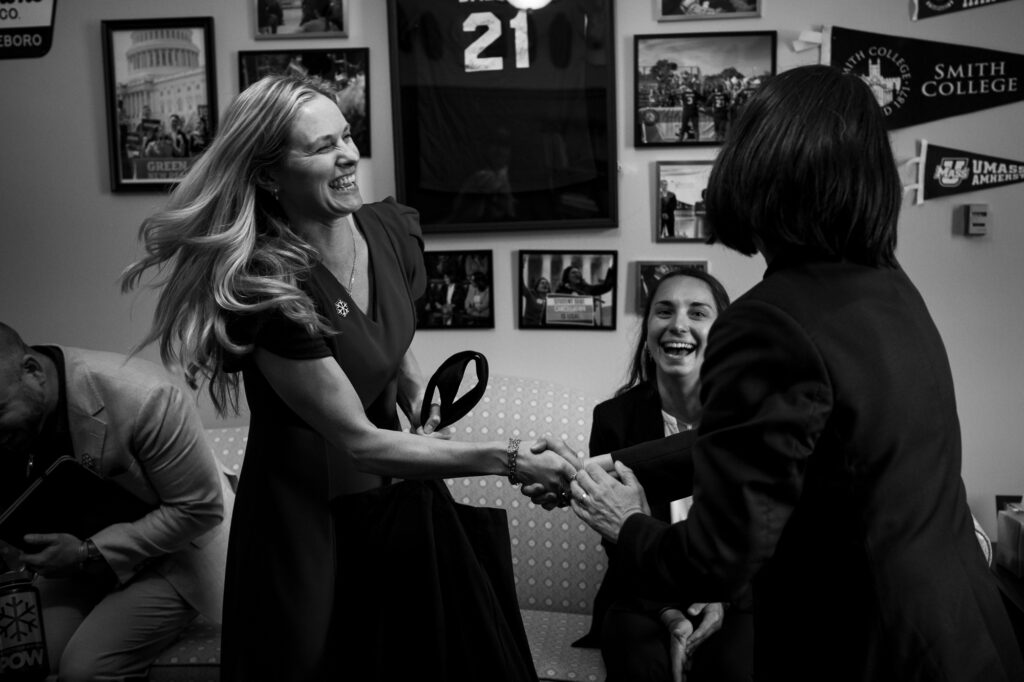
Gus Schumacher, an Olympic cross-country skier and member of the POW Ski Alliance, noted that while different parties may have different approaches to land management, the fundamental value of clean water and air remains a shared priority. This sentiment was echoed by Max Lowe, a filmmaker and member of the POW Creative Alliance, who observed that the slow, deliberate nature of the American legislative process requires patience and a commitment to building long-term relationships with representatives who may not initially see eye-to-eye with advocates.
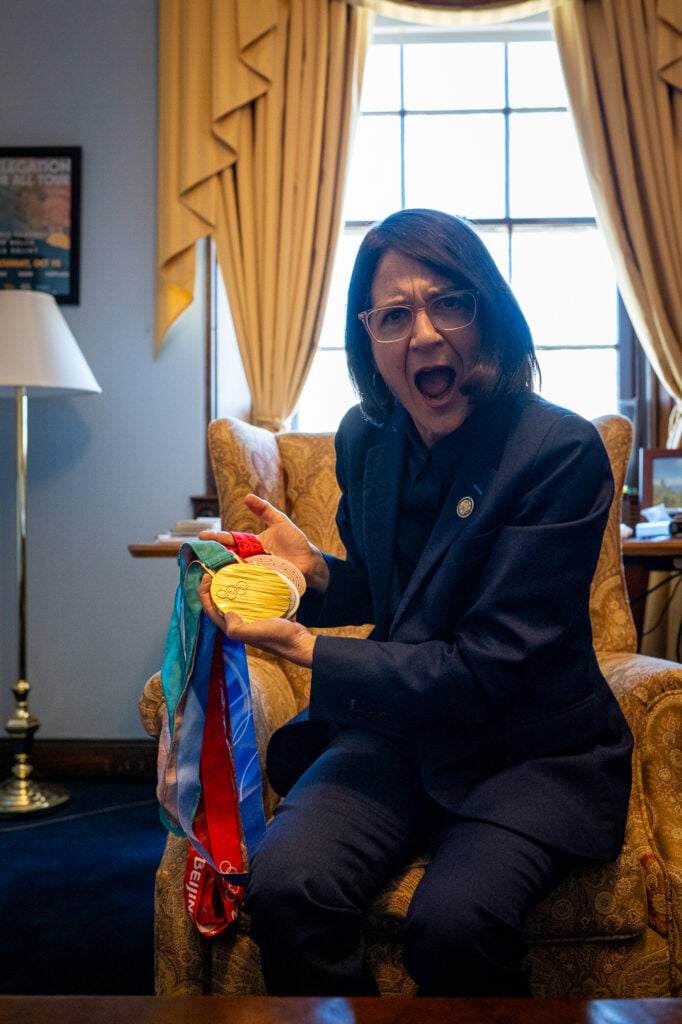
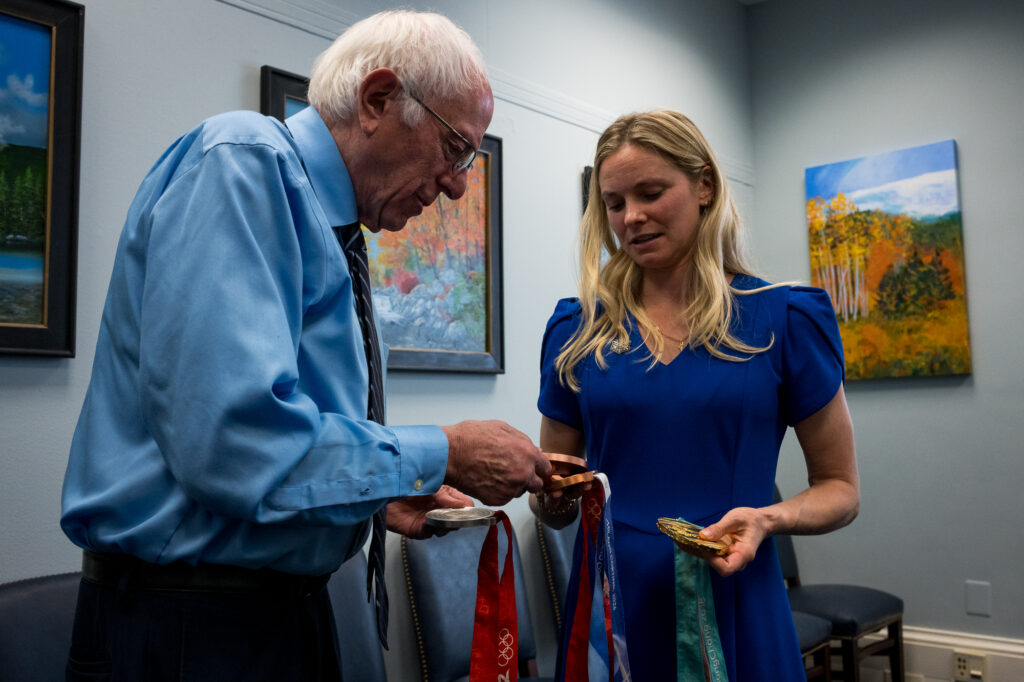
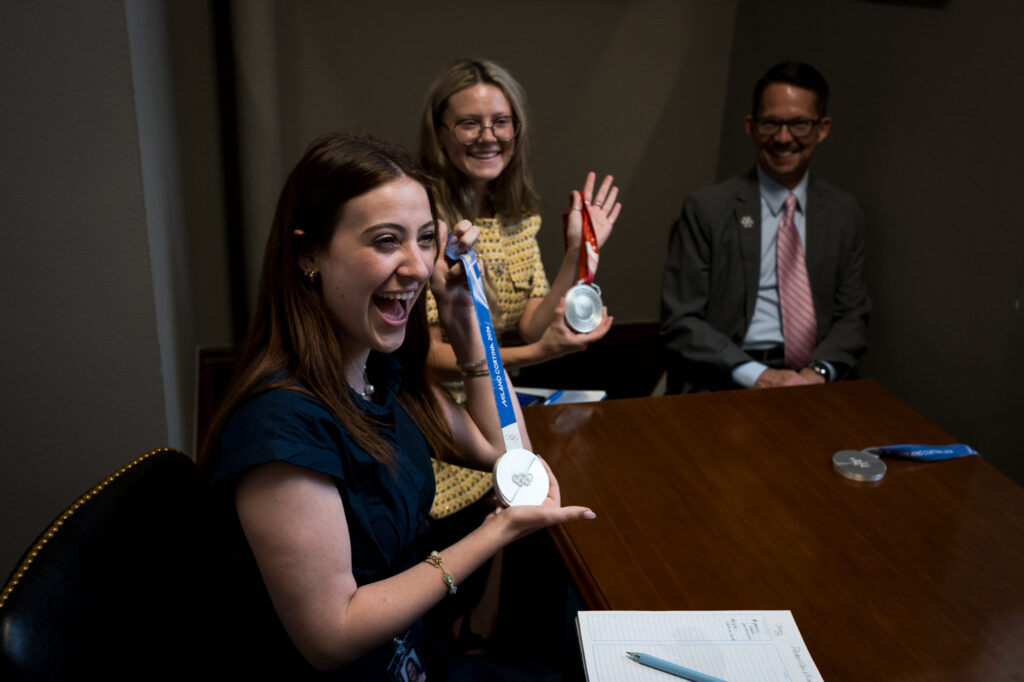
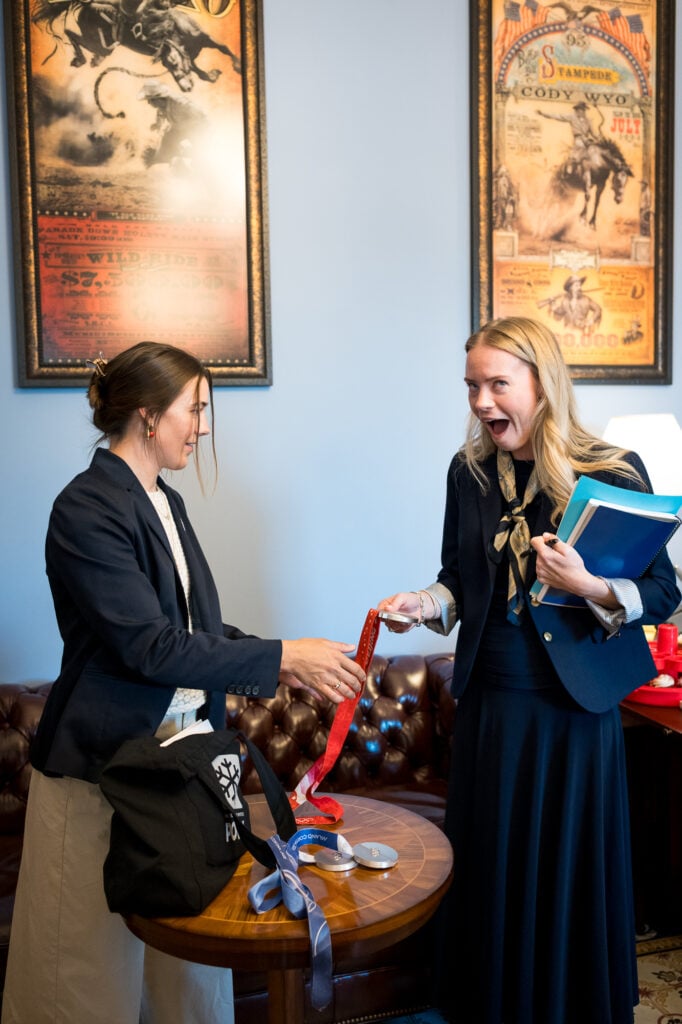
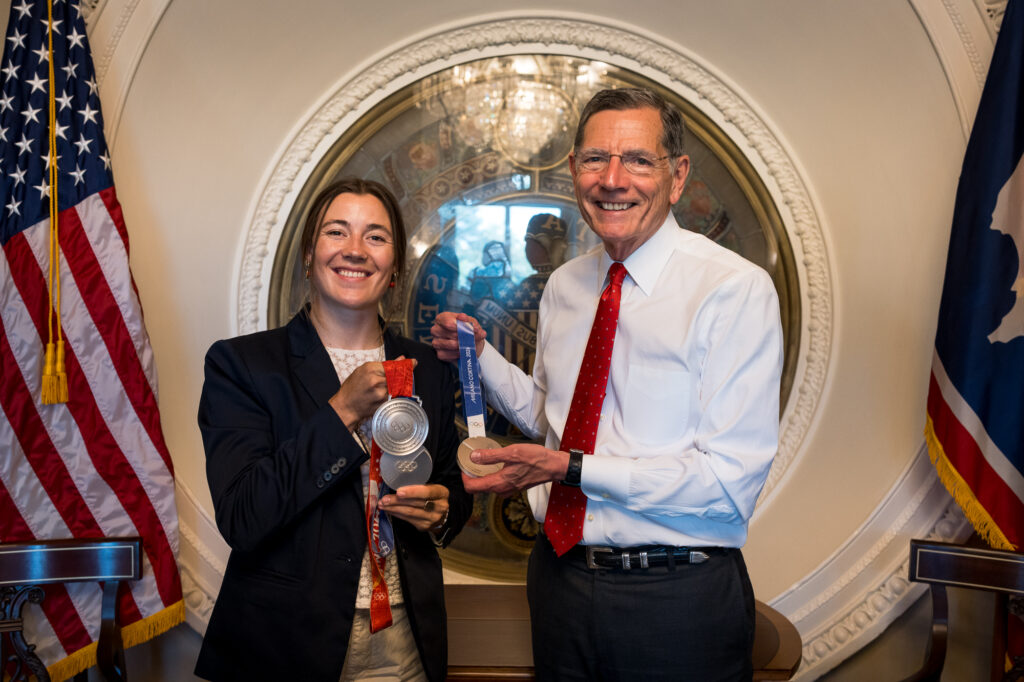
The delegation’s strategy of using elite athletes as messengers appeared to be effective in breaking through the noise of traditional lobbying. Lawmakers were reportedly receptive to the athletes’ firsthand accounts of how a warming planet is altering the landscape of international competition and local recreation. The visual impact of Olympic medals in congressional offices served as a reminder of the national pride and economic activity generated by winter sports.
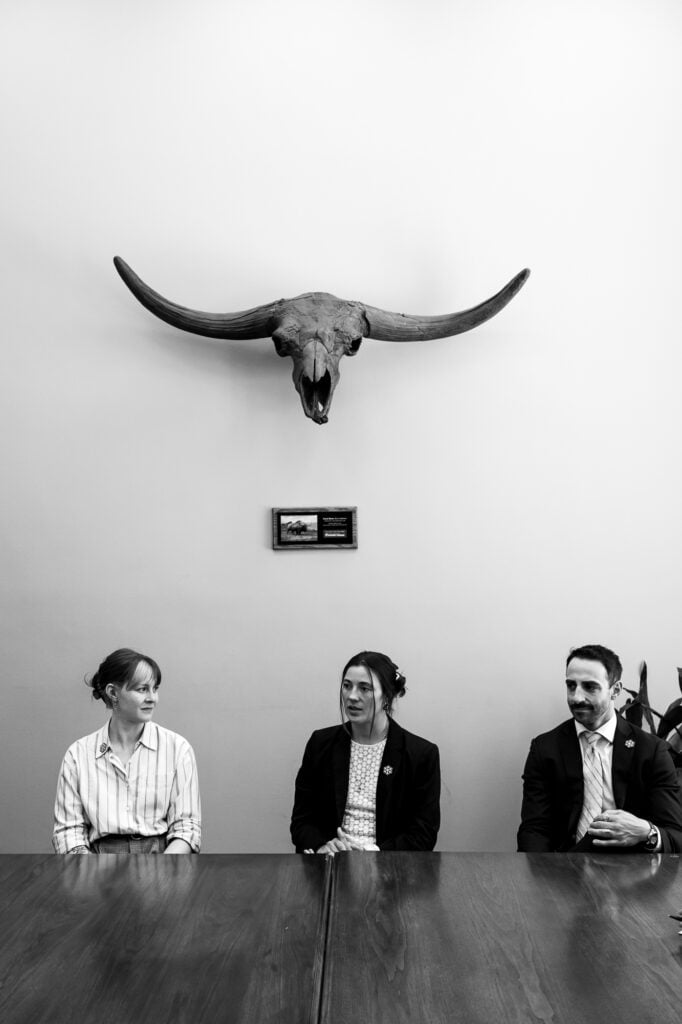
Economic Data and the Impact on Mountain Communities
To support their legislative asks, the delegation presented data regarding the vulnerability of mountain communities. Climate change has led to a measurable decline in the duration of the winter season in many parts of the United States. For communities that rely on ski tourism, even a two-week reduction in the season can result in millions of dollars in lost revenue and the elimination of seasonal jobs.
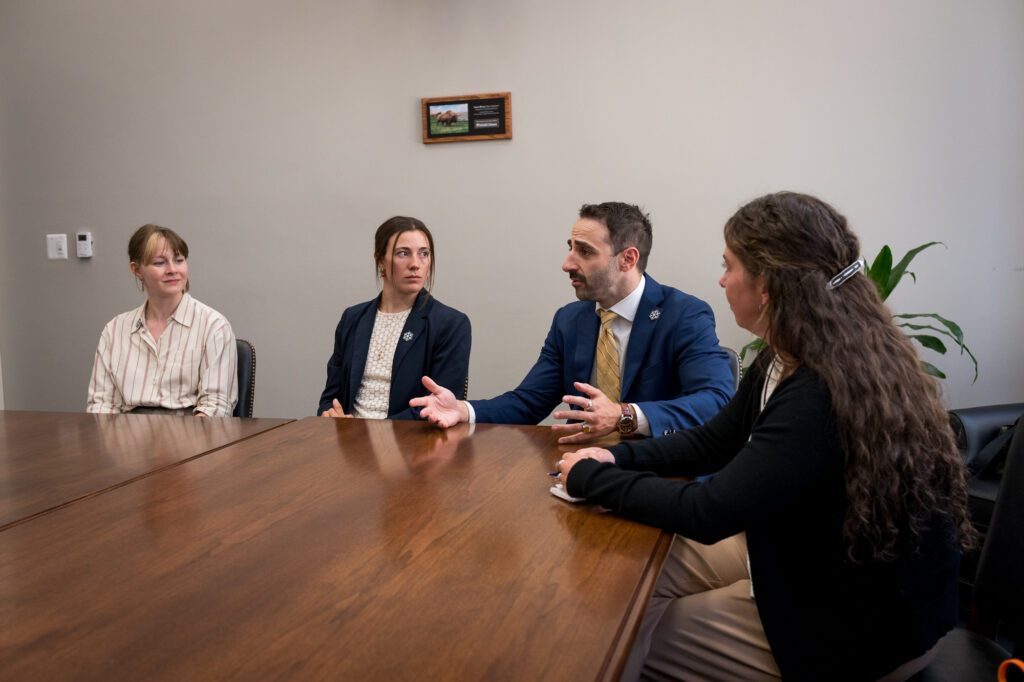
Furthermore, the delegation highlighted the "multiplier effect" of the outdoor industry. Every dollar spent on a lift ticket or a guided backcountry trip generates additional spending at local hotels, restaurants, and retail shops. By weakening environmental protections and allowing for the industrialization of public lands, the delegation argued that the federal government is effectively devaluing a sustainable, long-term economic engine in favor of a finite extraction-based model.
Broader Implications and Future Outlook
The visit by the Protect Our Winters delegation represents a growing trend of "constituency-based" lobbying, where groups of citizens with a direct stake in a specific economic sector engage directly with their representatives. By framing themselves as the "Outdoor State," POW is attempting to organize a fragmented group of hikers, skiers, hunters, and anglers into a cohesive political force.
The implications of this mission extend beyond the immediate legislative session. The delegation’s focus on the Arctic Refuge Protection Act and the restoration of the EPA suggests a long-term strategy aimed at codifying environmental protections into law, making them more difficult for future administrations to dismantle through executive order.
As the 2024-2025 legislative cycle continues, the impact of these 38 meetings will be measured by whether the proposed protections gain traction in committee and whether lawmakers choose to challenge the administration’s deregulatory agenda. For the members of the delegation, the trip was a reminder that while the pace of change in Washington is often slow, the presence of credible, expert voices in the halls of power is a necessary component of modern environmental stewardship.
The delegation concluded its mission with a call to action for the broader outdoor community, urging individuals to remain engaged with their local and federal representatives. As Jessie Diggins and other athletes returned to their training schedules, the message left behind on Capitol Hill was clear: the outdoor community is no longer sitting on the sidelines; it is actively participating in the shaping of the laws that govern the natural world.
