

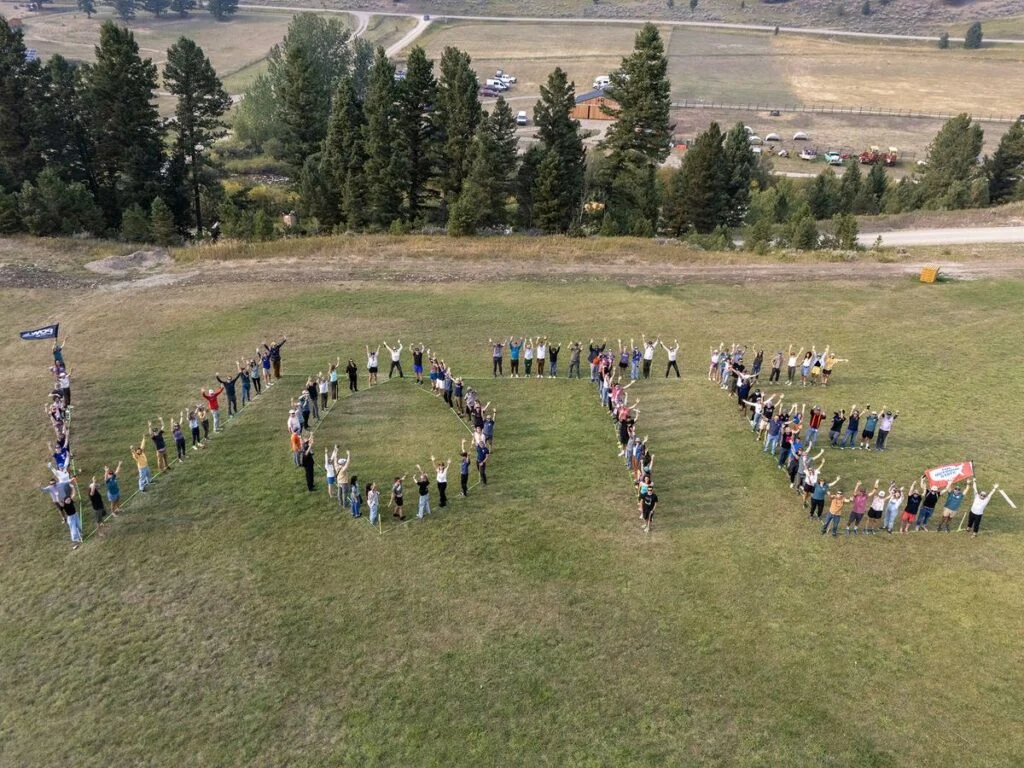
The 2026 midterm elections are emerging as a critical juncture for the future of United States environmental policy, with advocacy groups and outdoor industry leaders intensifying efforts to mobilize a massive but historically under-leveraged demographic. Protect Our Winters (POW), a non-profit organization focused on climate advocacy, has launched a comprehensive initiative titled "Shift Who Decides," aimed at activating the "Outdoor State"—a collective of 45 million skiers, climbers, hikers, and anglers. As the federal government navigates a period of significant regulatory shifts and legislative challenges to public land protections, the upcoming electoral cycle represents a decisive moment for the management of natural resources and the trajectory of national climate goals.
The Political and Environmental Stakes of the 2026 Midterms
Midterm elections historically serve as a referendum on the sitting administration’s policies, but for the outdoor community, the 2026 cycle carries specific weight regarding the preservation of the American landscape. Over the past 18 months, federal environmental policy has undergone a series of high-stakes transformations. These include fluctuations in the enforcement of the National Environmental Policy Act (NEPA), revisions to the scope of the Antiquities Act, and shifting priorities regarding domestic energy extraction on federal lands.
The advocacy community argues that recent rollbacks in climate protections and the downsizing of national monuments have occurred because policy-making has become disconnected from the stakeholders who most frequently interact with these lands. The 2026 elections will determine the composition of the 120th United States Congress, influencing which committees oversee the Department of the Interior and the Environmental Protection Agency (EPA). With all 435 seats in the House of Representatives and 33 seats in the Senate up for election, the outcome will dictate the federal government’s ability to either advance or dismantle climate-resilient infrastructure and conservation funding.
Defining the Outdoor State: A Growing Economic and Political Force
The "Outdoor State" is not a geographical entity but a socio-economic bloc with significant influence. According to the U.S. Bureau of Economic Analysis (BEA), the outdoor recreation economy accounts for approximately $1.1 trillion in annual economic output, representing 2.2% of the nation’s Gross Domestic Product (GDP). This sector supports nearly five million jobs across various industries, including manufacturing, retail, and tourism.
Despite its economic heft, the outdoor community has historically struggled to translate its shared interests into a unified political voice. Protect Our Winters seeks to bridge this gap by framing voting as a fundamental component of "backcountry preparation." The organization’s goal for 2026 is to reach 45 million eligible voters, emphasizing that the protection of clean air, water, and wild spaces is a non-partisan necessity for the industry’s survival.
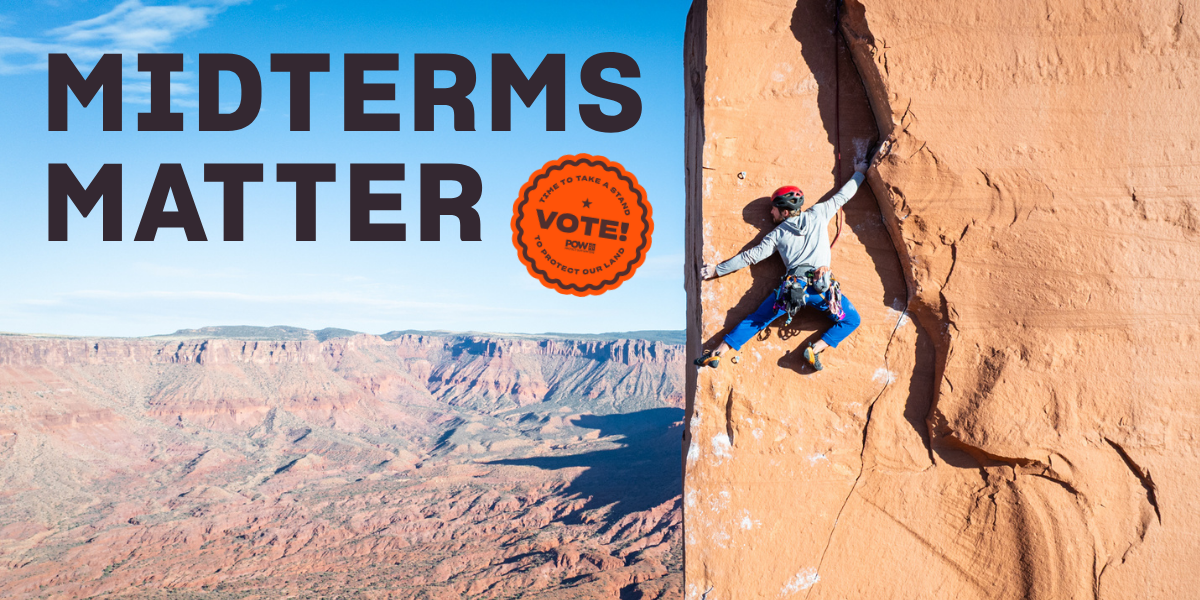
Economic Impact of Outdoor Recreation by the Numbers:
- Total Economic Output: $1.1 Trillion.
- Employment: 4.98 million jobs.
- Sector Growth: Outdoor recreation grew by 4.8% in the most recent fiscal year, outpacing the overall U.S. economy.
- Key States: In states like Colorado, Montana, and Utah, the outdoor industry is a primary driver of state tax revenue and rural development.
A Chronology of Environmental Policy and Public Land Management
To understand the urgency surrounding the 2026 midterms, one must examine the timeline of federal land management and environmental regulation over the last several decades.
- The Antiquities Act of 1906: Established the presidential authority to create National Monuments. This act has been a focal point of recent legal battles as administrations have sought to both expand and contract protected areas like Bears Ears and Grand Staircase-Escalante.
- The Clean Air and Water Acts (1970s): Formed the bedrock of federal environmental protection. Recent Supreme Court rulings, including the 2024 decision to overturn the Chevron deference, have fundamentally altered how agencies like the EPA interpret and enforce these statutes.
- The Great American Outdoors Act (2020): A rare moment of bipartisan consensus that provided permanent funding for the Land and Water Conservation Fund (LWCF) and addressed the maintenance backlog in National Parks.
- The Inflation Reduction Act (2022): The largest climate investment in U.S. history, earmarking billions for renewable energy and conservation. However, the implementation of these funds remains subject to congressional oversight and potential redirection depending on the 2026 election results.
- 2023-2024 Regulatory Rollbacks: Recent years have seen increased litigation and executive actions aimed at streamlining oil and gas leasing on federal lands, often at the expense of long-term conservation goals.
Strategic Mobilization: The "Shift Who Decides" Campaign
Protect Our Winters has structured its 2026 strategy around the concept of "shifting the margins." In many congressional districts, particularly in the Intermountain West and the Northeast, elections are decided by fewer than a few thousand votes. POW’s strategy involves educating voters on how federal policy directly impacts their local trails, snowpacks, and waterways.
The organization’s approach is modeled after successful turnout efforts in 2022. According to the U.S. Census Bureau, the 2022 midterm elections saw a voter turnout of 52.2% among the voting-age population. While this was a slight decrease from the record-breaking 2018 midterms, it remained one of the highest turnout rates in nearly half a century. POW aims to leverage this momentum, specifically targeting younger voters and "recreationalists" who may not traditionally identify as political activists but whose livelihoods or lifestyles depend on stable climates.
Tactical Components of the Campaign:
- Voter Registration Integration: Utilizing digital platforms to simplify the registration and mail-in ballot process for transient outdoor professionals (e.g., ski instructors, river guides).
- Localized Advocacy: Focusing on specific regional issues, such as water rights in the Colorado River Basin or mining threats in the Boundary Waters of Minnesota.
- Corporate Partnerships: Engaging with outdoor brands to turn retail locations and digital storefronts into hubs for civic engagement.
Analysis of Broader Implications and Industry Responses
The push for increased voter turnout in the outdoor sector reflects a broader trend of "corporate social responsibility" evolving into "corporate political responsibility." Major industry players, including Patagonia, REI, and Burton, have increasingly aligned their marketing with environmental advocacy. These companies argue that without a stable climate and accessible public lands, the outdoor industry faces an existential threat.
However, this movement is not without its detractors. Some stakeholders in the extractive industries—such as mining and timber—argue that overly restrictive land-use policies hinder economic development and national energy security. These groups often lobby for "multiple-use" mandates that prioritize industrial activity alongside recreation.
The 2026 midterms will likely serve as a battleground between these two competing visions of land management. If the "Outdoor State" succeeds in mobilizing its 45 million constituents, it could create a permanent pro-conservation voting bloc that forces candidates from both parties to prioritize climate policy.

The Path to November 2026
As the election cycle approaches, the focus of organizations like POW will shift from broad awareness to specific, date-driven action. The margins for victory in the U.S. Senate and House are currently razor-thin, meaning that even a small percentage of the outdoor community could determine the legislative agenda for the late 2020s.
For the individual voter, the preparation process mirrored by Stacie Sullivan and Protect Our Winters involves more than just showing up on election day. It requires an understanding of state-specific registration deadlines, the nuances of local ballot initiatives, and the environmental records of candidates.
The rollbacks of the past year have demonstrated that environmental protections are rarely permanent; they are subject to the political will of those in power. By framing the ballot box as the ultimate "summit," the outdoor community is attempting to move climate policy from the periphery of American politics to the center of the national conversation.
Conclusion: The Margin of Action
In the high-stakes environment of the mountains, small margins determine success or failure. In the political arena, those same thin margins determine the health of the planet’s ecosystems. The 2026 midterm elections represent a critical opportunity for the outdoor community to prove that its economic power can be converted into political influence. With 45 million potential voters, the "Outdoor State" possesses the numbers to shift the direction of federal climate policy, provided they treat the election with the same rigor and preparation they bring to their most demanding adventures. The goal is clear: to ensure that those who decide the rules of the land are held accountable by those who live, work, and recreate upon it.
