


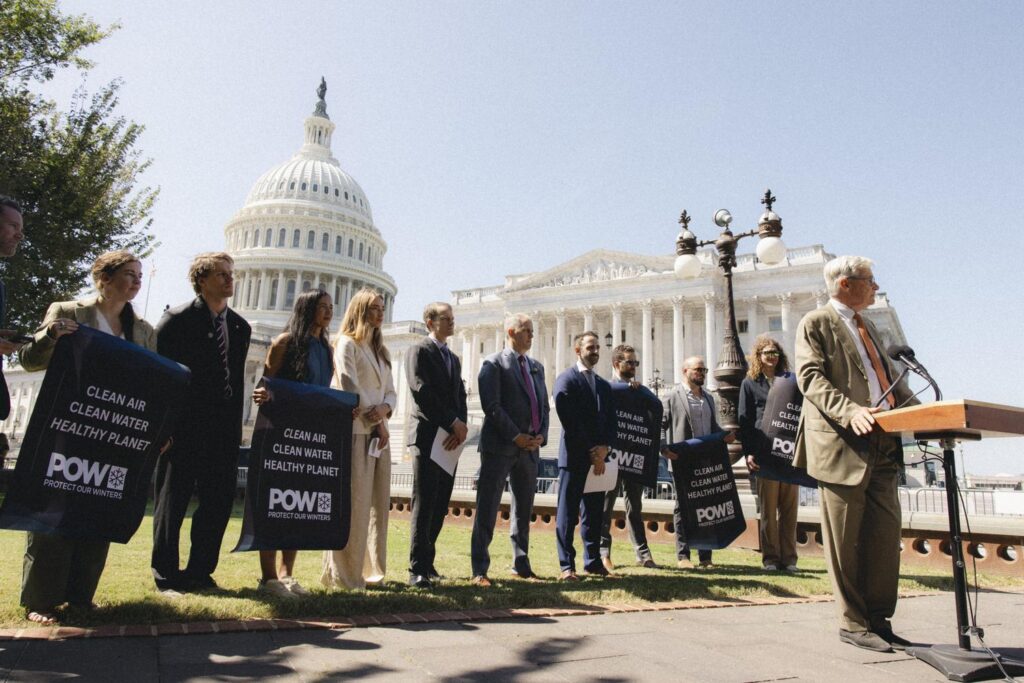
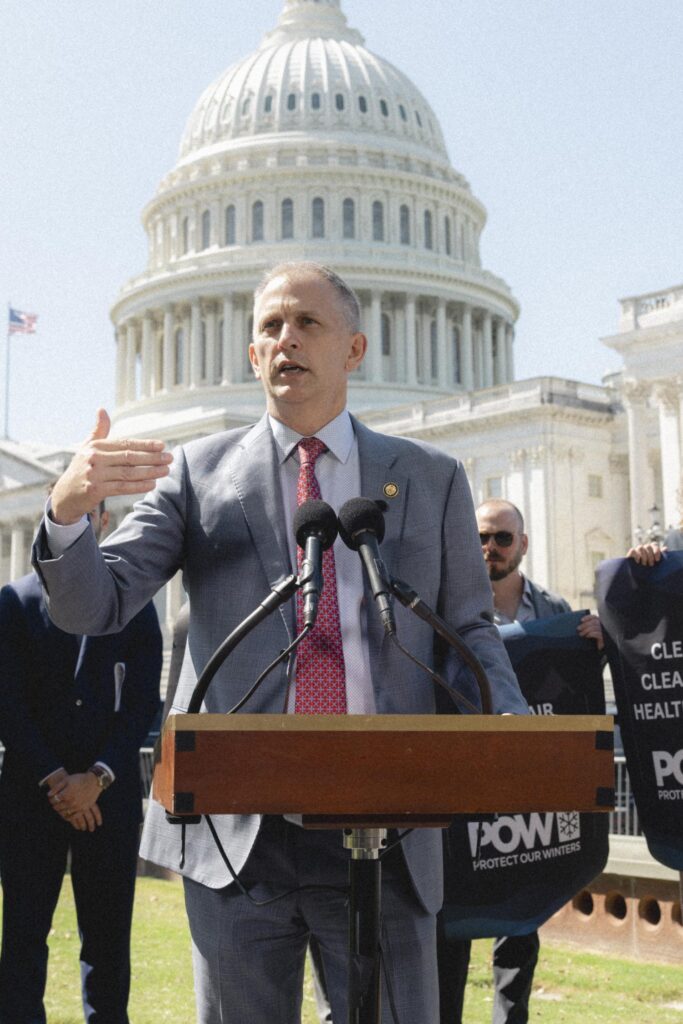
On September 16, a coalition of federal lawmakers, climate scientists, and professional athletes gathered on the lawn of the United States Capitol to announce a significant legislative effort aimed at fortifying the nation’s primary environmental watchdog. Led by Representative Sean Casten (D-IL) and Senator Sheldon Whitehouse (D-RI), the introduction of the Environmental Health Restoration Act (EHRA) represents a direct legislative response to several years of administrative rollbacks and judicial decisions that have significantly narrowed the scope of the Environmental Protection Agency (EPA). The proposed legislation seeks to restore the agency’s original mandate: to protect public health by ensuring the integrity of America’s air, water, and climate.
For over half a century, the EPA has operated as a foundational pillar of American governance. Established in 1970 under the Nixon administration, the agency was born out of a bipartisan consensus that environmental degradation posed a direct threat to the prosperity and health of the nation. However, advocates for the EHRA argue that this consensus has fractured in recent years, leading to a "hollowing out" of the agency. The new bill is designed not only to repair the damage done by recent deregulatory efforts but also to insulate the EPA’s authority against future political shifts, ensuring that science-based safeguards remain permanent fixtures of federal law.
The Legislative Core of the Environmental Health Restoration Act
The Environmental Health Restoration Act is structured to address the systemic vulnerabilities that have allowed environmental protections to be dismantled through executive orders and court challenges. Over the past decade, and specifically during the 2017–2021 period, more than 100 environmental rules were targeted for reversal. These included regulations on power plant emissions, tailpipe standards for vehicles, and the definition of "Waters of the United States" (WOTUS), which determines which wetlands and streams fall under federal protection.
The EHRA aims to codify the EPA’s authority in three specific ways. First, it reaffirms the agency’s duty to regulate greenhouse gases and other pollutants based on the best available science. This is a critical provision following the 2022 Supreme Court decision in West Virginia v. EPA, which limited the agency’s ability to issue broad regulations on carbon emissions from power plants without specific Congressional authorization. Second, the bill seeks to restore the workforce of the EPA by funding the rehiring of scientists and technical experts whose positions were eliminated or left vacant during previous administrations. Third, the EHRA establishes more rigorous hurdles for the "unraveling" of existing protections, requiring that any future rollbacks meet a high threshold of scientific justification rather than mere political preference.
A Chronology of Environmental Regulation and Recent Challenges
To understand the necessity of the EHRA, it is essential to examine the timeline of the EPA’s evolving authority. Following its creation in 1970, the agency oversaw the implementation of the Clean Air Act (1970) and the Clean Water Act (1972). These laws were remarkably successful; between 1970 and 2020, the combined emissions of the six common pollutants dropped by 78 percent, even as the U.S. economy grew significantly.

However, the last several years have seen a marked shift. In 2023, the Supreme Court’s ruling in Sackett v. EPA significantly narrowed the definition of protected wetlands, stripping federal protections from millions of acres across the country. Lawmakers supporting the EHRA argue that such judicial narrowing, combined with the overturning of the "Chevron Deference"—a legal doctrine that previously allowed federal agencies to interpret ambiguous statutes—has left the EPA in a state of "regulatory paralysis."
Senator Sheldon Whitehouse emphasized this point during the bill’s introduction, stating that the previous administration’s "relentless attacks on science" were designed to benefit large political donors at the expense of public safety. The EHRA is positioned as the "jumpstart" for a long-term process of institutional restoration, aiming to return the agency to its original mission of prioritizing people over polluters.
The Economic and Public Health Stakes
The push for the EHRA is supported by a diverse array of stakeholders, including the outdoor recreation industry, which contributes significantly to the American economy. According to data from the Bureau of Economic Analysis (BEA), the outdoor recreation economy accounts for approximately $1.1 trillion in annual economic output, or 2.2 percent of the U.S. GDP. This sector supports nearly 5 million jobs across the country, ranging from tourism and hospitality to manufacturing and retail.
Pollution and climate instability pose a direct threat to these economic drivers. Wildfire smoke, which has become more frequent and severe due to climate change, often crosses state lines and shuts down outdoor activities, impacting tourism in regions far from the fires themselves. Contaminated waterways threaten the multibillion-dollar fishing and hunting industries, while declining snowpacks—a result of warming winters—threaten the viability of ski resorts and winter sports communities.

Public health data further underscores the urgency of the legislation. According to the American Lung Association’s "State of the Air" 2024 report, nearly 131 million Americans live in counties with unhealthy levels of ozone or particle pollution. The EHRA’s focus on restoring air quality standards is viewed by health experts as a vital intervention to reduce the incidence of asthma, cardiovascular disease, and premature mortality, particularly in "fenceline communities" located near industrial sites.
Advocacy from the Outdoor Community: Protect Our Winters
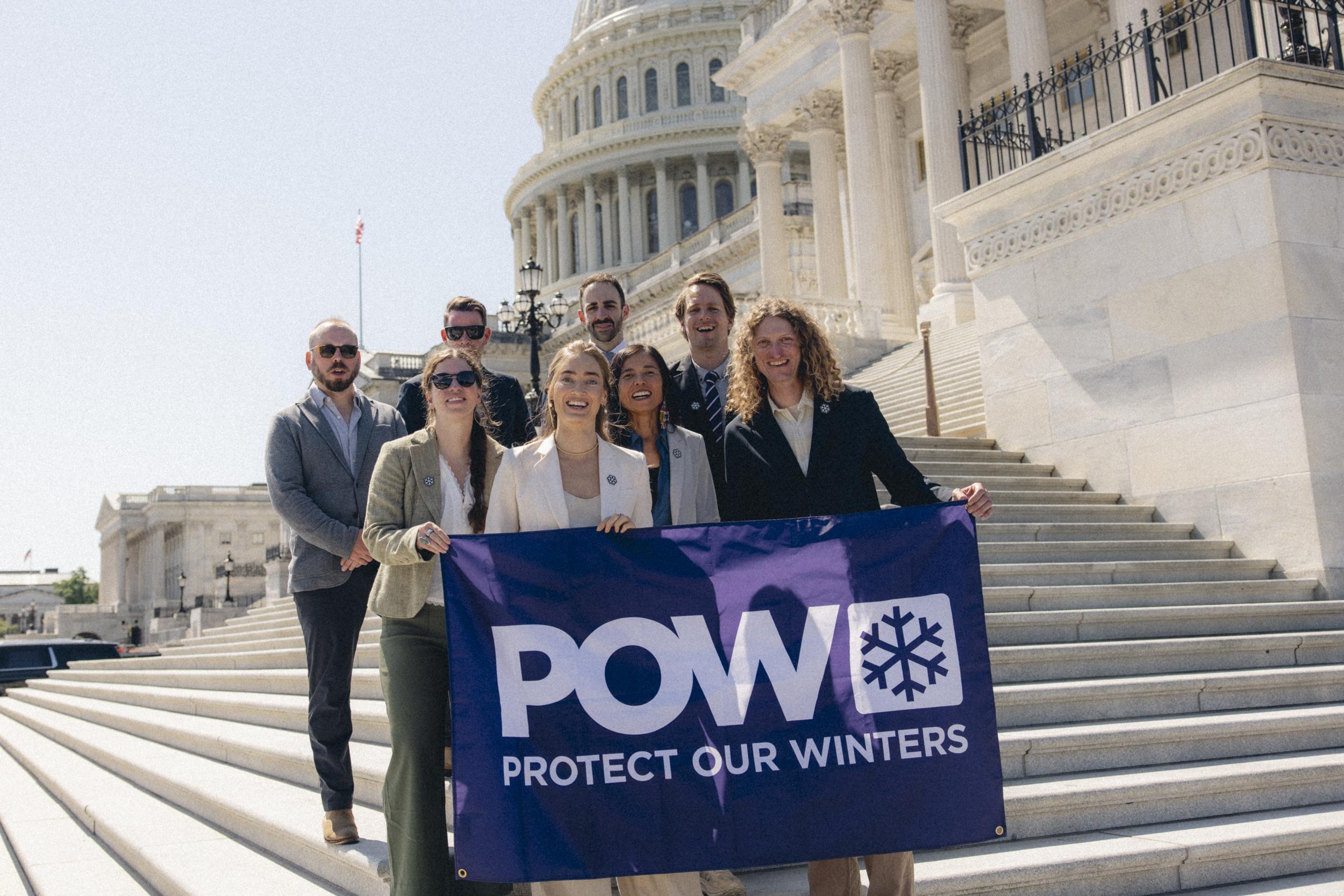
A notable presence at the September 16 announcement was Protect Our Winters (POW), a non-profit organization that mobilizes the outdoor sports community against climate change. POW brought a coalition of professional athletes and business leaders to Washington, D.C., to provide firsthand testimony on the changing environment.
Professional climber Tommy Caldwell, a member of the POW Alliance, spoke about the tangible shifts he has observed during his career in the mountains. Caldwell noted the "not so glacial pace" at which glaciers are shrinking and the increasingly volatile air quality that disrupts training and competition. "This directly affects our community’s health and economy," Caldwell stated, arguing that a durable EPA is the only mechanism capable of managing these large-scale environmental threats.
The involvement of POW and other groups like the League of Conservation Voters, Surfrider, and the Natural Resources Defense Council (NRDC) signals a broadening of the environmental movement. By framing the EHRA as an economic and health-centric bill rather than a purely "green" initiative, proponents hope to build a more resilient coalition that includes segments of the business and agricultural sectors.

Bipartisan Outreach and the Long-Term Legislative Path
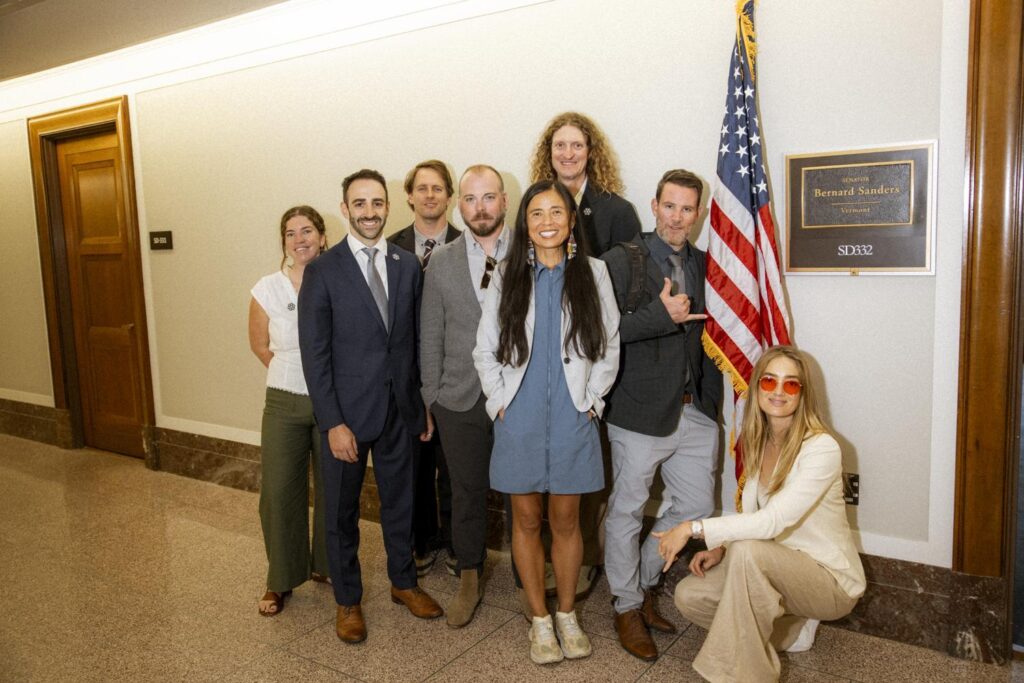
Despite the polarized atmosphere of the current Congress, the proponents of the EHRA have engaged in deliberate outreach to both sides of the aisle. During the week of the bill’s introduction, advocates met with the offices of several lawmakers, including Representative Andrew Garbarino (R-NY) and Senators Bernie Sanders (I-VT), Jeff Merkley (D-OR), and Ron Wyden (D-OR).
The inclusion of Republican offices in the advocacy circuit highlights an effort to return to the bipartisan roots of environmental protection. While the EHRA currently faces an uphill battle in a divided Congress, its supporters are "clear-eyed" about the timeline. Ben Gubits, POW’s Vice President of Advocacy & Campaigns, acknowledged that the bill may not pass in the current session. Instead, proponents view the 2024 introduction as the beginning of a multi-year "record-building" phase.

The strategy involves growing stakeholder support and turning coalition momentum into organizing power, with an eye toward the 120th Congress. This "long game" approach is typical for major federal environmental legislation, which often requires years of advocacy and the alignment of specific political conditions to achieve passage. The 2029 window is frequently cited by analysts as a more realistic target for comprehensive environmental reform.
Broader Implications and Global Context
The introduction of the EHRA also carries international implications. As a global leader, the United States’ domestic environmental policy often sets the tone for international climate negotiations. A weakened EPA hampers the U.S. government’s ability to meet its commitments under the Paris Agreement, potentially undermining global efforts to limit warming to 1.5 degrees Celsius.

Furthermore, the EHRA addresses the issue of "regulatory certainty." Many large corporations and industrial entities prefer a stable, predictable regulatory environment over one that shifts radically every four to eight years. By codifying EPA protections into federal law rather than relying on executive discretion, the EHRA could provide the long-term certainty that businesses need to make investments in clean technology and sustainable infrastructure.
Conclusion: The Path Ahead for the EHRA
The Environmental Health Restoration Act is more than a simple piece of legislation; it is a statement of intent regarding the future of American governance and environmental stewardship. By seeking to restore the EPA’s authority, reinforce science-based decision-making, and protect the interests of public health over corporate polluters, the bill’s sponsors are attempting to reset the national conversation on the environment.

As the bill moves into the committee phase, the focus will shift to building a broader co-sponsorship base. Supporters are currently calling on citizens to contact their representatives to advocate for the EHRA, framing it as a common-sense solution to a crisis that transcends political boundaries. Whether the bill finds success in the immediate future or serves as a blueprint for the 120th Congress, it has already succeeded in highlighting the critical role that a strong, independent EPA plays in the safety and prosperity of the United States. In the words of the advocates present at the Capitol, the goal is simple: to ensure that the air we breathe and the water we drink are never again subject to the whims of partisan politics.
