

The United States Environmental Protection Agency (EPA), established in 1970 under the Nixon administration, was founded on a singular, bipartisan mandate: to protect human health and safeguard the natural environment. For over five decades, this mission was executed through the rigorous application of the Clean Air Act and the Clean Water Act, frameworks supported by peer-reviewed science and robust enforcement mechanisms. However, a recent and comprehensive shift in federal policy has seen a methodical dismantling of these foundational protections. Through a series of administrative actions, the rescinding of legal findings, and significant budgetary contractions, the agency’s capacity to regulate industrial pollutants and mitigate climate change has been fundamentally altered. This shift represents not merely a change in partisan priority but a structural transformation of the federal government’s role in environmental stewardship.
The Rescission of the Endangerment Finding and Its Legal Implications
The most significant structural change to federal environmental policy is the overturning of the Endangerment Finding. Originally finalized in 2009 following the Supreme Court’s ruling in Massachusetts v. EPA, the Endangerment Finding served as the legal bedrock for the regulation of greenhouse gases. It established that concentrations of six key greenhouse gases in the atmosphere—carbon dioxide, methane, nitrous oxide, hydrofluorocarbons, perfluorocarbons, and sulfur hexafluoride—threaten the public health and welfare of current and future generations.
By rescinding this finding, the federal government has effectively removed the legal obligation to regulate emissions from power plants, vehicles, and heavy industry under the Clean Air Act. This move creates a regulatory vacuum at a critical juncture. According to the Intergovernmental Panel on Climate Change (IPCC), the global community must maintain warming below the 1.5°C threshold to avoid the most catastrophic impacts of climate change. The removal of the Endangerment Finding eliminates the primary mechanism by which the United States, the world’s second-largest emitter of greenhouse gases, can meet its international climate commitments.
A Chronology of Deregulation: Air, Water, and Toxic Pollutants
The dismantling of the EPA’s regulatory framework has proceeded through a multi-pronged approach targeting various sectors of the economy. This chronological and thematic erosion of standards has significant implications for both the environment and public health.
Air Quality and Toxic Emissions
The rollback of the Mercury and Air Toxics Standards (MATS) represents a significant shift in how the agency weighs the costs of regulation against public health benefits. By weakening limits on mercury, arsenic, and lead emissions from coal-fired power plants, the agency has prioritized the reduction of compliance costs for the energy sector. Mercury is a potent neurotoxin that bioaccumulates in the food chain, particularly in fish, posing risks to fetal development and the nervous systems of young children.
Simultaneously, the agency has rolled back vehicle emission standards and greenhouse gas rules for power plants. The elimination of the "Social Cost of Carbon" from policy calculations—a metric used to estimate the long-term economic damage caused by a ton of carbon dioxide emissions—has further allowed for the approval of projects that would have previously been deemed environmentally and economically non-viable.
Water Protections and the WOTUS Rule
The legal definition of "Waters of the United States" (WOTUS) has been significantly narrowed, stripping federal protection from millions of miles of ephemeral streams and millions of acres of wetlands. These water bodies are essential for filtering pollutants and providing flood control. Furthermore, the weakening of Clean Water Act Section 401 authority has limited the ability of states to block federal energy projects, such as pipelines, that could jeopardize local water quality.
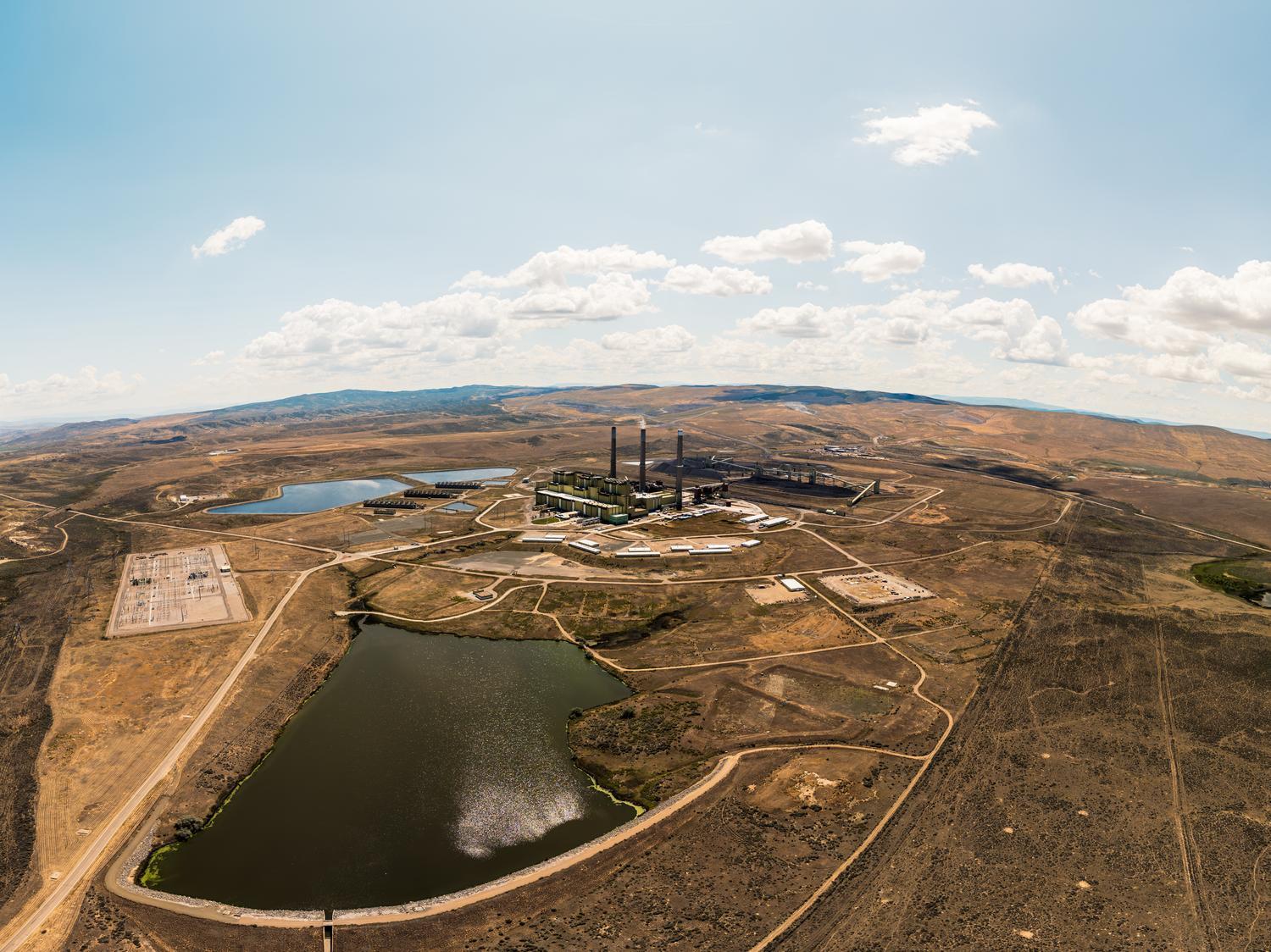
In addition to broad jurisdictional changes, the EPA has repealed limits on toxic wastewater discharge from coal plants. This includes the loosening of standards for "bottom ash" transport water and flue gas desulfurization wastewater, which often contain heavy metals such as selenium and arsenic.
The Economic Consequences for the Outdoor Recreation Industry
The deregulation of environmental standards does not occur in an economic vacuum. While proponents of deregulation argue that reducing the "regulatory burden" stimulates industrial growth, critics point to the severe economic risks posed to the $1.1 trillion outdoor recreation economy. According to data from the Bureau of Economic Analysis (BEA), the outdoor recreation sector accounts for 2.2% of the U.S. Gross Domestic Product (GDP) and supports nearly 5 million jobs.
This sector is uniquely vulnerable to climate instability and pollution. The "Outdoor State"—a demographic of approximately 181 million Americans who participate in outdoor recreation—relies on predictable seasons and clean natural resources. The data regarding the impact of climate change on this industry is stark:
- Snowpack Decline: In the Northeastern United States, states like Vermont have documented a 22% loss in snow days over the past 20 years, directly impacting the multi-billion dollar ski and winter tourism industry.
- Air Quality and Smog: Major metropolitan hubs including Denver, Salt Lake City, and Los Angeles have reported an increase in high-smog days. These conditions lead to the cancellation of outdoor events and a decrease in consumer spending at local businesses tied to outdoor activities.
- Wildfire and Access: Increased wildfire frequency in the West has led to prolonged closures of national forests and public lands, disrupting local economies that depend on summer tourism and recreation.
The Sidelining of Scientific Evidence and Institutional Expertise
A core component of the EPA’s transformation has been the systemic marginalization of scientific research. Independent scientific advisory boards, which previously provided non-partisan expertise on complex environmental issues, have been reconstituted with individuals affiliated with the industries the agency is tasked with regulating.
Furthermore, the agency has restricted the types of scientific studies that can be used in policymaking. Rules requiring "scientific transparency" have been criticized by the broader scientific community as a means to exclude landmark public health studies that rely on confidential patient data. This has limited the agency’s ability to link air pollution to respiratory and cardiovascular diseases in a regulatory context.
The removal of EJScreen, a sophisticated mapping and screening tool, has also been identified as a significant blow to environmental justice. EJScreen allowed advocates and policymakers to identify communities disproportionately burdened by pollution. Its removal, alongside the closure of the EPA Office of Environmental Justice and the elimination of related grants, suggests a shift away from addressing the "pollution gap" that affects low-income and minority communities.
Enforcement Discretion and the Erosion of Accountability
Environmental regulations are only as effective as their enforcement. Recent data indicates a sharp decline in the EPA’s enforcement activity. The agency has significantly reduced the number of inspections and the pursuit of civil and criminal penalties against violators.
The expansion of "enforcement discretion" has allowed numerous facilities, particularly coal-fired power plants, to bypass air quality standards and wastewater limits. In several instances, the agency has declared "energy emergencies" to keep aging, high-pollution coal plants operational past their scheduled retirement dates. When the federal government expands the use of discretionary non-enforcement, the legal and financial burden of pollution is shifted from the polluter to the public in the form of increased healthcare costs and environmental remediation.
Analysis of Broader Implications and Future Outlook
The cumulative effect of these deregulatory actions is a fundamental redefinition of the EPA’s mission. By framing the agency’s primary role as a supporter of industrial growth rather than a protector of public health, the current administration has set a precedent that could take decades to reverse.
The institutional loss of expertise is also a critical factor. Significant staff reductions and the departure of career scientists and policy experts have diminished the agency’s "institutional memory." This makes it increasingly difficult for the EPA to respond to emerging threats, such as per- and polyfluoroalkyl substances (PFAS) in drinking water or the escalating frequency of climate-driven natural disasters.
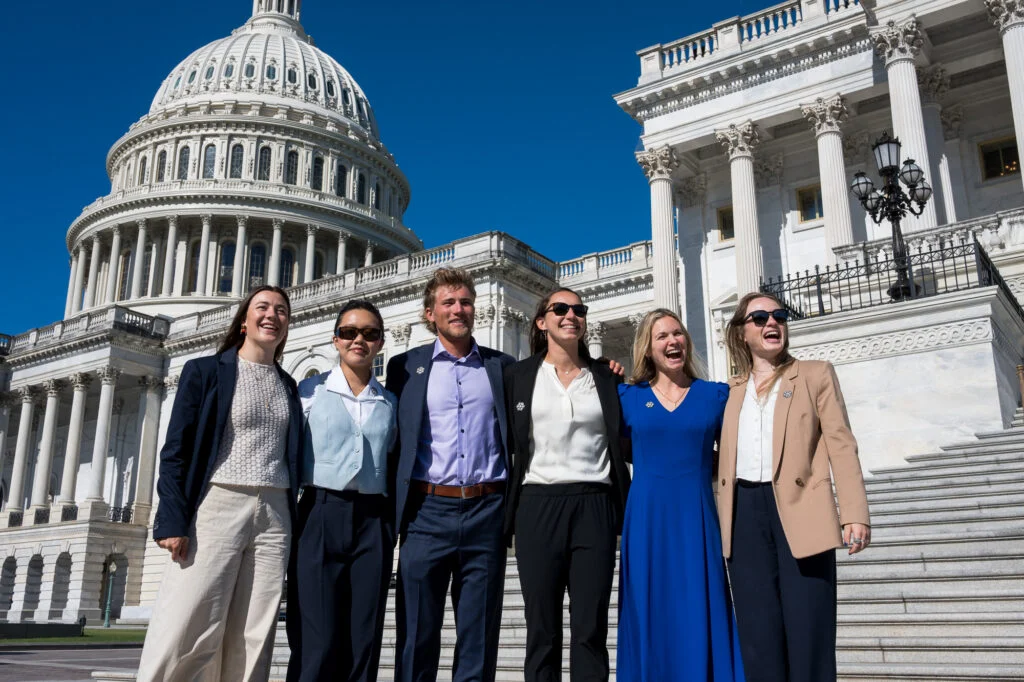
In response to these developments, advocacy groups and coalitions representing the outdoor economy are increasing their presence in the legislative process. Organizations such as the Protect Our Winters (POW) Action Fund are mobilizing to hold lawmakers accountable in Washington, D.C. Their primary objective is to restore the EPA’s mandate to regulate greenhouse gases and toxic pollutants, arguing that a stable climate and clean environment are the prerequisites for a functional modern economy.
The tension between short-term industrial deregulation and long-term environmental and economic stability remains the central conflict of contemporary federal policy. As the global community nears ecological tipping points, the role of the EPA will likely remain a focal point of intense legal and political debate. The outcome of this struggle will determine not only the quality of the air and water in the United States but also the viability of the nation’s vast outdoor heritage and the health of its citizens for generations to come.
