


The global climate crisis has reached a critical juncture where the physical boundaries of the natural world are increasingly defined by narrow temperature fluctuations. For the outdoor recreation community, the difference between a successful season and an environmental setback is often measured by a single degree of temperature: at 31° Fahrenheit, precipitation falls as snow, sustaining a multi-billion dollar winter sports industry; at 32°, it becomes rain, accelerating the degradation of snowpacks and alpine ecosystems. This precarious balance serves as the catalyst for Protect Our Winters (POW), a non-profit organization that has spent nearly two decades transforming the shared passion of skiers, snowboarders, climbers, and trail runners into a cohesive political force aimed at systemic decarbonization.
Founded in 2007 by professional snowboarder Jeremy Jones, POW emerged from a realization that individual lifestyle changes, while commendable, were insufficient to counter the industrial-scale emissions driving global warming. The organization operates on the principle that the outdoor community—a demographic that contributes significantly to the national economy—possesses the social and political capital necessary to influence federal and state environmental policies. By moving beyond individual "carbon guilt" and focusing on large-scale infrastructure and legislative reform, POW seeks to align the interests of the $1.1 trillion outdoor recreation economy with the urgent requirements of climate science.
Historical Evolution and Organizational Growth
The trajectory of Protect Our Winters reflects a broader shift in the environmental movement, moving from niche conservation efforts to broad-based policy advocacy. When Jeremy Jones established the organization in 2007, the primary focus was on the immediate threat to winter sports. However, as climate impacts intensified—manifesting in unprecedented wildfires, floods, and heatwaves—the organization’s scope expanded.
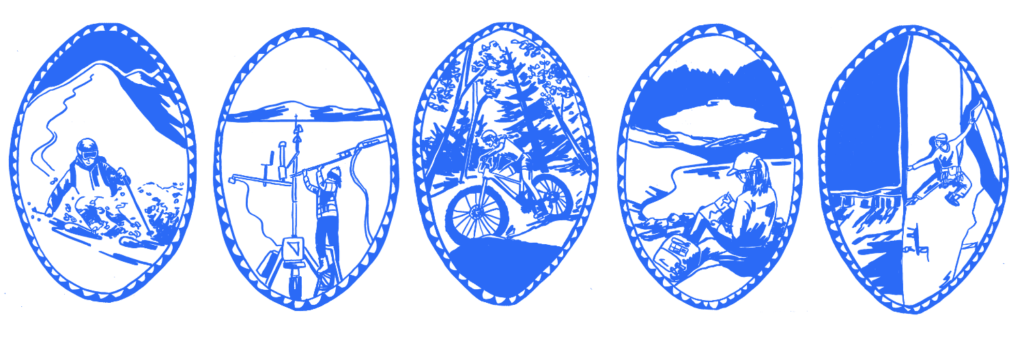
By the mid-2010s, POW began integrating a diverse array of stakeholders into its advocacy model. This included not only professional athletes but also atmospheric scientists, corporate partners, and creative storytellers. This multi-disciplinary approach was designed to bridge the gap between complex climate data and the lived experiences of those on the front lines of environmental change. In 2016, the organization recognized a shift in the American political landscape, noting that cultural identifiers and "norms" were becoming powerful proxies for political will. This led to a more aggressive grassroots mobilization strategy, utilizing the "social currency" of outdoor culture to make climate advocacy a fundamental component of the outdoor identity.
As of 2024, the organization has established localized chapters in key geographic regions, including Reno/Tahoe, Western Colorado, New England, and Montana. These chapters serve as the "ground game" for climate action, focusing on regional utility commissions and state-level legislation where individual voices can have a disproportionate impact on energy policy.
The Economic Impact of Outdoor Recreation
A central component of POW’s advocacy is the economic valuation of the outdoor sector. According to data from the U.S. Bureau of Economic Analysis, the outdoor recreation economy accounts for approximately 2.2% of the total U.S. Gross Domestic Product (GDP), generating $1.1 trillion in economic output and supporting nearly 5 million jobs. This sector outpaces traditional industries such as motor vehicle manufacturing and pharmaceutical production in terms of employment and economic resilience.
Protect Our Winters leverages these figures to gain access to decision-makers in Washington, D.C., and state capitals. By framing climate change as an existential threat to a major economic engine, the organization transcends partisan divides. When public lands are threatened by fossil fuel expansion, POW highlights the potential loss of revenue for local communities that depend on tourism and recreation. This economic framing was instrumental during recent budget reconciliation negotiations in Congress, where the organization mobilized thousands of supporters to oppose the sell-off of public lands that serve as critical carbon sinks and recreational hubs.

Strategic Pillars: Defend, Build, and Shift
The operational strategy of Protect Our Winters is structured around three primary pillars: defending existing natural assets, building the infrastructure of the future, and shifting the political landscape.
Defending Public Lands and Carbon Sinks
Public lands policy is a primary battleground for climate action. These areas can either function as sites for fossil fuel extraction or as protected wilderness areas that sequester carbon. POW’s "Defend" pillar focuses on blocking the expansion of drilling in sensitive areas like the Arctic National Wildlife Refuge and Bears Ears National Monument. The organization argues that preserving these landscapes is essential not only for biodiversity but for maintaining the integrity of the "cryosphere"—the frozen parts of the Earth’s system—which is vital for regulating global temperatures.

Building Clean Energy Infrastructure
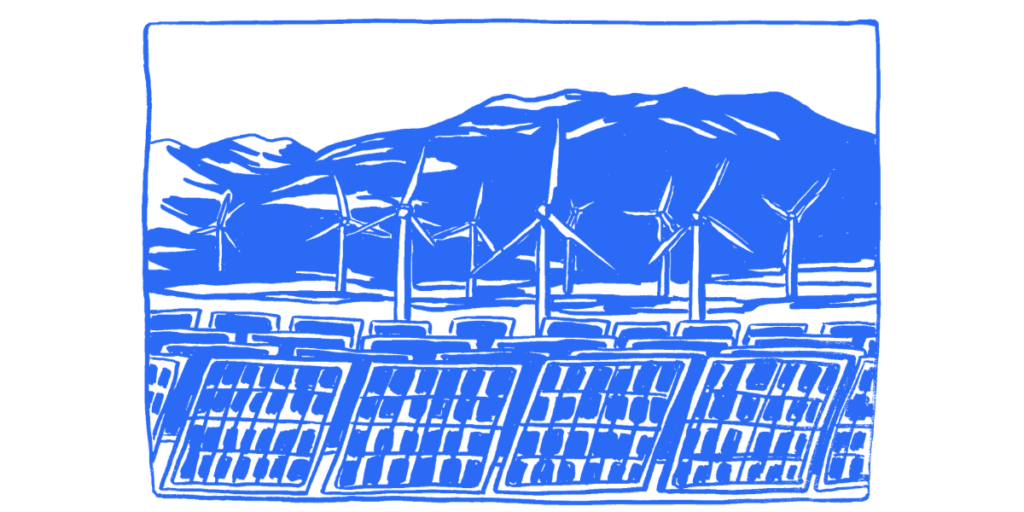
The "Build" pillar addresses the technical requirements of a fossil-fuel-free world. POW has set ambitious targets for clean energy deployment, aiming to realize 500 megawatts (MW) of new renewable capacity by the end of 2026, with a long-term goal of 1 gigawatt (GW) by 2028. This work involves "scrappy, community-led fights" to permit wind farms, solar arrays, and battery storage facilities. In 2023, wind and solar accounted for 93% of new electricity capacity added to the U.S. grid, a trend POW seeks to accelerate through policy advocacy and tax credit incentives.
Shifting Political Will and Voter Turnout
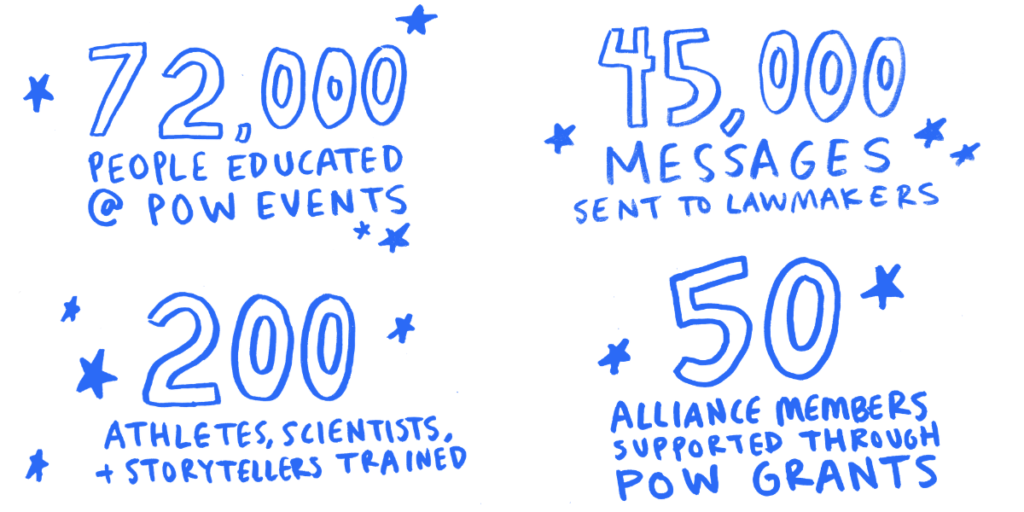
The "Shift" pillar focuses on the democratic process. Despite the high stakes, a significant portion of the outdoor community has historically been politically disengaged. In the most recent federal election cycles, POW’s get-out-the-vote initiatives reached over 7.5 million people. The organization trains athletes and influencers to act as "trusted messengers," translating scientific data into relatable narratives that encourage civic participation. In 2023 alone, POW supporters sent more than 47,000 messages to decision-makers, demonstrating a growing "political will" that rivals the influence of traditional industrial lobbies.
Data-Driven Advocacy and Recent Milestones
The efficacy of POW’s model is supported by a series of measurable outcomes. In a significant 2024 hearing before the Montana Public Service Commission regarding long-term resource planning, POW representatives and mobilized community members constituted nearly one-third of the attendees. This level of participation is critical in venues that are typically dominated by utility lobbyists and fossil fuel interests.
Furthermore, the organization’s educational outreach has seen substantial growth. Last year, POW trained 200 athletes and scientists to lead independent climate projects. These members executed approximately 600 individual climate actions, ranging from legislative testimony to community education. The organization’s media presence—reaching 36 million views across various platforms—serves to "normalize" climate action, making environmental stewardship a standard expectation within the outdoor industry.

The falling cost of renewable energy provides a tailwind for these efforts. Solar energy costs have plummeted by 90% over the last 15 years, making it the most scalable and cost-effective form of energy in history. POW utilizes this data to counter arguments that decarbonization is economically prohibitive, instead presenting it as a necessary evolution for a modern economy.
Analysis of Broader Implications
The work of Protect Our Winters represents a sophisticated evolution in how social movements interact with policy. By focusing on "norm-shifting," the organization addresses the psychological barriers to climate action. Behavioral science suggests that individuals are more likely to adopt new behaviors when they see them modeled by peers and "trusted messengers" within their own social circles. By making climate advocacy "stylish and compulsory" within the outdoor community, POW is effectively widening the "Overton Window"—the range of policies considered politically acceptable by the mainstream population.
However, the organization faces significant challenges. The fossil fuel industry continues to wield immense financial power, with spending on political lobbying often dwarfing the operational budgets of environmental non-profits. The transition to a fossil-fuel-free world also requires complex changes to the nation’s electrical grid and transportation systems, which often face "not-in-my-backyard" (NIMBY) opposition even within environmentally conscious communities.
POW’s response to these challenges is a commitment to "imperfect action." The organization acknowledges that the transition will not be seamless and that individual participants may still rely on fossil fuels for travel and gear. Yet, they maintain that waiting for "perfect" solutions is a recipe for failure. The focus remains on systemic change—replacing gas-powered trailhead trucks with electric vehicles and ensuring those vehicles are powered by a clean grid.

Conclusion and Future Outlook
As Protect Our Winters looks toward 2028, the organization remains focused on the "assignment" of making climate change solvable. The strategy of leveraging the outdoor community’s shared responsibility is predicated on the belief that collective action is the only force capable of matching the scale of the climate crisis.
The ultimate success of the movement will be measured by the durability of the snowpack and the health of the ecosystems that define the outdoor experience. By turning "quiet agreement" into "bold action," POW aims to ensure that future generations inherit a world where a powder day remains a possibility, rather than a memory of a lost climate. The organization’s message is clear: the fight for the planet is not just about saving the scenery; it is about protecting the economic, cultural, and physical foundations of our communities. In the words of the organization’s leadership, the next phase of the movement depends on the continued mobilization of those who play, work, and live in the path of a changing climate.
