

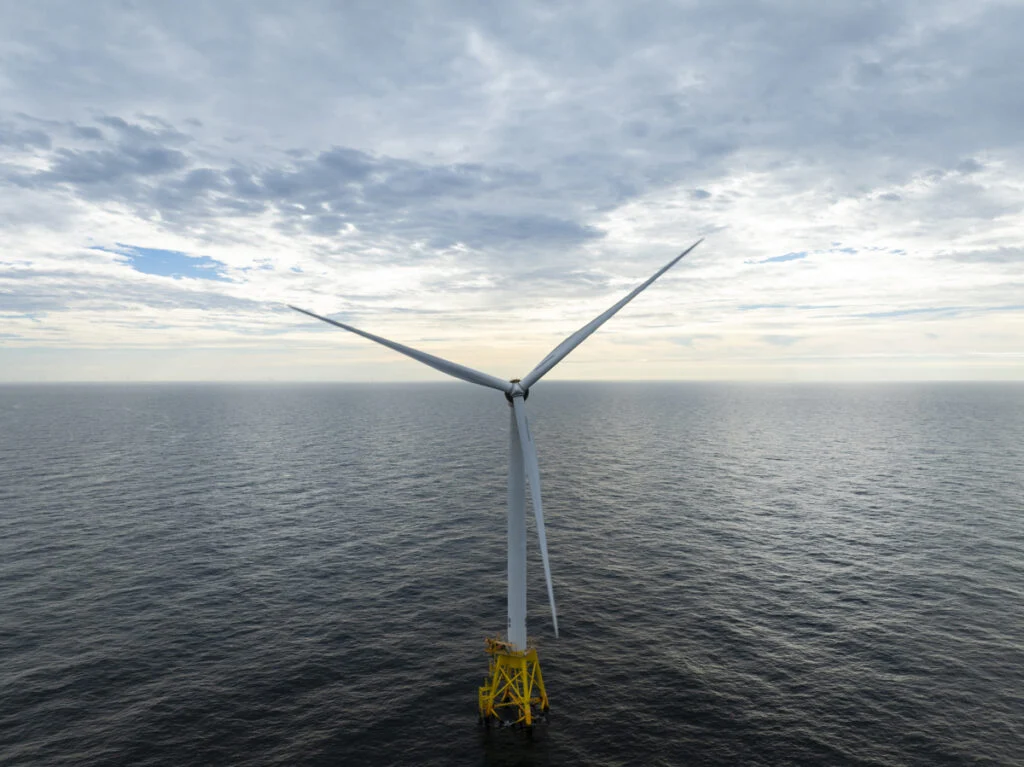
The release of the short documentary Beyond the Horizon marks a pivotal moment in the public discourse surrounding the expansion of offshore wind energy in the United States. Directed by Dan Holz, a filmmaker and member of the Protect Our Winters (POW) Creative Alliance, the film arrives at a time when the renewable energy sector faces unprecedented scrutiny and political polarization. By investigating the discrepancies between public perception and scientific reality, the film attempts to deconstruct the various arguments that have stalled or complicated offshore wind projects along the American coastline. Through interviews with marine ecologists, energy experts, and industry observers, the production highlights the technical and social hurdles facing a sector that proponents argue is vital for the nation’s transition to a low-carbon economy.
The Landscape of American Offshore Wind
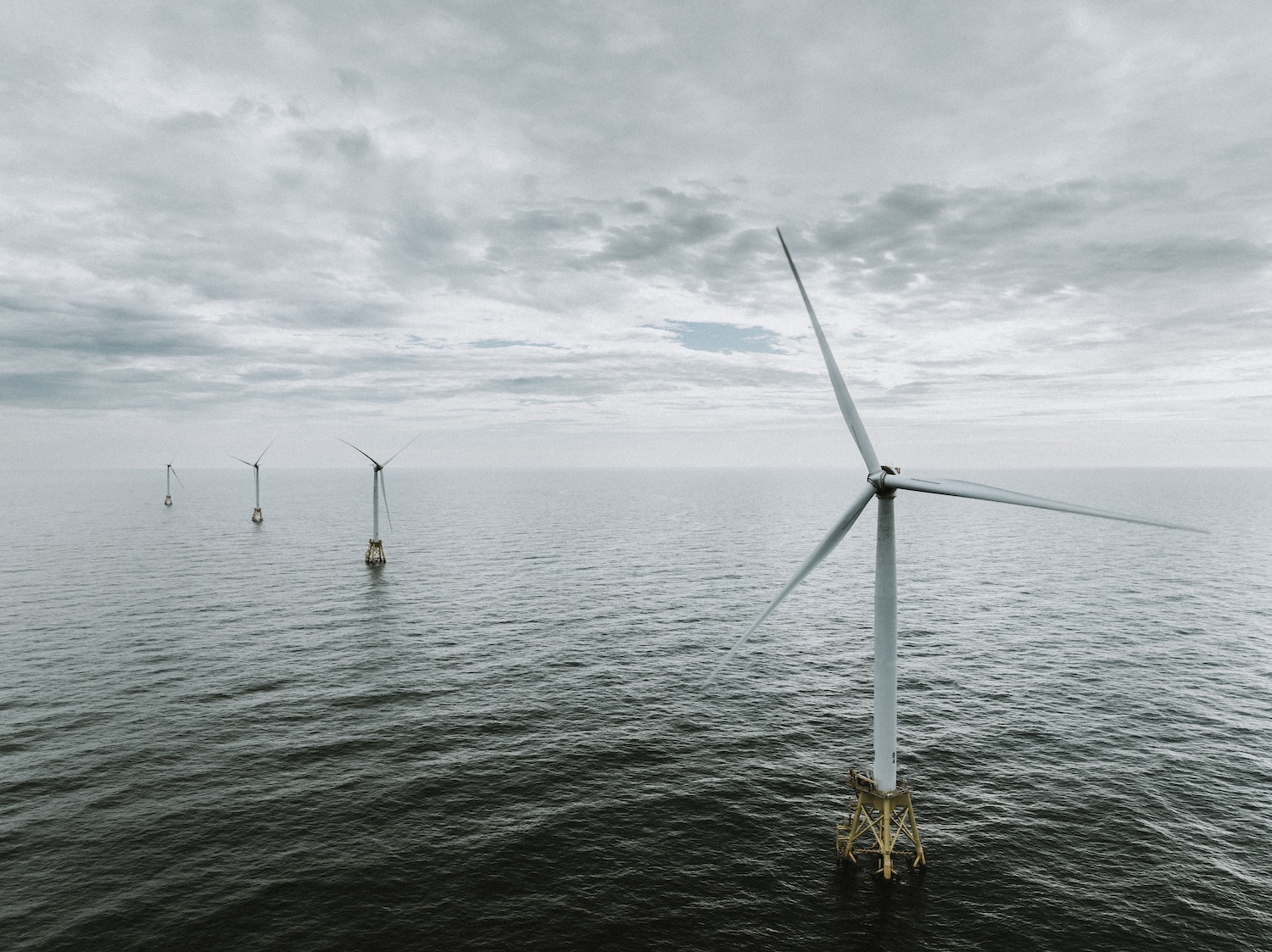
The United States currently stands at a crossroads regarding its maritime energy policy. While onshore wind has become a staple of the American power grid—accounting for approximately 10.5 percent of the nation’s total electricity generation—the offshore sector has lagged significantly behind European and Asian counterparts. The first commercial success in the U.S. was the Block Island Wind Farm off the coast of Rhode Island, which began operations in 2016 with just five turbines. Since then, additional projects have been initiated in state and federal waters off Virginia and New York, yet the total output remains a fraction of the country’s potential.
The American Clean Power Association estimates that federal waters possess a technical potential of over 4,200 gigawatts (GW) of offshore wind capacity. This figure represents more than three times the current total energy demand of the entire United States. Currently, there are 44 federal leases for offshore wind projects with the combined capacity to generate 73,000 megawatts (MW). If fully realized, these projects could power over 21 million homes and support roughly 18,000 jobs in manufacturing, construction, and maintenance.
A Chronology of Conflict and Development
The journey of offshore wind in the U.S. is a timeline marked by ambitious goals frequently met with legislative and legal pushback. The early 2000s saw the proposal of Cape Wind in Massachusetts, which ultimately failed after a decade of litigation and local opposition. This set a precedent for the "Not In My Backyard" (NIMBY) challenges that continue to plague the industry today.
Following the success of the Block Island Wind Farm in 2016, the federal government under the Obama administration began a more aggressive leasing process. However, the subsequent administration under President Donald Trump adopted a more skeptical stance. By January 2026, during meetings with oil and gas executives, the administration’s rhetoric shifted toward total opposition. President Trump explicitly stated his goal to prevent the construction of any further "windmills," citing concerns over aesthetics, economic viability, and bird mortality.
This political oscillation has created a volatile environment for investors and developers. While the Biden administration previously set a target of 30 GW of offshore wind by 2030, the resurgence of opposition in 2025 and 2026 has led to the cancellation of major projects, such as those led by RWE and other international developers. These cancellations are often the result of a combination of high interest rates, supply chain disruptions, and a hostile regulatory environment at the federal level.
Scientific Analysis: Addressing Environmental and Security Concerns
One of the primary objectives of Beyond the Horizon is to address specific claims used to oppose offshore wind, particularly those concerning marine life and national security.
Marine Mammal Mortality
The most prominent argument against offshore wind in recent years involves the death of whales along the Atlantic coast. Opponents have frequently linked the use of sonar for sea-floor mapping and the noise of turbine installation to an increase in whale strandings. However, data from the National Oceanic and Atmospheric Administration (NOAA) Fisheries suggests a different reality. Since 2016, NOAA has been monitoring an "Unusual Mortality Event" (UME) for humpback whales along the Atlantic coast. Their findings indicate that the primary causes of death are vessel strikes and entanglement in fishing gear.
Marine ecologist Sarah Von Hoene, featured in the film, notes that warming ocean temperatures are shifting the distribution of zooplankton and other prey. This forces whales into shallower, busier shipping channels where they are more susceptible to being hit by large cargo vessels. To date, scientific consensus has found no direct evidence linking offshore wind activities to the deaths of large whales.
Acoustic Impact and Mitigation
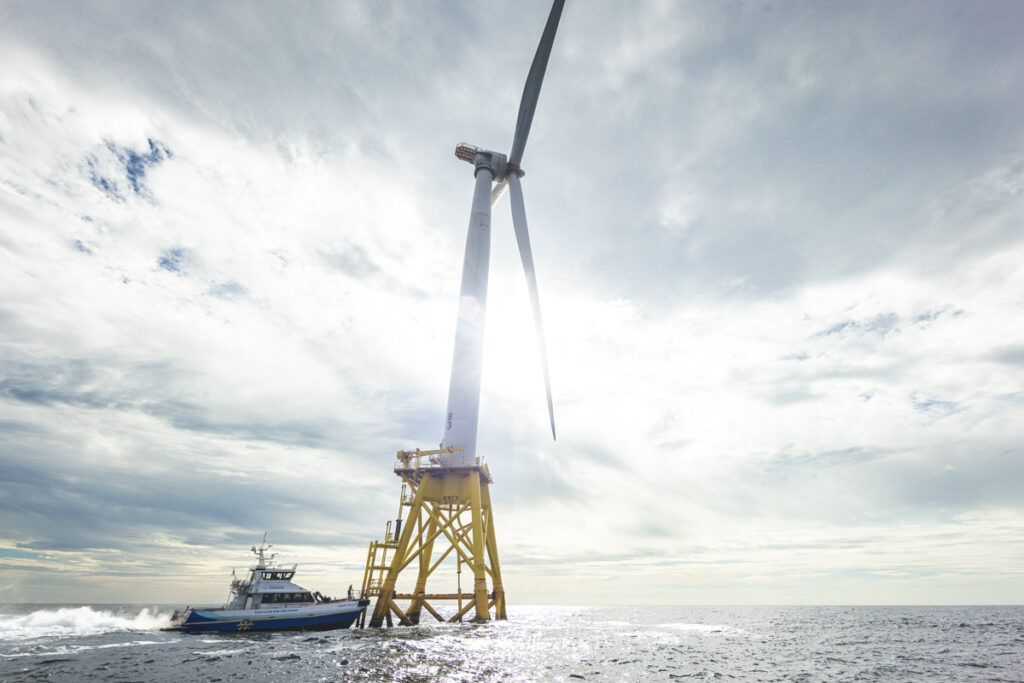
Concerns regarding underwater noise pollution have also been a point of contention. Early installations were criticized for the sound levels produced during pile driving. In response, the industry has adopted sophisticated mitigation technologies. "Bubble curtains"—systems that release a wall of air bubbles around the construction site—are now standard in many jurisdictions. These curtains absorb and deflect sound waves, reducing underwater noise by over 80 percent. Current regulations stipulate strict noise ceilings to protect the auditory health of porpoises and other sensitive marine species.
National Security and Radar Interference
The Trump administration has frequently categorized offshore wind as a national security risk. The technical basis for this concern is that large rotating blades can create "clutter" on radar screens, potentially interfering with the ability of the U.S. military to monitor airspace or detect incoming threats. While this is a recognized technical challenge, it is not considered an insurmountable barrier by the Department of Defense (DOD). The DOD and the Department of Energy (DOE) are currently collaborating on software upgrades and hardware modifications to mitigate radar interference, a process similar to the one used to integrate onshore wind farms near military installations in the Midwest.
Economic Implications and Domestic Manufacturing
A common criticism of wind energy is that the components are manufactured abroad, specifically in China, leading to a loss of American economic sovereignty. However, the domestic supply chain for wind energy has expanded significantly. There are currently over 500 manufacturing facilities across the United States producing blades, towers, generators, and specialized steel components.
The economic benefits extend to utility consumers as well. A July 2025 study by RENEW Northeast indicated that the integration of offshore wind into the New England grid could save residential customers between $1.32 and $2.68 per month on their utility bills. Because wind energy has zero fuel costs, it acts as a hedge against the price volatility of natural gas, which currently dictates electricity prices in much of the Northeast.
The Human Element and the "Chilling Effect"
Perhaps the most striking revelation in Beyond the Horizon is the difficulty Holz faced in securing on-camera interviews. The film highlights a "chilling effect" where stakeholders across the spectrum are hesitant to speak publicly. Developers cited ongoing litigation and non-disclosure agreements, while members of the commercial fishing industry expressed fears of social ostracization or professional retaliation within their communities.
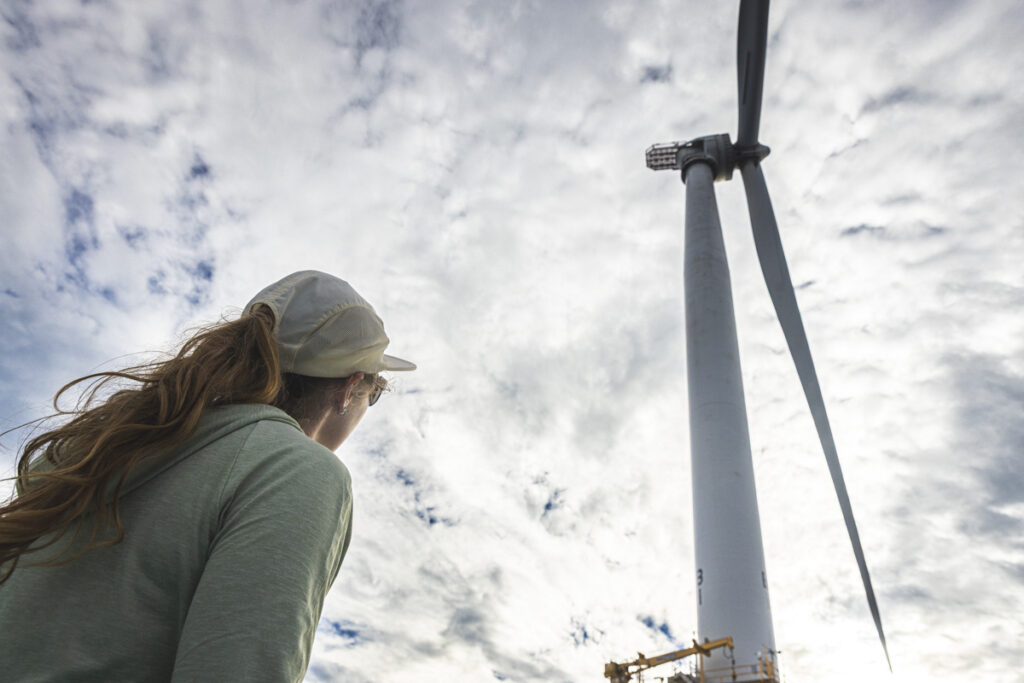
Even members of the scientific community expressed concern that participating in a film about such a politicized topic could jeopardize their grant funding or institutional reputations. This atmosphere of silence has allowed misinformation to proliferate in the vacuum. Sarah Von Hoene’s decision to engage in direct community outreach—literally standing on street corners with informational signs—underscores the necessity of grassroots education in overcoming polarized narratives.
Broader Impact and Future Implications
The debate over offshore wind is emblematic of the broader challenges facing the global energy transition. It is no longer merely a question of engineering or economics, but one of communication and political will. The findings presented in the film suggest that while the technical solutions for sound mitigation, radar interference, and environmental protection exist, they are often overshadowed by simplified political slogans.
As the U.S. moves further into the late 2020s, the fate of the 44 existing federal leases will serve as a bellwether for the nation’s climate goals. If the "anti-windmill" policy stance persists, the U.S. risks losing billions in private investment to European and Asian markets where regulatory certainty is higher. Conversely, if the scientific and economic data highlighted in Beyond the Horizon gain broader public acceptance, the U.S. could finally tap into a resource that is capable of providing a significant portion of its total energy needs.
The documentary concludes by urging viewers to conduct independent research and look beyond partisan rhetoric. As Holz notes, the goal of the project is not to provide an exhaustive technical manual, but to spark a curiosity that leads to a more informed electorate. In an era where energy policy is increasingly decided at the ballot box, the distinction between fact-based science and politically motivated narrative remains the most critical hurdle for the future of American clean energy.
