

The United States Environmental Protection Agency (EPA), an institution established in 1970 under the Nixon administration to consolidate federal environmental research, monitoring, and enforcement, is currently undergoing a period of unprecedented structural and regulatory transformation. For more than five decades, the agency has operated under a clear mandate to protect human health and the environment, primarily through the administration of the Clean Air Act and the Clean Water Act. However, a recent series of methodical policy reversals and deregulatory actions has sparked a national debate regarding the agency’s ability to fulfill its founding promise. Organizations such as Protect Our Winters (POW), representing a coalition of 181 million outdoor enthusiasts known as the "Outdoor State," have raised alarms, suggesting that the erosion of these protections threatens not only the ecological stability of the planet but also a trillion-dollar domestic economy reliant on a predictable climate.
The Legal Foundation: The Reversal of the Endangerment Finding
The most significant shift in federal environmental policy involves the rescinding of the 2009 Endangerment Finding. This legal determination, rooted in the 2007 Supreme Court decision in Massachusetts v. EPA, established that greenhouse gas emissions from new motor vehicles threaten the public health and welfare of current and future generations. By acknowledging that carbon dioxide and other greenhouse gases act as pollutants under the Clean Air Act, the EPA was legally obligated to regulate them.
The recent overturning of this finding represents a fundamental shift in the federal government’s legal responsibility. Without the Endangerment Finding, the statutory framework that authorized the regulation of emissions from power plants, vehicles, and heavy industry is effectively neutralized. Legal analysts suggest this move creates a vacuum in federal oversight, making it increasingly difficult to implement national standards for carbon mitigation. This comes at a critical juncture as international scientific bodies, including the Intergovernmental Panel on Climate Change (IPCC), warn that the global community is rapidly approaching the 1.5°C warming threshold—a limit beyond which climate impacts are expected to become increasingly irreversible.
A Chronology of Deregulation: From 2007 to the Present
To understand the current state of environmental policy, one must examine the timeline of federal oversight. The trajectory moved from expansion to contraction over the last two decades:
- 2007: The Supreme Court rules in Massachusetts v. EPA that the agency has the authority to regulate greenhouse gases.
- 2009: The EPA issues the Endangerment Finding, providing the scientific and legal basis for climate regulations.
- 2011-2015: Implementation of the Mercury and Air Toxics Standards (MATS) and the Clean Power Plan.
- 2020-2023: Significant legal challenges and administrative shifts begin narrowing the scope of the Clean Water Act and the Clean Air Act.
- Recent 12-Month Period: A systematic series of rollbacks, including the rescinding of the Endangerment Finding, the elimination of the Social Cost of Carbon in federal decision-making, and the narrowing of the "Waters of the United States" (WOTUS) definition.
These actions are not isolated adjustments but represent a holistic pivot toward deregulation and industry-led voluntary compliance.
Public Health Implications: Toxic Pollutants and Air Quality
Beyond the long-term impacts of climate change, the weakening of air and water quality standards has immediate consequences for public health. The EPA has recently reduced limits on mercury, arsenic, and other toxic heavy metals emitted by coal-fired power plants. These substances are known neurotoxins and are linked to developmental issues in children, as well as increased rates of asthma and cardiovascular disease in adults.
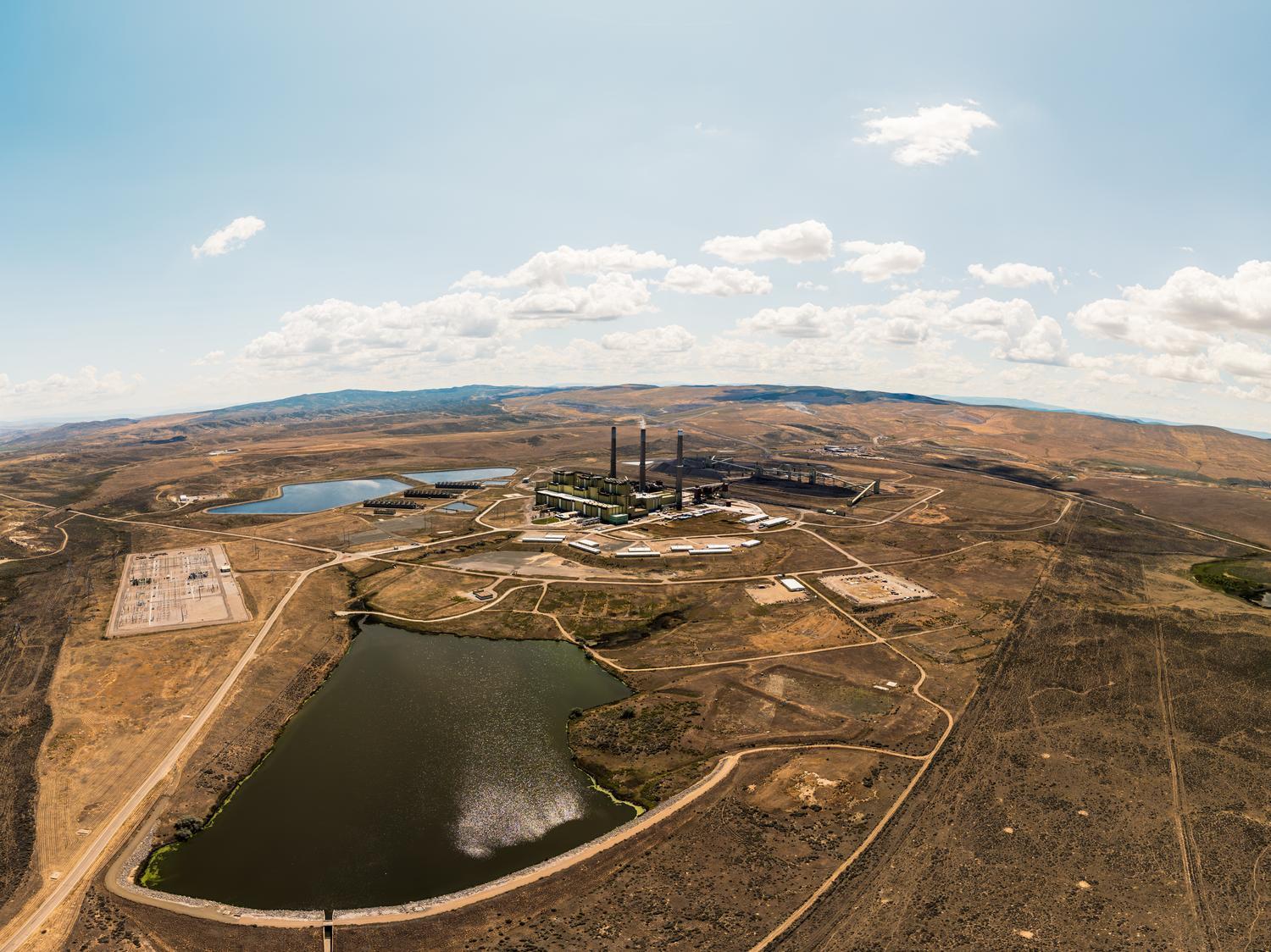
Furthermore, the rollback of the "Good Neighbor" rule, which regulates cross-state air pollution, allows smog and particulate matter to travel from industrial centers into downwind states. This creates a disparity where residents in states with strict environmental laws are still subjected to the pollution generated in neighboring jurisdictions. Data from the American Lung Association indicates that cities such as Denver, Salt Lake City, and Los Angeles are experiencing a rise in high-smog days, directly correlating with the relaxation of federal emissions standards.
The Economic Impact on the Outdoor Recreation Industry
The debate over environmental regulation is often framed as a choice between economic growth and ecological preservation. However, the outdoor recreation sector provides a counter-narrative. Valued at $1.1 trillion and supporting over five million jobs, the "Outdoor State" is one of the largest contributors to the U.S. Gross Domestic Product (GDP). This economy relies on clean air, stable winter seasons, and healthy ecosystems.
In Vermont, data shows a 22% decrease in snow days over the last 20 years, a trend that threatens the multi-billion dollar ski industry. Similarly, in the American West, increasing wildfire frequency and poor air quality have led to frequent closures of national forests and public lands, resulting in significant revenue losses for local businesses and rural communities. When federal protections are weakened, the burden of these losses falls on small business owners, guides, and the hospitality sector, rather than the industrial polluters.
The Erosion of Enforcement and Scientific Integrity
A regulation is only as effective as its enforcement. Recent data indicates that the EPA has significantly reduced its rate of inspections and the collection of civil penalties. The expansion of "enforcement discretion" has allowed many industrial facilities to bypass compliance deadlines or avoid penalties for exceeding pollution limits. This shift is compounded by a proposed 50% cut to the EPA’s operating budget, which would drastically reduce the agency’s ability to monitor air and water quality.
Simultaneously, the role of science within the agency has been marginalized. Independent scientific advisory boards, which historically provided non-partisan expertise, have been dissolved or staffed with individuals holding industry ties. Key tools used for environmental justice, such as EJScreen—a mapping tool that identifies communities disproportionately affected by pollution—have been removed from public access. By sidelining evidence-based policymaking, the agency has shifted its focus from public protection to industry facilitation.
Water Security and the Redefinition of WOTUS
The Clean Water Act’s effectiveness depends largely on the definition of "Waters of the United States" (WOTUS). Recent administrative changes have significantly narrowed this definition, excluding millions of acres of wetlands and thousands of miles of ephemeral streams from federal protection. These waterways are essential for filtering pollutants and providing habitat for wildlife; they also serve as the headwaters for the drinking water supplies of millions of Americans.
By weakening Clean Water Act Section 401 authority, the federal government has also limited the ability of states and tribes to object to federal projects that might degrade their local water quality. This centralization of deregulatory power has met with significant pushback from state governors and tribal leaders who argue that it infringes upon their rights to protect their own natural resources.
Official Responses and Civil Society Advocacy
The response to these changes has been divided. Industry trade groups have generally welcomed the deregulatory push, arguing that it reduces "regulatory "overreach" and lowers operational costs, potentially leading to lower energy prices for consumers. Conversely, environmental advocacy groups and public health organizations argue that the long-term costs of healthcare and environmental remediation far outweigh any short-term industrial gains.
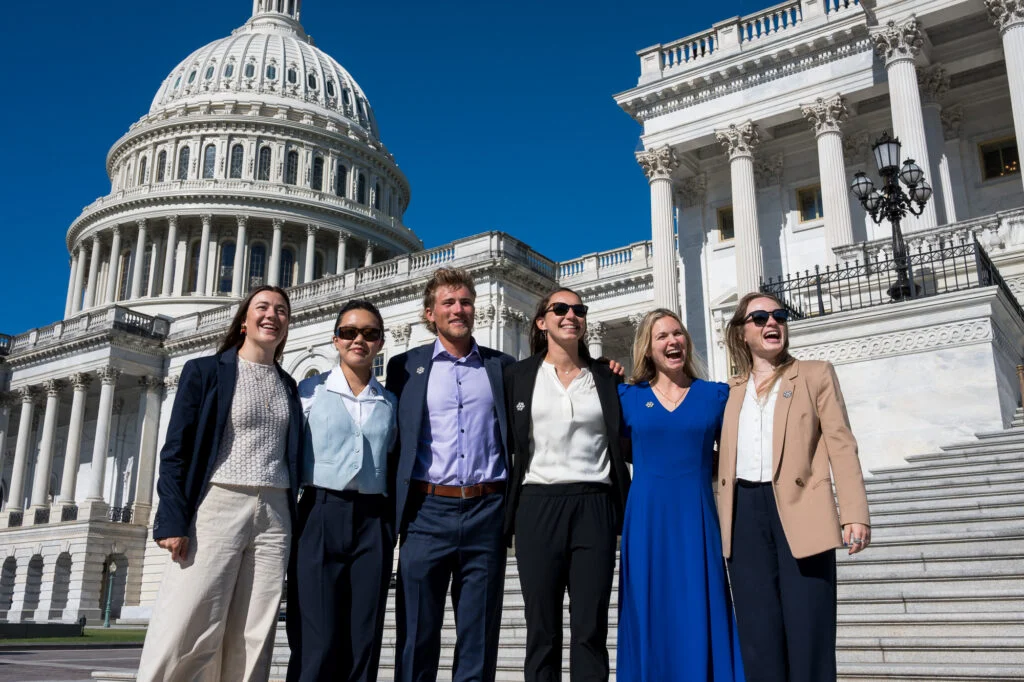
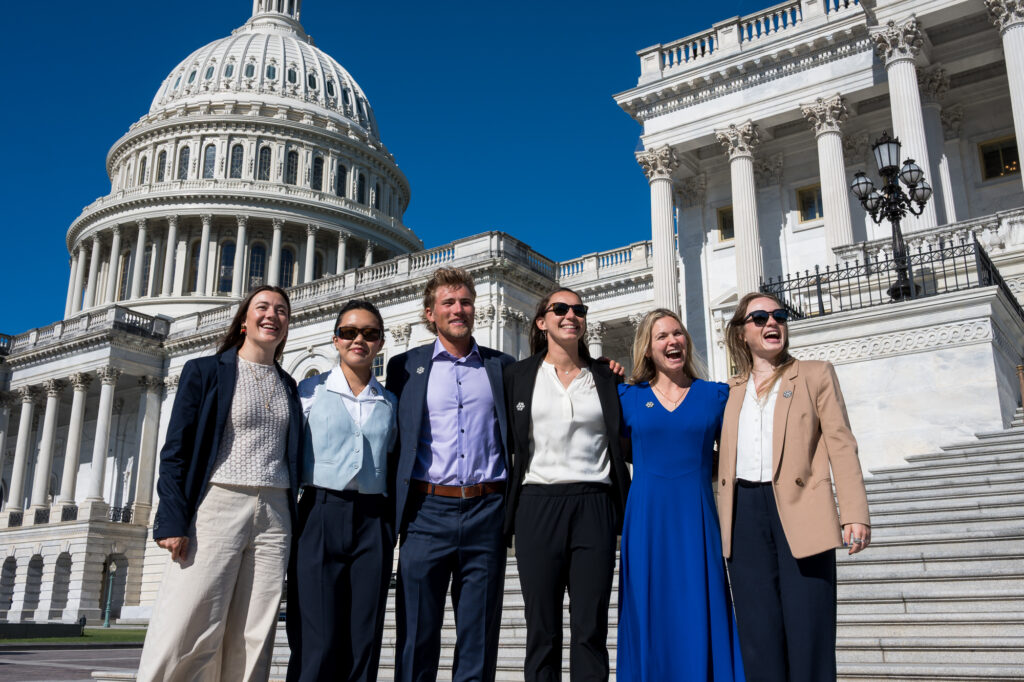
Protect Our Winters (POW) and its sister organization, the POW Action Fund, have emerged as prominent voices in this conflict. Later this month, a delegation of professional athletes, brand executives, and scientists will travel to Washington, D.C., to meet with lawmakers. Their objective is to advocate for the reinstatement of the Endangerment Finding and the restoration of the EPA’s enforcement capabilities. "Rules without enforcement are merely suggestions," the organization stated, emphasizing that the burden of pollution should not be shifted from the polluter to the public.
Broader Implications and the Path Forward
The systematic dismantling of the EPA’s core functions represents a pivot point in American governance. The agency, which was designed to be a regulator and a watchdog, is increasingly being framed as a partner to the industries it is meant to oversee. This transition has profound implications for the United States’ ability to meet its commitments under the Paris Agreement and to lead the global transition to a low-carbon economy.
As the legal battles over these rollbacks continue in federal courts, the immediate impact is felt on the ground. From the disappearing snowpacks of the Northeast to the smog-filled valleys of the West, the environmental and economic stakes are high. The restoration of the EPA’s mandate will likely require a combination of legislative action, judicial intervention, and sustained public pressure. For the 181 million Americans who constitute the Outdoor State, the health of the environment is not a partisan issue, but a prerequisite for their way of life and the future of the American economy.
The upcoming legislative sessions in Washington will serve as a barometer for the nation’s environmental priorities. Whether the EPA returns to its role as a defender of public health or continues its path toward deregulation remains a central question for the future of the American landscape. In the interim, the data suggests that the costs of inaction—measured in hospital visits, lost workdays, and ecological degradation—continue to mount, highlighting the urgent need for a stable and science-driven regulatory framework.
