

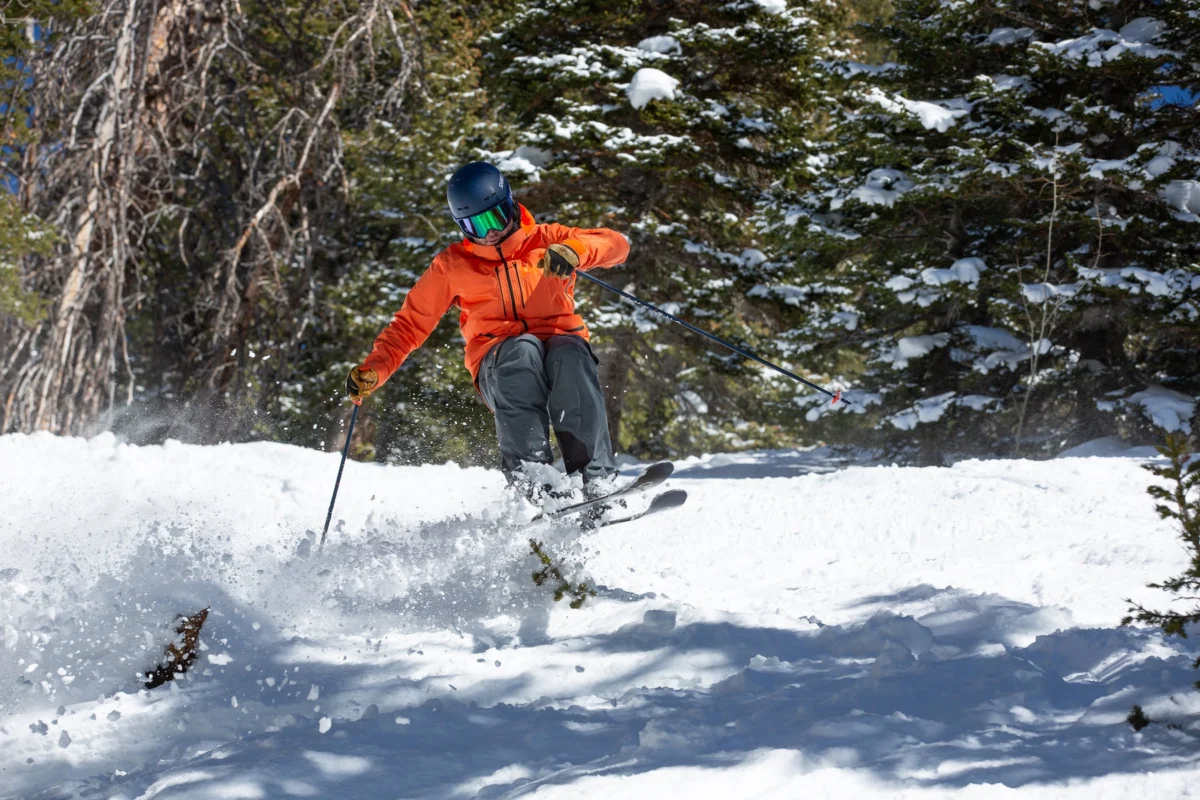
The crisp mountain air, the exhilarating rush of speed, the breathtaking vistas – skiing offers an unparalleled winter adventure. Yet, beneath the thrill lies a significant risk of injury, with anterior cruciate ligament (ACL) tears consistently ranking among the most common and devastating. While traditional strength training often emphasizes the larger, more visible muscles of the lower body like the quadriceps, hamstrings, and gluteus maximus, experts are increasingly highlighting the critical, often overlooked role of a smaller, yet powerful muscle: the gluteus medius. This muscle, situated on the side of your hip, is emerging as a cornerstone of effective injury prevention for skiers of all levels.
Dr. Gregory Lichtman, an orthopedic surgeon based in Northern California and a physician for the U.S. Women’s Ski Team, places a significant emphasis on gluteus medius strengthening. His extensive experience working with elite athletes has revealed a surprising reality: even high-level skiers can suffer from a weakened gluteus medius. Unlike muscles like the quads or hamstrings, which can naturally develop strength through common activities such as running or hiking, the gluteus medius typically requires deliberate and targeted training to reach its full potential. This realization underscores a critical gap in many conventional training regimens and offers a compelling reason to re-evaluate how skiers prepare for the demands of the slopes.
The Gluteus Medius: A Skiing Sentinel
The gluteus medius is a relatively small muscle that plays a disproportionately large role in lower body stability and control. Its primary function is hip abduction – the movement of the leg away from the midline of the body. However, its importance extends far beyond this single action. Crucially, the gluteus medius acts as a key stabilizer for the knee, preventing it from collapsing inward during dynamic movements. This inward collapse, known as knee valgus, is a biomechanical position strongly associated with an increased risk of ACL tears and other knee ailments.
During skiing, the forces exerted on the lower body are immense and often unpredictable. When a skier shifts their weight backward, a position commonly referred to as being "in the backseat," the knee can be pushed into a valgus position. This can lead to internal rotation of the tibia (shin bone), creating the perfect storm for an ACL tear. Dr. Lichtman explains that even without a complete ligament rupture, this valgus position can contribute to patellofemoral pain syndrome, a common condition characterized by pain at the front of the kneecap. By fortifying the gluteus medius, skiers can enhance their resistance to this detrimental knee valgus, thereby significantly reducing their susceptibility to both ACL injuries and general knee pain.
Beyond injury prevention, a robust gluteus medius also confers distinct performance advantages. Dr. Lichtman notes that a strong gluteus medius empowers skiers to adopt a more aggressive stance on their downhill ski and execute more powerful turns. When a skier places the majority of their weight on the downhill ski, they are subjected to substantial G-forces that can push them down the mountain. The gluteus medius, working in concert with strong quadriceps and core muscles, forms a vital "pillar" on the outer hip, enabling the skier to effectively withstand these forces and maintain control. This improved stability translates to more confident and dynamic skiing.
The Evolution of Skiing Safety and Training
The history of ski injury prevention has seen a gradual evolution in understanding. In the early days of recreational skiing, the focus was largely on protective gear like helmets. As the sport became more technical and speeds increased, attention shifted to the biomechanics of skiing and the musculature involved. The late 20th and early 21st centuries witnessed a growing awareness of the role of strength and conditioning in mitigating common skiing injuries.
Studies published in journals like the American Journal of Sports Medicine have repeatedly highlighted the prevalence of lower extremity injuries in skiing, with ACL tears accounting for a significant percentage. For instance, research has indicated that women skiers are at a higher risk for ACL injuries compared to men, a disparity that has prompted further investigation into biomechanical differences and training protocols. The recognition that these injuries are not merely accidental but often linked to specific movement patterns and muscle imbalances has driven the development of more targeted training strategies.
The increased accessibility of data and expert knowledge through online platforms and specialized publications has democratized this understanding. Ski resorts and sports medicine clinics now often offer pre-season conditioning programs that incorporate exercises designed to address specific skiing demands. The emphasis has moved from general fitness to sport-specific training, recognizing that the unique stresses of skiing require a tailored approach to physical preparation. The focus on the gluteus medius is a direct product of this evolution, moving beyond superficial muscle groups to address the nuanced biomechanical needs of the sport.
Targeted Training: Moving Beyond the Basics
While traditional exercises like side-lying leg lifts with ankle weights can indeed engage the gluteus medius, Dr. Lichtman considers them less than ideal for skiers. He points out that these exercises tend to isolate the muscle, failing to replicate the integrated, multi-joint movements that occur during athletic activities. In skiing, the gluteus medius doesn’t operate in a vacuum; it works synergistically with numerous other muscle groups to maintain balance, control, and power.
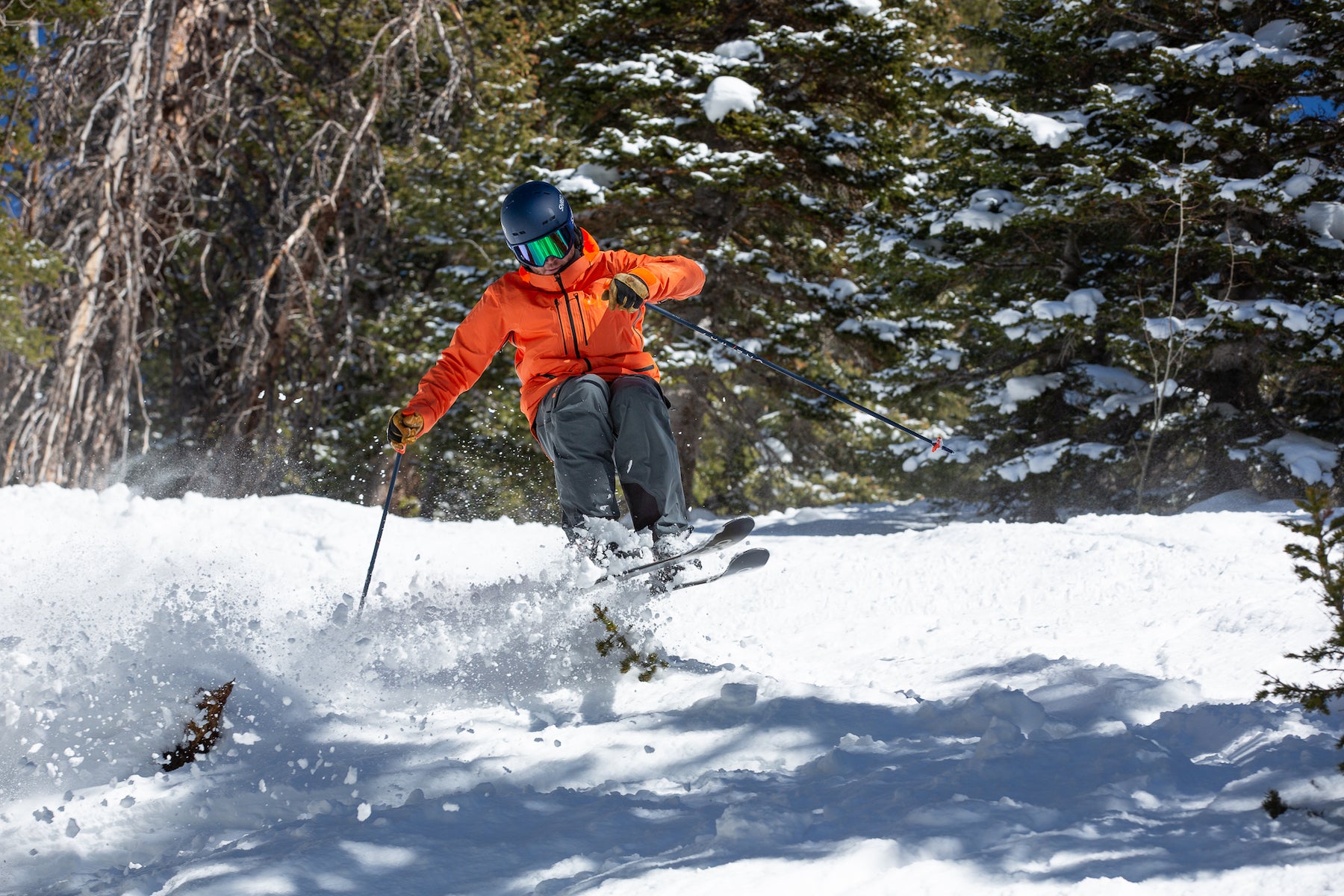
Dr. Lichtman’s preferred method for strengthening the gluteus medius involves exercises that simultaneously activate this crucial muscle alongside other key athletic movers. His top recommendation is the monster walk, performed with a resistance band. This exercise is highly effective because it not only intensely engages the gluteus medius but also recruits the core, hamstrings, quadriceps, and gluteus maximus. This holistic activation better mimics the demands placed on the body during skiing.
Mastering the Monster Walk
To perform a monster walk, a resistance band is typically looped around the ankles or just above the knees. The individual then adopts a slightly squatted position, maintaining tension on the band. The movement involves taking controlled steps forward, backward, or sideways, ensuring that the knees remain aligned over the feet and do not cave inward. The key is to feel the engagement in the outer hips and glutes throughout the movement.
Dr. Lichtman advocates incorporating monster walks into a training routine three times per week, with at least one day of rest between sessions to allow for muscle recovery and adaptation. To prevent monotony and to work different aspects of the hip and quadriceps, variations of the monster walk can be introduced. Stepping forward and backward, or diagonally, can provide a more comprehensive workout. As long as good form is maintained and the band remains under tension, all directional variations can be beneficial.
The importance of consistency cannot be overstated. Dr. Lichtman stresses the need to continue this type of training not only during the pre-season preparation but also throughout the ski season. He identifies a common pitfall: many skiers taper off their dry-land training once the season begins. For those who ski only two to three days a week, maintaining cross-training and focusing on core and hip abductor strength remains vital, as these muscles may not receive sufficient stimulus from skiing alone.
As the monster walk becomes easier, skiers can progress by using a stronger resistance band or increasing the number of repetitions and sets. This progressive overload is essential for continued muscle development and adaptation.
Beyond the Glute Medius: A Holistic Approach to Injury Prevention
While a powerful gluteus medius is a significant asset for any skier, it is crucial to recognize that it is but one component of a comprehensive injury prevention strategy. Dr. Lichtman emphasizes that a strong core and well-developed quadriceps, coupled with overall cardiovascular endurance, are equally fundamental.
The core muscles, including the abdominals and back muscles, play a critical role in stabilizing the spine and pelvis, which in turn influences the alignment and control of the lower extremities. A weak core can lead to compensatory movements and poor posture, increasing the risk of injury. Similarly, strong quadriceps are essential for absorbing impact and controlling descent down the slope.
Endurance is another often-underestimated factor. Dr. Lichtman’s goal for skiers is to maintain a level of freshness throughout the day, akin to how they feel at the start of the day. Fatigue is a significant risk factor for ACL tears, as it impairs proprioception (the body’s sense of its position in space) and leads to a greater likelihood of entering the "back seat" and experiencing knee valgus. Therefore, a well-rounded training program must include a balance of both strength and aerobic conditioning.
The implications of this holistic approach are far-reaching. By addressing multiple facets of physical preparedness, skiers can not only reduce their risk of acute injuries like ACL tears but also enhance their overall performance and longevity on the slopes. The investment in targeted strength training, particularly focusing on often-neglected muscles like the gluteus medius, alongside robust core work and endurance training, is an investment in a safer, more enjoyable, and more enduring skiing experience. The science is clear: a strong foundation, built from the inside out, is the ultimate key to conquering the mountain without succumbing to its inherent risks.
