

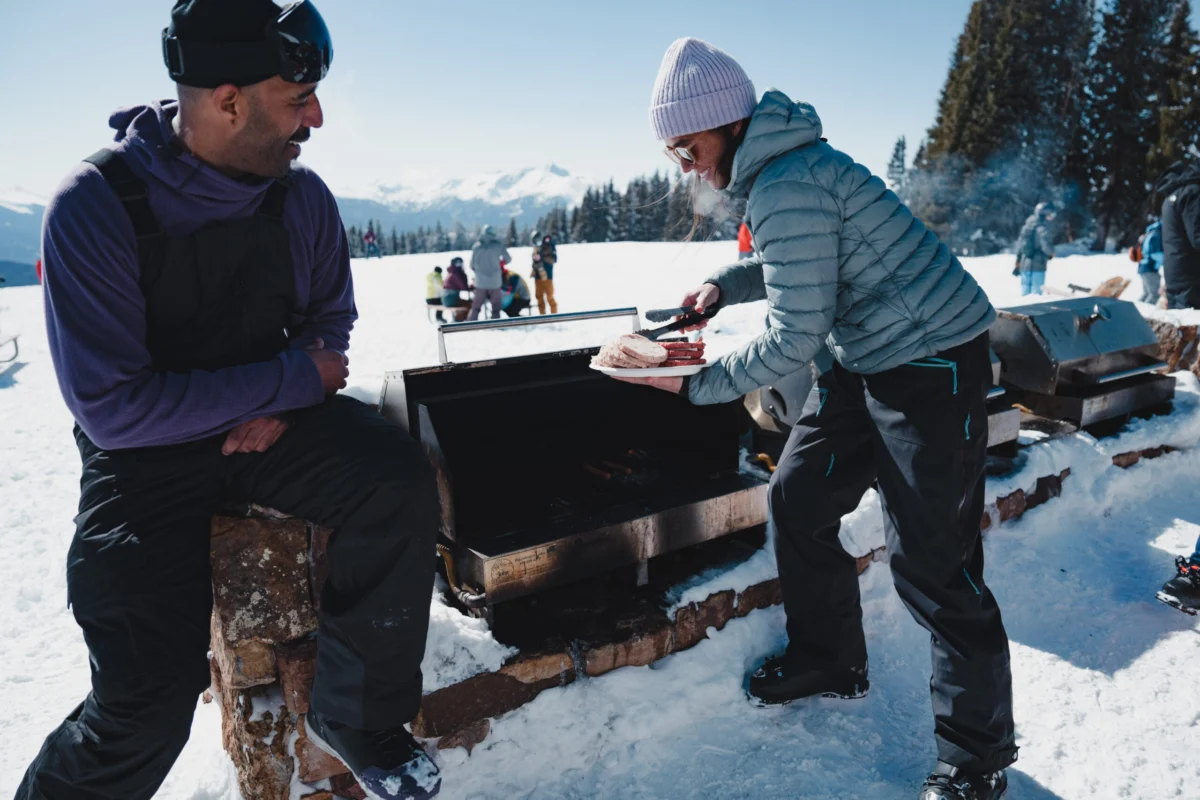
The modern ski industry is currently navigating a complex economic landscape defined by record-high lift ticket prices, surging equipment rental costs, and a luxury-oriented shift in on-mountain amenities. For the 2024-2026 seasons, daily lift tickets at premier North American destinations have frequently surpassed the $250 mark, leaving many enthusiasts seeking creative methods to mitigate the escalating "cost of entry" for the sport. Amidst this backdrop of high-end dining and $45 Wagyu burgers, an alternative tradition is gaining traction at some of Colorado’s most prestigious resorts: the self-service slopeside grill. At Vail Ski Resort’s Belle’s Camp and Loveland Ski Area’s on-mountain cabins, the act of packing raw meats and grilling at 11,000 feet has evolved from a niche local habit into a recognized strategic alternative for budget-conscious families and groups.
The Economic Context of On-Mountain Dining
To understand the appeal of DIY grilling, one must first examine the current financial requirements of a standard ski day. In the Colorado Rockies, the "cafeteria-style" lunch—once the baseline for mountain sustenance—has seen significant price inflation. A standard meal consisting of a burger, fries, and a beverage at a major resort now typically ranges from $25 to $35 per person. For a family of four, a single midday break can easily exceed $120.
At the higher end of the spectrum, full-service establishments like The 10th at Vail offer a curated culinary experience that mirrors metropolitan fine dining. With signature items like Wagyu cheeseburgers priced at $45, the cost of a sit-down lunch for a group can rival the price of the lift tickets themselves. When factoring in the cumulative costs of a multi-day trip—including lodging, transportation, and gear—food becomes one of the most flexible variables for cost reduction. By transitioning from resort-provided catering to self-prepared meals, skiers can reduce their daily food expenditure by approximately 70% to 80%, redirecting those funds toward other aspects of the mountain experience.
Belle’s Camp: A Unique Culinary Outpost in Blue Sky Basin
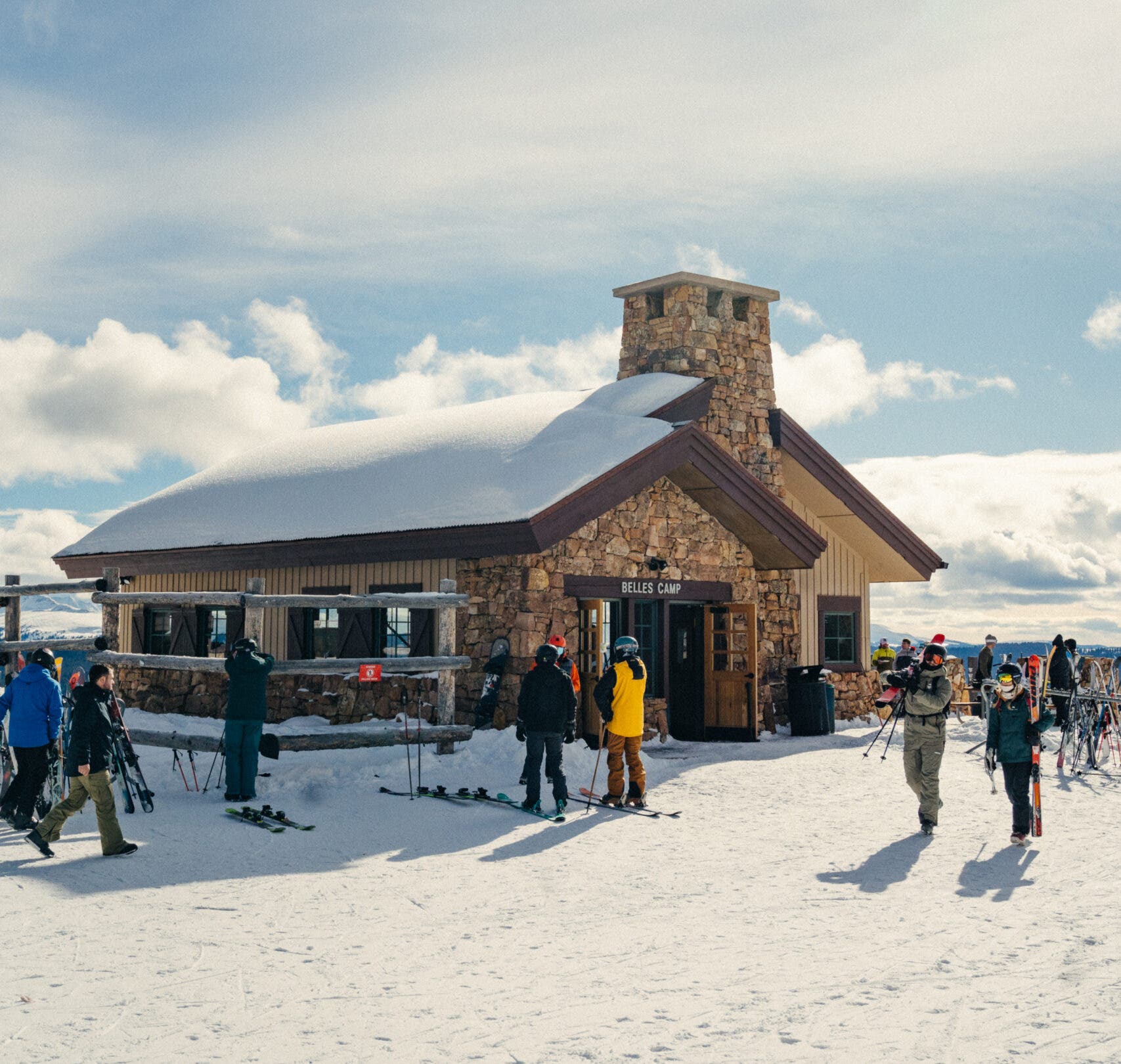
Vail’s Belle’s Camp, situated at the summit of Blue Sky Basin, represents the epicenter of this DIY movement. Blue Sky Basin itself is a storied section of the resort, opened in 2000 to provide a more "backcountry-style" experience within the safety of patrolled boundaries. Unlike the more commercialized areas of the front side of the mountain, Belle’s Camp was designed to offer a different kind of atmosphere.
The facility provides public-access grills where guests can prepare their own food. This model is rare for a resort of Vail’s stature, which generally prioritizes high-revenue food and beverage operations. Kevin Delonay, Vail Mountain’s Senior Director of Food and Beverage, notes that the intent behind Belle’s Camp is to foster a sense of community and self-reliance. According to Delonay, the camp is meant to be a departure from the traditional dining model, allowing guests to gather with friends and family to make lunch an integrated, creative part of their day in the basin.
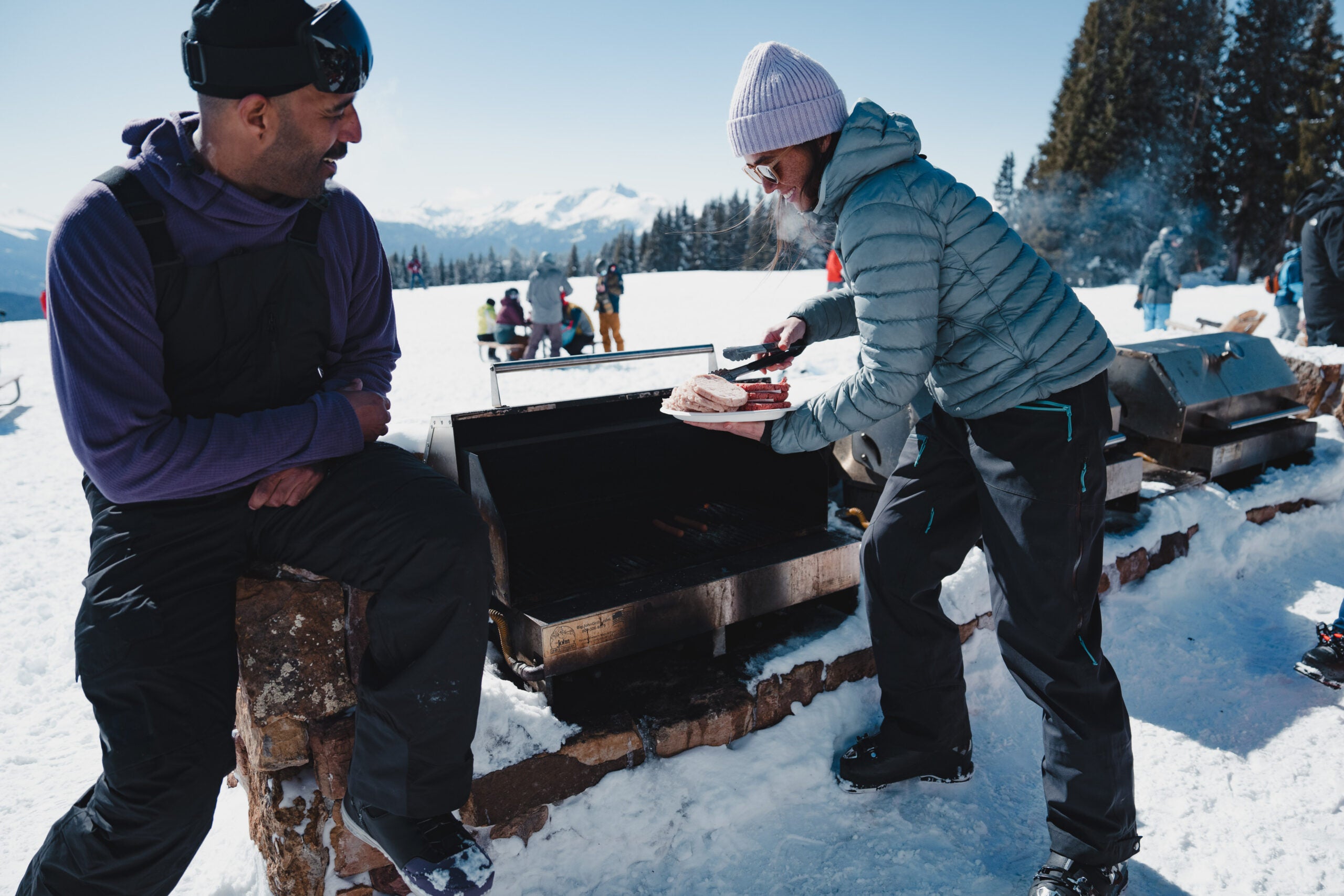
The logistics of Belle’s Camp are straightforward but require preparation. Skiers must transport their ingredients—ranging from hot dogs and bratwursts to high-end steaks—in backpacks while navigating the mountain’s terrain. This necessity has birthed a specific subculture of "ski-friendly" meal prep, where weight, durability, and ease of cooking are prioritized.
Comparative Models: Loveland Ski Area’s Community Cabins
Vail is not alone in maintaining this tradition. Loveland Ski Area, located on the Continental Divide approximately 50 miles west of Denver, offers a more localized and rugged version of the slopeside grill. Loveland operates four on-mountain cabins available for public use, each equipped with propane grills.
The philosophy at Loveland differs slightly from Vail’s luxury-adjacent branding. As a resort that caters heavily to Front Range locals and "day-trippers," Loveland’s inclusion of free-to-use grills aligns with its identity as a more accessible, community-focused mountain. These cabins serve as warming huts and social hubs, where the smell of grilled onions and burgers often defines the midday atmosphere. For many regular Loveland skiers, the "parking lot tailgate" has simply been moved up the mountain, providing a warm, indoor space to congregate without the requirement of a commercial purchase.
Logistics and Safety of High-Altitude Grilling
Grilling at high altitudes, often exceeding 11,000 feet above sea level, presents unique challenges that both resorts and visitors must manage. From a culinary perspective, the lower boiling point of water and the drier air affect cooking times and moisture retention in meats. From an operational perspective, the resorts must ensure that these facilities are maintained under strict safety protocols.
- Weather Dependency: The availability of grills is strictly subject to mountain operations. In conditions of extreme wind, heavy snowfall, or high fire danger, outdoor grilling stations may be closed.
- Waste Management: One of the primary concerns for resort management is the "Leave No Trace" principle. Skiers are expected to pack out what they pack in. The increase in DIY dining puts additional pressure on mountain sanitation crews to manage grease disposal and food waste, which can attract local wildlife if not handled correctly.
- Equipment and Supplies: While the resorts provide the heat source (usually propane), guests are responsible for all utensils, condiments, and plates. This has led to the rise of specialized "grill kits" among seasoned Colorado skiers—compact, lightweight sets of tongs and spice shakers designed to fit in a standard hydration pack.
The Social Evolution: From Brown Bags to "Charcuteski"
The growth of Belle’s Camp and similar facilities can be attributed to more than just financial savings; it is also a byproduct of a shifting social culture within skiing. While "brown-bagging" a sandwich was once seen as a sign of a "ski bum" or a strictly budget-limited traveler, the DIY mountain lunch has undergone a rebranding.
The recent "charcuteski" trend—where skiers create elaborate charcuterie boards on their skis or at picnic tables—is a testament to this shift. Grilling at Belle’s Camp has become a social event where groups compete to see who can produce the most impressive mountain meal. It is not uncommon to see skiers unwrapping marinated tri-tip or gourmet sausages, turning a simple lunch break into a communal feast.
Kevin Delonay highlights that this popularity has grown organically through word-of-mouth rather than traditional marketing. This organic growth suggests that for many visitors, the value of the experience lies in the "insider" nature of the tradition. It offers a sense of ownership over the mountain experience that a standard restaurant transaction cannot replicate.
Industry Implications and Future Outlook
The continued support for public grills at major resorts like Vail suggests a strategic recognition that "value-add" experiences are essential for long-term customer loyalty. By providing a space for guests to save money, the resort may lose direct revenue on a $30 burger, but it gains in overall guest satisfaction and the likelihood of return visits.
Furthermore, these facilities serve as a vital pressure valve for on-mountain infrastructure. During peak holiday periods, indoor lodge seating and restaurant wait times can become significant pain points for guests. Public grill stations like Belle’s Camp distribute the lunch-hour crowd more evenly across the mountain, utilizing outdoor space and remote locations to reduce congestion in the main base areas.
As the 2020s progress, the tension between the "luxury" and "lifestyle" aspects of skiing will likely continue. However, the persistence of the slopeside grill proves that even at the world’s most expensive resorts, there remains a deep-seated desire for the simple, communal, and self-reliant traditions that defined the sport’s early years. Whether motivated by the need to save $100 on a family lunch or the desire to enjoy a steak with a view of the Holy Cross Wilderness, the skiers at Belle’s Camp are participating in a tradition that balances the modern economics of skiing with the timeless appeal of the Rocky Mountains.
Summary of Potential Savings for a Family of Four
| Item | Resort Restaurant (Estimated) | DIY Grilling (Estimated) |
|---|---|---|
| Main Course (4 Burgers/Steaks) | $120.00 – $180.00 | $25.00 – $40.00 |
| Sides/Snacks | $40.00 | $10.00 |
| Beverages | $28.00 | $5.00 |
| Total Estimated Cost | $188.00 – $248.00 | $40.00 – $55.00 |
The data indicates that a single day of DIY grilling can save a group nearly $200. Over a five-day ski trip, these savings total approximately $1,000—a figure that effectively offsets the cost of a season pass or several days of high-performance rentals. This economic reality ensures that the smoke rising from Belle’s Camp will remain a permanent fixture of the Vail horizon for years to come.
