

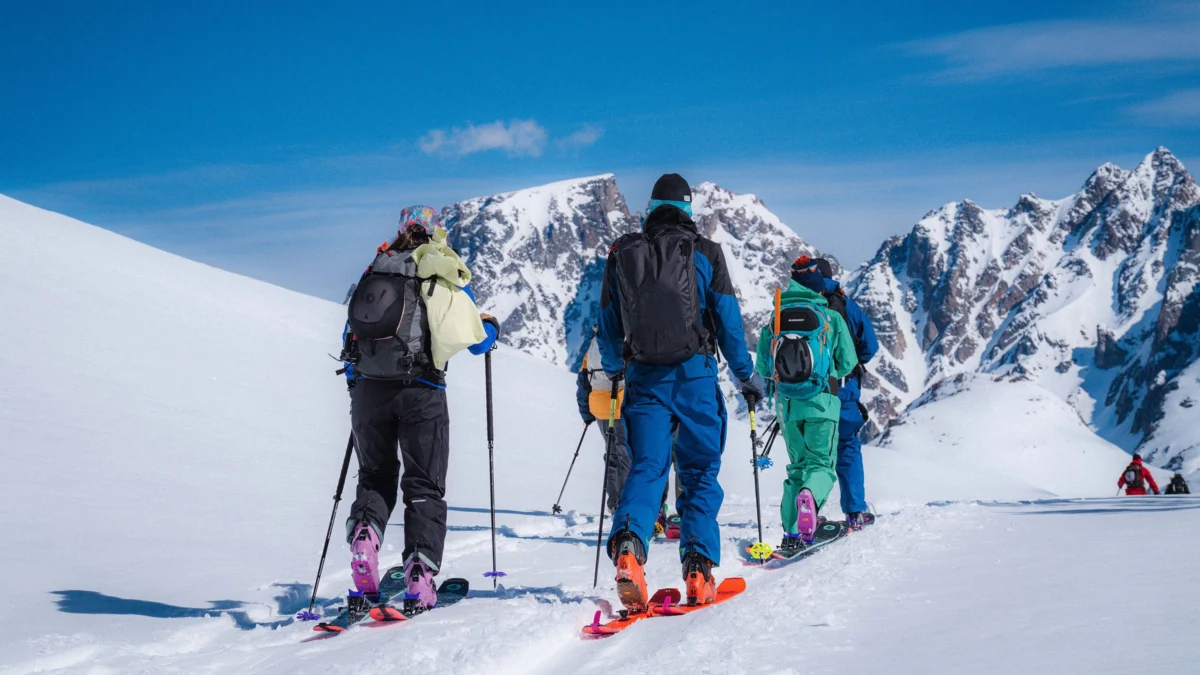
The evolution of backcountry skiing equipment has reached a pivotal juncture in 2027, as manufacturers increasingly prioritize the synthesis of lightweight materials, modularity, and intuitive access. As the segment of the winter sports market dedicated to human-powered exploration continues to expand, the demand for specialized carry systems has never been higher. Following a rigorous season of field evaluations across the globe, a definitive selection of the year’s most high-performing packs has emerged, led by the Ortovox Venet 30 for general versatility and the Raide EX55 for expedition-scale objectives. The testing process, which involved 14 professional and recreational skiers evaluating 18 different models, highlights a significant shift toward packs that maintain stability during high-intensity descents while providing seamless access to safety tools and hydration.
The 2027 Testing Methodology and Field Chronology
To determine the top-performing packs for the 2027 season, a comprehensive testing protocol was established, spanning from the early winter of 2026 through the late spring of 2027. The testing team, comprised of 14 individuals with diverse backgrounds in ski mountaineering, freeriding, and hut-to-hut touring, was assigned specific gear based on their geographic location and intended objectives.
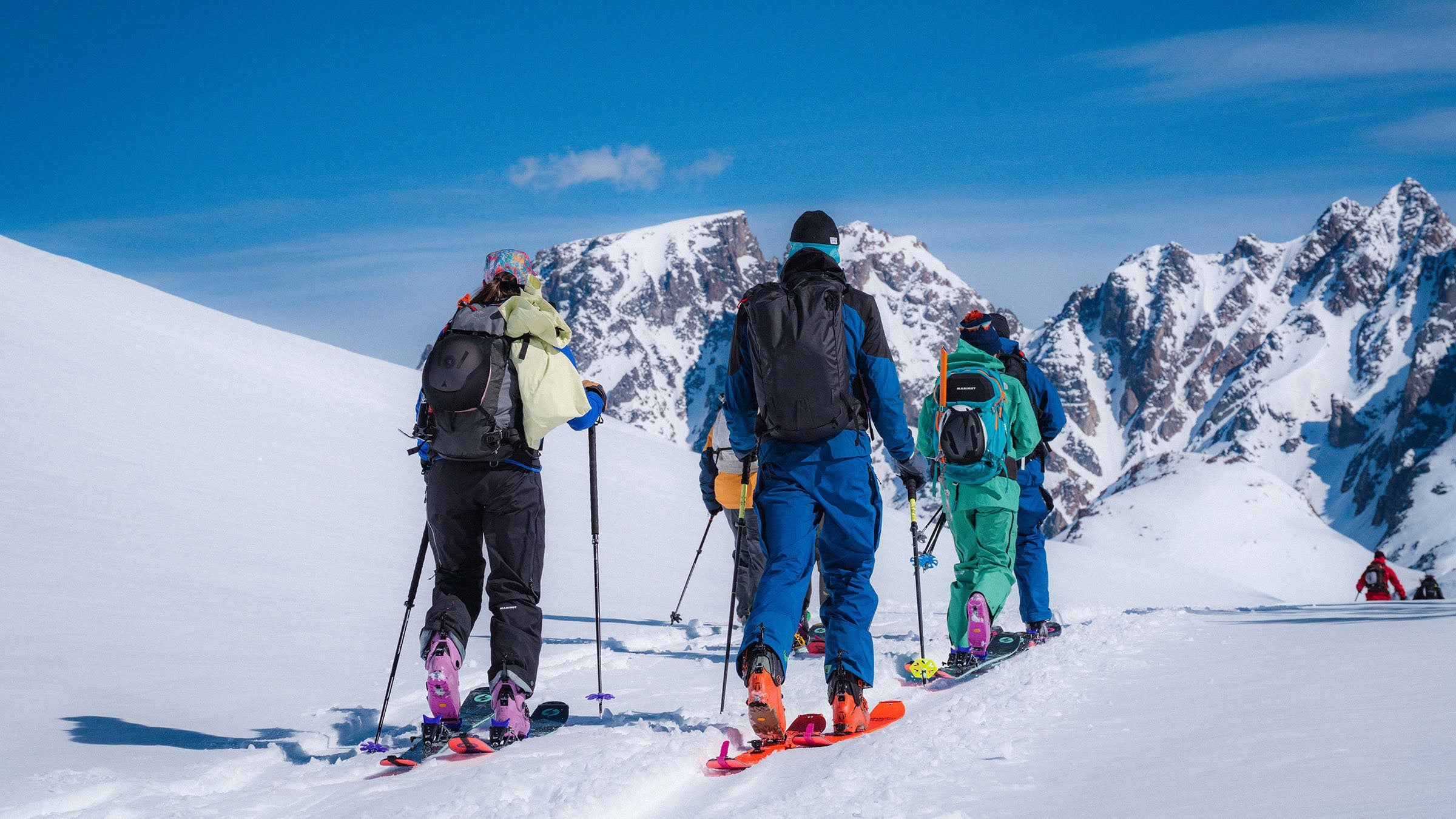
The evaluation period followed a distinct chronological path:
- Early Season (November – December 2026): Initial testing focused on resort-adjacent "slackcountry" and low-elevation tours in Colorado and Utah. This phase emphasized the evaluation of compact models like the Deuter Freecline 15, testing for comfort on chairlifts and ease of use during short bootpacks.
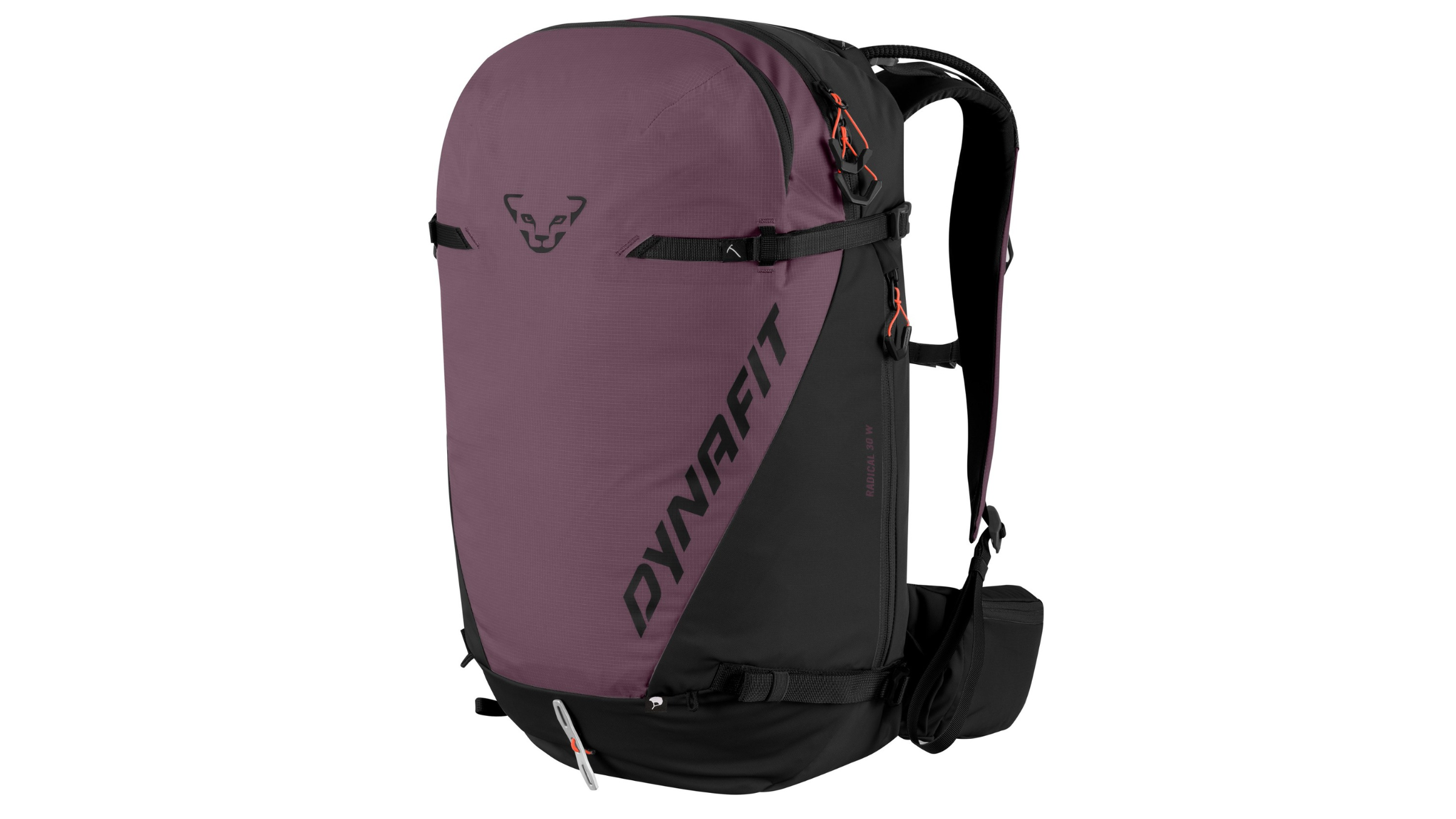
- Mid-Winter (January – February 2027): Testing transitioned to high-alpine environments and deep-powder conditions in the Alps and Scandinavia. Testers focused on the Ortovox Venet 30 and the Dynafit Radical 30, assessing how these packs handled heavy snow loads and sub-zero temperatures where zipper reliability and glove-friendly buckles are critical.
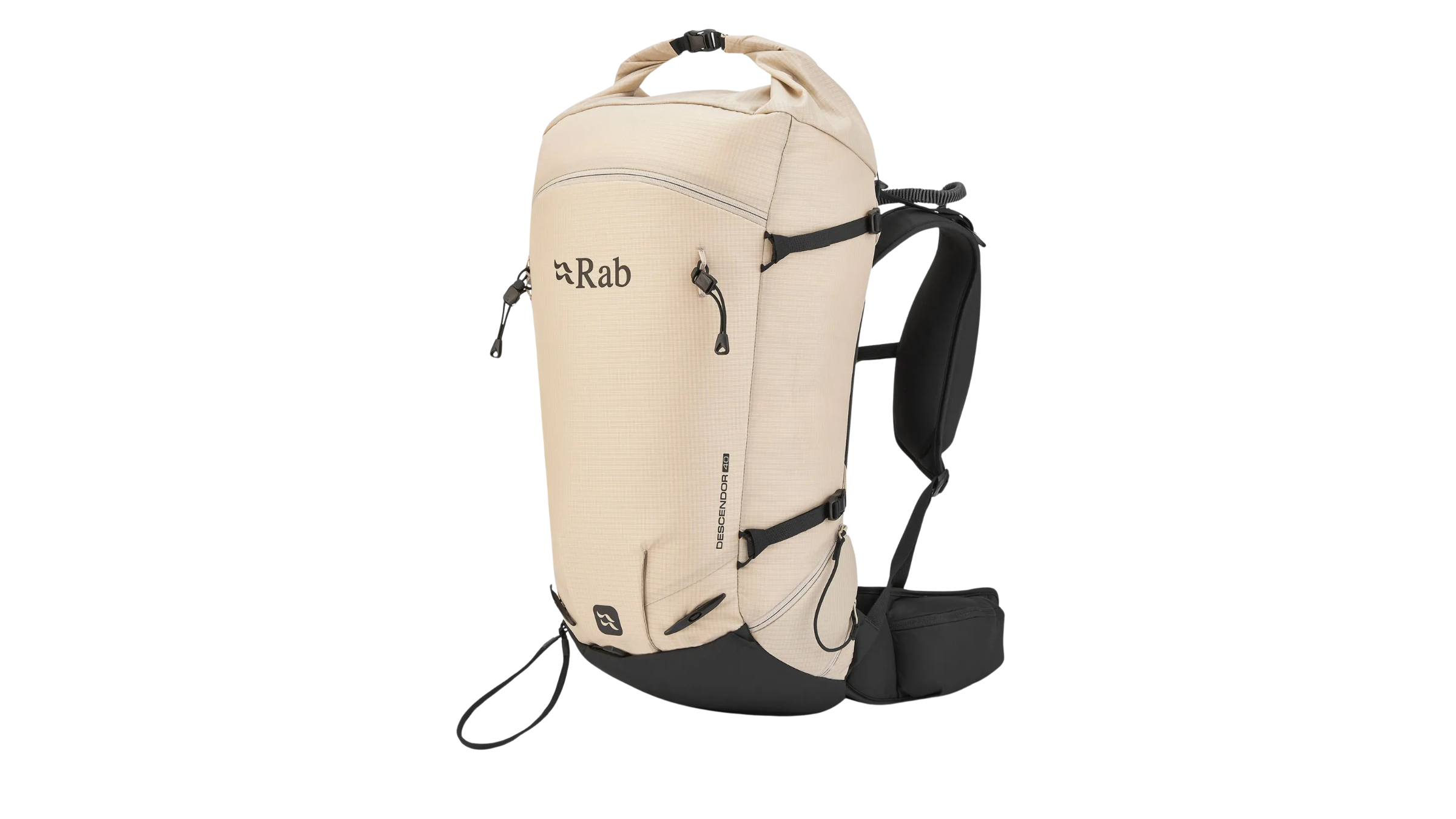
- Spring Expedition Phase (March – May 2027): The final phase of testing took place in the Eastern Sierra, Alaska, and the West Elk Mountains of Colorado. This period was dedicated to high-volume and technical packs, such as the Raide EX55 and the Rab Descendor 40. Testers evaluated load-bearing capabilities during multi-day traverses and the security of ski-carry systems on steep, technical couloirs.
Throughout this period, each pack was judged on four primary metrics: fit and ergonomics, weight distribution under load, accessibility of internal and external compartments, and long-term durability against abrasive surfaces like rock and sharp ski edges.
Analysis of Top Performers: Versatility and Technical Innovation
Ortovox Venet 30: The Standard for All-Mountain Touring
The Ortovox Venet 30 ($170) has emerged as the premier choice for the majority of backcountry skiers. Weighing 2.58 lbs, it balances weight and durability through a full-contact back panel design that ensures the load remains centered over the skier’s center of gravity. The standout feature identified by the testing team was the triple-zipper access to the main compartment. This design allows for a "clamshell" opening, enabling users to retrieve items from the bottom or middle of the pack without disturbing the gear packed on top.
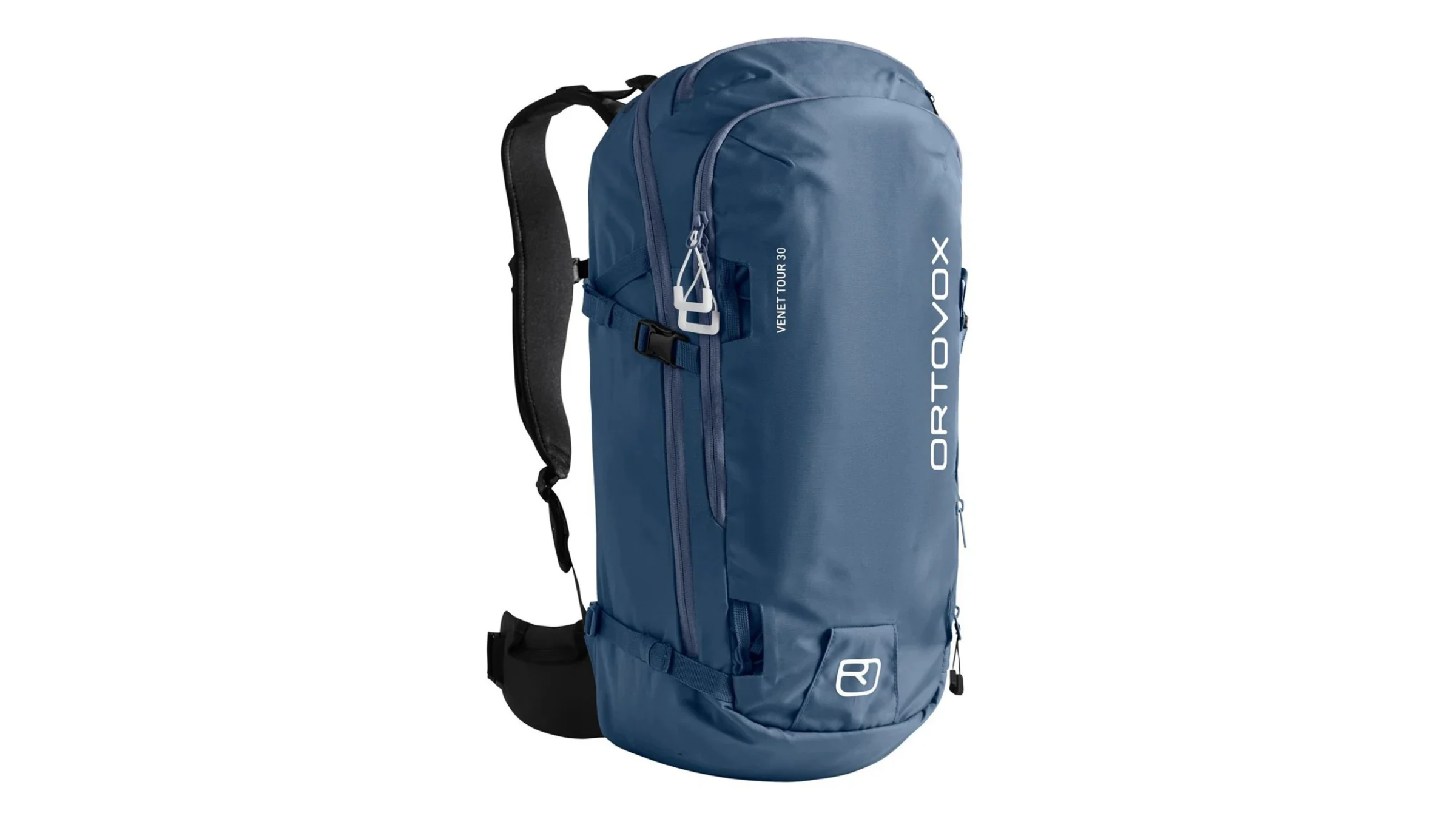
Industry analysts suggest that Ortovox’s move toward more ergonomic hipbelt pockets reflects a broader trend in 2027: the "move-fast" philosophy. By providing enough storage on the waist belt for electronics, snacks, and small tools, the Venet 30 minimizes the need for transitions, thereby helping skiers maintain body temperature and momentum in cold climates.
Raide EX55: A Paradigm Shift in Expedition Carry
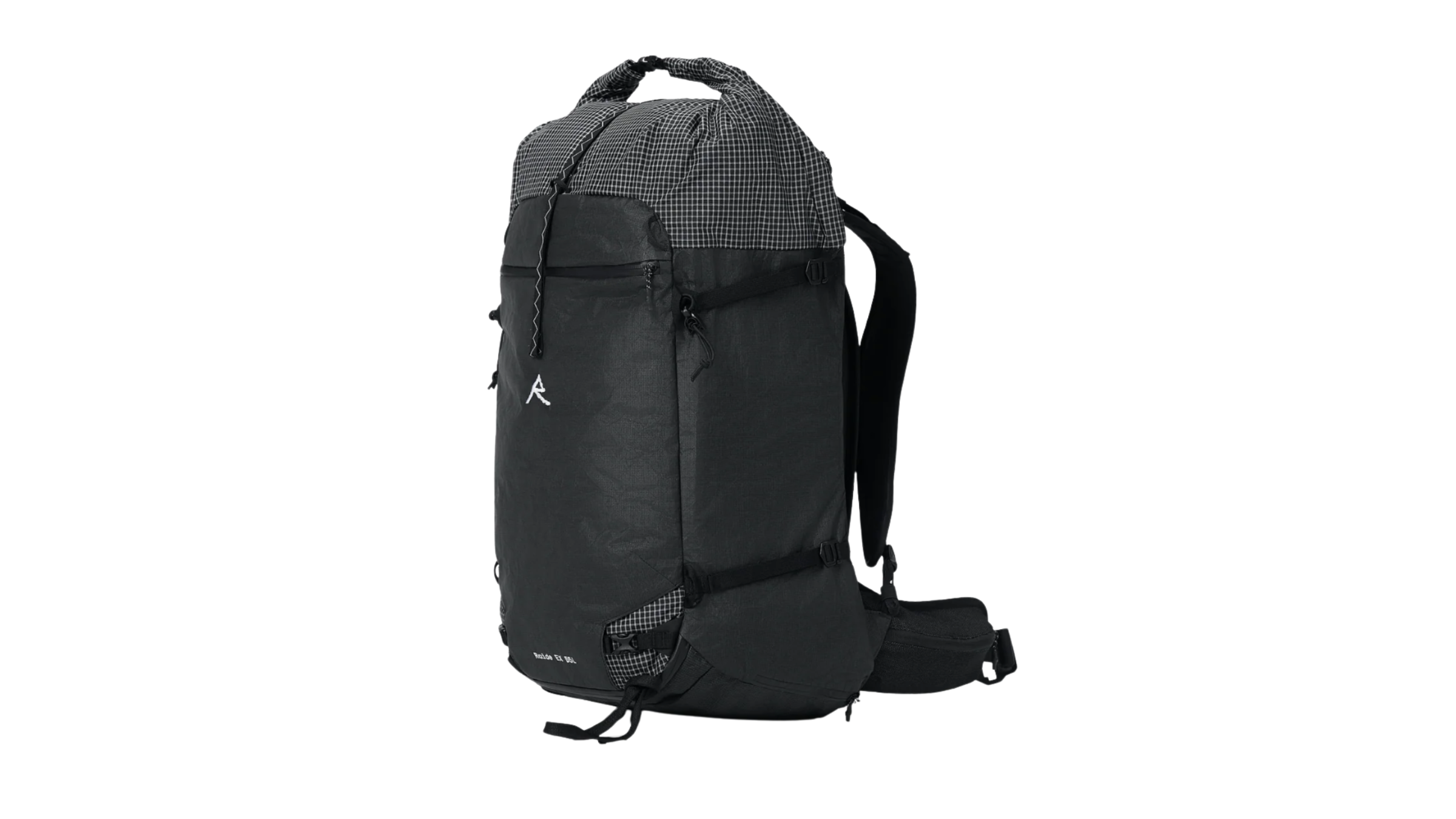
For professionals and enthusiasts engaging in multi-day expeditions, the Raide EX55 ($599) represents a significant engineering achievement. The pack utilizes a modular volume system, allowing it to expand to 75 liters for approach marches and cinch down to a low-profile daypack for summit bids.
Testers in the Eastern Sierra noted that the EX55’s ability to remain stable during aggressive skiing—even when partially empty—is its most valuable asset. The inclusion of thicker shoulder straps and advanced load lifters allows for the comfortable transport of bivy gear and climbing hardware, addressing a long-standing complaint in the expedition pack market regarding the "floppiness" of high-volume bags during descents.
Gender-Specific Engineering and Technical Mountaineering
Dynafit Women’s Radical 30 Snow Pack
The 2027 season has seen a refinement in women’s-specific gear, moving beyond "shrink it and pink it" marketing toward genuine anatomical engineering. The Dynafit Radical 30 ($190) was lauded for its S-shaped shoulder straps and a hipbelt designed to curve more ergonomically around a female iliac crest. Weighing 2.31 lbs, it is optimized for high-mileage days. Testers highlighted the skimo-style diagonal ski carry, which utilizes a bungee strap for transitions without requiring the removal of the pack—a feature increasingly favored by those focused on speed and efficiency.
Rab Descendor 40: Optimized for the Alpine
The Rab Descendor 40 ($200) targets the ski mountaineering niche, where the integration of ropes, ice tools, and crampons is mandatory. The pack’s side-access zipper was cited as a critical feature, allowing for the retrieval of a DSLR camera or a rope mid-route. Furthermore, Rab’s focus on hydration integration—featuring a dedicated soft-flask pocket on the shoulder strap—addresses the physiological needs of skiers performing at high altitudes where dehydration is a constant risk.
Comparative Data and Specification Overview
The following data summarizes the key specifications of the top-rated models for the 2027 season:
| Model | Primary Use | Weight | Volume | Key Feature |
|---|---|---|---|---|
| Ortovox Venet 30 | Versatile Touring | 2.58 lbs | 30L | Triple-zipper access |
| Raide EX55 | Expeditions | 2.8 lbs | 55-75L | Modular roll-top |
| Dynafit Radical 30 | Women’s Technical | 2.31 lbs | 30L | Anatomical fit |
| Rab Descendor 40 | Ski Mountaineering | 2.75 lbs | 40L | Hydration integration |
| Black Diamond Cirque 35 | Quick Transitions | 2.1 lbs | 35L | Dynex grid durability |
| Deuter Freecline 15 | Compact/Resort | 1.5 lbs | 15L | Low-profile movement |
Market Context: Sustainability and Material Science
The 2027 pack lineup reflects significant advancements in material science, particularly regarding environmental regulations. Many of the reviewed models, including the updated Black Diamond Cirque 35, have transitioned to PFC-free (per- and polyfluorinated chemicals) 210D nylon and high-tenacity Dynex grids. This shift is a response to both consumer demand for sustainable products and tightening global regulations on "forever chemicals."
Furthermore, the integration of RECCO® technology, as seen in the Dakine Heli 2.0 12L, has become a standard safety expectation. While not a replacement for a transceiver, shovel, and probe, the inclusion of passive reflectors in pack construction provides an additional layer of searchability for organized rescue teams.
Expert Guidance: Selecting the Correct Volume and Fit
Choosing a backcountry pack in 2027 requires a nuanced understanding of one’s typical objectives. Industry experts suggest the following volume guidelines:
- 20L – 30L: Ideal for "dawn patrol" missions or lift-accessed backcountry where minimal extra layers and a basic safety kit are required.
- 30L – 40L: The "sweet spot" for full-day tours. These packs accommodate extra insulation, more substantial food and water supplies, and technical tools like ski crampons.
- 45L+: Reserved for overnight hut trips, glacier travel requiring ropes, or multi-day mountaineering expeditions.
In addition to volume, the importance of torso length cannot be overstated. A pack that is too long will interfere with the back of a helmet during descents, while a pack that is too short will fail to transfer weight effectively to the hips, leading to shoulder fatigue and reduced balance.
Implications for the Future of Backcountry Travel
The refined designs of the 2027 pack season indicate a broader maturation of the backcountry industry. As gear becomes more intuitive, the barrier to entry for complex terrain decreases; however, experts warn that improved equipment should not be a substitute for avalanche education. The consensus among the 14-person testing team was that the best packs of 2027 are those that "disappear" on the back—providing the necessary support and organization without hindering the fluid motion of skiing.
As we look toward 2028, the trend of modularity—pioneered by Raide Research—and the use of ultra-durable, sustainable fabrics are expected to become the baseline for all high-end carry systems. For now, the models highlighted in this report represent the pinnacle of current engineering, offering skiers the reliability needed for the most demanding winter environments on earth.
