

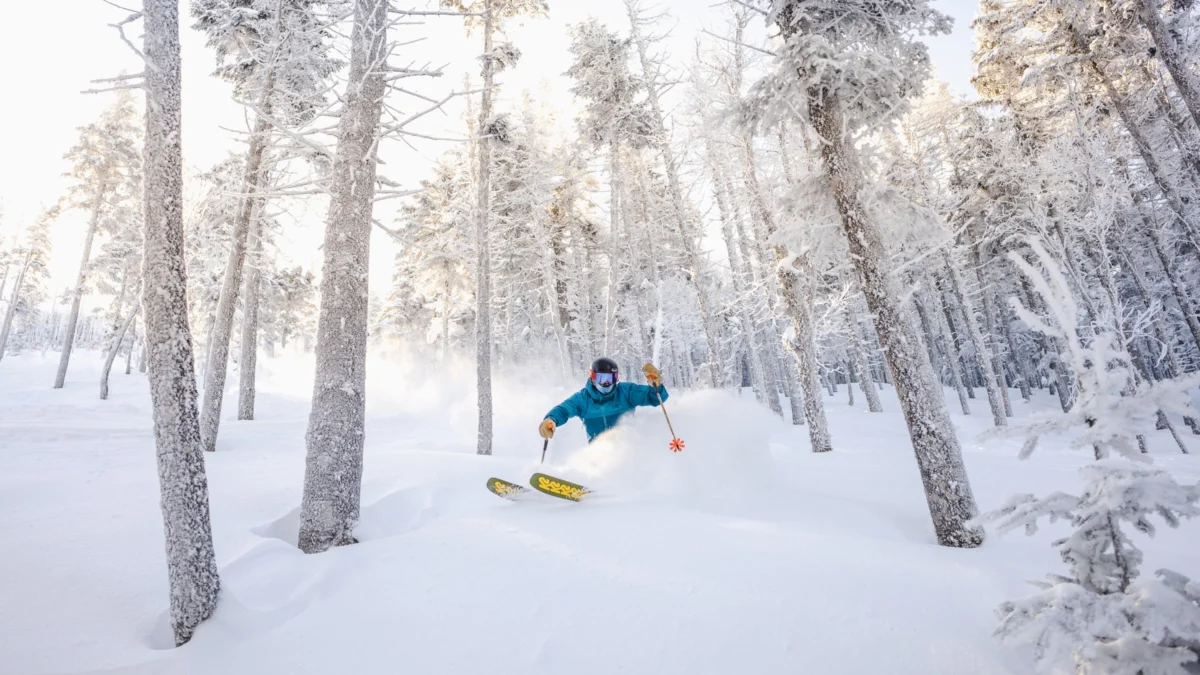
The publication of the 2027 Resort Guide marks a significant milestone for the North American ski industry, particularly as enthusiasts and travel planners prioritize the diversity of mountain topography when selecting winter destinations. Terrain variety, a metric that evaluates the range and complexity of a resort’s trail system, has emerged as a primary factor in determining the success of group travel. According to data collected from the annual SKI Magazine reader survey, the ability of a resort to accommodate varying skill levels—from first-time skiers to seasoned glade experts—directly correlates with high guest satisfaction scores. In the Eastern United States, where variable weather conditions and icy surfaces often dictate the skiing experience, the physical layout of the mountain becomes a critical asset. This year’s rankings reflect a growing preference for resorts that maintain a balance between meticulously groomed cruisers and rugged, natural technical terrain.
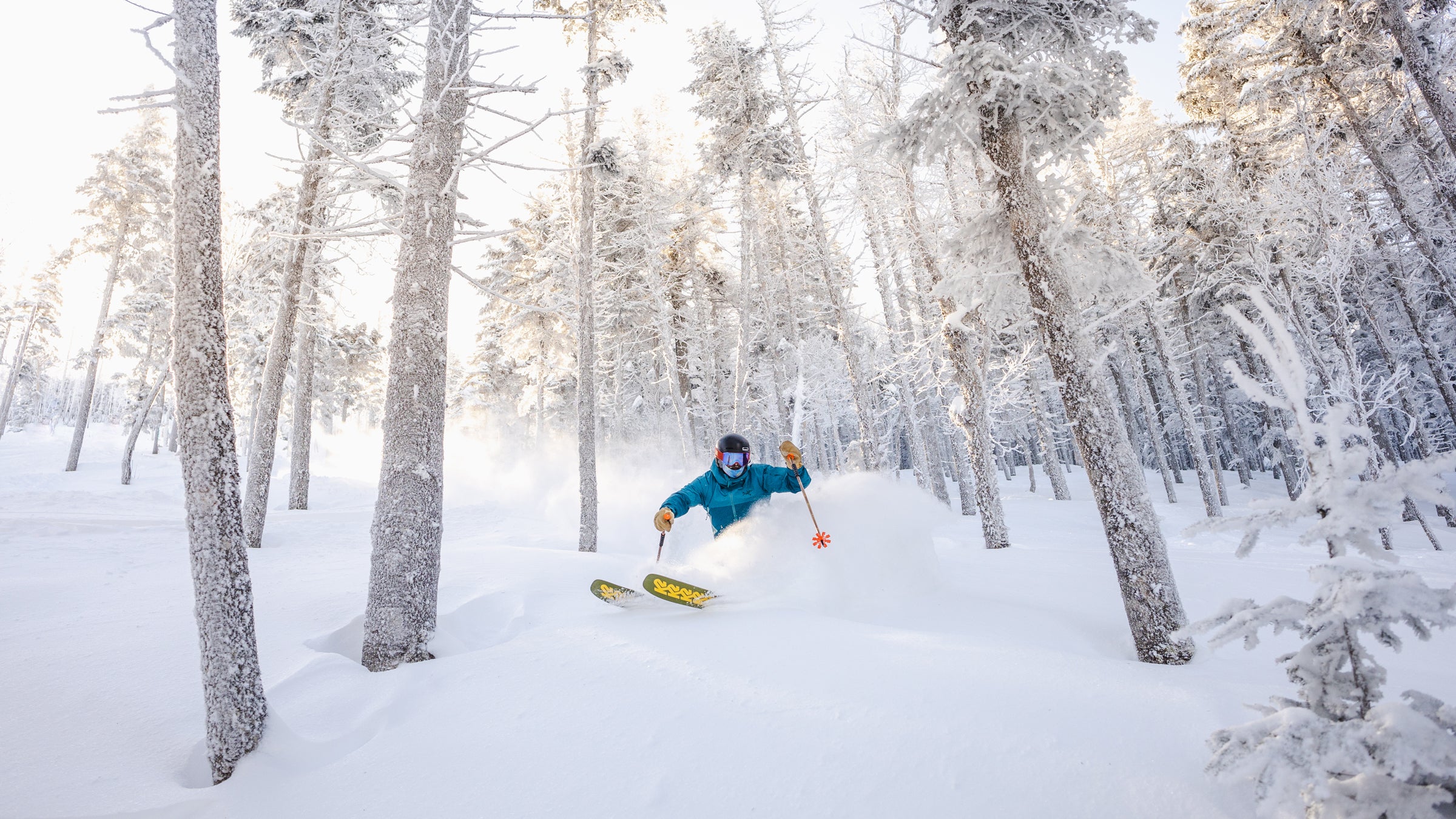
The Strategic Importance of Topographical Diversity in the Ski Industry
For modern ski resorts, terrain variety is more than just a marketing catchphrase; it is a vital component of operational viability. Resorts that offer a wide spectrum of slopes can facilitate "pod-based" skiing, where different members of a family or group can utilize the same lift system to access trails suited to their specific abilities. This prevents the fragmentation of groups and enhances the social aspect of the sport. Furthermore, a diverse trail map allows mountain operations teams to manage skier traffic more effectively, reducing bottlenecks at mid-mountain intersections and improving overall safety. The 2027 rankings highlight ten specific locations in Vermont, Maine, and New Hampshire that have successfully leveraged their natural geography to provide this multifaceted experience.
Analysis of the Top 10 Eastern Resorts for Terrain Variety
10. Stowe Mountain Resort, Vermont
Stowe Mountain Resort continues to be a cornerstone of New England skiing, securing the number ten spot with a score of 8.45. Known for its historical "Front Four" trails—Goat, Liftline, National, and Starr—Stowe provides some of the most challenging technical terrain in the East. However, the resort’s high ranking is also attributed to its significant investment in intermediate grooming and the beginner-friendly terrain at Spruce Peak. Readers noted that while the resort excels in lodging and nightlife, it faces ongoing challenges regarding parking logistics and overall value. The integration into the Epic Pass system has increased accessibility but also led to heightened scrutiny regarding peak-day crowds.
9. Sunday River, Maine
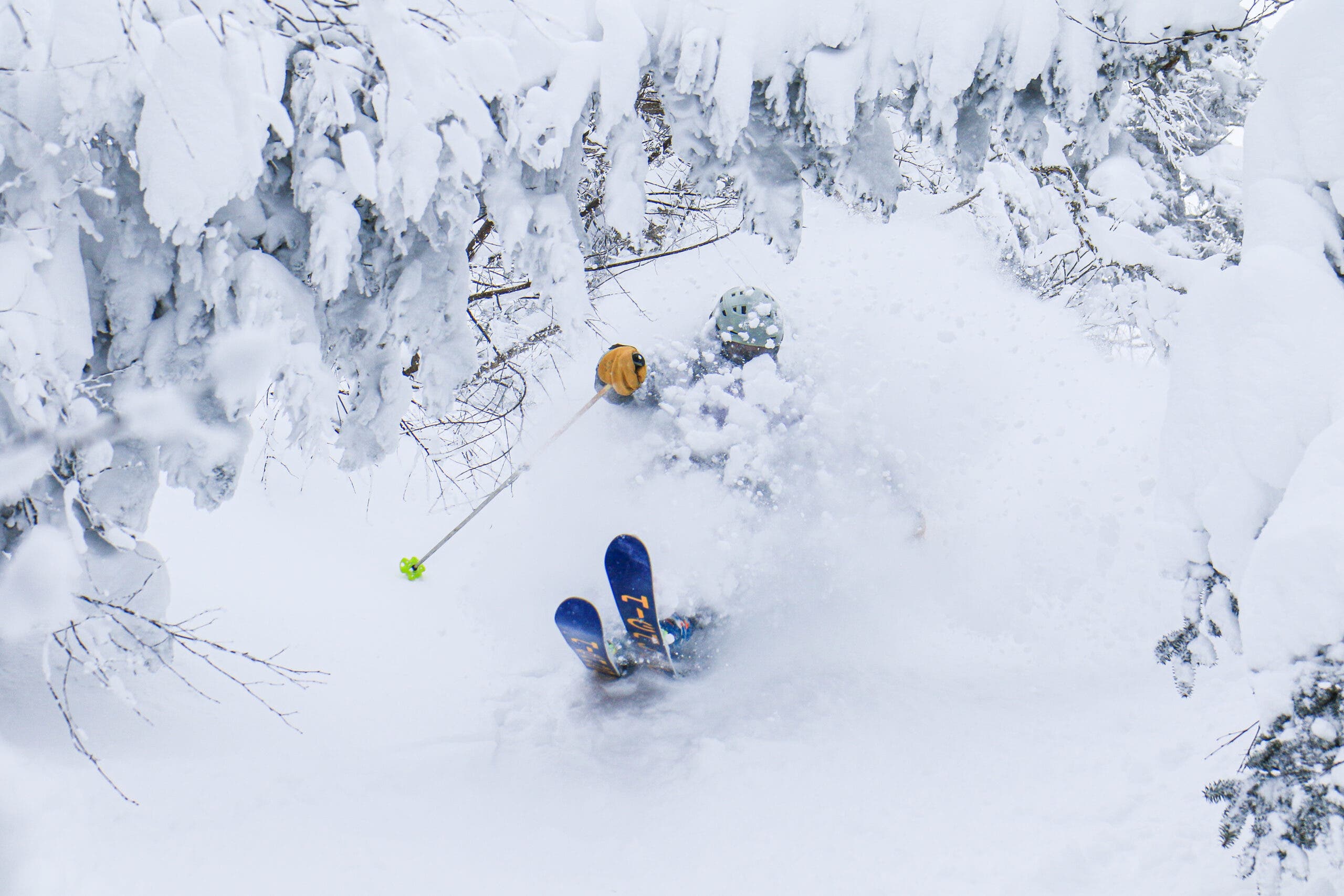
Sunday River, located in Newry, Maine, earned a score of 8.46, buoyed by its unique "eight-peak" layout. This horizontal spread allows for a vast array of micro-climates and trail types, ranging from the steep bumps of White Heat to the long, meandering greens of North Peak. The resort is frequently praised for its sophisticated lift infrastructure and industry-leading snowmaking capabilities, which ensure that variety remains available even during periods of low natural snowfall. While guest services and local flavor were identified as areas for improvement, the sheer volume of skiable acreage remains a primary draw for visitors.
8. Cannon Mountain, New Hampshire
As a state-owned entity, Cannon Mountain offers a distinct experience compared to its corporate-owned peers. Scoring 8.59, it is celebrated for its high vertical drop and "old-school" atmosphere. The terrain variety here is defined by its ruggedness; the mountain features narrow, winding trails that hark back to the early days of the sport, alongside the expansive Mittersill backcountry area. Readers highlighted the resort’s value and the challenging nature of its slopes. Recent management efforts to address deferred maintenance on snowmaking pipes and lift terminals have been noted as positive steps toward modernizing the facility without losing its historic character.
7. Sugarloaf Mountain, Maine
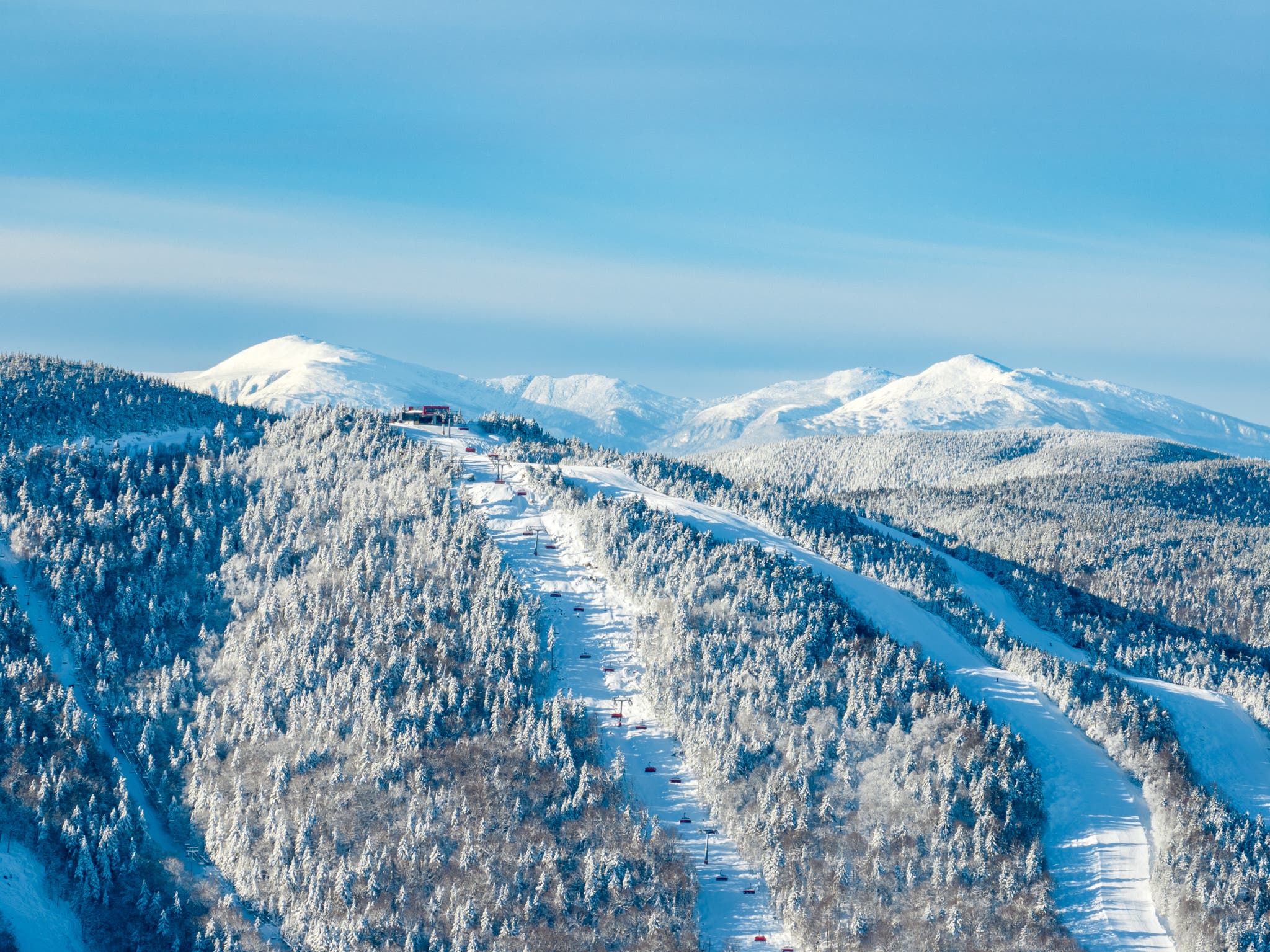
Sugarloaf is the only resort in the East to offer lift-served, above-treeline skiing in its "Snowfields" area, contributing to its score of 8.85. The mountain’s conical shape provides a 360-degree sense of variety, with steep summit pitches transitioning into wide intermediate glades. The resort’s strengths in après-ski and nightlife are balanced by logistical weaknesses, specifically its remote location and aging lift infrastructure. Nevertheless, for "serious skiers," Sugarloaf remains a premier destination due to its massive acreage and the high-energy atmosphere maintained by its loyal local community.
6. Killington Resort, Vermont
Widely known as "The Beast of the East," Killington Resort scored 8.93. Its terrain variety is arguably the most expansive in the region, spanning six peaks and featuring everything from the World Cup-certified Superstar trail to the extensive wooded glades of Bear Mountain. The recent completion of the new K-1 Lodge has improved the base-area experience, and the resort’s dining and nightlife options remain top-tier. However, the high volume of visitors often leads to concerns regarding safety and parking, issues that management continues to address through revised traffic patterns and increased mountain patrol presence.
5. Smugglers’ Notch, Vermont
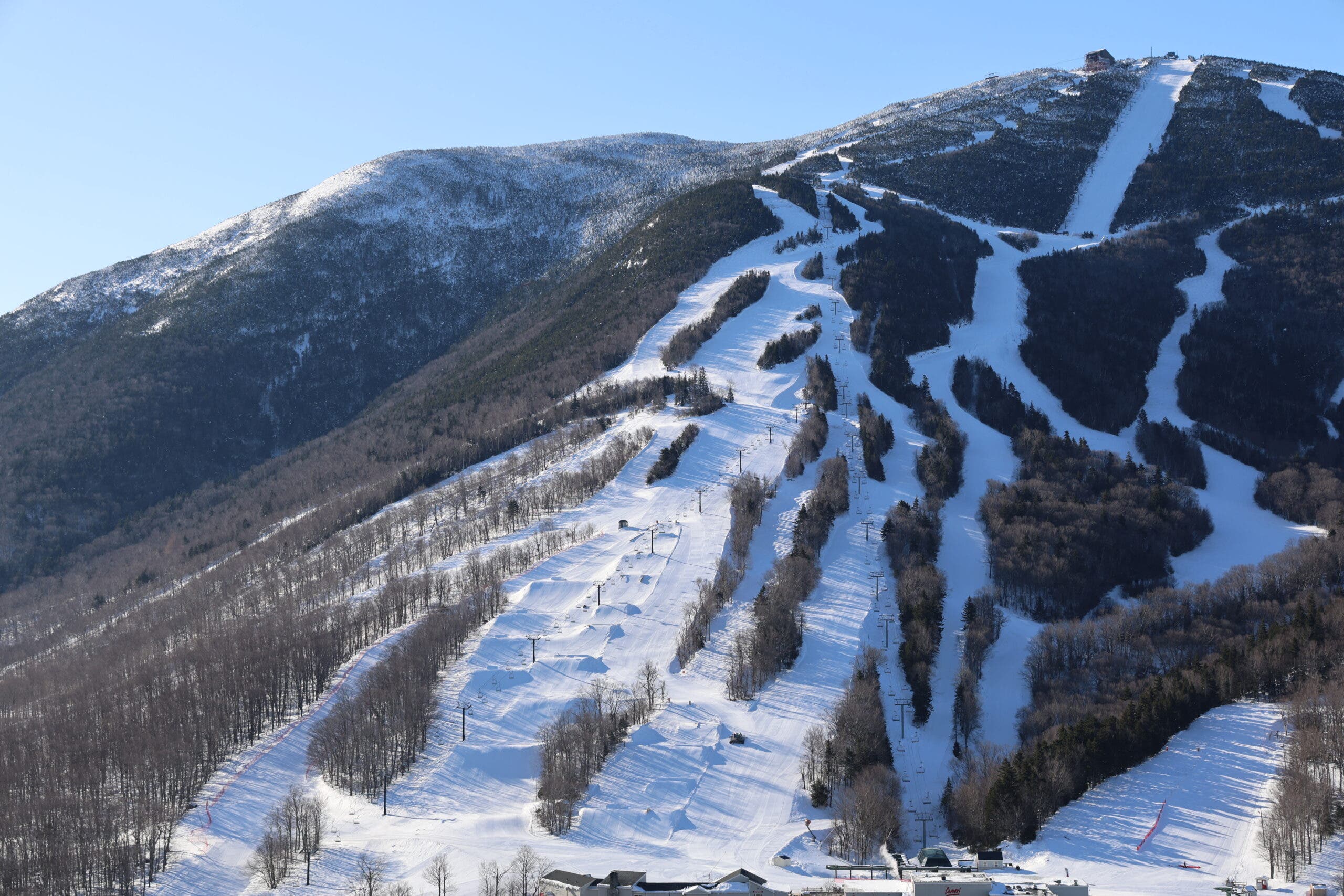
Smugglers’ Notch, or "Smuggs," earned a 9.08, largely due to its dual identity. It is simultaneously one of the best family resorts in the nation and a haven for hardcore experts, home to the "Black Hole," the only triple-black diamond trail in the East. This dichotomy provides immense variety, though readers pointed out that the transition from beginner to intermediate trails can be steep, as the mountain’s peaks lack easy "way down" routes. The resort’s commitment to a "true Vermont experience" and its high value-for-money rating offset criticisms of its slower, older lift system.
4. Jay Peak, Vermont
Located near the Canadian border, Jay Peak is synonymous with natural snowfall, frequently benefiting from the "Jay Cloud" phenomenon. With a score of 9.09, its terrain variety is centered on its legendary tree skiing. The resort offers more gladed acreage than almost any other Eastern mountain, providing a wilderness-like experience for those comfortable in the woods. While the tram and summit lifts are often subject to wind holds, the quality of the "untouched powder" found in the trees remains a significant differentiator in the market.
3. Saddleback Mountain, Maine
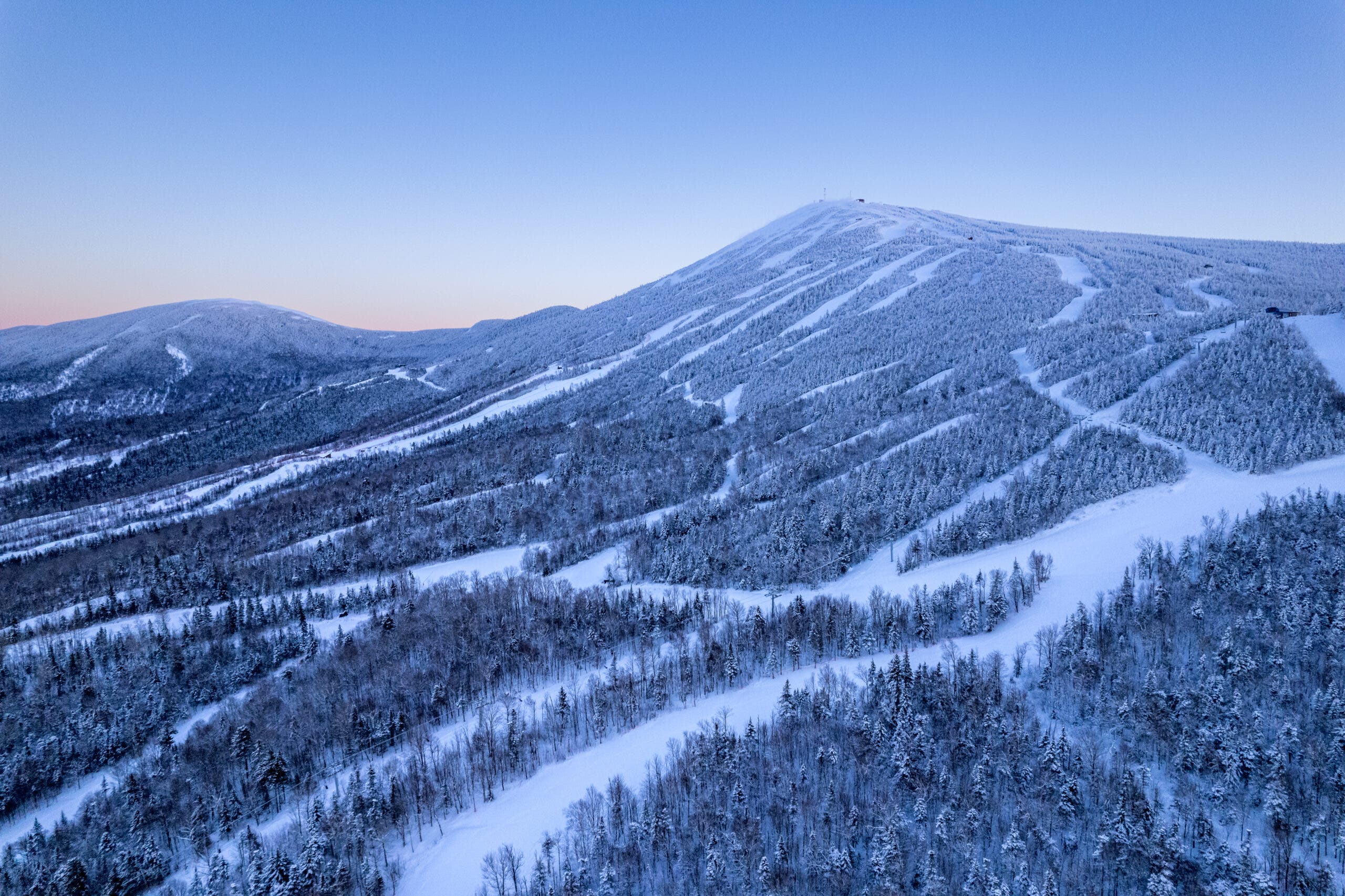
Since its reopening several years ago, Saddleback Mountain has rapidly climbed the rankings, achieving a 9.15 for terrain variety. The resort has been praised for its "Rangeley" high-speed quad and the development of the "Casablanca" glades, which offer some of the most progressive tree skiing in the East. Reader feedback emphasizes the high level of guest service, with mountain ambassadors and approachable management creating a welcoming environment. While lodging remains limited, the snow quality and the lack of crowds make it a favorite for those willing to make the drive to the Rangeley Lakes region.
2. Magic Mountain Ski Area, Vermont
Magic Mountain represents the "indie" side of the industry, scoring 9.26. Its terrain variety is defined by its steep, ungroomed trails and a commitment to maintaining a "genuine vibe." Unlike larger corporate resorts, Magic often leaves a significant portion of its footprint in a natural state, appealing to skiers who prefer technical challenges over manicured boulevards. By limiting daily ticket sales, the resort ensures that the terrain does not become overcrowded, preserving the quality of the snow and the integrity of the experience.
1. Mad River Glen, Vermont
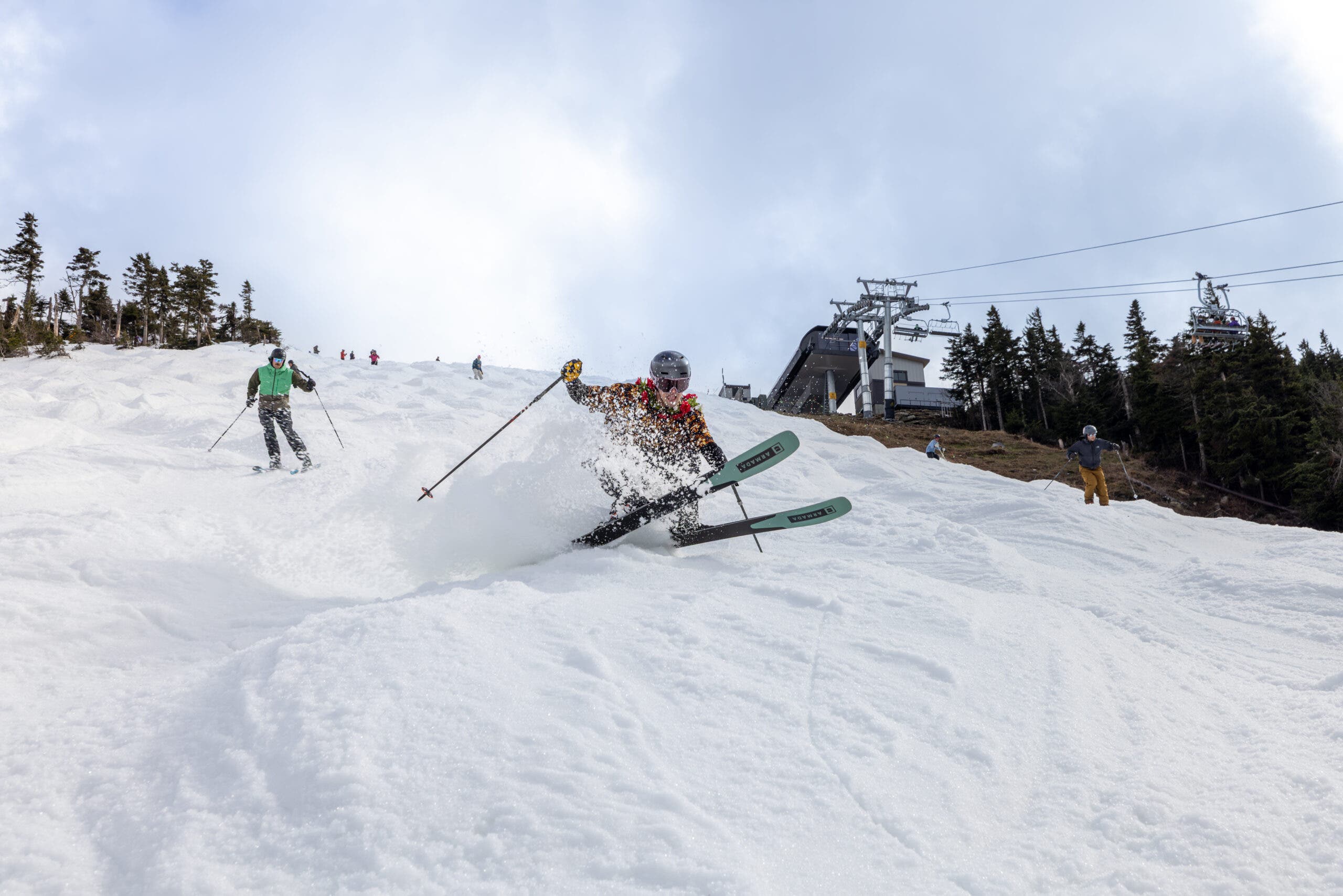
Securing the top spot with a score of 9.60, Mad River Glen remains the gold standard for terrain variety in the East. Operating as a cooperative, the mountain’s motto, "Ski It If You Can," reflects its challenging and diverse topography. From the iconic Single Chair to the absence of snowboards, the resort offers a step back in time to the roots of skiing. The terrain is characterized by its natural contours, featuring rock drops, narrow chutes, and dense woods. Readers described the mountain as a "skier’s sanctuary," where the variety is dictated by the mountain itself rather than by heavy machinery.
Historical Context and Evolution of the Rankings
The 2027 rankings show a clear trend toward "authentic" skiing experiences. Over the past decade, the Eastern ski market has seen a polarization between high-amenity, corporate-owned resorts and smaller, soul-focused mountains. The high scores for Mad River Glen, Magic Mountain, and Saddleback suggest that while luxury lodging and high-speed lifts are appreciated, the quality and variety of the actual skiing surface remain the primary drivers of enthusiast loyalty.
Chronologically, the resurgence of Saddleback and the continued independence of Mad River Glen have forced larger resorts to rethink their terrain management. In response, mountains like Killington and Stowe have increased their focus on "adventure zones" and glade clearing to compete with the natural variety offered by their smaller counterparts. This competition has ultimately benefited the consumer, resulting in better-maintained trails and more diverse options across the region.
Economic and Tourism Implications
Terrain variety serves as a significant economic driver for the states of Vermont, Maine, and New Hampshire. Resorts that rank high in this category often see a more stable flow of "destination skiers"—those who stay for three or more days—compared to "day trippers" who may only visit when conditions are perfect. The ability to offer a multi-day experience without trail repetition is key to capturing the lucrative week-long vacation market.
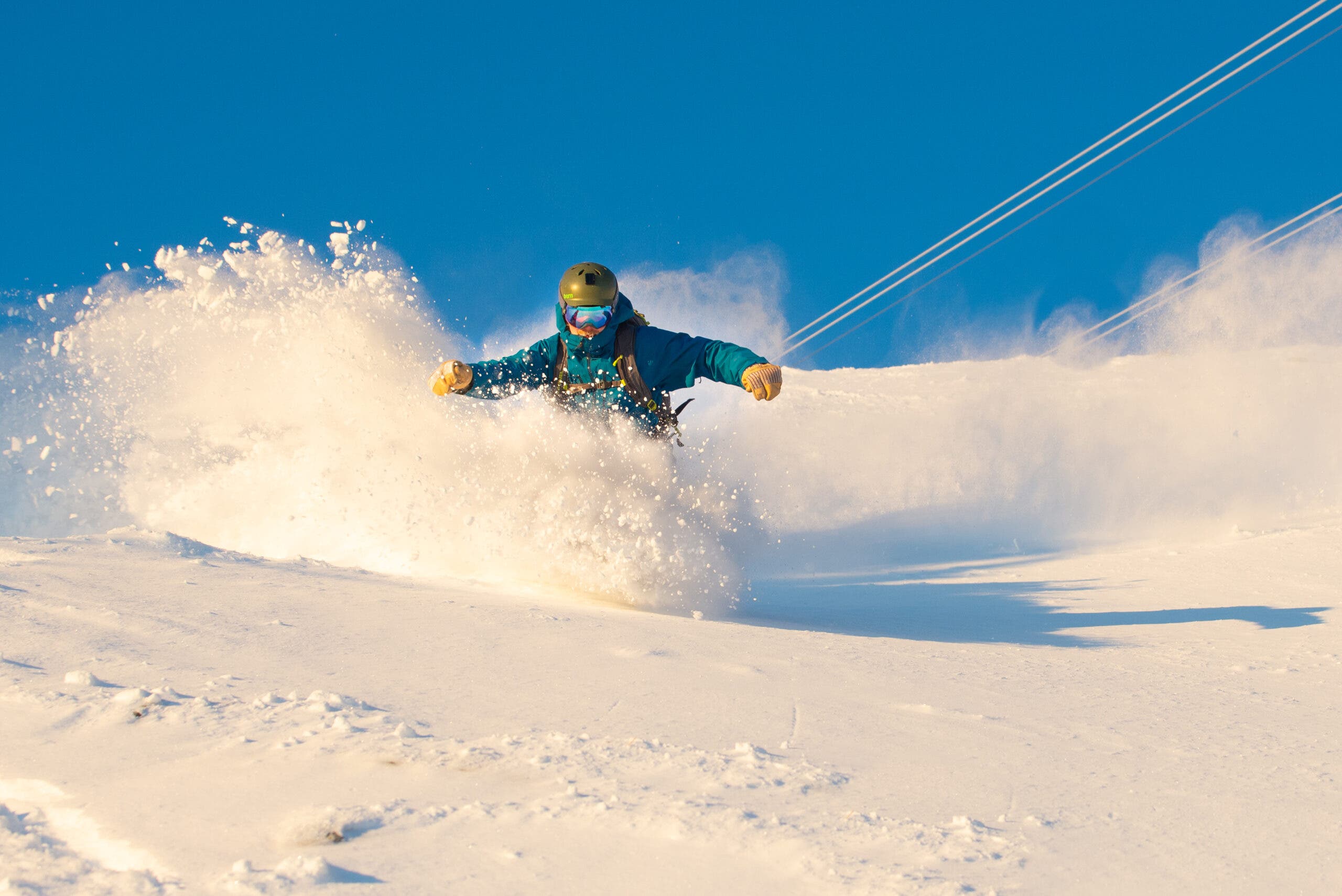
Furthermore, the data indicates that terrain variety is a hedge against climate volatility. Resorts with diverse topography can often keep different sections of the mountain open depending on wind direction and temperature fluctuations. For instance, a resort with significant gladed terrain can offer sheltered skiing on windy days when summit lifts are closed, maintaining revenue streams that would otherwise be lost.
Future Outlook for Eastern Skiing
As the industry looks toward the 2030s, the preservation of terrain variety will likely depend on advancements in snowmaking technology and forest management. Climate change continues to pose a threat to natural snowpacks in the Northeast, making the ability to cover diverse trail types with high-quality machine-made snow a necessity. Additionally, the "glade-thinning" programs seen at Jay Peak and Saddleback are expected to become more common as resorts seek to expand their skiable acreage within existing environmental permits.
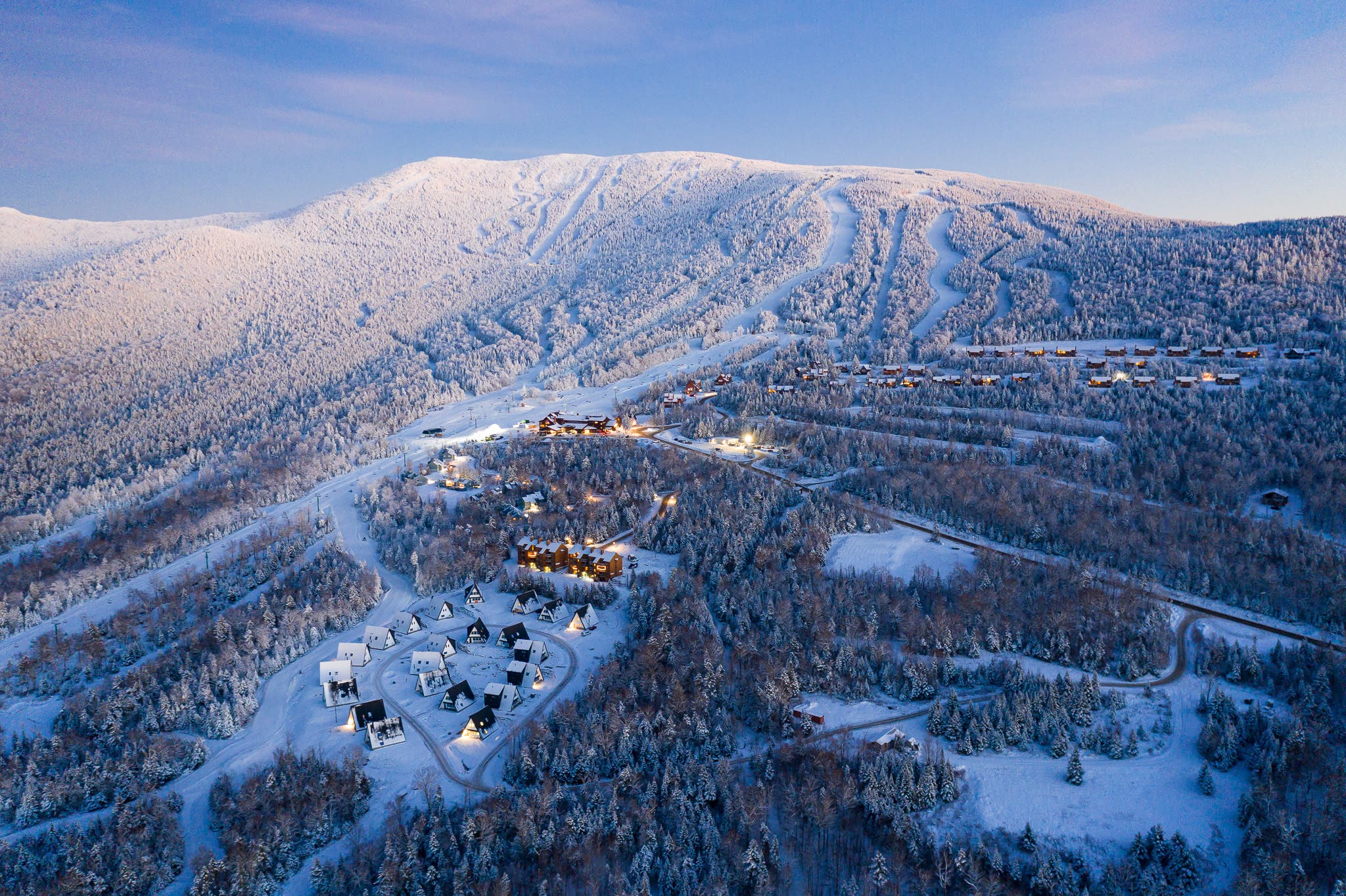
The 2027 SKI reader rankings underscore a fundamental truth about the sport: while the "bells and whistles" of a resort can enhance a trip, it is the mountain’s physical character—its dips, turns, steeps, and flats—that brings skiers back year after year. For the ten resorts listed above, their commitment to maintaining and celebrating that variety has solidified their positions at the pinnacle of Eastern skiing.
