

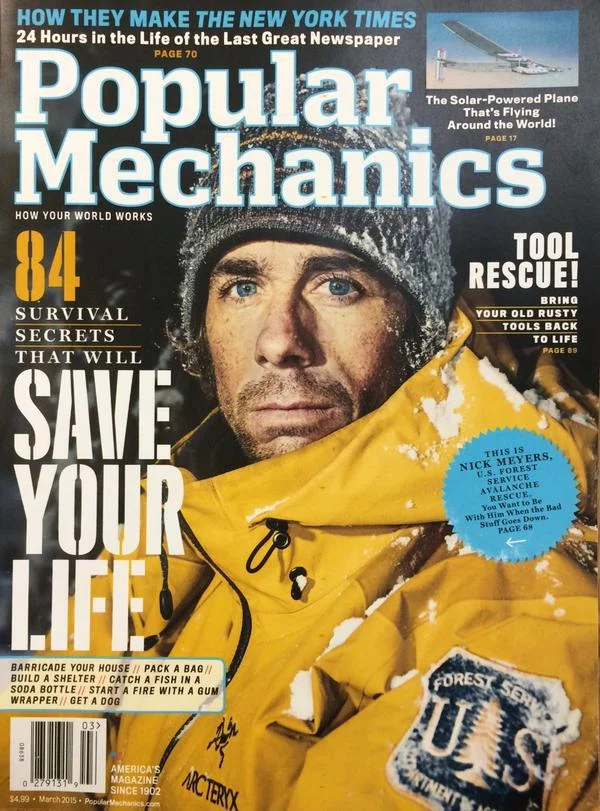
Mount Shasta Avalanche Center Director Nick Meyers, a highly respected figure in mountain safety and a lead climbing ranger on Mount Shasta, has achieved a significant recognition by being featured on the cover of the latest issue of Popular Mechanics magazine. This prominent placement underscores Meyers’ extensive experience and dedication to avalanche safety and rescue, bringing critical awareness to the inherent risks and essential preparedness measures for mountain enthusiasts. The feature article delves into his expertise, offering invaluable insights and practical advice for anyone venturing into avalanche-prone terrains.
The esteemed publication, known for its in-depth exploration of technology, science, and human ingenuity, chose Meyers to headline a segment focused on survival essentials. This selection is a testament to his deep understanding of the unforgiving mountain environment and his proven ability to navigate and mitigate the dangers associated with avalanches. The cover story, titled "10 Survival Essentials an Avalanche Rescue Expert Always Carries," provides readers with a direct look into the mindset and equipment of a seasoned professional who routinely faces life-or-death situations.
Background: The Critical Role of Avalanche Safety
Mount Shasta, a towering stratovolcano in Northern California, is a popular destination for climbers and skiers, but its majestic slopes also present formidable avalanche hazards. The Mount Shasta Avalanche Center plays a crucial role in monitoring snowpack conditions, assessing avalanche risk, and disseminating vital safety information to the public. Nick Meyers, in his dual capacity as Director of this vital center and Lead Climbing Ranger on the mountain, is at the forefront of these efforts. His work involves not only forecasting and education but also direct involvement in search and rescue operations, making him an authority on the practical application of survival and rescue techniques.
The decision by Popular Mechanics to feature Meyers reflects a growing public interest in outdoor recreation and, concurrently, an increased awareness of the associated risks. As more individuals venture into backcountry environments, the need for accessible, expert-driven safety information becomes paramount. Meyers’ inclusion in such a widely circulated magazine ensures that this crucial knowledge reaches a broad audience, potentially saving lives and preventing injuries.
The Popular Mechanics Feature: A Deep Dive into Expert Preparedness
The Popular Mechanics article, accessible online and in print, offers readers a detailed look at the ten essential items Meyers believes are indispensable for survival in avalanche terrain. While the specific list is best explored in its entirety within the magazine, the overarching theme emphasizes a proactive and well-prepared approach to outdoor adventures. This isn’t merely about possessing the right gear; it’s about understanding how and when to use it, and crucially, how to make informed decisions that prioritize safety.
Meyers’ perspective, honed by years of experience on Mount Shasta and in various avalanche rescue scenarios, likely extends beyond the tangible items to encompass critical knowledge and skills. This could include understanding weather patterns, recognizing avalanche terrain indicators, practicing companion rescue techniques, and maintaining a high level of situational awareness. The magazine’s choice to highlight these "essentials" suggests a focus on practical, actionable advice that empowers individuals to take responsibility for their own safety and the safety of their companions.
Supporting Data: The Persistent Threat of Avalanches
Avalanches remain a significant threat to those who engage in winter backcountry activities. According to the Colorado Avalanche Information Center (CAIC), between 2000 and 2020, an average of 30 people were killed annually in avalanches in the United States. These statistics, while sobering, underscore the importance of the work done by individuals like Nick Meyers and organizations such as the Mount Shasta Avalanche Center.
The majority of avalanche fatalities occur when individuals are caught in an avalanche they triggered themselves, highlighting the critical need for education and risk assessment. Factors contributing to avalanche formation include recent snowfall, wind loading, temperature fluctuations, and the underlying snowpack structure. Understanding these elements is key to avoiding dangerous situations. Meyers’ expertise, now amplified by his Popular Mechanics feature, directly addresses this need for informed decision-making.
Chronology of Recognition and Impact
While the exact timeline of the Popular Mechanics feature’s development is not detailed in the initial announcement, its publication marks a significant milestone for Nick Meyers and the Mount Shasta Avalanche Center. The recognition likely stems from his ongoing contributions to avalanche safety, his leadership at the Center, and his extensive experience as a climbing ranger.
The impact of this feature is multifaceted. Firstly, it elevates the profile of avalanche safety awareness, encouraging more people to seek out reliable information and training. Secondly, it serves as a powerful endorsement of Meyers’ expertise, potentially leading to increased engagement with the Mount Shasta Avalanche Center’s resources and programs. The availability of supporting content, such as a blog post detailing Nick’s work, further amplifies the message and provides additional avenues for the public to learn from his experience.
Official and Community Reactions (Inferred)
While direct quotes from related parties are not provided in the initial content, it is highly probable that the recognition has been met with widespread approval and pride within the avalanche safety community and among those who work with Nick Meyers.
- From the Mount Shasta Avalanche Center: It can be inferred that the Center’s leadership and staff would express immense pride in their Director’s achievement. Such recognition validates the critical work they undertake and highlights the importance of their mission. They would likely see it as an opportunity to further their educational outreach.
- From the U.S. Forest Service (as implied by the blog link): Given Meyers’ role as a Lead Climbing Ranger, likely associated with the U.S. Forest Service or a similar land management agency, his recognition would be a significant professional accomplishment. The Forest Service often emphasizes the expertise of its personnel, and this feature would showcase their commitment to public safety in wildland environments.
- From the Outdoor Recreation Community: Climbers, skiers, snowboarders, and hikers who frequent mountainous regions, particularly Mount Shasta, would likely view this feature as invaluable. They would see it as a trusted source of information and a valuable resource for enhancing their own safety practices. The mention of a "great blog" further suggests an effort to provide accessible and detailed information to this community.
Analysis of Implications: Broader Impact on Avalanche Awareness
The feature in Popular Mechanics has several significant implications for avalanche awareness and safety:
- Increased Public Engagement: A magazine with the readership of Popular Mechanics can introduce avalanche safety to a much broader audience than specialized outdoor publications. This means people who may not typically seek out avalanche information might be exposed to it through this feature, potentially prompting them to learn more.
- Demystification of Expertise: By showcasing the "essentials" carried by an expert, the article demystifies the process of being prepared. It breaks down complex safety protocols into tangible items and implied knowledge, making it seem more attainable for the average outdoor enthusiast.
- Reinforcement of Proactive Safety Culture: The emphasis on "survival essentials" and an "avalanche rescue expert" reinforces the idea that safety is not an afterthought but a crucial component of any backcountry excursion. This promotes a culture of preparedness and responsibility.
- Validation of Professional Roles: The recognition of Nick Meyers validates the importance of professionals dedicated to avalanche safety and rescue. It highlights the expertise and dedication required for these roles, potentially inspiring future generations to pursue similar careers.
- Potential for Increased Support and Resources: A high-profile feature can draw attention to the challenges and importance of avalanche safety work, potentially leading to increased public support, volunteerism, and even funding for avalanche centers and rescue teams.
The image accompanying the article, presumably a photograph of Nick Meyers or related to his work, further serves to connect the reader visually with the subject matter. The inclusion of links to both a blog post and the Popular Mechanics article itself indicates a strategic approach to disseminating information, offering multiple entry points for engagement and learning. This comprehensive approach ensures that the message of avalanche safety and the expertise of Nick Meyers reach as wide an audience as possible, contributing to a safer outdoor experience for all. The collaboration between a respected avalanche professional and a mainstream publication like Popular Mechanics represents a significant step forward in making critical safety knowledge accessible and engaging.
