

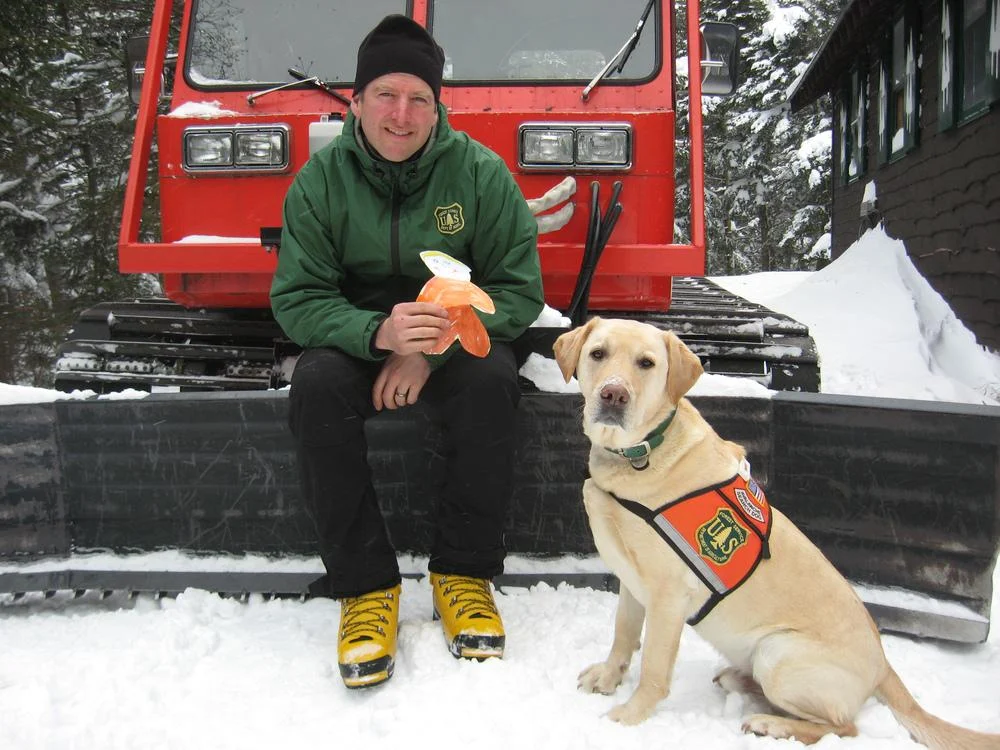
Mount Washington, New Hampshire – The Mount Washington Avalanche Center (MWAC) is in mourning following the recent passing of Cutler, a highly esteemed avalanche rescue dog whose unwavering dedication contributed significantly to the safety of visitors in the White Mountain National Forest. For eleven years, Cutler served alongside the MWAC, an organization renowned for its commitment to avalanche forecasting, education, and rescue operations on the notoriously challenging slopes of Mount Washington. Cutler’s tenure, spanning approximately 80% of his life, underscores a profound commitment to public safety and a remarkable career in a specialized field.
A Legacy of Service and Public Outreach
Cutler’s role extended beyond the critical life-saving missions that define an avalanche dog. He was also a vital ambassador for avalanche safety, utilizing his unique presence to connect with the public and enhance the educational reach of the Mount Washington Snow Rangers. His ability to engage with visitors, often through public appearances and demonstrations, allowed the MWAC to disseminate crucial information about avalanche awareness and preparedness to a broader audience than traditional methods might achieve. This dual function—as a rescue asset and a public educator—highlights the multifaceted importance of canine partners in wilderness safety.
The passing of Cutler has prompted a reflective outpouring of appreciation from the MWAC. Chris Joosen, the Director of the Mount Washington Avalanche Center, has commemorated Cutler’s life and service with a detailed blog post and an accompanying photo album. This online tribute, accessible on the MWAC website, offers a comprehensive look at Cutler’s career, his partnership with his handler, and the profound impact he had on the team and the mountain community. The platform serves as a digital memorial, preserving the memory of a canine companion who was an integral part of the MWAC’s operational and outreach efforts.
The Critical Role of Avalanche Dogs
Avalanche rescue dogs are highly trained canines capable of detecting the scent of humans buried beneath snow, even at significant depths. Their acute sense of smell, combined with rigorous training, allows them to cover vast areas and pinpoint buried victims far more efficiently than human search teams alone. The process of training an avalanche dog is intensive and begins at a young age, focusing on scent discrimination, obedience, and the ability to work under stressful conditions. These dogs are trained to locate a scent, then "dig" or indicate the location to their handler, a crucial skill in time-sensitive rescue situations.
The partnership between an avalanche dog and its handler is built on trust, communication, and an intimate understanding of each other’s cues. Handlers must be adept at reading their dog’s signals, which can be subtle under challenging environmental conditions. The bond forged during training and operational deployments is exceptionally strong, as the dog and handler often become an inseparable unit, relying on each other for success and safety in hazardous environments.
Mount Washington: A Unique Challenge
Mount Washington, at 6,288 feet, is infamous for its extreme weather conditions, including the highest wind speeds ever recorded on Earth’s surface. These harsh elements create a dynamic and often dangerous environment, particularly concerning avalanche hazards. The mountain’s steep terrain, coupled with its susceptibility to heavy snowfall and strong winds, makes it a prime location for avalanche activity. The MWAC’s mission on Mount Washington is therefore critical, providing essential forecasting and rescue services to skiers, snowboarders, hikers, and climbers who venture into the White Mountain National Forest.
The presence of avalanche dogs like Cutler is indispensable in this environment. The sheer scale of the terrain, combined with the potential for rapid burial by snow, necessitates the specialized skills these canines bring to search and rescue operations. Their ability to work effectively in extreme cold and snow, and to locate buried individuals quickly, can be the difference between life and death.
Chronology of Service and Impact
While the exact start date of Cutler’s service with the MWAC is not explicitly detailed, his eleven years of dedication place his tenure within a significant period of the center’s operational history. Avalanche dogs typically begin their careers after extensive training, often around one to two years of age, and can serve for up to ten years, depending on their health and fitness. Cutler’s eleven-year service period suggests he was a seasoned veteran, likely starting his active duty in the early to mid-2000s.
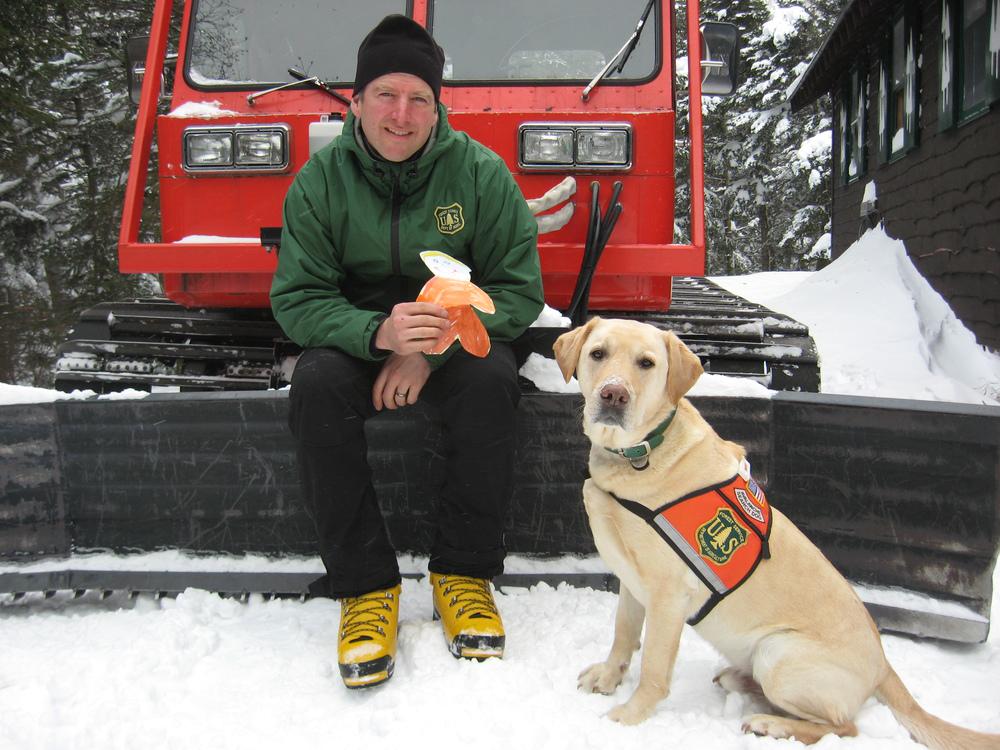
During his career, Cutler would have participated in numerous training exercises and potentially real-world rescue scenarios. His involvement in public relations likely intensified in his later years, as experienced dogs often become valuable educators and goodwill ambassadors. The mention of him spending "nearly 80% of his life" in service implies a deep commitment from his early adulthood until his retirement or passing. This timeframe suggests a consistent presence during periods of significant avalanche activity and public engagement with the mountain.
The blog post by Chris Joosen, referenced as being posted in January 2015, indicates that Cutler’s passing occurred around that time, or shortly before. This places his retirement or passing at the end of a long and distinguished career, a fitting conclusion for a dog who dedicated so much of his life to the safety of others. The timing of Joosen’s tribute also suggests a desire to share Cutler’s story and acknowledge his contributions while the memories and impact were still fresh within the MWAC team and the wider community.
Supporting Data and Context
The effectiveness of avalanche dogs is well-documented. Studies on avalanche rescue operations consistently highlight the significant reduction in rescue times achieved when avalanche dogs are deployed. For instance, in a typical avalanche scenario, a human-only search can take hours to cover a large debris field. An avalanche dog, working with its handler, can often locate a buried victim in minutes. This speed is paramount, as survival rates for avalanche victims decrease dramatically with each passing minute of burial.
The White Mountain National Forest receives millions of visitors annually, and the popularity of backcountry skiing, snowboarding, and winter hiking has grown considerably. This increased human activity in avalanche-prone areas underscores the vital role of organizations like the MWAC and the indispensable contribution of their canine units. In 2014, for example, the MWAC issued numerous avalanche advisories, reflecting the ongoing hazards present on Mount Washington and the surrounding areas. The number of avalanche incidents, while thankfully not always resulting in fatalities, necessitates a robust search and rescue capability.
Official Responses and Community Reactions
The tribute from Chris Joosen, Director of the MWAC, serves as the primary official response to Cutler’s passing. His description of Cutler as a dedicated member of the team and his detailed account of the dog’s life and work convey a deep sense of loss and respect. The blog post is not merely an announcement but a heartfelt acknowledgment of Cutler’s unwavering commitment and the significant role he played.
While not explicitly stated in the provided text, it is reasonable to infer that the broader MWAC team and the local outdoor recreation community would share in this sentiment. The passing of a working animal, particularly one so deeply integrated into a life-saving operation, often elicits a strong emotional response. Colleagues, fellow volunteers, and individuals who may have benefited from the MWAC’s services, directly or indirectly, would likely express their condolences and gratitude for Cutler’s service. The inclusion of a photo album further suggests a collective effort to celebrate Cutler’s life and his contributions.
Broader Impact and Implications
Cutler’s passing represents more than the loss of a beloved animal; it signifies the departure of a highly specialized and effective member of a critical safety operation. His dedication highlights the increasing reliance on trained animals in complex rescue scenarios. The success of avalanche dogs like Cutler also prompts ongoing discussions about the resources and training required to maintain and expand these vital programs.
The MWAC’s commitment to public education, amplified by Cutler’s role in public relations, underscores a proactive approach to mountain safety. By making avalanche awareness accessible and engaging, the MWAC aims to reduce the number of individuals caught in hazardous situations in the first place. Cutler’s legacy will continue through the awareness he helped foster and the lessons learned from his years of service. His story serves as a poignant reminder of the extraordinary contributions that animals can make to human safety and well-being, particularly in the challenging and often unforgiving wilderness environments. The continued support for programs like the MWAC and the training of future avalanche dogs is crucial for ensuring the safety of all who seek adventure in mountainous regions.
