

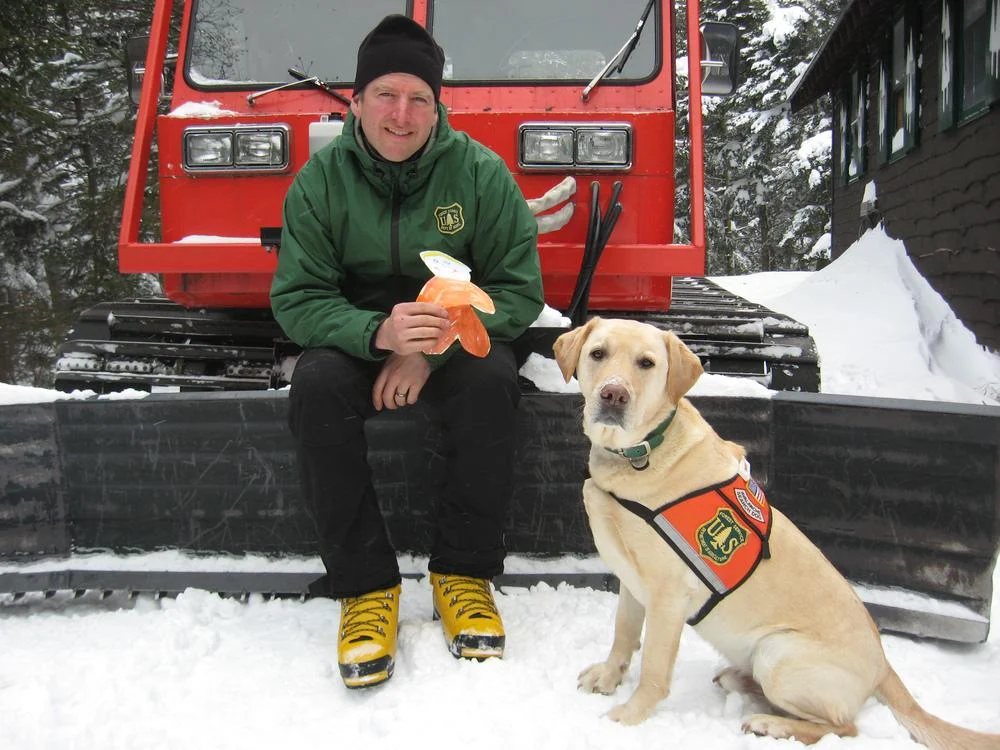
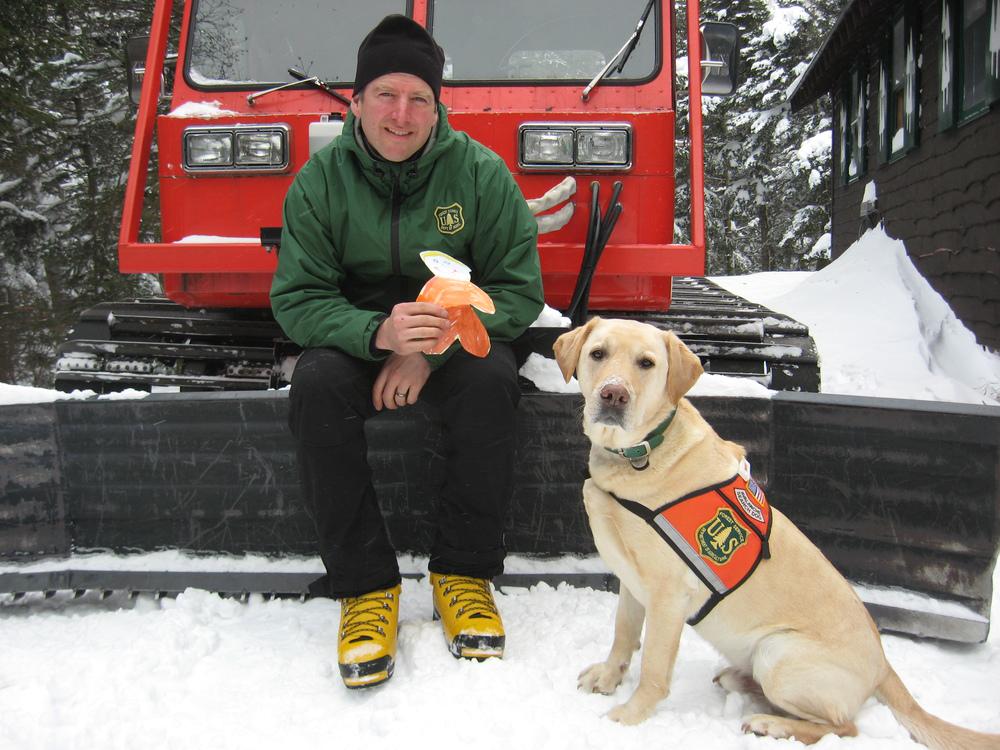
Cutler, a highly respected avalanche dog who served with the Mount Washington Avalanche Center (MWAC) in New Hampshire, has recently passed away, leaving behind a legacy of safety and public education. For eleven years, Cutler dedicated nearly 80% of his life to enhancing the safety of Mount Washington, a peak notorious for its extreme weather conditions and challenging terrain. His contributions extended beyond his critical search and rescue capabilities; Cutler was also an exceptional ambassador for avalanche safety, playing a pivotal role in outreach efforts that educated countless individuals about the inherent dangers and necessary precautions in the White Mountain National Forest.
The passing of Cutler marks the end of an era for the MWAC and the broader outdoor recreation community that utilizes the White Mountains. His unwavering commitment and unique ability to connect with people significantly amplified the Snow Rangers’ message, making avalanche safety information more accessible and relatable to a wider audience. This dual role – as a life-saving rescuer and an engaging public educator – underscores the profound impact he had during his tenure.
A Legacy Forged in Harsh Conditions
Mount Washington, with its summit elevation of 6,288 feet (1,917 meters), is renowned as the "Home of the World’s Worst Weather." It experiences extreme wind speeds, sub-zero temperatures, and significant snowfall, creating a dynamic and often perilous environment for hikers, skiers, and snowboarders. The mountainous terrain, particularly areas like Tuckerman Ravine, is susceptible to avalanche activity, making the presence of a well-trained avalanche dog like Cutler an invaluable asset to the safety infrastructure.
Avalanche dogs are specially trained canines that work alongside human handlers to locate buried avalanche victims. Their acute sense of smell allows them to detect human scent even when buried under several feet of snow and debris. The training process is rigorous, demanding, and time-consuming, requiring a strong bond between the dog and its handler, as well as specialized skills in scent detection, obedience, and working in challenging environments. Cutler’s eleven years of service represent a significant commitment, translating to thousands of hours of training, countless patrols, and numerous potential rescue operations where his presence provided an essential layer of security.
Chronology of Service and Impact
While the exact date of Cutler’s passing is not specified in the initial announcement, his eleven years of dedicated service suggest a career that began around 2004, considering the announcement was made in May 2015. This period saw the MWAC actively engaged in monitoring snowpack conditions, issuing avalanche forecasts, and responding to incidents in the White Mountains.
Cutler’s work likely encompassed:
- Routine Patrols: Accompanying Snow Rangers on patrols of popular backcountry areas like Tuckerman Ravine, Huntington Ravine, and other avalanche-prone zones. This not only served as a deterrent to unsafe practices but also allowed for early detection of potential avalanche hazards.
- Public Outreach and Education: Cutler was a familiar and friendly face at avalanche safety clinics, public events, and educational programs. His presence helped to demystify the work of the MWAC and make the complex topic of avalanche safety more approachable for the general public. Children and adults alike were often captivated by his abilities, making them more receptive to the safety messages conveyed by his handler.
- Search and Rescue Operations: In the unfortunate event of an avalanche, Cutler would have been deployed to assist in locating buried victims. His success in these operations, though often not publicly detailed for privacy reasons, would have directly contributed to saving lives and providing critical support to grieving families.
- Training and Readiness: Maintaining the highest level of readiness required continuous training. This would have involved simulated rescue scenarios, exposure to various weather conditions, and ongoing reinforcement of his skills to ensure he remained a top-tier avalanche dog.
The announcement also highlights a blog post and photo album by Mount Washington Avalanche Center Director Chris Joosen, which provides further insight into Cutler’s life and career. This resource, dated January 10, 2015, suggests that Cutler’s active service may have concluded shortly before this post, allowing for a period of reflection and tribute. The blog likely details specific anecdotes, training challenges, and the profound bond between Joosen and Cutler, offering a more personal and intimate look at the dog’s contributions.
Supporting Data and the Importance of Avalanche Dogs
The effectiveness of avalanche dogs in search and rescue operations is well-documented. Studies have shown that the survival rate of avalanche victims decreases significantly with time. While human search teams are crucial, the speed at which an avalanche dog can cover ground and detect a scent can be significantly faster than traditional search methods, especially in difficult terrain or under challenging visibility conditions.
According to the Colorado Avalanche Information Center (CAIC), a trained avalanche dog can cover an area approximately 30-40 times faster than a human searcher. This speed is critical, as the "golden hour" for avalanche survival is exceptionally short. A study published in the Journal of Wilderness Medicine indicated that the probability of survival decreases dramatically after 15-20 minutes of burial. The ability of an avalanche dog to quickly locate a victim can be the difference between life and death.
The MWAC, as part of the National Avalanche Center network, plays a vital role in disseminating avalanche hazard information across the United States. Their forecasts, based on detailed snowpack analysis and meteorological data, are essential for outdoor enthusiasts. The inclusion of an avalanche dog like Cutler in their operations demonstrates a commitment to employing the most effective tools and techniques for public safety in a high-risk environment.
Official Responses and Tributes
The tribute posted by Mount Washington Avalanche Center Director Chris Joosen is a testament to the deep respect and affection Cutler commanded within the organization and the community. While Joosen’s blog offers a more personal account, the official announcement of Cutler’s passing from the avalanche.org platform signifies the broader recognition of his importance.
Statements from individuals involved in mountain safety and avalanche awareness would likely express profound gratitude for Cutler’s service. These might include:
- MWAC Staff and Volunteers: Expressing personal loss and acknowledging Cutler’s unique contributions to their team and mission. They would likely speak to his reliability, intelligence, and the positive impact he had on morale and operational effectiveness.
- Local Search and Rescue Teams: Highlighting the collaborative efforts between human and canine search teams and how Cutler enhanced their capabilities in critical situations.
- Representatives from Outdoor Recreation Organizations: Acknowledging Cutler’s role in promoting safety and the importance of trained avalanche dogs in their respective communities.
- Members of the Public: Many who encountered Cutler at events or through educational materials would likely share their positive memories and appreciation for his role in making their outdoor adventures safer.
The fact that the avalanche.org platform, a national resource for avalanche safety information, chose to highlight Cutler’s passing underscores his significance beyond the local Mount Washington community. It serves as an example of the critical role specialized canine units play in avalanche safety across the country.
Broader Impact and Implications
The passing of Cutler raises important considerations about the ongoing need for and investment in avalanche safety programs and specialized rescue resources.
- Sustaining Specialized Programs: The rigorous training and maintenance of avalanche dogs require dedicated funding and skilled personnel. Cutler’s service highlights the long-term commitment necessary for such programs to be effective. His tenure demonstrates the value of investing in these specialized units, as they provide a unique and often life-saving capability.
- Public Awareness and Education: Cutler’s success in public relations serves as a powerful reminder of how engaging and relatable methods can significantly improve the reach and impact of safety messaging. The use of animals in educational contexts can break down barriers and foster a greater understanding of potentially complex or dangerous topics. This model could be replicated in other safety-related fields.
- The Human-Animal Bond in Critical Services: The story of Cutler and Chris Joosen exemplifies the profound bond between handlers and their working dogs. This partnership is not merely professional; it is built on trust, communication, and mutual reliance, essential for success in high-stress, life-or-death situations. The loss of such a partner is deeply felt by both the handler and the organization.
- Ensuring Continuity of Service: The retirement or passing of a seasoned avalanche dog like Cutler necessitates the training and integration of new canine units to maintain the operational capacity of organizations like the MWAC. This ensures that the safety net for backcountry users remains robust and that the knowledge and experience gained through years of service are passed on.
In conclusion, Cutler’s eleven years of dedicated service as an avalanche dog for the Mount Washington Avalanche Center were marked by a profound commitment to safety and an exceptional ability to connect with the public. His contributions extended far beyond the search and rescue missions he was trained for, playing a vital role in educating a generation of outdoor enthusiasts about the inherent risks and necessary precautions in a challenging mountainous environment. The legacy of this remarkable canine will undoubtedly continue to inspire and inform efforts to enhance avalanche safety in the White Mountains and beyond.
