

The rapid disappearance of the American trail system has reached a critical juncture as wildfire, erosion, and systemic federal underfunding converge to erase thousands of miles of public access annually. Each year, more than 5,000 miles of trails across the United States vanish from physical landscapes and official maps, a phenomenon that environmental advocates warn is stripping the nation of its cultural heritage and economic stability. In response to this accelerating crisis, the Origins project, led by scientist and athlete Dillon Osleger, has emerged as a multidisciplinary effort to document, restore, and advocate for the "ghost lines" of the American West. By combining long-form reporting with physical trail restoration, the project seeks to address a fundamental question: what happens to a society’s connection to the land when the physical pathways of its history are deleted?
The Mechanics of Erasure: From Wildfire to Map Deletion
The primary driver of trail loss in the 21st century is the increasing frequency and intensity of wildfires, particularly in the Western United States. When a high-intensity fire moves through a landscape, it does not merely burn the vegetation; it destabilizes the soil structure and destroys the "tread"—the compacted surface of the trail itself. In the aftermath of such events, subsequent rainfall often leads to catastrophic erosion, carving deep gullies where hand-cut paths once existed.
However, the physical destruction of the trail is often only the first stage of its disappearance. For federal land agencies, most notably the U.S. Forest Service (USFS), the challenge of restoring these corridors is frequently insurmountable due to severe budgetary constraints. A landmark 2013 report from the Government Accountability Office (GAO) revealed that the Forest Service was only able to maintain approximately one-quarter of its 158,000-mile trail network to agency standards. The report highlighted a multi-billion-dollar deferred maintenance backlog, a figure that has only ballooned in the decade since.
Faced with the impossibility of repairing thousands of miles of damaged tread, land managers often resort to administrative decommissioning. This process involves removing the trail from official topographic maps and databases. Once a trail is no longer "on the books," it ceases to qualify for future funding or maintenance, effectively turning a permanent piece of infrastructure into a temporary scar on the land that eventually fades into the brush. This "quiet disappearance" means that for many modern recreationists, these paths—and the histories they contain—cease to exist entirely.
A Chronology of Movement: The Layered History of American Paths
The Origins project posits that a trail is rarely just a route for modern recreation; it is a "palimpsest," a surface on which multiple generations have written their stories. The chronology of these paths often spans centuries, beginning long before the establishment of the United States.
Pre-Colonial Trading Arteries
Many of the most popular trails in California and the Sierra Nevada follow routes established by Indigenous peoples. In the Lake Tahoe basin, the Washoe people engineered trading routes that crossed high mountain passes, connecting the Great Basin with the Pacific coast. Similarly, in the backcountry of Ventura and Santa Barbara counties, the Chumash people maintained a sophisticated network of paths that facilitated the movement of goods, ceremonial objects, and news between coastal villages and inland valleys.
Industrial and Military Expansion
In the 19th century, these Indigenous routes were often co-opted by settlers, miners, and the military. During the silver and gold rushes, mule trains laden with ore utilized these same corridors. Later, the U.S. Army and early forest rangers used them as firebreaks and patrol routes. The physical record of this era—stone crib walls, hand-stacked switchbacks, and old blazes on ancient trees—remains visible to the trained eye, provided the trail is maintained.
The New Deal and the Golden Age of Infrastructure
The 1930s marked a significant expansion of the American trail network through the Civilian Conservation Corps (CCC). As part of the New Deal, thousands of young men were deployed to wildlands to build robust public infrastructure. The CCC’s work was characterized by high-quality masonry and sustainable design, much of which still serves as the backbone of the current trail system. The Origins project highlighted this legacy on Mount Lola, north of Truckee, California, where fragments of CCC-era bench cuts and crib walls were rediscovered beneath decades of overgrowth and fire debris.
Case Studies in Restoration: Ojai and the Sierra Nevada
To combat the erasure of these histories, the Origins project engaged in targeted restoration efforts, bridging the gap between historical research and manual labor. These efforts provided tangible proof that "lost" trails could be reclaimed through community action and dedicated stewardship.
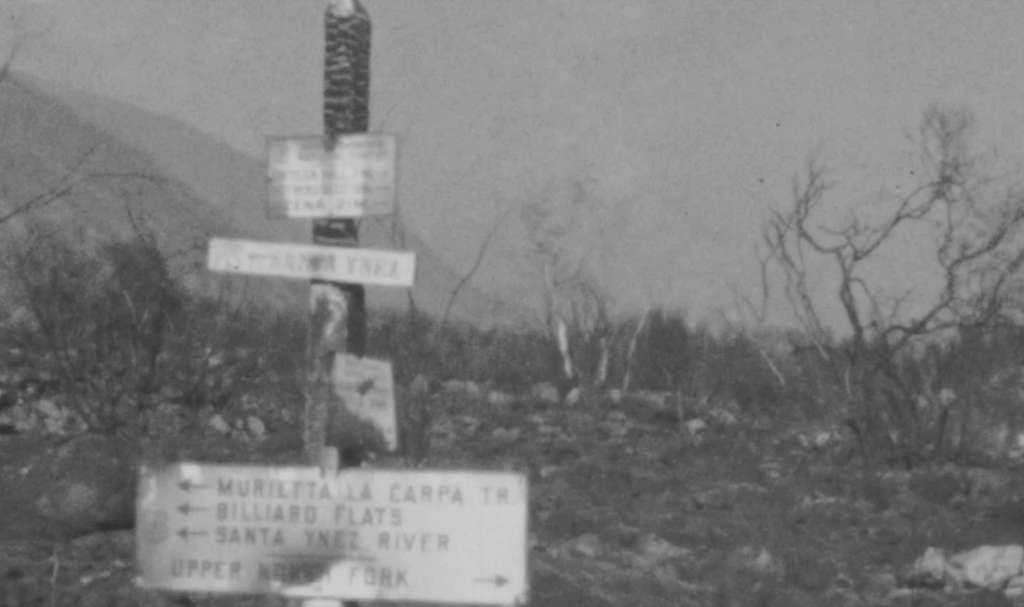
In Ojai, California, the project focused on the Middle Sespe trail within the Los Padres National Forest. Following the devastating impacts of the Zaca and Thomas Fires, an eight-mile stretch of this trail had been effectively reclaimed by the chaparral. A decade of zero maintenance had led to its removal from many modern digital mapping platforms. Through the work of the Origins team and local volunteers, the corridor was cleared and the tread re-established. The restoration did more than just provide access for hikers and mountain bikers; it reopened a corridor that had once been home to Chumash village sites and later served as a hub for Mexican sheep ranching, restoring a sense of place to the local community.
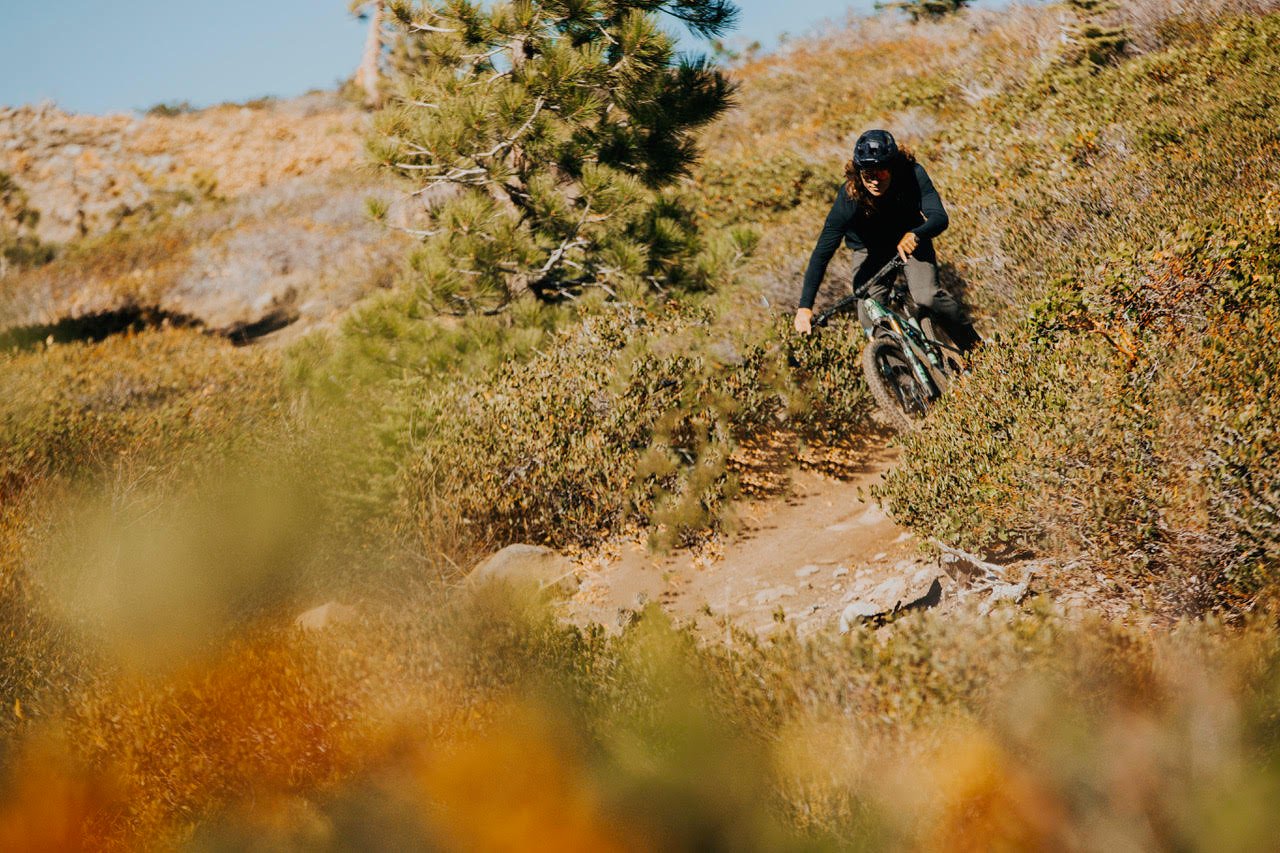
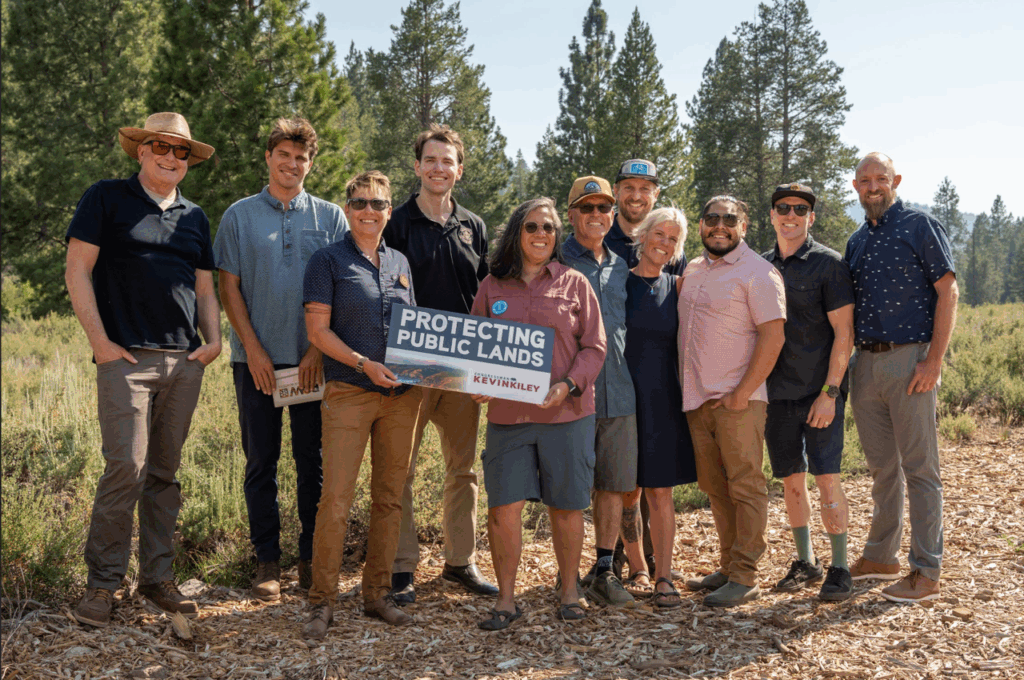
In the Sierra Nevada, the project focused on trails with origins dating back to before 1906. These routes, which predated the formal organization of many national forests, were particularly vulnerable to being forgotten. By cross-referencing archival USFS maps with modern satellite imagery and ground-truthing expeditions, Osleger and his team identified several miles of "ghost trails" around the Tahoe basin that had been obscured by atmospheric river flooding and neglect. The restoration of these lines served as a direct response to climate-driven impacts, proving that resilient infrastructure requires active human intervention.
The Economic and Cultural Implications of Infrastructure Loss
The loss of trail networks carries significant economic weight, particularly for rural "gateway" communities that depend on outdoor tourism. The outdoor recreation economy contributes billions to the U.S. Gross Domestic Product, supporting millions of jobs in sectors ranging from hospitality to retail.
When a trail system is erased, the impact ripples through the local economy:
- Tourism Revenue: Decreased access leads to fewer visitor-days, impacting hotel occupancy rates and restaurant sales.
- Real Estate Values: In many mountain and coastal towns, proximity to maintained public lands is a primary driver of property value and community desirability.
- Industry Scaffolding: The multi-billion-dollar outdoor gear industry—encompassing cycling, trail running, skiing, and fishing—relies on trails as the "invisible scaffolding" for its products. Without a place to use the equipment, the market for those goods inevitably shrinks.
Beyond the financial metrics, there is a profound cultural cost. Public lands are often described as the "shared commons" of the American people. When trails are deleted, the fabric of community identity becomes frayed. Residents of rural areas often find themselves in a paradoxical position: surrounded by public land but unable to access it due to a lack of government support for maintenance.
Analysis: The Future of Stewardship in a Warming World
The findings of the Origins project suggest that the traditional model of federal land management—where agencies are solely responsible for the upkeep of vast trail networks—is no longer viable in the face of the climate crisis. The acceleration of wildfire and extreme weather events necessitates a shift toward a more collaborative, community-based stewardship model.
Professional analysis of the current situation indicates that the outdoor industry must transition from being a "user" of the land to an "advocate" and "investor." While volunteer labor has long been a stopgap for the Forest Service, it is not a long-term solution for the structural failure of federal funding. The Origins project calls for a two-pronged approach:
- Policy Reform: Increased federal appropriations for land agencies specifically earmarked for trail restoration and climate-resilient infrastructure.
- Corporate Responsibility: Outdoor brands and organizations must move beyond marketing "epic lines" and start funding the actual maintenance of the landscapes that make their businesses possible.
Conclusion: Preservation of Meaning
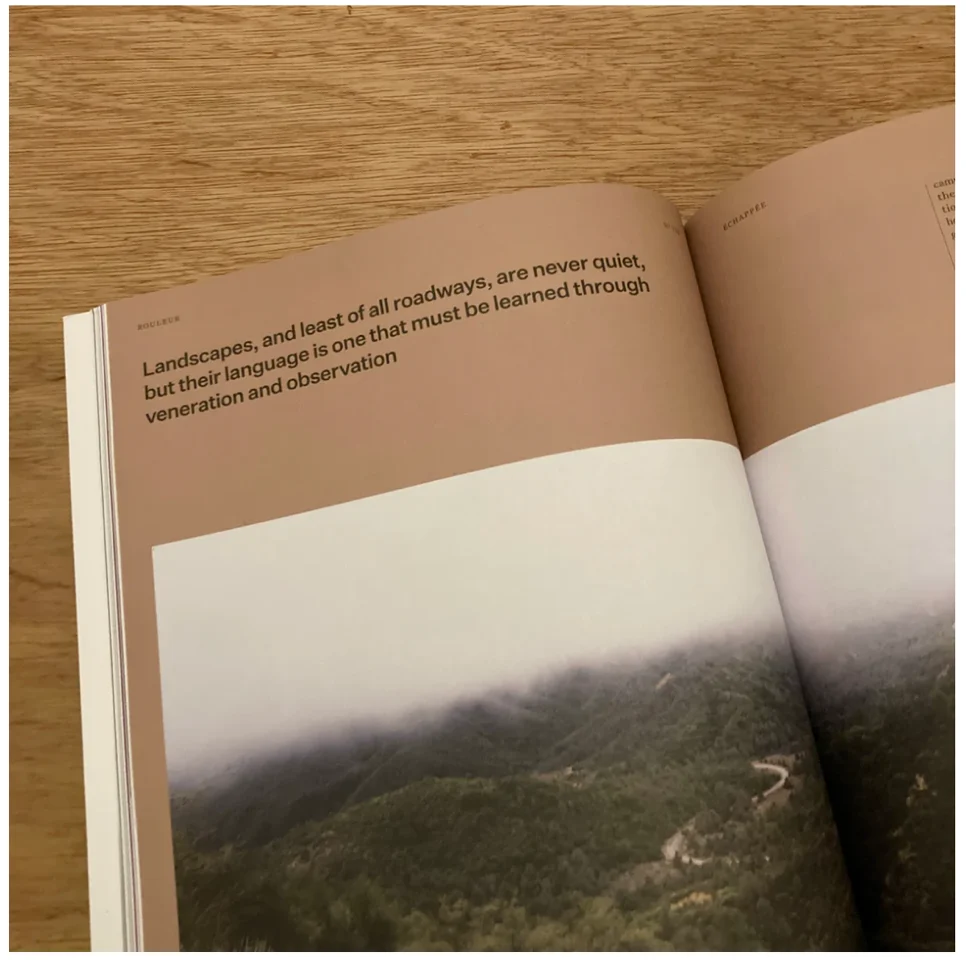
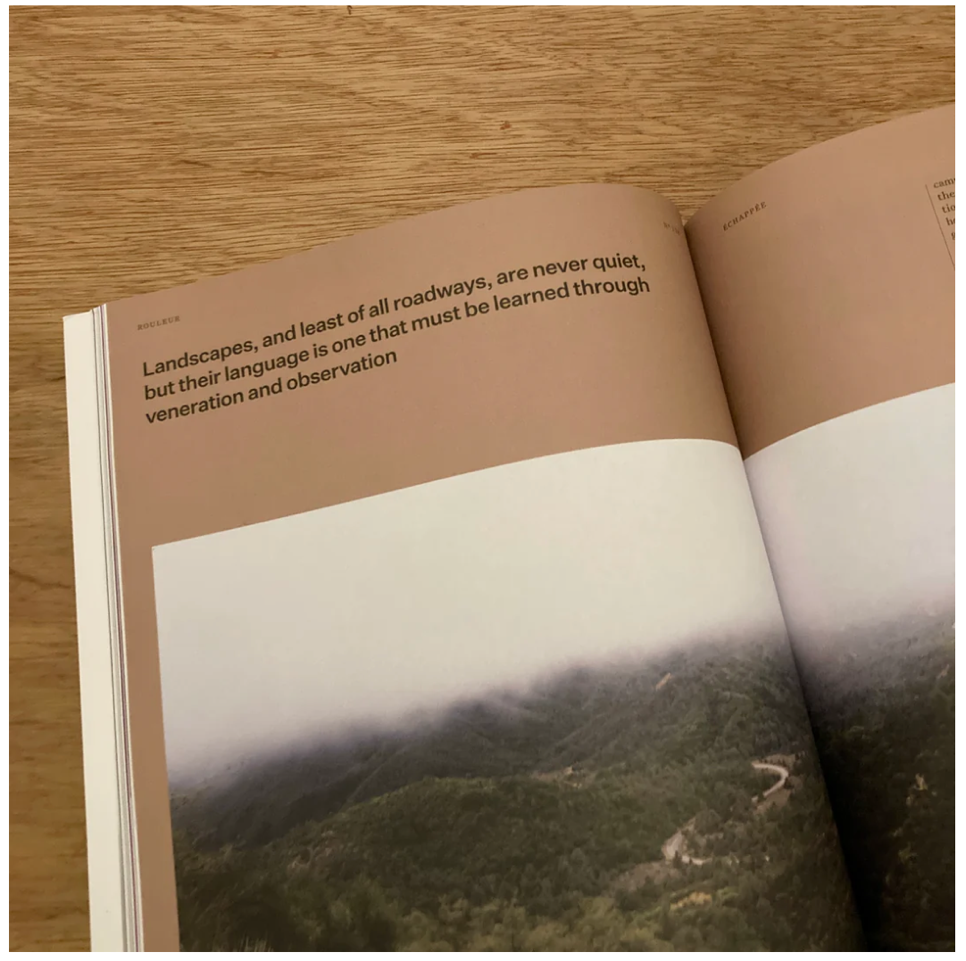
The work of the Origins project has been documented in various high-profile outdoor publications, including Rouleur Magazine, Freehub Magazine, and Adventure Journal, and will culminate in the publication of the book Trail Work: Restoring the Stories of America’s Lost Pathways by Heyday in May 2026. These narratives serve as a reminder that while wildfire and climate change are inevitable, the loss of history and access is not.

As the climate continues to change, the pace of landscape transformation will only quicken. However, as Dillon Osleger and the Origins project have demonstrated, the act of putting a shovel in the dirt is more than just maintenance—it is an act of resistance against forgetting. By documenting the cultures, ecosystems, and histories connected by these paths, stewards can ensure that even if a trail burns, its story remains written into the collective consciousness of the community. The preservation of trails is, ultimately, the preservation of human meaning on the land.
