

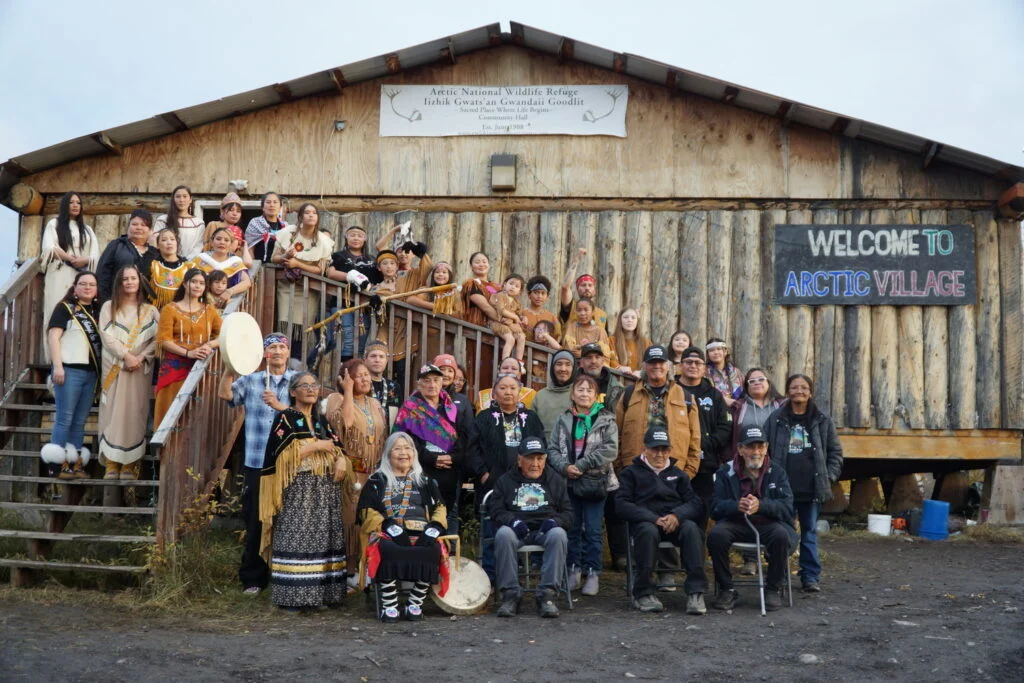
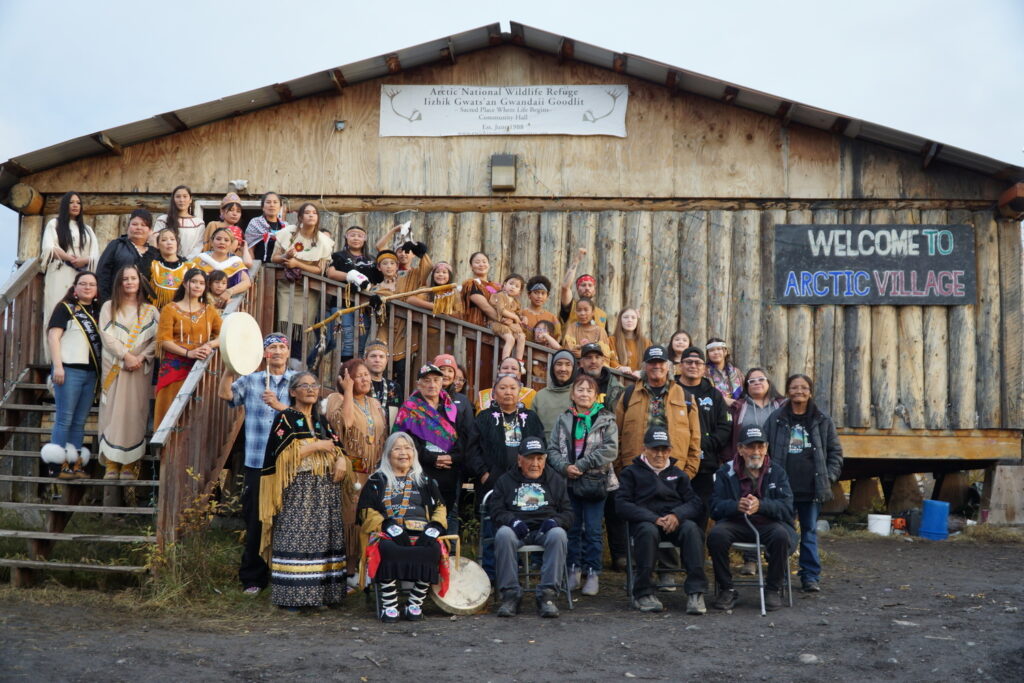
The Gwich’in people, an Indigenous nation whose ancestral lands span the northern reaches of Alaska and Canada, recently convened an emergency gathering in Vashraii K’oo, also known as Arctic Village, Alaska, to address escalating threats to the Arctic National Wildlife Refuge. Brennan Lagasse, a sustainability professor at the University of Nevada, Reno at Lake Tahoe and a member of the Protect Our Winters (POW) Creative Alliance, attended the summit by invitation to document the proceedings and learn from the Gwich’in elders. The primary catalyst for this urgent assembly is the looming prospect of seismic exploration—a precursor to oil and gas drilling—within the refuge’s Coastal Plain, a region the Gwich’in call "Iizhik Gwats’an Gwandaii Goodlit," or "The Sacred Place Where Life Begins."
The Coastal Plain, an area covering approximately 1.5 million acres, serves as the primary calving grounds for the Porcupine caribou herd and provides critical denning habitat for the Southern Beaufort Sea’s polar bears. For the Gwich’in, the caribou are not merely a resource but a cultural and spiritual cornerstone. The nation’s name itself, Gwich’in, translates to "people of the caribou." The gathering in early September marked a pivotal moment in a decades-long struggle to protect this ecosystem from industrial development, which has gained renewed momentum following shifts in federal policy and persistent interest from the energy sector.
Technical Impacts of Seismic Exploration on Arctic Permafrost
The immediate concern voiced by the Gwich’in and environmental advocates involves the invasive nature of seismic testing. This process is used by oil companies to map underground geological formations by sending shockwaves into the earth. To conduct these surveys, massive "vibroseis" trucks, weighing up to 90,000 pounds each, are driven in a grid pattern across the tundra. The Alaska Wilderness League has noted that these vehicles, which collectively weigh more than a herd of elephants, exert immense pressure on the fragile permafrost and seasonal ice.
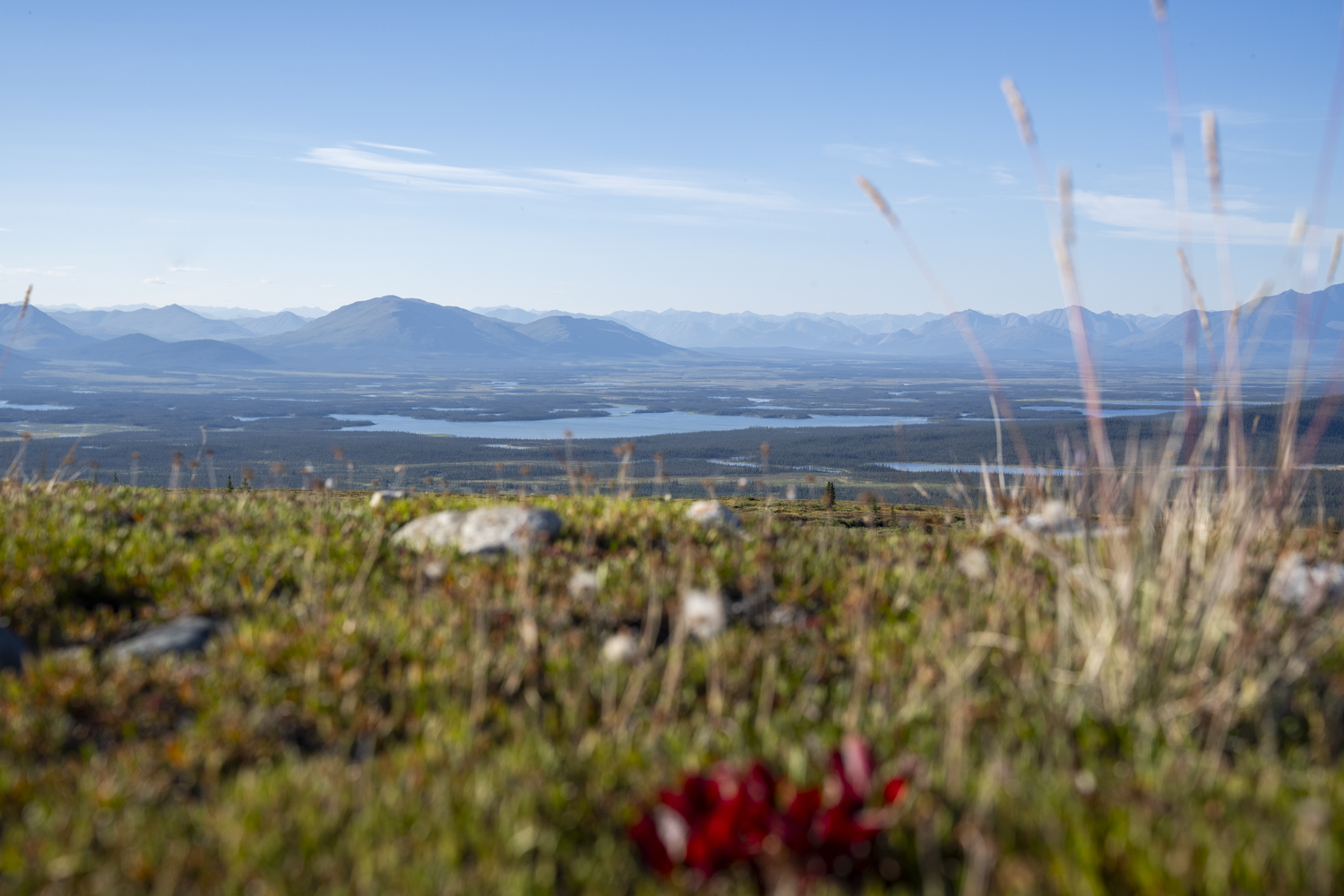
Data from previous exploration efforts in the Arctic suggests that the impacts of these heavy vehicles are often permanent. In the high-latitude environment of the refuge, the compressed tundra can lead to the melting of permafrost, creating "thermokarst" features—depressions in the land that fill with water and permanently alter the local hydrology. These scars remain visible for decades, disrupting the vegetation that the Porcupine caribou depend on during the calving season. Furthermore, seismic testing involves high-intensity sound waves that can disturb denning polar bears, potentially causing mothers to abandon their cubs in one of the world’s harshest environments.
A Chronology of Conflict: From the 1980s to the Present
The struggle over the Arctic National Wildlife Refuge (ANWR) is one of the longest-running environmental battles in United States history. The refuge was originally established in 1960 by President Dwight D. Eisenhower as the Arctic National Wildlife Range. In 1980, the Alaska National Interest Lands Conservation Act (ANILCA), signed by President Jimmy Carter, expanded the area and renamed it a refuge. However, Section 1002 of that act deferred a decision on the management of the 1.5-million-acre Coastal Plain, leaving it open to potential future oil and gas development subject to Congressional approval.
In 1988, facing the first major modern push for drilling, the Gwich’in Nation gathered in Vashraii K’oo for the first time in over a century. At that historic meeting, the elders resolved to speak with a unified voice against development in the calving grounds. They appointed eight elders to travel the world and share the Gwich’in story, establishing a tradition of biennial gatherings held in different villages across Alaska and the Yukon.
The urgency of the recent 2024 gathering stems from the legal and political volatility of the last decade. In 2017, the Tax Cuts and Jobs Act included a provision mandating two lease sales in the refuge’s Coastal Plain. The first sale, conducted in early 2021 during the final days of the Trump administration, saw limited interest from major oil companies, with most tracts purchased by the state-owned Alaska Industrial Development and Export Authority (AIDEA). While the Biden administration subsequently suspended these leases and canceled them in 2023, citing legal deficiencies in the environmental review process, the threat of future lease sales remains a statutory requirement under current federal law unless the 2017 provision is repealed.
The Cultural Significance of the Porcupine Caribou Herd
The Porcupine caribou herd, currently estimated at approximately 218,000 animals, performs the longest annual migration of any land mammal on Earth, traveling thousands of miles between their wintering grounds and the Coastal Plain. The Gwich’in have lived in tandem with this migration for millennia. Professor Lagasse, who has visited Arctic Village regularly since 2014, emphasized that the health of the Gwich’in people is inextricably linked to the health of the herd.
"The friends on the North Slope and everyone in Vashraii K’oo have taught me that there are no ecosystems in the world that remain intact like this one," Lagasse stated. "It’s as healthy as it was thousands of years ago. There’s a value in knowing that a place like this exists, where different species come every year to give birth to their young."
During the four-day emergency gathering, the focus remained strictly on the refuge. Unlike Western-style conferences with rigid schedules and agendas, the Gwich’in meeting followed a traditional protocol directed by the elders. Tribal government leaders and community members engaged in deep discussions throughout the day at the community hall—the same building constructed for the 1988 gathering. These sessions were followed by communal meals featuring traditional foods and evening celebrations with music and dancing, reinforcing the communal bonds necessary for a long-term political and legal struggle.
Ecological Data and Climate Implications
The Arctic is warming at nearly four times the global average, a phenomenon known as Arctic amplification. This rapid warming makes the refuge a critical "canary in the coal mine" for climate change. Environmental scientists argue that the refuge serves as a vital carbon sink, with its vast stretches of permafrost sequestering significant amounts of methane and carbon dioxide. Industrializing the region would not only release these stored gases through ground disturbance but would also facilitate the extraction and eventual combustion of fossil fuels, further exacerbating the global climate crisis.
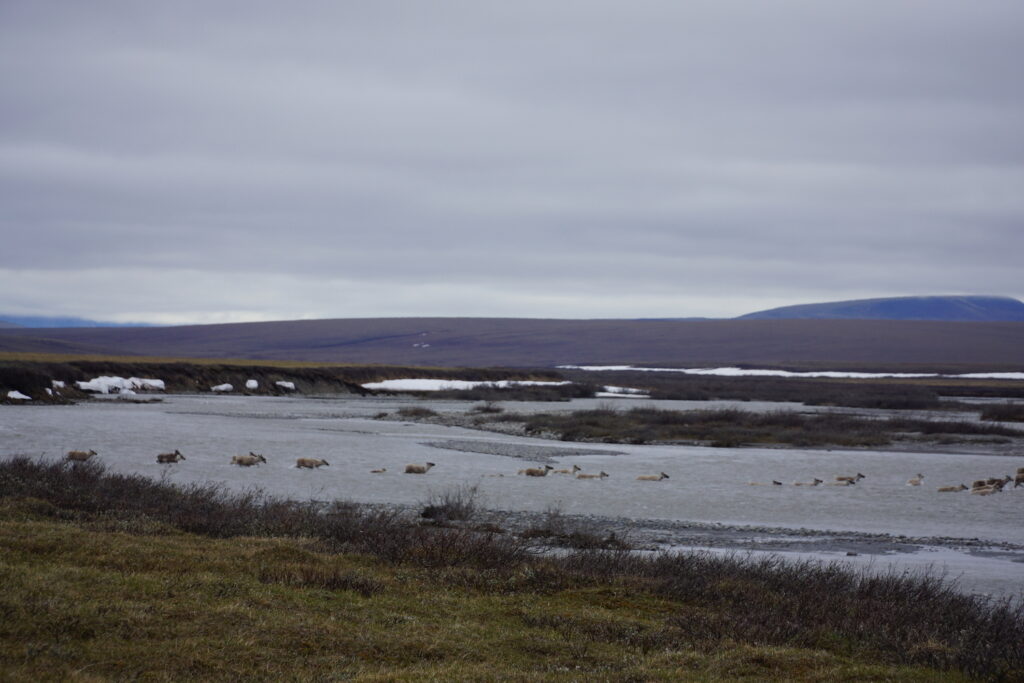
According to data from the Gwich’in Steering Committee, the Coastal Plain provides the most nutrient-rich forage for caribou calves. If industrial activity forces the herd to calve in less optimal areas further south in the mountains, calf survival rates are predicted to drop significantly due to increased predation and lower-quality food sources. This would lead to a population decline that would directly threaten the food security of the Gwich’in people, who rely on the caribou for a significant portion of their diet.
Institutional Responses and the Role of Financial Advocacy
The Gwich’in Nation has increasingly turned its attention toward the financial institutions that fund Arctic development. In recent years, a coalition of Indigenous leaders and environmental organizations has successfully lobbied major U.S. and international banks to adopt policies prohibiting the financing of oil and gas projects in the Arctic Refuge. To date, nearly every major American bank—including Goldman Sachs, JPMorgan Chase, and Citigroup—has issued statements or updated policies to this effect.
Lagasse noted that public pressure remains a vital tool in this effort. "Look at your banks and insurance companies that are supporting resource extraction projects that will continue to fuel the climate crisis," he urged. The Gwich’in Steering Committee continues to monitor corporate involvement and seismic exploration permit applications, which are processed by the Bureau of Land Management (BLM).
Analysis of Broader Implications
The outcome of the struggle for the Arctic National Wildlife Refuge carries implications far beyond the borders of Alaska. It represents a landmark case in the intersection of Indigenous rights and environmental conservation. For the Gwich’in, the protection of the refuge is a matter of human rights and cultural survival, a perspective that has gained traction in international forums, including the United Nations.
From a policy standpoint, the refuge serves as a battleground for competing visions of American energy security. While proponents of drilling argue that the "1002 Area" could contain billions of barrels of oil that would bolster domestic supply and provide revenue for the state of Alaska, opponents point to the failed 2021 lease sale as evidence of declining industry interest in high-cost, high-risk Arctic projects. Furthermore, the transition toward renewable energy sources raises questions about the long-term economic viability of developing new oil frontiers in sensitive ecosystems.
Conclusion and Future Outlook
As the Gwich’in Nation concludes its emergency gathering, the message from Vashraii K’oo is one of "active hope"—a term Lagasse uses to describe a state of being where concern for the future is met with organized action and community resilience. The nation remains prepared to challenge any future seismic permits or lease sales through both the legal system and public advocacy.
The protection of the Arctic National Wildlife Refuge currently rests on a combination of executive orders, ongoing litigation, and the absence of immediate industry demand. However, the Gwich’in elders maintain that permanent protection through Congressional legislation is the only way to ensure the Sacred Place Where Life Begins remains undisturbed for future generations. As the climate continues to change at an accelerated pace in the north, the Gwich’in’s fight for the caribou remains a central pillar of the broader global movement to preserve the world’s last remaining wild places.
