

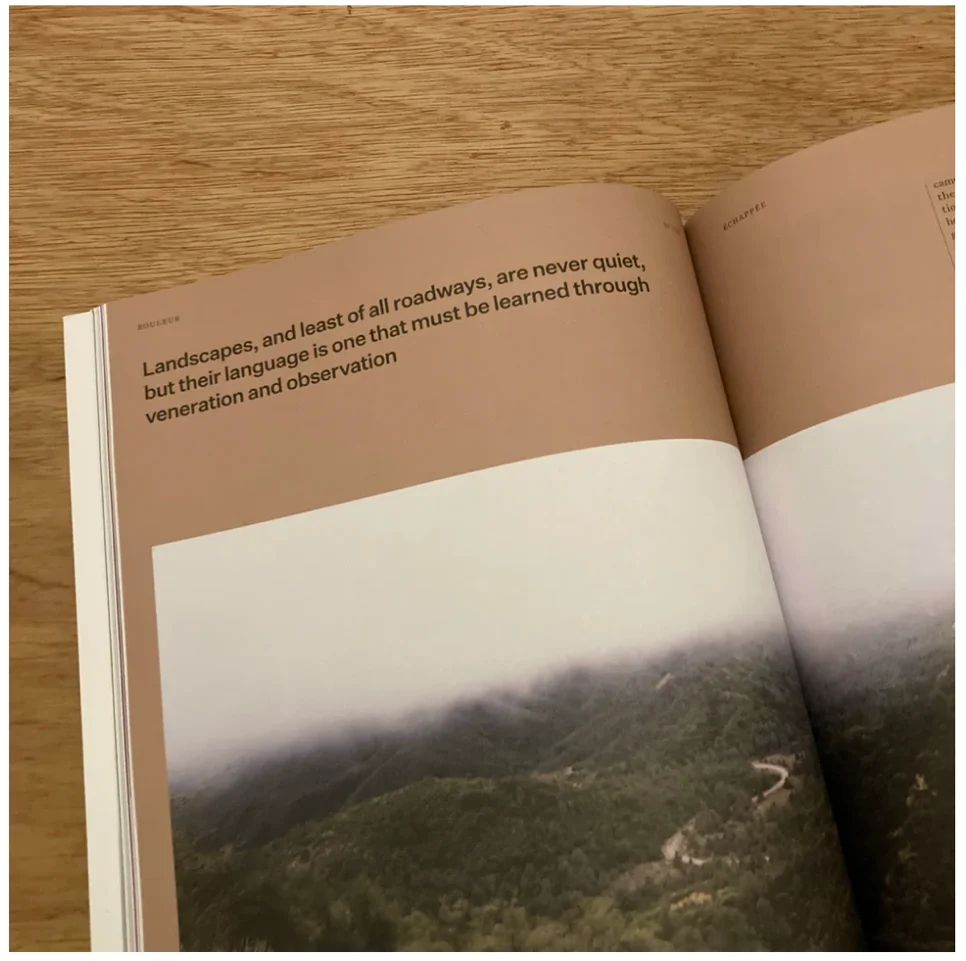
The landscape of the American West is undergoing a silent transformation where the physical records of human history are being systematically erased by environmental volatility and institutional neglect. Every year, over 5,000 miles of trails across the United States disappear due to a combination of catastrophic wildfires, severe erosion, and the subsequent removal of these routes from official government maps. This phenomenon does not merely represent a loss of recreational space; it signifies the deletion of cultural corridors that have connected human populations to the land for centuries. In response to this accelerating crisis, the Origins project, led by athlete and environmental scientist Dillon Osleger, has emerged as a critical effort to document, restore, and advocate for these "ghost lines" in the landscape. By blending archival research with physical trail stewardship, the project highlights a growing disconnect between the multi-billion dollar outdoor industry and the fragile, underfunded infrastructure upon which it relies.
The Scale of Erasure: Data and Infrastructure Decay
The scale of trail loss in the United States is staggering, yet it often occurs beneath the threshold of public awareness. According to a 2013 Government Accountability Office (GAO) report, the U.S. Forest Service (USFS) is responsible for maintaining approximately 158,000 miles of trails. However, the agency has historically struggled to maintain even a fraction of this network. The report noted that only one-quarter of the agency’s trail miles met the required standards for safety and sustainability. In the decade since that report, the gap between required maintenance and available funding has widened, exacerbated by the rising costs of wildfire suppression which often cannibalize budgets intended for recreation and conservation.
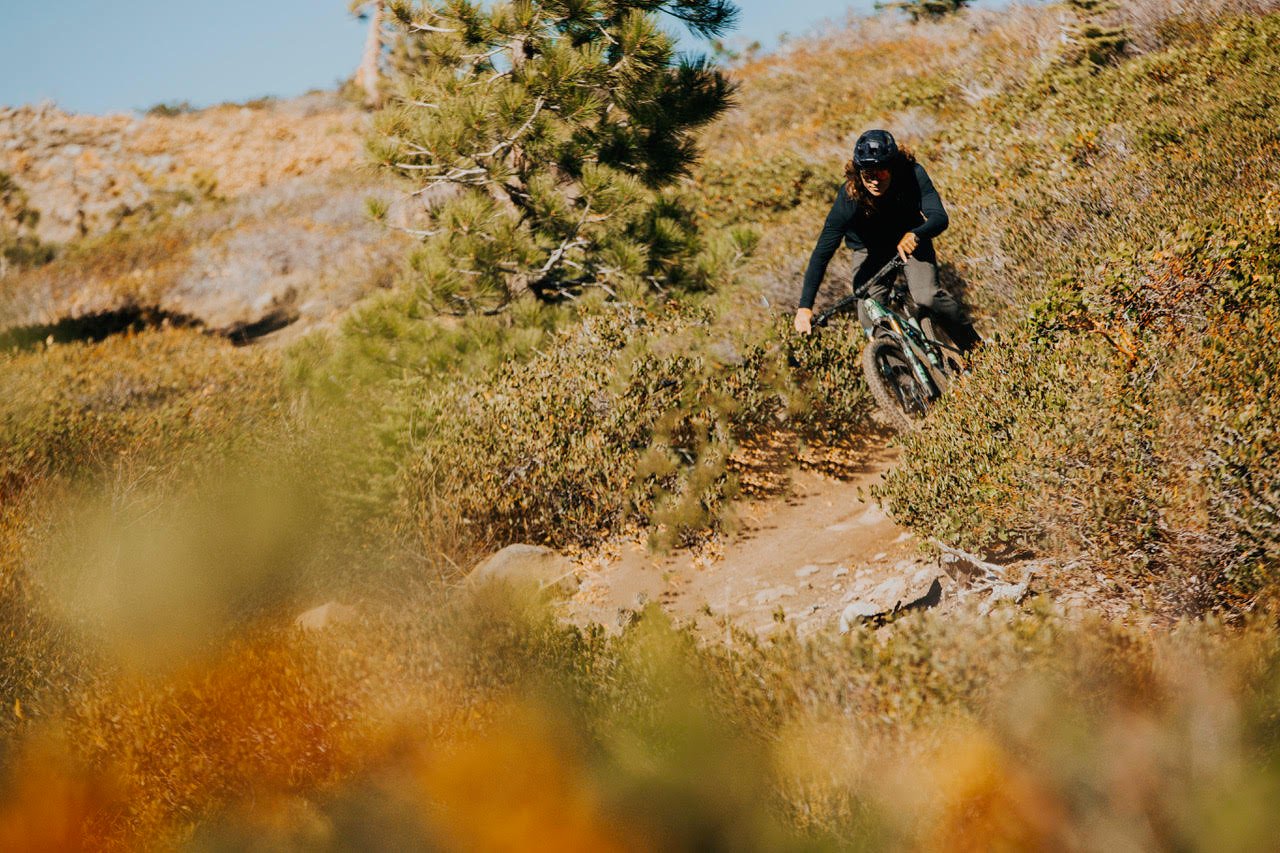
When a wildfire incinerates a forest, the trail is often the first thing to vanish. Intense heat can bake the soil, making it hydrophobic and prone to catastrophic erosion during subsequent rain events. In California and the Pacific Northwest, "atmospheric river" events—long plumes of moisture that deliver intense rainfall—frequently wash away the charred remains of trail treads, turning formerly navigable paths into impassable gullies. When the USFS or Bureau of Land Management (BLM) lacks the immediate funds to clear downed timber or rebuild eroded sections, the standard administrative response is often to "decommission" the trail. Once a trail is removed from the official Motor Vehicle Use Maps (MVUM) or topographic records, it effectively ceases to exist in the eyes of the law and the public, leading to a permanent loss of access.
A Chronology of Connection: Trails as Cultural Palimpsests
To understand what is being lost, one must view trails not as mere dirt paths, but as "palimpsests"—layers of history written onto the earth. The chronology of these trails often begins thousands of years ago with Indigenous trade routes. In California, for example, the Chumash and Washoe peoples established sophisticated networks that traversed mountain ranges to facilitate trade between coastal and inland communities. These routes were not chosen at random; they followed the most efficient topography and provided access to water and seasonal food sources.
Following European contact, these same routes were often repurposed by settlers, miners, and sheepherders. During the silver boom of the 19th century, mule trains laden with ore followed Indigenous paths over Sierra Nevada passes. In the 20th century, the era of organized recreation began. Following World War I, the United States saw a surge in public land investment. This culminated in the 1930s with the Civilian Conservation Corps (CCC), a New Deal program that employed millions of young men to build the backbone of the national park and forest systems. Many of the "classic" trails enjoyed by mountain bikers and hikers today were hand-cut by CCC crews nearly a century ago.
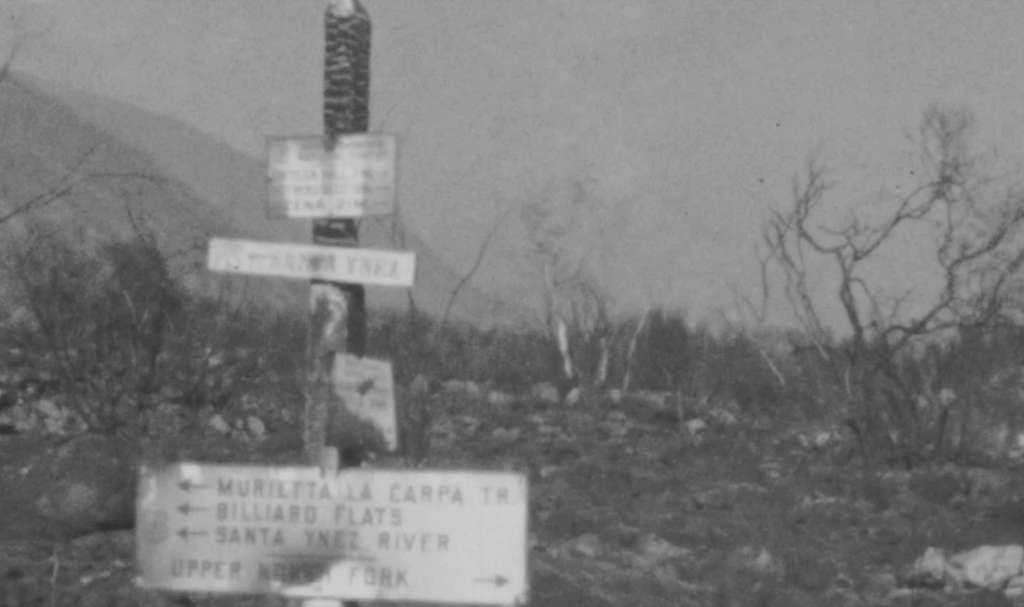
The Origins project identifies this historical depth as the primary casualty of climate-driven wildfire. When a trail is erased, the physical record of the Washoe trader, the silver miner, and the CCC worker is lost simultaneously. The project seeks to bridge this gap by using old USFS maps and oral histories to relocate trails that have been "mapped out" of existence.
Case Studies in Restoration: Ojai, Tahoe, and Mount Lola
The fieldwork conducted by Dillon Osleger and his team has focused on several key regions where the intersection of fire and neglect has been most acute. These case studies serve as a microcosm of the national crisis.
The Middle Sespe Trail, Ojai
In the Los Padres National Forest near Ojai, California, the Middle Sespe trail represents a vital link between the coast and the interior. Following a series of wildfires and a decade of zero maintenance, eight miles of the trail had completely vanished under a sea of chaparral and downed oak. By cross-referencing historical records, the Origins project uncovered that this route was originally a site of Chumash village connections and later served as a hub for Mexican sheep ranching long before the United States established the forest’s current boundaries. The restoration of these eight miles did more than provide a path for hikers; it re-established a physical link to the pre-colonial history of the region.
The Washoe Routes of Lake Tahoe
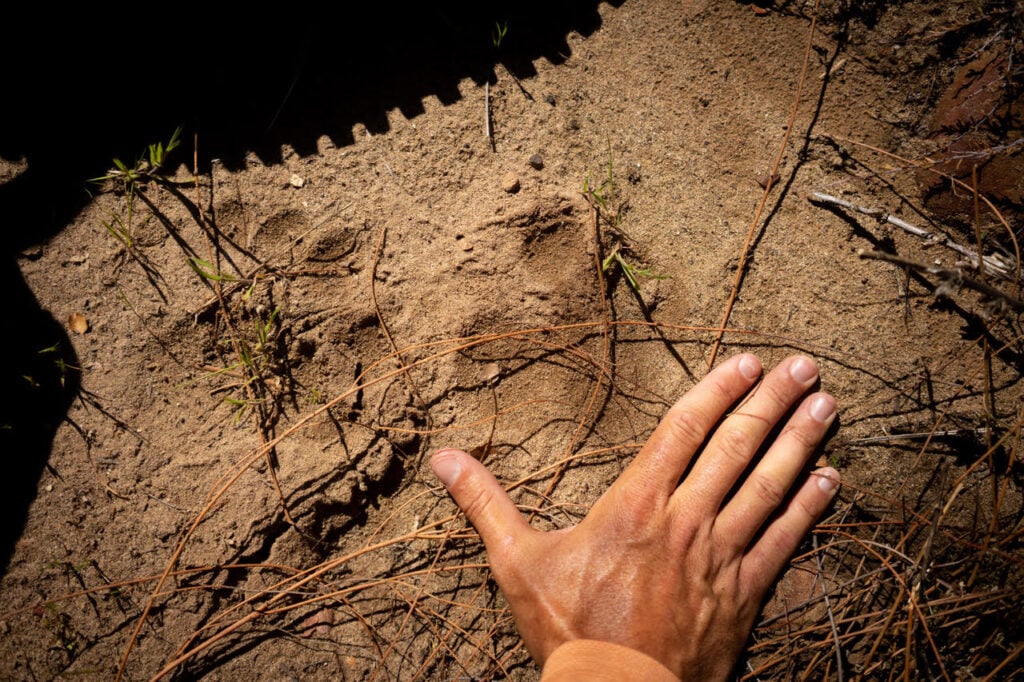
In the Lake Tahoe basin, the project sought to recover trails that predated the 1906 establishment of modern forest management. Many of these routes were originally laid by the Washoe people. Over the last two decades, a combination of high-intensity wildfires and flooding from atmospheric rivers had rendered these paths invisible. The Origins project’s efforts to clear these corridors have highlighted how climate-driven impacts are disproportionately affecting Indigenous heritage sites, as these ancient routes often receive the least amount of federal restoration funding compared to high-traffic "epic" lines favored by modern tourism.
Mount Lola and the Legacy of the CCC
North of Truckee, California, the flanks of Mount Lola hold a loop trail that was a hallmark of CCC engineering. Decades of budget cuts led to the trail being "erased" on modern maps as brush reclaimed the tread. Restoring the Mount Lola loop required "re-benching" the trail—using hand tools to cut a flat surface back into the hillside—and clearing lodgepole pines that had fallen during heavy snow years. This work was framed as an act of "remembering" the era of public investment, challenging current generations to match the stewardship efforts of the 1930s.
The Socio-Economic Impact of Trail Loss
The degradation of trail infrastructure has profound implications for rural economies. According to the Bureau of Economic Analysis (BEA), the outdoor recreation economy accounted for $1.1 trillion in economic output in 2022, representing 2.2% of the U.S. GDP. This sector is a primary driver of employment in rural gateway communities.
When a trail system is lost to fire or decommissioned, the economic ripple effect is immediate:
- Tourism Revenue: Small towns like Ojai, Truckee, and Mammoth Lakes rely on "destination" recreationists who spend money on lodging, dining, and retail.
- Real Estate Value: Proximity to public land access is a significant driver of property values in the American West.
- Industry Viability: Brands that manufacture mountain bikes, hiking boots, and camping gear depend on a functional network of trails. Without "scaffolding" to use these products, the market shrinks.
The Origins project argues that the outdoor industry has been "extractive" in its approach—marketing trails as backdrops for personal achievement while failing to reinvest in the physical maintenance of those landscapes. The project calls for a shift toward a "circular" recreation economy where a portion of the profits generated by outdoor activities is diverted back into trail restoration and climate resilience.
Institutional Responses and the Volunteer Burden
The federal response to the trail crisis has been criticized for its reliance on "deferred maintenance." As of 2024, the USFS faces a multi-billion dollar backlog in infrastructure repairs. While the Great American Outdoors Act of 2020 provided a significant influx of funding for public lands, much of that money has been directed toward high-visibility projects like visitor centers and paved roads, rather than the "backcountry" trails that are most vulnerable to wildfire.
This has left a massive void that is increasingly filled by volunteer organizations and non-profits. Groups like Protect Our Winters (POW) and local trail alliances have become the de facto stewards of the land. However, professional land managers warn that volunteer labor is not a long-term solution for the systemic challenges posed by climate change. Rebuilding a trail after a "megafire" requires professional engineering, environmental impact assessments, and heavy machinery—tasks that go beyond the scope of weekend volunteer crews.
Conclusion: Stewardship as a Climate Solution
The work of the Origins project, which will be chronicled in the forthcoming book Trail Work (May 2026, Heyday Books), suggests that the preservation of trails is inseparable from the fight against climate change. Stewardship is presented not as a hobby, but as a civic responsibility. To care for a trail is to care for the watershed, the forest health, and the carbon-sequestering capacity of the land.
The project concludes with a call to action for the outdoor community: advocacy for climate solutions is the ultimate form of trail maintenance. Without a stabilized climate, the cycle of fire and flood will continue to outpace any human effort to rebuild. However, by documenting these lost stories and putting "tools in the dirt," projects like Origins ensure that even if a trail is physically erased, its meaning and history remain part of the collective consciousness. The preservation of these lines on the landscape is, ultimately, the preservation of our own connection to the earth and the diverse cultures that have walked it before us.
