

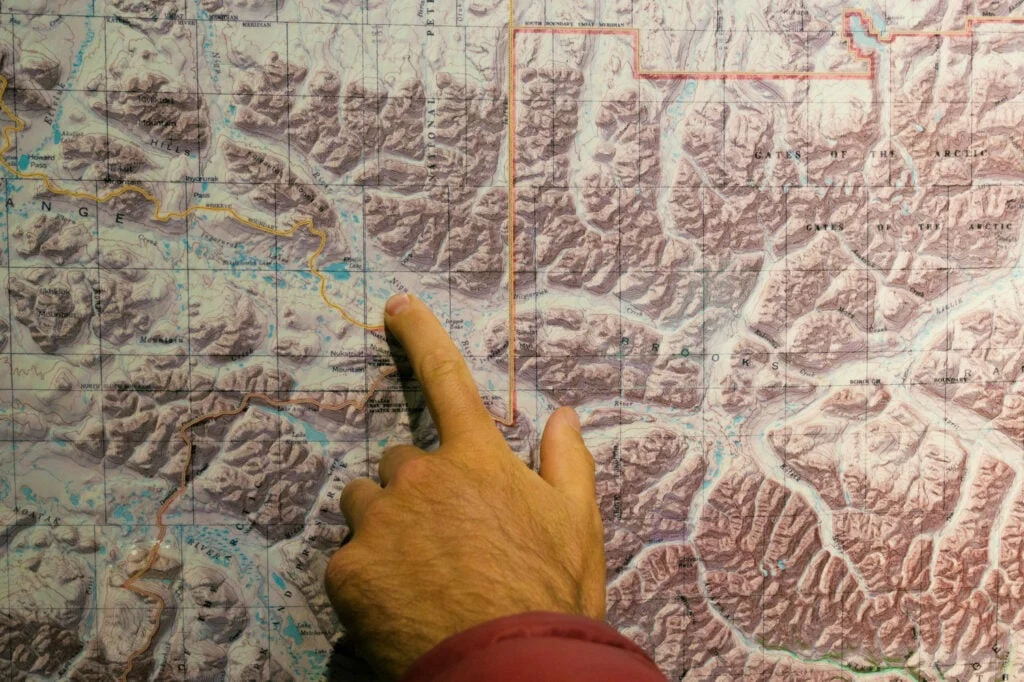
The federal government officially initiated the first of five scheduled oil and gas lease sales in the Western Arctic on March 18, marking a significant milestone in the ongoing industrialization of Alaska’s North Slope. This move opens approximately 5.5 million acres of public land to competitive bidding, a move that includes the ecologically sensitive Teshekpuk Lake wetlands. The sale is part of a broader federal mandate requiring at least five such auctions over the next decade, a policy rooted in a century of administrative designations and shifting national energy priorities. At over 22 million acres, the National Petroleum Reserve-Alaska (NPR-A) remains the largest single block of public land in the United States, and its current management reflects a complex intersection of historical mandates, economic pressures, and environmental crises.
Historical Foundations: From Naval Reserve to National Asset
The origins of the current leasing program date back to 1923, when President Warren G. Harding signed an executive order establishing "Naval Petroleum Reserve No. 4." At the time, the United States Navy was in the midst of a critical transition from coal-fired engines to oil-burning propulsion. Geologists surveying the North Slope had identified significant oil seeps along the Arctic coast, prompting the federal government to withdraw the land from all other uses to secure a strategic fuel supply for the military.
The designation of the reserve occurred during a transformative era for Alaska, which was emerging from the volatility of the gold rush and being treated largely as a resource colony. President Harding, an Ohio native, oversaw the withdrawal of a territory nearly as large as his home state—Ohio encompasses approximately 28 million acres, while the NPR-A covers 22.1 million. Harding’s presidency was ultimately overshadowed by the Teapot Dome scandal, involving his Interior Secretary, Albert Bacon Fall, who accepted bribes to facilitate oil development on Naval Petroleum Reserve No. 3 in Wyoming. This early history established a precedent of controversy and political maneuvering regarding federal energy reserves.
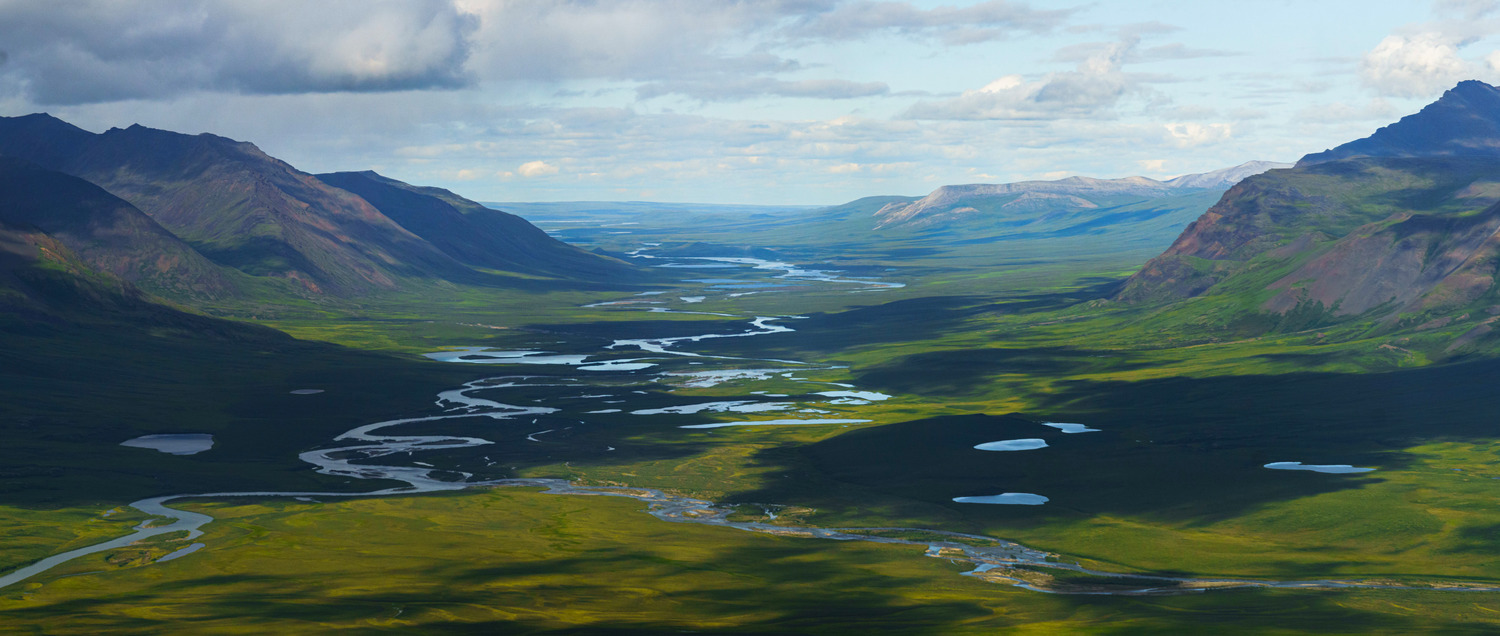
In 1976, management of the reserve was transferred from the Navy to the Department of the Interior under the Naval Petroleum Reserves Production Act (NPRPA). While the transfer moved the land into civilian hands, Congress did not alter its fundamental identity. Renamed the National Petroleum Reserve-Alaska, the region remained legally tethered to its original purpose. The 1976 Act directed the Secretary of the Interior to conduct an "expeditious program of competitive leasing," a phrase that modern administrations have utilized to justify the expansion of industrial activities in the Arctic.
Chronology of Development and Policy Shifts
The trajectory of the NPR-A has been defined by alternating periods of protection and exploitation. For decades, specific regions within the reserve, most notably the Teshekpuk Lake area, were shielded from development due to their immense biological value. However, the policy landscape shifted dramatically during the Trump administration, which moved to open the vast majority of the reserve to oil and gas exploration.
In 2020, the Bureau of Land Management (BLM) finalized an Integrated Activity Plan (IAP) that made approximately 18.6 million acres—82% of the reserve—available for leasing. This plan specifically targeted the Teshekpuk Lake Special Area, a move that reversed decades of conservation consensus. While subsequent legal challenges and administrative reviews under the Biden administration have sought to reinstate some protections, the underlying legal machinery for "expeditious" leasing remains in place.
The March 18 lease sale is the first tangible result of this entrenched legal framework. It coincides with several other massive industrial projects on the North Slope, including the Willow oil project. Managed by ConocoPhillips, Willow is estimated to hold 600 million to 750 million barrels of oil. Its development, approved in 2023, is viewed by proponents as a cornerstone of Alaska’s economic future and by critics as a "carbon bomb" that undermines national climate goals.
Ecological Significance and Biological Data
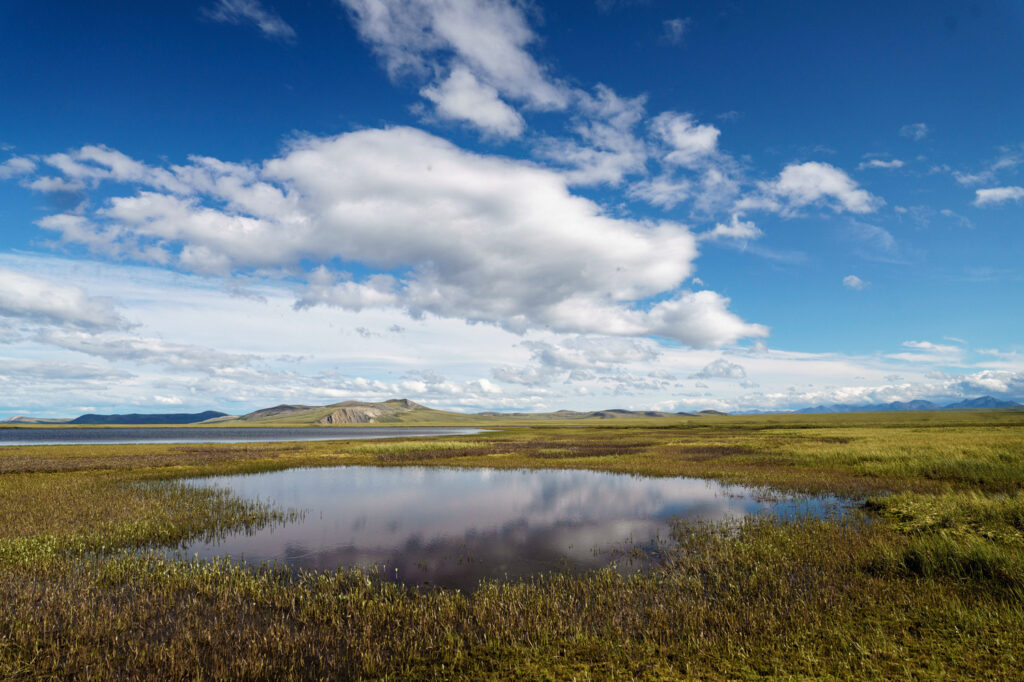
Despite its industrial name, the NPR-A is an intact ecosystem of global significance. It is home to the Teshekpuk Lake caribou herd, which relies on the coastal plain for calving and insect relief. The region is also the most productive wetland in the circumpolar Arctic. Data from environmental surveys indicate that an estimated 5.4 million aquatic birds migrate to the NPR-A each season. These birds originate from six continents and all 50 U.S. states, making the reserve a critical node in global migratory pathways.
Teshekpuk Lake itself is recognized as the single most important molting habitat for migratory waterfowl in the Arctic. The surrounding wetlands provide essential nesting grounds for species such as the spectacled eider, the Steller’s eider, and the yellow-billed loon. The interconnectedness of the landscape—stretching from the Brooks Range through the coastal plain to the Beaufort Sea—allows for the free movement of predators and prey, including grizzly bears, wolves, and the Western Arctic caribou herd, which numbers in the hundreds of thousands.
Conservationists argue that the "Petroleum Reserve" moniker is a misnomer that ignores the biological reality of the land. They contend that the 1923 designation was made without an understanding of the Arctic’s ecology or the role the region plays in global climate regulation.
Economic Realities and Resource Estimates
The drive to develop the Western Arctic is fueled by significant resource estimates provided by the U.S. Geological Survey (USGS). According to federal data, the Northern Alaska region may contain nearly half of all undiscovered, technically recoverable oil on federal lands in the United States. Within the NPR-A specifically, estimates suggest the presence of approximately 8.7 billion barrels of oil and 25 trillion cubic feet of natural gas.
However, the economic viability of Arctic oil is subject to intense debate. Extraction in the Arctic is significantly more expensive than in the contiguous United States, such as the Permian Basin in Texas and New Mexico. The harsh climate, lack of existing infrastructure, and the necessity of building hundreds of miles of pipelines and roads contribute to high "breakeven" prices.
Analysts point out that Arctic development often requires substantial public subsidies and long-term capital horizons. Oil companies must plan for 30-year cycles, making their investments sensitive to political shifts and future carbon pricing. The State of Alaska, facing an anemic budget and declining production from the legacy Prudhoe Bay field, remains a staunch advocate for NPR-A development. Prudhoe Bay has yielded 13.5 billion barrels over the last 50 years, and state officials view the Western Arctic as the only viable successor to maintain the throughput of the Trans-Alaska Pipeline System (TAPS).
Stakeholder Reactions and Public Sentiment
The federal leasing program has drawn sharp reactions from a diverse array of stakeholders. Pro-development groups, including the Alaska congressional delegation and various North Slope trade unions, argue that the lease sales are essential for national energy security and the economic survival of Arctic communities. They emphasize the potential for job creation and the tax revenue generated by new production.
Conversely, environmental organizations and several Indigenous groups have expressed profound concern. The "Protect Our Winters" (POW) organization and other advocacy groups highlight the contradiction between expanding fossil fuel extraction and the reality of Arctic warming. Scientific data shows that the Arctic is warming three to five times faster than the global average, leading to permafrost thaw, coastal erosion, and changes in wildlife migration patterns.
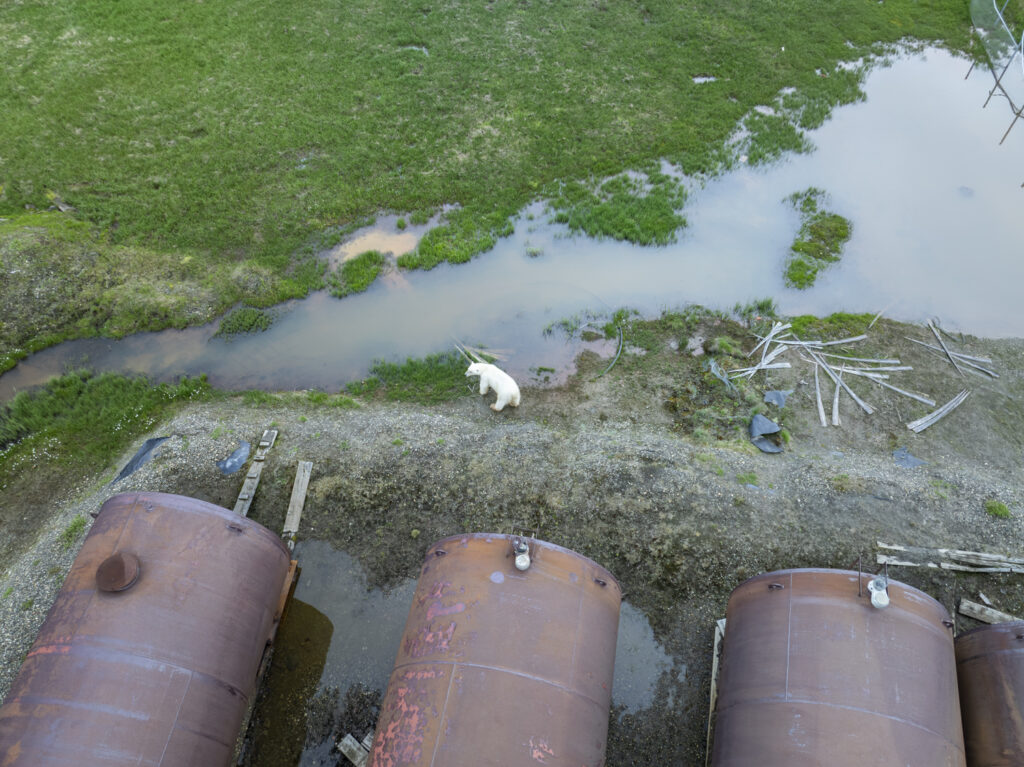
Statements from Indigenous leaders are often nuanced, reflecting a tension between the need for economic development and the preservation of subsistence lifestyles. While some North Slope corporations support development for the dividends and services it provides, other residents of the region express fear that industrial noise and infrastructure will divert caribou herds and contaminate the water and air upon which their communities depend.
Broader Implications and the Future of the Arctic
The expansion of leasing in the NPR-A represents a critical juncture in American land management. The decision to treat the Arctic as a "resource bank" versus a "biological preserve" has long-term implications for biodiversity and climate stability. As the legal machinery for the five mandated lease sales proceeds, the debate has shifted toward the concept of "uncertainty" in investment.
Financial analysts suggest that the social and political pressure surrounding Arctic drilling is beginning to influence corporate decision-making. Major banks have increasingly restricted financing for Arctic oil projects, citing both environmental concerns and the financial risk of "stranded assets" in a transitioning energy economy. By making the future of Arctic extraction politically and socially uncertain, opponents hope to drive up the cost of development until it becomes economically unfeasible.
The broader impact of these lease sales extends beyond the borders of Alaska. They serve as a test case for whether the United States can reconcile its historical mandates for resource extraction with its modern commitments to environmental protection. The "sticky name" given to the region by President Harding in 1923 continues to exert legal force, but the physical reality of the land—as a last whole place of untrammeled wilderness—remains the primary counter-argument.
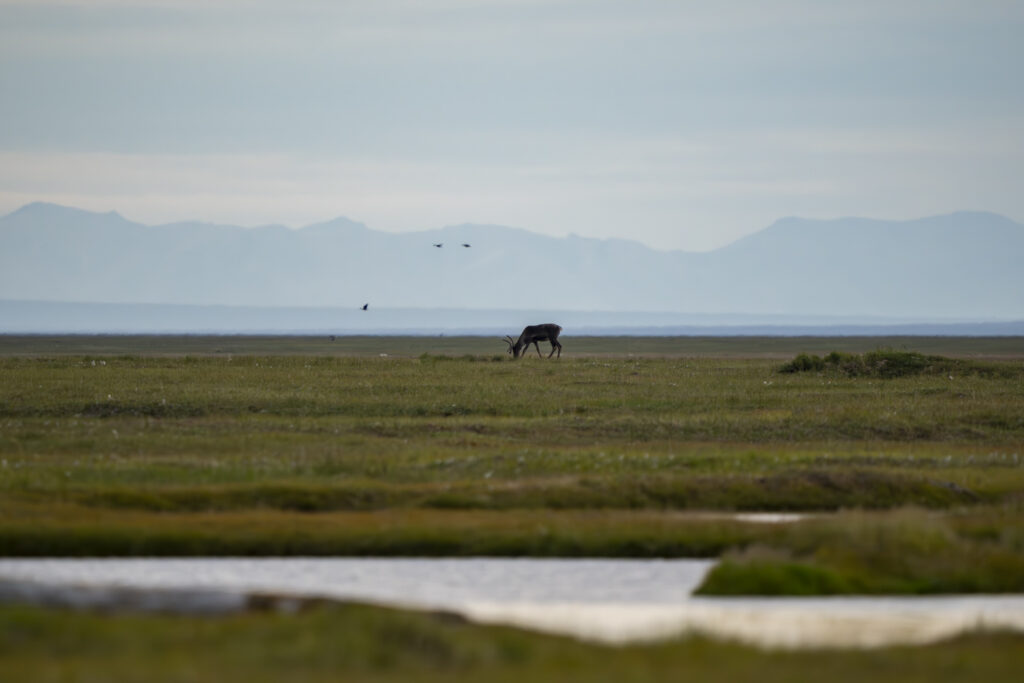
As the federal government moves forward with the remaining four lease sales, the focus will likely remain on the resilience of the Arctic ecosystem and the ability of the public to influence the management of their largest block of shared land. The outcome will determine whether the NPR-A remains a "petroleum reserve" in more than just name, or if a new era of conservation can eventually supersede the century-old mandate of the Harding administration.
