

The soaring cost of alpine sports has reached a critical inflection point in 2026, with single-day lift tickets at premier North American resorts frequently exceeding $250. As the economic barrier to entry for skiing and snowboarding continues to rise, consumer demand for high-performance, low-cost equipment has catalyzed a new era of "value-tier" engineering. While premium eyewear from industry leaders can easily command prices between $300 and $450, a rigorous evaluation of the current market reveals that the gap between budget-friendly alternatives and their luxury counterparts is narrowing. Following an extensive testing period involving 12 different models priced under the $100 threshold, field experts have identified several standout products that prioritize optical clarity, ultraviolet (UV) protection, and thermal regulation without the prohibitive price tag.
The Economic Shift in Winter Sports Equipment
The 2025-2026 winter season has seen a 15% increase in the "budget" segment of the outdoor gear market, according to recent retail data. Analysts suggest that this shift is driven by a demographic of "weekend warriors" and families who are prioritizing functional reliability over brand prestige. In response, manufacturers have begun trickling down proprietary technologies—once reserved for flagship models—into entry-level frames. Features such as magnetic lens-change systems, dual-pane thermal barriers, and advanced anti-fog coatings are now increasingly common in goggles retailing for less than $100.
This democratization of technology is essential for mountain safety. Proper eyewear is not merely a fashion statement but a critical piece of personal protective equipment (PPE). High-altitude environments expose the eyes to intensified UV radiation, which increases by approximately 10% for every 1,000 feet of elevation gain. Furthermore, the risk of photokeratitis, or "snow blindness," necessitates 100% UVA/UVB protection, a standard that is now met by nearly all reputable budget manufacturers.
Testing Methodology and Environmental Conditions
To determine the efficacy of these affordable options, a comprehensive testing protocol was established in the Teton Range of Wyoming. Between November 2025 and January 2026, testers utilized Jackson Hole Mountain Resort and the backcountry terrain of Teton Pass as a proving ground. The testing window provided a diverse array of meteorological conditions, ranging from "bluebird" days with high solar glare to "socked-in" storm cycles characterized by flat light and high humidity.
The evaluation criteria focused on four primary pillars:
- Optical Fidelity: Assessment of distortion across the peripheral field and the contrast-enhancing capabilities of various lens tints.
- Thermal Management: The ability of the goggle’s ventilation system to exhaust moist air and prevent condensation (fogging) during high-exertion hiking or stationary gondola rides.
- Ergonomics and Integration: How well the frames interface with standard MIPS-equipped helmets and the long-term comfort of the face foam.
- Mechanical Durability: The resilience of the lens coatings against scratches and the structural integrity of the strap and frame under freezing temperatures.
Top Performer: The Goodr Snow G
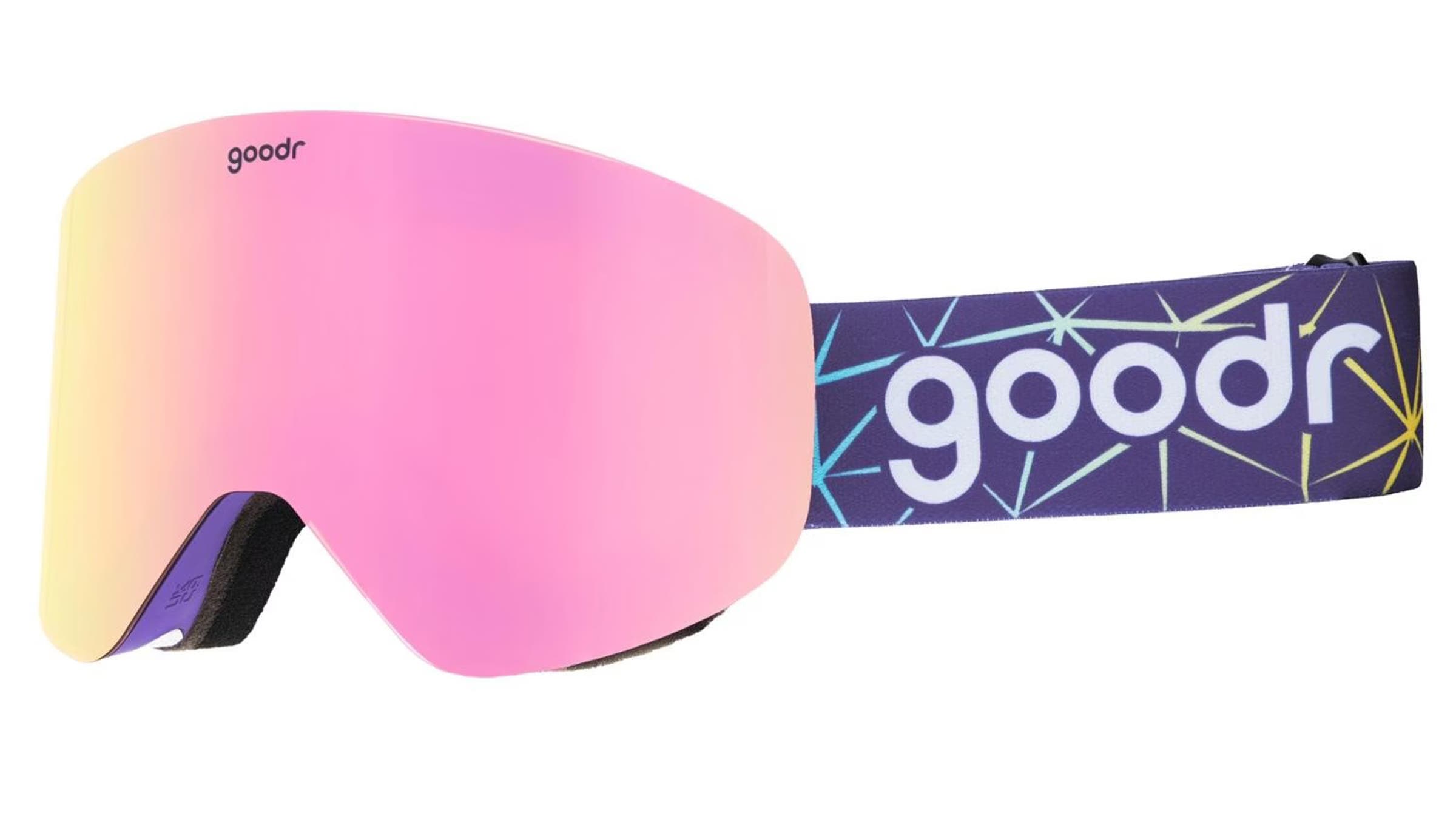
The most significant disruption in the budget category this season comes from Goodr, a brand originally known for its inexpensive running sunglasses. The Goodr Snow G, priced at approximately $75, emerged as the "Best Overall" selection. Its inclusion of a magnetic lens-swap system—a feature typically found in goggles costing twice as much—marks a shift in value expectations.
Field testers noted that the magnetic interface allowed for seamless transitions between the primary sun lens and the included low-light bonus lens, even while wearing gloves. While the fit was reported as slightly oversized for those with smaller facial structures, the medium-to-large frame offered an expansive field of view. The use of high-contrast cylindrical optics provided clarity that testers described as "indistinguishable" from premium brands during mid-day light conditions.
Strategic Value: The Smith Tribute
For consumers seeking a legacy brand with a proven track record of durability, the Smith Tribute stands as a benchmark for minimalist design. Retailing at a price point comparable to a resort lunch, the Tribute utilizes Smith’s proprietary cylindrical carbonic-x lenses. During testing at Jackson Hole, the Tribute’s built-in Airflow ventilation system proved highly effective during a wet, heavy snowstorm, maintaining a clear interior despite high ambient humidity.
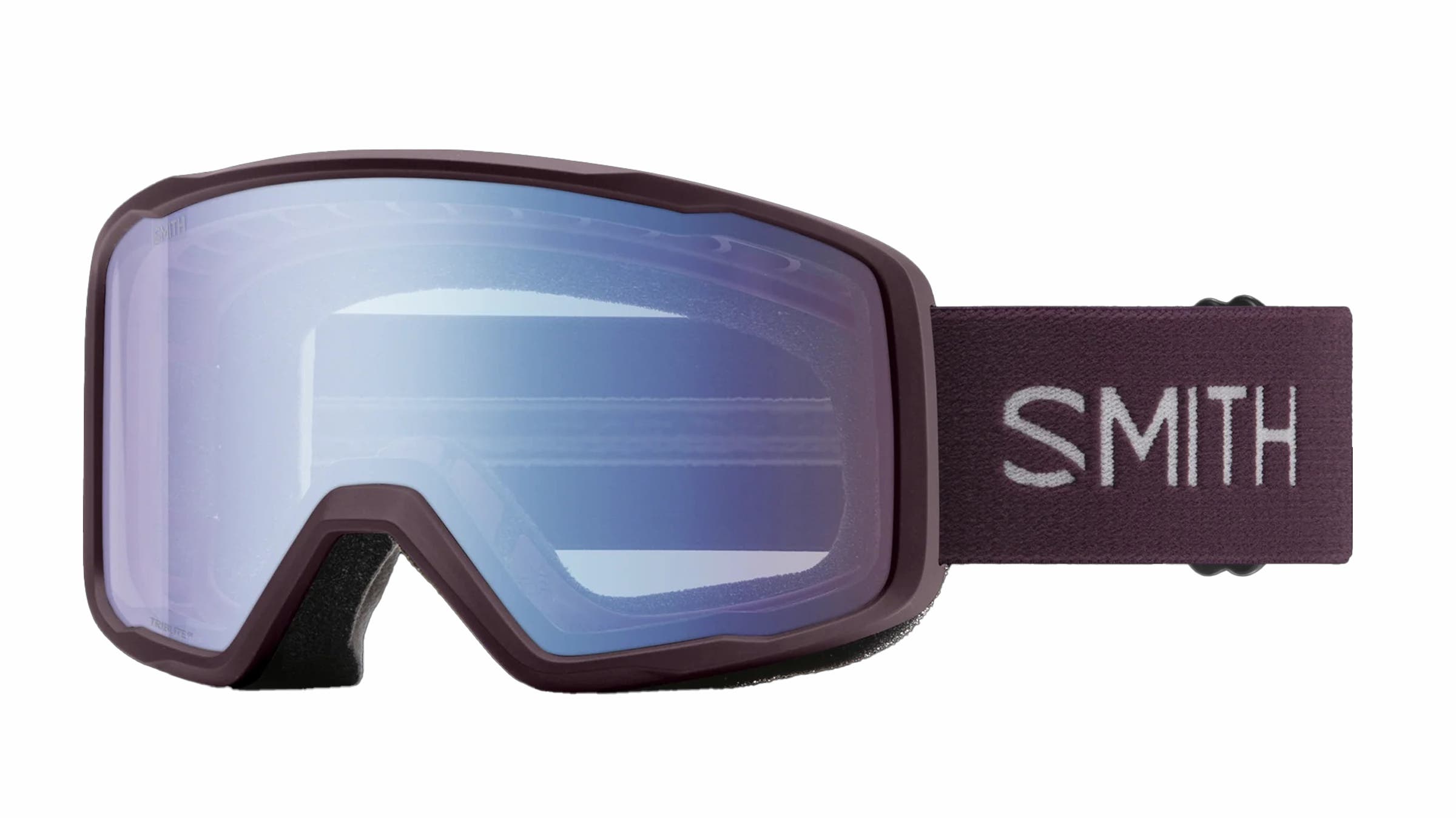
The Tribute is designed with a smaller profile, making it an ideal choice for youth or adults with narrower faces. While it does not include a second lens, the frame features a simplified button-release mechanism that allows for manual lens replacement. For the 2026 season, industry experts recommend the RC36 lens tint for those seeking a "one-lens solution" capable of handling a wide range of VLT (Visible Light Transmission) levels.
Versatility and Technical Innovation: Glade Mesa
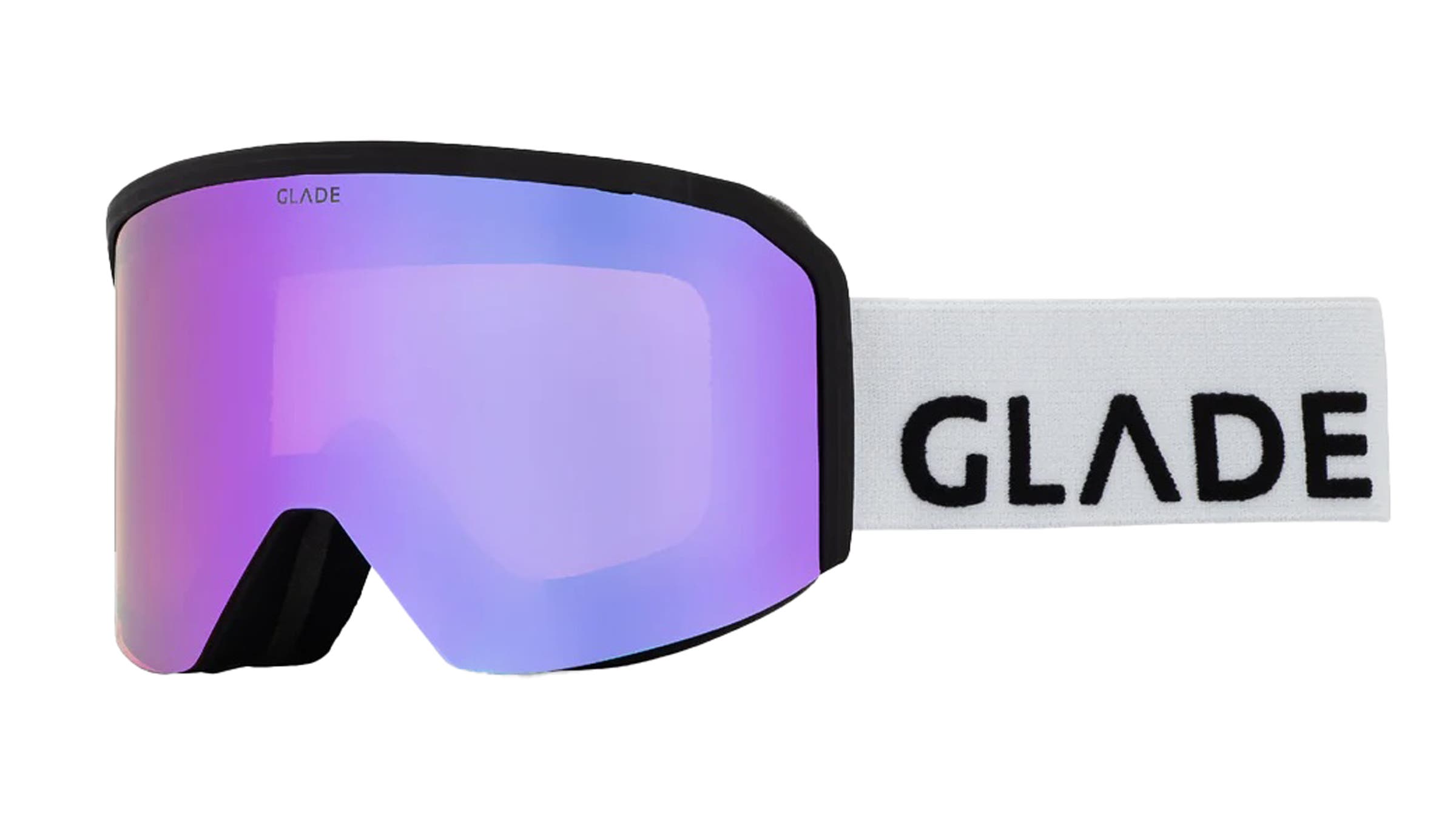
The Glade Mesa, hovering near the $100 ceiling, represents the "prosumer" end of the budget spectrum. Unlike many entry-level goggles that rely on basic foam, the Mesa incorporates an active ventilation system and a dual-layer lens treated with an upgraded anti-fog solution. The inclusion of a spare low-light lens adds significant value, particularly for skiers in the Pacific Northwest or the Northeast, where overcast conditions are the norm.
The Mesa’s medium-fit frame was praised for its "universal" geometry, providing a pressure-free seal on a variety of nose bridge shapes. Although the lens-swapping process requires more manual dexterity than the magnetic Goodr system, the secure locking pins ensure that the lens remains seated even during high-impact falls.
Specialty Fit and Design: Giro, Salomon, and Scott
The 2026 market has also seen an increase in specialized fit options within the budget category:
- Best for Women (Giro Moxie): The Moxie utilizes Giro’s Expansion View (EXV) technology. By optimizing the frame’s rim dimensions, Giro has managed to increase peripheral vision in a compact design tailored for smaller faces. It also features an "Over-the-Glasses" (OTG) compatible interior, catering to the significant percentage of skiers who wear prescription eyewear.
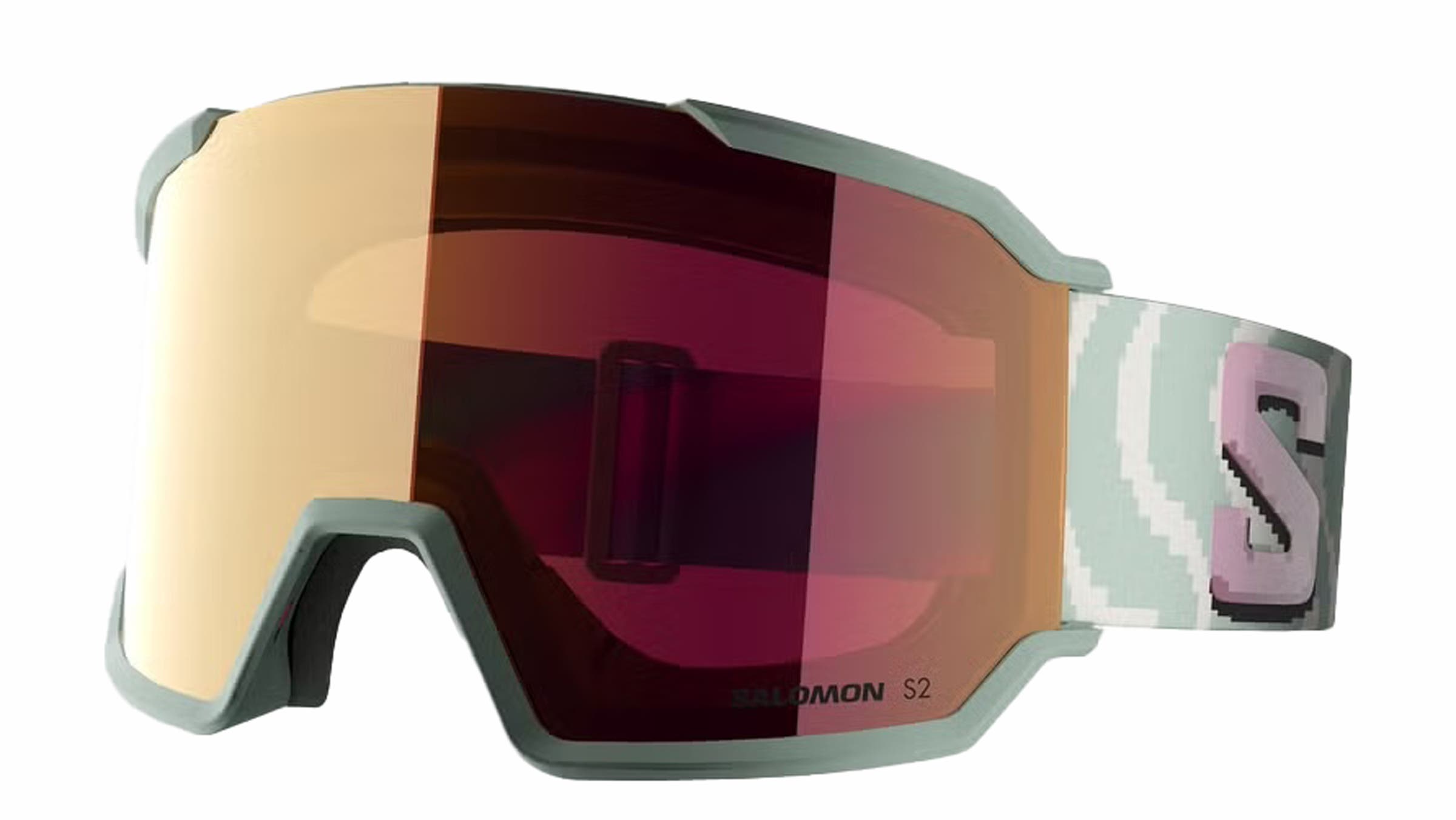
- Best Field of View (Salomon S/View 3 ML): Salomon has employed a semi-frameless aesthetic for the S/View 3, which reduces the visual "border" in the wearer’s periphery. The triple-layer face foam provided the highest comfort rating among testers, though the multilayer lens was noted to be less effective in extremely bright, high-altitude sun compared to darker polarized options.
- Best for Small Faces (Scott Factor Pro): A scaled-down version of the professional-grade Scott Shield, the Factor Pro focuses on "sightline maximization." The cylindrical lens is curved to follow the natural wrap of the face, reducing optical drag and providing a sleek profile that integrates flawlessly with most modern helmet brims.
Technical Analysis: Spherical vs. Cylindrical Lenses
A key factor in the pricing of these goggles is the shape of the lens. Consumers in 2026 must choose between two primary geometries:
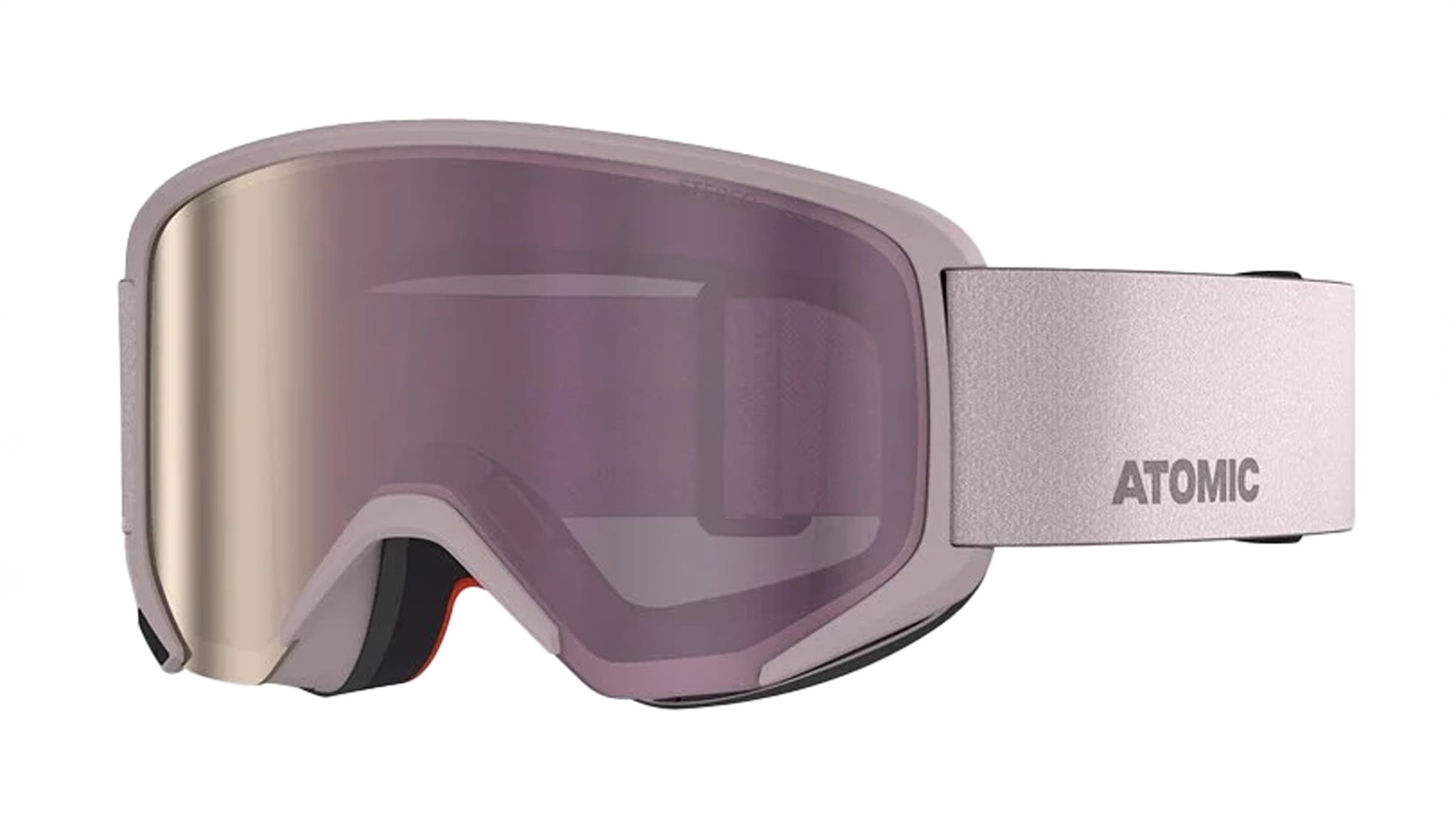
Cylindrical Lenses: These are curved horizontally across the face but remain flat vertically. They are more cost-effective to manufacture and offer a traditional, low-profile look. While older cylindrical lenses were prone to peripheral distortion, modern injection-molding techniques used by brands like Smith and Atomic have largely mitigated this issue.
Spherical Lenses: These are curved both horizontally and vertically, mimicking the shape of the human eye. This geometry reduces glare and provides a slightly larger internal volume, which aids in fog prevention. Historically, spherical lenses were exclusive to high-end models, but products like the Giro Moxie are now bringing this tech to the sub-$100 market.
The "Budget" Trade-off: What Is Sacrificed?
While the performance of the 2026 budget fleet is impressive, certain compromises remain inherent to the lower price point. Premium goggles (typically $200+) often feature "Photochromic" lenses that automatically darken or lighten based on UV exposure, a feature almost entirely absent from the under-$100 category.
Furthermore, high-end models utilize superior material science in their coatings. Flagship goggles often feature "permanent" anti-fog treatments etched into the lens, whereas budget models may rely on chemical coatings that can degrade over several seasons if wiped improperly. Durability is also a consideration; less expensive polycarbonate lenses are more susceptible to micro-scratches than the high-grade Trivex or NXT materials found in elite eyewear.
Conclusion and Future Outlook
The 2026 winter season demonstrates that "budget" no longer equates to "substandard." For the vast majority of recreational skiers and snowboarders, the current crop of sub-$100 goggles provides more than enough protection and clarity to navigate the mountains safely. By focusing on essential features—UV protection, fit, and basic thermal management—brands like Goodr, Smith, and Glade are making the outdoors more accessible at a time when sport participation costs are under intense scrutiny.
As manufacturing processes continue to evolve, it is expected that 2027 and beyond will see the introduction of even more sophisticated features, such as basic electronic anti-fog fans or recycled-material frames, moving into the budget tier. For now, the savvy consumer can confidently invest in any of the aforementioned models, knowing that they are receiving a product that has been rigorously vetted in some of the harshest alpine environments in North America. To maximize the lifespan of these affordable optics, experts recommend storing them in a dedicated microfiber bag and avoiding the use of harsh detergents or abrasive cloths on the inner lens surface.
