

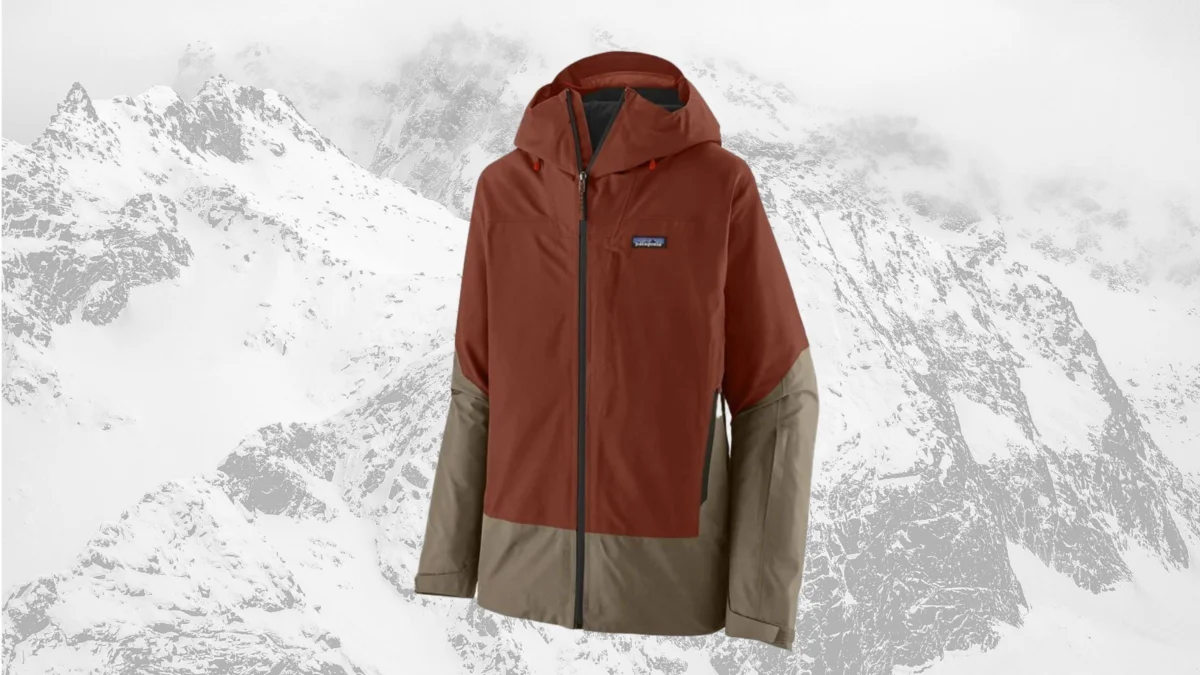
The announcement of a 40 percent discount on the Patagonia Storm Shift jacket has sent ripples through the outdoor retail industry, representing one of the most substantial price reductions on high-performance technical shells in recent years. Historically, Patagonia has maintained a rigid pricing structure, rarely offering deep discounts on flagship products that utilize premium materials like Gore-Tex. However, the current market landscape in April 2026 has created a unique set of circumstances where top-tier winter gear is becoming accessible to a broader demographic of outdoor enthusiasts. The Storm Shift jacket, known for its PFC-free construction and robust weatherproofing, serves as a benchmark for the brand’s commitment to combining technical excellence with environmental stewardship. This sale, appearing mid-spring, signals a strategic move by retailers to clear inventory ahead of the next production cycle while providing consumers an opportunity to acquire professional-grade equipment at a fraction of the standard retail price.
Technical Specifications and Performance Metrics
The Patagonia Storm Shift jacket is not merely a piece of apparel but a complex piece of equipment designed for high-output activities in harsh alpine environments. At its core is a 2-layer Gore-Tex fabric, which has undergone significant evolution over the last several years. Unlike traditional membranes that relied on perfluorinated chemicals (PFCs) for water repellency, the Storm Shift utilizes a 100 percent recycled polyester face fabric bonded to an ePE (expanded polyethylene) membrane. This transition is critical, as ePE is lighter, thinner, and has a lower carbon footprint than traditional PTFE-based membranes while maintaining the "Guaranteed to Keep You Dry" standard.
The interior of the jacket features a body-mapped lining with a zigzag-patterned fleece. This design is intentional; the varying thicknesses of the lining provide targeted warmth in areas prone to heat loss, such as the chest and upper back, while allowing for maximum breathability in high-perspiration zones. According to laboratory testing data typical for this class of shell, the Storm Shift offers a breathability rating that allows for significant vapor transfer during uphill skinning or intense resort skiing. Furthermore, the garment is fully seam-taped, ensuring that moisture cannot penetrate the stitching even under high-pressure conditions like driving sleet or heavy, wet snow.
A Chronology of Innovation and Sustainability
The development of the Storm Shift jacket is part of a decade-long timeline of innovation within Patagonia’s outerwear division. Understanding the significance of this sale requires a look back at the brand’s trajectory regarding chemical usage and material sourcing.
In 2014, Patagonia began a concerted effort to phase out long-chain (C8) fluorinated DWR (durable water repellent) finishes due to their environmental persistence. By 2021, the company had shifted largely to short-chain (C6) finishes, but the ultimate goal remained a completely PFC-free product line. The Storm Shift, launched as part of the 2022-2023 collection, represented one of the first major technical shells to achieve this goal without sacrificing the performance required by professional mountain guides and elite athletes.
In September 2022, Patagonia founder Yvon Chouinard transferred ownership of the company to the Patagonia Purpose Trust and the Holdfast Collective, a move that effectively mandated that all profits not reinvested into the business be used to combat climate change. This corporate restructuring has influenced how the brand approaches sales and inventory. Rather than participating in the "fast fashion" cycle of constant markdowns, Patagonia focuses on "Worn Wear" and longevity. However, seasonal transitions in April remain a critical window for authorized retailers to balance their books, leading to the rare 40 percent discount currently observed.
Market Analysis and Economic Implications
The 40 percent reduction in price for the Storm Shift jacket reflects broader trends in the outdoor gear economy. As of 2026, the outdoor industry has seen a stabilization following the "COVID boom" of the early 2020s, where participation in skiing and snowboarding reached record highs. Data from the Outdoor Industry Association (OIA) suggests that while participation remains elevated compared to 2019 levels, consumer spending power has been tempered by fluctuating inflation and a shift toward the "circular economy"—where users prefer to buy high-quality gear that lasts a decade rather than mid-tier gear that lasts two seasons.
For a jacket that typically retails in the $500 to $600 range, a 40 percent discount brings the price point down to approximately $300 to $360. This price bracket is highly competitive, usually occupied by mid-range shells that lack Gore-Tex membranes or recycled face fabrics. By positioning a premium product in this price range, retailers are likely to capture a segment of the market that previously viewed Patagonia as aspirational but financially out of reach.
Industry analysts suggest that this sale also reflects a "clearing of the decks" for the 2027 product lines, which are rumored to feature even more advanced bio-based textiles. "We are seeing a convergence of sustainability and performance," says Marcus Thorne, a senior retail analyst specializing in technical apparel. "When a brand like Patagonia clears out a flagship shell like the Storm Shift at 40 percent off, it’s a signal to the rest of the industry that the ‘gold standard’ for the previous three years is about to be surpassed by a new iteration of technology."
Features for the Modern Backcountry User
The Storm Shift is categorized as a "resort-to-backcountry" crossover shell. This versatility is achieved through a specific set of features that cater to both lift-access skiing and human-powered exploration.
- Thermoregulation: The jacket includes oversized "pit zips"—underarm vents that allow for rapid heat dumping. During the spring season, where morning temperatures may be below freezing and afternoon temperatures can climb into the 40s (Fahrenheit), these vents are essential for preventing the "sweat-chill" cycle.
- Integration: The jacket features a RECCO® reflector, a passive search-and-rescue tool that helps professional rescuers locate a buried individual in the event of an avalanche. While not a replacement for a beacon, shovel, and probe, it is a standard safety feature in high-end shells.
- Ergonomics: The hood is three-way adjustable and helmet-compatible, with a laminated visor to maintain visibility in storms. The "Touch Point System" embedded cord locks in the hood and hem allow for quick adjustments without removing gloves—a critical factor in sub-zero environments.
- Storage Logic: The pocket configuration includes two handwarmer pockets, a zippered chest pocket (with a media cord port), a forearm pass pocket, and two internal drop-in pockets for skins or goggles. This layout is designed to keep weight distributed evenly across the torso.
Industry and Consumer Reactions
While Patagonia has not issued an official statement regarding this specific discount—often leaving such promotions to the discretion of retail partners like Evo or REI—the reaction from the outdoor community has been immediate. Forums and social media platforms dedicated to alpine sports have seen a surge in "deal-tracking" activity, with many users noting that sizes usually sell out within 48 to 72 hours of such a markdown.
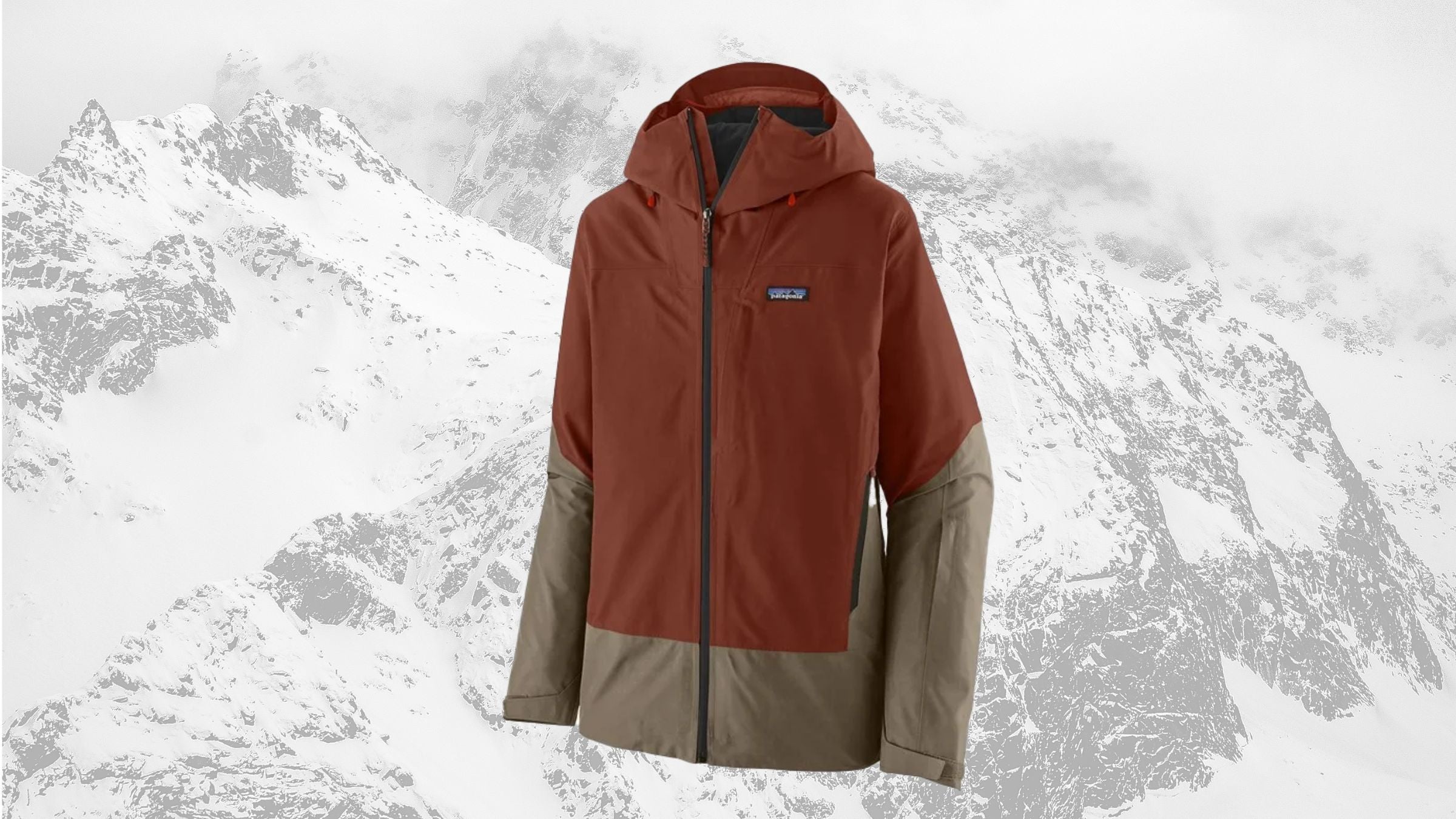
Retailers have noted that the "rust" and "classic navy" colorways of the Storm Shift have been particularly popular this season. A representative from a major outdoor cooperative, speaking on the condition of anonymity, stated: "The Storm Shift is one of those ‘buy-it-for-life’ items. When it hits the 40 percent off mark, we see a different type of customer. It’s not just the hardcore gearheads; it’s the families and the weekend warriors who realize they can finally afford the same gear the pros use."
From an environmental perspective, the sale of the Storm Shift is seen as a victory for the PFC-free movement. Every unit sold replaces a potential purchase of a jacket that might still use harmful "forever chemicals." By making the sustainable option the most financially attractive option, the market is effectively accelerated toward greener standards.
Broader Impact on the 2026/2027 Season
As the 2025/2026 ski season winds down in the Northern Hemisphere, the availability of the Storm Shift at a discount serves as a preview of the competitive landscape for the coming year. Competitors such as Arc’teryx, Black Diamond, and Helly Hansen are likely to feel pressure to adjust their own end-of-season pricing to remain competitive.
The Storm Shift’s success also underscores the importance of the "repairability" factor. Patagonia’s "Ironclad Guarantee" applies to these sale items just as it does to full-price gear. This means that even at a 40 percent discount, the consumer is receiving a lifetime service agreement. In an era where consumer skepticism toward corporate "greenwashing" is at an all-time high, Patagonia’s ability to offer a deeply discounted, sustainably made, and repairable product reinforces its dominant position in the market.
In conclusion, the Patagonia Storm Shift jacket sale is more than a simple retail event. It is a confluence of technical achievement, strategic inventory management, and a shift in consumer expectations. As the industry moves toward a future defined by PFC-free membranes and circular business models, the Storm Shift stands as a transitional icon—a piece of gear that proved performance does not have to come at the cost of the planet, and now, it does not have to come at a prohibitive cost to the consumer’s wallet. Those looking to secure a technical shell for the 2026/2027 season will find that this deal represents the current peak of value in the outdoor apparel market.
