

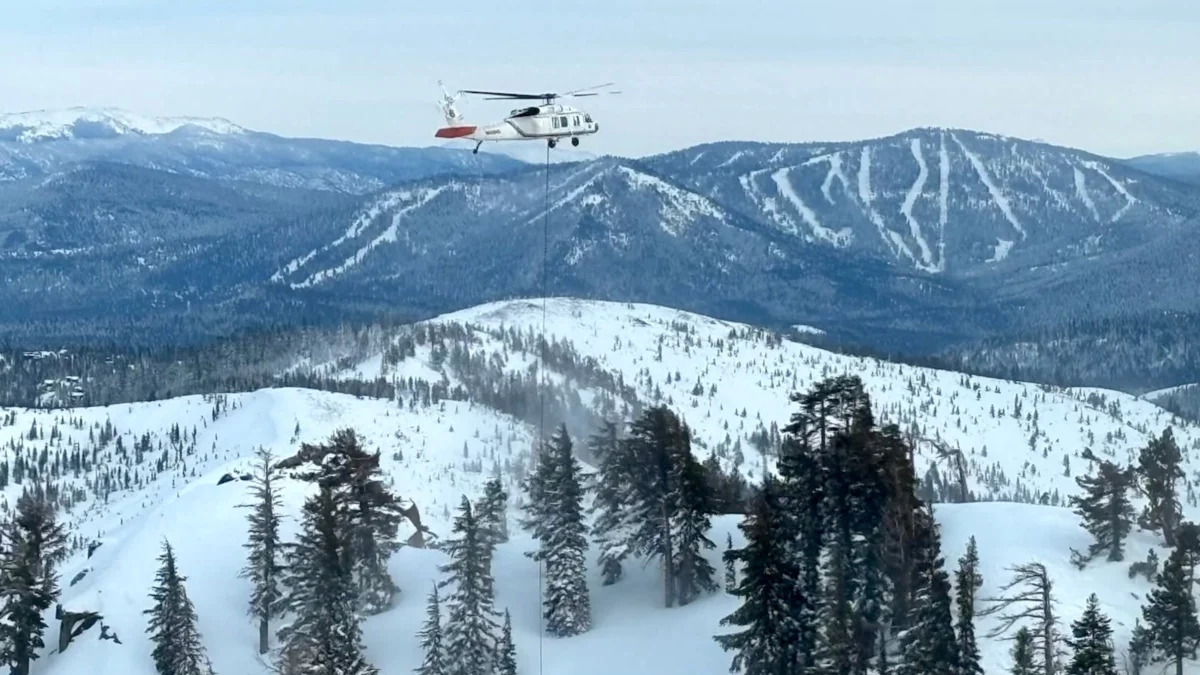
The release of the official incident report regarding the catastrophic February 17 avalanche in the Sierra Nevada has provided a sobering look into the technical and human failures that led to the deaths of nine backcountry travelers. Published on April 7, 2026, by the National Avalanche Center in collaboration with the Colorado Avalanche Information Center (CAIC), the analysis details a "perfect storm" of extreme meteorological conditions and tactical errors. While the report acknowledges the unprecedented intensity of the February storm cycle, it identifies the decision to move a 15-person group simultaneously through a high-risk runout zone as the most significant factor in the high casualty count.
The incident remains one of the deadliest avalanche events in California’s history. According to the investigation, the party consisted of guides and clients who were navigating the backcountry near Tahoe’s Castle Peak. As the region was hammered by a massive Pacific storm system that deposited over nine feet of snow in less than a week, the group found themselves in the path of a massive soft-slab avalanche. The report’s findings are now being scrutinized by the global guiding community and safety experts as a cautionary tale of "human factor" traps in high-stakes environments.
The Chronology of the Disaster
The tragedy unfolded during a period of extreme weather that began on February 15, 2026. A powerful atmospheric river stalled over the Sierra Nevada, bringing heavy, moisture-laden snow known locally as "Sierra Cement." By the morning of February 17, the area had already seen several feet of accumulation, with visibility reduced to near zero due to blowing snow and heavy cloud cover.
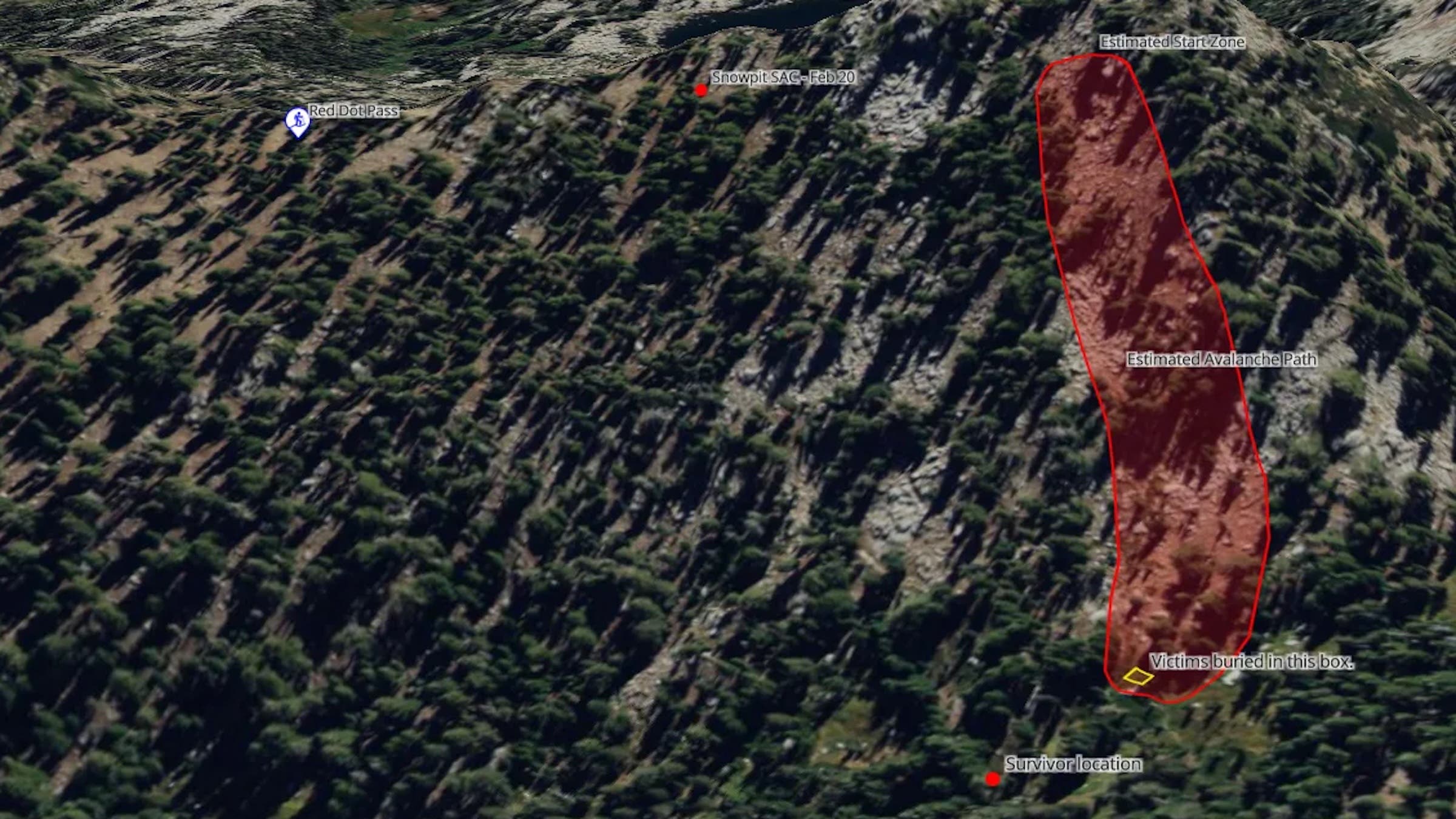
The 15-member party was stationed in the backcountry, reportedly moving between locations when the slide occurred. According to the timeline established by investigators, the avalanche was triggered between 10:00 AM and 11:30 AM. While the report cannot definitively state whether the slide was natural or human-triggered, it confirms that the group was traveling through the "runout zone"—the bottom area where an avalanche dissipates—of a well-known slide path.
When the slope above them failed, a massive slab of snow, estimated to be several hundred feet wide, descended upon the group. The speed and volume of the snow gave the members little time to react. In the immediate aftermath, two individuals who were not caught in the main flow of the debris began a frantic search-and-rescue operation. These two survivors managed to locate and exhume four others, but for nine members of the party, the weight and depth of the snow proved fatal.
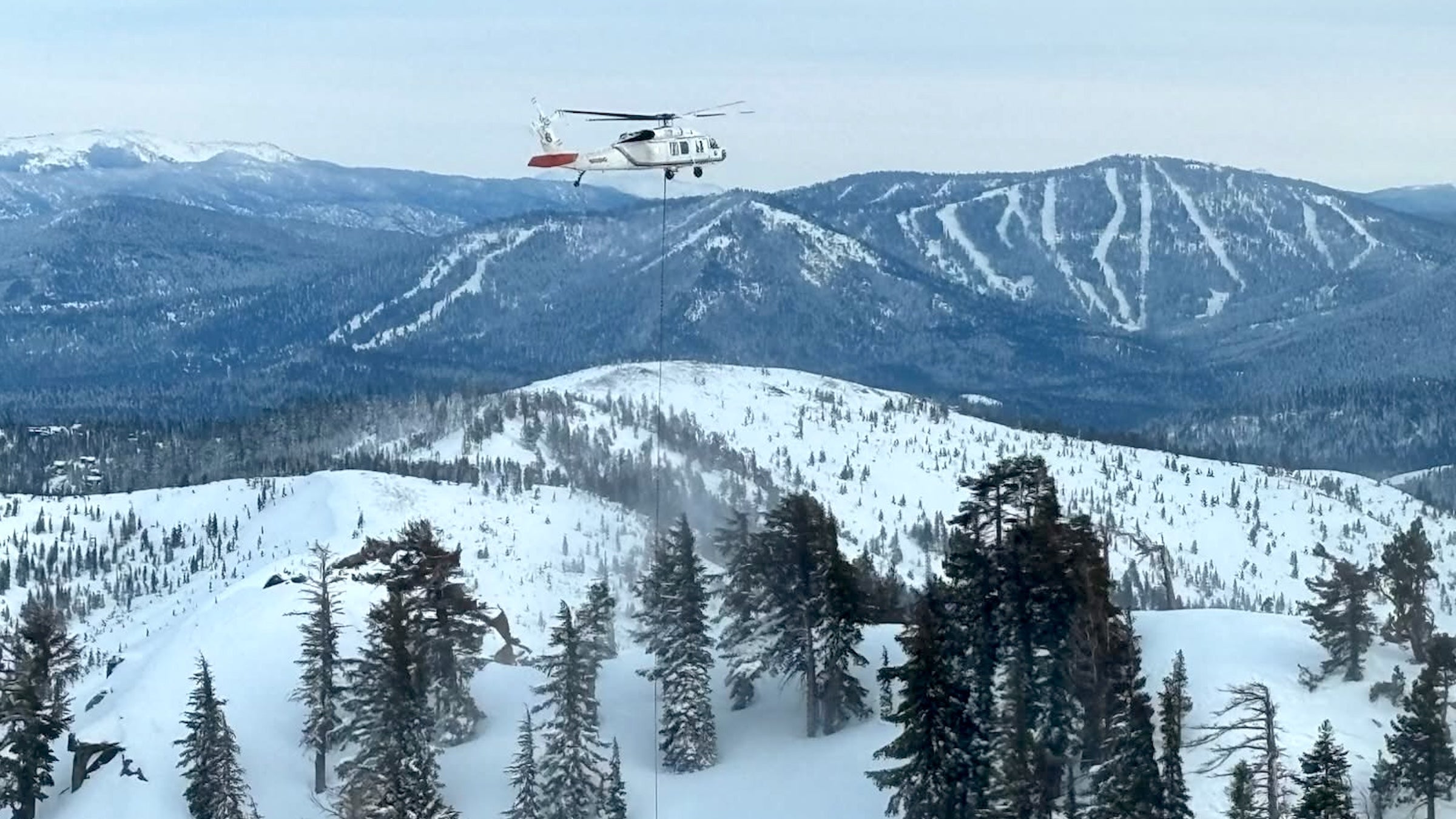
Critical Failures in Group Dynamics and Tactical Movement
The most stinging portion of the National Avalanche Center report focuses on the size of the group and their movement patterns. In backcountry travel, the "one-at-a-time" rule is considered an essential safety protocol. By exposing only one person to a potential slide path while others watch from a "safe zone," groups can ensure that if an avalanche occurs, the majority of the party remains available to perform a rescue.
"Exposing only one person at a time to avalanche terrain is an accepted best practice for backcountry travel," the report states. "This group consisted of 15 people. Analysis of past avalanche accidents has indicated that larger group sizes have a higher chance of being caught in avalanches."
Experts point to several "human factor" traps that likely influenced the decision to stay together. In large groups, a phenomenon known as "social proof" often takes over, where individuals assume that because the group is moving forward, the situation must be safe. Furthermore, the "expert halo" effect can lead clients to suppress their own concerns, trusting implicitly in the professional status of their guides. The report suggests that the sheer size of the group made communication difficult and likely slowed down the decision-making process during a window when conditions were rapidly deteriorating.
The Science of the Slide: Slope Angles and Snowpack
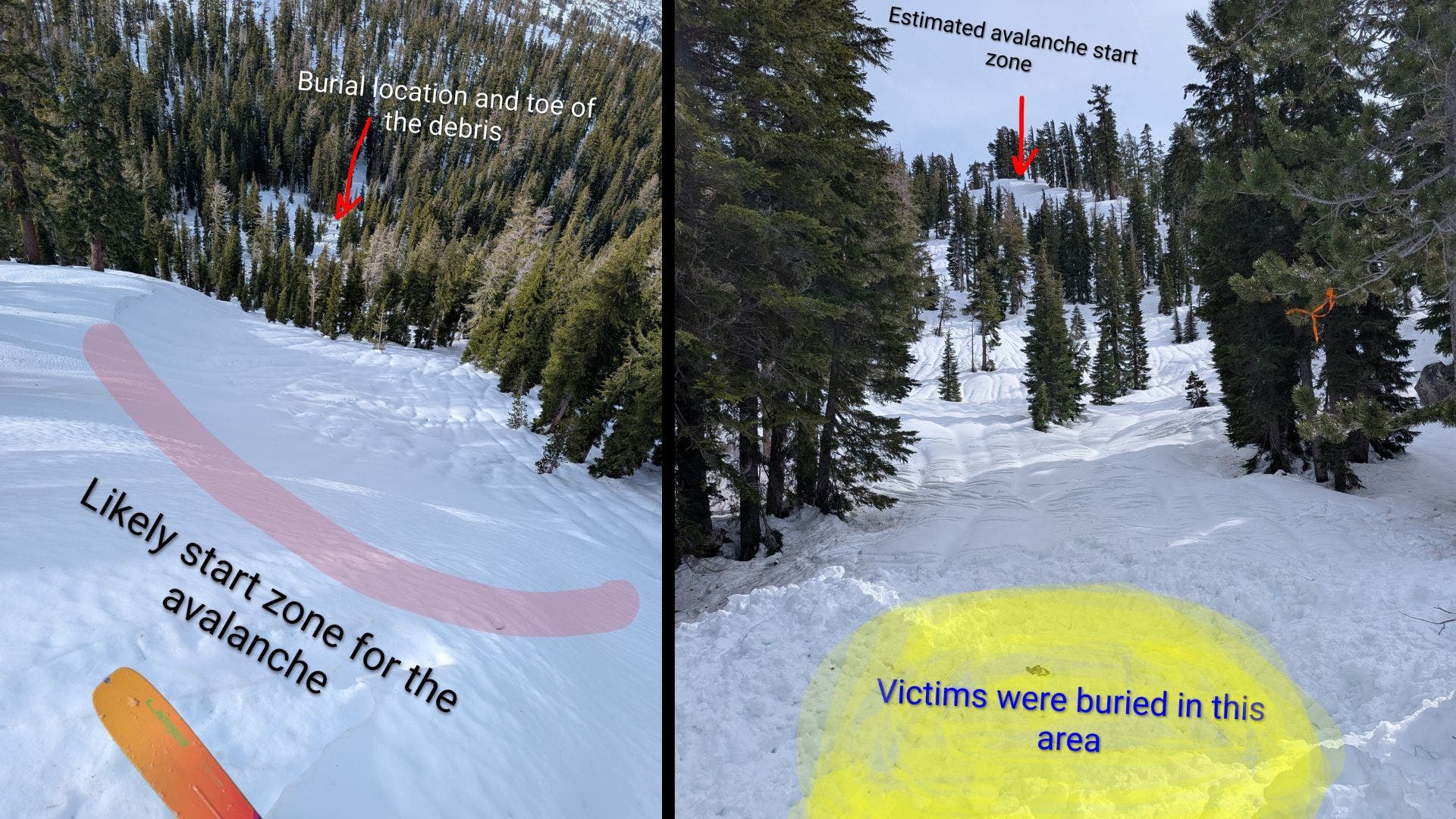
The technical analysis of the terrain reveals why the location was particularly lethal. The Sierra Avalanche Center conducted a field study, determining that the avalanche likely originated on a slope with an angle between 36 and 40 degrees. This range is often referred to by experts as the "prime real estate" for avalanches; it is steep enough for snow to slide under gravity but shallow enough for snow to accumulate into thick, unstable slabs.
Rick Rogers, a veteran search-and-rescue member with 11 years of experience in San Bernardino County and a former ski patroller at Heavenly Ski Resort, noted that slopes around 30 degrees are the most dangerous. "Any steeper, the snow tends to slough off during the storms. Less of an angle, the snow doesn’t run off," Rogers explained.
The burial site itself was on a 22- to 25-degree gradient. While this angle is generally considered safe to ski on, it is frequently the location of "runout zones" where debris from steeper slopes above accumulates. The report emphasizes that the group was essentially standing in a topographical trap. The lack of "anchors"—such as dense clusters of trees or large rock outcroppings—meant there was nothing to break the flow of the snow or provide the victims with something to hold onto.
Meteorological Factors: Wind Loading and Sierra Cement
The storm that preceded the avalanche was exceptional in its intensity. Between February 15 and February 19, 111 inches of snow fell in the area. However, the depth of the snow was only part of the problem. The "Snow Water Equivalent" (SWE) on the day of the accident was measured at 2.7 inches, indicating that the new snow was incredibly heavy and dense.
This "Sierra Cement" created a massive load on top of a pre-existing weak layer in the snowpack. Investigators found a two-to-four-inch layer of "facets"—sugary, unbonded snow crystals—buried beneath the new storm snow. This faceted layer acted like a tray of ball bearings. When the weight of the new, heavy snow reached a breaking point, the entire upper slab slid away on the faceted layer.
Wind also played a lethal role. Gusts in excess of 125 miles per hour were recorded near the site. These winds stripped snow from the windward side of ridges and deposited it onto the leeward (downwind) side, creating "wind slabs." These slabs are often much thicker and more unstable than the surrounding snowpack. The report confirms the group was traveling below a leeward slope that had been heavily loaded by these hurricane-force winds.
The Failure of Safety Equipment
A notable detail in the report is the mention of avalanche airbag backpacks. Several members of the group were equipped with these high-tech safety devices, which are designed to be manually deployed to help a person stay on the surface of a moving slide. However, none of the airbags were deployed during the event.
Rick Rogers noted that this is a common outcome in high-speed, large-scale slides. "Users must manually activate airbags," he said, noting that in the chaos of a "soft slab" collapse, victims are often overwhelmed by the force of the snow before they can reach their deployment handles. Additionally, while airbags can be life-saving in smaller slides, they offer little protection if a victim is caught in a massive runout where they are buried under several meters of heavy, wet snow.
The report also highlights that poor visibility likely prevented the group from seeing the "red flags" of instability, such as natural "whumpfing" sounds or shooting cracks in the snow, which might have prompted a retreat to the safety of the backcountry huts.
Implications for the Backcountry Community
The February 17 tragedy has sparked a national conversation regarding the regulation of large groups in avalanche-prone terrain. Currently, many backcountry areas have few restrictions on group size, leaving the responsibility of risk assessment to individual guides and party leaders.
The National Avalanche Center’s report serves as a formal recommendation for a shift in backcountry culture. It advocates for smaller, more nimble groups and a more rigid adherence to "one-at-a-time" travel protocols, regardless of the perceived experience level of the participants.
For the families of the nine victims, the report provides answers but little solace. It paints a picture of a group that, despite being equipped and led by professionals, fell victim to a series of incremental decisions that placed them in the wrong place at the worst possible time.
As the 2026 ski season draws to a close, the Tahoe avalanche stands as a grim reminder of the power of the Sierra Nevada. The findings of the National Avalanche Center will likely be integrated into future AIARE (American Institute for Avalanche Research and Education) curricula, ensuring that the lessons learned from this disaster are passed on to the next generation of backcountry enthusiasts. The ultimate takeaway from the experts is clear: in the face of a historic storm, the only 100 percent effective mitigation strategy is the decision not to go.
