

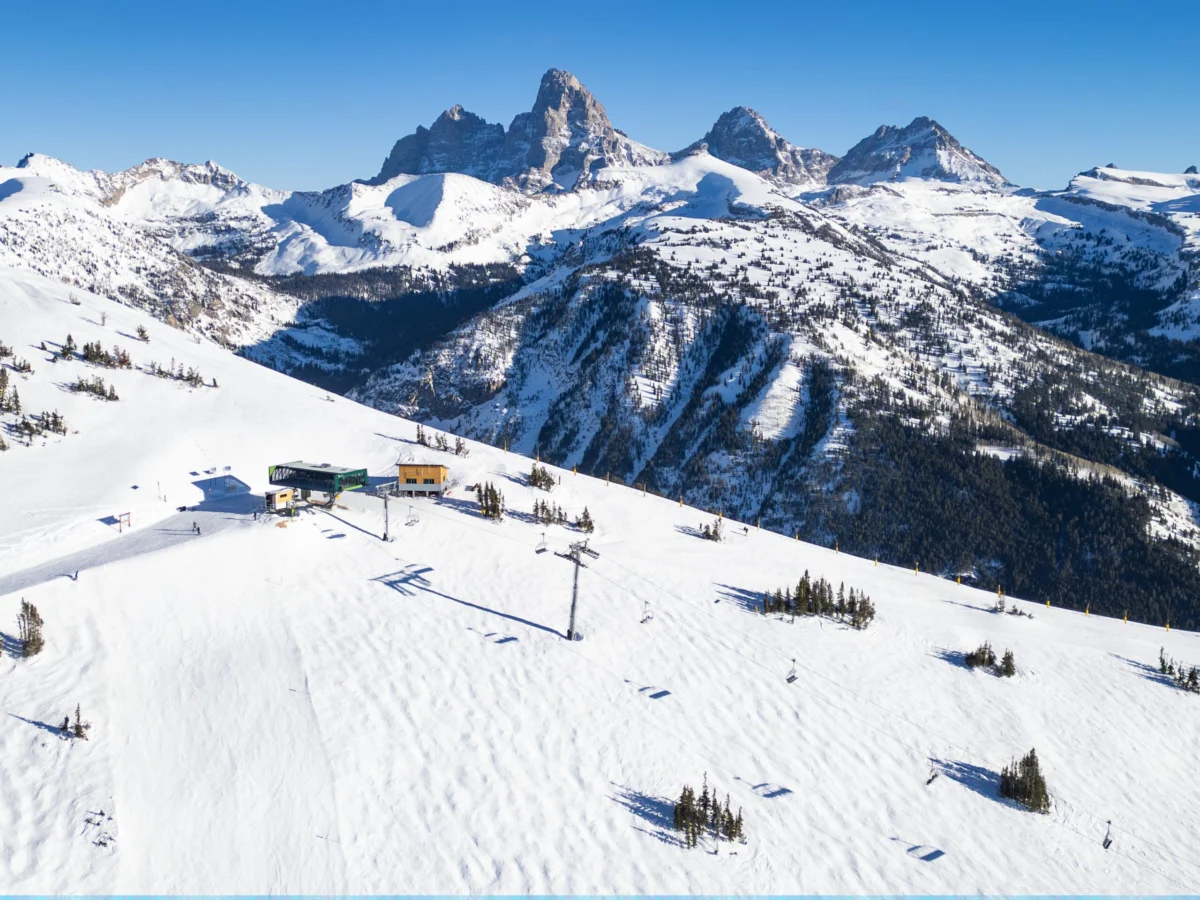
Grand Targhee Resort, located on the western slope of the Teton Range, continues to distinguish itself within the competitive North American ski industry by prioritizing terrain quality and snowfall over the high-end luxury amenities common in neighboring destinations. As of the 2025-2026 winter season, the resort remains a primary alternative for skiers seeking a traditional experience, maintaining its "Where Skiing Still Rules" ethos. Situated in Alta, Wyoming, yet inextricably linked to the economy and culture of Teton Valley, Idaho, the resort occupies a unique geographical and cultural niche often referred to by locals as "Wydaho."
The resort’s operational model stands in contrast to the rapid urbanization of major ski hubs. While the broader industry has seen a surge in ticket prices and the expansion of base-area "villages" featuring high-end retail and fine dining, Grand Targhee has maintained a relatively modest footprint. This strategy appears to resonate with a specific demographic of winter sports enthusiasts who prioritize the resort’s average annual snowfall of 500 inches—one of the highest in the Rocky Mountains—over the après-ski scene.
Technical Specifications and Terrain Management
Grand Targhee covers approximately 2,602 acres of skiable terrain, characterized by its consistent pitch and expansive glades. The mountain’s lift infrastructure consists of six primary lifts serving 95 marked trails. The terrain distribution is strategically weighted toward intermediate and advanced skiers, with 45 percent classified as intermediate, 30 percent as advanced, and 15 percent as expert. The remaining 10 percent of the mountain is dedicated to beginner terrain, which, due to its shorter length and lower grade, serves as a primary training ground for regional youth programs.
A significant milestone in the resort’s recent history was the 2022-2023 debut of the Colter Lift. This high-speed, six-passenger chairlift expanded access to Peaked Mountain, an area previously reserved for snowcat skiing. This expansion added 30 percent more lift-accessed terrain and significantly increased the resort’s uphill capacity, reducing wait times during peak holiday periods. The Colter Lift has been credited with diversifying the mountain’s profile, offering a mix of open bowls and technical tree skiing that was previously inaccessible to the general public.
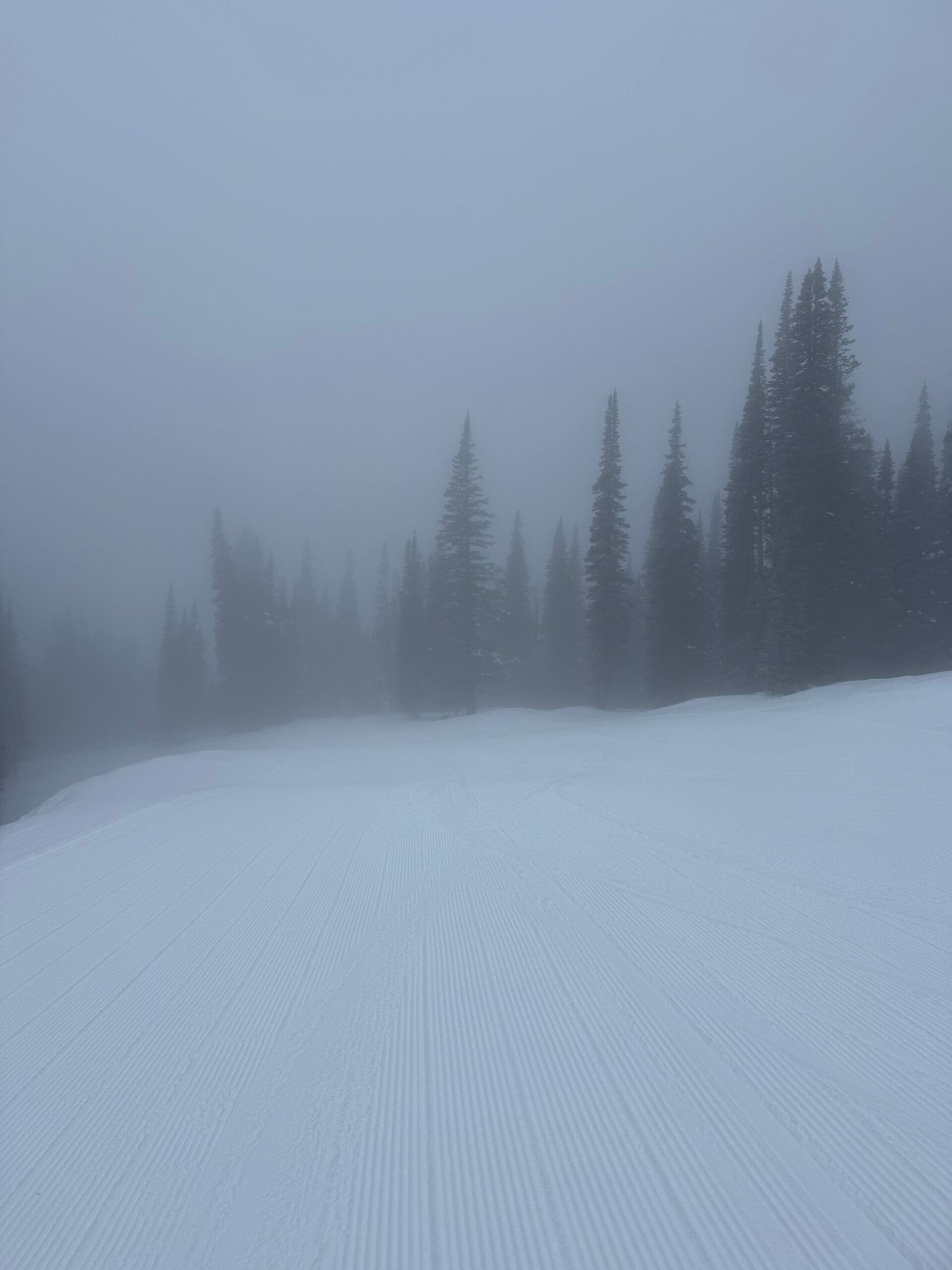
Despite its reputation for challenging conditions, Grand Targhee is noted for its "user-friendly" navigation. Even during periods of "Targhee Fog"—a meteorological phenomenon caused by moisture from the Snake River Plain hitting the Teton peaks—the resort’s signage and trail layout allow for safe passage. The fog, while a challenge for visibility, is often cited by resort officials as a preservative for the snow pack, shielding the powder from sun crusting and maintaining a soft surface for longer durations than more sun-exposed resorts.
Economic Positioning and Regional Connectivity
In the context of the regional economy, Grand Targhee serves as a vital anchor for Teton Valley, Idaho. While the resort is technically located in Wyoming, the only road access is through the town of Driggs, Idaho. This creates a symbiotic relationship where the resort provides the primary winter draw for the valley’s hospitality and service sectors.
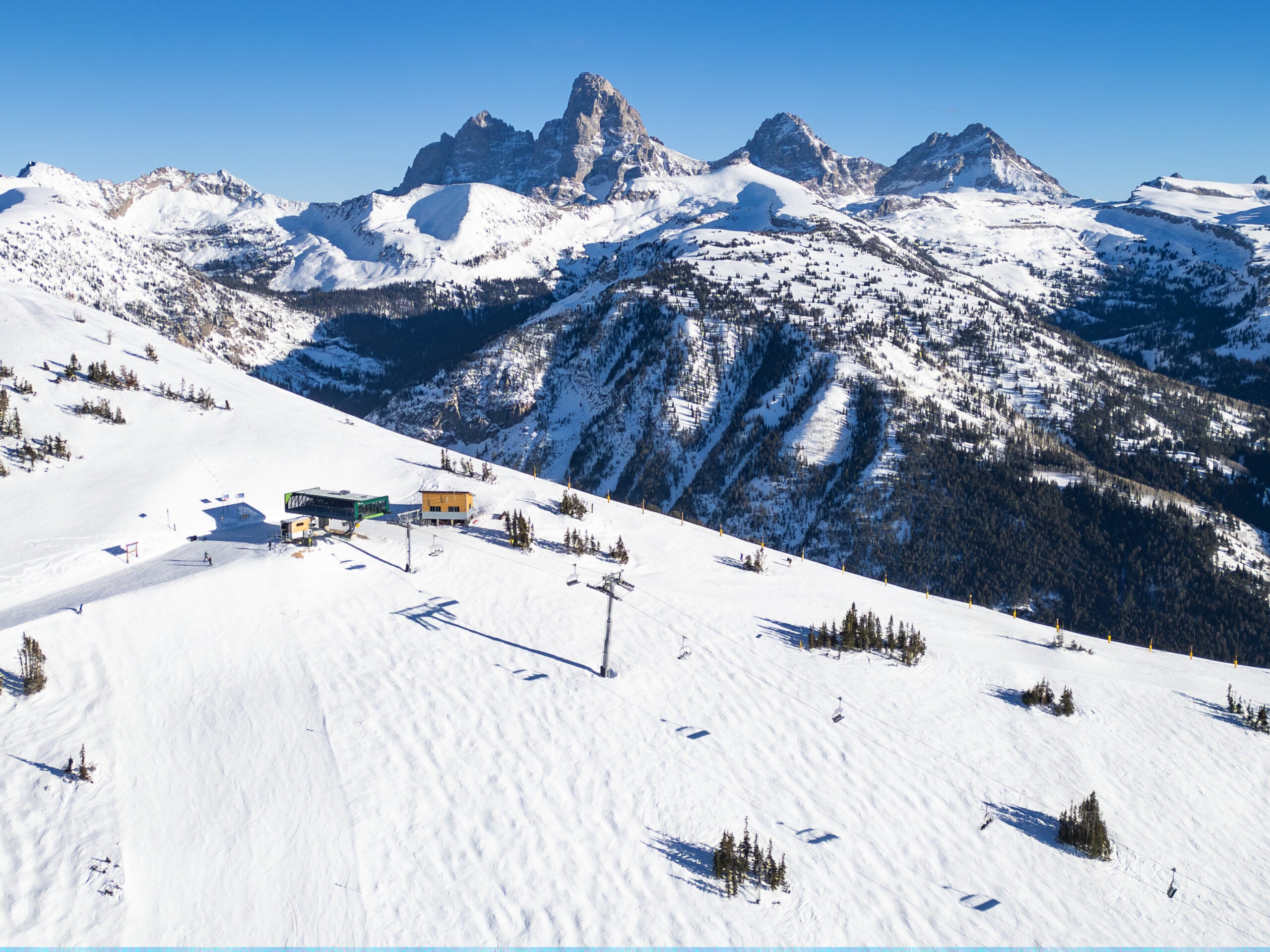
The resort’s pricing strategy remains a point of interest for industry analysts. For the 2025-2026 season, adult day rates at Grand Targhee start at approximately $125, significantly lower than the $189 to $220 rates seen at Jackson Hole Mountain Resort. As a member of the Mountain Collective pass, Grand Targhee has increased its visibility to international and out-of-state skiers, yet it has managed to avoid the extreme overcrowding that has plagued other Tier-1 resorts.
The real estate market in Driggs and Victor, Idaho, has mirrored the resort’s steady growth. Once a quiet agricultural community, Driggs has evolved into a hub for outdoor enthusiasts who find the Jackson, Wyoming, market prohibitively expensive. The proximity to both Grand Targhee and Jackson Hole makes the Teton Valley a strategic location for seasonal residents and remote workers, contributing to a 15 percent increase in local property values over the last three fiscal years.
Logistics and Infrastructure Challenges
Accessing Grand Targhee requires a level of commitment that differs from more centrally located resorts. The nearest major airport is Jackson Hole (JAC), located 60 miles away. Travelers must navigate Teton Pass, a high-altitude road that is frequently closed during heavy winter storms due to avalanche mitigation. An alternative route through Idaho Falls (IDA) is approximately 90 miles away but offers a more reliable, albeit longer, drive during inclement weather.
To mitigate transportation hurdles, the resort maintains a shuttle system connecting the mountain to Driggs, Victor, and Jackson. This infrastructure is essential for the resort’s workforce, many of whom reside in Idaho and commute daily. Parking at the base area remains free of charge for most lots, a rarity in the modern ski industry, though the resort has implemented managed parking strategies on peak weekends to handle the influx of day-trippers from the surrounding tri-state area.
Lodging and Culinary Services
The on-site lodging at Grand Targhee reflects its "no-frills" philosophy. Accommodations such as the Teewinot Lodge and the Sioux Suites prioritize proximity to the lifts over luxury amenities. These facilities are designed for high-occupancy groups and families, often featuring communal spaces that encourage a social atmosphere centered on the day’s skiing rather than digital entertainment.
The culinary offerings at the base area are similarly focused on functionality. The Trap Bar & Grill remains a landmark institution, known for its live music and "Sloshies"—frozen cocktails that have become a regional staple. For more formal dining, the Powder Cache provides an elevated menu featuring regional game and locally sourced ingredients. However, the resort’s management has historically resisted the push to install mid-mountain lodges or high-capacity cafeteria structures, opting instead to maintain the rustic aesthetic of the base village.
Environmental Stewardship and Climate Resilience
Grand Targhee’s high base elevation of 7,850 feet provides a natural advantage in the face of warming winter temperatures. During the unseasonably dry stretches observed across the Western United States in early 2026, Grand Targhee reported higher snow retention rates than its lower-elevation competitors. This resilience is a key factor in the resort’s long-term viability.
The resort operates under a Special Use Permit from the Caribou-Targhee National Forest. This partnership requires strict adherence to environmental regulations, particularly regarding watershed protection and wildlife habitat preservation. The Teton Range is home to diverse fauna, including grizzly bears and elk; consequently, any proposed expansions undergo rigorous environmental impact assessments (EIA) to ensure the "wild" character of the area remains intact.
Broader Impact and Industry Implications
The success of Grand Targhee’s "barebones" approach suggests a potential shift in consumer preferences. As mega-resorts become increasingly crowded and expensive, there is a growing segment of the market looking for "authentic" experiences. Industry analysts suggest that Targhee’s ability to remain profitable while eschewing the standard luxury model serves as a case study for mid-sized resorts nationwide.
The resort’s impact extends beyond the slopes. By maintaining a focus on the sport of skiing and snowboarding, Targhee has fostered a dedicated local culture that acts as a buffer against the homogenization of mountain towns. In Driggs, the presence of independent businesses—such as Teton Thai and local gear shops—indicates a community that is growing alongside the resort without losing its identity to corporate branding.
Future Outlook
Looking ahead to the late 2020s, Grand Targhee faces the challenge of balancing growth with its core identity. Plans for further terrain expansion and the modernization of older lift systems like the Dreamcatcher are currently under review. The primary concern for stakeholders remains the preservation of the "Wydaho" spirit—a blend of Wyoming’s rugged terrain and Idaho’s down-to-earth community values.
As the 2026 season progresses, the resort continues to serve as a benchmark for high-altitude, high-volume snowfall destinations. Whether it is the lure of the 500-inch average or the promise of a mountain where "skiing still rules," Grand Targhee remains a critical component of the American West’s winter sports landscape. For the dedicated skier, the lack of sun-drenched cabins and white wine is not a deterrent, but rather a badge of honor, signifying a commitment to the purity of the sport in one of North America’s most formidable mountain ranges.
