

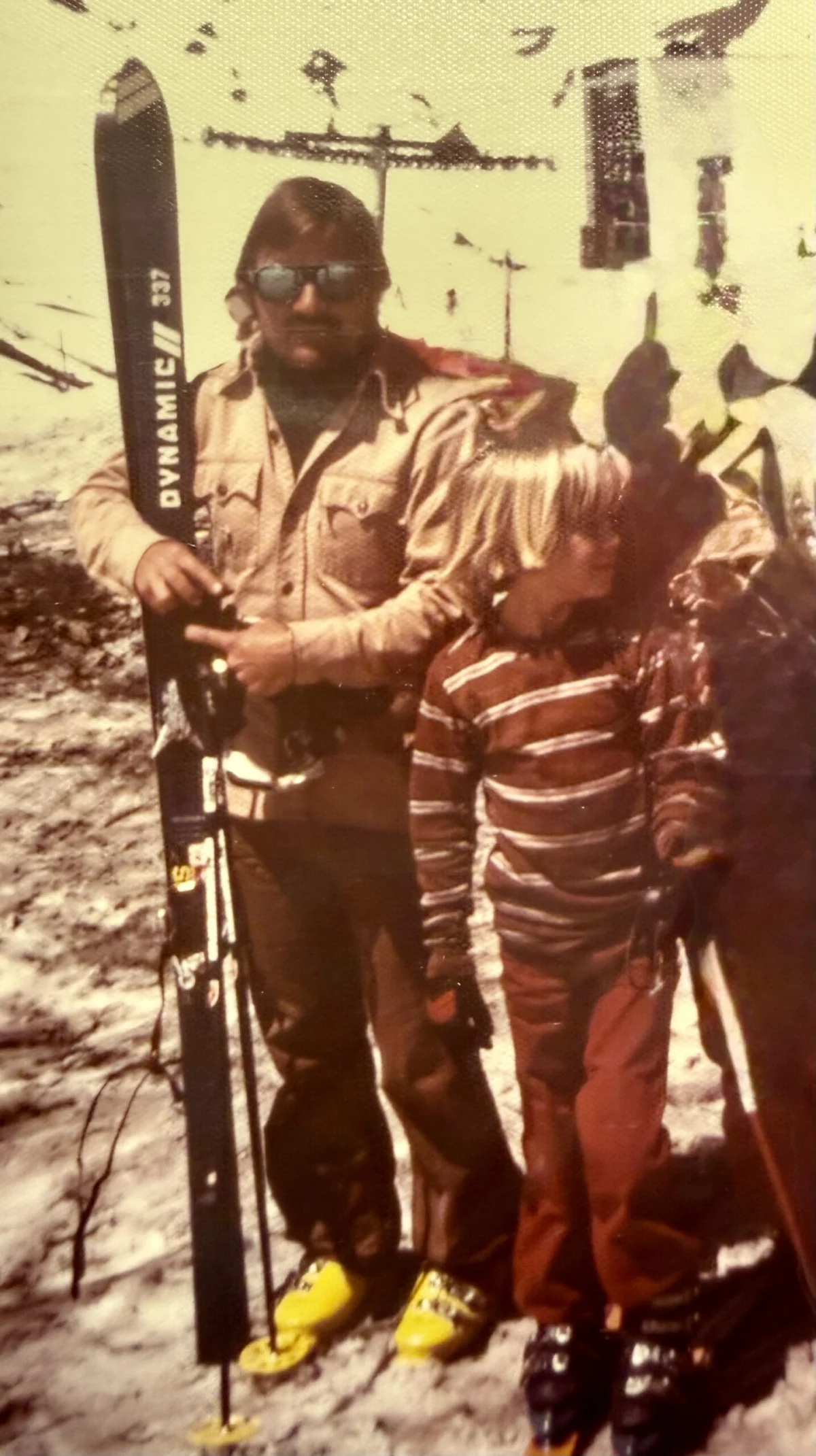
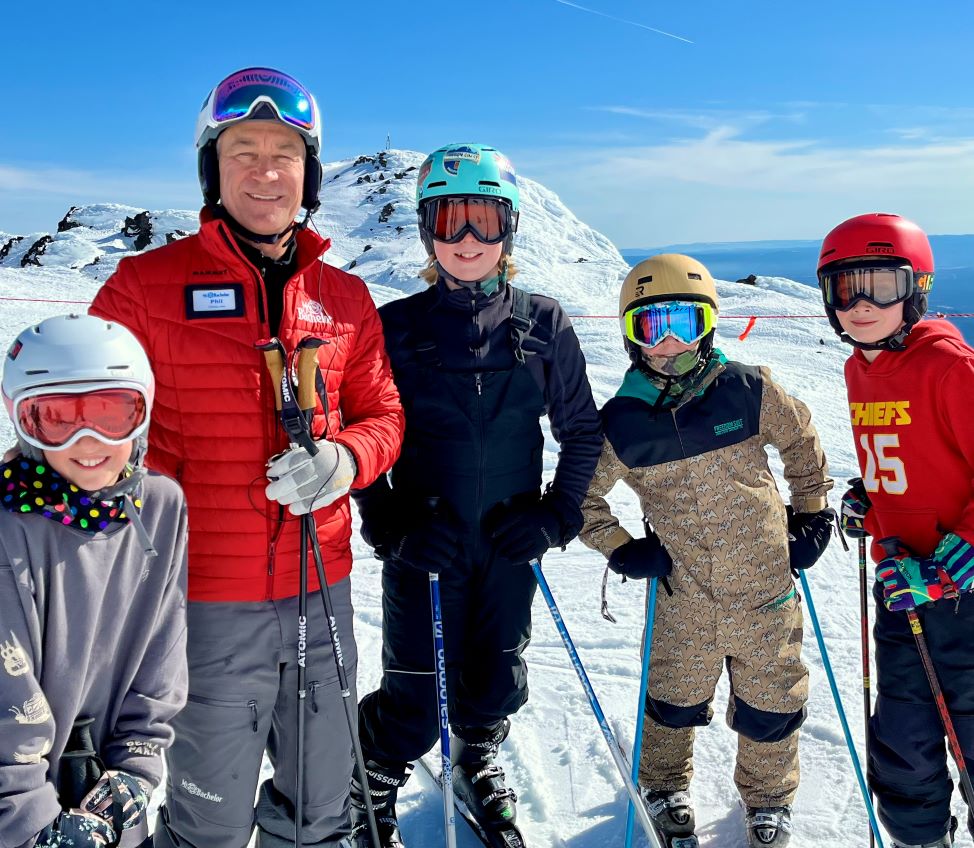
Phil Anderson, a Level 3 alpine instructor with a Children’s Specialist 1 credential at Oregon’s Mt. Bachelor, offers a poignant reflection on the enduring power of snowsports to foster community and connection, irrespective of an individual’s background. His unique perspective stems from a formative period living with his family in Tehran, Iran, from 1973 to 1977, an era of significant geopolitical shifts that nonetheless saw personal relationships flourish on the majestic slopes of the Alborz Mountains. This personal narrative serves as a compelling case study for the broader role of shared activities in bridging cultural divides and creating lasting human bonds.
Tehran’s Alpine Gateway: A Nation in Transition
In the mid-1970s, Iran under Shah Mohammad Reza Pahlavi was undergoing a rapid modernization drive, fueled by burgeoning oil revenues. Tehran, a bustling capital, was a melting pot of traditional Persian culture and burgeoning Western influences. Amidst this dynamic backdrop, the Alborz Mountain range, a formidable natural barrier north of the city, offered an unexpected alpine escape. The journey from Tehran to these ski resorts, however, was a testament to the region’s rugged beauty and challenging infrastructure. Phil Anderson vividly recalls the treacherous drives, whether in the summer heat that boiled radiators or the winter cold that iced roads. Narrow lanes, hairpin turns, ubiquitous donkeys, and roadside shish kebab vendors formed a mosaic of everyday impediments, rendering the commute, in contemporary parlance, "sketch."
Their family driver, Mehti, a figure of calm competence, expertly navigated these obstacles, becoming an integral part of the Anderson family’s Iranian experience. The presence of expatriate families like the Andersons was common in Tehran during this period, as Western companies and governments engaged in various development projects with the Pahlavi regime. These foreign communities often sought recreational outlets that mirrored their home cultures, finding an unexpected haven in Iran’s nascent but rapidly developing ski scene.
Abali: The Genesis of a Snowsports Journey
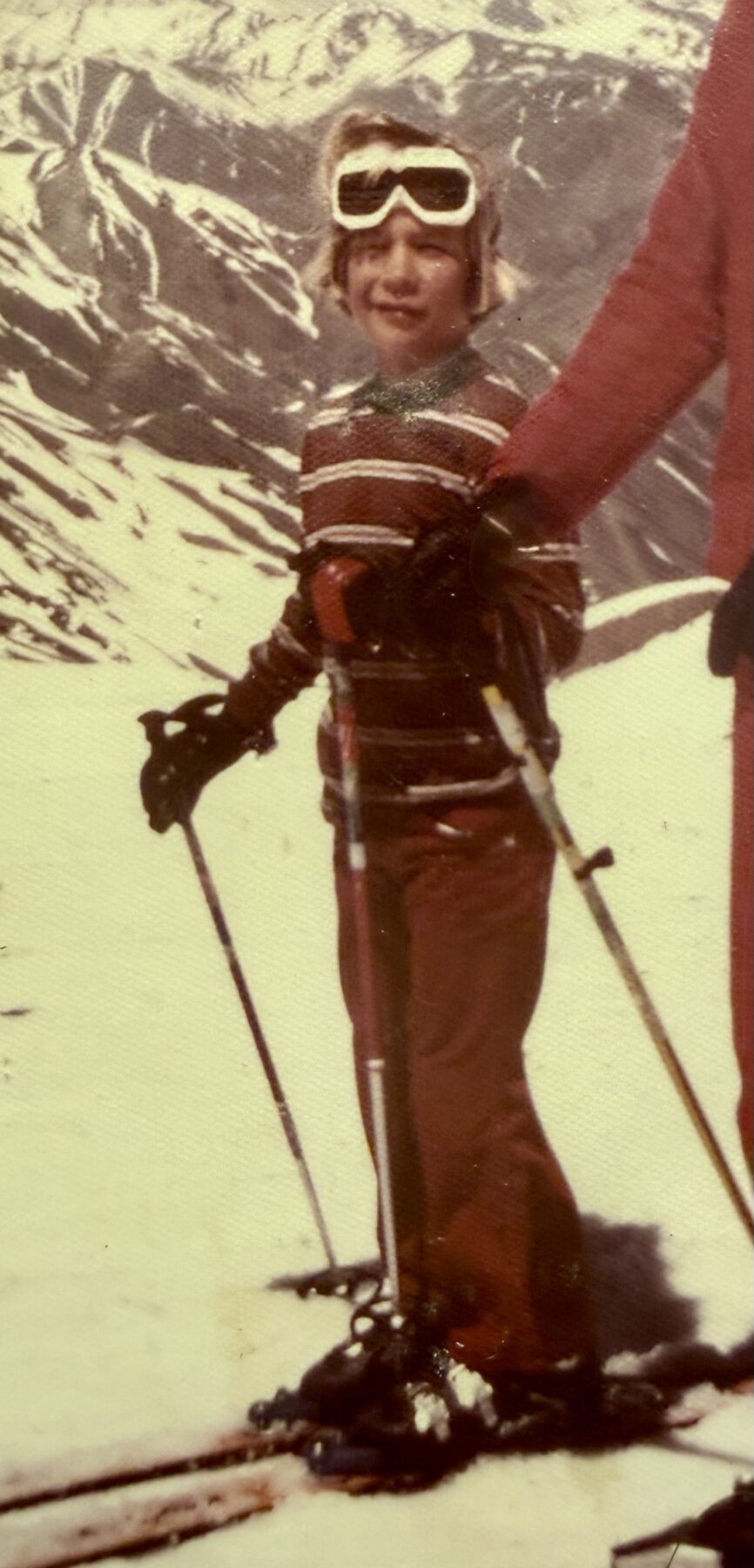
The Andersons’ introduction to Iranian snowsports began in 1973 at Abali, a beginner ski hill located approximately 45 minutes outside Tehran. Abali, though modest by international standards, was one of Iran’s oldest ski resorts, established in the 1950s, and served as a popular local destination. Here, young Phil, then seven, and his five-year-old brother, Scott, began their snowsport education. Mehti’s assistance with their ski boots marked the beginning of a bond that transcended their respective roles.
The Poma lift, a notoriously challenging conveyance for beginners, became the arena for youthful triumphs and struggles. Phil’s vivid recollection of clinging to the Poma disc "for dear life" and his self-proclaimed title of "Prince of the Poma" underscore the universal experience of learning to ski – a blend of fear, determination, and the thrill of mastering a new skill. The youthful competition to "beat to the bottom" reflected a universal aspect of childhood play, regardless of geographical or cultural context. These early experiences at Abali laid the foundation for Phil’s lifelong passion and professional career in snowsports, demonstrating how fundamental skills and competitive spirit are nurtured from the earliest stages.
The "What Is Your Name" Game: A Bridge of Innocence and Understanding
The burgeoning friendship between the Anderson boys and Mehti found its most charming expression in a simple game invented by Scott: "What Is Your Name." The singular rule—to elicit a "What?" from someone and then declare "What is your name!"—transformed a linguistic barrier into a source of playful interaction. Mehti, likely bound by a professional obligation to respond and facing a language difference, became an easy, and frequently targeted, participant. This seemingly trivial game held deeper significance: it was a spontaneous, innocent form of cross-cultural communication, a testament to how human connection can blossom even amidst language disparities. For the better part of 1974, this playful exchange solidified their bond, demonstrating how shared laughter and simple interactions can build understanding more effectively than formal exchanges.
Dizin and the Empress: Iran’s Alpine Ambitions Take Center Stage
By the winter of 1975, Phil and Scott had progressed to Dizin, a more advanced and cosmopolitan resort further up the Alborz range. Situated at the base of the majestic Mt. Damavand, a 19,000-foot active volcano, Dizin epitomized Iran’s aspirations for modern development and international recognition. Unlike Abali, Dizin was known for its relatively posh amenities and treeless, expansive slopes, designed to attract an international clientele and Iran’s elite.
Dizin was famously the preferred resort of Empress Farah Pahlavi, the Shah’s wife, who was often seen skiing with grace and style, adorned in a fur hat and gloves. Her presence, alongside international ski legends like Billy Kidd and Suzy "Chapstick" Chaffee, underscored Dizin’s status as a world-class destination. This association was not merely anecdotal; it reflected the Shah’s broader strategy of projecting a modern, sophisticated image of Iran to the world. The Pahlavi dynasty actively promoted sports, including skiing, as a symbol of progress and a means of cultural exchange. The encounter with such international figures, even indirectly, highlighted Dizin’s role as a nexus where Iranian aspirations met global sporting culture.
It was during these visits to Dizin that the dynamic of the "What Is Your Name" game began to shift. Mehti, observing the boys’ relentless pursuit of a "what," developed his own strategy. His sly attempts to prompt a "yes" or "mm hmm" rather than the coveted "what" from Phil and Scott revealed a growing understanding and a playful reversal of roles. This evolution in their game signified a deeper level of mutual respect and camaraderie, moving beyond simple linguistic limitations to a more nuanced human interaction. This demonstrated Mehti’s intelligence and his increasing comfort and bond with the children.
Shemshak: The Ultimate Test and a Full Circle of Connection
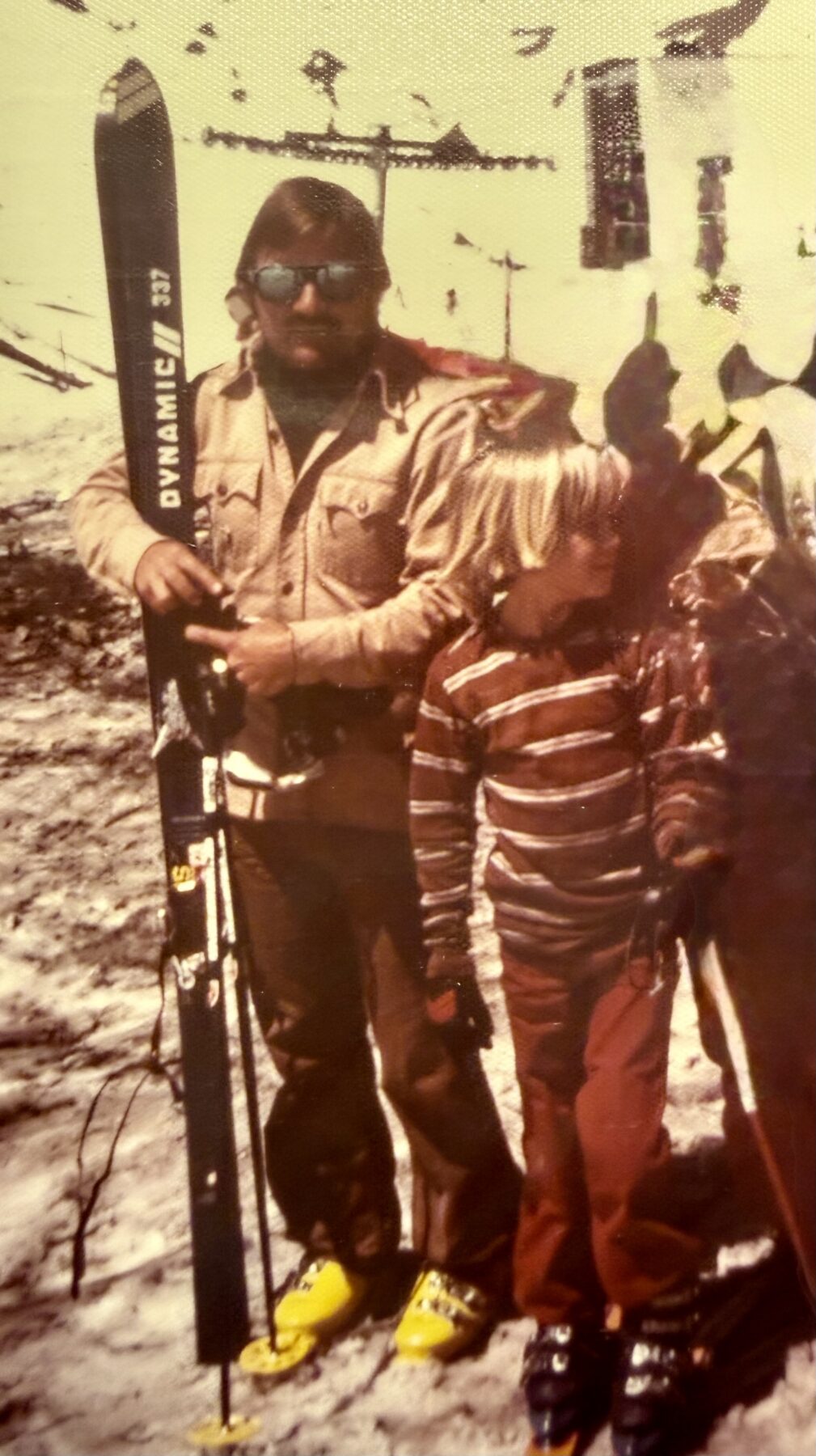
The pinnacle of the Andersons’ Iranian skiing experience came in 1977 when their father deemed them ready for Shemshak. Often referred to, humorously by Phil, as the "Kicking Horse of Iran" for its challenging terrain, Shemshak presented the most formidable slopes of the three resorts. With road access to its summit exceeding 10,000 feet, Shemshak offered expert-only terrain, known for its steep pitches and the absence of a "warm-up run."
Phil’s inaugural experience at Shemshak was marked by a cold, blizzardy day, requiring his father and Mehti to collaborate on putting chains on the tires—a testament to Mehti’s essential role in ensuring their safety and access. The moment Phil’s father handed him his skis, declaring, "If you’re old enough to ski Shemshak, you’re old enough to carry your own skis," symbolized a rite of passage, an acknowledgment of growing maturity and responsibility.
It was amidst this challenging, blustery environment, as Phil stood at the precipice of a steep descent, that Mehti delivered a memorable moment. His voice, cutting through the storm from the driver’s side window, initially dissipated into a mumble. Phil’s exasperated shout of "What!?" provided Mehti with the perfect opening. "WHAT. IS. YOUR. NAME!" Mehti’s triumphant declaration, a culmination of years of playful interaction, solidified their unique bond. It was a moment of shared humor and profound connection, transcending the hierarchical roles of employer and employee, and demonstrating a true friendship built on mutual understanding.
Later that year, the roles reversed entirely when the Andersons returned to Abali to rent equipment for Mehti. A natural athlete with a soccer player’s physique, Mehti embraced the challenge of skiing under Phil’s instruction. This act of sharing the sport, with Phil now as the instructor and Mehti as the eager student, symbolized the complete circle of their friendship. Mehti’s subsequent, profound observation on the drive home – "You know what is most difficult part of skiing?" followed by his playful "What is your name!?" – served as a perfect encapsulation of their shared journey, highlighting that the true challenge and joy lay not just in the sport itself, but in the connections forged through it.
Snowsports as a Global Unifier: An Enduring Legacy
Phil Anderson’s early experiences in Iran profoundly shaped his understanding of snowsports as a unique catalyst for human connection. Nearly five decades after leaving Iran, his work as a snowsports professional at Mt. Bachelor continues to reinforce this belief. He observes the diverse tapestry of individuals drawn to the slopes: the 90-year-old diligently pursuing a Level 2 certification, the 18-year-old from Georgia embarking on a snowboarding adventure, or the once-shy girl from multi-week programs who enthusiastically greets him as "Coach Phil" downtown. These anecdotes are not isolated incidents but rather microcosms of a global phenomenon.
The snowsports industry, encompassing skiing, snowboarding, and other winter activities, serves as a powerful unifying force worldwide. Data from organizations like the National Ski Areas Association (NSAA) in the U.S. and similar bodies globally consistently show millions participating in snowsports annually, crossing geographical, socioeconomic, and cultural boundaries. The shared pursuit of sliding on snow creates an immediate common ground, fostering camaraderie, mutual encouragement, and a sense of belonging that transcends individual differences in background, opinion, age, or origin. The "love of sliding on snow" becomes the sole criterion for admission into this vibrant, inclusive community.
The Shadow of History and the Hope for Reunion
The Andersons’ departure from Iran in 1977 preceded the tumultuous events of the Iranian Revolution, which culminated in 1979 with the overthrow of the Pahlavi monarchy and the establishment of an Islamic Republic under Ayatollah Ruhollah Khomeini. This dramatic geopolitical shift had profound and lasting consequences for Iran, its international relations, and the lives of countless individuals, both Iranian and foreign. The once-vibrant expatriate community largely dispersed, and the nation underwent a fundamental transformation.
The shadow of this history casts a poignant uncertainty over Mehti’s fate. Phil Anderson’s contemplation of a return to Tehran, decades later, to seek out his old friend, reflects a deep-seated human desire for connection and closure. The possibility that Mehti, now in his 70s, might have faced persecution as an "American sympathizer" or endured other hardships under the "Ayatollahs’ brutal theocracy" underscores the harsh realities that can abruptly sever personal bonds forged in more innocent times.
Yet, the hope endures. Phil’s imagined reunion, where he calls out "Mehti!" and anticipates an unguarded "What?" before delivering the familiar, victorious "What is your name!?" one last time, is more than a nostalgic fantasy. It is a powerful metaphor for the enduring strength of human connection in the face of political upheaval and the passage of time. It speaks to the universal longing for continuity, for the recognition of shared history, and for the simple, profound joy of a friendship that, though forged on distant slopes in a rapidly changing nation, proved resilient enough to transcend decades and geopolitical divides.
In essence, Phil Anderson’s journey, from a young boy learning to ski in pre-revolutionary Iran to a seasoned snowsports instructor, illuminates a fundamental truth: that amidst the grandeur of mountains and the thrill of the descent, the most valuable treasure found on the slopes is often the human connection itself – a bridge to community, understanding, and lasting friendship.
