

Published November 18, 2026 06:00 AM
The ski industry has long grappled with the inherent paradox of alpine ski boots: the necessity for rigid power transfer often comes at the expense of comfort. For decades, skiers have endured discomfort, cold feet, and arduous entry and exit routines, accepting these as unavoidable trade-offs for performance on the slopes. However, Colorado-based Apex Ski Boots, founded in 2006, set out to challenge this paradigm, reimagining the very structure of a ski boot by marrying a snowboard-style inner boot with a hard, plastic-and-carbon exoskeleton. After years of persistent demand from its readership, SKI Magazine finally undertook a comprehensive evaluation of the Apex system, specifically testing the Antero VS Carbon model at Kirkwood, California, to assess its performance claims against its promise of unparalleled comfort.
The Genesis of Apex: A Comfort-Driven Revolution
Traditional alpine ski boots have evolved significantly since the early leather lace-ups, transitioning through various plastics and buckle systems to become the high-performance, precision instruments they are today. This evolution, while yielding incredible gains in control and speed, often solidified a "no pain, no gain" mentality among serious skiers. Bootfitting became an art form, focused on molding, grinding, and adjusting rigid shells to the contours of a skier’s foot, often an uncomfortable and time-consuming process. It was into this landscape that Apex Ski Boots emerged, offering a radical departure from conventional design.
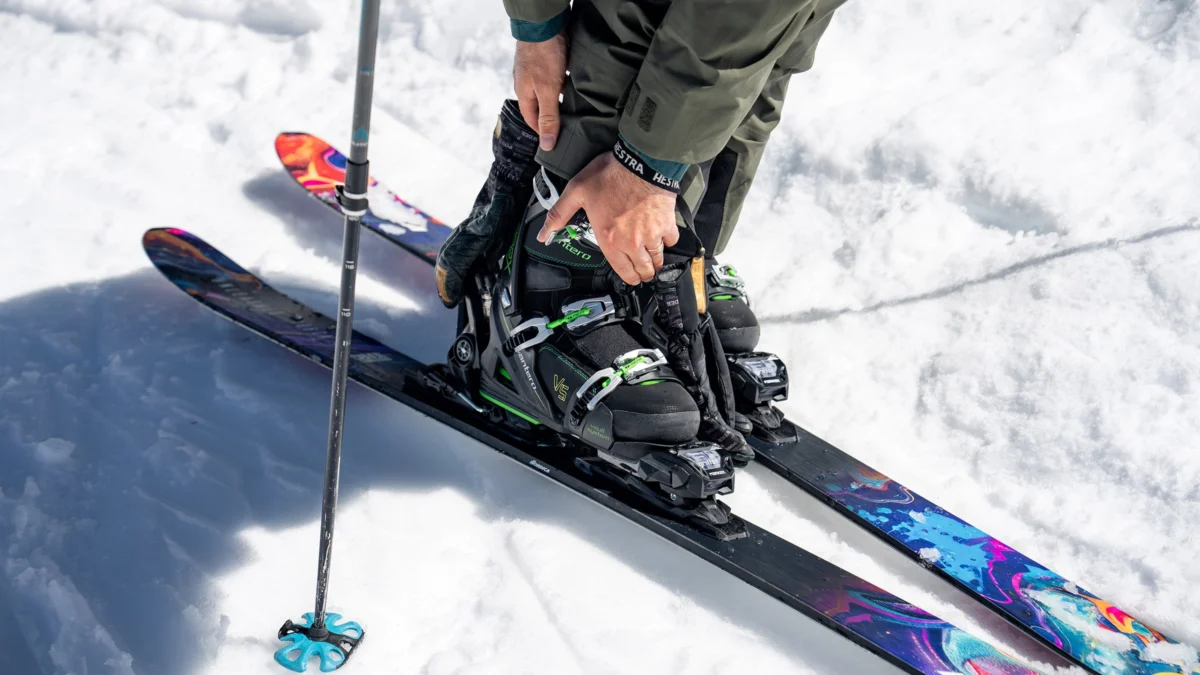
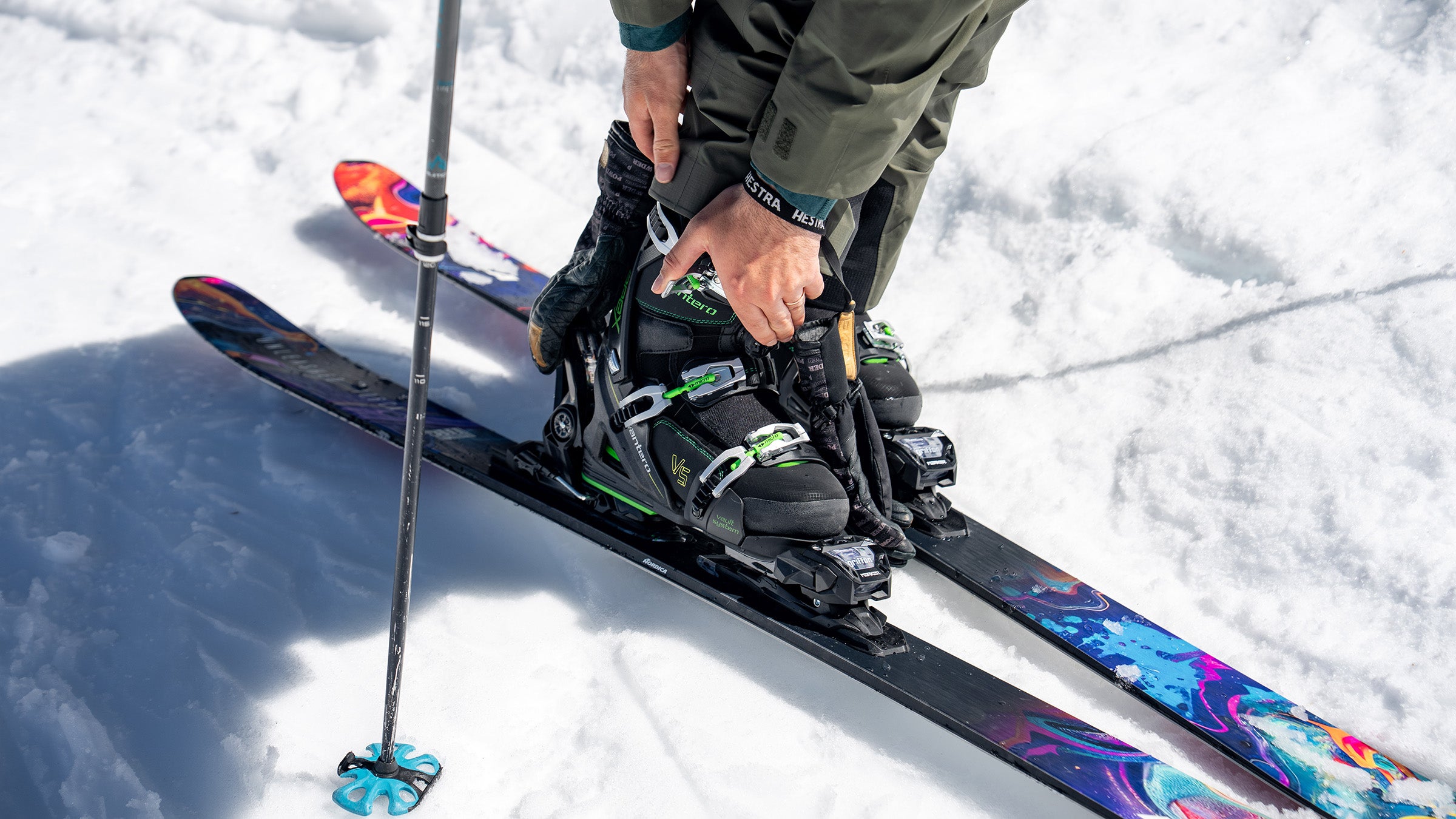
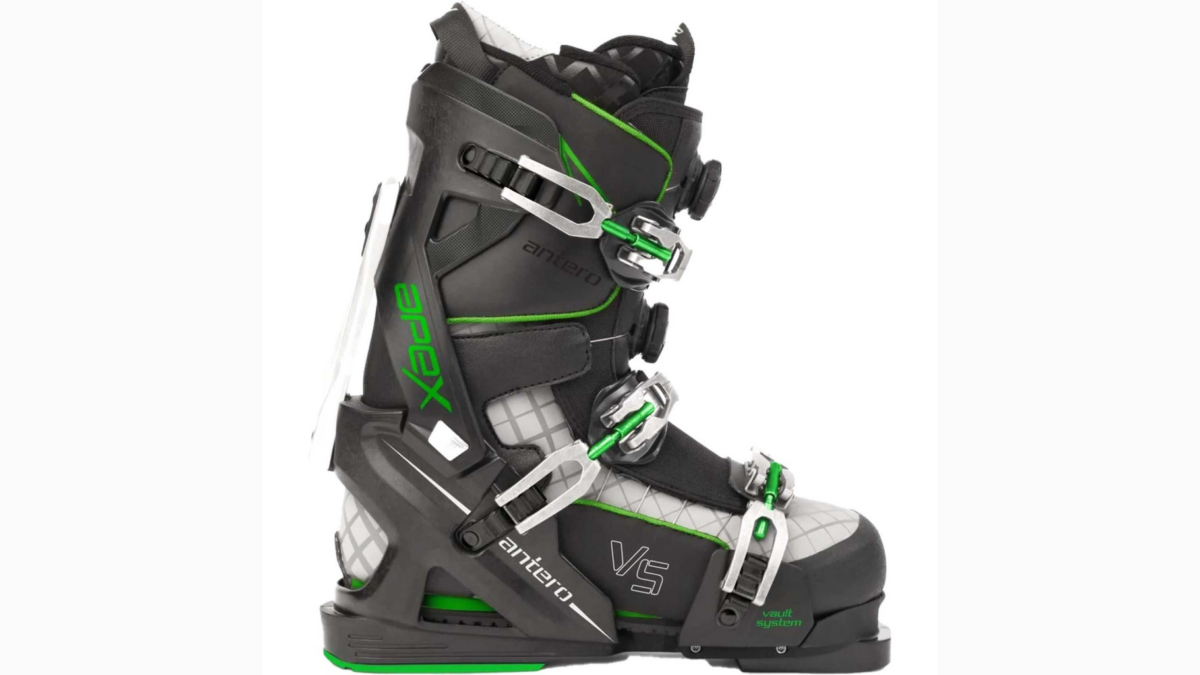
The core innovation behind Apex boots is their two-part system: a soft, walkable inner boot, akin to a high-performance snowboard boot, which fits snugly inside a rigid, open-sided external frame, or "chassis." This chassis, constructed from durable plastic and reinforced with carbon fiber in higher-end models, features buckles and a robust closure system that connects the inner boot to the ski binding. The company’s vision was to deliver the warmth and comfort of a snowboard boot for walking and après-ski activities, combined with the power and control necessary for skiing, all while promising easier entry and exit compared to traditional alpine shells. This unique proposition quickly garnered a loyal following, particularly among older skiers, individuals with mobility challenges, and those who prioritized comfort over aggressive, high-speed performance.
The Antero VS Carbon: A Deep Dive into Apex Technology
Apex offers three primary models: the Crestone VS, the Blanca VS, and the Antero VS Carbon. The Antero VS Carbon, the focus of SKI Magazine’s evaluation, is positioned as the brand’s top-tier offering, designed for advanced skiers seeking both comfort and aggressive performance. Its specifications include an adjustable flex range of 115-130 and available sizes from 25 to 31.
Key Features of the Antero VS Carbon:
- Two-Part Design: A soft, high-performance inner boot provides warmth and cushioning, allowing for comfortable walking when detached from the chassis.
- Exoskeleton Chassis: A rigid, carbon-reinforced plastic frame encases the inner boot, providing the structural integrity and power transmission required for skiing. This chassis is designed to snap directly into standard alpine ski bindings.
- Adjustable Flex: The Antero VS Carbon boasts an adjustable flex, allowing skiers to fine-tune the boot’s stiffness to their preference or the day’s conditions, a feature common in many high-performance alpine boots.
- Boa Lacing System: The inner boot typically incorporates a Boa lacing system for precise and even tightening, enhancing comfort and fit. The external chassis then uses traditional buckles.
Claimed Advantages by Apex:
- Superior Comfort: The soft inner boot eliminates the pressure points often associated with rigid plastic shells.
- Enhanced Warmth: The snowboard-style liner is designed to offer better insulation.
- Easy Entry/Exit: The ability to put on the soft boot and then step into the chassis is marketed as simpler than wrestling with a traditional shell.
- Walkability: Skiers can comfortably walk around in the soft boots off the mountain.
- Exceptional Power Transfer: Despite the flexible inner boot, the rigid exoskeleton is designed to deliver efficient energy transmission to the skis.
However, even Apex’s own ‘Pros and Cons’ list, derived from user feedback and internal assessments, highlighted potential trade-offs. While comfort and easy walkability were lauded, concerns regarding the complexity of buckling the multi-component system and a perceived lack of precision and support on snow were noted.
Setting the Stage for Evaluation: SKI Magazine at Kirkwood
The decision by SKI Magazine to test Apex boots came after "most of a decade of rabid reader requests," indicating a significant curiosity and perhaps a vocal contingent of users or potential buyers eager for an independent assessment. The publication assigned the task to an experienced bootfitter, whose professional background offered a nuanced perspective on boot design and performance.
The reviewer openly acknowledged a pre-existing bias, common within the traditional bootfitting community. Mentors like Van Osgood, a renowned bootfitting artisan, had previously articulated a common criticism of hybrid boot designs: a perceived delay in response. Osgood’s illustrative analogy – "First, you think about turning, then, a second later, the ski starts to tip, then, a second later, the ski starts to come around" – underscored the concern that such designs might lack the immediate, intuitive connection between skier and ski crucial for precise control, especially in challenging terrain like tight trees.
Despite this initial skepticism, the reviewer also noted a growing appreciation for Apex boots after observing the diverse demographic of skiers who embraced them. Older individuals, those with various mobility issues, and casual skiers seeking comfort for a few relaxed laps consistently expressed satisfaction. This observation helped mitigate the ingrained professional bias, fostering a more open-minded approach to the test. Acknowledging an outlier like Tommy Ellingson, an exceptionally skilled skier capable of performing advanced aerial maneuvers even in Apex boots, further reinforced the idea that individual skill can sometimes transcend equipment limitations, though this was presented as an exception rather than the rule.
The Apex representative’s assertion that the Antero VS Carbon was "made for the double blacks and beyond" set a high bar for the evaluation. To rigorously test this claim, Kirkwood Mountain Resort, California, was chosen as the testing ground. Known for its steep, challenging terrain, abundant snowfall, and notorious liftline bumps, Kirkwood provided an ideal environment to push the Antero VS Carbon to its stated limits. The reviewer adopted an aggressive sizing strategy, opting for a 26.5 boot despite measuring closer to a 28.5, a common practice among performance-oriented skiers seeking maximum control and minimal slop in traditional boots. Following a professional heat mold to optimize the fit of the inner boot, the stage was set for an impartial on-snow assessment.
On-Snow Performance: The Critical Assessment
The evaluation began on groomers, allowing the reviewer to acclimate to the unique feel of the Apex system. The immediate challenge was achieving a truly snug fit. To minimize lateral play and maximize responsiveness, the reviewer had to tighten the numerous buckles and Boa dials to an extent that created significant pressure points on the instep, making the boots less comfortable than their daily drivers, the Armada AR ONE 130s. This contradicted Apex’s primary comfort claim when performance-level tightening was applied, highlighting an early trade-off.
Carving Performance:
On groomed terrain, the Antero VS Carbon demonstrated a fundamental capability to carve. When the skier initiated angulation (tilting the body and lower leg to put the ski on edge), the boot did indeed transmit the necessary input to the ski, resulting in an arc. However, the critical finding was a profound sense of disconnection. The reviewer reported feeling "floating far above the ski" and an absence of proprioception – the body’s sense of its position in space. Crucially, there was "zero proprioception to speak of," meaning no tactile feedback from the snow or rebound energy from the ski. This lack of sensation, while not preventing a turn, significantly diminished the intuitive, responsive feel that experienced skiers rely on for dynamic control and enjoyment. The act of carving became an observed outcome rather than a felt experience.
Bumps and Variable Terrain:
The performance in mogul fields presented an even starker illustration of this disconnection. While the reviewer could navigate bumps, pivoting against them and maintaining control, the turns felt "incredibly vague." The sensation was likened to "skiing bumps more by memory than by feel," as the boots effectively "took away the sensation of the snow underfoot." This lack of immediate feedback made precise timing and absorption challenging, reinforcing the mentor’s earlier concern about delayed response and reduced connection. For aggressive bump skiing, where instantaneous reactions and subtle pressure adjustments are paramount, this vagueness proved to be a significant limitation.
Market Dynamics and Emerging Competition
The findings prompted a deeper reflection on Apex’s evolving position in the ski boot market. For years, Apex carved out a unique niche, catering to skiers for whom traditional boots were simply too uncomfortable or difficult to manage. This demographic, often comprising an aging population of passionate skiers or those with specific physical limitations, found Apex to be a viable solution that allowed them to continue enjoying the sport. The brand’s success was rooted in its ability to prioritize comfort and ease of use without completely sacrificing skiability.
However, the ski boot landscape is dynamic, with continuous innovation driven by both consumer demand and technological advancements. The past few seasons have witnessed the introduction of new easy-entry ski boots from major manufacturers, directly challenging Apex’s long-held advantages. Boots like the Rossignol Vizion and the Atomic Nexus, often incorporating advanced BOA lacing systems and sophisticated shell designs, offer compelling alternatives. These new entrants aim to deliver the best of both worlds: the easy entry and enhanced comfort that Apex pioneered, but within a traditional hard-shell design that maintains the precise fit and direct power transfer crucial for high-performance skiing.
The reviewer’s analysis suggests that these new competitors significantly alter Apex’s market proposition. The Rossignol Vizion and Atomic Nexus boots are described as "far easier to get in and out of than a snowboard boot with multiple BOA dials inside a chassis with multiple buckles" and "far more comfortable" when considering the squishy nature of a traditional ski boot liner compared to a stout snowboard liner. This implies that while Apex offers a distinct comfort profile, newer designs are now matching or even surpassing its ease-of-use and comfort benefits within a performance context. This trend suggests that Apex’s niche, once uniquely its own, is now shrinking as mainstream brands adopt and refine the "comfort-first" approach.
Who Should Buy Apex Ski Boots Now?
Based on the comprehensive evaluation, the ideal target market for Apex Ski Boots appears to be narrowing. The boots remain a viable option for:
- Comfort-Focused Recreational Skiers: Individuals who prioritize a few comfortable laps on groomed terrain and are not concerned with precision, high-speed carving, or dynamic feel from the snow.
- Skiers with Specific Mobility Issues: Those for whom the process of entering and exiting a traditional, rigid ski boot is genuinely prohibitive due to physical limitations.
- Older Skiers: A demographic often seeking gentler, more forgiving equipment that extends their time on the slopes without discomfort.
Conversely, Apex boots are unequivocally not recommended for:
- Performance-Oriented Skiers: Those who demand precise feedback, immediate response, and a strong connection to the snow for aggressive carving, mogul skiing, or high-speed maneuvers.
- Skiers Who "Ski for Feel": Individuals whose enjoyment of skiing is intrinsically linked to the tactile sensations and proprioceptive feedback from their skis and the snow.
The reviewer’s conclusion, while acknowledging Apex’s pioneering role and the satisfaction of its loyal user base, is pragmatic: "somewhere out there exists a market for Apex ski boots, but I think that market is shrinking as new boot tech arrives each year." The honest assessment is that while Apex boots can carve, as evidenced by visual proof, they do not offer the precision or feedback necessary for competitive or truly high-performance skiing, ruling them out for events like "beer-league GS."
Broader Implications for the Ski Industry
The Apex story and its recent evaluation by SKI Magazine highlight several broader trends within the ski industry. Firstly, there is a clear and growing demand for more comfortable and accessible equipment. As the skiing population ages and new participants are sought, manufacturers are recognizing that reducing the barriers to entry – including the notorious discomfort of ski boots – is crucial for the sport’s continued growth.
Secondly, innovation is not always about groundbreaking new materials or extreme performance gains; sometimes it’s about re-evaluating fundamental design principles. Apex’s bold departure from the traditional mono-shell design spurred a conversation and demonstrated a market appetite for alternatives. While Apex may face increasing pressure from new competitors, its legacy lies in proving that comfort and skiability need not be mutually exclusive, thus influencing mainstream brands to prioritize these aspects in their own product development.
Finally, the dynamic nature of the market means that even innovative niche products must continuously evolve to maintain relevance. As major brands integrate "easy-entry" and "comfort-first" features into their high-performance lines, niche players like Apex must refine their offerings or redefine their unique value proposition. The balance between maintaining a distinctive identity and adapting to an ever-changing competitive landscape will be key to Apex’s future trajectory. The journey of Apex Ski Boots serves as a compelling case study in innovation, market adaptation, and the ongoing quest to make skiing a more enjoyable and accessible sport for everyone.
