

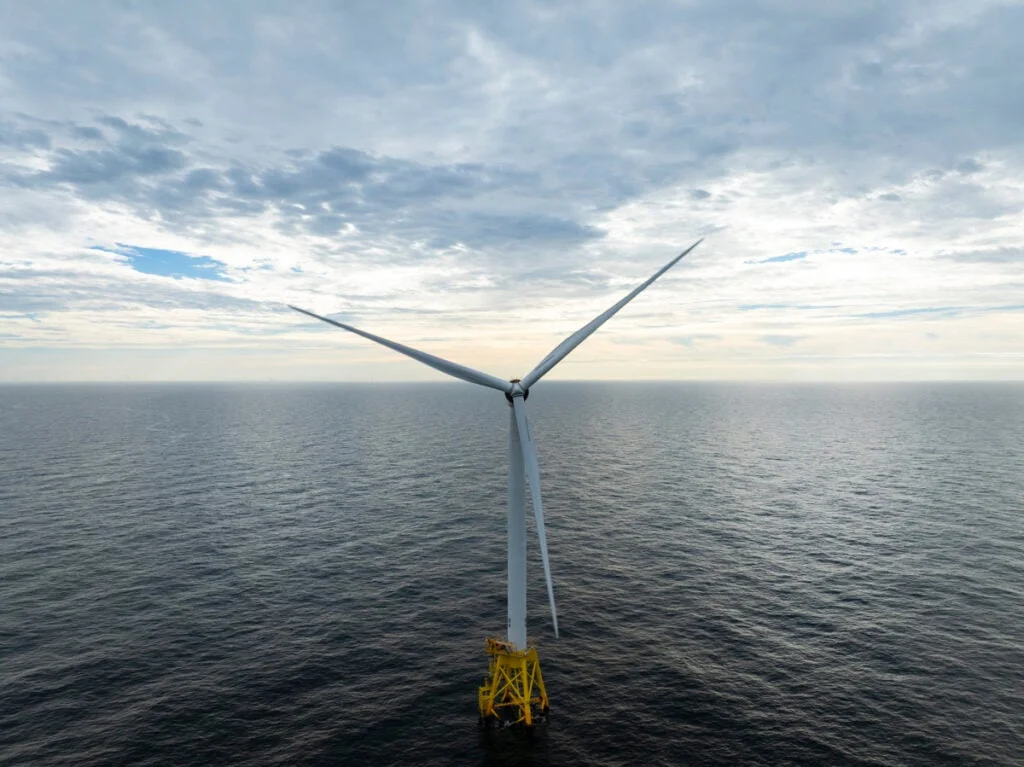
The debate surrounding the expansion of offshore wind energy in the United States has reached a critical juncture, characterized by a stark divide between environmental promise and socio-political resistance. This month, the release of the documentary short Beyond the Horizon, directed by filmmaker and Protect Our Winters (POW) Creative Alliance member Dan Holz, seeks to address the growing chasm between public perception and scientific reality. As the nation grapples with the dual pressures of energy security and climate change, the film serves as a catalyst for a deeper investigation into why one of the world’s most potent clean energy resources remains a lightning rod for controversy.
The film arrives at a time when offshore wind is frequently depicted through two irreconcilable lenses: as a national security threat and ecological hazard, or as a cornerstone of the modern green economy. Holz, based in Washington state, spent months peeling back what he describes as an "onion of learning," uncovering a complex landscape of disinformation, legitimate industrial concerns, and untapped economic potential. Through interviews with ecologists and industry observers, the project attempts to demystify the technology that could, according to some estimates, provide more than three times the current electricity demand of the United States.
A Chronology of Development and Political Resistance
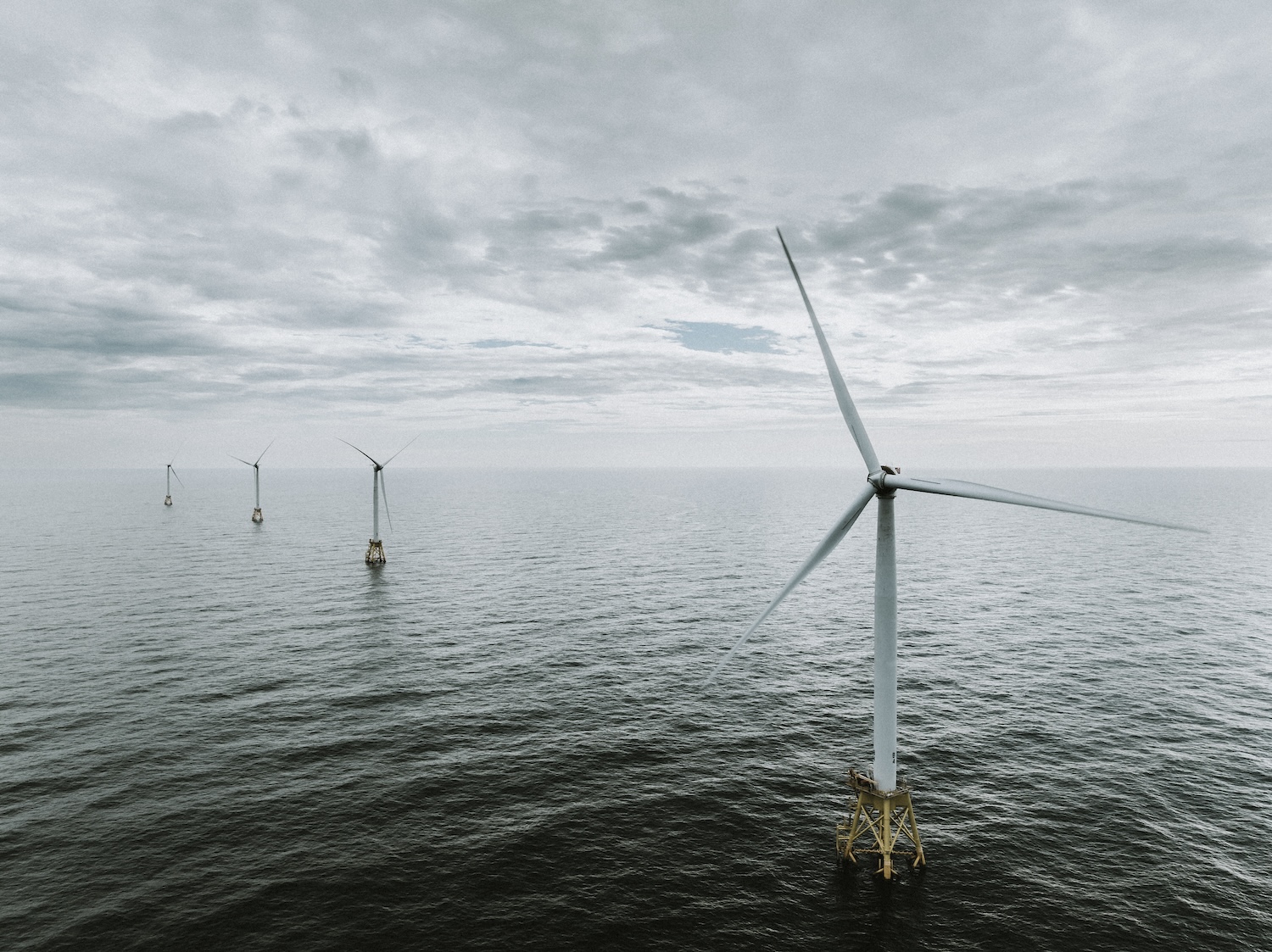
The history of offshore wind in the U.S. is relatively brief compared to European and Chinese counterparts, which have utilized maritime wind resources for decades. The American journey began in earnest in 2016 with the commissioning of the Block Island Wind Farm off the coast of Rhode Island. A modest installation of five turbines, Block Island served as a proof-of-concept for the domestic industry. In the years following, development shifted toward larger-scale federal leases in the Atlantic, but progress has been marked by significant political fluctuations.
During the mid-2020s, the political climate surrounding renewable energy intensified. While the Biden-Harris administration set an ambitious target of deploying 30 gigawatts (GW) of offshore wind by 2030—enough to power 10 million homes—the movement faced a resurgence of opposition. In January 2026, during a high-profile meeting with oil and gas executives, former President Donald Trump reiterated his administration’s intent to halt the sector’s growth. Citing concerns over aesthetics, bird mortality, and economic viability, Trump characterized turbines as "losers" and "national security risks." This rhetoric has fueled a broader movement of skepticism, particularly in coastal communities where the visual and industrial impact of turbines is most immediate.
Despite this opposition, the industry has seen significant milestones. Projects such as Vineyard Wind 1 and South Fork Wind have moved from the planning stages to active installation and power generation. As of late 2025 and early 2026, the U.S. offshore wind pipeline has grown to include 44 federal leases with a combined potential capacity of 73,000 megawatts (MW).
Addressing Ecological and Operational Myths
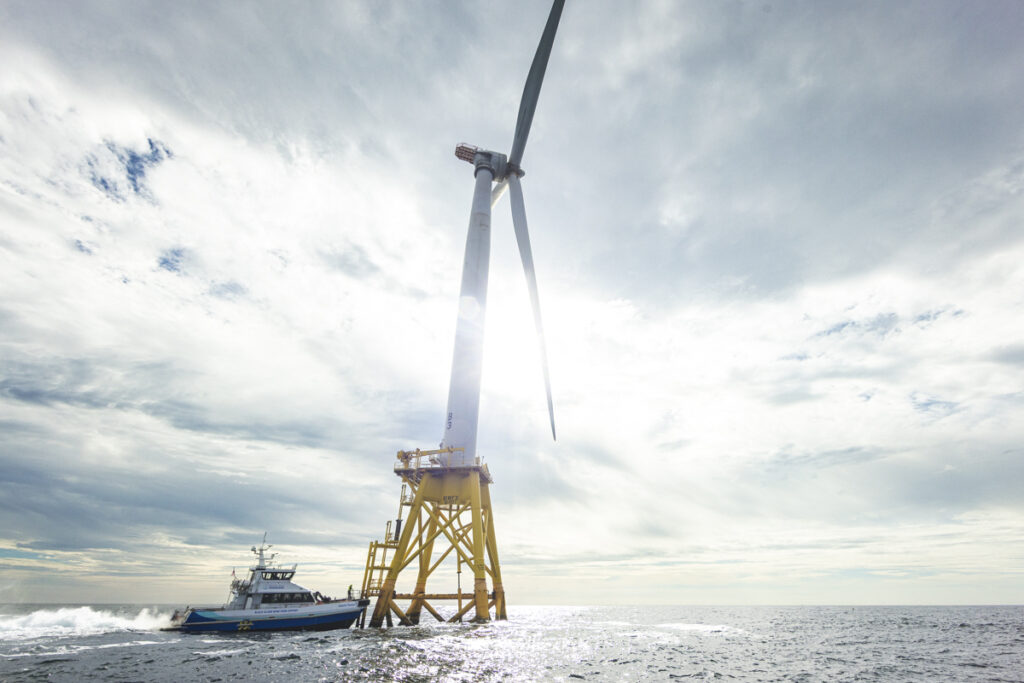
One of the most persistent arguments against offshore wind involves its impact on marine life, specifically the mortality rates of large whales. Opponents have frequently linked turbine site surveys and construction to a series of whale strandings along the Atlantic coast. However, data from the National Oceanic and Atmospheric Administration (NOAA) Fisheries suggests a different reality. Since 2016, NOAA has been monitoring an "Unusual Mortality Event" (UME) for humpback whales. Their findings indicate that the primary drivers of these deaths are vessel strikes—often caused by warming oceans shifting whale migration paths into busier shipping lanes—and entanglement in fishing gear.
"What’s really happening is the water is warming," Holz noted during the production of the film. "That’s bringing the path of migrating whales and porpoises into shallower channels." Scientific consensus, supported by organizations such as the Woods Hole Oceanographic Institution, maintains that there is no documented evidence linking offshore wind acoustic surveys or construction to the deaths of large whales.
Noise pollution is another frequently cited concern. Early offshore wind installations were criticized for the percussive noise of pile driving, which can disrupt marine mammal communication. However, modern regulations now stipulate strict underwater noise ceilings. Developers utilize "bubble curtains"—walls of air bubbles released around the construction site—to absorb and attenuate sound waves. According to industry data, these technologies have mitigated over 80 percent of construction-related sound, rendering turbine installation virtually silent to the human ear from the shore and significantly safer for marine life.
Economic Implications and the Manufacturing Footprint
The assertion that offshore wind technology is exclusively foreign-made is another point of contention addressed by recent data. While European companies like Siemens Gamesa and Orsted were early leaders, the U.S. supply chain has expanded rapidly. Currently, over 500 manufacturing facilities across the United States are engaged in the production of wind turbine components, including specialized blades, towers, and generators. This domestic growth is projected to create approximately 18,000 jobs in the immediate term, with the potential for tens of thousands more as the 4,200 GW potential of federal waters is realized.
From a consumer perspective, the economic argument for offshore wind is gaining ground, particularly in the Northeast. A 2025 study by RENEW Northeast highlighted that the integration of offshore wind into the regional grid could save utility customers between $1.32 and $2.68 per month. By diversifying the energy mix and reducing reliance on volatile natural gas prices, offshore wind acts as a hedge against energy inflation.
National Security and Radar Interference
The "national security" argument often centers on the potential for massive steel structures to interfere with military and civilian radar systems. The U.S. Department of Defense (DoD) and the Department of Energy (DOE) have acknowledged these concerns, noting that turbines can create "clutter" on radar screens, potentially masking low-flying aircraft or weather patterns.
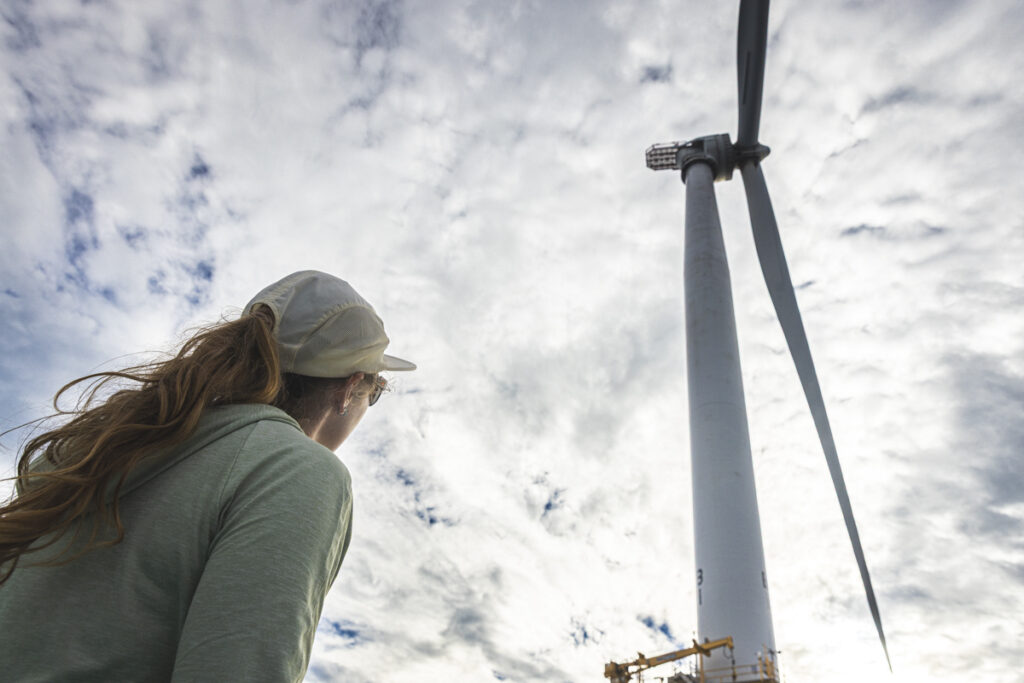
However, rather than viewing this as an insurmountable barrier, federal agencies are actively pursuing mitigation strategies. The Wind Turbine Radar Interference Mitigation (WTRIM) working group, a collaborative effort between the DoD, DOE, and the Federal Aviation Administration (FAA), is currently developing advanced signal processing algorithms and "gap-filler" radar technologies to ensure that clean energy expansion does not compromise national defense.
The Silence of Stakeholders: A Polarized Climate
Perhaps the most revealing aspect of Holz’s documentary is the difficulty in securing on-camera interviews with key stakeholders. The film highlights a culture of hesitation; developers are often constrained by ongoing litigation, while members of the commercial fishing industry fear social or professional repercussions for engaging in the dialogue. Even scientists have expressed concern that publicizing their findings might jeopardize future grant funding in a highly politicized environment.
Sarah Von Hoene, a marine ecologist featured in Beyond the Horizon, sought to break this deadlock by engaging in direct community outreach in New England towns. Her experience underscores the necessity of moving beyond "fact-sheet diplomacy" to address the cultural and emotional anxieties of coastal residents. "It’s an incredibly politicized issue with so much conflicting information," Von Hoene stated. "Separating the facts from the narratives is the only way to get people to talk openly."

Broader Impact and the Future of the Grid
As the U.S. aims to decarbonize its power sector, the role of offshore wind appears mathematically essential. On-land wind currently generates about 10.5 percent of America’s electricity, primarily in the Midwest. However, offshore wind offers two distinct advantages: the winds at sea are stronger and more consistent, and the proximity of offshore farms to major coastal population centers reduces the need for long-distance, high-voltage transmission lines that are often difficult to permit and build.
The broader implications of the offshore wind transition extend beyond carbon reduction. It represents a fundamental shift in how the nation manages its maritime resources and industrial heritage. The coexistence of the fishing and wind industries remains a primary challenge, but successful models in the North Sea suggest that with proper spatial planning and compensation frameworks, the two sectors can share the ocean.
Ultimately, the goal of projects like Beyond the Horizon is to provide a foundation for informed democratic participation. As Holz concludes, the transition to renewable energy is not merely a technical hurdle but an educational one. The trajectory of American offshore wind will likely be determined not just by the efficiency of the turbines, but by the ability of the public to navigate the current "infodemic" and demand policies rooted in scientific and economic reality. With the potential to power 21 million homes already in the pipeline, the horizon for American energy is changing; whether that change is viewed as a threat or a triumph remains the central question of the decade.
