

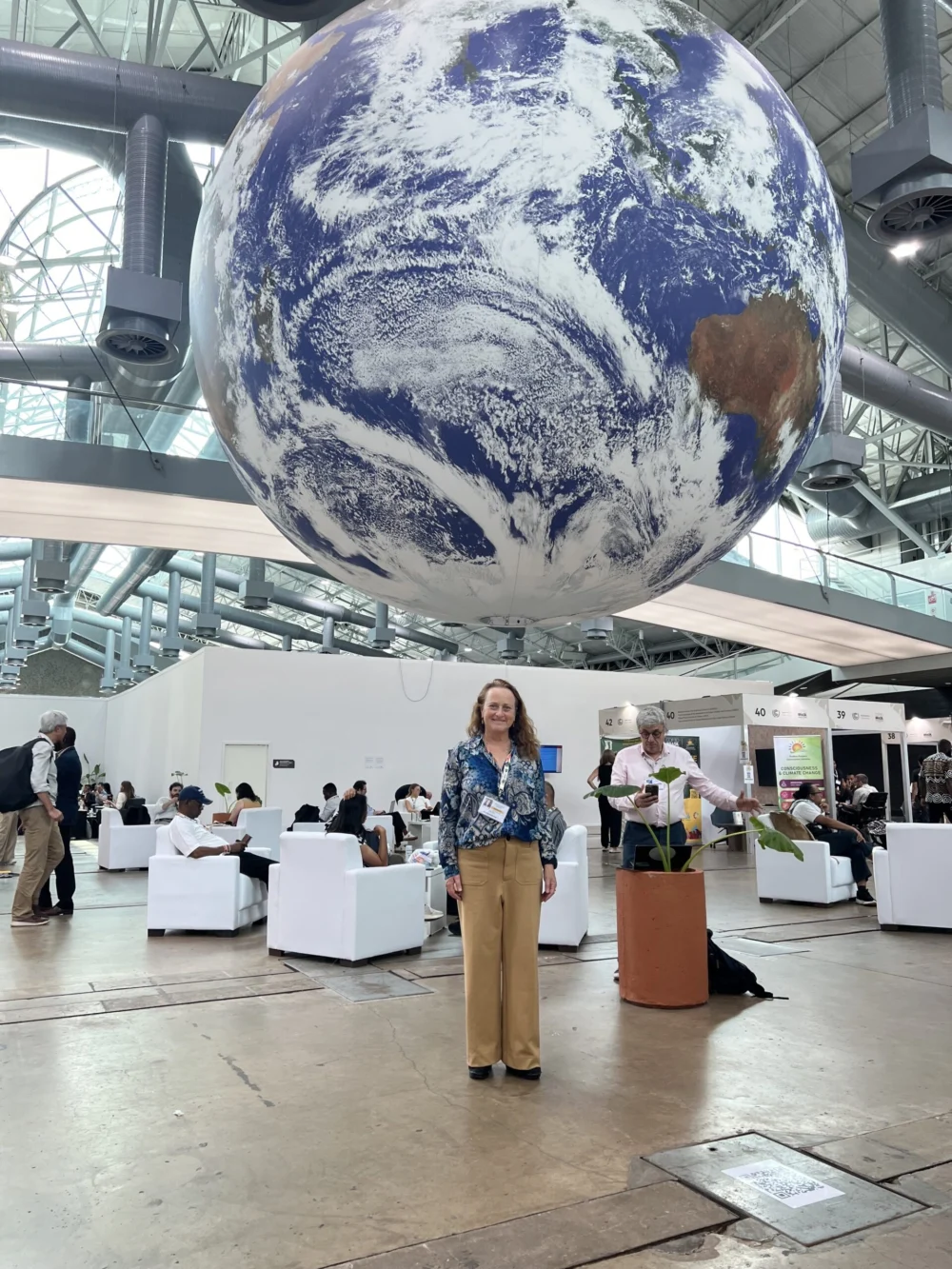
The 30th Annual United Nations Climate Change Conference, known as COP30, concluded in Belém, Brazil, leaving a complex legacy of heightened grassroots ambition set against a backdrop of significant diplomatic and structural hurdles. Held from November 11 to 28 at the symbolic "gateway to the Amazon," the summit drew approximately 60,000 participants from nearly 200 nations. While the gathering served as a massive platform for climate advocacy and cross-cultural knowledge sharing, the final negotiated outcomes have sparked criticism for failing to explicitly address the primary drivers of global warming. Despite the presence of high-level delegations and a surge in Indigenous representation, the conference’s inability to include "fossil fuels" in its concluding document highlights a persistent divide between climate-vulnerable communities and the economic interests of major energy-producing states.
The Strategic Context of the Amazon Summit
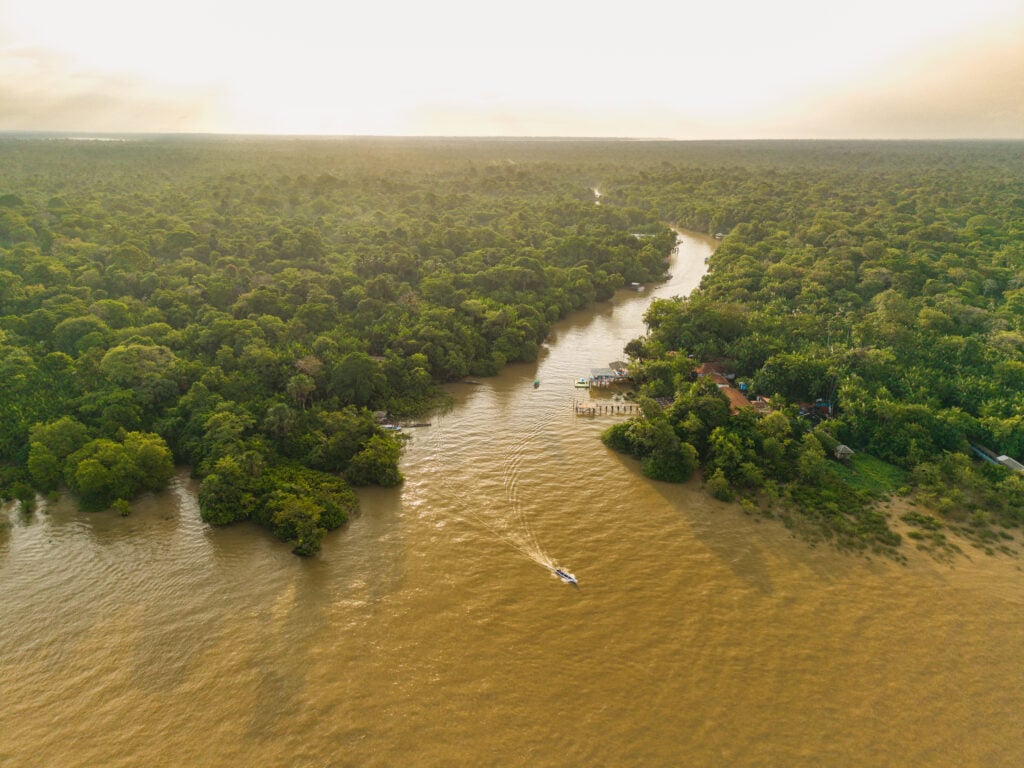
Choosing Belém as the host city for COP30 was a deliberate move by the United Nations Framework Convention on Climate Change (UNFCCC) and the Brazilian government to center the discourse on tropical forest conservation and the rights of Indigenous peoples. As the world’s largest rainforest, the Amazon plays a critical role in global carbon sequestration, yet it faces unprecedented threats from deforestation, illegal mining, and climate-induced drought. The summit was positioned as a critical juncture for nations to finalize their Nationally Determined Contributions (NDCs) ahead of the 2035 deadline, a timeframe scientists suggest is the "last window" to limit global warming to 1.5°C above pre-industrial levels.
According to the United Nations Environment Programme (UNEP), achieving the 1.5°C target would require a 55% reduction in global greenhouse gas emissions by 2030. However, current trajectories suggest that the world remains on a path toward significantly higher temperatures, which would lead to catastrophic impacts on mountain ecosystems, coastal cities, and global food security. The Belém summit was intended to bridge this "emissions gap" by securing firm commitments to end deforestation and phase out coal, oil, and gas.
Chronology of COP30: From Negotiations to Demonstrations
The two-week summit was characterized by a bifurcated atmosphere. Inside the "Blue Zone," the official UN-managed space, negotiators engaged in grueling sessions over finance, loss and damage, and mitigation strategies. Simultaneously, the surrounding "Green Zone" and the People’s Climate Summit hosted thousands of activists, scientists, and local leaders who demanded more aggressive action.
The first week of the conference saw a flurry of sub-national activity. On November 12, while official negotiations were in their infancy, regional leaders from the United States and other federalized nations held a Local Leaders Forum. This was followed by a series of high-profile announcements from individual states and provinces. California, for instance, bypassed federal silence by signing independent methane reduction agreements with Colombia and electric vehicle (EV) expansion pacts with Nigeria.
By the second week, tensions escalated. On November 20, Indigenous-led demonstrations briefly disrupted the summit’s proceedings. Protesters broke through security perimeters to demand that their land rights be formally recognized in the final climate agreements. These actions were mirrored by a massive Climate March through the streets of Belém, where participants called for "climate justice" and an immediate end to fossil fuel subsidies.
The final days of the conference were marked by "overtime" negotiations, a common occurrence at COPs, as delegates from over 80 countries pushed for a clear roadmap to phase out fossil fuels. However, opposition from a bloc of petrostates eventually led to a compromise document that omitted specific mention of oil and gas, focusing instead on broader "transitioning" language that critics argue is too vague to enforce.
The Absence of Official U.S. Federal Leadership
A defining feature of COP30 was the absence of an official negotiating delegation from the United States federal government, following a shift in administrative priorities under the Trump administration. Historically, the U.S. has played a pivotal role as a "broker" in UN climate talks, often working behind the scenes to align the interests of developed and developing nations. Former U.S. negotiators present in Belém in an unofficial capacity noted that the lack of federal presence created a power vacuum, making it significantly harder to reach consensus on high-stakes financial commitments.
Despite the federal retreat, the American presence was maintained by a coalition of sub-national actors. The "America’s All In" initiative and the U.S. Climate Alliance—representing a significant portion of the U.S. economy—sent representatives to signal to the international community that climate action continues at the state and local levels. Senator Sheldon Whitehouse of Rhode Island was the sole member of Congress in attendance, using his platform to criticize the influence of the fossil fuel industry. Whitehouse argued that the partisan divide over climate change in the U.S. is an "artificial state" manufactured by billions of dollars in industry spending, rather than a reflection of public will.
Indigenous Representation and the "Power Gap"
COP30 saw a record-breaking 900 Indigenous delegates in the Blue Zone, a 300% increase from the 300 delegates who attended COP29. This surge in participation was a direct result of the summit’s location in the Amazon and a concerted effort by NGOs to fund the travel of community leaders from the Global South.
However, observers noted that "presence is not power." Despite their increased numbers, Indigenous representatives reported significant barriers to meaningful participation. Many official sessions remained inaccessible due to English-only programming, and several delegates from regions like Cameroon and the Andean highlands faced insurmountable visa and transit hurdles. Furthermore, the number of fossil fuel lobbyists in the Blue Zone was estimated to be more than double the number of Indigenous delegates, leading to concerns that the summit’s agenda was being steered by the very industries responsible for the climate crisis.

Specific attention was given to the case of Saúl Luciano Lliuya, a Peruvian farmer whose landmark lawsuit against the German energy giant RWE has become a symbol of global climate litigation. Lliuya participated in Greenpeace actions during the summit, urging governments to adopt a "polluter pays" model to fund the recovery of communities devastated by glacial melt and extreme weather.
The Role of Civil Society and the RINGO Constituency
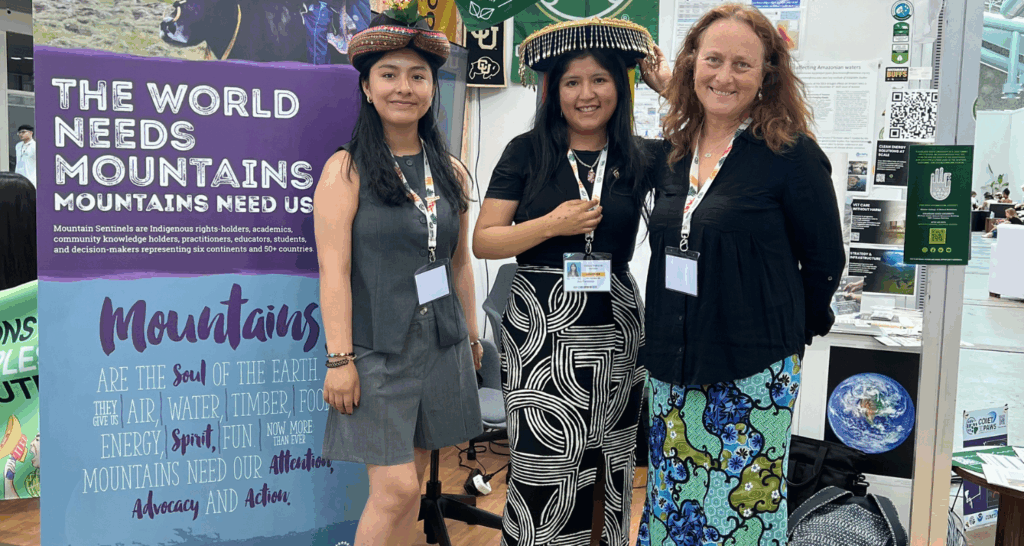
A bright spot in the Belém proceedings was the active engagement of the Research and Independent Non-Governmental Organizations (RINGO) community. This constituency, which includes universities like Colorado State University (CSU) and organizations like the Mountain Sentinels Alliance, provided the scientific backbone for many of the discussions.
Academic delegations used the summit to showcase longitudinal studies on climate impacts in mountain regions, emphasizing that high-altitude ecosystems are warming at twice the global average. These researchers highlighted the "cascading risks" of climate change: as glaciers disappear, water security for millions of people downstream is compromised, leading to potential conflict and mass migration. The "Climate Mobility Hub" in the Blue Zone served as a somber acknowledgment of these realities, focusing on the legal and humanitarian frameworks needed for climate refugees.
Data and Analysis: The Fossil Fuel Omission
The most contentious outcome of COP30 was the omission of the term "fossil fuels" from the final negotiated text. This occurred despite a coalition of more than 80 nations—including many EU members and small island states—explicitly calling for a phase-out. The resistance was led by major oil-producing nations who argued for a focus on "emissions" rather than the "source" of those emissions, promoting technologies like Carbon Capture and Storage (CCS) as a primary solution.

The implications of this omission are significant. Scientific consensus, as outlined by the Intergovernmental Panel on Climate Change (IPCC), states that a rapid decline in fossil fuel use is non-negotiable for meeting the 1.5°C goal. By failing to name the industry, the COP30 document lacks the "market signal" required to shift global investment toward renewable energy at the necessary scale.
However, the summit did secure several "incremental wins," including:
- Enhanced Transparency Frameworks: New agreements were reached on how nations report their emissions, making it harder for governments to "greenwash" their progress.
- Loss and Damage Operationalization: Further steps were taken to trigger the release of funds for nations currently experiencing climate disasters.
- Methane Commitments: A series of bilateral deals were struck to reduce methane leakage in the oil and gas sector, which is a potent short-term driver of warming.
Broader Impact and the Path to COP31
As the delegates departed Belém, the prevailing sentiment was one of "forward motion, but at a glacial pace." The summit underscored the growing disconnect between the "Outdoor State"—the global community of activists, scientists, and local leaders—and the formal diplomatic processes of the UNFCCC.
The "everything, everywhere, all at once" approach advocated by some negotiators highlights the need for a multi-front strategy. While the UN process remains the only global forum for climate law, the real momentum appears to be shifting toward climate litigation, sub-national policy, and grassroots Indigenous movements.
The road to COP31 will require addressing the systemic inequities that hindered participation in Brazil. For mountain communities and the "gateway to the Amazon," the stakes remain existential. The failure to address fossil fuels in Belém means that the pressure on the next host nation will be immense, as the world nears the 2035 deadline for a safer climate trajectory. The legacy of COP30 will ultimately be defined by whether the "buzz of ambition" felt in the Blue Zone can be translated into the radical policy shifts required to preserve the planet’s most vulnerable ecosystems.
