

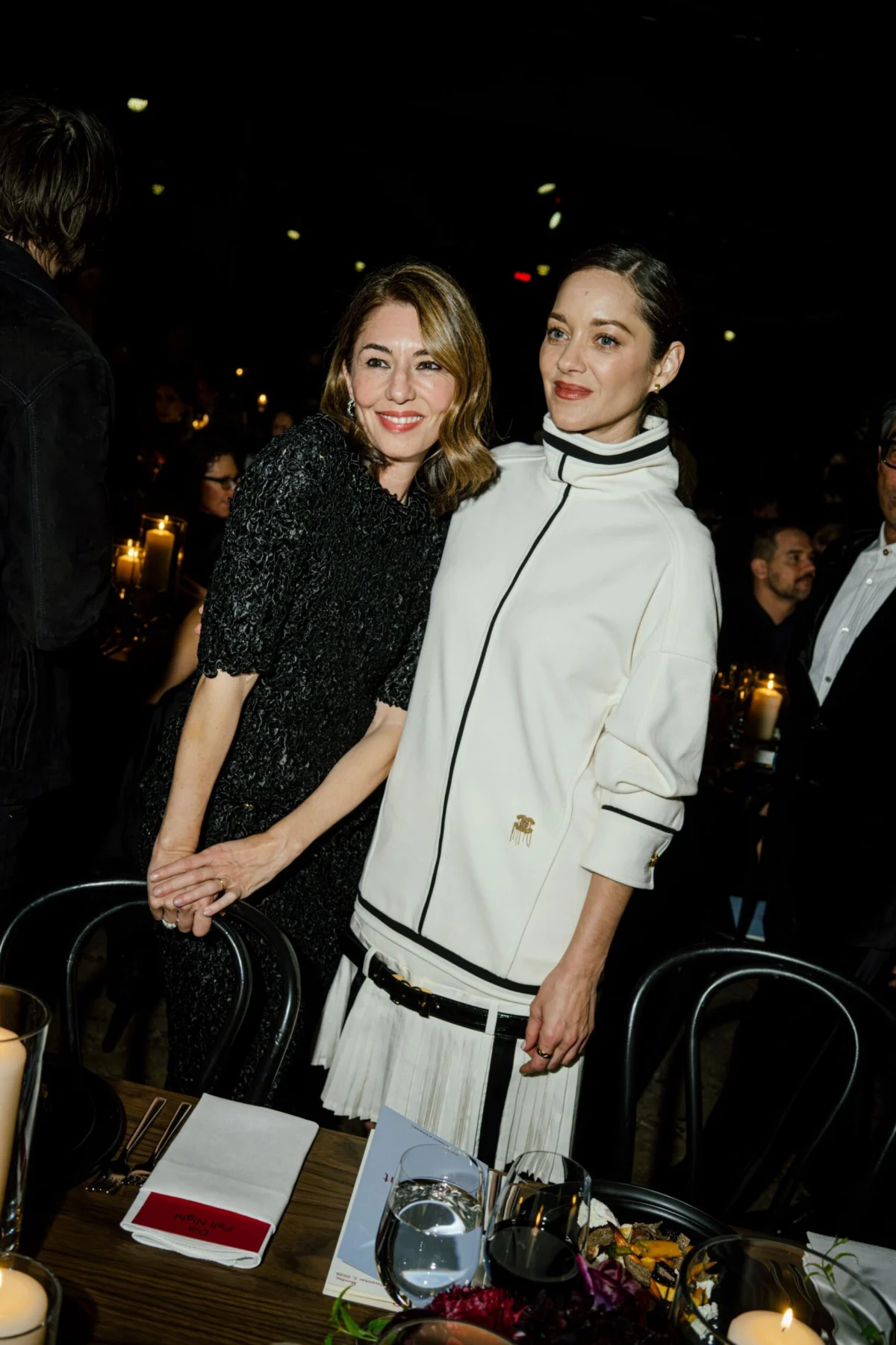
The Dia Art Foundation, in a significant convergence of art world institutions and personalities, recently hosted a gala evening that was as much a celebration of artistic vision as it was a poignant farewell. The event, marking the second collaboration between the esteemed Chanel and Dia, served as a backdrop for heartfelt tributes and reflections on a transformative era for the foundation. Amidst the refined atmosphere, artist Matthew Barney delivered a moving eulogy for his longtime friend and fellow artist, Roni Horn, while musician and poet Meshell Ndegeocello offered a surprise performance honoring the legacy of Alexander McQueen. The evening also underscored a pivotal moment for Dia itself, as its director of twelve years, Jessica Morgan, announced her impending move to London to assume the directorship of the Tate.
A Night of Tributes and Artistic Resonance
The air at the Dia Art Foundation’s recent gathering was imbued with a palpable sense of camaraderie and artistic appreciation. Esteemed artist Matthew Barney took to the stage, not to present his own work, but to offer a deeply personal and insightful tribute to his dear friend, Roni Horn. Barney’s words painted a vivid portrait of Horn, transcending the confines of a single artistic label. "I’ve never asked Roni if it was her, in the clown costume, in her photographic series Clowd and Cloun," Barney mused from the stage, his voice resonating with affection. He continued, "I guess I didn’t ask because I know that Roni isn’t a clown, but there is a brilliant comedian in there. And a poet, a pragmatist, an intimate, an analyst, a confidante, an artist, and a close friend—brutally funny, and awfully clear." This multifaceted description underscored Horn’s complex and profound artistic practice, highlighting the intellectual rigor and emotional depth that characterizes her work. Barney’s eloquent summation served as a testament to the enduring power of their friendship and mutual artistic respect.
Later in the evening, the atmosphere shifted as musician and poet Meshell Ndegeocello presented a surprise spoken-word and roving performance. This evocative interlude, woven through the elegantly arranged candle-lit tables, was dedicated to the enduring influence of the visionary fashion designer Alexander McQueen. Ndegeocello’s artistic intervention provided a moment of contemplative reflection, connecting the worlds of visual art, performance, and fashion through a shared spirit of innovation and boundary-pushing creativity. The choice of McQueen, an artist renowned for his dramatic presentations and profound thematic explorations, resonated with the overall spirit of the evening, which celebrated artists who challenge conventions and leave an indelible mark on their respective fields.
A Blossoming Partnership and a Director’s Farewell
The collaboration between the iconic fashion house Chanel and the influential Dia Art Foundation represents a significant development in the contemporary art landscape. This particular event marked their second joint endeavor, a testament to the growing synergy between these two prominent cultural entities. Chanel’s commitment to supporting the arts, a tradition stretching back decades, finds a natural partner in Dia’s mission to preserve and present art from the 1960s to the present day. This partnership not only provides crucial financial and logistical support for Dia’s ambitious programming but also amplifies the reach and impact of contemporary art to a broader audience. The foundation’s extensive network of sites, including its renowned Dia Beacon in New York and Dia:Chelsea, provides unique platforms for presenting large-scale installations and immersive experiences, often requiring substantial resources and institutional backing.
However, for Dia Art Foundation, the evening also marked the conclusion of an era. Jessica Morgan, who has helmed the organization as director for twelve impactful years, announced her departure to assume the prestigious role of director at the Tate in London. Morgan’s tenure at Dia has been characterized by significant growth, both in terms of the collection’s expansion and the foundation’s institutional development. Her leadership has been instrumental in navigating the complex challenges of managing multiple art spaces, preserving a vast and diverse collection, and fostering new artistic commissions.
Reflecting on her time at Dia, Morgan expressed her deep satisfaction and pride. "It’s been an immense pleasure to stay true to our vision and mission," she stated, her demeanor radiating a sense of accomplishment. "I am most proud of the work that we’ve done with the collection. It has been a real transformation. We inherited an amazing body of work from extraordinary artists collected in depth—but since then, we’ve tripled the collection by bringing in so many incredible voices, many of whom are here tonight." This statement highlights a key achievement of Morgan’s directorship: the strategic and ambitious expansion of Dia’s holdings.
A Legacy of Growth and Transformation
Under Jessica Morgan’s leadership, Dia Art Foundation has undergone a significant and quantifiable expansion of its collection. While the specifics of the "tripling" would require a detailed inventory comparison, the sentiment speaks to a proactive acquisition strategy that has broadened the foundation’s scope and representation. Historically, Dia has been known for its in-depth holdings of seminal post-war artists such as Donald Judd, Dan Flavin, and Louise Bourgeois. Morgan’s emphasis on "bringing in so many incredible voices" suggests a deliberate effort to incorporate a more diverse range of artists, including those from underrepresented communities and contemporary practitioners whose work engages with new mediums and critical dialogues. This strategic expansion is crucial for any major art institution seeking to remain relevant and reflective of the evolving art world.
The financial implications of such growth are substantial. Expanding a collection of this magnitude requires significant investment, not only in acquisition costs but also in conservation, research, and exhibition. The fact that Morgan highlights this achievement as a source of pride suggests that Dia has been successful in securing the necessary resources to support this ambitious growth. This often involves a combination of philanthropic support, earned revenue, and strategic fundraising initiatives.
A Fond Farewell and a Vision for the Future
The sentiment of farewell was palpable throughout the evening, particularly during the dinner proceedings. Board chair Nathalie de Gunzburg took the opportunity to offer a heartfelt and comprehensive tribute to Morgan. "I have learned so much from you. Not only about this institution, but buildings, programming, conservation, HVAC, and gardening—but also as a woman, you are exceptional," de Gunzburg remarked. The mention of practical, operational aspects like HVAC and gardening, met with knowing titters from the assembled guests, underscored the immense and often unseen work involved in maintaining Dia’s expansive footprint. Dia’s network of 12 locations and sites, which includes major institutions like Dia Beacon and Dia:Chelsea, as well as various outdoor installations and artist residences, presents a constant logistical and infrastructural challenge. The success of these ambitious, multidisciplinary works hinges on the meticulous and often Herculean effort required to keep these diverse sites operational and to facilitate the installation of complex artistic projects.
De Gunzburg’s acknowledgment of Morgan’s multifaceted contributions, from the strategic to the operational, speaks volumes about her dedication and the comprehensive nature of her role. It highlights that effective leadership in an art institution extends far beyond curatorial vision to encompass a deep understanding of building management, conservation science, and even the intricacies of landscape maintenance, all of which are essential for the preservation and presentation of art.
As a parting note, Morgan shared a significant update on Dia’s financial health, revealing that the foundation is nearing its ambitious $200 million endowment goal. Endowments are critical for the long-term sustainability of non-profit arts organizations, providing a stable source of income for operational expenses, acquisitions, and programming. Reaching such a substantial endowment goal is a testament to strong financial stewardship and successful fundraising efforts over a prolonged period. For Dia, this financial milestone signifies a strengthened capacity to continue its mission and to weather future economic uncertainties.
"It’s been an absolute joy to work here," Morgan concluded, her voice filled with genuine warmth. Adding a touch of her characteristic humor, she quipped, "I’m going to be looking very carefully to see what’s going on, so don’t mess it up." This lighthearted admonition, delivered with a smile, underscored her continued investment in Dia’s future and her confidence in its ability to thrive. Her departure for the Tate, a globally renowned institution with a vast collection and a significant public profile, represents a significant career advancement and a new chapter for both Morgan and the Tate.
Broader Implications for the Art World
Jessica Morgan’s move to the Tate signifies more than just a change of leadership for one institution and the arrival of a new director for another. It reflects broader trends within the international art world, including the increasing mobility of senior leadership and the interconnectedness of major cultural institutions. The Tate, under the leadership of its new director, will undoubtedly benefit from Morgan’s extensive experience in collection development, institutional management, and her proven ability to foster significant partnerships. Her track record at Dia, particularly in expanding its collection and overseeing its complex operational infrastructure, will be invaluable assets.
For Dia Art Foundation, Morgan’s departure presents an opportunity for strategic realignment and the identification of a new leader who can build upon her legacy. The foundation’s commitment to its mission, its robust collection, and its significant endowment goal provide a strong foundation for its future endeavors. The continued partnership with Chanel also suggests a sustained commitment to innovation and public engagement.
The tributes to Roni Horn and the homage to Alexander McQueen, delivered within the context of this Chanel-Dia collaboration, highlight the interconnectedness of artistic disciplines and the enduring power of creative legacies. These moments of reflection underscore the broader cultural impact that institutions like Dia and its partners strive to achieve, fostering dialogue and appreciation across various artistic forms. The event served as a powerful reminder of the vibrant and dynamic nature of the contemporary art world, where collaboration, transformation, and the celebration of artistic vision remain paramount.
