

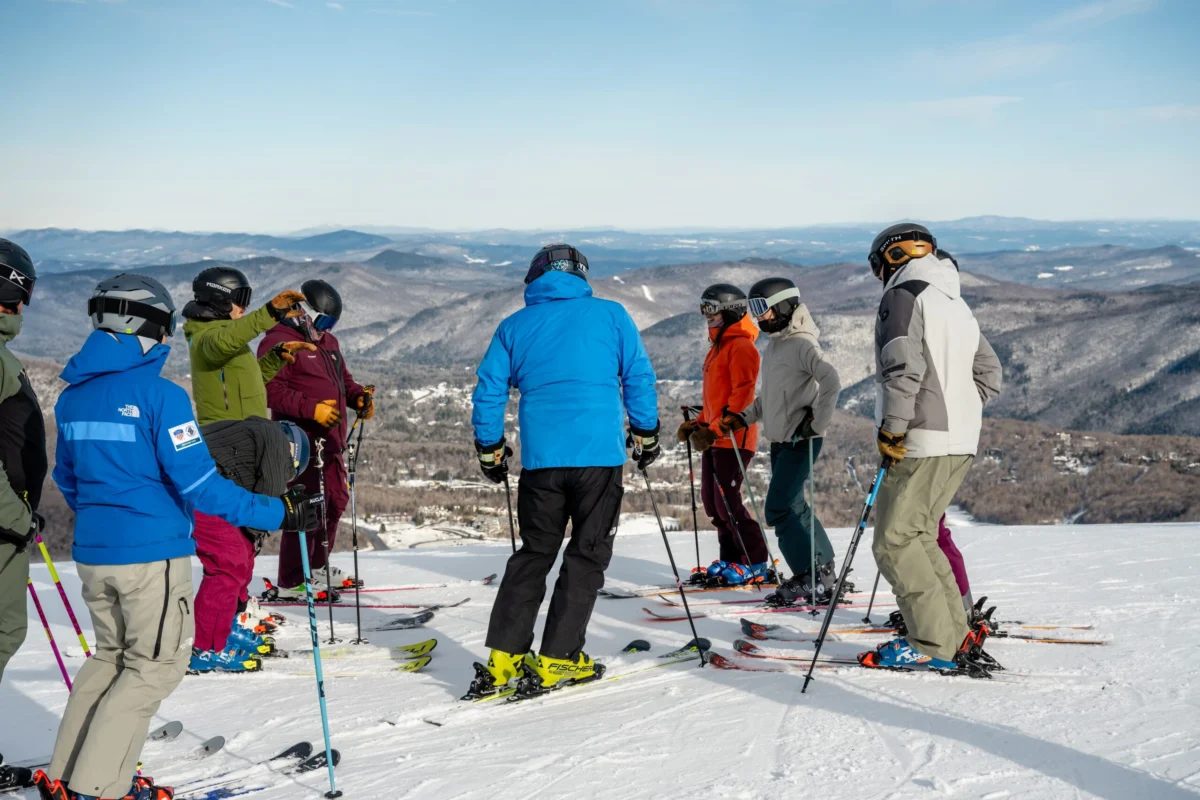
The fundamental skills underpinning exceptional snowsports instruction remain constant, yet the methodology for integrating education, professional development, and credentialing around these essential competencies has undergone a profound transformation within the Professional Ski Instructors of America and American Association of Snowboard Instructors (PSIA-AASI). This strategic evolution, spearheaded by figures like Dave Schuiling, PSIA-AASI Director of Education & Credentialing, represents a concerted effort to foster a more consistent and impactful experience for instructors nationwide, ultimately benefiting millions of snowsports enthusiasts. Over the past several years, PSIA-AASI, the world’s largest snowsports instruction organization, has diligently worked towards a national strategic alignment, establishing common standards, unified assessment tools, nationally aligned resources, and shared professional development opportunities. This comprehensive overhaul aims to ensure that certification serves its true purpose: to recognize and validate the sophisticated skills that truly great instructors demonstrate daily on the slopes.
A Unified Vision for Instructor Excellence: The Genesis of Strategic Alignment
PSIA-AASI, representing over 32,000 snowsports instructors across the United States, plays a pivotal role in setting the benchmarks for quality instruction. Historically, while regional divisions maintained high standards, variations in educational delivery and assessment methodologies could sometimes lead to inconsistencies. Recognizing the need for a cohesive national framework, the organization embarked on a multi-year initiative to harmonize its educational and credentialing pathways. This strategic alignment was not merely about bureaucratic standardization; it was driven by a deeper understanding that a unified approach would elevate the entire profession, improve instructor retention, and enhance the learning experience for guests across diverse resorts.
The goal was to move beyond a fragmented system towards one where every instructor, regardless of their location, could access the same high-quality educational resources and be assessed against a common, transparent set of standards. This process involved extensive collaboration among national and divisional leadership, education staff, and experienced examiners. It required a deep dive into pedagogical best practices, human psychology, and the technical nuances of various snowsports disciplines—skiing, snowboarding, telemark, and adaptive snowsports. The outcome of this collaborative effort is a system that supports continuous growth, from a novice instructor’s first clinic to the most advanced certifications.
The Learning Connection: Defining the Pillars of Great Instruction
At the heart of PSIA-AASI’s revitalized framework lies The Learning Connection℠, a proprietary model that precisely defines the core competencies of effective snowsports instruction. This model transcends simple categorization, delineating three interconnected domains: People Skills, Teaching Skills, and Technical Skills. These are not isolated elements but rather interdependent professional competencies that collectively create profound and meaningful learning experiences for both guests and fellow instructors. They serve as the foundational bedrock for all education, professional development, and credentialing activities throughout PSIA-AASI.
- People Skills: This domain emphasizes the instructor’s ability to build rapport, foster trust, engage in meaningful two-way communication, understand and manage emotions (both their own and their students’), and recognize the diverse motivations and emotions of others. It acknowledges that learning is inherently a human endeavor, and the quality of the interpersonal connection directly impacts a student’s receptivity and progress.
- Teaching Skills: Once a trusting relationship is established, Teaching Skills come to the forefront. These encompass the instructor’s capacity to collaborate effectively with learners, establish clear and meaningful goals, adapt instructional strategies to meet evolving needs, manage information and experiences efficiently, encourage exploration and self-discovery, and facilitate critical reflection. This domain underscores the understanding that true learning is not passively received but actively co-created.
- Technical Skills: Completing the trifecta, Technical Skills provide the instructor with the foundational understanding and performance mastery necessary to accurately assess student needs, communicate complex concepts clearly, and guide technical development with precision. This expertise equips instructors with the confidence, accuracy, and purpose required to support effective learning across all snowsports disciplines.
This integrated model ensures that instructors are not just skilled technicians but also empathetic communicators and adaptive educators, capable of inspiring confidence and fostering a lifelong love for snowsports.
The Evolution of Assessment: Beyond Performance, Towards Authentic Demonstration
A critical aspect of PSIA-AASI’s strategic alignment has been the recalibration of its certification assessment philosophy. The organization emphasizes that an assessment should transcend the mere staging of a rehearsed performance for an examiner. Instead, it is conceptualized as an authentic opportunity for candidates to demonstrate their teaching, coaching, and technical application abilities within a real-world, dynamic environment. The objective is not to evaluate rote memorization or the flawless execution of a pre-determined progression. Rather, it is to gain a deep understanding of how effectively candidates cultivate relationships, facilitate genuine learning, and apply their technical expertise to cater to the unique needs of their students.
This philosophy directly connects every component of the PSIA-AASI system. The established standards meticulously define the requisite skills. Education programs are meticulously designed to introduce and develop these skills. Professional development opportunities are structured to strengthen and refine them. Finally, credentialing serves as the ultimate validation, confirming an instructor’s proficiency. Each element plays a distinct, yet interconnected, role, collectively forging a robust pathway that supports continuous, lifelong growth as a snowsports professional. This approach ensures that certification is a reflection of an instructor’s practical competence and their consistent ability to deliver exceptional learning experiences, aligning the assessment process with the day-to-day realities of snowsports instruction.
The Instructor’s Journey: From Curiosity to Professional Mastery
The pathway to becoming a highly effective snowsports instructor often commences with a spark of learning. This initial impetus might originate from a structured clinic, an engaging e-learning course, an intensive training session, guidance from a seasoned mentor, or even the invaluable insights gained from direct teaching experience. This initial exposure to new ideas or perspectives ignites curiosity. Curiosity, in turn, propels instructors to delve deeper, prompting them to ask incisive questions, actively seek comprehensive understanding, and courageously explore new possibilities within their craft. As their understanding solidifies and expands, this initial curiosity frequently blossoms into a profound passion for snowsports instruction.
This burgeoning passion acts as a powerful catalyst for continuous development. Instructors, driven by their enthusiasm, actively seek out diverse opportunities to enhance their skiing or riding proficiency, refine their teaching methodologies, sharpen their movement analysis skills, improve their communication clarity, and cultivate robust leadership capabilities. Their pursuit of growth becomes increasingly intentional and strategic. They actively solicit constructive feedback, engage in critical self-reflection on their experiences, and consistently challenge themselves to acquire more knowledge and become more effective educators.
Over time, this dedicated personal development naturally evolves into professional development—a sustained, deliberate pursuit of mastery. Professional development, within the PSIA-AASI framework, extends far beyond the mere accumulation of continuing education credits or the preparation for a specific assessment. It embodies an unwavering commitment to becoming more capable, more adaptable, and demonstrably more effective in crafting meaningful and transformative experiences for guests. It represents the profound recognition that expertise is not a fixed destination to be reached, but an ongoing, dynamic process of continuous refinement and growth. In this journey, credentialing plays a vital, yet distinct, role within this broader process; it serves as a milestone, not the ultimate objective itself.
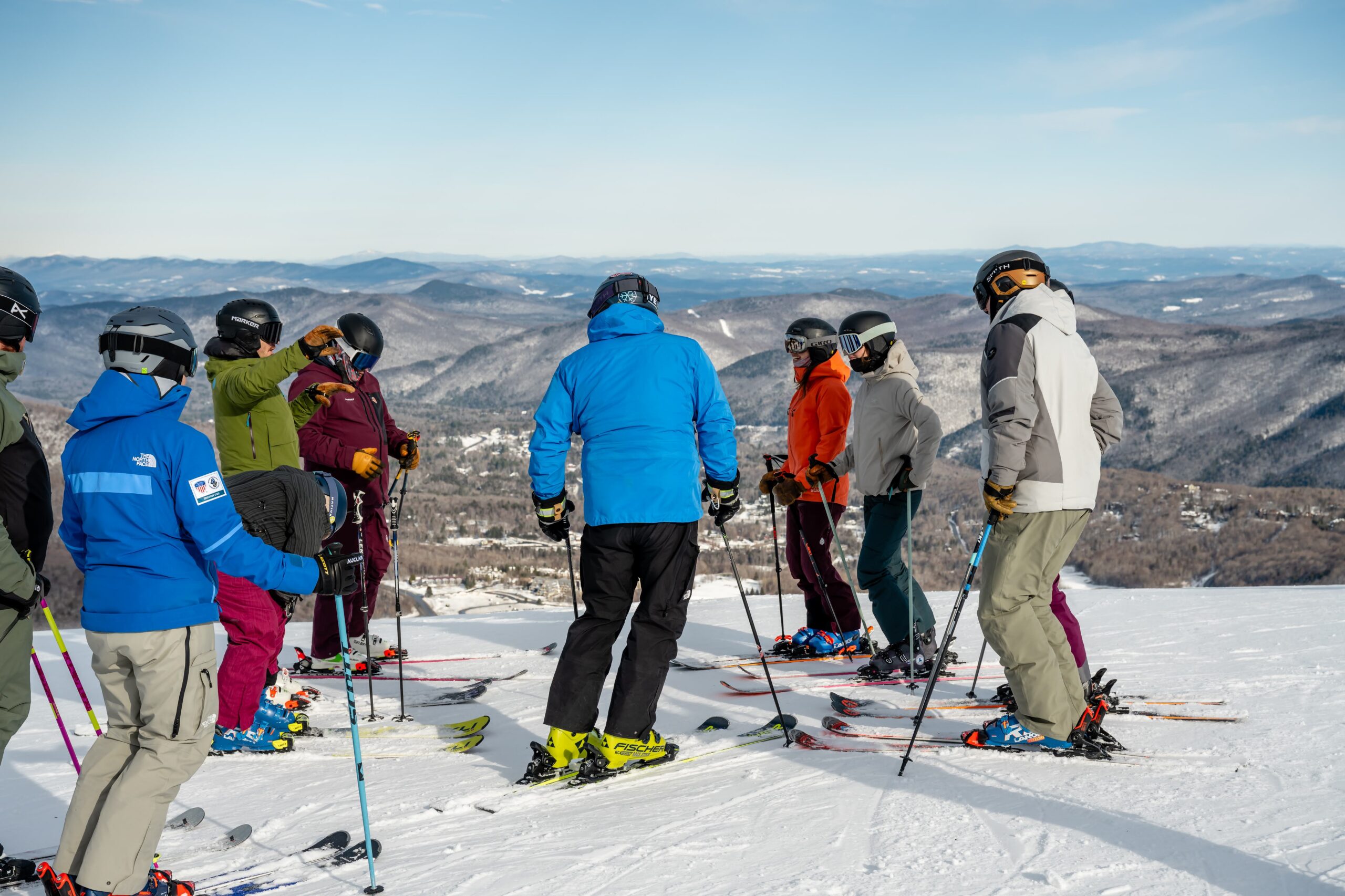
Credentialing: Validating Expertise, Not Defining the Goal
A PSIA-AASI certification assessment captures a specific moment in time, providing a formal validation of the knowledge, skills, and professional behaviors that an instructor has diligently cultivated through extensive experience, rigorous education, and dedicated professional growth. A credential, therefore, formally acknowledges an instructor’s consistent ability to meet and demonstrate the high standards associated with a particular level of professional practice. It is crucial to reiterate a core tenet of the PSIA-AASI philosophy: the credential itself is not the ultimate goal. The true objective is the transformative process of becoming the kind of instructor who naturally earns and embodies that credential.
When viewed through this enlightened lens, assessments transcend the perception of being mere trials designed to "prove something." Instead, they become invaluable opportunities to authentically "demonstrate something"—to showcase the comprehensive skill set that has been meticulously developed and honed through daily practice with guests and colleagues. Consequently, the most efficacious preparation for certification is not a frantic cram session but rather the consistent, high-quality work itself: the ongoing creation of exceptional learning experiences, the diligent cultivation of robust relationships, the adept resolution of complex problems, and the ceaseless refinement of professional skills.
Consider the fundamental importance of People Skills. The ability to forge relationships grounded in trust, to engage in meaningful and reciprocal communication, to understand and skillfully manage one’s own emotions and actions, and to keenly recognize the motivations and emotional states of others, all converge towards one paramount outcome: trust. This emphasis on human connection underscores that while technical proficiency is vital, it is the bedrock of trust that truly unlocks a student’s potential.
Trust: The Cornerstone of Transformative Learning Experiences
The establishment of trust between a learner and their instructor is arguably the most critical precursor to effective learning. When students wholeheartedly trust their instructor, a profound shift occurs in their approach to the learning process. They become significantly more willing to experiment with new techniques, embrace calculated risks, freely ask probing questions, and confidently confront challenges that might otherwise seem daunting. This environment of trust also cultivates an openness to feedback, allowing students to integrate constructive criticism more readily and engage more deeply in their own learning journey. Ultimately, trust serves as the indispensable condition that allows genuine learning and personal growth to flourish.
Once this vital foundation of trust is firmly established, Teaching Skills become the primary tools for creating an optimal environment where significant growth can occur. Exceptional instructors engage in collaborative partnerships with their learners, working together to establish clear, meaningful, and achievable goals. They demonstrate remarkable adaptability, consistently adjusting their methods and strategies to accommodate the evolving needs and learning styles of their students. Furthermore, they expertly manage the flow of information and orchestrate learning experiences with precision, encouraging an ethos of exploration and self-discovery. Crucially, they facilitate thoughtful reflection, empowering students to internalize their experiences and consolidate their learning. These instructors intrinsically understand that learning is not a commodity to be passively delivered to a student; rather, it is a dynamic, collaborative process actively created with a student.
Finally, Technical Skills provide the essential understanding and practical performance capabilities that complete this intricate equation. This expertise enables instructors to accurately assess a student’s current needs, articulate complex snowsports concepts with clarity and precision, and confidently guide their development towards greater proficiency. Technical mastery provides instructors with the necessary tools to support the learning process with unwavering confidence, unimpeachable accuracy, and a clear sense of purpose. Together, the seamless integration of People Skills, Teaching Skills, and Technical Skills culminates in a powerful and lasting impact—an impact that, in the final analysis, is what truly matters most.
Beyond the Turn: The Enduring Impact of Great Instruction
Most individuals can vividly recall a teacher, coach, mentor, or instructor who profoundly influenced their lives. We remember not just what they taught, but how they made us feel. We recall the pivotal role they played in our successes, the surge of confidence they inspired, and the new possibilities they helped us envision. As professional snowsports instructors, we are uniquely positioned to create these transformative experiences every single day. Guests rarely return to a snowsports school solely because they received a perfectly executed progression or a technically flawless lesson. They return because they felt genuinely understood, because they experienced tangible success, because their confidence grew exponentially, and because they forged a meaningful connection with the mountain environment, the exhilarating sport itself, and the people around them. They return, fundamentally, because the entire experience resonated deeply and mattered.
This profound understanding of impact forms the core purpose of PSIA-AASI’s meticulously designed education and credentialing system. It is a system built not just to train instructors, but to cultivate artisans of experience.
The Strategic Imperative: Cohesion for a Greater Purpose
The overarching objective of PSIA-AASI’s strategic alignment was never simply to mandate identical assessments or standardize administrative paperwork across its divisions. Its true purpose was far more ambitious: to forge a shared, unequivocal understanding of what constitutes truly exceptional snowsports instruction. The meticulously crafted standards serve to define this aspirational vision. The comprehensive education programs are designed to systematically develop this vision within each instructor. Ongoing professional development initiatives are geared towards strengthening and refining these crucial competencies. And finally, the rigorous assessments provide the authoritative validation of an instructor’s embodiment of this vision.
This progression is both elegantly simple and profoundly powerful: Learning ignites curiosity, which in turn blossoms into a fervent passion. This passion fuels purposeful growth, transforming into dedicated professional development. Ultimately, this sustained professional development prepares instructors to earn credentials that unequivocally recognize their innate ability to cultivate trust, inspire profound learning, and create a lasting, positive impact on every student they encounter.
Collectively, these meticulously integrated elements culminate in a credentialing system that authentically mirrors the complex, real-world work performed by professional snowsports instructors. This, in turn, significantly augments the intrinsic value of PSIA-AASI credentials for its dedicated members, for the myriad snowsports schools that rely on their expertise, and most importantly, for the millions of guests who seek transformative experiences on the mountain. Because, at its very essence, certification is not merely about successfully passing an assessment. It is about the continuous, lifelong cultivation of the knowledge, skills, and behaviors that empower individuals to learn, to grow, and to return to the mountains, time and again, for more of the magic that only snowsports can offer.
