

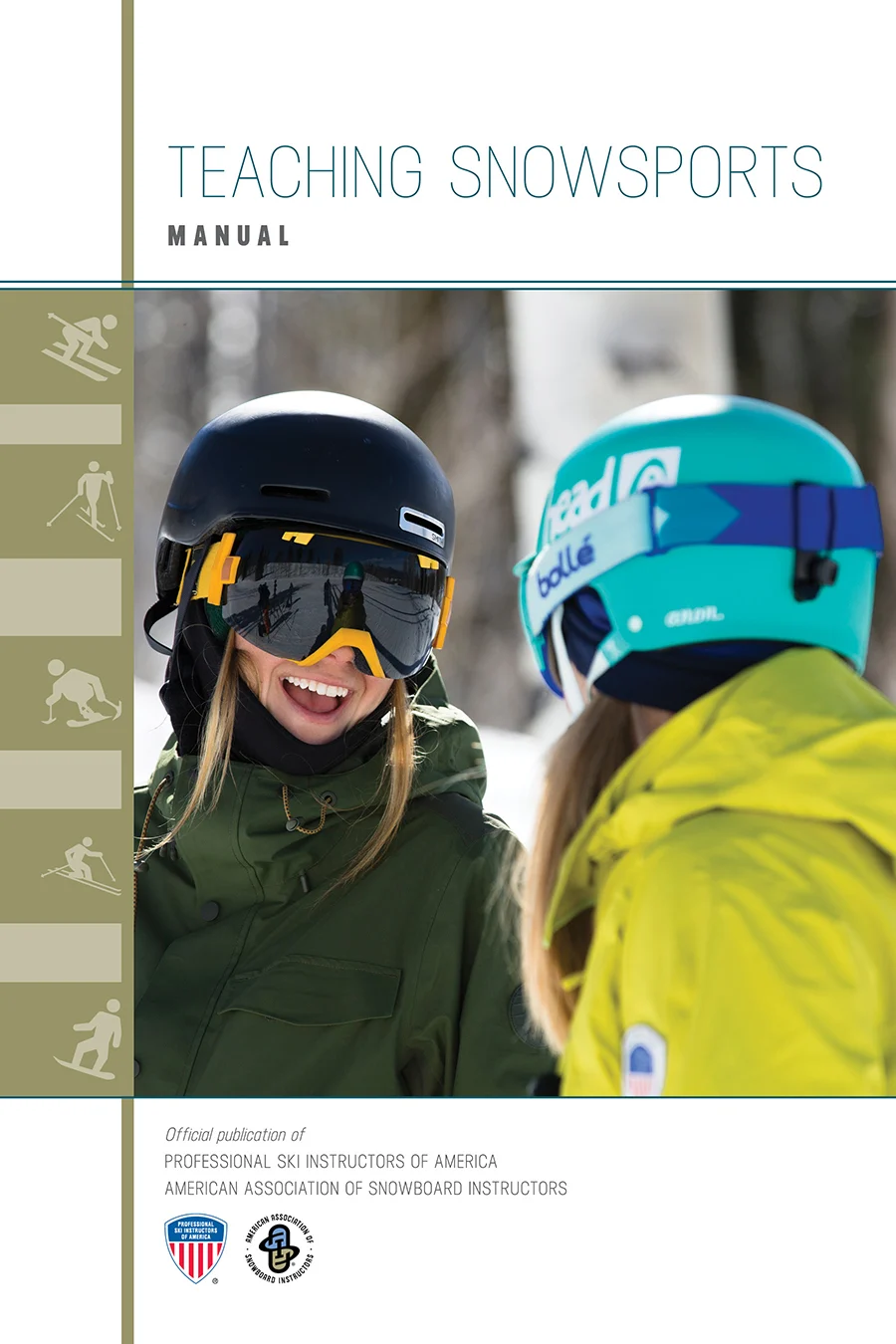
The Professional Ski Instructors of America and American Association of Snowboard Instructors (PSIA-AASI) continues to champion advanced pedagogical techniques through its comprehensive Teaching Snowsports Manual, defining "Teaching for Transfer" as a cornerstone of effective instruction. This critical concept involves relating students’ previous experiences to new skills or outcomes, fostering mental and physical connections that significantly accelerate the learning process. Far from being a mere break, the summer season presents a unique and invaluable opportunity for snowsports instructors to internalize these principles, converting their winter experiences into actionable insights that will profoundly shape the upcoming season’s teaching methodologies.
The Foundation of Learning Transfer in Snowsports
The human mind is a tapestry woven from myriad experiences, shaping individuals cognitively, emotionally, physically, and socially. Every student, and indeed every instructor, brings a unique background—comprising personal characteristics, motivations, existing knowledge, and past experiences—into what PSIA-AASI terms the "Learning Partnership." The organization’s "People Skills" module directly addresses this intricate aspect of the learning environment, recognizing its indispensable role in fostering collaboration, effective communication, trust-building, and ultimately, deeper learning.
At the heart of "Teaching for Transfer" lies the academic research explored by David Perkins and Gavriel Salomon in their seminal 1992 paper, "Transfer of Learning." Their work meticulously examines the nuances of how learning transfer occurs and, crucially, why it frequently fails. This research provides a robust analytical framework for instructors to critically evaluate their teaching strategies and refine the design of learning experiences for their students, moving beyond incidental connections to deliberately engineered pathways for skill acquisition.
Defining Transfer of Learning: Positive, Negative, and Nuanced
Perkins and Salomon define transfer of learning as a phenomenon where "learning in one context enhances (positive transfer) or undermines (negative transfer) a related performance in another context." Fundamentally, transfer serves as the ultimate metric of learning efficacy, answering the vital question of whether learned skills and knowledge possess portability. This concept is not merely theoretical; its practical application holds significant implications for the speed and depth of student progression in snowsports.
A compelling example of positive transfer, often cited in the Teaching Snowsports Manual, involves a student with an equestrian background struggling with the unpredictable challenges of choppy, off-piste snow conditions. An astute instructor can connect this student’s prior experience of "standing in the stirrups"—a posture demanding balance over the feet and active leg engagement to absorb movement—to the similar demands of navigating varied snow. By providing this familiar sensory and conceptual anchor, the instructor effectively leverages the student’s existing motor schema, transforming a past skill into a direct pathway for improved performance in a new, challenging snowsports context.
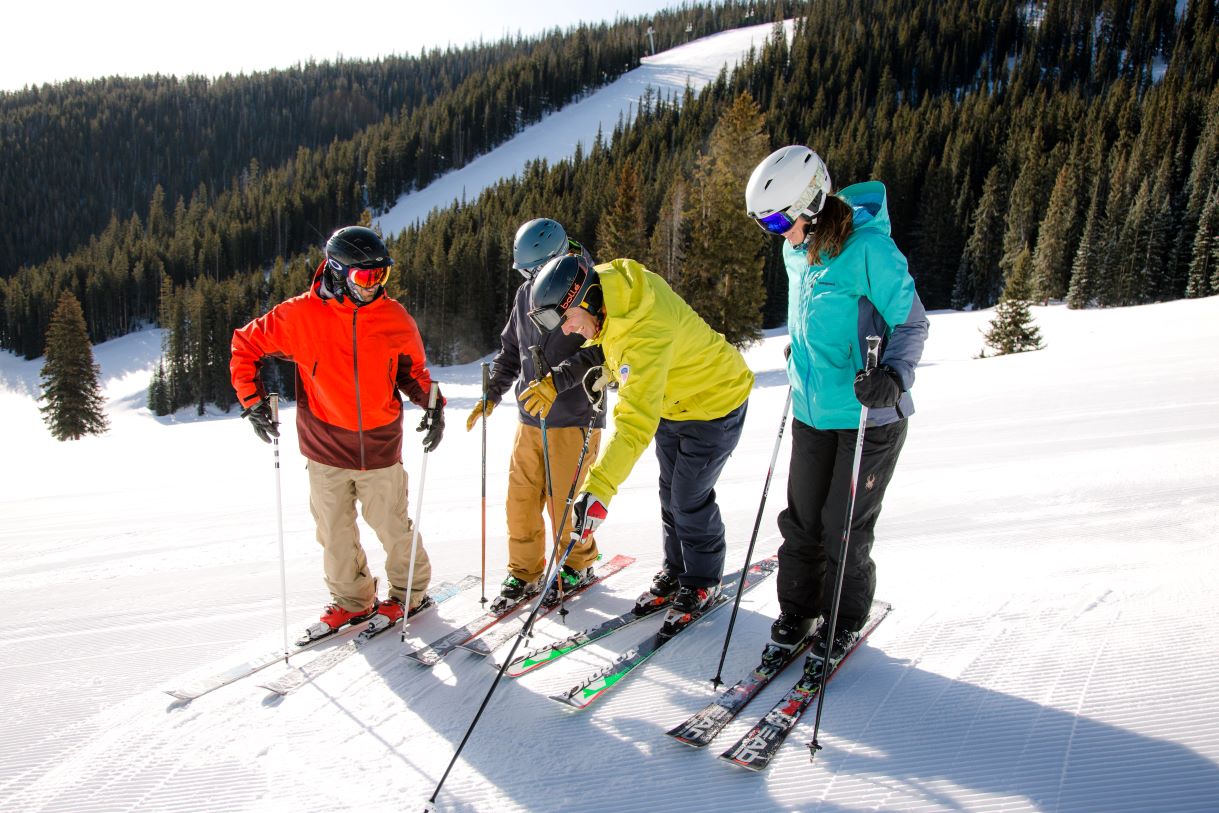
Conversely, negative transfer can manifest when prior experiences create initial impediments. An experienced ice skater, for instance, might initially struggle with skiing due to the significantly wider platform of skis compared to narrow skate blades, requiring a recalibration of balance and edge engagement. Similarly, a seasoned skateboarder might find the fixed nature of snowboard bindings restrictive, contrasting with the dynamic foot placement afforded by skateboarding. Perkins and Salomon observe that these negative effects are typically transient; with sufficient experience and targeted instruction, learners generally recalibrate their movements and perceptions quickly. However, the more pervasive challenge is that positive transfer is not an automatic outcome. Learners may successfully acquire new skills without ever consciously linking them to prior experiences, leaving a vast reservoir of potential learning untapped and potentially slowing down their overall progress. The Teaching Snowsports Manual explicitly warns against simplistic approaches, emphasizing that teaching for transfer extends far beyond mere analogies. A casual remark like, "It’s like riding a bike," is rarely sufficient. True transfer, therefore, is not incidental; it is meticulously designed.
Key Aspects and Conditions for Fostering Transfer
Understanding the mechanics of transfer is paramount for effective instruction. Perkins and Salomon delineate several key conditions that actively encourage and facilitate learning transfer:
-
Thorough and Diverse Practice: This condition underscores the importance of adequate practice time distributed across a variety of contexts. Such varied exposure "yields a flexible, relatively automatized bundle of skills easily evoked in new situations." This aligns perfectly with modern pedagogical theories such as interleaving, the practice of mixing different but related skills or tasks within a single learning session rather than massing practice on one skill at a time. In snowsports, this translates to exposing students to a broad spectrum of techniques, tactical approaches, terrain variations, and snow conditions during lessons, building adaptability and resilience. Research by Bjork and Bjork (1992) on desirable difficulties supports this, indicating that varied, interleaved practice leads to more robust and transferable learning.
-
Explicit Abstraction: Providing students with opportunities to reflect upon and articulate their understanding is a powerful catalyst for transfer. Consider an intermediate skier or rider with extensive trail running experience. Through explicit abstraction, they might describe the rhythmic bending and unbending of the body’s joints, and the maintenance of muscular suppleness, as fundamental principles for managing pressure in both snowsports and trail running. This conscious connection bridges seemingly disparate activities, significantly aiding their skill development in snowsports. This reflective process, often occurring during debriefs or journaling, solidifies conceptual understanding and reveals underlying principles.
-
Active Self-Monitoring: This refers to real-time reflection on the task at hand, which actively encourages transfer. Imagine a group of advanced skiers and riders pausing at the summit of a steep, icy pitch. One member, recalling success on a mountain bike in similar firm terrain, suggests a strategy: lowering one’s center of gravity, staying balanced, and feathering the brakes. The group collectively recognizes the parallels and decides to adopt a lower stance, remain supple and active to stay "on top of their feet," and execute skidded turns to mimic the controlled braking action. Both explicit abstraction and active self-monitoring are manifestations of metacognition—the invaluable ability to "think about one’s own thinking process." Metacognitive practices are widely recognized as best practices in learning, fostering enhanced retention, motivation, and learner agency.
-
Using Metaphors and Analogies: Perkins and Salomon endorse the strategic use of metaphors and analogies to facilitate transfer, echoing the Teaching Snowsports Manual‘s caution against superficial application. Merely stating a rhetorical trope—"It’s like pedaling a bike… riding a horse… shooting a foul shot… walking"—is rarely sufficient. For true transfer to occur, these rhetorical devices must be explicitly linked to body mechanics and applied in a variety of contexts. For instance, an instructor might explain: "When we walk, to maintain balance, our belt buckle naturally moves toward our load-bearing foot and shifts laterally as we take the next step. Similarly, when skiing, keeping the outside leg supple and the belt buckle closer to the outside boot allows us to effectively direct pressure toward that ski and maintain better balance. During turn transition, as we switch feet, the belt buckle moves laterally over the new outside boot, just like when we walk. Let’s practice this with wedge turns, then we’ll increase pitch and speed to try it in parallel turns." This detailed explanation and immediate application bridge the gap between abstract concept and physical execution.
The Continuum of Connection: Low-Road and High-Road Transfer
The degree of similarity between movements and contexts dictates the type of transfer that occurs. Wakeboarding, for example, shares more direct physical and perceptual similarities with snowboarding than bump skiing does with playing chess. Perkins and Salomon distinguish between two distinct mechanisms:
-
Low-Road Transfer: This occurs when contexts are sufficiently similar that transfer happens through semi-automatic responses, requiring minimal conscious effort. The transition from wakeboarding to snowboarding exemplifies this. In both activities, participants ride a single board, often with feet secured in bindings, facing approximately 90 degrees to the direction of travel. They employ heel-side and toe-side edge control to carve the surface and execute maneuvers. A substantial portion of the understanding, sensations, and movement patterns transfers semi-automatically, leveraging deeply ingrained motor programs. This type of transfer is often rapid and intuitive.
-
High-Road Transfer: In contrast, high-road transfer relies heavily on explicit abstractions and conscious reflection to apply prior learning to a new context. Bump skiing and playing chess, despite their vastly different physical demands, both benefit from strategic thinking. Success in both activities is enhanced by "reading the landscape" (or chessboard), planning ahead, recognizing patterns, and adapting in real time. An experienced chess player, new to bump skiing, can successfully apply strategic thinking by visualizing the bumps as a chessboard, identifying available lines, recognizing patterns in the mogul field, pre-planning potential routes, and developing contingency plans for unexpected situations. This conscious application of abstract principles from one domain to another showcases the power of high-road transfer.
As practitioners of snowsports, understanding these mechanisms empowers us to actively leverage our diverse experiences, fostering skill transfer across various physical and mental activities. As snowsports educators, reflecting on our own learning journeys, particularly how we’ve connected principles from disparate activities, enriches our teaching methodologies and cultivates deeper empathy for our students’ learning processes.
Summer: The Strategic Bridge for Instructor Development
The summer months, typically devoid of the immediate pressures of daily lessons, offer instructors an unparalleled opportunity for high-road transfer and profound professional development. This period allows for a crucial step back, fostering a reflective practice essential for pedagogical growth. Instructors can engage in critical self-inquiry:
- What core principles underpin my most successful teaching moments from last season?
- How can I better articulate these principles to students with varied backgrounds?
- What new insights can I gain from reviewing student progress and challenges?
- How did my students’ prior experiences influence their learning, positively or negatively?
- What analogies or metaphors proved most effective, and why?
- How can I design lessons that intentionally promote both low-road and high-road transfer?
Equally important, summer activities provide rich, firsthand experiences for instructors to engage in transfer themselves. Whether hiking rugged trails, cycling challenging routes, scaling rock walls, or surfing ocean waves, instructors can actively seek connections:
- How does balance in cycling relate to edge control in skiing?
- What principles of rhythm and flow in surfing translate to carving on a snowboard?
- How does reading terrain in hiking inform tactical decisions in varied snow conditions?
- What metacognitive strategies did I employ when learning a new summer sport that could be taught to my snowsports students?
- How did I overcome initial challenges, and what past experiences did I unconsciously or consciously draw upon?
This deliberate process of experiencing and analyzing transfer deepens instructors’ understanding of learning itself, while simultaneously cultivating a profound empathy for the challenges and triumphs their students face. These are two critical, intertwined components of highly effective teaching.
Broader Implications and the Future of Snowsports Education
Summer is not a quiescent period in the learning cycle; it is where the journey of learning truly begins to travel across contexts. When instructors consciously step away from the immediacy of teaching, they gain the cognitive space necessary to reflect, connect, and abstract the universal principles that underpin their diverse experiences. By actively engaging in varied summer activities, practicing active self-monitoring, and intentionally drawing connections across contexts, they meticulously create the optimal conditions for transfer to occur.
The impact of this approach extends far beyond individual instructors. For students, it means faster skill acquisition, greater confidence, and a more profound, lasting enjoyment of snowsports. For instructors, it translates into a richer professional toolkit, a deeper understanding of learning psychology, increased job satisfaction, and an enhanced ability to cater to the diverse needs of their students. For the broader snowsports industry, a cadre of instructors adept at teaching for transfer can lead to higher rates of student retention, improved safety outcomes, and an elevated public perception of professional instruction. The principles of transfer of learning, while highlighted here in the context of snowsports, are universally applicable to all forms of skill acquisition—from academic subjects to vocational training, and other athletic endeavors.
When winter inevitably returns, instructors who have dedicated themselves to this summer work don’t merely bring back nostalgic memories of the previous season. They return to the slopes equipped with refined decision-making frameworks, a significantly deeper empathy for their students’ learning journeys, and an expanded repertoire of instructional strategies. In this profound way, "teaching for transfer" transcends a mere pedagogical technique; it becomes a lived philosophy, ensuring that the insights gained in one context demonstrably manifest and empower wherever the next turn in life, or on the mountain, may take us. The PSIA-AASI, by emphasizing this core principle, continues to set a benchmark for excellence in experiential education, demonstrating a commitment to not just teaching skills, but fostering lifelong learners.
Resource: Perkins, D.N., and G. Salomon. (1992). “Transfer of Learning.” In Husén, T., and T.N. Postlethwaite (Eds.), The International Encyclopedia of Education (2nd ed., 425-41). Oxford: Pergamon.
