

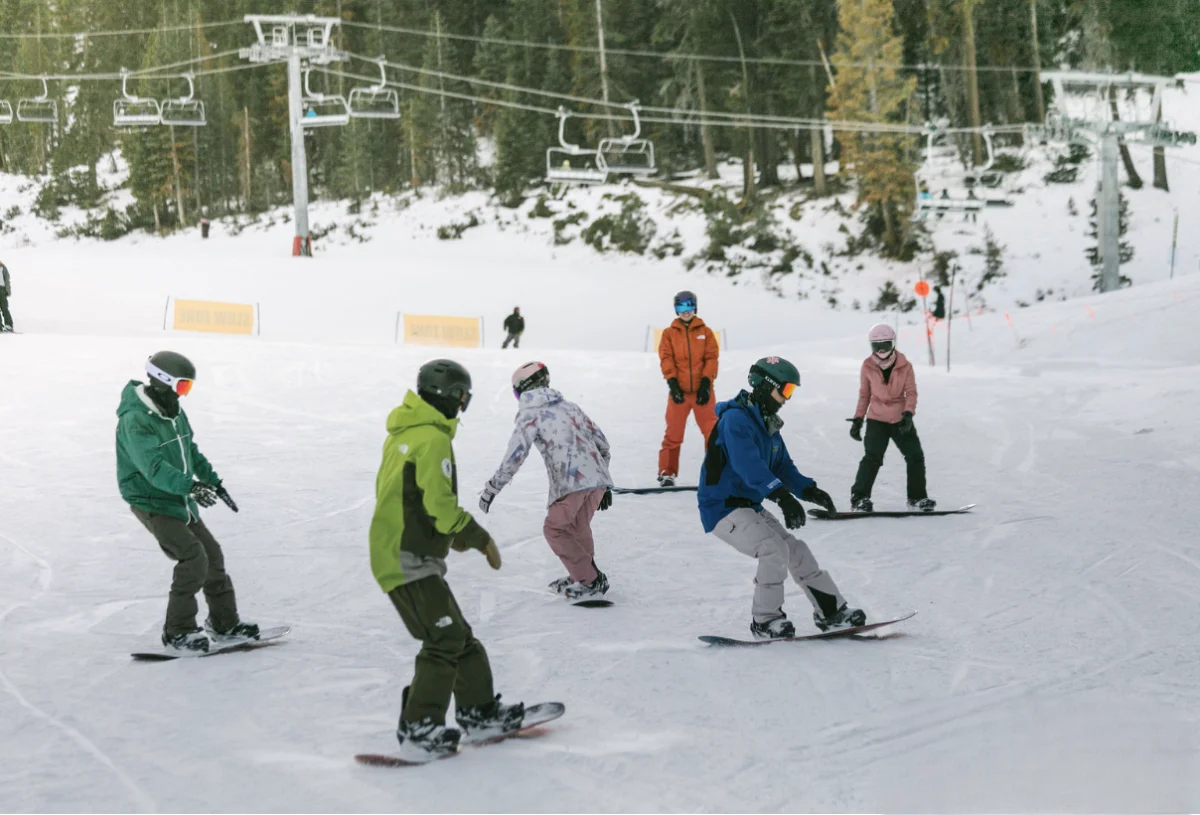
Movement Analysis (MA), long perceived as a technical skill focused on dissecting turns and prescribing drills, is undergoing a profound transformation within the snow sports industry. No longer solely a tool for identifying physical mechanics, it is emerging as a powerful engine for building trust, fostering empowerment, and facilitating deeply meaningful learning experiences. This evolution elevates MA from a mere corrective technique to a foundational element of connection between instructor and student, allowing for a holistic understanding of the learner that transcends simple physical movement.
The Evolution of Instructional Philosophy in Snow Sports
For decades, snow sports instruction, particularly within organizations like the Professional Ski Instructors of America and American Association of Snowboard Instructors (PSIA-AASI), has continuously refined its methodologies. Early approaches often emphasized rote memorization of techniques and highly prescriptive feedback, where instructors identified "flaws" and dictated specific corrections. This model, while effective for some, could inadvertently create an environment where students felt scrutinized or inadequate, potentially hindering their long-term engagement with the sport.
The 21st century has witnessed a significant shift towards more student-centered and holistic teaching philosophies. This paradigm recognizes that effective learning is not just about physical execution but also deeply intertwined with psychological factors such as confidence, motivation, and the quality of the instructor-student relationship. Movement Analysis has been at the forefront of this evolution, moving beyond its traditional definition to encompass a broader, more empathetic scope.
Historically, MA drew heavily from biomechanics and kinesiology, focusing on quantifiable aspects of human movement. Instructors were trained to observe joint angles, weight distribution, and equipment interaction with a critical eye, aiming to align student performance with idealized models. While these technical observations remain crucial, the contemporary understanding of MA expands to include the qualitative, often subtle, cues that reveal a student’s emotional state, readiness, and adaptive capabilities. This richer perspective allows instructors to "see" the whole person, not just the skier or rider, leading to more personalized and effective coaching.
MA as a Catalyst for Trust and Empowerment
At its core, modern Movement Analysis is less a hunt for flaws and more an art of noticing. It’s about observing how students adapt to varied terrain, how their equipment responds to their intentions, and critically, how their confidence or hesitation manifests in their skiing or riding. This approach, rooted in curiosity and presence rather than judgment, creates an environment where students don’t just learn new skills; they grow as individuals.
The relational aspect of MA is perhaps its most impactful evolution. It serves as a powerful, unspoken affirmation to a student: "I see you, I understand you, and I am here to help you progress." While MA undeniably aids in assessing skill levels, understanding stages of motor learning, observing the integration of new movements, and recognizing a student’s confidence or readiness, its deeper purpose lies in forging a strong, trusting relationship. This foundation of trust is essential for highlighting strengths, mitigating anxieties, and creating a safe learning space where experimentation is encouraged and perceived failures are reframed as learning opportunities.
Consider the common scenario where an instructor might encounter a student with default trust—a general acceptance of the instructor’s authority and expertise—but lacking genuine personal buy-in. An instructor from the PSIA-AASI National Team recently recounted an experience with a student in a terrain park. Despite clear warm-up parameters, the student initially disregarded them, indicating a lack of established trust and shared goals. The instructor paused the session, narrowed the focus to frontside spins on jumps, and then utilized targeted MA. By precisely pointing out the root cause of a heavy pre-spin and offering simple, actionable adjustments to improve the takeoff, the instructor facilitated immediate, tangible improvement. This direct link between feedback and progress quickly transformed passive trust into active buy-in, unlocking the student’s potential and allowing the session to flourish. This anecdote underscores a critical point: trust often develops in real-time, and precise, empowering movement analysis can be the spark that ignites this transformation.
The Nuances of Observation: Beyond Mechanics to Emotional Intelligence
Observation forms the bedrock of all effective Movement Analysis. The more precise, neutral, and comprehensive an instructor’s observations are, the more useful and empowering their guidance becomes. When observing a skier or rider, instructors meticulously note a wide array of factors: their stance, posture, and functional alignment from ankles to torso, identifying any asymmetries or dominant patterns. They observe how the student balances over their equipment—whether they brace defensively or maintain a centered, dynamic position—and whether pressure builds progressively and smoothly or abruptly. The sequencing of joints, the timing and rhythm of turns, and the fluidity versus segmentation of movements are all critical components. Furthermore, instructors keenly observe how the equipment itself responds: how skis or snowboards bend, grip, drift, or carve, and what the track shape reveals about turn mechanics. The interaction with the snow, and how it reacts to the student’s intent, provides irrefutable evidence of their actions.
However, true mastery of observation extends far beyond mere mechanics. Every student projects an emotional story through their movement, a narrative that is just as important as their physical execution. Confidence might manifest in a powerful stance, refined finesse, or aggressive pace, while caution often reveals itself in defensive bracing, tentative movements, or a slower pace. The ambition behind a turn shape or the readiness reflected in a terrain choice speaks volumes. The snow leaves an undeniable record of what physically transpired, but the student’s body language eloquently communicates how it felt. Integrating both these perspectives—the factual mechanics and the emotional subtext—constitutes the real mastery of contemporary Movement Analysis.
Research in sports psychology consistently supports the notion that psychological states profoundly influence motor performance. Studies indicate that athletes experiencing high levels of anxiety or low self-efficacy often exhibit less fluid movements, slower reaction times, and reduced ability to adapt to changing conditions. Conversely, a confident and relaxed learner is more receptive to feedback, more willing to experiment, and ultimately, more efficient at integrating new skills. This scientific backing reinforces the importance of MA encompassing both the physical and the psychological dimensions of learning.
The Power of Positive Reinforcement and Targeted Cues
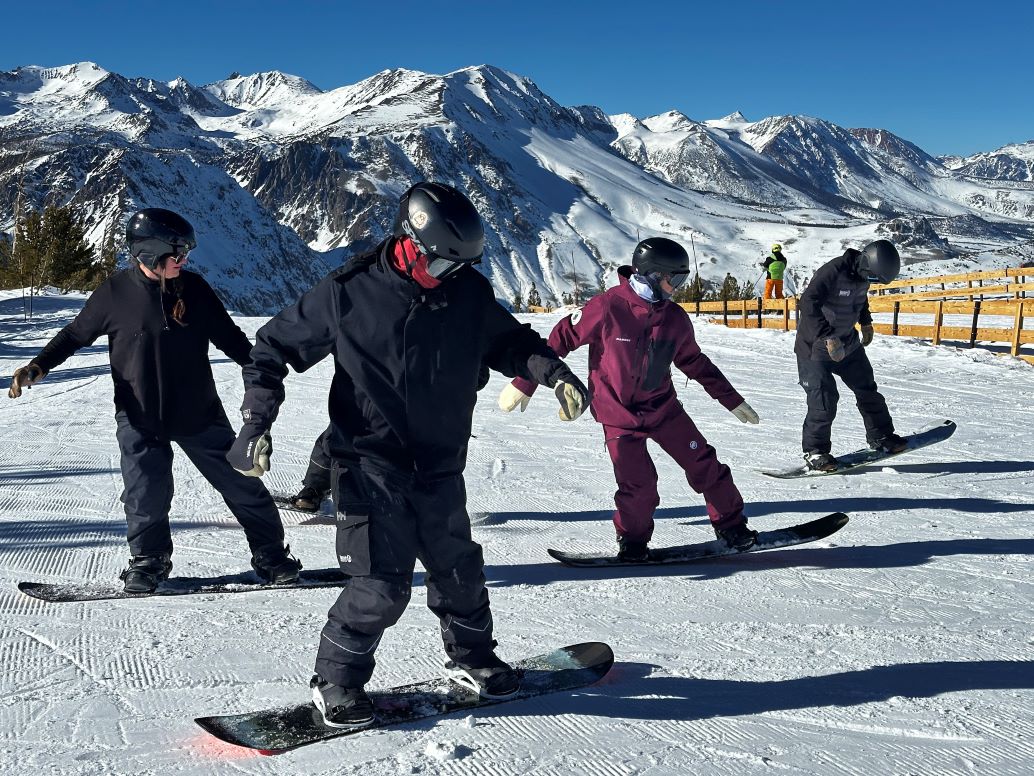
Positive reinforcement is not merely a pleasantry; it is a fundamental driver of learning, shaping behavior and skill acquisition as profoundly as technical feedback. Neuroscientific studies have shown that positive feedback, which often triggers dopamine release in the brain, enhances motivation, memory consolidation, and the strengthening of neural pathways associated with desired movements. This makes learners more likely to repeat and refine successful actions.
Instructors frequently encounter students who, despite possessing considerable skill, are excessively self-critical. In such cases, a lesson purely focused on technical corrections can be counterproductive, potentially leading to the student shutting down or becoming overwhelmed. Experienced instructors often shift their approach to prioritize positive reinforcement, highlighting specific successes after each run or lap, followed by one manageable, focused cue. This strategy allows confidence to grow rapidly. As students relax and their self-critical inner dialogue diminishes, their movements become more fluid, and they become more willing to attempt variations or tackle challenges they previously avoided. This steady, balanced mix of encouragement and precise, focused cues creates a safe and empowering environment conducive to rapid and sustainable progress.
Data from educational psychology supports the efficacy of this approach. Research published in journals like the Journal of Sport & Exercise Psychology demonstrates that learners receiving a higher ratio of positive feedback to corrective feedback not only show greater improvements in performance but also report higher levels of enjoyment and sustained motivation. For snow sports, this translates directly to increased student satisfaction, higher rates of repeat lessons, and greater long-term participation in the sport.
Broader Implications for the Snow Sports Industry and Instructor Professional Development
The evolution of Movement Analysis has significant implications across the entire snow sports ecosystem. For instructors, it demands a higher level of professional development, moving beyond mere technical expertise to encompass skills in communication, psychology, and empathetic observation. PSIA-AASI’s certification programs and continuing education initiatives increasingly emphasize these relational and psychological dimensions, preparing instructors to be not just technicians, but facilitators, mentors, and motivators. This raises the professional standing of snow sports instruction, attracting and retaining high-caliber individuals to the profession.
For students, the benefits are multi-faceted. Improved instructional quality leads to enhanced safety, as instructors gain a deeper understanding of a student’s readiness and capabilities, preventing them from being pushed beyond their comfort or skill level prematurely. The focus on empowerment and trust cultivates intrinsic motivation, fostering a lifelong love for snow sports rather than a transient engagement. This holistic approach contributes significantly to student retention, as positive learning experiences translate into a greater likelihood of returning to the slopes and continuing their learning journey. Industry reports suggest that resorts prioritizing high-quality, student-centered instruction often see better repeat visitor rates and higher customer satisfaction scores.
Moreover, while advanced technology like slow-motion video analysis certainly has its place as a supplementary tool, the core tenets of modern MA underscore the irreplaceable value of human observation, empathy, and intuitive understanding. The ability to "read" a student’s emotional state, interpret subtle body language, and respond with targeted, encouraging feedback remains fundamentally a human skill, distinguishing exceptional instructors from merely competent ones.
Expert Perspectives on the Future of MA
"The transformation of Movement Analysis represents a strategic imperative for PSIA-AASI," states a hypothetical spokesperson for the organization. "We are not just teaching people how to ski or snowboard; we are fostering a deeper connection to the mountain, to themselves, and to the joy of movement. This holistic approach to MA is central to our mission of creating lifelong snow sports enthusiasts."
A prominent sports psychologist, Dr. Evelyn Reed, offers an academic perspective: "The shift in Movement Analysis from a purely mechanistic view to one that integrates psychological and relational dynamics is profoundly significant. It aligns with decades of research in motor learning and educational psychology, demonstrating that trust, self-efficacy, and a positive learning environment are not peripheral; they are foundational to optimal skill acquisition and long-term engagement in any sport."
Seasoned instructor Maria Rodriguez, a veteran with over two decades of experience, reflects on the personal rewards: "Teaching used to feel like diagnosing and fixing problems. Now, it feels like a partnership, a journey of discovery with each student. When you truly see someone, understand their fears and aspirations, and help them unlock their potential, that’s incredibly rewarding. MA is no longer just about their turns; it’s about their entire experience."
Conclusion: A Holistic Future for Snow Sports Education
The evolution of Movement Analysis signifies a pivotal moment in snow sports instruction. By broadening its scope beyond technical mechanics to embrace the relational, emotional, and psychological dimensions of learning, MA has become a powerful catalyst for trust, empowerment, and profound personal growth on the snow. This enhanced approach not only refines the art of teaching but also elevates the entire student experience, fostering a deeper connection to the sport and ensuring its continued vibrancy for generations to come. As instructors continue to hone their skills in this holistic observation, the future of snow sports education promises to be more engaging, more effective, and ultimately, more human.
